The research layer
The science behind the cards
Every strategy in The Brain Deck is built on peer-reviewed research in cognitive and behavioral psychology. Here's the map — one principle at a time, grouped by the five feelings the deck addresses.
How to read this page
I Can't Start
For when the task exists but your body won't move.
The Zeigarnik Effect
Bluma Zeigarnik, 1927 · Kurt Lewin school
Starting a task creates unresolved cognitive tension that drives you to complete it. The hard part is the first 2 minutes, not the work itself.
Tiny Habits
Dr. BJ Fogg, Stanford Behavior Design Lab
When a behavior is tiny enough, it skips the brain's threat-and-resistance circuit. Motivation is not required — only the tiny version.
Read the source →The Progress Principle
Dr. Teresa Amabile, Harvard Business School
Small visible progress generates motivation that willpower can't. Motivation follows action, not the reverse.
Read the source →Social facilitation / body doubling
Robert Zajonc, 1965 · replicated by ADHD researchers
The presence of another person reduces task-initiation barriers by measurable amounts. Works even on video or audio call.
Lost Time
For when you blinked and three hours disappeared.
The Planning Fallacy
Kahneman & Tversky, 1979
People routinely underestimate task time by 40% or more. Logging your predictions vs. actuals retrains estimation faster than any app.
Time blindness
Dr. Russell Barkley, ADHD researcher
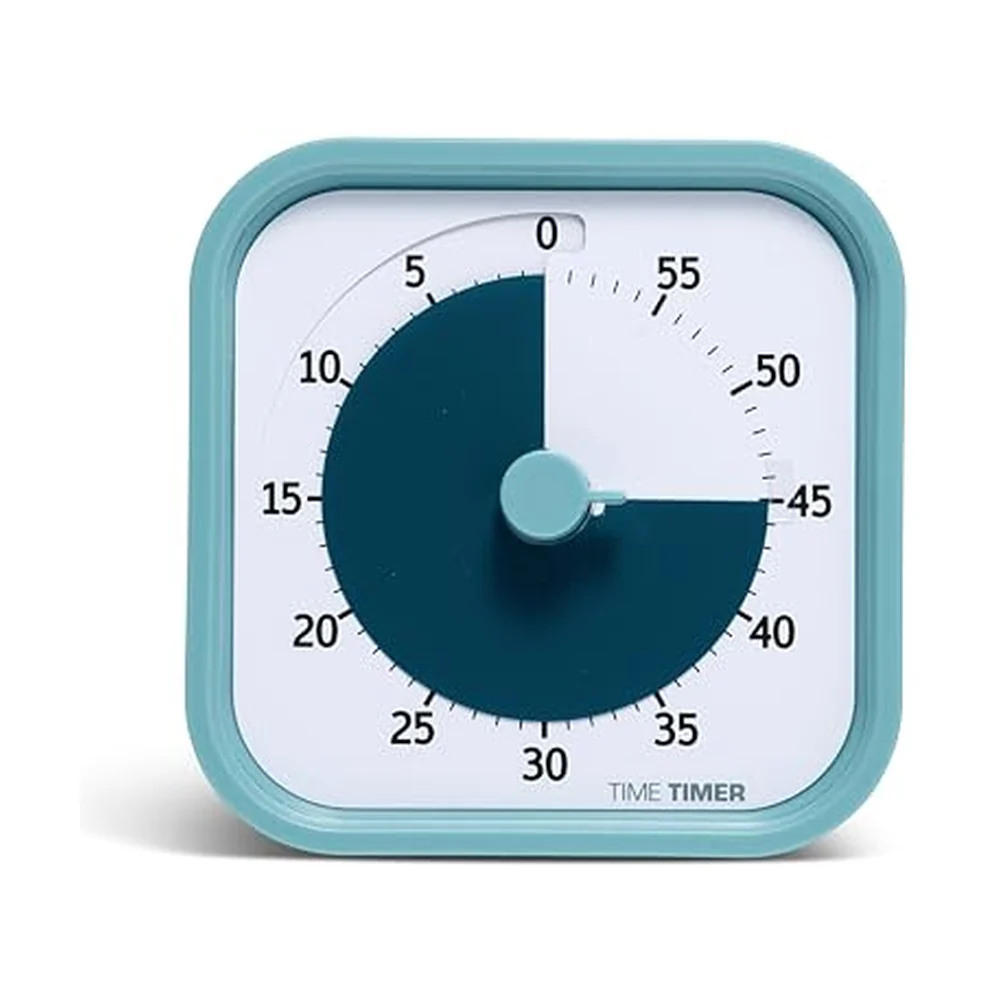
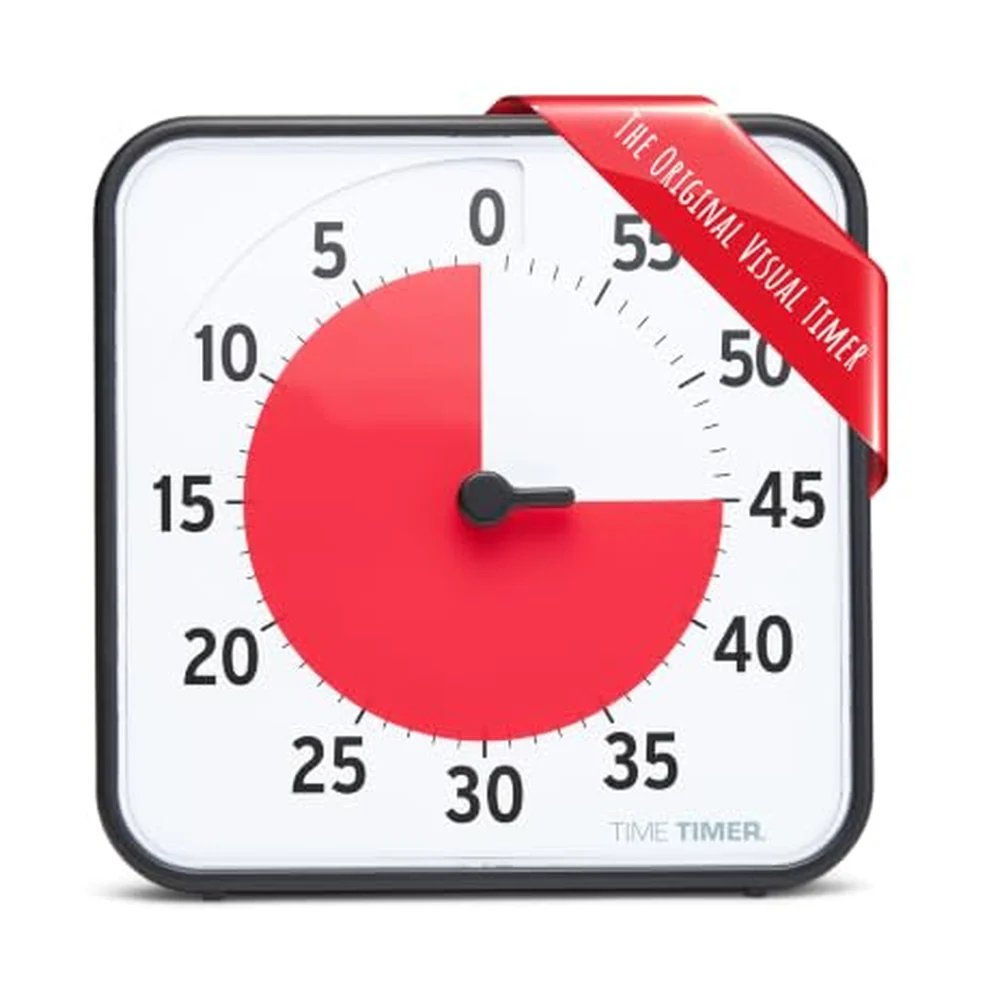
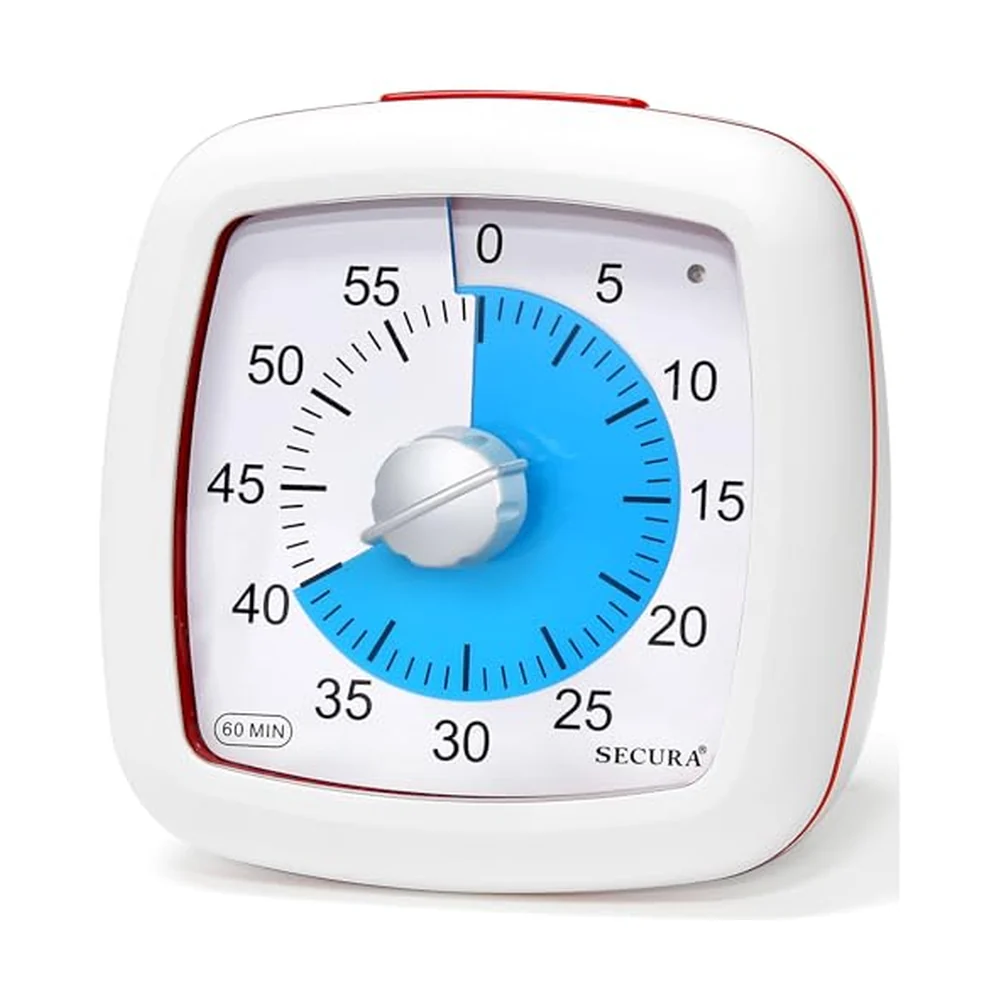
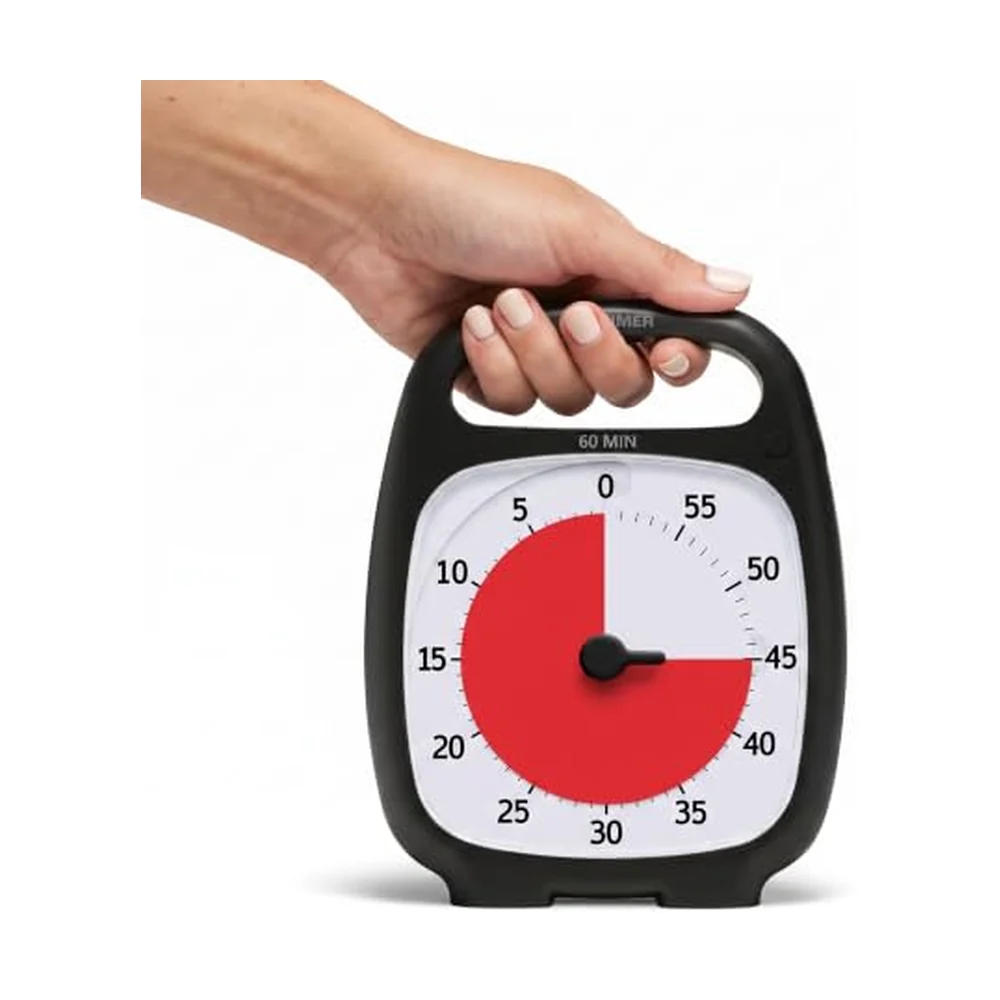
Some brains process time as 'now vs. not-now' rather than as a continuous stream. Visual timers (disc-based, analog) bypass this weakness.
Parkinson's Law (tight containers)
Cyril Northcote Parkinson, 1955
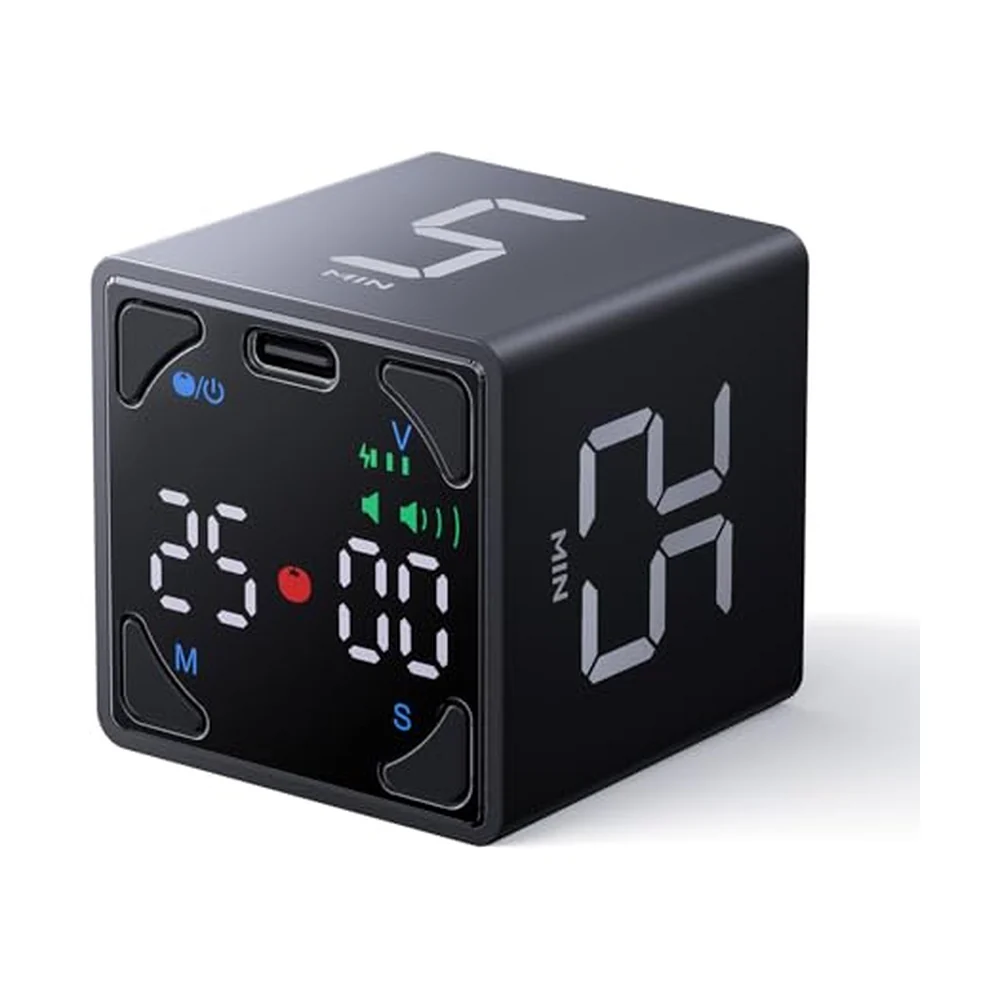
Work expands to fill the time available. Short, visible containers (10–25 minutes) produce disproportionate focus.
Can't Decide
For when every option feels equally impossible.
Decision Fatigue
Dr. Roy Baumeister, Florida State University
Willpower and decision-making draw from a shared, depletable resource. Reducing the number of daily decisions preserves cognitive bandwidth for what matters.
Satisficing beats maximizing
Herbert Simon, Nobel-winning work on bounded rationality
People who pick the first option that meets their minimum bar report higher satisfaction than those who search for 'the best'.
Regret aversion
Gilovich & Medvec, Cornell
Your felt response to a random outcome (like a coin flip) reveals your true preference — often one your conscious mind can't access.
Overwhelmed
For when the world is too loud, too bright, too everything.
Cognitive load theory
John Sweller, 1988
Working memory can hold ~4 chunks at once. Externalizing tasks to paper frees up the cognitive budget needed to act on any one of them.
The paradox of choice
Barry Schwartz, Swarthmore
More options produce less action, more anxiety, and lower satisfaction with whatever you eventually pick. Ruthless triage beats comprehensive lists.
Attention restoration
Kaplan & Kaplan, University of Michigan
Brief exposure to simple, low-stimulus environments restores directed attention. Even 60 seconds of 'do nothing' has measurable effects.
Fell Off Track
For when you missed a day and your brain says give up forever.
The Fresh Start Effect
Dai, Milkman & Riis, Wharton (2014)
Perceived new beginnings (Mondays, first of the month, birthdays) boost aspiration and follow-through. You can manufacture them — any hour can be a fresh start.
Self-compassion reduces relapse
Wohl, Pychyl & Bennett, Carleton University (2010)
People who forgive themselves after slipping return to habits faster than those who self-criticize. Guilt is the actual cycle-breaker, not slip-ups.
The what-the-hell effect
Dr. Janet Polivy, University of Toronto
A single broken streak triggers disproportionate collapse of effort. Low-bar reentry ('just show up') prevents the spiral.
Put the research on your desk
A research paper you can hold
Every principle above ships as a card you can pull in the moment you need it — with the action on the front and the science on the back.
Pull a sample card