The anti-app thesis
Why analog works when apps don't
Every productivity app lives on the same device as your doomscroll. That's not a focus tool — it's a casino with a to-do list plugin. Here's the neuroscience of why a physical card, pen, or sticky note changes the game.
of waking hours spent mind-wandering — the default state when your phone is in reach
Killingsworth & Gilbert, Harvard
average time to refocus after a single notification-driven distraction
Mark et al., UC Irvine
average time before reaching for a phone that's visibly present on a desk
Ward et al., UT Austin
The digital-friction trap
Every app you open for productivity sits on the same glass rectangle as TikTok, email, Slack, and the news. Opening Notionto capture a to-do exposes your brain to the exact dopamine cues it's been trained to chase. This is the digital-friction trap: the tool meant to focus you is bundled with the things that fragment you.
The brain-in-the-pocket effect
Analog vs. app, side by side
| Dimension | A productivity app | A physical card/pen |
|---|---|---|
| Distraction surface | Shares a screen with Instagram, email, Slack | Zero adjacent apps. No notifications ever. |
| Time to start | Unlock → open app → navigate → type | Pick up. Write. Done. |
| Decision load | Tags, projects, priorities, views, filters | One card. One action. |
| Working memory | Degraded — phone-in-pocket effect | Freed — externalized onto paper |
| Sensory feedback | Tap-tap-tap (identical to every other app) | Texture, weight, visible rotation |
| Battery | Needs charging, updates, subscription | Forever |
What the research actually says
Handwriting recruits more brain than typing. A 2024 study published in Frontiers in Psychology(Van der Weel & Van der Meer) measured EEG activity during handwriting vs. typing. Handwriting engaged significantly more widespread connectivity across the brain's memory and motor regions. Typing was flat by comparison.
External constraints reduce decision fatigue. Research on "choice architecture" (Thaler & Sunstein) shows that when options are fewer and physically present, action follows faster. A deck of 54 cards is a finite, pre-decided set. An app is infinite.
Implementation intentions stick better on paper. Peter Gollwitzer's two decades of research on "if-then" planning show that writing an intention physically — not digitally — nearly triples follow-through rates on otherwise-avoided tasks.
How a card deck uses all of it
- 01
One action, not a system
You don't set it up. You pull a card.
- 02
Externalized working memory
Your decision is on the card, not in your head.
- 03
Finite and bounded
52 strategies total. No infinite scroll.
- 04
Offline by default
No apps, no accounts, no notifications.
When apps do beat analog
Fair is fair. Apps beat analog for shared calendars, recurring reminders, search, and sync across devices. If your task is "remember Tuesday's dentist at 3pm," you want a phone notification, not a card. The point isn't that apps are useless — it's that they're the wrong tool for the single moment when your brain is stuck and can't take the first step.
The right-tool-for-the-right-moment rule
Further reading
- → 12 analog productivity tools that create real focus
- → The science behind each Brain Deck category
- → How to stop doom-scrolling
- → Alternatives to planners for focus
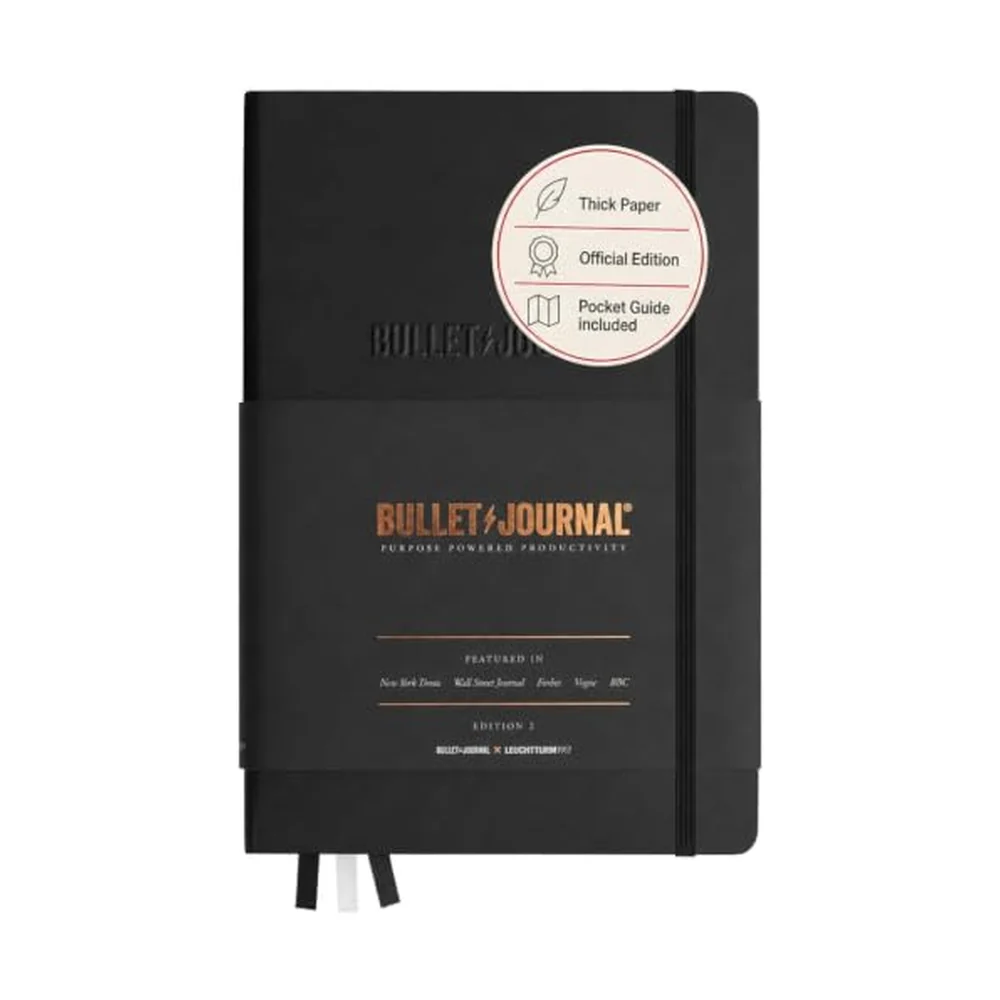
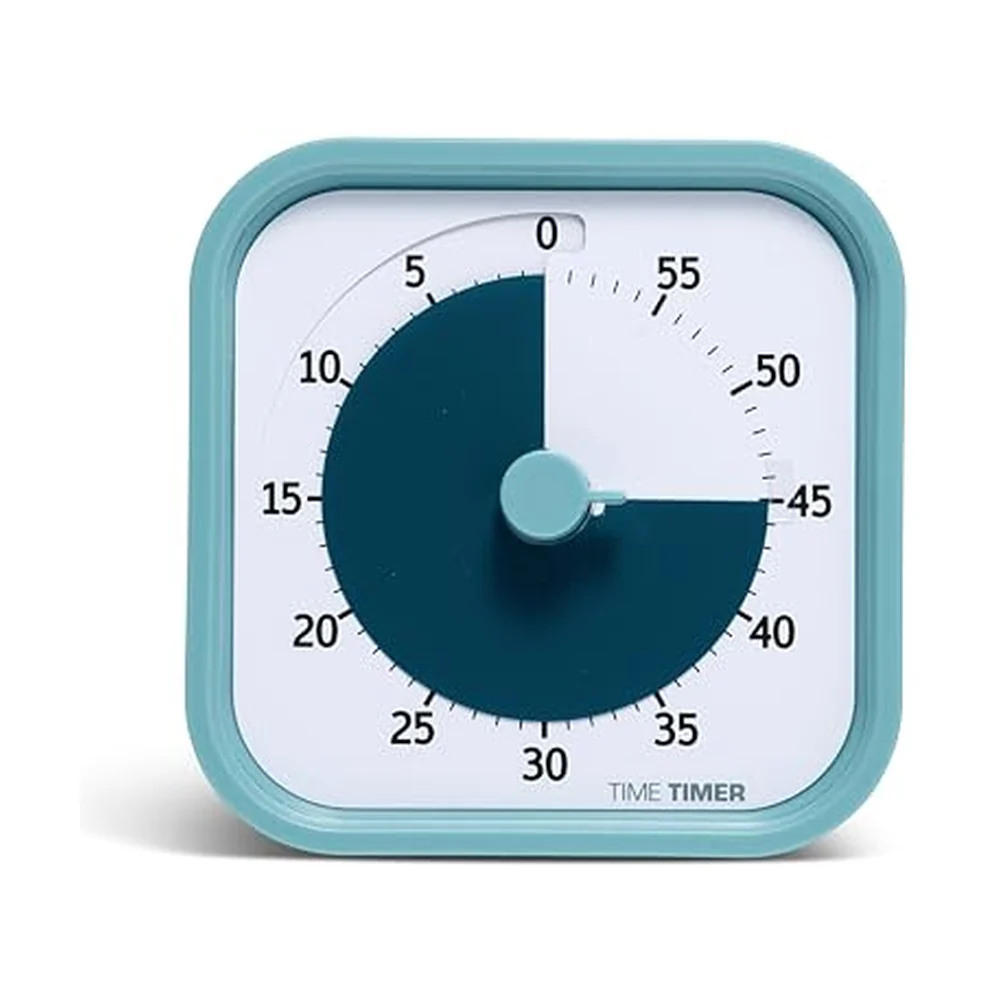
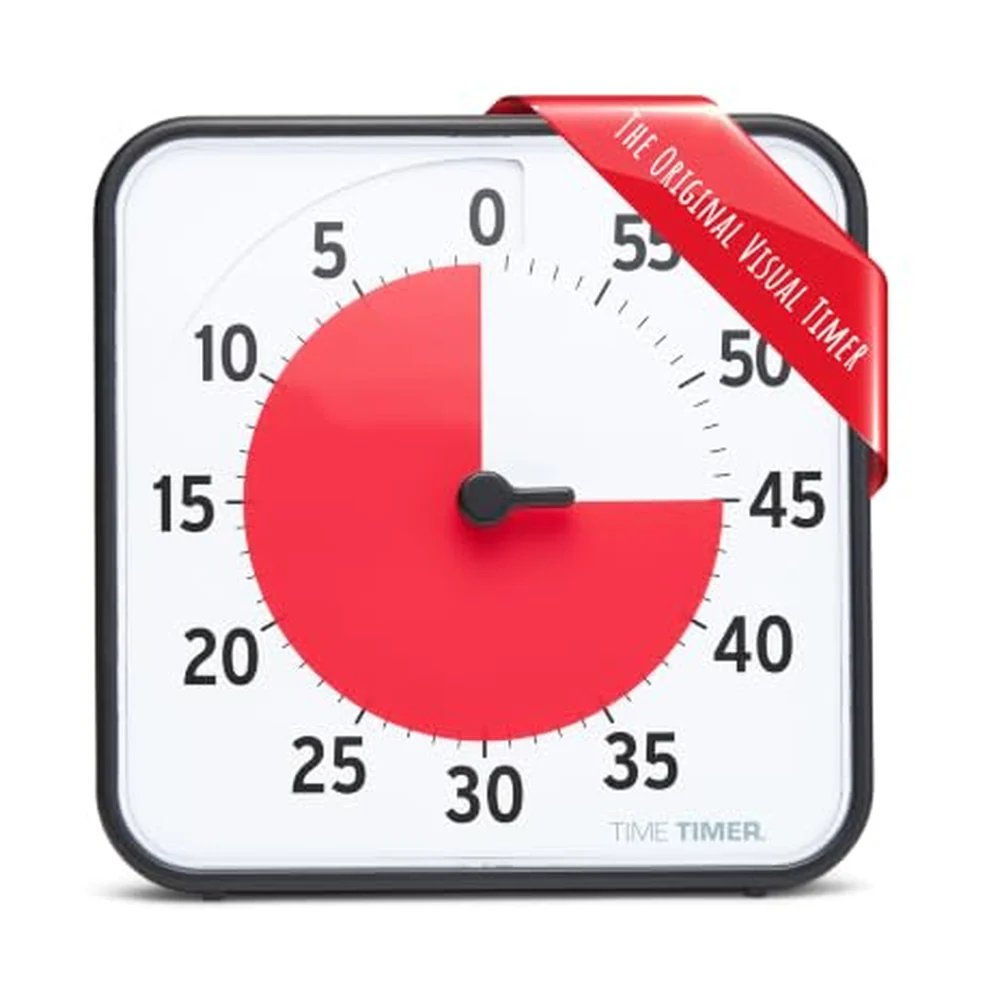
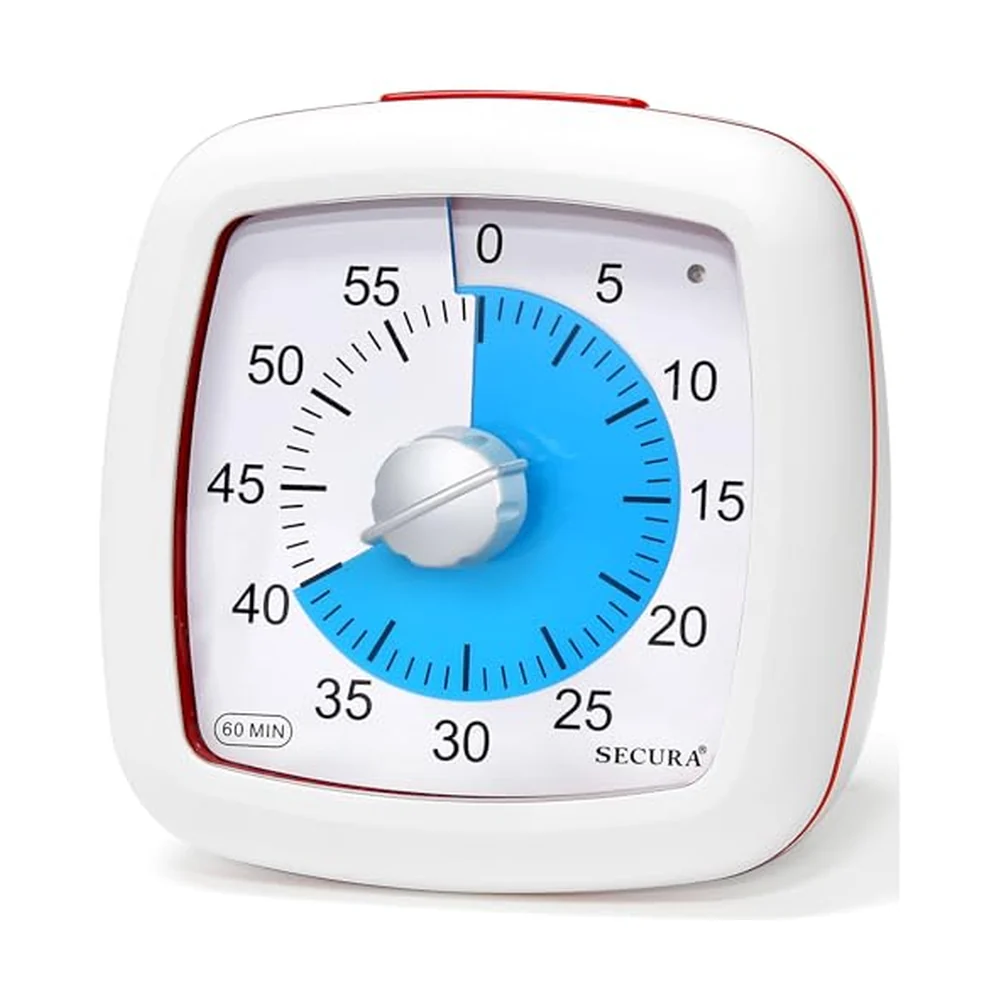
Analog tools worth putting on your desk
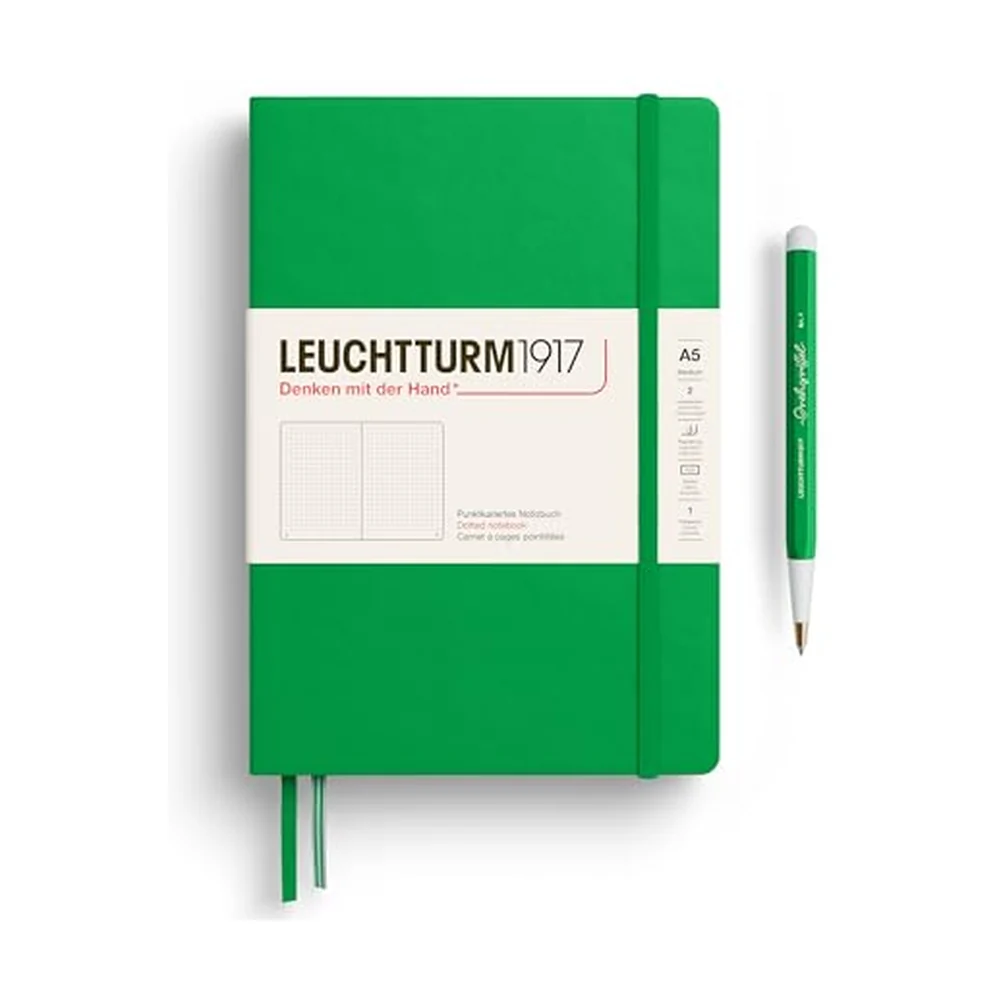
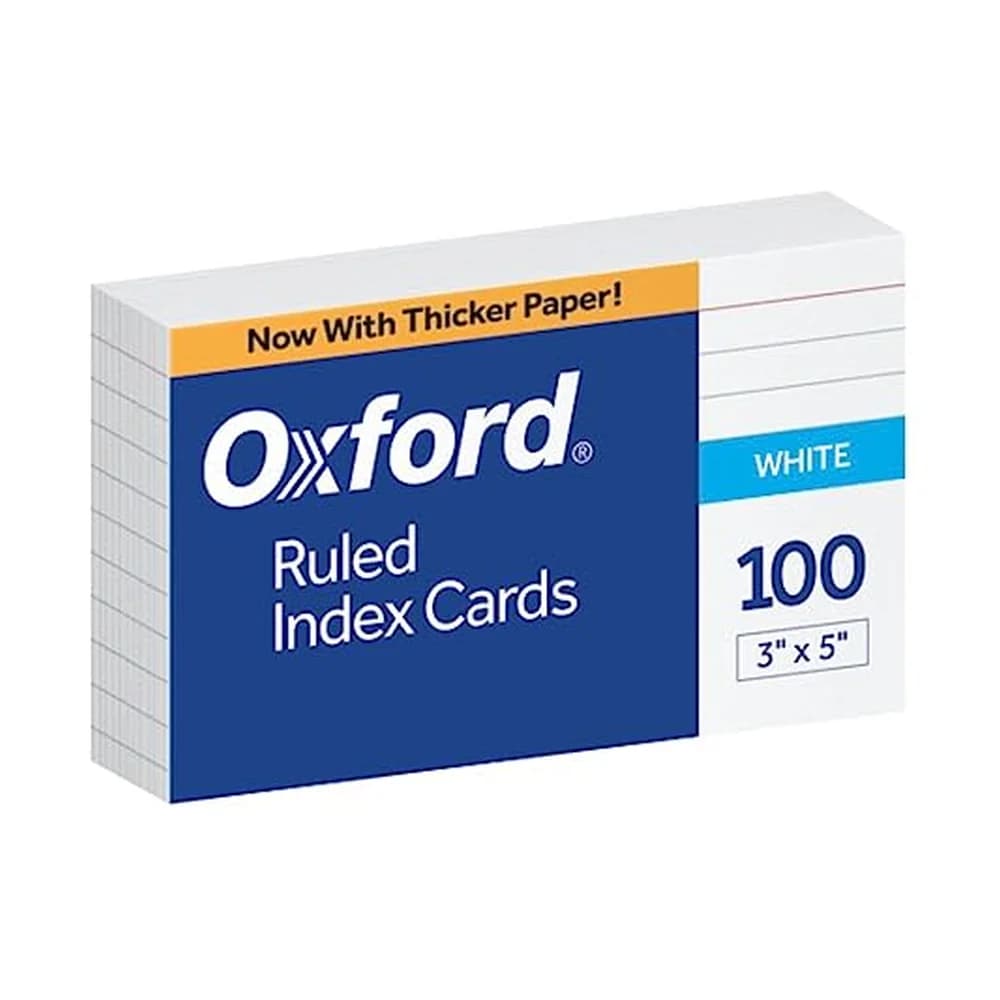
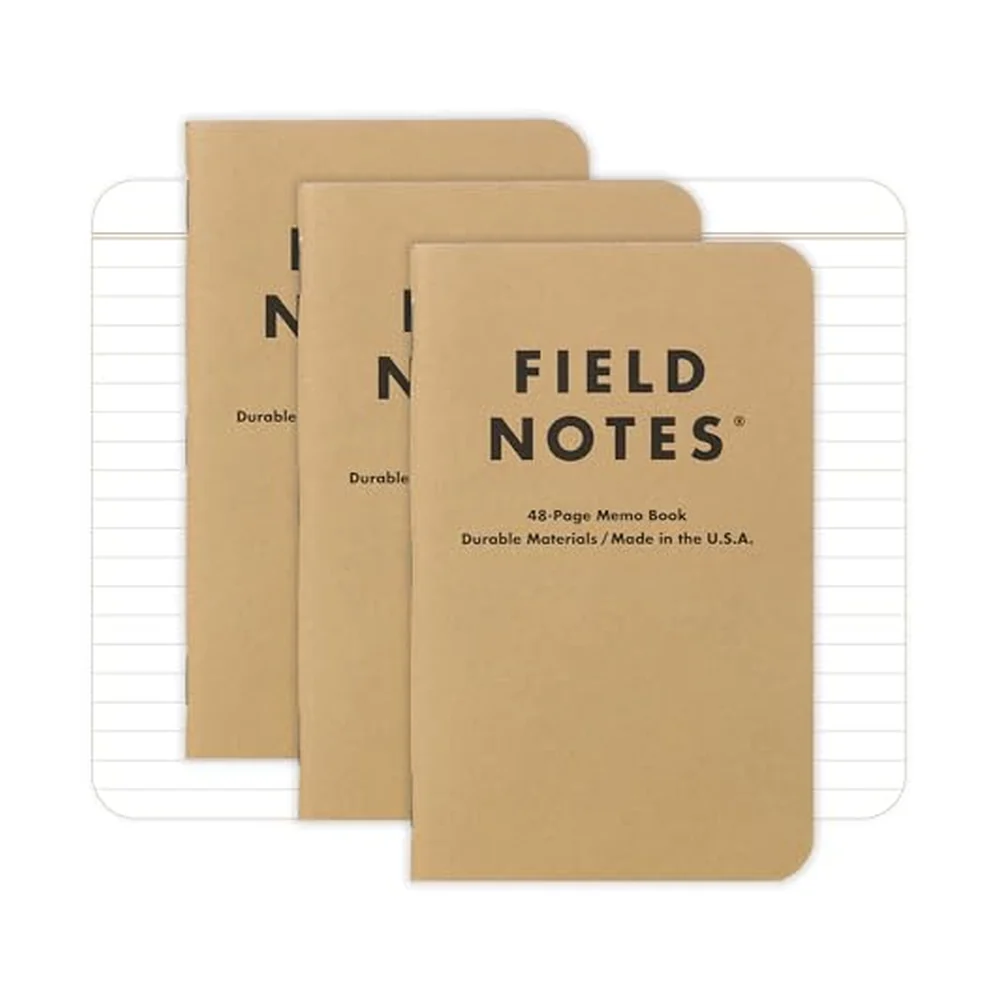
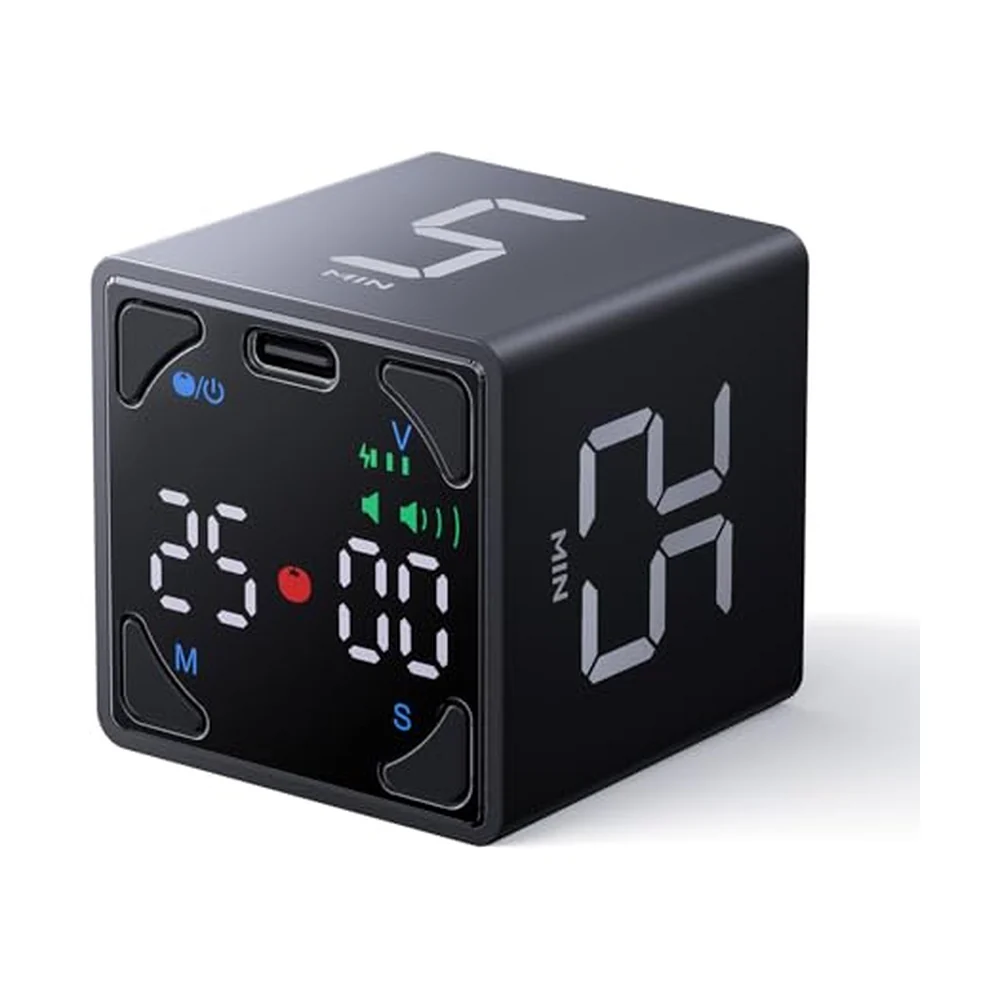
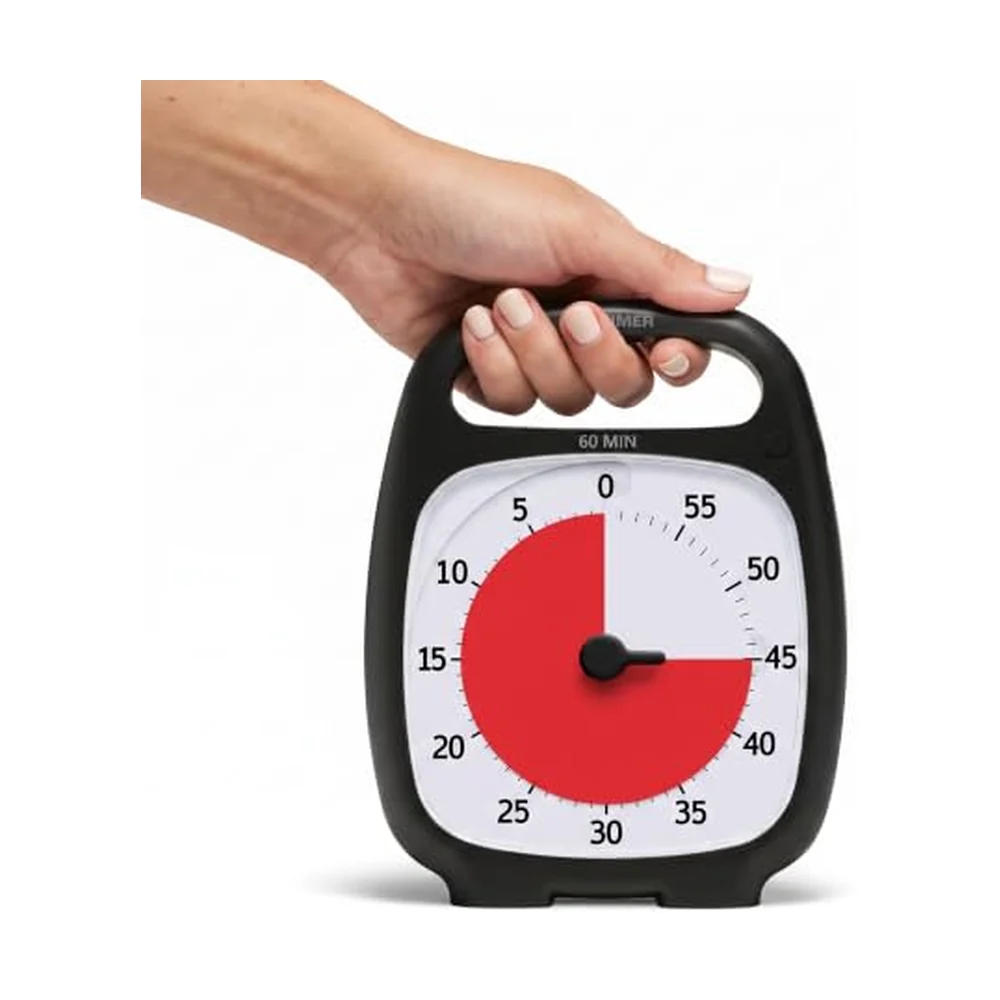
54 cards. Zero apps.
The Brain Deck is a physical card deck for the exact moment your app-based system stops working — when your brain is stuck and you just need the next concrete step.
Pull a sample card