Alternatives to Planners for Focus: 8 Methods (2026)
Planners don't work for everyone. If traditional planning systems leave you feeling worse, these alternatives can help you focus and get things done without the guilt.
By The Brain Deck Editorial
If planners haven't worked, the failure isn't yours — try a present-moment tool (single task, sticky notes, card pulls) instead of future scheduling.
Key Takeaways
- Not everyone is a planner brain — if planners make you feel worse, you don't need a better planner.
- Visible, present-tense tools work better for many — whiteboards, sticky notes, card pulls beat future-tense scheduling.
- Try one anchor instead of a full system — a single daily 'what's the one thing' note often outperforms a 40-page planner.
- Systems should serve the brain you have — not the one productivity influencers wish you had.
Try this in the next 60 seconds
- Stop trying to find a 'better' planner
- Pick the alternative that feels easiest, not most impressive
- Use it for one week before judging it
- Drop the guilt about abandoning planners
Try this first
If you've tried planner after planner and still can't stick with any of them, you're not failing at planning — planning might be failing you. Traditional planners assume a linear, predictable relationship with time and tasks that doesn't match how many people actually think, feel, and work. The good news: there are effective alternatives to planners that help you focus and get things done without requiring you to map out your week in color-coded blocks. Here are the approaches that work when planning doesn't.
Research from Dr. Timothy Pychyl at Carleton University suggests that rigid planning systems can actually increase procrastination for some people — the gap between the perfect plan and imperfect execution creates shame, which triggers avoidance. Dr. BJ Fogg at Stanford takes this further, arguing that the most effective behavior-change systems aren't plans at all — they're environmental designs and tiny habits that bypass the need for planning entirely. If your planner is collecting dust, that's not a character flaw. It's information about what kind of system your brain actually needs.
Why Don't Planners Work for Everyone?
Planners fail for several predictable reasons. First, they require future prediction — estimating how long tasks will take, when you'll feel energized, and what interruptions will arise. For people with variable energy, mood-dependent productivity, or ADHD, this prediction is unreliable at best. Second, planners create premature commitment. Writing "work on project" in the 2:00 PM slot on Monday assumes you'll be in the right state for that task at that time. When you're not, the mismatch between plan and reality feels like failure.
Third — and most commonly — planners become another task to manage. Maintaining a planning system requires consistent executive function: reviewing, updating, reorganizing, migrating tasks. For the very people who need the most help with productivity, this meta-work can be the straw that breaks the camel's back. If this resonates, our guide on feeling overwhelmed at work explores how to reduce cognitive load across the board.
What Are the Best Alternatives to Planners?
The alternatives below share a common philosophy: instead of planning your way to productivity, they help you act your way to progress. Each one reduces the distance between "I should do something" and actually doing it.
1. The Brain Deck
The Brain Deck replaces planning with prompting. Instead of mapping out what to do and when, you identify how you're feeling — stuck, scattered, drained, unable to start, or wanting to quit — and draw a card from the corresponding category. Each card gives you a specific, science-backed strategy to try right now.
This works as a planner alternative because it's responsive rather than predictive. You don't need to know on Sunday night what you'll feel like on Wednesday afternoon. You deal with Wednesday afternoon on Wednesday afternoon, using a tool designed for exactly that moment. The Brain Deck's 52 strategies are based on research from fields including behavioral psychology, neuroscience, and habit science, with the evidence printed on the back of each card. For people whose energy and focus are unpredictable, this responsive approach outperforms rigid scheduling. Coming soon at thebraindeck.com.
2. Brain Dumps
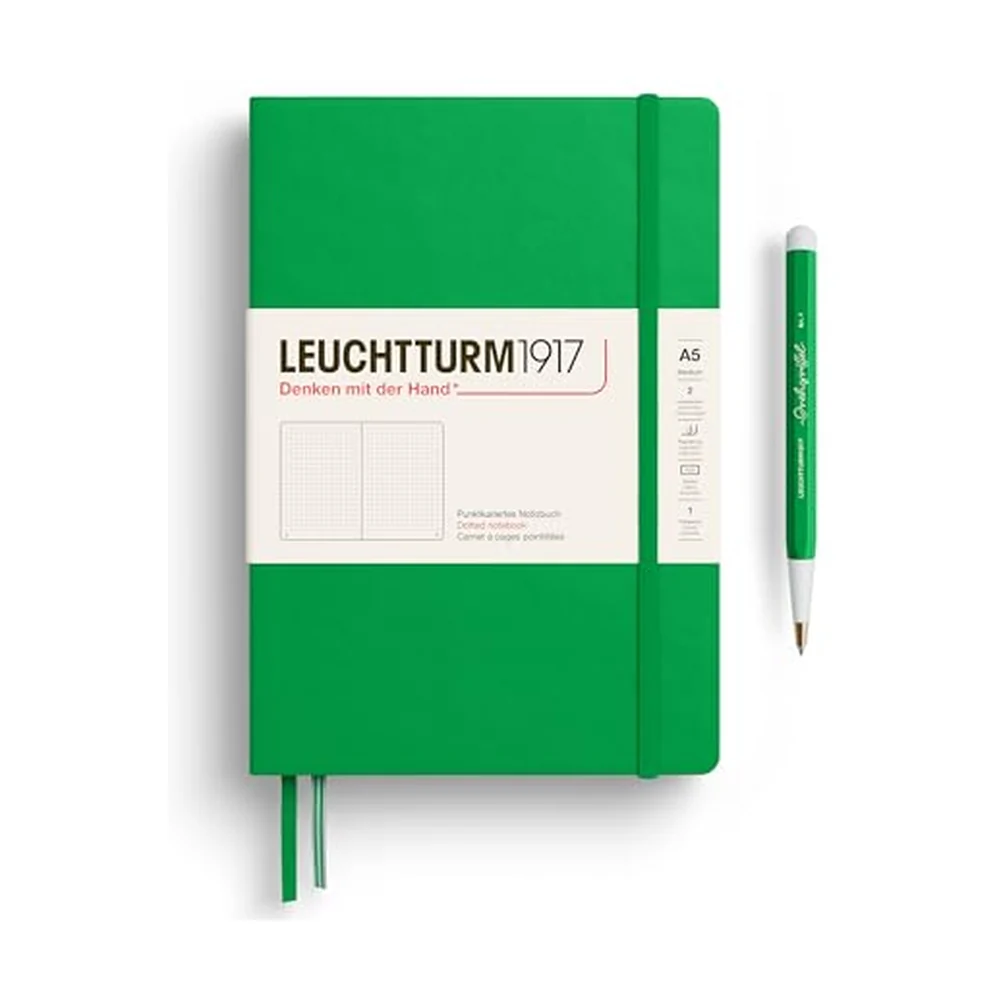
A brain dump is the anti-planner. Instead of organizing your tasks into a structured system, you write down everything in your head — every task, worry, idea, and obligation — in a single, unstructured list. The goal isn't organization. It's externalization. Getting everything out of your head and onto paper frees up working memory and reduces the anxiety of trying to hold it all internally.
After the dump, you can scan the list and pick the one thing that matters most right now. No categorization, no scheduling, no color coding. Just: what's the most important thing I could do next? Research from Dr. Roy Baumeister suggests that the mere act of writing down unfinished tasks reduces the intrusive thoughts about them — you don't need to complete the tasks to get mental relief, you just need to capture them.
3. Single-Task Cards
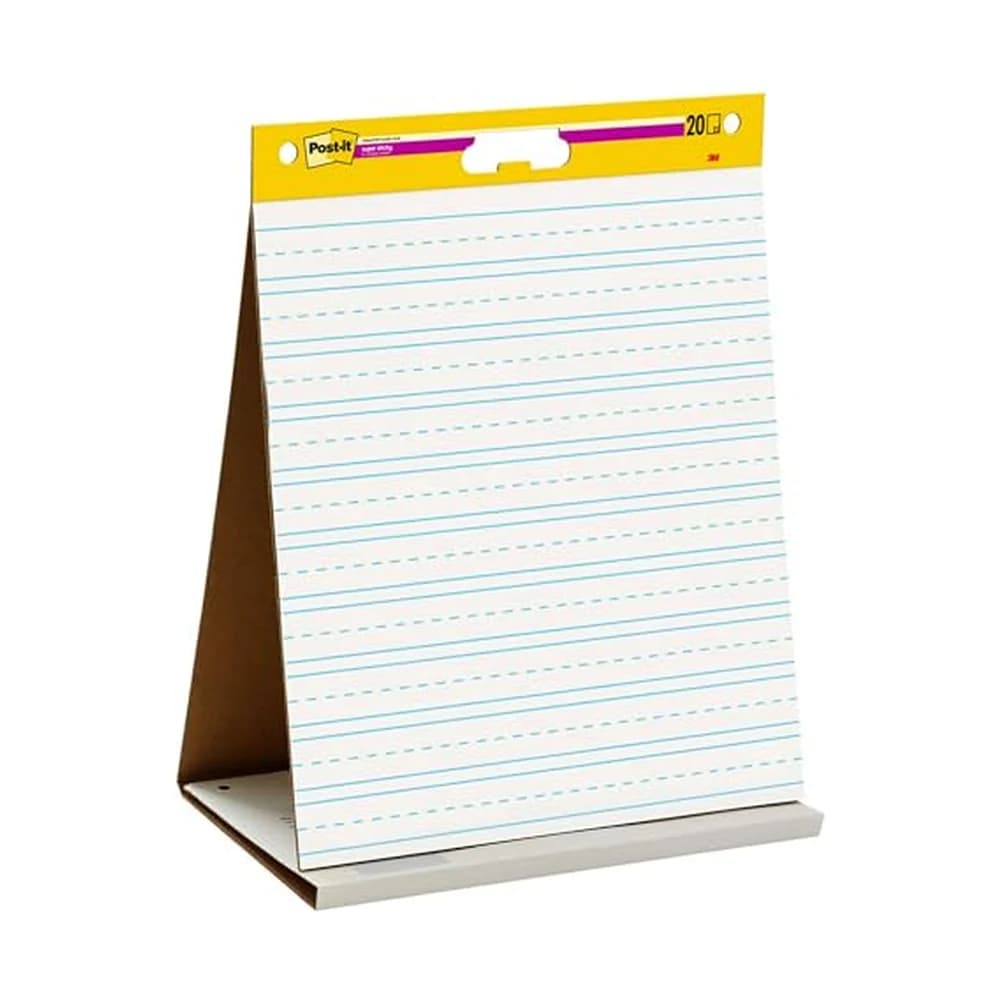
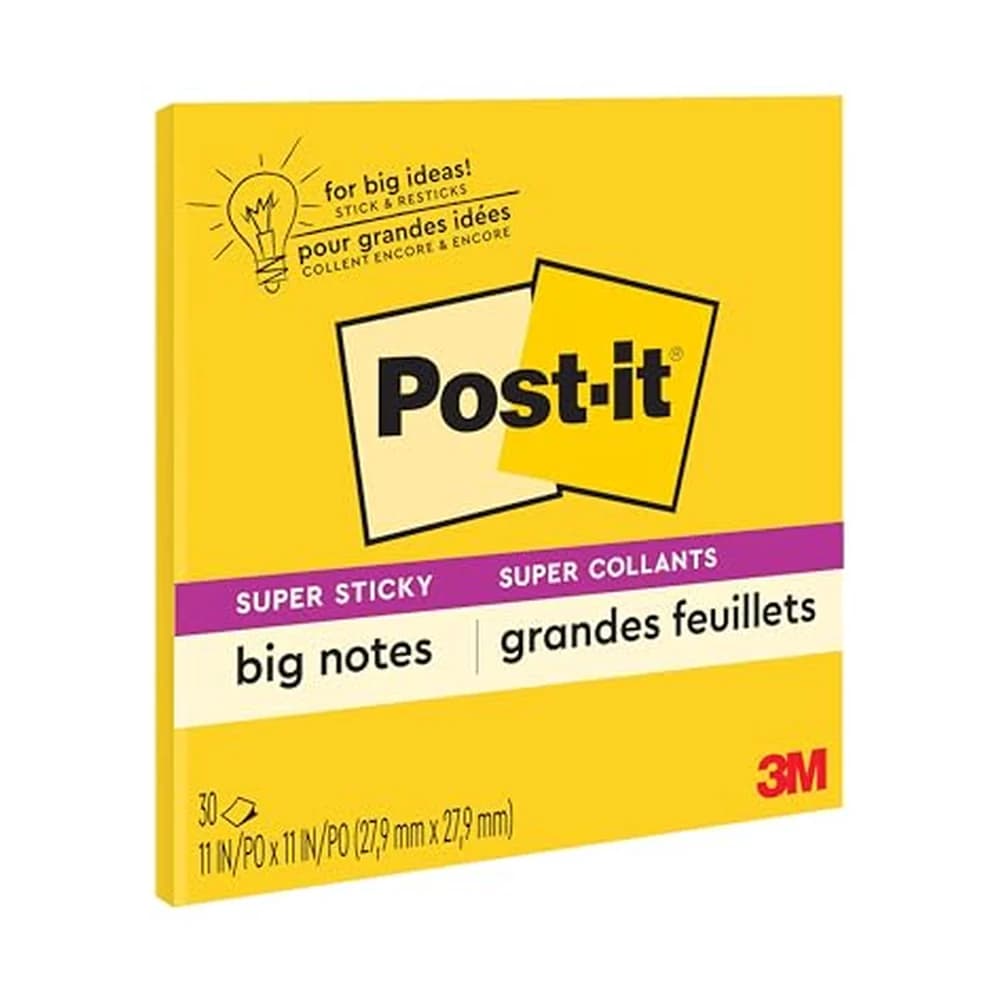
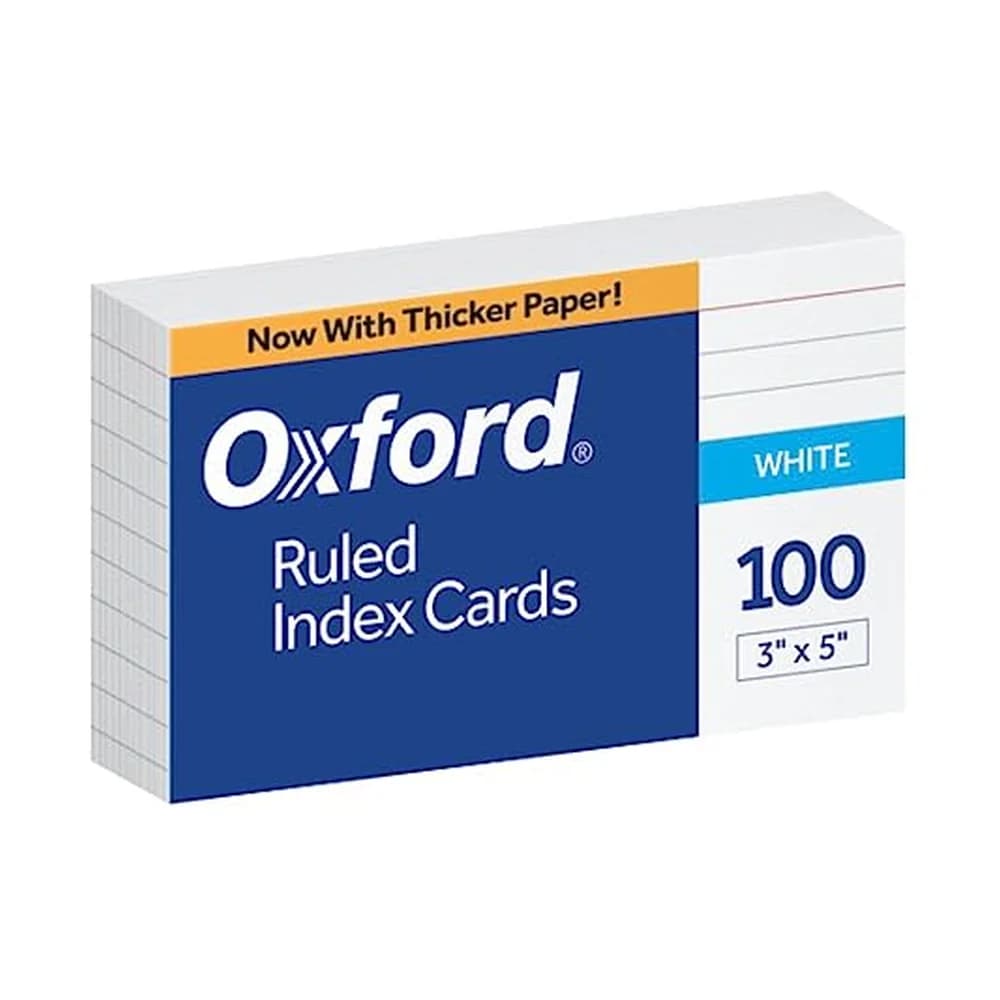
Write one task on one index card or sticky note. Place it where you work. Do that task. When it's done, write the next one. This system has no backlog, no categories, no weekly review. It reduces your entire productivity system to the only question that matters: what am I doing right now?
Single-task cards work because they eliminate the overwhelm of seeing everything you need to do. Dr. Angela Duckworth's research at the University of Pennsylvania on grit and perseverance shows that sustained focus on a single goal outperforms scattered effort across many — and this principle applies at the task level as much as the life level.
4. Visual Boards
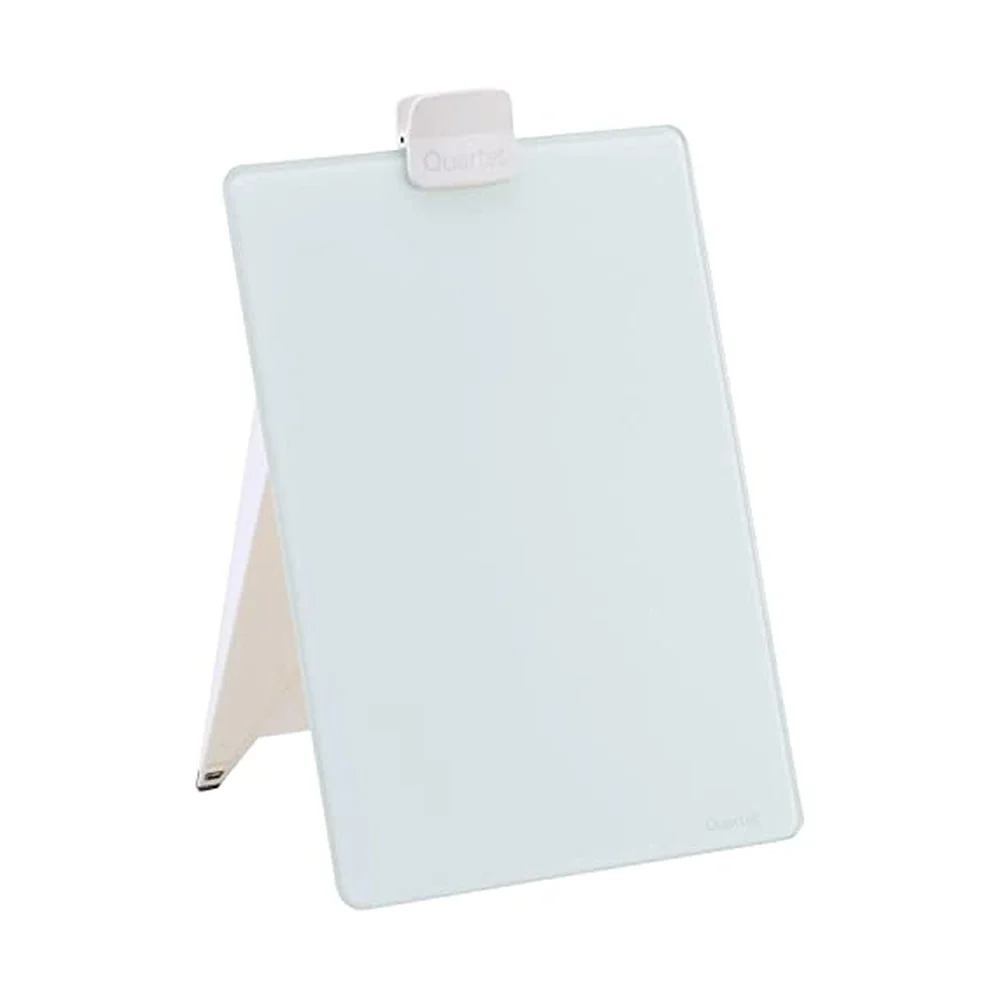
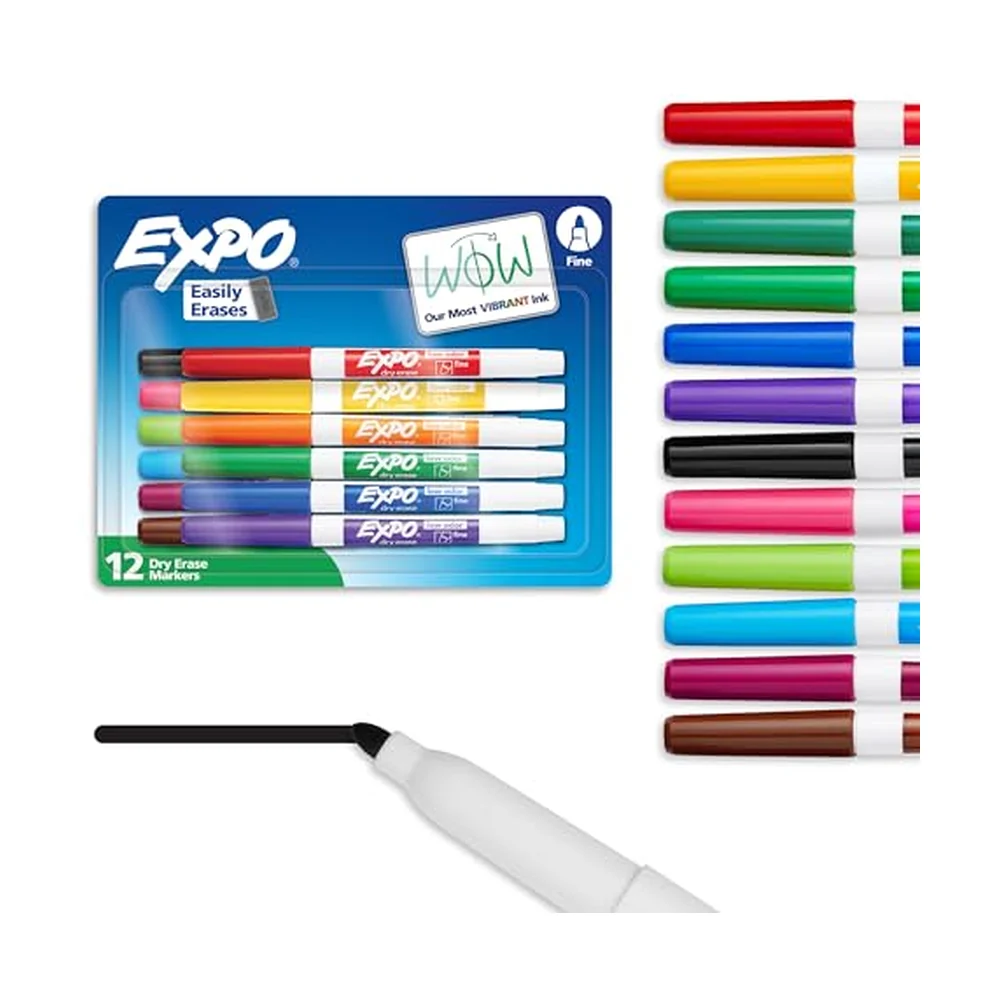
A physical Kanban board — three columns on a whiteboard or wall: "To Do," "Doing," "Done" — provides structure without the rigidity of time-based planning. You can see what's in progress, what's waiting, and what's complete, all at a glance. The key rule: limit your "Doing" column to one or two items at most. This prevents the scattered, everything-at-once approach that planners sometimes encourage.
Visual boards work especially well for people who are "out of sight, out of mind" thinkers. If you tend to forget about tasks that aren't directly in front of you, a visible board in your workspace keeps them present without requiring you to open an app or check a list.
5. Time Blocking Without a Planner
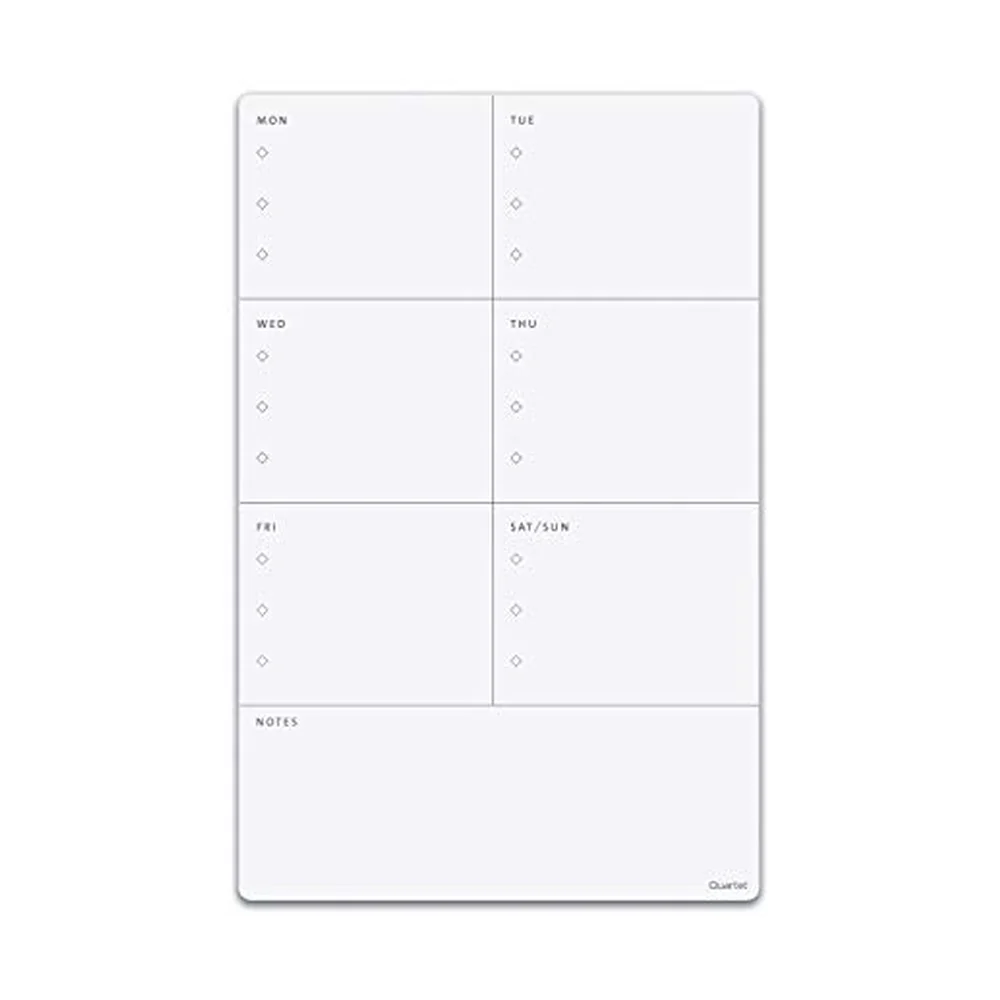
Time blocking doesn't require a planner. A simple whiteboard, a sticky note on your monitor, or even a verbal commitment — "for the next 90 minutes, I'm working on the report" — achieves the same effect. The time boxing method works by creating boundaries around work sessions, not by scheduling your entire day. You can time-block one session at a time, decided in the moment based on your current energy and priorities.
This approach preserves the benefit of time blocking (focused, boundaried work sessions) while discarding the part that doesn't work for everyone (predicting and scheduling an entire day or week in advance).
6. Accountability Partners
Sometimes the best alternative to a planner is another person. An accountability partner — someone who checks in regularly on your progress — provides external motivation that no planning system can replicate. This can be a friend, a colleague, a coach, or a virtual body-doubling partner.
The mechanism is social commitment. Research shows that publicly stating your intentions significantly increases follow-through. An accountability partner doesn't care about your planner format — they care whether you did the thing. That simplicity cuts through the meta-work that makes planning systems collapse.
7. The "Just One Thing" Method
Each morning (or the night before), decide on the one thing that would make the day feel successful if you completed it. Write it down. Do it first. Everything else is optional. This is not a planner — it's a daily filter that separates the essential from the noise.
Dr. Teresa Amabile's research at Harvard on the progress principle found that making meaningful progress on a single important task is the strongest predictor of positive mood and motivation at work. The "just one thing" method is built on this finding. One completed priority beats ten half-started tasks every time. For more on this approach, see our guide on how to get motivated.
8. Trigger-Based Systems
Instead of scheduling tasks by time, attach them to triggers: "After I pour my morning coffee, I'll write for 20 minutes." "When I close my laptop for lunch, I'll review my inbox." This approach, rooted in Dr. BJ Fogg's Tiny Habits method, works because it leverages existing routines as launch pads. You don't need a planner to remember the trigger — the trigger is built into your day.
Trigger-based systems are especially effective for people whose schedules are unpredictable. The triggers remain constant even when the timing shifts, providing reliability without rigidity.
How to Find What Works for You
If planners haven't worked, resist the urge to buy a better planner. Instead, experiment with the approaches above. Start with the one that feels easiest — not most impressive. If you're drawn to the simplicity of single-task cards, try that first. If you need external motivation, find an accountability partner. If your problem is knowing how to start when overwhelmed, The Brain Deck or brain dumps will serve you better than any planner ever could.
The goal isn't to find the perfect system. It's to find any approach that gets you from stalled to started, consistently. The best productivity system is the one you'll actually use — and if that means abandoning planners entirely, that's not failure. That's self-knowledge in action.
Common mistake
What people on Reddit actually say
- r/ADHD🔥 loud consensus
r/ADHD consensus: traditional planners routinely fail ADHD brains because they're optimized for time-consistent behavior. Flexible, present-moment tools (sticky notes, whiteboards, card decks) work better.
- r/adhdwomen⬆ strong consensus
r/adhdwomen threads describe abandoning the 'planner guilt' spiral as a quiet breakthrough. When the tool doesn't fit your brain, the failure isn't yours.
- r/productivity💬 commonly repeated
r/productivity regulars suggest replacing planners with a daily one-card, one-post-it, or one-sentence anchor. The simpler the capture, the higher the follow-through.
Paraphrased consensus from public threads — no direct user quotes.
Pull a card · free sample
Planner gathering dust? Pull a card instead — one prompt, one action, no system to maintain.
Pull a random card →
Tools that help with this
Ready to get unstuck?
The Brain Deck gives you 52 science-backed strategies in your pocket — a physical card deck you keep on your desk, no app required.
See the CardsLaunching soon · 54 cards · Premium matte finish