How to Get Motivated: 5 Steps That Work (2026)
Motivation does not arrive before action — it is generated by action. Research shows that starting small, even badly, triggers the neurological momentum that 'feeling ready' never will.
By The Brain Deck Editorial
Motivation follows action: lace your shoes, open the doc, write one sentence — and the feeling of being ready arrives mid-task, not before it.
Key Takeaways
- Action precedes motivation — doing the first small step generates the feeling you were waiting for.
- Lower the entry cost to absurd levels — one pushup, one sentence, five minutes — easy to start, easy to extend.
- Link the task to identity, not outcome — 'I'm someone who writes daily' outlasts 'I want to finish the book.'
- Dopamine is a 'before' chemical — it fires in anticipation of reward, so designing small wins into your day keeps fuel flowing.
Do this first (60 seconds)
- Stand up — change physical position
- Walk to where the task lives
- Touch the materials (open the doc, pick up the pen)
- Do only the first 2 minutes

follow-through with implementation intentions
Gollwitzer, NYU
motivation from values-aligned tasks vs. external rewards
Duckworth, UPenn
daily motivator is visible progress
Amabile, HBS
Try this first
The 4-question values check
- 01
Why does this matter?
Surface answer: a deadline, an obligation.
- 02
Why does THAT matter?
One layer deeper: who it serves, what it builds.
- 03
Why does that matter?
Now you're at a personal value.
- 04
Reframe the task
From 'I have to' to 'I'm someone who.'
Motivation is not a prerequisite for action — it is a byproduct of it. Based on research from Dr. Timothy Pychyl at Carleton University, waiting to feel motivated before starting is the most common form of procrastination, because motivation is an emotion, and emotions follow behavior more reliably than they precede it. The fastest way to get motivated is to take one tiny action — open the document, write one sentence, lace up your shoes — and let the doing generate the feeling you were waiting for.
If you are lying on the couch right now, feeling guilty about everything you are not doing — you are not lazy. You are experiencing a gap between intention and activation that nearly every human faces. The Brain Deck's "I Can't Start" category exists for exactly this moment.
Why Doesn't Motivation Show Up When You Need It?
Dr. Piers Steel's temporal motivation theory explains this clearly: motivation is a function of expectancy (do I believe I can do this?), value (do I care about the outcome?), impulsiveness (how easily am I distracted?), and delay (how far away is the reward?). When a task is large, vague, or distant, every variable works against you. Your brain literally calculates that the effort is not worth it — not because you are flawed, but because the equation is stacked.
This means motivation is not a character trait some people have and others lack. It is a calculation you can manipulate by changing the variables. Make the task smaller (increase expectancy). Connect it to something you care about (increase value). Remove distractions (reduce impulsiveness). Create immediate feedback (reduce delay). The Brain Deck strategy "Shrink the Ask" targets the first variable directly — by reducing the task to its tiniest possible version, you shift the equation from "not worth it" to "why not."
What If You Genuinely Cannot Start?
When motivation is at absolute zero, bypass your thinking brain entirely and start with your body. The Brain Deck's "Body First" strategy is grounded in research showing that physical state drives mental state more powerfully than the reverse. Dr. BJ Fogg at Stanford's Behavior Design Lab has demonstrated that tiny physical actions — standing up, walking to your desk, opening a notebook — create what he calls "activation momentum." The behavior itself shifts your neurochemistry.
Try this sequence:
- Stand up. Just stand. Change your physical position.
- Move to where the task lives. Walk to your desk, your kitchen, your workspace.
- Touch the materials. Open the laptop, pick up the pen, lay out the tools.
- Do the first two minutes. Not the whole task. Just the two-minute version.
Somewhere between steps two and four, something shifts. Psychologists call it behavioral activation — the act of engaging, however minimally, interrupts the inertia loop. You do not need to feel ready. You need to move.
Does Connecting Tasks to Values Actually Work?
Yes — and the research is robust. Dr. Angela Duckworth at the University of Pennsylvania has shown that people who connect daily tasks to larger personal values sustain effort dramatically longer than those who rely on external rewards alone. Her work on grit reveals that perseverance is not about white-knuckling through unpleasant work — it is about finding meaning in the work itself.
The Brain Deck's "Values Check" card walks you through a simple exercise: take the task you are avoiding and ask "why does this matter?" three times. Each answer gets closer to a core value.
- "Why does finishing this report matter?" — "My team needs it."
- "Why does that matter?" — "I value being reliable."
- "Why does that matter?" — "Reliability is part of who I want to be."
Now you are not finishing a report. You are acting in alignment with your identity. That is a fundamentally different motivational engine than "it is due Friday." Dr. Carol Dweck's growth mindset research at Stanford supports this — framing effort as identity-consistent rather than externally imposed produces more sustained engagement.
Why Do Small Wins Matter So Much?
Dr. Teresa Amabile at Harvard Business School spent years studying what drives motivation in daily work. Her finding, called the progress principle, is striking: the single most powerful driver of motivation is making meaningful progress — even small progress — on work that matters. Not praise, not incentives, not pressure. Progress.
This is why the Brain Deck strategy "Progress Tracker" exists. When you break work into visible milestones and check them off, you create a positive feedback loop: progress generates positive emotion, which generates motivation, which generates more progress. The reverse is equally true — when progress is invisible (because the task is too large or too vague), motivation withers. If you want to go deeper on building this kind of momentum, our guide on how to build momentum covers it step by step.
What About Environment — Does It Really Matter?
More than almost anything else. Dr. BJ Fogg's behavior design model shows that motivation fluctuates wildly, but environment is stable. If your workspace makes the right behavior easy and the wrong behavior hard, you need far less motivation to act. The Brain Deck's "Environment Reset" strategy asks you to audit your space with one question: does this environment make starting the path of least resistance?
Practical moves: put your phone in another room (not face-down on your desk — physically elsewhere). Leave your project file open on your screen. Set out tomorrow's materials before you leave today. Clear visual clutter from your desk. Each adjustment reduces what researchers call activation energy — the effort required to begin. When activation energy is near zero, you start almost automatically.
When Is Low Motivation a Deeper Signal?
Sometimes chronic lack of motivation is not a productivity problem — it is a message. Persistent flatness, inability to enjoy things you used to love, and weeks of feeling unable to engage could indicate depression, burnout, or a values misalignment so deep that no tip or trick will fix it. The Brain Deck's "Energy Audit" card asks a clarifying question: is this a motivation problem or an energy problem? If you are sleeping poorly, eating poorly, or running on empty, no amount of behavioral hacking will compensate. Address the foundation first.
If you have tried standard procrastination strategies and nothing sticks, consider whether the real issue is that you are trying to motivate yourself toward something you genuinely do not want. Sometimes the bravest, most productive thing you can do is question the goal itself.
What Should You Do in the Next Sixty Seconds?
Pick one task. Not the biggest. Not the most important. Just one you are willing to approach. Shrink it to its smallest version. Stand up, walk to where the task lives, and do only the first two minutes. Notice the shift that happens when action replaces deliberation. That shift is motivation arriving — not before the work, but because of it. The Brain Deck's "I Can't Start" cards — Shrink the Ask, Two-Minute Start, Body First, Action Before Motivation — all converge on this single insight: you do not need to feel ready. You need to begin.
Science says
What people on Reddit actually say
- r/GetMotivated🔥 loud consensus
r/GetMotivated posts that age well almost never say 'just push through.' The durable advice is to start with something so small it feels silly, and let the momentum build the motivation.
- r/getdisciplined⬆ strong consensus
r/getdisciplined regulars caution against waiting to feel motivated. The consensus is that discipline — showing up on bad days — beats motivation, which is too unreliable to schedule around.
- r/decidingtobebetter💬 commonly repeated
r/decidingtobebetter threads describe motivation as a byproduct of small keep-your-word acts. Each promise you keep to yourself, even a tiny one, makes the next one easier.
Paraphrased consensus from public threads — no direct user quotes.
Pull a card · free sample
No fuel in the tank? Pull from the 'I Can't Start' suit for one body-first move that bypasses your motivation gauge.
Pull a random card →
Tools that help with this
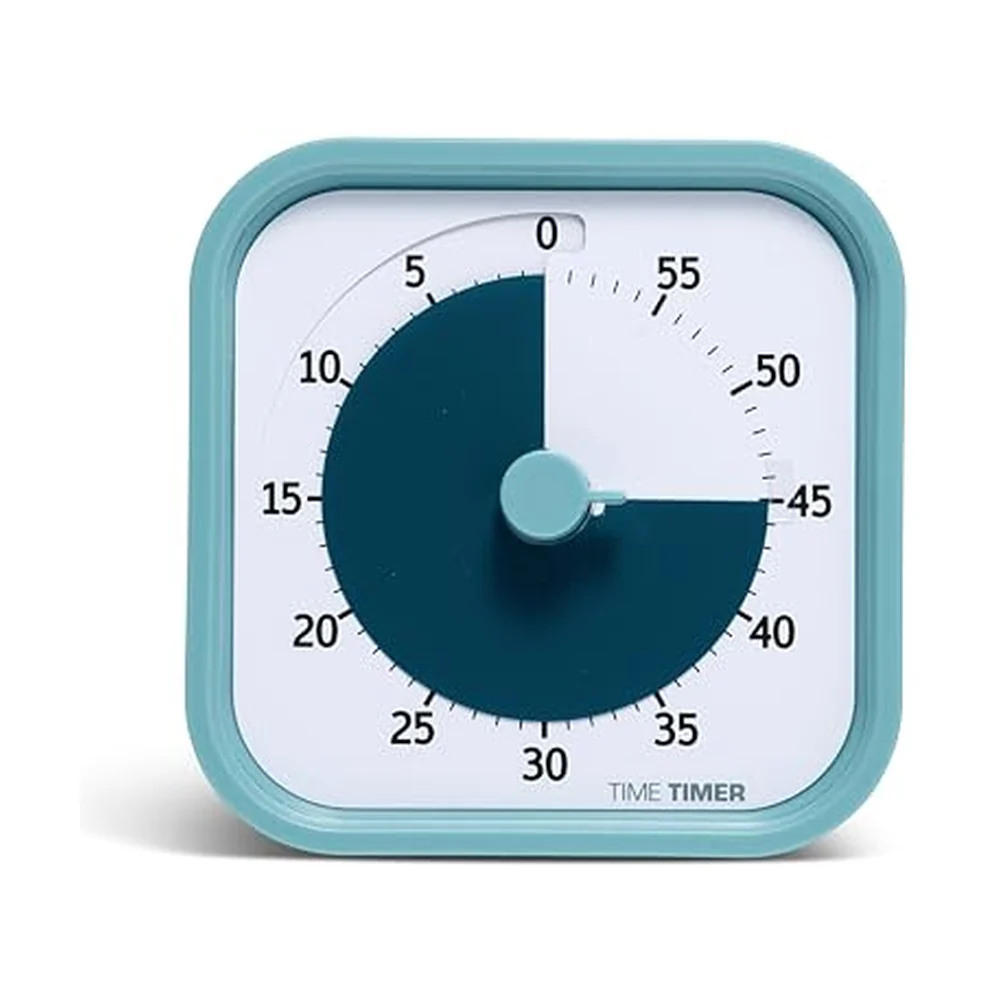
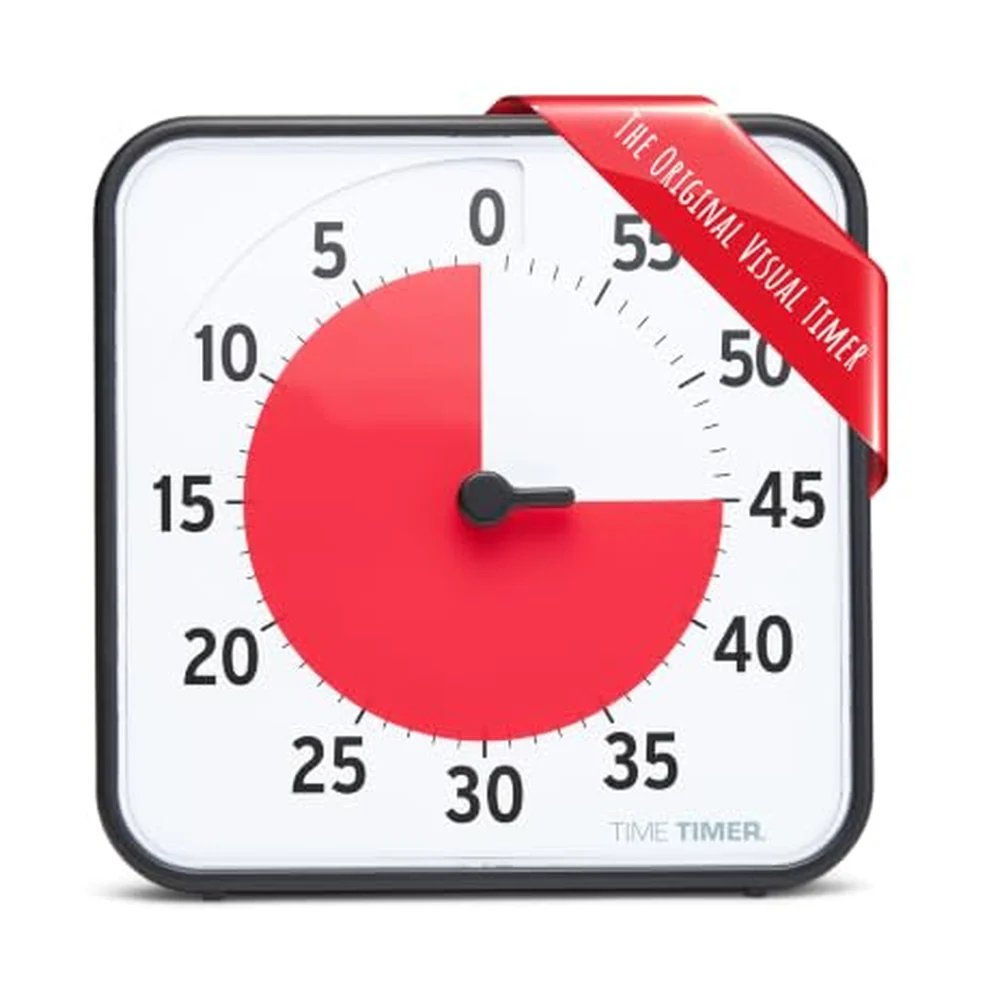
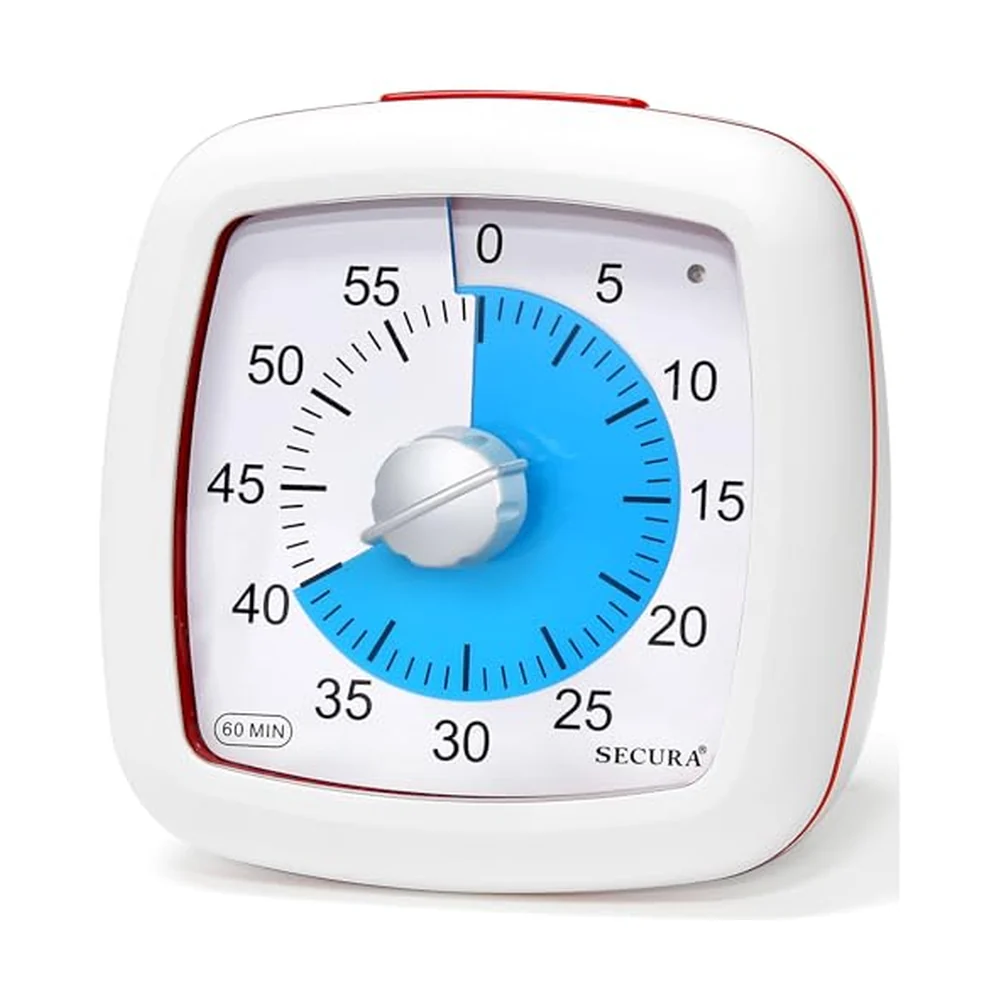
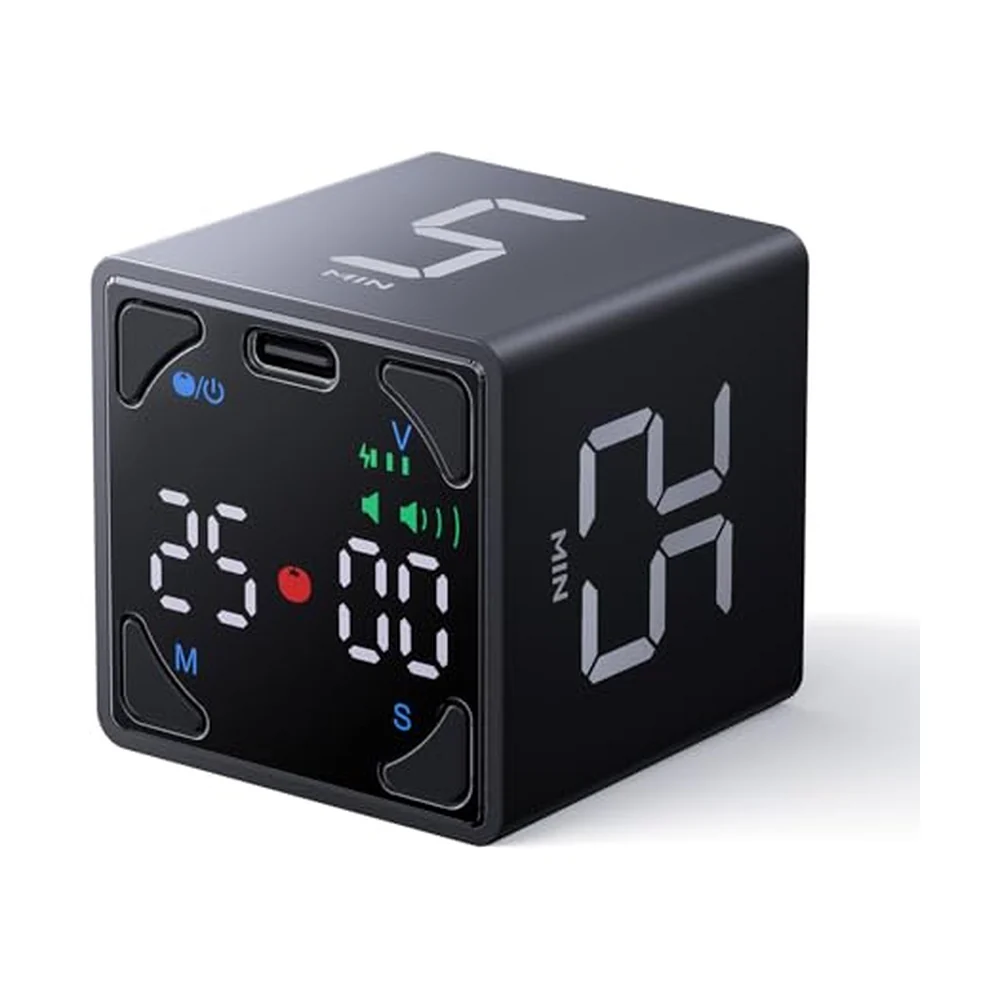


Ready to get unstuck?
The Brain Deck gives you 52 science-backed strategies in your pocket — a physical card deck you keep on your desk, no app required.
See the CardsLaunching soon · 54 cards · Premium matte finish