How to Stop Procrastinating: 7 Methods That Work
Procrastination is an emotion regulation problem, not a laziness problem. Learn science-backed strategies rooted in behavioral research to finally start taking action.
By The Brain Deck Editorial
Procrastination is emotion regulation, not laziness. Start with 2 minutes of imperfect action and let momentum take over from there.
Key Takeaways
- Procrastination is emotion regulation, not laziness — you're avoiding a feeling attached to the task, not the task itself.
- Starting is the whole victory — two minutes of imperfect action beats two hours of planning to start.
- Self-compassion predicts recovery — people who forgive themselves after slipping procrastinate less next time.
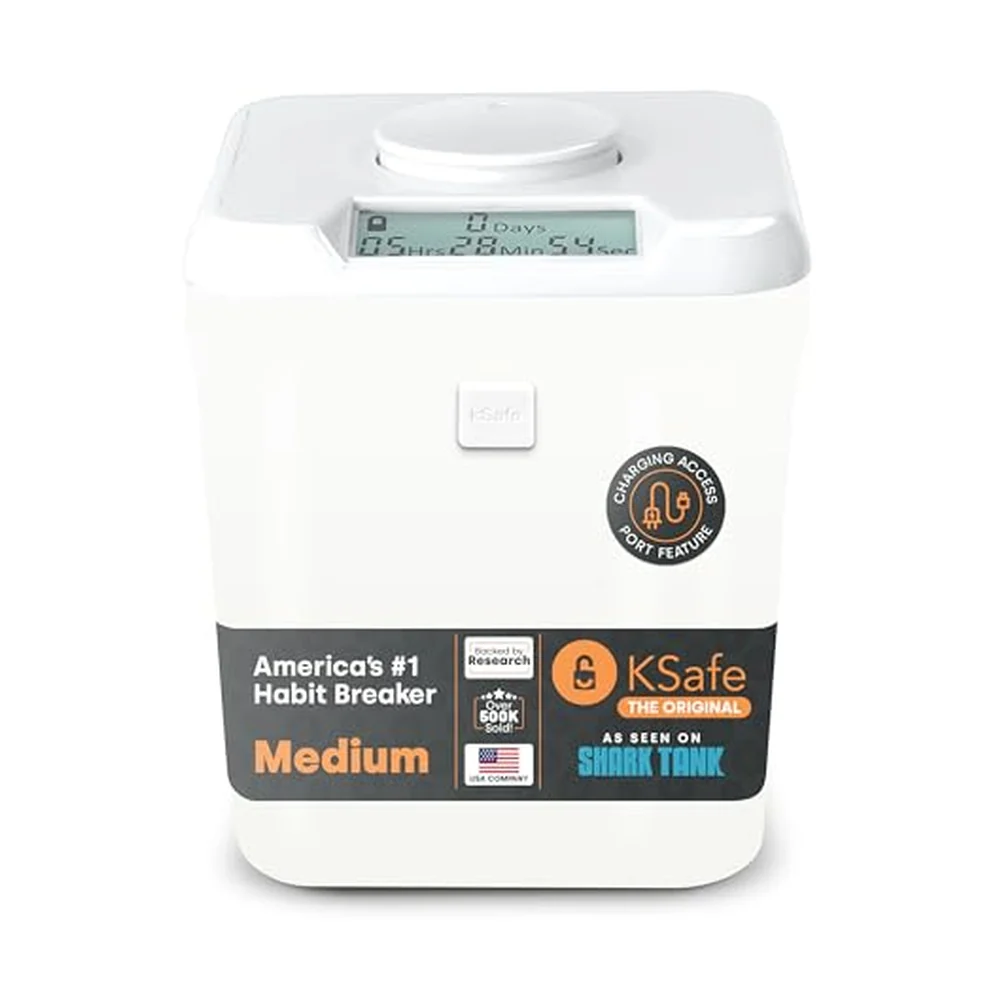
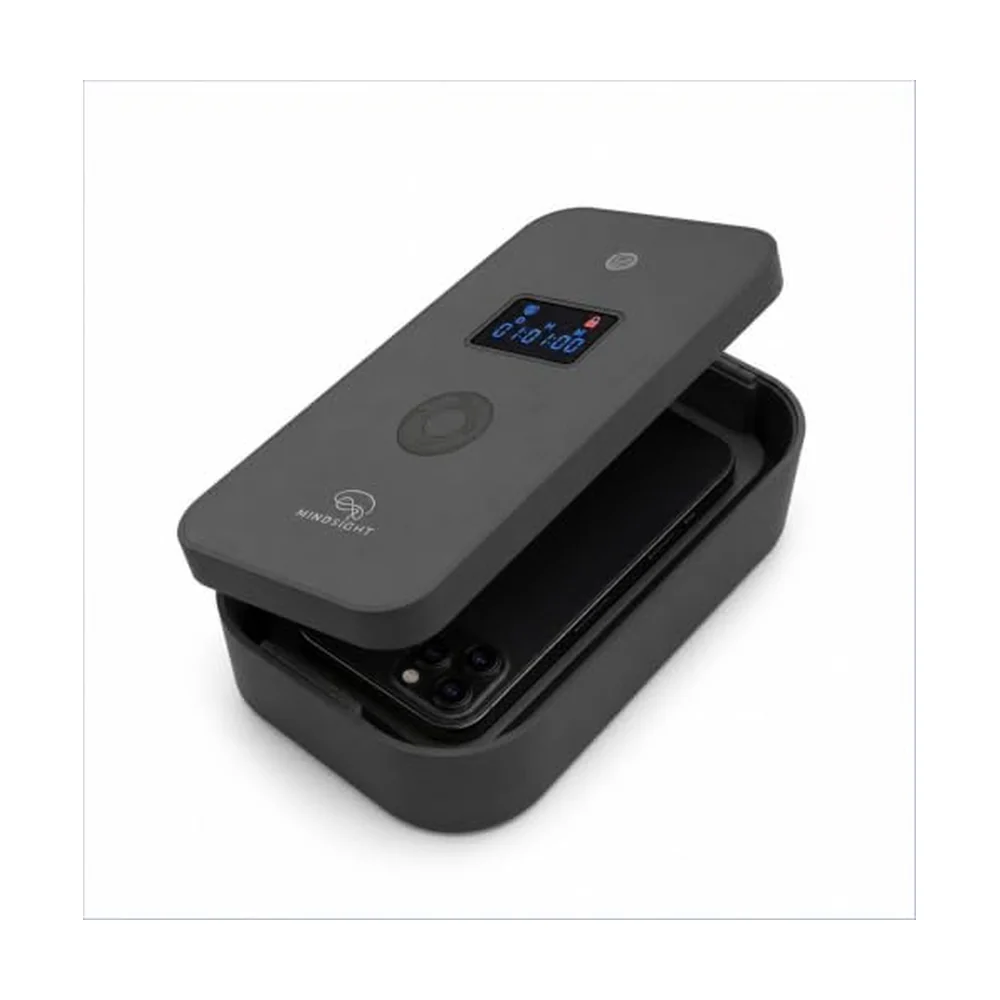
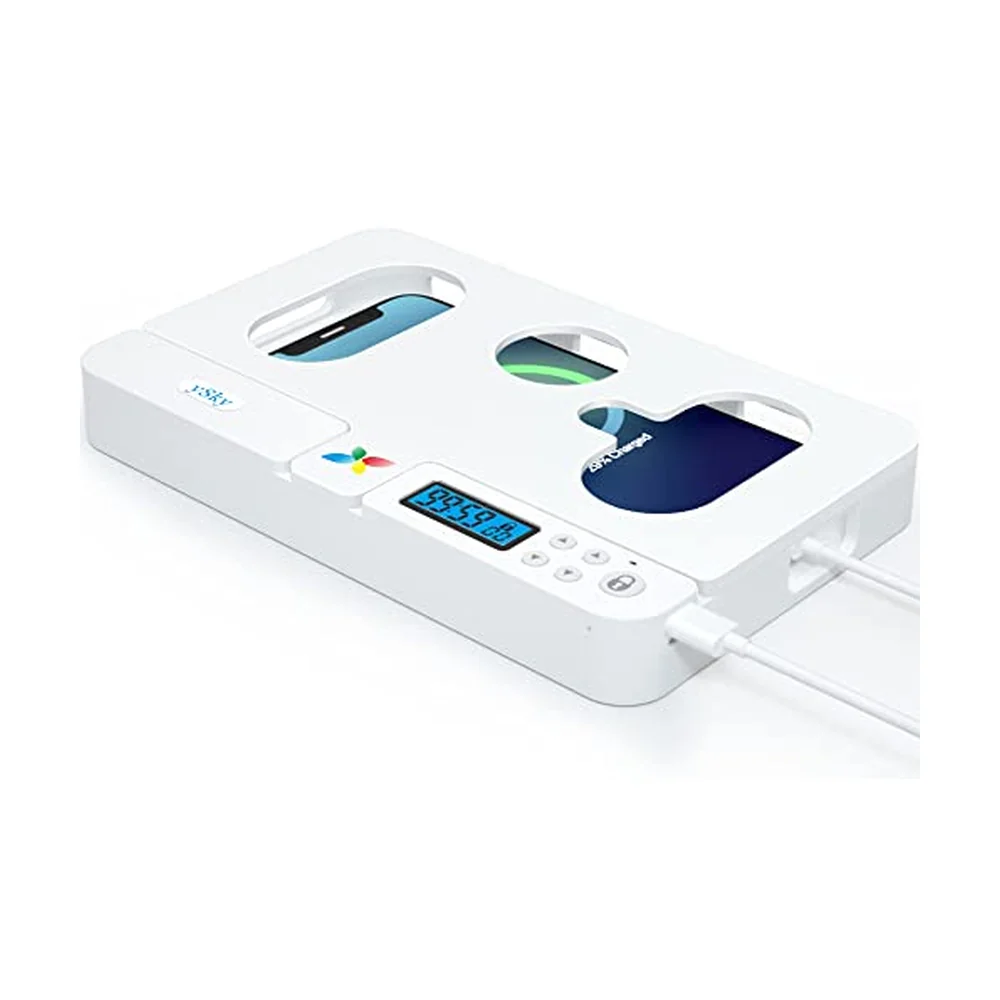
- Environment design beats willpower — remove your phone from the room, don't just flip it face-down.
Try this in the next 60 seconds
- Pick the smallest possible piece of the task
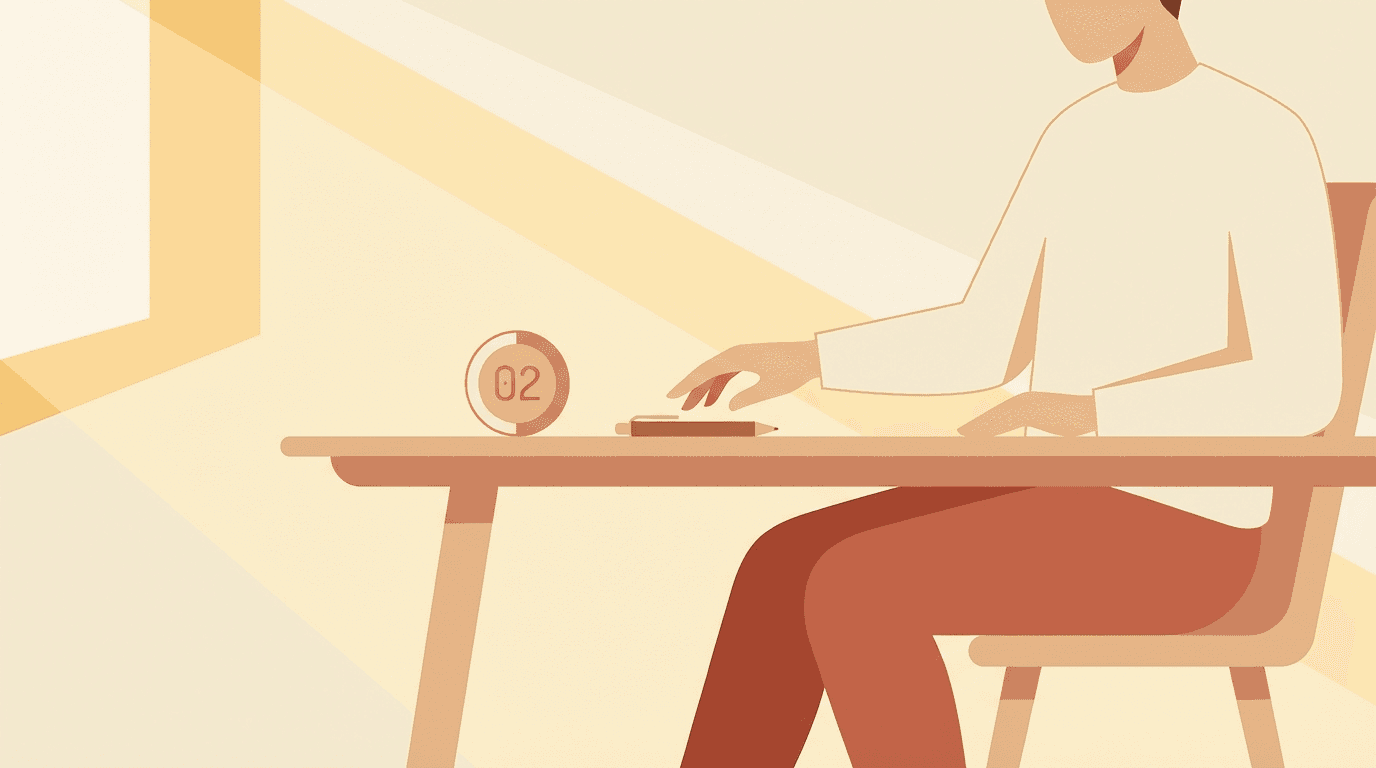
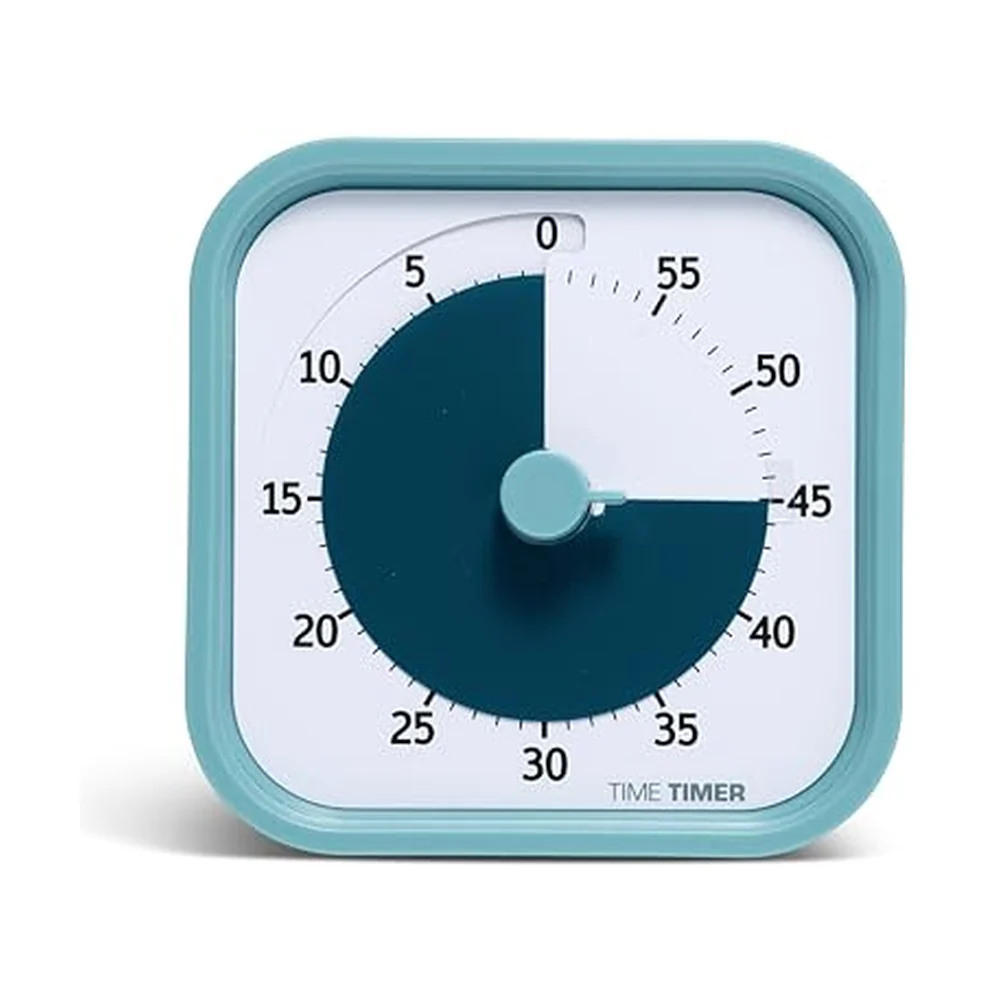
- Set a 2-minute timer and start before you feel ready
- Move your phone to another room, not face-down
- Stop after 2 minutes if you want — most won't
of adults report being chronic procrastinators
Steel, 2007
to fully refocus after a single interruption
Mark, UC Irvine
is the activation threshold that bypasses resistance
Fogg, Stanford
Try this first
The 4-step start protocol
- 01
Shrink the ask
From 'write the report' to 'write one sentence.'
- 02
Two-minute timer
Tells your brain this won't last forever.
- 03
Sit down anyway
Action precedes motivation, not the reverse.
- 04
Stop if you want
Permission to stop removes the resistance to start.
Procrastination is not a time management problem — it is an emotion regulation failure. According to Dr. Timothy Pychyl at Carleton University, we avoid tasks because they trigger negative feelings like anxiety, boredom, or self-doubt, and our brains choose short-term mood repair over long-term progress. The fix is not more willpower — it is changing your emotional relationship with starting. The Brain Deck was built around this exact insight, giving you 52 cards to interrupt the avoidance loop and get moving.
If you want to understand the deeper emotional roots behind your avoidance before jumping into solutions, read our guide on why you procrastinate. But if you need to take action right now, the strategies below are grounded in peer-reviewed research and field-tested through The Brain Deck framework.
Why Does Procrastination Feel So Hard to Beat?
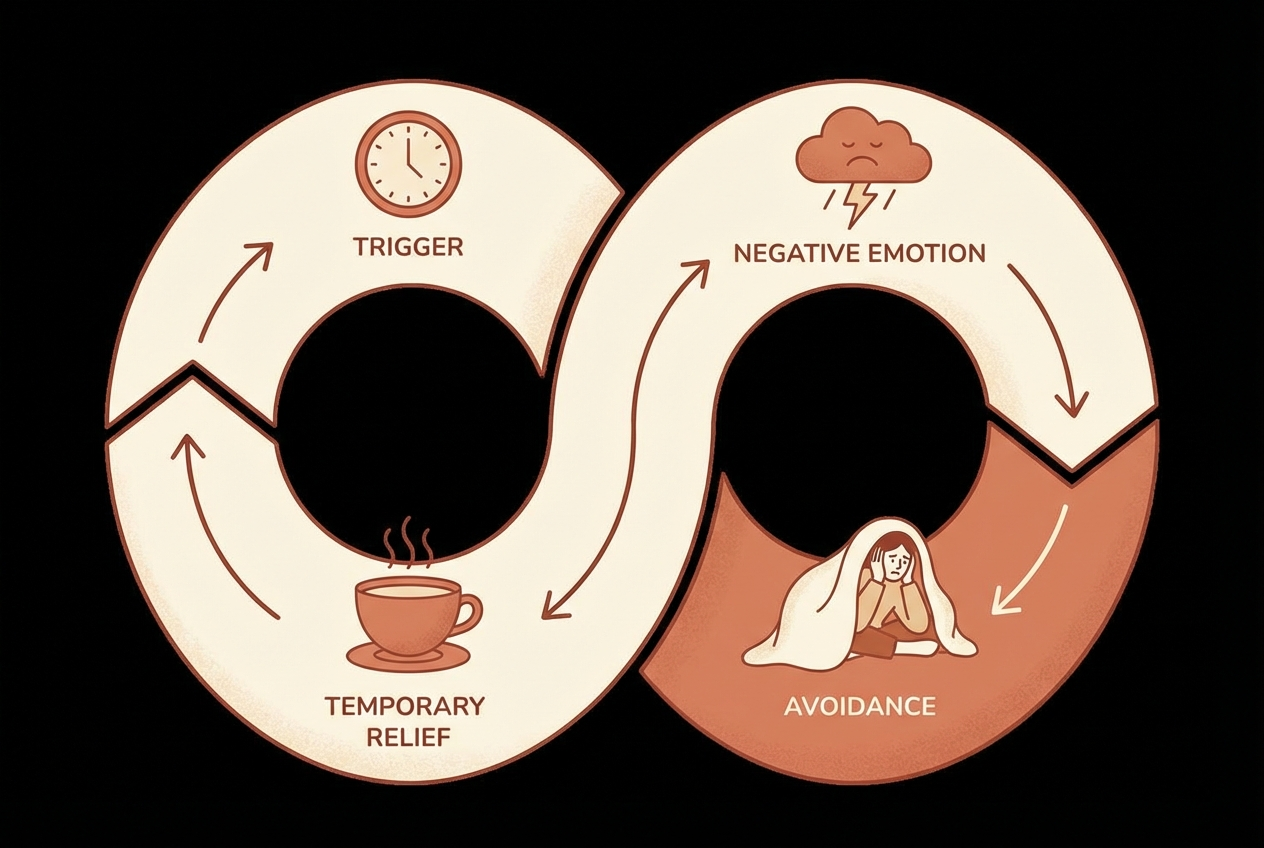
Most people assume procrastination is about poor discipline. Research tells a different story. Dr. Fuschia Sirois at Durham University has demonstrated that procrastination is closely linked to low self-compassion — we beat ourselves up for avoiding tasks, which creates more negative emotion, which triggers more avoidance. It is a vicious cycle: the task triggers discomfort, you avoid it, you feel guilty, and the guilt makes the task feel even worse.
Dr. Piers Steel's procrastination equation puts it mathematically: motivation equals expectancy times value, divided by impulsiveness times delay. In plain language, you procrastinate when a task feels low-value, when you doubt your ability to complete it, when the deadline is far away, or when you are easily distracted. Understanding which of these four factors is driving your avoidance helps you choose the right countermeasure.
This is why The Brain Deck organizes its strategies around feeling-states rather than productivity systems. The "I Can't Start" category specifically targets the emotional friction that keeps you stuck at the starting line.
What Is the Fastest Way to Start When You Are Avoiding a Task?
The most effective rapid-start technique in the research is what The Brain Deck calls "Two-Minute Start" — commit to working on the task for just two minutes. Based on research from Dr. BJ Fogg at Stanford, making a behavior tiny enough removes the emotional resistance that blocks initiation. Two minutes is short enough that your brain does not trigger its threat response. And once you begin, the progress principle documented by Dr. Teresa Amabile at Harvard Business School kicks in — small visible progress generates motivation to continue.
A companion strategy is "Shrink the Ask." Instead of "write the report," your task becomes "write the first sentence of the report." Instead of "clean the house," it becomes "put five things away." You are not tricking yourself. You are strategically lowering the activation energy. For a deeper look at this approach, see our full breakdown of the 2-Minute Rule for productivity.
How Can You Use Environment Design to Stop Procrastinating?
Based on research from Dr. Roy Baumeister on willpower depletion, relying on self-control is a losing strategy — your willpower is a depletable resource. The smarter move is to redesign your environment so the desired behavior becomes the default. The Brain Deck calls this "Environment Reset."
- Remove your phone from the room — not face-down on the desk, but physically in another space
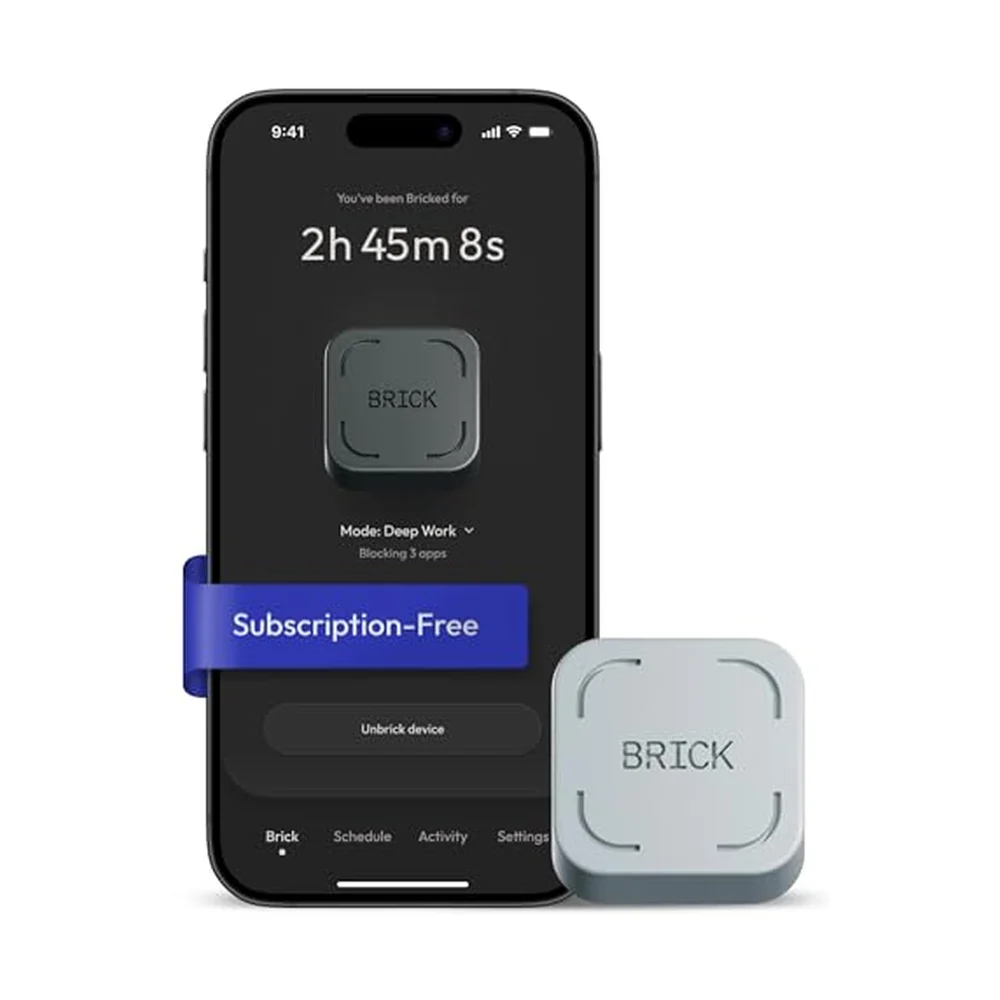
- Use website blockers like Cold Turkey or Freedom during work sessions
- Set up a dedicated workspace that your brain associates exclusively with focused work
- Prepare your workspace the night before so starting requires zero decisions
Environment design is especially powerful because it works even when your motivation is low. You do not need to feel ready. You just need to sit down in a space that has been stripped of alternatives. If you often feel paralyzed by too many things competing for your attention, our guide on feeling overwhelmed at work covers how environment design pairs with prioritization.
What Role Does Self-Compassion Play in Overcoming Procrastination?
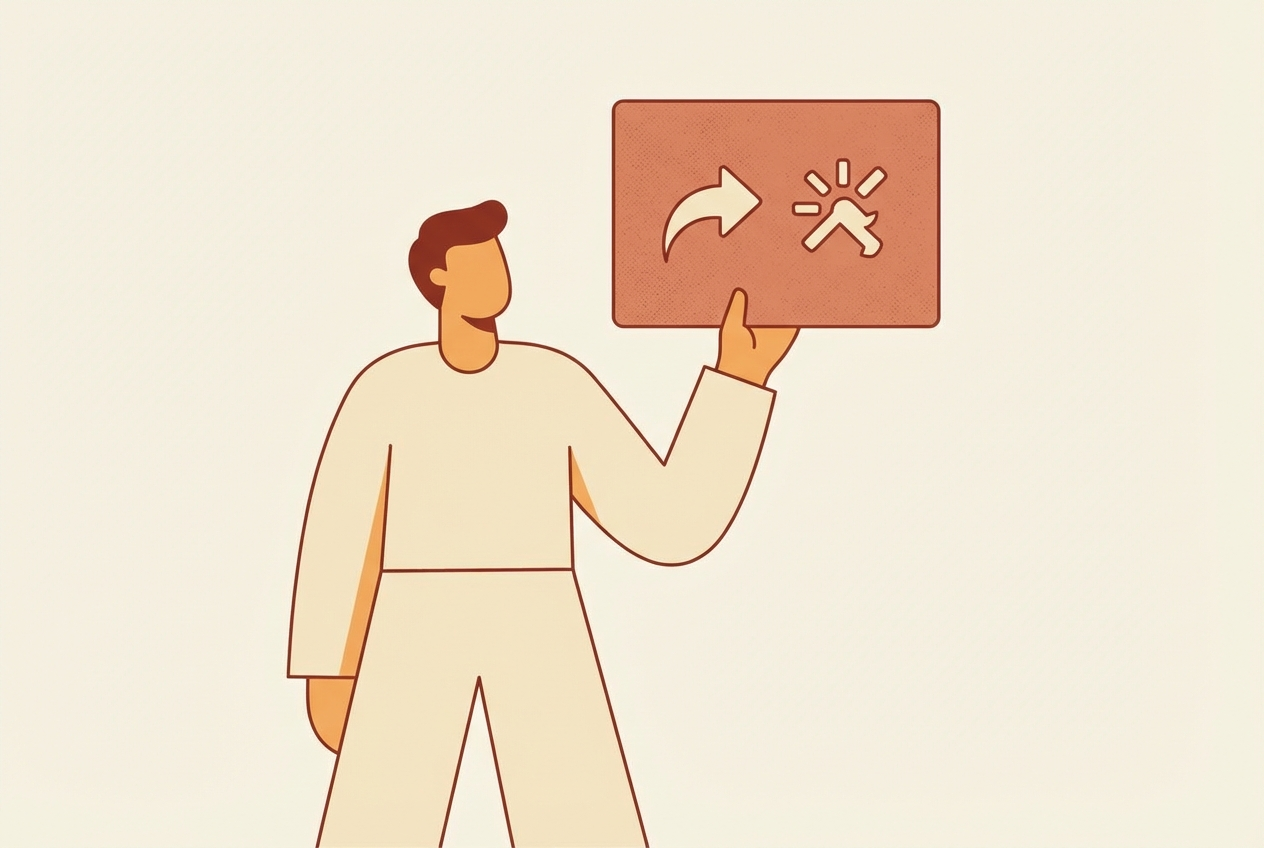
One of the most counterintuitive findings in procrastination research is that self-forgiveness reduces future procrastination. Dr. Fuschia Sirois's research at Durham University shows that people who treat themselves with compassion after procrastinating are less likely to procrastinate on the next task. The guilt-and-shame spiral actually increases avoidance, while self-compassion breaks the cycle.
This means one of the best things you can do when you catch yourself procrastinating is to say, "I avoided this because it felt uncomfortable. That is a normal human response. What is one small thing I can do right now?" This reframe shifts you from rumination to action.
How Do Implementation Intentions Prevent Procrastination Before It Starts?
Psychologist Peter Gollwitzer's research on implementation intentions shows that pre-deciding the when, where, and how of a task dramatically increases follow-through. The format is simple: "When [situation X] occurs, I will do [behavior Y]." For example: "When I sit down at my desk on Tuesday at 9 AM, I will open the project file and write the first paragraph."
This works because it removes the decision point. Procrastination often hides behind ambiguity — you know you should work on "the project" but have not decided when, where, or what specifically to do. Implementation intentions eliminate that ambiguity. The Brain Deck's "One Thing Now" card captures this principle: instead of a sprawling to-do list, you commit to one specific next action.
If making decisions about what to do next is itself exhausting you, our article on decision fatigue explains why and offers concrete solutions.
How Can The Brain Deck Help You Stop Procrastinating Daily?
The Brain Deck was designed by Hilly Shore Labs specifically for people who understand they should be working but cannot make themselves start. Instead of a productivity system that requires motivation to use, the deck meets you where you are — stuck — and gives you a single, concrete action matched to your emotional state.
The "I Can't Start" cards include strategies like "Do It Badly" (give yourself permission to produce terrible work, because bad work can be edited but blank pages cannot), "Body First" (move your body for 60 seconds before attempting to start, since physical movement shifts your neurochemistry), and "Brain Dump" (empty every task, worry, and fragment from your head onto paper so your working memory is freed up).
Based on research from Dr. Carol Dweck at Stanford, the growth mindset principle suggests that your capacity to start is not a fixed trait — it is a skill that improves with practice. Every time you use a Brain Deck card and take action despite resistance, you are training your brain to tolerate the discomfort of starting. Over time, the activation energy decreases.
If you have been struggling with procrastination for a long time, you might also want to explore how to break the procrastination cycle for a deeper look at the emotional patterns underneath, or how to build momentum to learn how small starts compound into sustained action.
Common mistake
What people on Reddit actually say
- r/getdisciplined🔥 loud consensus
The recurring advice on r/getdisciplined is that motivation follows action, not the other way around. People who beat procrastination describe showing up before they felt ready and letting momentum do the rest.
- r/productivity⬆ strong consensus
r/productivity consistently frames procrastination as avoidance of an uncomfortable emotion — boredom, anxiety, or dread — not a time-management problem. The fix starts with naming the feeling, not optimizing the calendar.
- r/overcomingprocrastination💬 commonly repeated
Top threads on r/overcomingprocrastination push 'ridiculously small first steps' — open the doc, write one sentence, put on running shoes. The bar has to be embarrassingly low to bypass the avoidance reflex.
Paraphrased consensus from public threads — no direct user quotes.
Pull a card · free sample
Stuck right now? Pull a card from the 'I Can't Start' suit — it'll give you one concrete next move.
Pull a random card →
Tools that help with this
Ready to get unstuck?
The Brain Deck gives you 52 science-backed strategies in your pocket — a physical card deck you keep on your desk, no app required.
See the CardsLaunching soon · 54 cards · Premium matte finish