How to Start a Task When Overwhelmed: 5 Steps (2026)
Overwhelm shuts down your brain's executive function. The fix is not motivation — it is decomposition: break the task down, pick one piece, shrink it further, and move your body first.
By The Brain Deck Editorial
Overwhelm shuts down executive function — fix it with the body first, then a brain dump, then one micro-step you can finish in two minutes.
Key Takeaways
- Overwhelm disables executive function — the fix is decomposition, not discipline.
- Shrink the task until it feels trivial — 'write the report' becomes 'open the document and type the title.'
- Move first, think second — 60 seconds of physical movement changes your neurochemistry enough to start.
- One thing, one timer, visible finish line — ambiguity is what freezes you, not the workload itself.
Do this first (60 seconds)
- Three physiological sighs (double inhale, long exhale)
- 30 seconds of shaking out your hands
- Brain dump 5 things on your mind
- Pick the smallest item and start it

to refocus after each context switch
Mark, UC Irvine
habits anchored to routines beat ambitious ones
Fogg, Stanford
procrastination with self-compassion vs. self-criticism
Sirois, Durham
Try this first
The 5-step unfreeze sequence
- 01
Body first
Move 60 seconds to shift the nervous system.
- 02
Brain dump
5 minutes, every open loop on paper.
- 03
One thing now
Pick by smallest, most relief, or coin flip.
- 04
Shrink the ask
From 'do it' to 'open the document.'
- 05
Do it badly
Permission to produce a terrible first version.
When everything feels urgent and impossible at the same time, your brain does not rise to the occasion — it stalls. Based on research from Dr. Roy Baumeister, overwhelm triggers a shutdown in the prefrontal cortex, the part of your brain responsible for planning, prioritizing, and decision-making. This is not a character flaw. It is a neurological circuit breaker tripping under too much load. The fix is not to push harder. It is to reduce the load to a single, tiny, actionable step — and then do that step before your brain can argue.
The Brain Deck's "I Can't Start" category was designed for this exact state. When your system is overloaded, you do not need a better plan. You need a smaller entry point. Here is the step-by-step process for rebooting.
Why Does Overwhelm Cause Paralysis Instead of Action?
Dr. Barry Schwartz's research on the paradox of choice explains part of it: when faced with too many options — or too many tasks — your brain treats each one as a decision to be made, and the cumulative cognitive cost of all those micro-decisions drains the same resource pool that execution requires. You burn through your decision-making capacity before you ever start working.
Dr. Piers Steel's procrastination equation adds another layer: as the perceived size and complexity of a task increases, the probability of starting decreases exponentially. Overwhelm artificially inflates the perceived size of everything on your list, because your brain cannot distinguish between "I have to do all of these" and "I have to do one of these right now." It treats the entire list as a single impossible task.
What Is the First Thing to Do When You Are Paralyzed?
Start with your body, not your mind. The Brain Deck's "Body First" card exists because overwhelm is as much a nervous system event as a cognitive one. Your body is flooded with cortisol and adrenaline — stress hormones designed for physical action, not sitting at a desk. When those hormones have nowhere to go, they manifest as anxiety, racing thoughts, and the frozen feeling you are experiencing right now.
Stanford researchers have shown that physiological sighing — a double inhale through the nose followed by a long exhale through the mouth — is the fastest way to downregulate the stress response. Do this three to five times. Then try:
- A five-minute walk (movement processes the stress hormones physically)
- Twenty jumping jacks (discharges adrenaline)
- Shaking your hands vigorously for thirty seconds (a somatic release technique)
You are not avoiding the task. You are making your nervous system functional enough to approach it.
How Do You Choose What to Work on When Everything Feels Urgent?
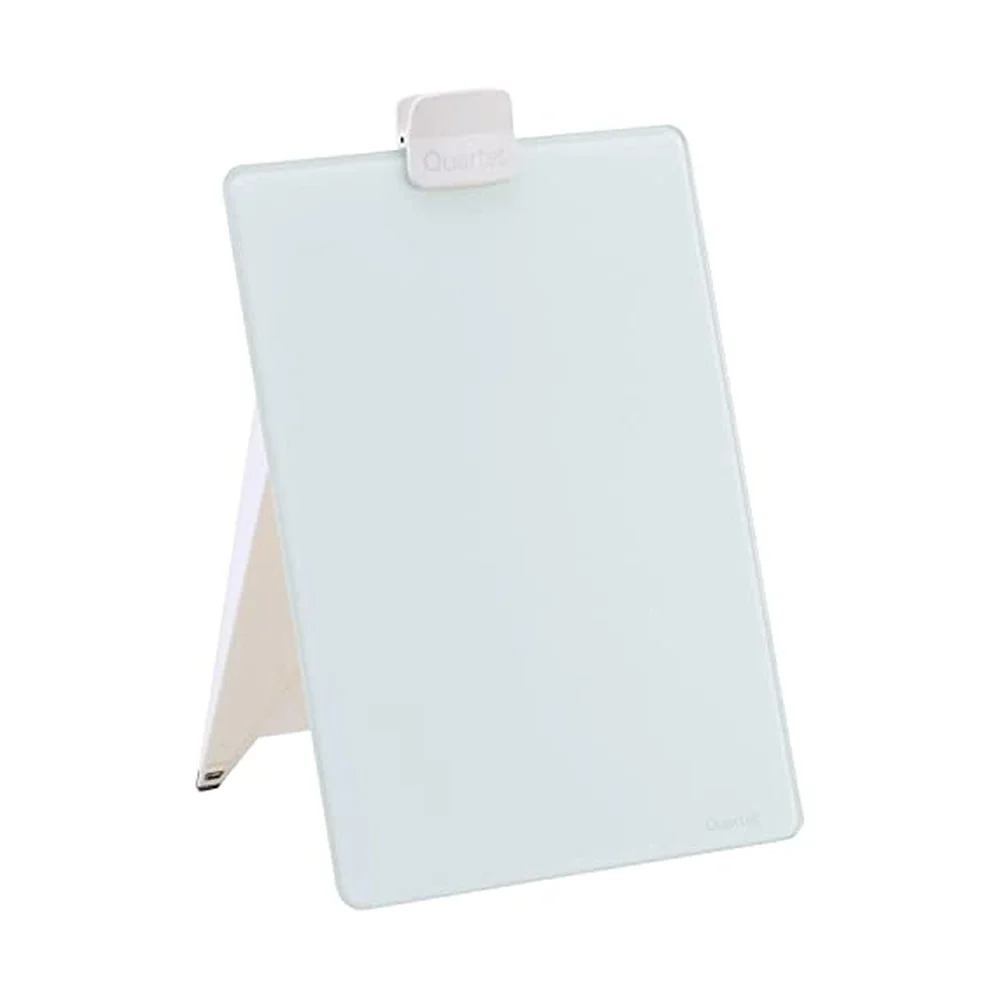
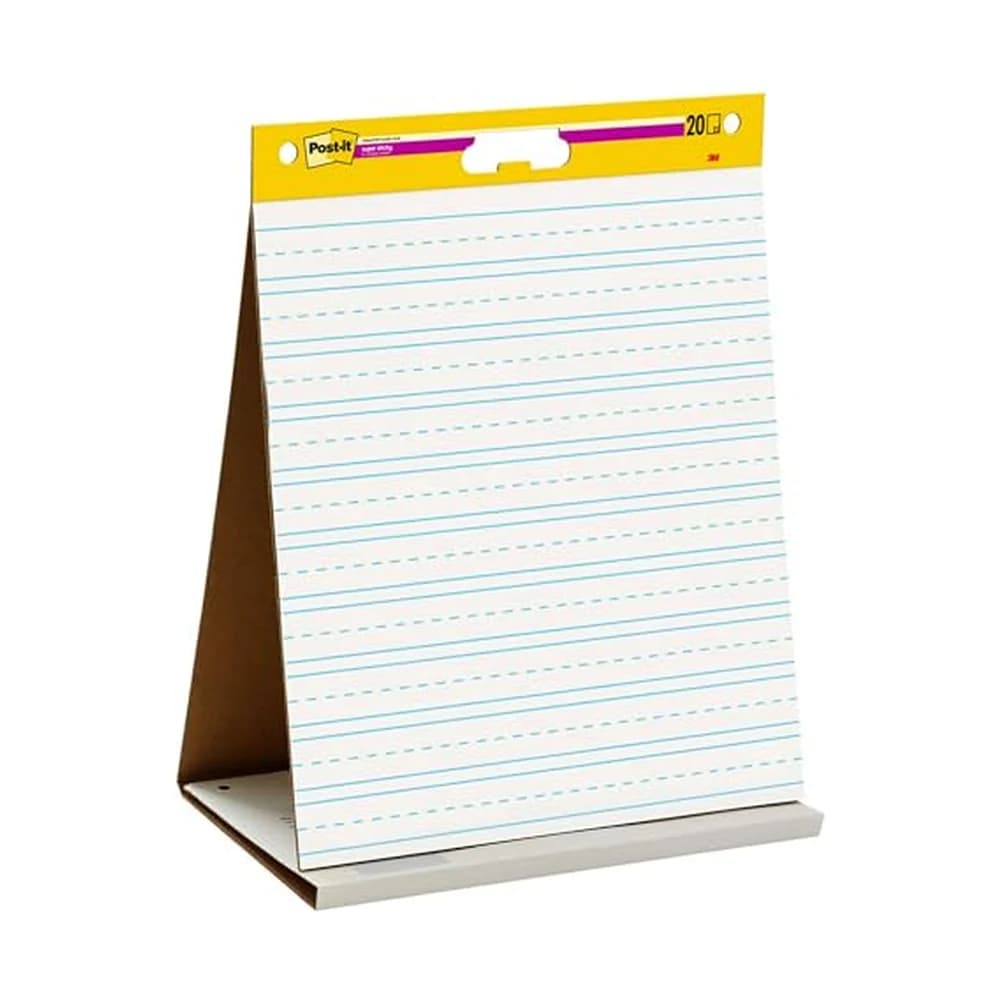
The Brain Deck's "Brain Dump" strategy comes first. Set a timer for five minutes and write down every single thing that is on your mind — tasks, worries, half-formed thoughts, obligations. Do not organize. Do not prioritize. Just dump. Research on cognitive offloading confirms that externalizing your mental load produces immediate relief because your working memory holds roughly four items. Writing them down tells your system it is safe to let go. For the full method, see our guide to the brain dump technique.
Now use the Brain Deck's "One Thing Now" strategy. Pick a single item using one of these filters:
- Most time-sensitive: If something has a hard deadline today, that is your answer.
- Most relief-producing: Which item is weighing on you disproportionately? Doing it first lifts a surprising amount of mental weight.
- Smallest: When paralyzed, completing anything — even something trivial — breaks the freeze.
- Random: When all options feel equally urgent, any choice beats no choice. Flip a coin. The cost of the "wrong" task is almost always lower than the cost of choosing nothing.
How Small Should You Make the First Step?
Smaller than you think. Dr. BJ Fogg's Tiny Habits research at Stanford shows that the ideal starting behavior should take less than two minutes and require no decision-making about what to do. The Brain Deck's "Shrink the Ask" strategy applies directly: if the task is "write the quarterly report," your first step is "open a new document and type the title." If the task is "clean the apartment," your first step is "put away three things on the kitchen counter."
The 2-minute rule formalizes this. You are not committing to finishing. You are committing to beginning. And research consistently shows that the biggest friction point in any task is initiation — once you have started, the Zeigarnik effect takes over. Your brain naturally wants to complete things it has begun. You just need to trick it past the starting line.
What If You Start and the Overwhelm Comes Back?
Use scaffolding — external structure that compensates for the internal structure overwhelm has disrupted. Dr. Teresa Amabile's progress principle research at Harvard Business School shows that visible incremental progress is the single strongest driver of sustained motivation. Build that visibility in:
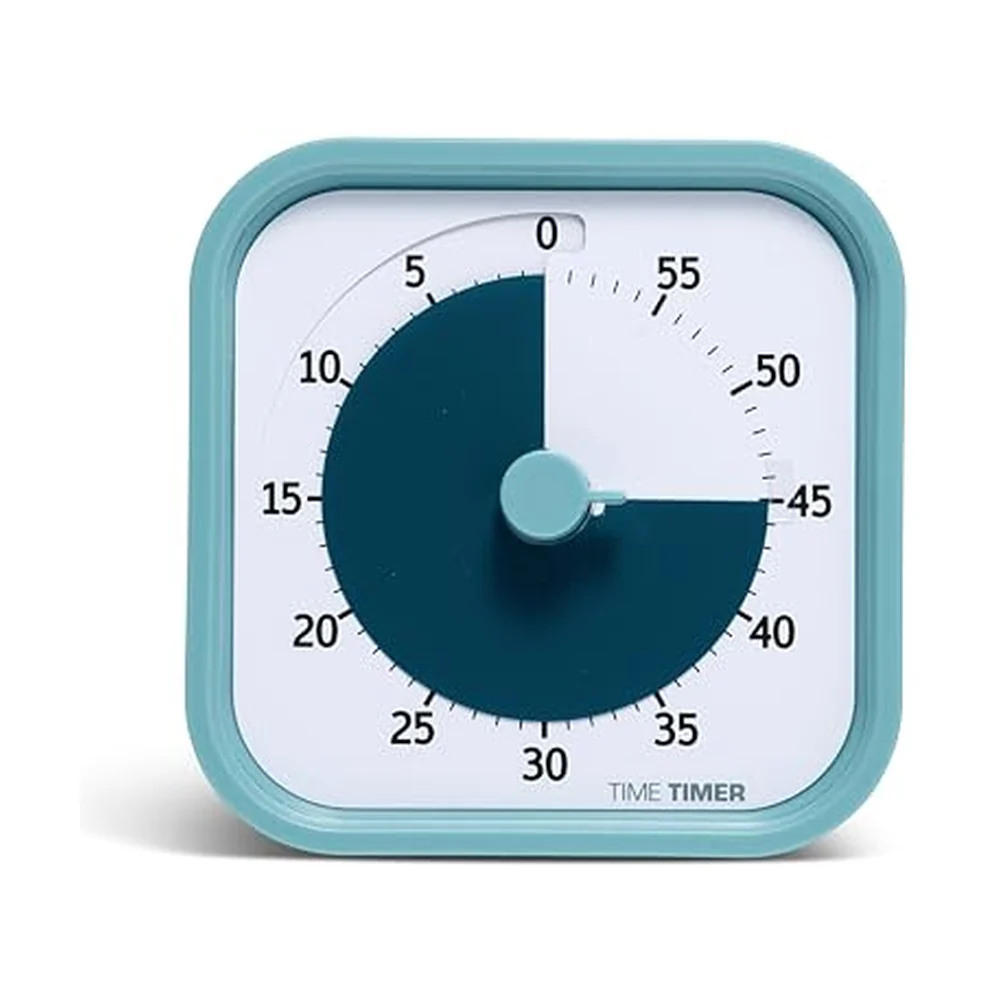
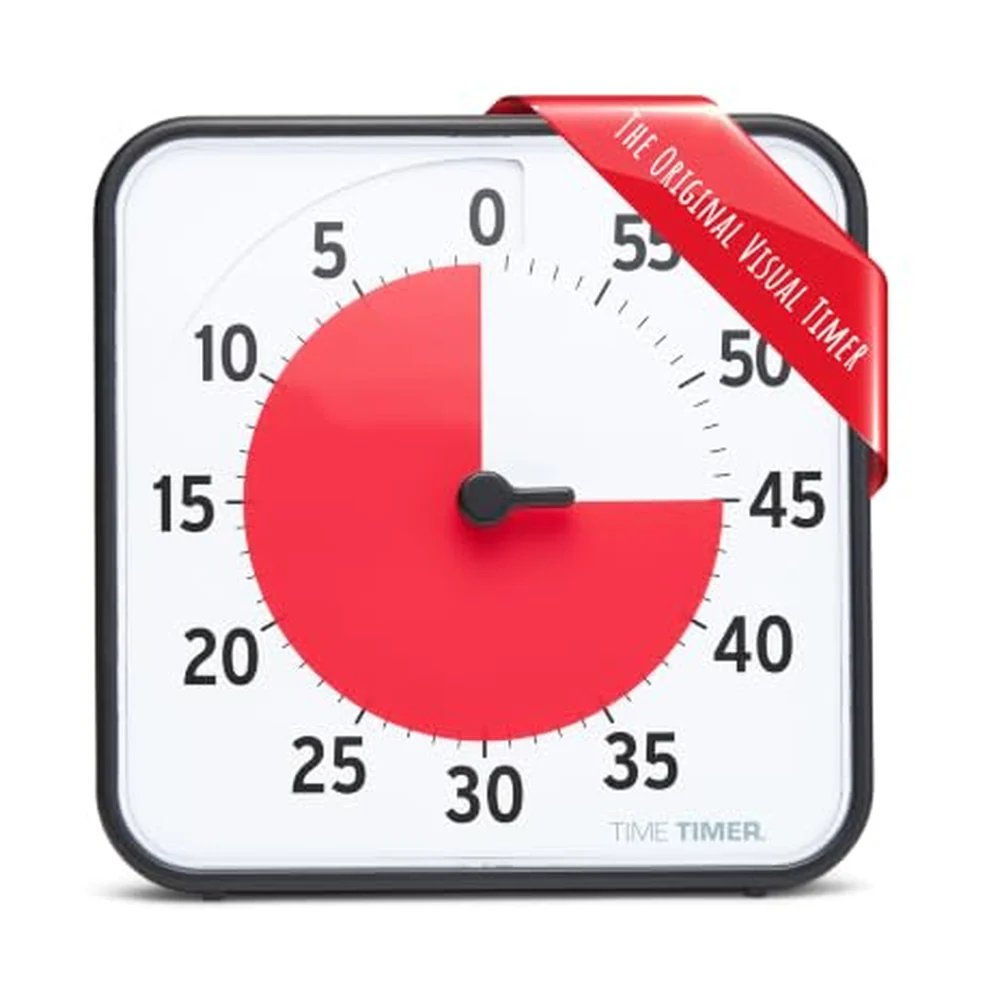
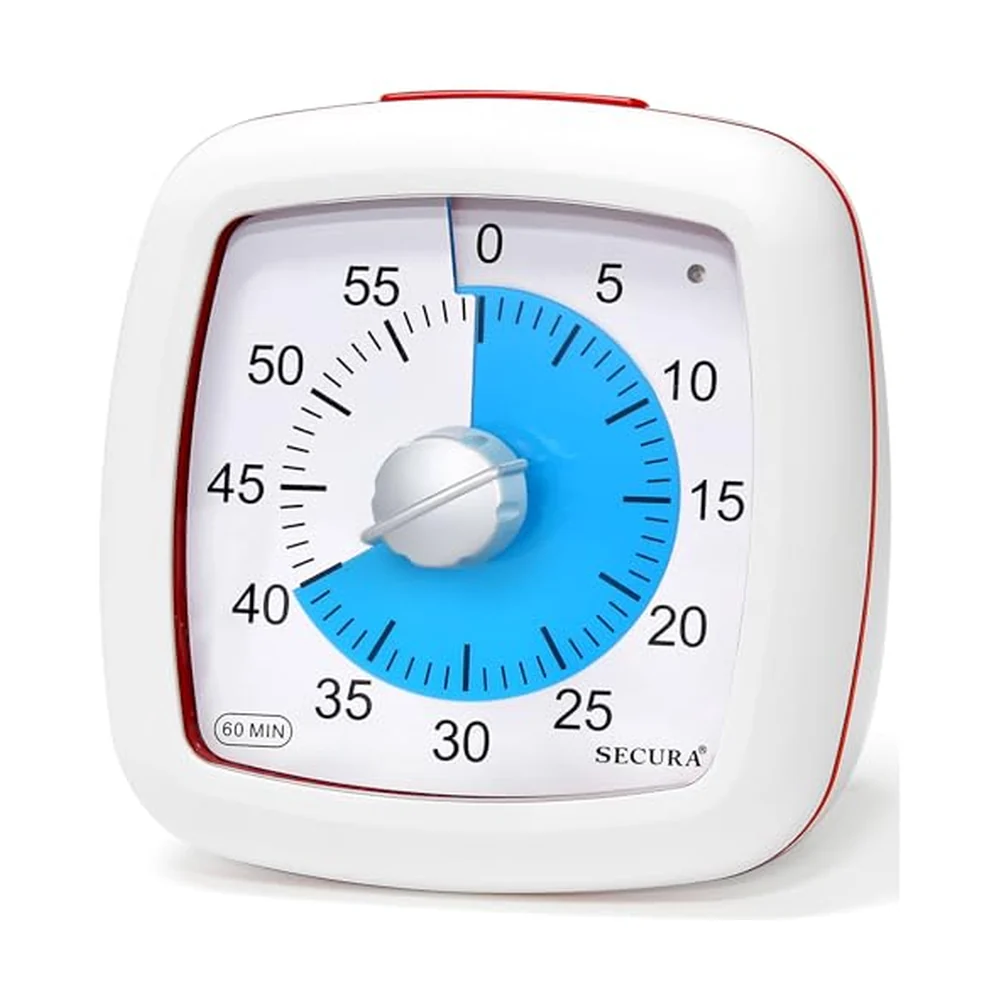
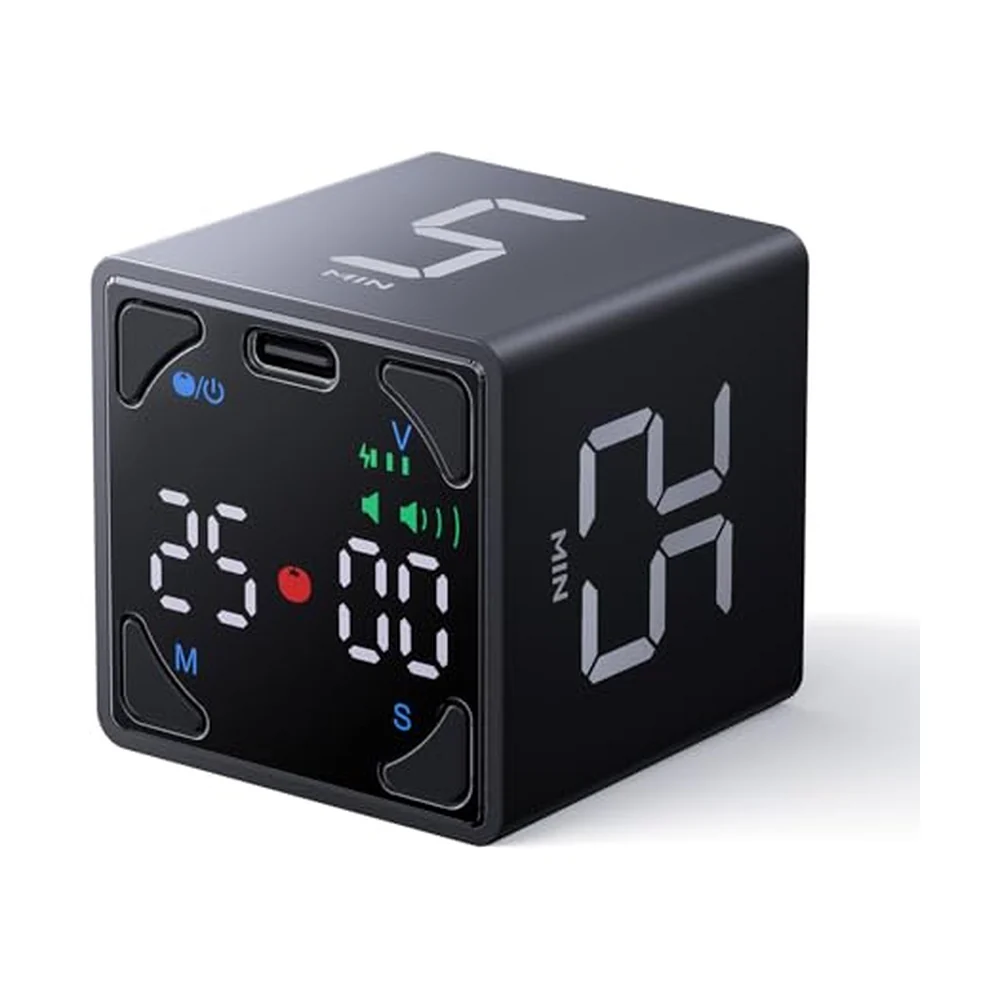
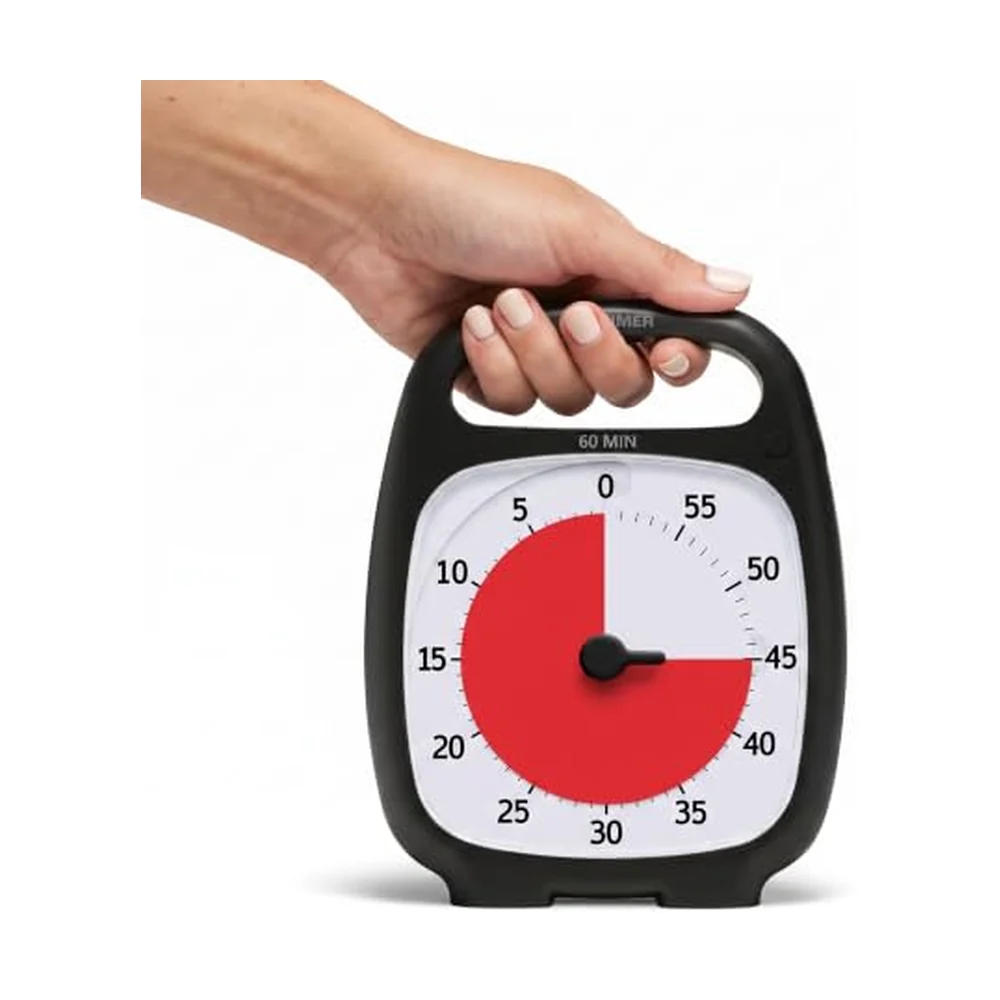
- Set a timer for 15 minutes. You are not committing to finishing. You are committing to 15 minutes, after which you have full permission to stop.
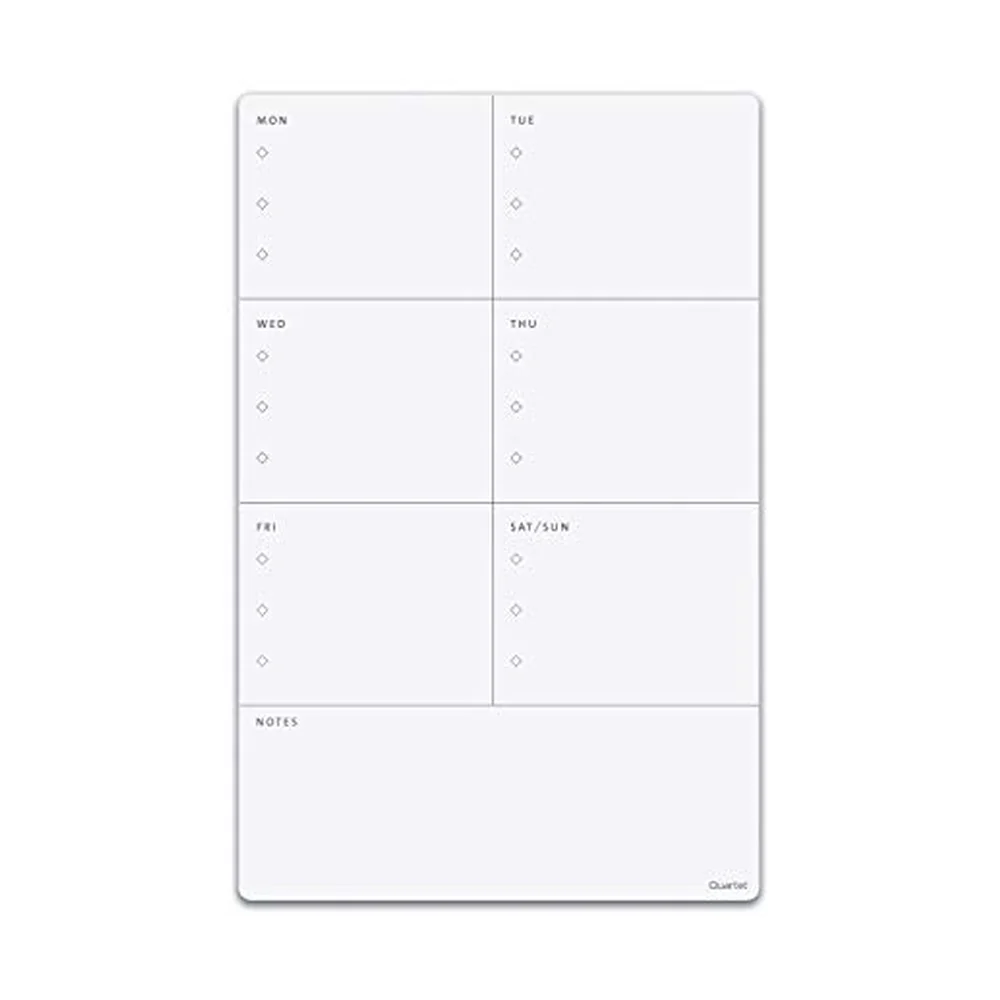
- Use a checklist. Break your chosen task into tiny sub-steps and write them as a list. Checking boxes provides micro-rewards and eliminates the need to decide what comes next.
- Change your environment. The Brain Deck's "Environment Reset" strategy: move to a different room, a coffee shop, or even a different chair. Environmental novelty disrupts the overwhelm pattern.
- Work alongside someone. Body doubling — working in the presence of another person — is remarkably effective for overcoming paralysis. The social presence provides external regulation.
Does Permission to Do It Badly Actually Help?
Yes, and the research supports it. Dr. Carol Dweck's work at Stanford on growth mindset shows that perfectionism — the belief that output must be flawless — is one of the primary drivers of avoidance. The Brain Deck's "Do It Badly" card gives you explicit permission to produce a terrible first version. Not "try not to worry about quality." Actually tell yourself: "I am going to do a bad version of this, and that is fine."
Two things happen. First, you start — which is the entire battle. Second, the "terrible" version is almost never as bad as you feared. Based on research from Dr. Fuschia Sirois at Durham University, self-compassion during the creative process reduces procrastination more effectively than self-imposed pressure. A rough draft exists in a way that no draft does not — and existing work can be improved, while nonexistent work cannot.
What Should You Remember When Overwhelm Hits?
The Brain Deck's "I Can't Start" sequence — Body First, Brain Dump, One Thing Now, Shrink the Ask, Do It Badly — is designed to be used in order, each step lowering the barrier further. If you frequently find yourself in this state, it may be worth exploring whether the root causes of your procrastination include habitual over-commitment or unrealistic expectations. Chronic overwhelm is often a planning problem as much as an execution problem. And when one specific task is the thing you keep dodging, our guide on eating the frog shows how to schedule it for your real peak hour. But right now, in this moment, the only question that matters is: what is one small thing you can do in the next two minutes?
Science says
What people on Reddit actually say
- r/ADHD🔥 loud consensus
r/ADHD consensus on task paralysis: lower the bar until it's embarrassing. If 'write the report' freezes you, rewrite it as 'open the document.' The freeze breaks once something, anything, starts.
- r/overcomingprocrastination⬆ strong consensus
r/overcomingprocrastination regulars describe starting overwhelmed tasks by setting a 5-minute timer with permission to quit after. Almost no one actually quits; starting was the entire problem.
- r/adhdwomen💬 commonly repeated
On r/adhdwomen, the recurring tactic is body-based starts — stand up, fill water, stretch — before looking at the task. Transitions feel easier when the body moves first.
Paraphrased consensus from public threads — no direct user quotes.
Pull a card · free sample
Frozen and can't move? Pull from the 'I Can't Start' suit for the body-first action that breaks the freeze.
Pull a random card →
Tools that help with this

Ready to get unstuck?
The Brain Deck gives you 52 science-backed strategies in your pocket — a physical card deck you keep on your desk, no app required.
See the CardsLaunching soon · 54 cards · Premium matte finish