The Brain Dump Technique: 4 Steps in 10 Minutes
Your brain isn't built to store everything. The Brain Dump technique moves everything out of your head and onto paper, freeing you to think clearly and act decisively.
By The Brain Deck Editorial
Ten minutes of unfiltered paper writing externalizes every open loop — your working memory gets its bandwidth back almost immediately.
Key Takeaways
- Your working memory holds very little — trying to store everything mentally guarantees dropped balls and background anxiety.
- Paper beats apps for dumping — handwriting slows thinking enough to surface what's actually on your mind.
- Dump without organizing first — sorting can happen later, but editing mid-dump kills the flow.
- Weekly dumps prevent weekend spirals — empty the brain on Friday afternoon and you stop ruminating on Sunday night.
Do this first (60 seconds)
- Grab paper and pen — not an app
- Set a 10-minute timer
- Write every thought, no organizing
- Stop when the timer rings; breathe

items in a typical first brain dump
GTD, Allen
items working memory can hold at once
Miller, 1956
intrusion from open loops once they're captured
Zeigarnik effect
Try this first
The 4-step brain dump
- 01
Choose paper
Pen + paper beats apps for speed and surfacing.
- 02
10-minute timer
Time-bounded urgency bypasses the inner editor.
- 03
Write everything
Tasks, worries, ideas, fragments — no filter.
- 04
Stop and breathe
Sit with the lightness before sorting later.
A brain dump is the fastest way to regain mental clarity when everything feels like too much. You take ten minutes, write down every single thing circling your mind — tasks, worries, ideas, half-plans — and externalize the chaos so your brain can stop juggling and start thinking. Based on research from Harvard Business School, even small acts of visible progress (like turning mental fog into a written list) activate the motivation systems that get you moving again.
If you regularly feel like your head is full but your hands are empty, you are experiencing what psychologists call cognitive overload — and the Brain Dump card from The Brain Deck is designed to fix it in a single sitting.
Why Does Writing Things Down Feel So Relieving?
The answer lies in what researchers call cognitive offloading. Dr. Roy Baumeister's research on ego depletion at Florida State University demonstrated that unresolved mental tasks drain willpower and cognitive resources, even when you are not actively working on them. Every incomplete to-do, every unanswered question, every vague worry is running in the background of your mind like an open browser tab, consuming processing power you need for real work.
Psychologist Bluma Zeigarnik discovered this decades earlier: incomplete tasks occupy more mental space than completed ones. Your brain keeps cycling through open loops because it is terrified of forgetting them. The moment you write them down — externalizing them to paper or a screen — your brain gets the signal that the information is captured. The loop closes. The tab shuts. Based on research from Carleton University, Dr. Timothy Pychyl has observed that this kind of externalization reduces the negative emotions that fuel avoidance, making it easier to move from paralysis into action.
This is exactly the overwhelm we address in our guide on feeling overwhelmed at work — too many open loops, not enough processing power to handle any of them well.
How Do You Actually Do a Brain Dump?
Step 1: Choose Your Medium
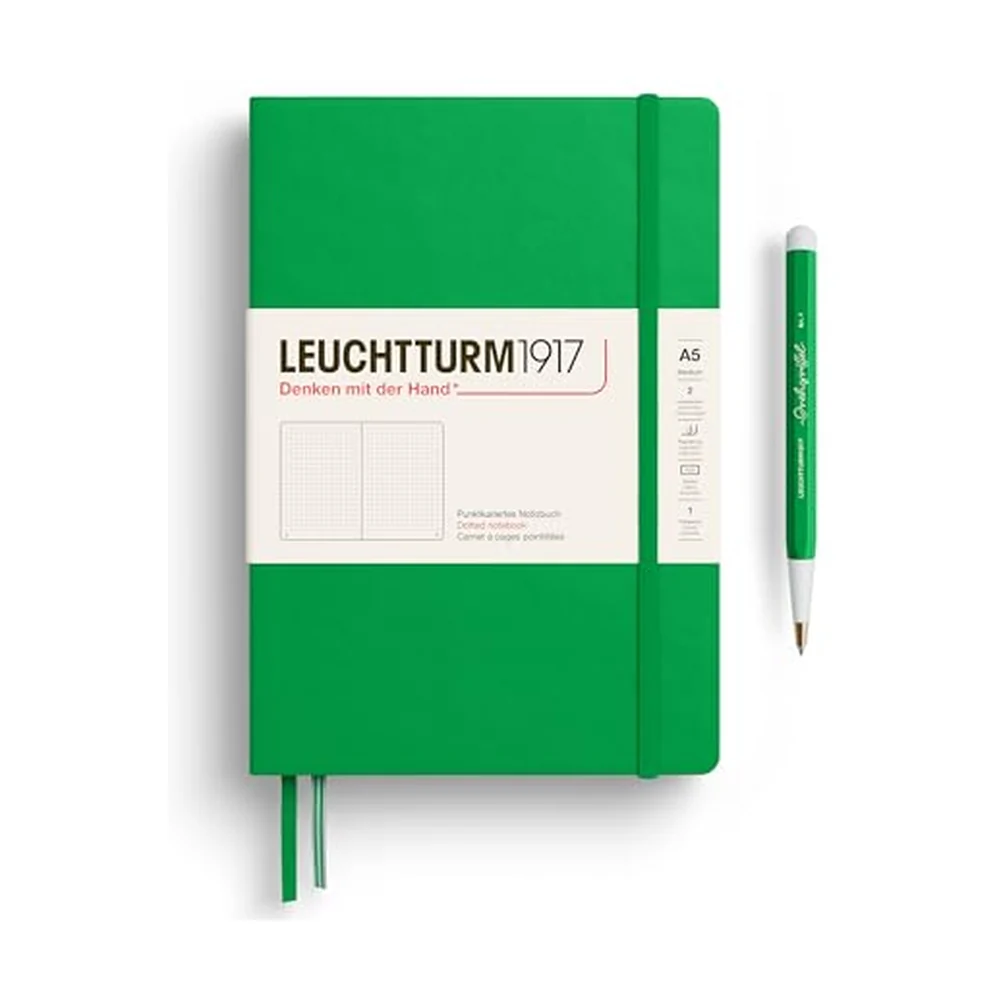
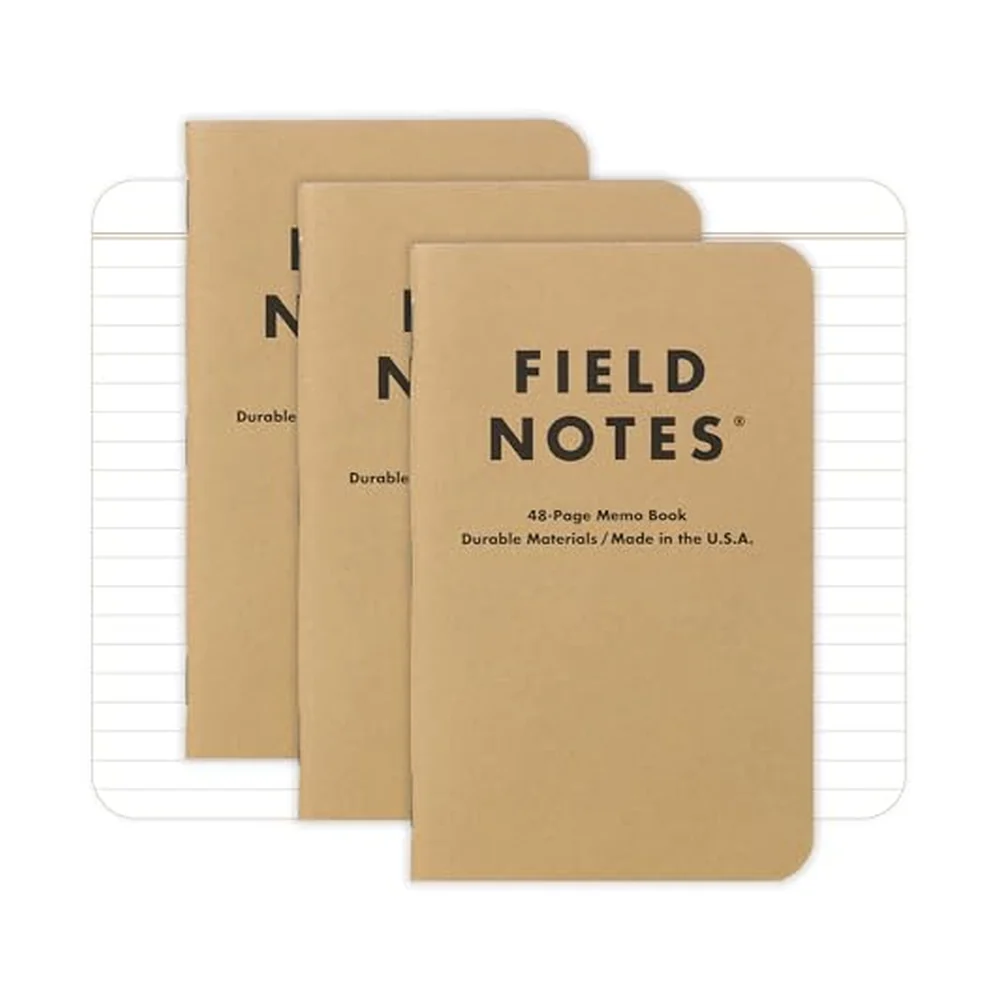
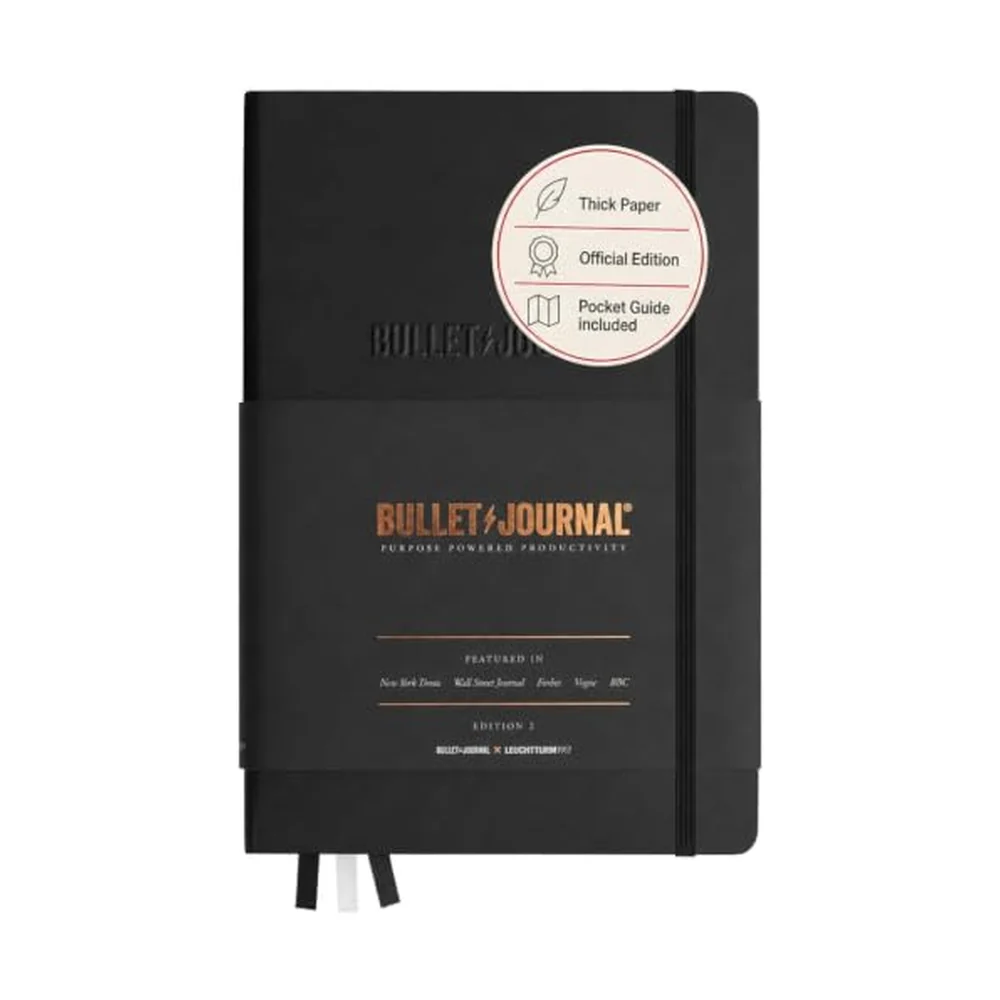
Pick whatever lets you capture thoughts fastest. Paper and pen works well if handwriting feels cathartic. A digital document or notes app is great for fast typists. Voice recording suits people who think better out loud. Sticky notes (one item per note) make the sorting phase easier since you can physically rearrange them later.
Step 2: Set a Timer for 10 Minutes
The timer creates urgency that bypasses your inner editor. You do not have time to curate or polish — you just dump. This aligns with Dr. BJ Fogg's research at Stanford on behavior design: lowering the bar for entry is what makes a behavior actually happen. Ten minutes is the sweet spot. You are not committing to solving anything. You are committing to emptying.
Step 3: Write Everything Down
Write down every single thing on your mind. Tasks you need to complete. Problems you are trying to solve. Worries keeping you up at night. Ideas you have been sitting on. People you need to contact. Random thoughts. Half-baked plans. Frustrations. Questions you cannot answer yet. The rules: do not organize as you go, do not evaluate importance, do not worry about spelling. If you get stuck, ask yourself "What else is on my mind?" and keep writing. Most people are surprised by the volume — a typical first brain dump produces thirty to sixty items.
Step 4: Stop and Breathe
When the timer goes off, put the pen down. Take a few deep breaths. Notice how you feel. Most people describe an immediate sense of lightness — like setting down a heavy backpack you forgot you were carrying. Based on research from Dr. Fuschia Sirois at Durham University, this kind of self-directed release also activates self-compassion, which reduces the shame spiral that keeps people stuck in avoidance.
What Should You Do With the List Afterward?

A brain dump without follow-up is just venting. The real power comes from sorting the raw material into action. This is where the Brain Deck's Ruthless Priorities technique takes over.
Categorize
Sort your items into four buckets:
- Tasks: Specific actions you can take this week.
- Projects: Larger efforts requiring multiple steps.
- Worries: Things consuming emotional energy but not directly actionable right now.
- Ideas: Things to explore later, not now.
Prioritize With "Pick One Thing"
Within the Tasks bucket, identify the single item that would make the biggest difference if completed today. Not three items. One. The Brain Deck's Pick One Thing card exists because Dr. Barry Schwartz's research at Swarthmore College on the paradox of choice shows that too many priorities function the same as no priorities — they paralyze you. One clear target cuts through the noise.
Schedule
For your top task, assign a specific time slot on your calendar. Research on implementation intentions shows that scheduling dramatically increases follow-through compared to simply adding items to a to-do list. Do not just write "work on report." Write "Tuesday 9:00 AM — 10:30 AM: draft report introduction."
Release
Look at the Worries bucket. For each item, ask: "Is there a concrete action I can take?" If yes, move it to Tasks. If no, consciously acknowledge that it is consuming resources without producing results. The Brain Deck's Worry Window technique is built for this: you give yourself a defined five-minute window to worry, then you close it and move on. Writing the worry down has already reduced its power over you.
Can Brain Dumps Become a Regular Practice?
A single brain dump provides temporary relief. A regular practice provides ongoing clarity. Dr. Teresa Amabile's progress principle research at Harvard Business School found that the most motivating force in work is making visible progress — and regular brain dumps create a recurring moment where you can see your progress and recalibrate your direction.
- Daily micro-dumps: Spend two to three minutes at the end of each workday writing down everything still on your mind. This prevents overnight accumulation and makes tomorrow's start easier.
- Weekly full dumps: Set aside fifteen minutes once a week for a comprehensive brain dump and categorization. Sunday evening or Monday morning works well.
- Trigger-based dumps: Whenever you notice the symptoms of mental overload — difficulty concentrating, feeling scattered, anxiety about forgetting something — do an immediate brain dump. The Brain Deck's Environment Reset card pairs well here: change your physical location, then dump everything on paper in the new space.
The Brain Dump technique is not glamorous. It is ten minutes of honest externalization. But in a world that constantly adds to your mental load, this simple practice is often the difference between drowning in cognitive clutter and thinking with genuine clarity. If you want to build on this foundation with deeper concentration, our guide on how to focus better pairs naturally with regular brain dumps.
Common mistake
What people on Reddit actually say
- r/productivity⬆ strong consensus
r/productivity regulars describe brain dumps as the single cheapest productivity tool. Ten minutes of messy writing consistently outperforms an hour of organized planning.
- r/ADHD🔥 loud consensus
r/ADHD threads routinely recommend paper brain dumps over digital tools. The tactile act of writing surfaces forgotten items that typing past never reaches.
- r/ZenHabits💬 commonly repeated
r/ZenHabits consensus: the point of a brain dump isn't the list, it's the relief. Once it's on paper, the background noise drops and real thinking becomes possible again.
Paraphrased consensus from public threads — no direct user quotes.
Pull a card · free sample
Mind too crowded to function? Pull from the 'Overwhelmed' suit — most cards start with externalizing first.
Pull a random card →
Tools that help with this
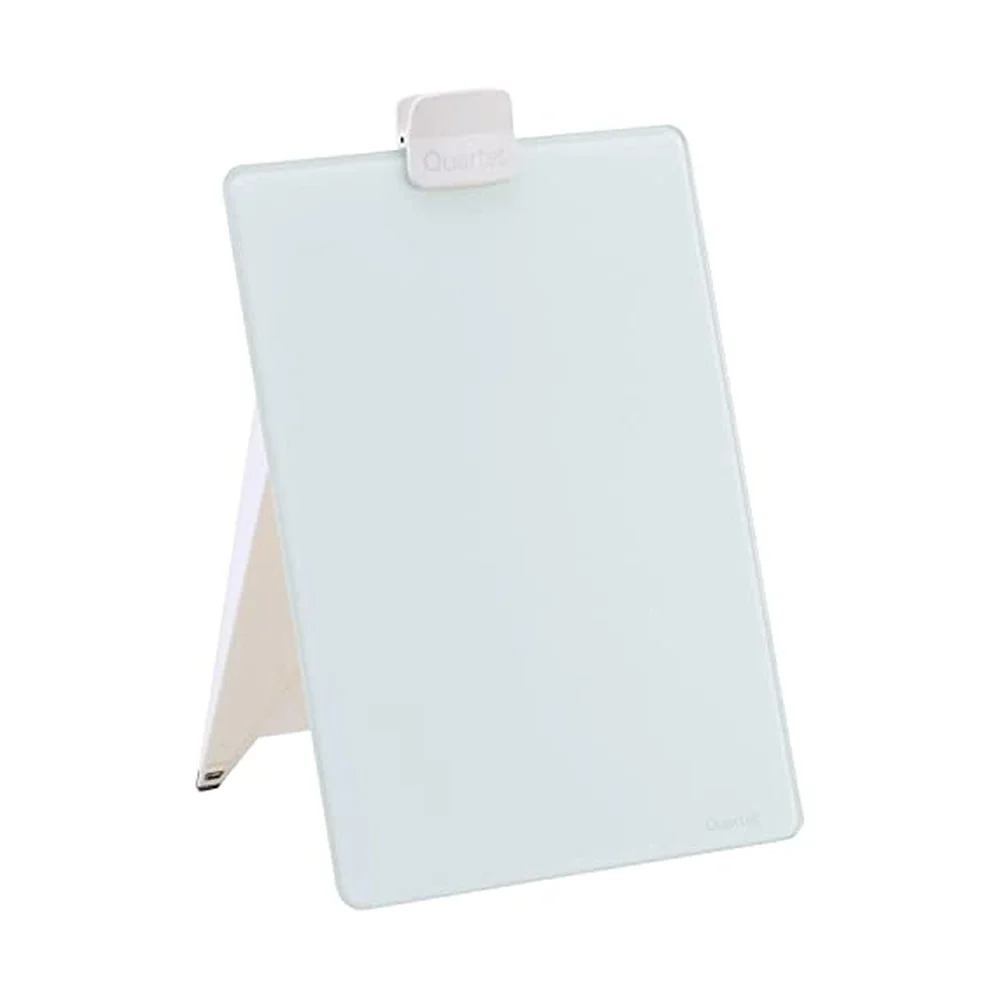
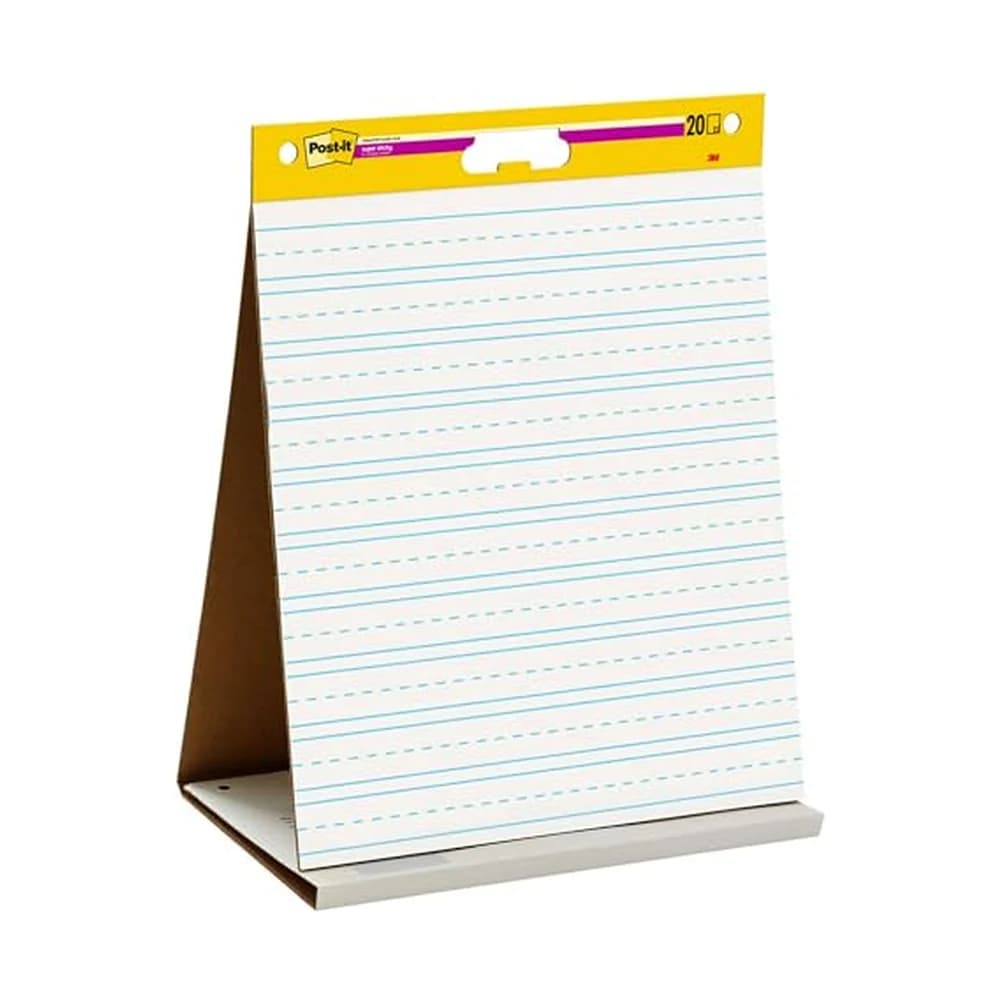

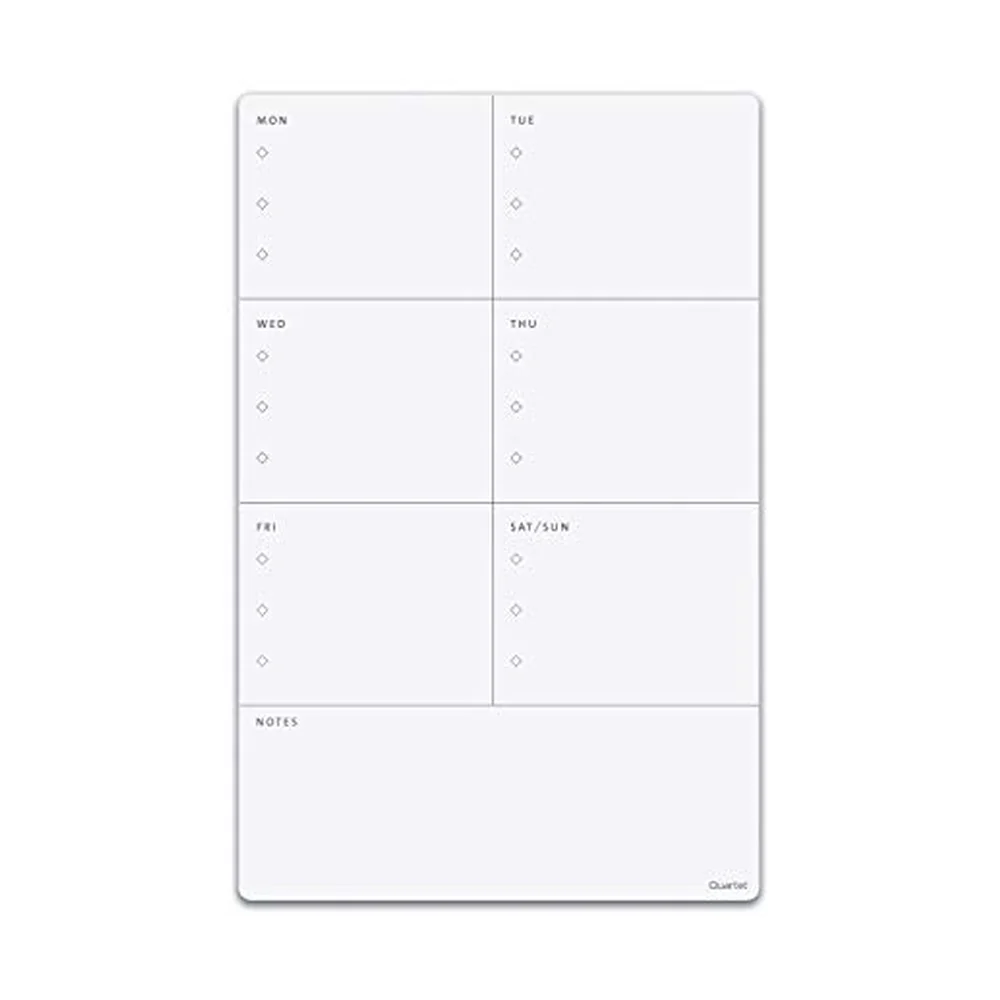
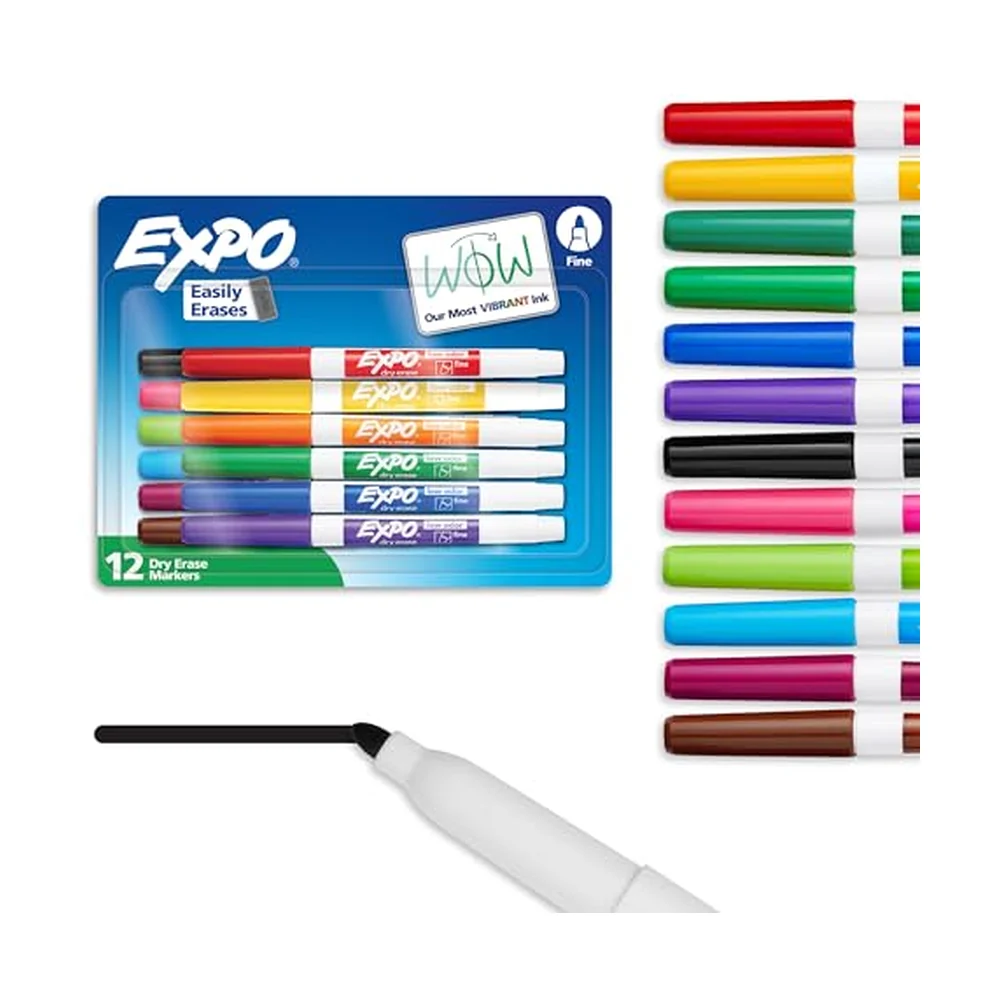

Ready to get unstuck?
The Brain Deck gives you 52 science-backed strategies in your pocket — a physical card deck you keep on your desk, no app required.
See the CardsLaunching soon · 54 cards · Premium matte finish