Feeling Overwhelmed at Work? 6 Ways to Reset (2026)
Feeling overwhelmed is not a sign of weakness — it is a signal that your cognitive load has exceeded your processing capacity. Learn research-backed strategies to cut through the noise and regain control.
By The Brain Deck Editorial
Overwhelm means working memory is full — externalize everything onto paper before you try to prioritize, or no priority will stick.
Key Takeaways
- Overwhelm is cognitive overload, not weakness — your working memory can only hold a few items before performance crashes.
- Externalize everything immediately — a brain dump onto paper drops the mental load and restores decision capacity.
- Prioritize by consequence, not urgency — ask what happens if this doesn't get done today, not what feels loudest.
- Protect one hour of real focus a day — it outperforms a full day of reactive, fragmented work.
Do this first (60 seconds)
- Grab paper and a pen, not an app
- Take three slow breaths to drop the alarm response
- Write any 3 things on your mind
- Circle the one that would lift the most weight

items is the hard ceiling on working memory
Miller, 1956
to refocus after every context switch
Mark, UC Irvine
cortisol when too many open loops compete
Baumeister
Try this first
The 4-step overwhelm reset
- 01
Externalize
Brain dump every open loop onto paper.
- 02
Circle three
Items that would create the most relief if done today.
- 03
Pick one
From those three, choose the one you'll actually start.
- 04
Box one hour
One protected block beats a fragmented full day.
When you feel overwhelmed at work, it means your brain's working memory has hit capacity. You are not weak or incompetent — you are experiencing a predictable cognitive bottleneck. Based on research from Dr. Roy Baumeister, your brain can only hold and process a limited number of active concerns at once, and every unresolved task, unread email, and pending decision occupies space in that limited buffer. The solution is not to work harder. It is to systematically reduce the number of open loops competing for your attention. The Brain Deck's "Overwhelmed" category was built for exactly this moment.
If your overwhelm is specifically tied to an inability to choose what to work on, our guide on decision fatigue addresses that directly. If it is showing up as an inability to focus, see how to focus better. But if you are drowning in the sheer volume of what is on your plate, read on.
Why Does Work Overwhelm Feel So Paralyzing?
Overwhelm is not just "having a lot to do." It is a specific psychological state where the volume and complexity of demands exceeds your perceived capacity to handle them. When this happens, your brain's threat detection system activates — the same system that evolved to help you escape predators. Your cortisol rises, your thinking narrows, and your prefrontal cortex — the part of your brain responsible for planning, prioritizing, and executing — starts to shut down.
This is deeply ironic: the moment you most need your executive function is the moment it becomes least available. Based on research from Dr. Timothy Pychyl at Carleton University, this is why overwhelmed people often default to easy, low-priority tasks like checking email or organizing files. Your brain is seeking the dopamine hit of completion — any completion — to manage the distress. You are not procrastinating. You are self-medicating.
What Is the First Thing You Should Do When Overwhelmed?
The single most effective first step is a Brain Dump. The Brain Deck includes this as a core card because it directly addresses the root cause of overwhelm: too many unprocessed items occupying working memory.
Here is how to do it: grab a piece of paper (physical paper, not an app) and spend 10 minutes writing down every single thing that is on your mind. Tasks, deadlines, worries, half-formed ideas, things you forgot to reply to, errands, personal items — everything. Do not organize. Do not prioritize. Just get it out of your head and onto paper.
This works because of what psychologist David Allen calls "open loops." Every uncommitted task occupies a slot in your working memory, running like a background app draining your battery. When you externalize these loops onto paper, your working memory is freed up for actual thinking. For the full technique, see our dedicated guide to the brain dump technique.
How Do You Prioritize When Everything Feels Urgent?
After your brain dump, you will likely have a list of 20 to 50 items. The overwhelm temptation is to try to organize all of them into a perfect system. Do not do this. Instead, use The Brain Deck's "Ruthless Priorities" approach: scan the list and circle the three items that would create the most relief or progress if completed today. Ignore everything else for now.
Dr. Barry Schwartz at Swarthmore College has extensively documented the paradox of choice: when you have too many options, decision quality drops and anxiety increases. By forcing yourself to pick just three priorities, you are not ignoring the rest — you are acknowledging that trying to do everything simultaneously means nothing gets done well. The rest of the list will still be there tomorrow.
Then apply "One Thing Now" — from your three priorities, pick the single one you will work on first. Not the most important one. Not the one you should do. The one you will actually do right now. This distinction matters because, as Dr. Teresa Amabile's research at Harvard Business School shows, completing one task creates a sense of progress that generates motivation for the next one. You need a win, not a perfect plan.
How Do You Stop Overwhelm from Coming Back?
Overwhelm is often a systems problem, not a capacity problem. If you are regularly overwhelmed, at least one of these structural issues is probably at play:
- You are saying yes to too many things. Every commitment you make is a withdrawal from your finite attention budget. Learn to say no, or "not now," to protect your capacity for what matters most.
- You are not capturing tasks in a trusted system. If items live only in your head, your brain has to constantly re-remember them, wasting cognitive resources. A simple written list — updated daily — solves this.
- You are not batching similar tasks. Context-switching between different types of work (email, writing, meetings, planning) is enormously expensive. Based on research from cognitive psychologists, it can take up to 23 minutes to fully re-engage with a task after an interruption.
- You have not defined "done" clearly enough. Ambiguous tasks ("work on marketing strategy") generate more anxiety than specific ones ("draft three headline options for the April campaign"). Specificity reduces overwhelm.
The Brain Deck's "Environment Reset" card helps you build these structures. Before starting work, spend five minutes setting up your environment: close unnecessary tabs, put your phone away, write your three priorities on a sticky note, and set a timer for your first focused block. These small structural investments pay enormous dividends in reduced overwhelm.
What If the Overwhelm Is Not About Work Volume But About Emotional Weight?
Sometimes you are overwhelmed not because you have too much to do, but because the things you have to do carry heavy emotional weight — a difficult conversation, a high-stakes presentation, a project you fear failing at. In these cases, the issue is not cognitive overload but emotional avoidance.
Based on research from Dr. Fuschia Sirois at Durham University, self-compassion is one of the most effective tools for managing emotionally-driven overwhelm. Instead of criticizing yourself for struggling, acknowledge that the situation is genuinely difficult and that your response is human. This small shift reduces the secondary emotional load (shame about feeling overwhelmed) and frees up cognitive resources for the actual task.
Hilly Shore Labs specifically included the "Shrink the Ask" card for emotionally heavy tasks. You do not have to have the difficult conversation — you just have to write down three things you want to say. You do not have to nail the presentation — you just have to draft the first slide. By shrinking the emotional exposure, you make it possible to begin.
If your overwhelm is connected to a broader sense of being stuck in your life or career, our guide on feeling stuck in life explores the bigger picture. And if you are looking for daily practices to prevent overwhelm from building up, how to be more productive offers a sustainable approach that works with your brain rather than against it.
If the overwhelm is mostly email-shaped, use the companion guide on inbox overwhelm and focus drain to close loops in batches instead of monitoring the inbox all day.
Common mistake
What people on Reddit actually say
- r/productivity⬆ strong consensus
r/productivity threads keep returning to the idea that overwhelm usually signals too many open loops, not too much work. Closing or capturing even small pending items often makes the pile feel manageable again.
- r/workingmoms🔥 loud consensus
r/workingmoms regulars describe overwhelm as the constant context-switching between roles, not the raw task count. The most upvoted coping tactic is brutally defending small windows for one thing at a time.
- r/ADHD💬 commonly repeated
r/ADHD consensus: when overwhelm hits, the fix isn't a better to-do list — it's picking any one tiny action and doing it. The paralysis breaks as soon as something, anything, moves.
Paraphrased consensus from public threads — no direct user quotes.
Pull a card · free sample
Drowning in inputs? Pull from the 'Overwhelmed' suit for a 60-second move to surface the next concrete action.
Pull a random card →
Tools that help with this
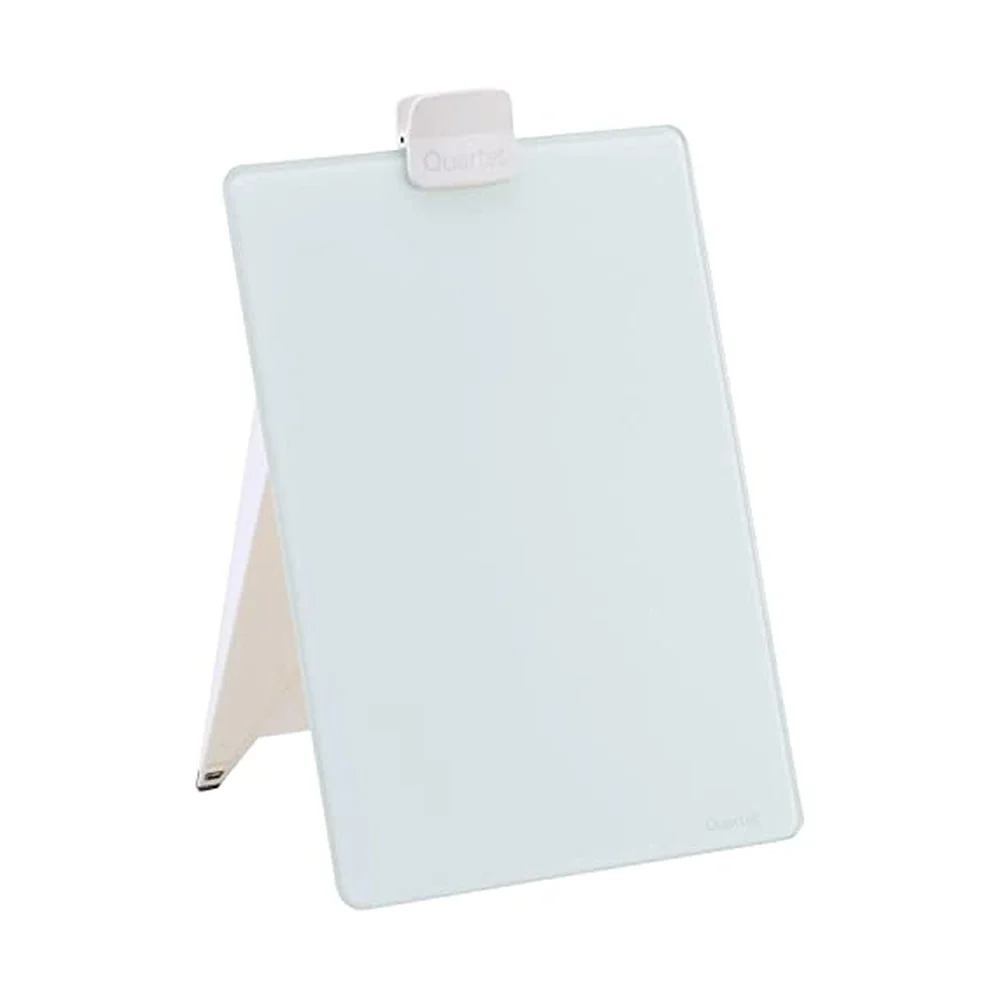
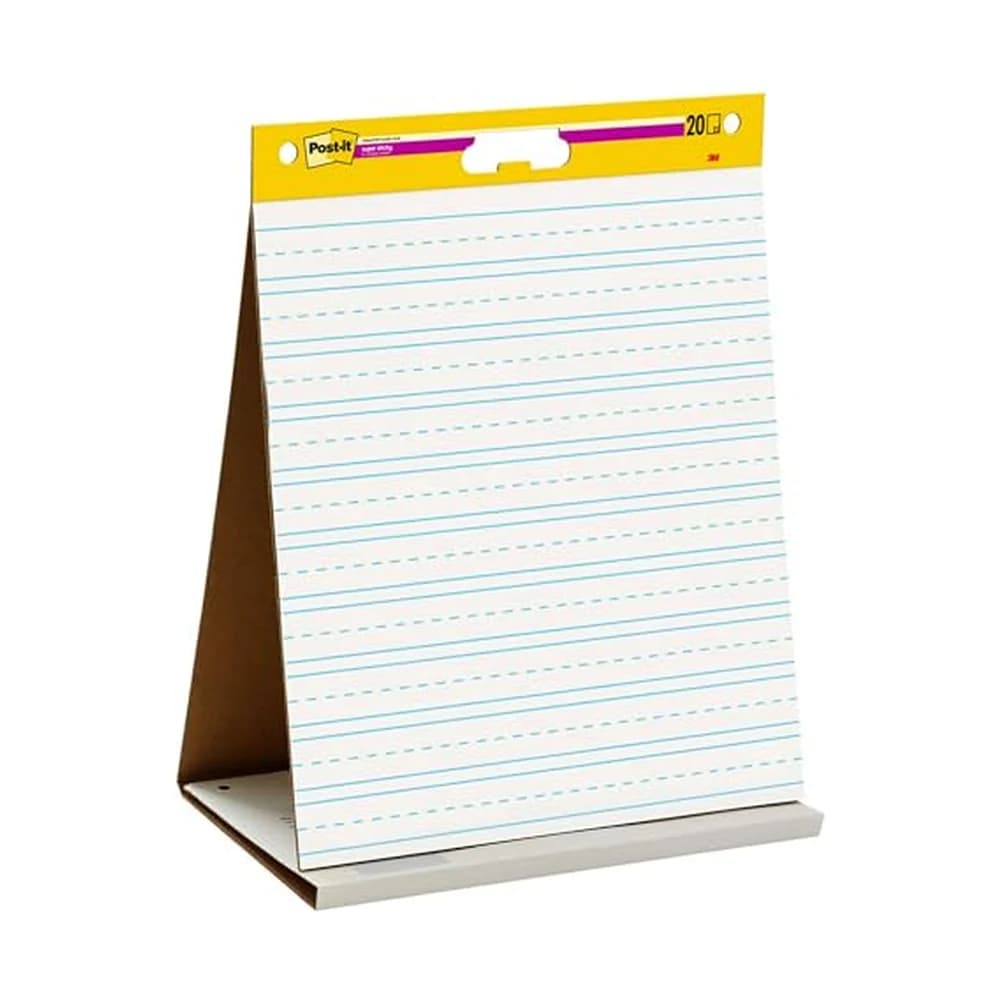

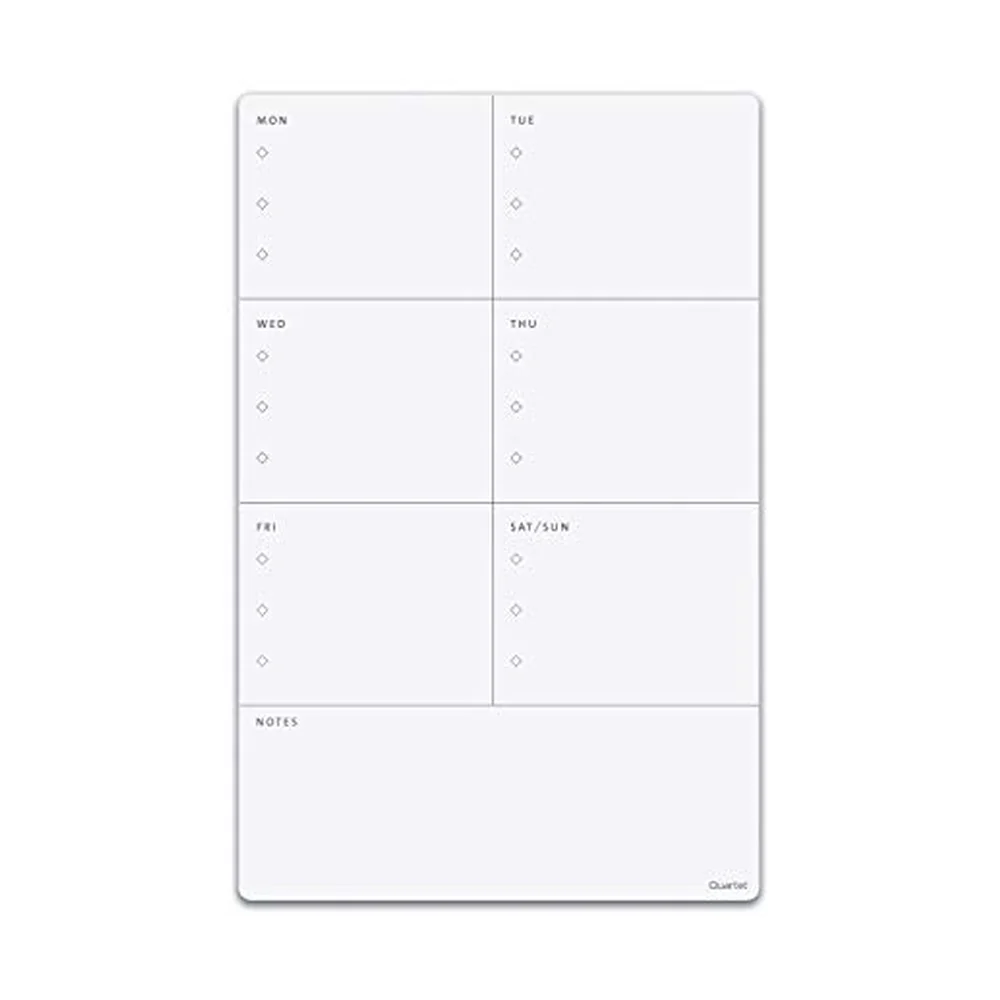
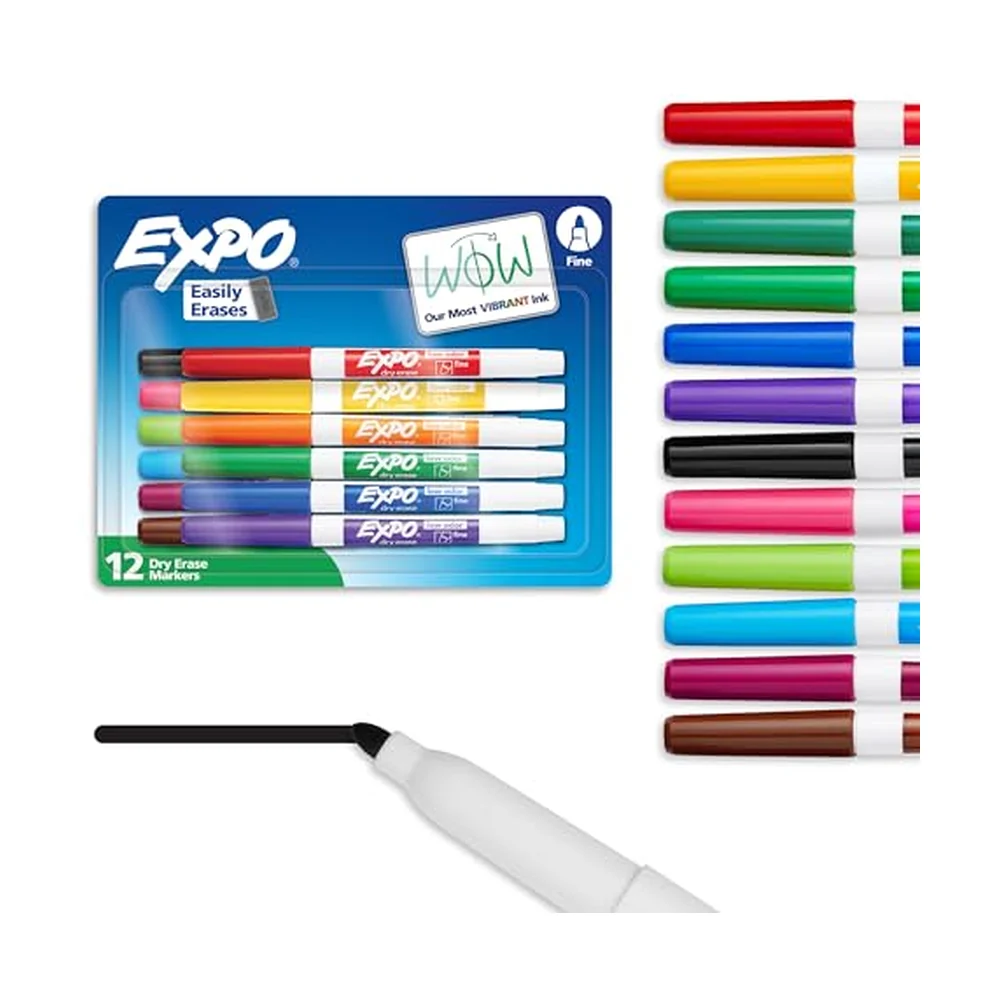
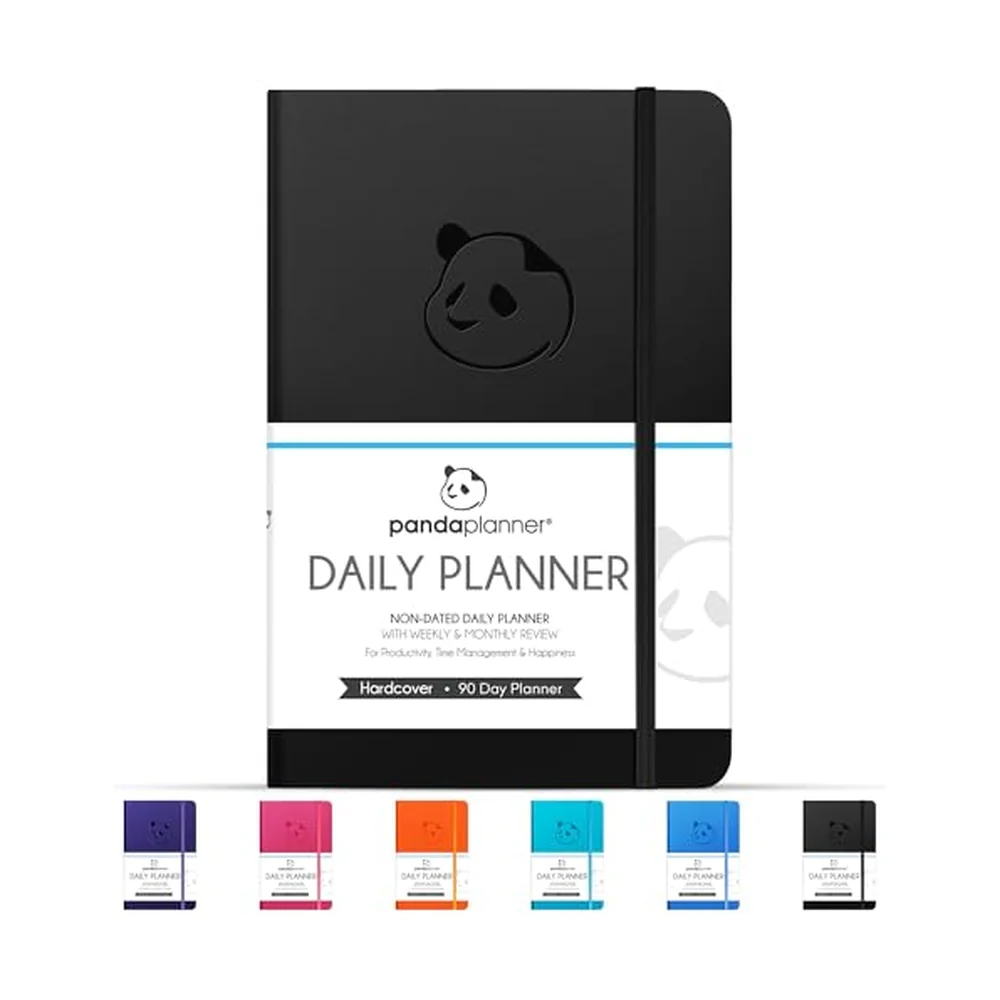
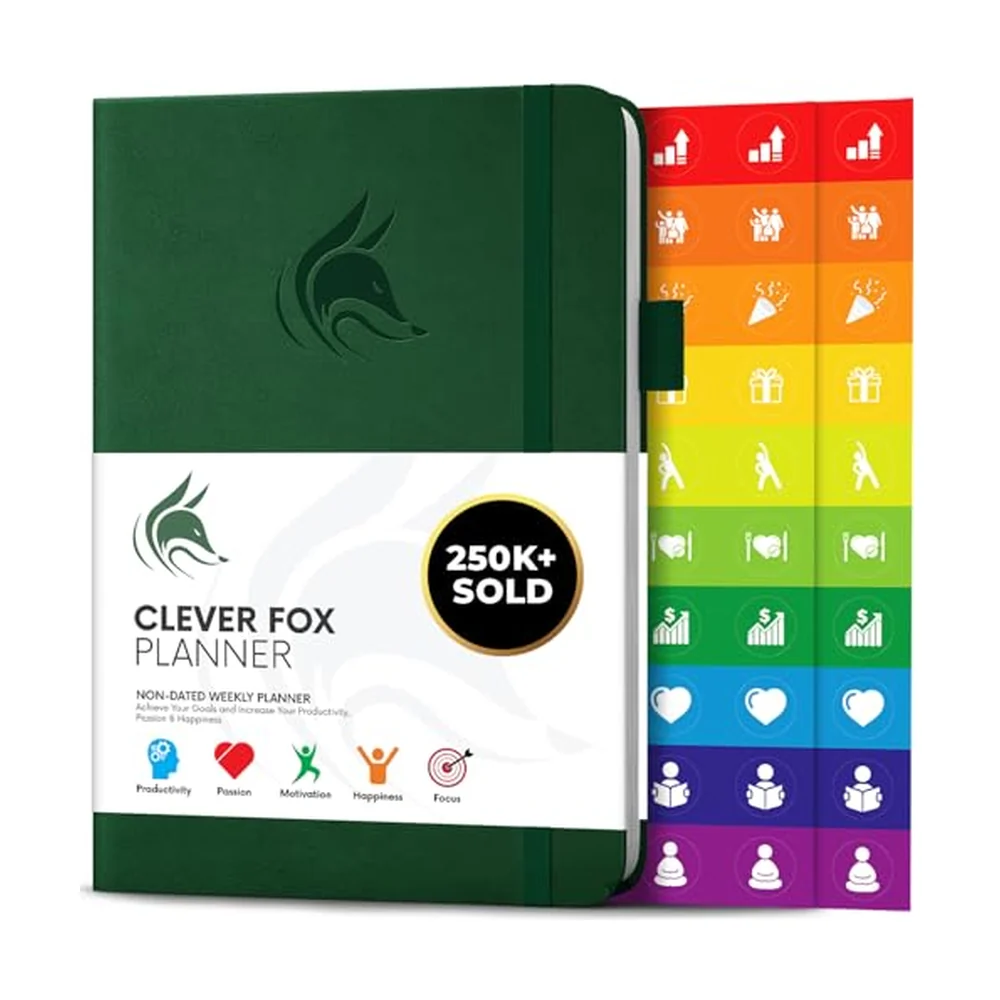
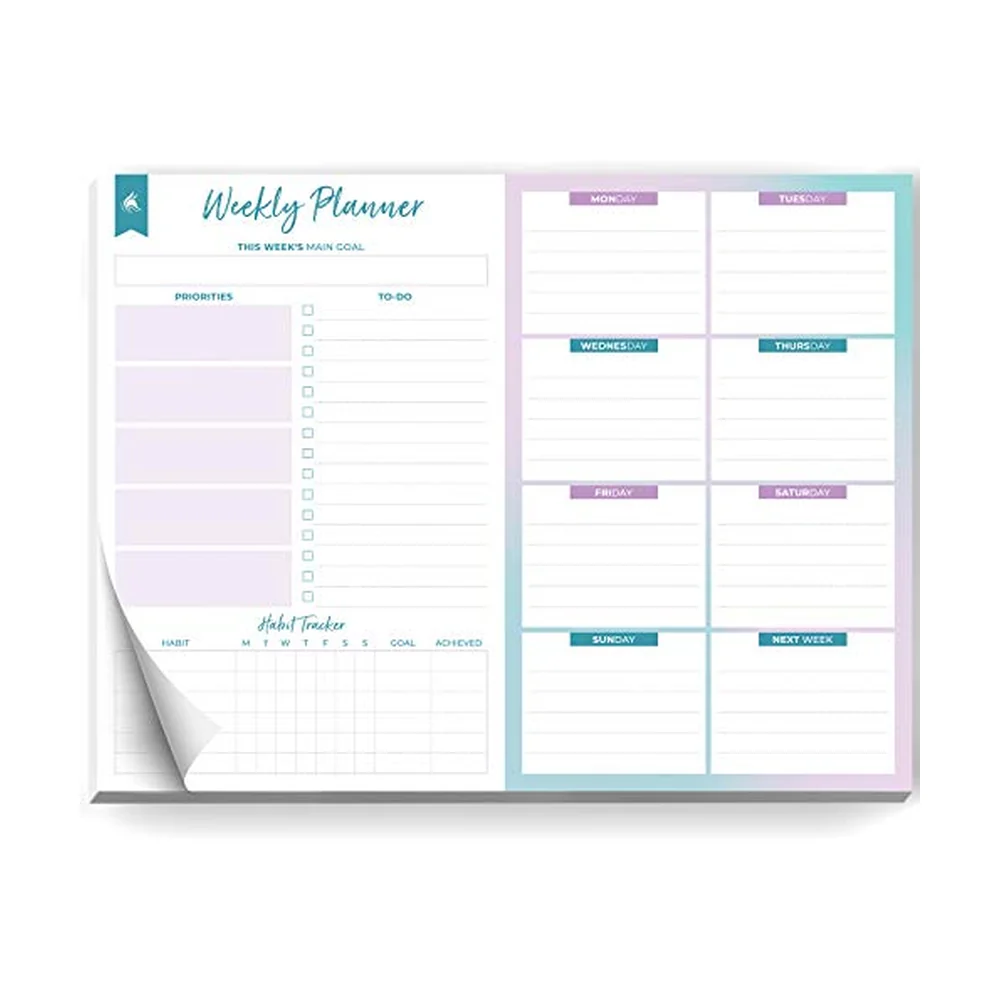
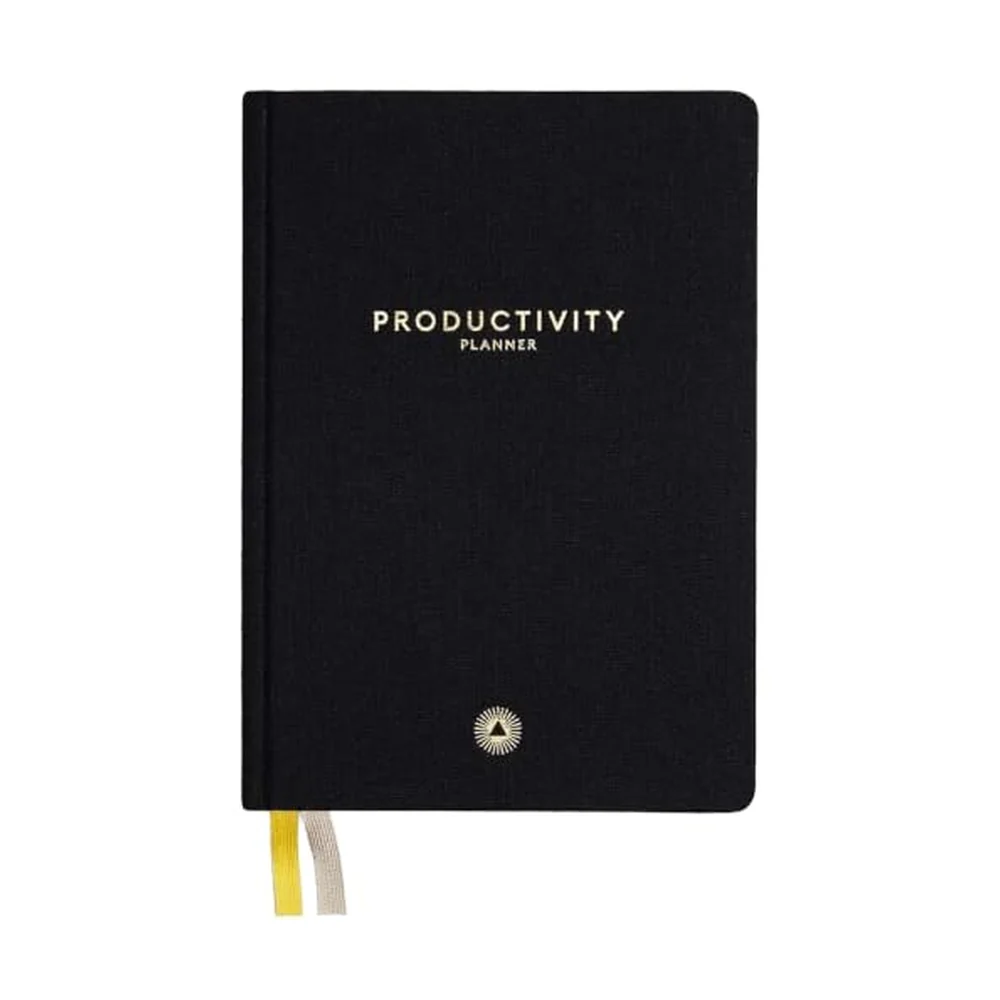
Ready to get unstuck?
The Brain Deck gives you 52 science-backed strategies in your pocket — a physical card deck you keep on your desk, no app required.
See the CardsLaunching soon · 54 cards · Premium matte finish