How to Be More Productive: 4 Habits That Work (2026)
True productivity is not about doing more — it is about doing what matters with less friction. Learn how neuroscience and behavioral research can help you work with your brain instead of fighting it.
By The Brain Deck Editorial
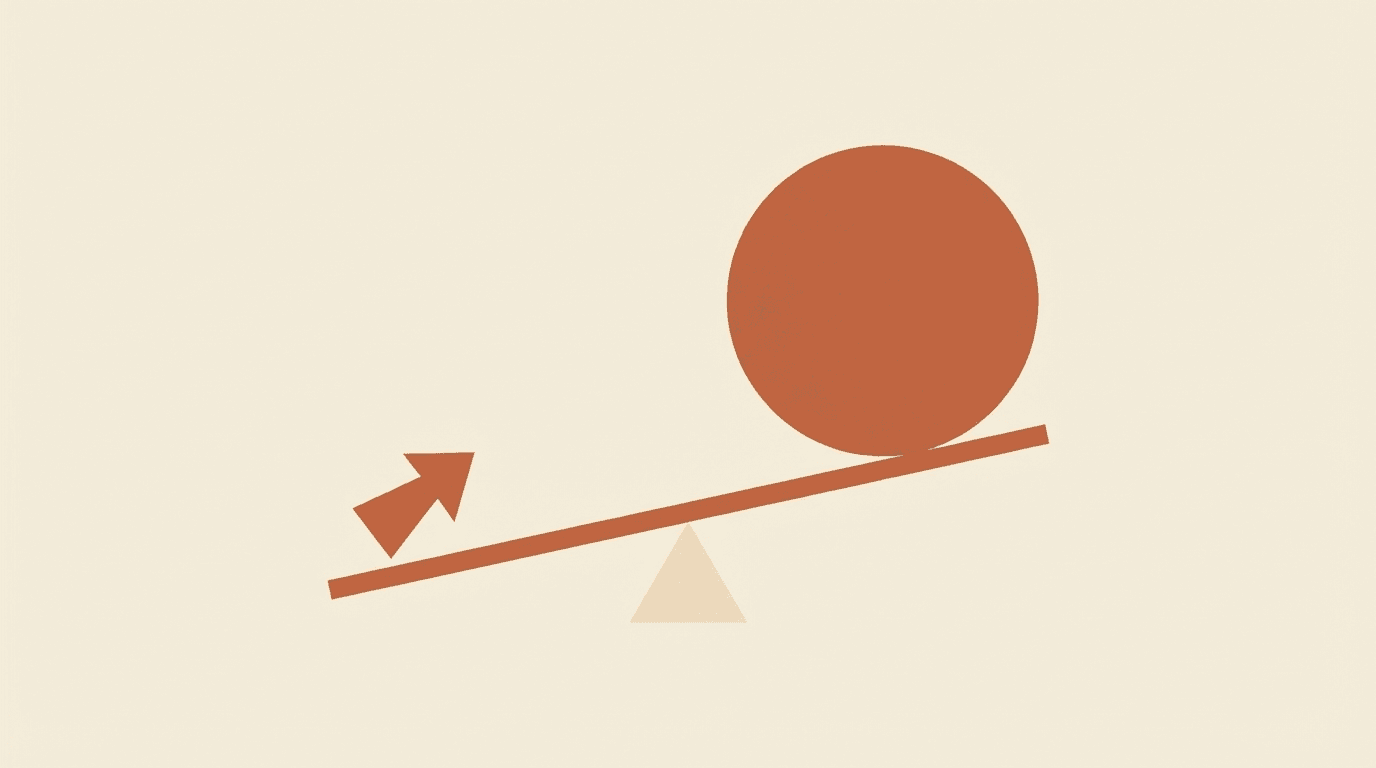
Productivity is leverage, not hours: doing the right one thing on your peak energy beats grinding through a packed day of busy work.
Key Takeaways
- Productivity is leverage, not hours — doing the right one thing often beats a packed calendar of busy work.
- Work with your chronotype — match hardest work to your peak cognitive hours, not to an arbitrary 9 a.m. start.
- Friction is the silent killer — a 30-second barrier to starting is often the entire difference between doing and not doing.
- Rest is an input, not a reward — your output on Thursday depends on how well you recovered Monday night.
Try this in the next 60 seconds
- Pick tomorrow's single most important task now
- Block its time on your calendar before email
- Note your two highest-energy hours of the day
- Plan your hardest task into that window
daily motivator: visible progress on meaningful work
Amabile, HBS
anchored habits beat ambitious ones for stickiness
Fogg, Stanford
of effort over years matters more than intensity
Duckworth, UPenn
Try this first
The 4 highest-leverage habits
- 01
Pre-decide tomorrow's one thing
Eliminates the biggest morning decision.
- 02
Hardest task first
Spend peak cognition on what needs it most.
- 03
Time blocks, not lists
Lists tell you what; blocks tell you when.
- 04
Build in recovery
Real breaks restore the resource — scrolling drains it.
Real productivity is not about cramming more tasks into your day — it is about consistently completing meaningful work with less emotional friction. Based on research from Dr. Teresa Amabile at Harvard Business School, the single greatest driver of productive output is the sense of making progress on work that matters. Not time management apps, not morning routines, not hustle culture — just visible progress on meaningful tasks. The Brain Deck was built on this insight: remove the emotional barriers to starting, and productivity follows naturally.
If your productivity problem is rooted in procrastination, start with how to stop procrastinating. If it is caused by an inability to focus, see how to focus better. But if you want a comprehensive, brain-friendly approach to getting more done, here is what the research supports.
Why Do Most Productivity Systems Eventually Fail?
Most productivity systems fail because they treat humans like machines — input more effort, get more output. But human cognitive performance does not scale linearly. Based on research from Dr. Roy Baumeister, your willpower, decision-making capacity, and ability to self-regulate all draw from the same depletable resource. Pushing harder when that resource is depleted does not produce more output. It produces burnout, errors, and procrastination.
Dr. Angela Duckworth's research at the University of Pennsylvania adds an important nuance: grit — the ability to sustain effort over long periods — is not about constant intensity. It is about consistency of direction. The most productive people are not the ones who work 14-hour days. They are the ones who show up day after day, doing focused work on the things that matter, and recovering properly between sessions.
The Brain Deck reflects this philosophy. It is not a productivity system that demands you reorganize your entire life. It is a single intervention you reach for when you are stuck. Use a card, take action, build momentum. That is the entire system.
What Does "Working With Your Brain" Actually Mean?
Working with your brain means designing your work practices around how your brain actually functions, rather than how you wish it functioned. Key principles from neuroscience and behavioral research:
- Your brain is a terrible storage device but an excellent processor. Stop trying to remember things and start writing them down. The "Brain Dump" technique — emptying every open loop from your head onto paper — frees your working memory for actual work. See our full guide to the brain dump technique.
- Your brain craves completion. The Zeigarnik effect shows that uncompleted tasks occupy more mental space than completed ones. This is why finishing even a small task feels disproportionately satisfying — and why The Brain Deck's "Shrink the Ask" card works. By making tasks small enough to complete quickly, you generate a stream of completion signals that fuel further action.
- Your brain resists ambiguity. Vague tasks ("work on the project") trigger anxiety because your brain cannot visualize the first action. Specific tasks ("write the opening paragraph of section 3") do not trigger this resistance. Always define the next physical action.
- Your brain performs differently at different times. Most people have a cognitive peak in the late morning and a trough in the early afternoon. Schedule deep, creative work for your peak and routine tasks for your trough.
What Are the Highest-Leverage Productivity Habits?
Based on research from Dr. BJ Fogg at Stanford, the most durable habits are tiny, anchored to existing routines, and immediately rewarding. Here are four high-leverage habits supported by the research:
1. Define your top priority the night before. Before you close your laptop each evening, write down the single most important task for tomorrow. This eliminates the morning decision about what to work on — a decision that, as our article on decision fatigue explains, is surprisingly costly.
2. Start your day with your hardest task. This leverages your peak cognitive resources for the work that needs them most. The Brain Deck's "One Thing Now" card supports this: instead of easing into the day with email, you identify your most important task and start it immediately.
3. Use time blocks instead of to-do lists. A to-do list tells you what to do but not when. A time block says "from 9 to 10:30, I work on the proposal." This creates a commitment device that reduces decision-making during the day. Our guide to the time boxing method details this approach.
4. Build in recovery. Productivity is not sustainable without rest. Take genuine breaks between focused blocks — not scrolling social media (which depletes the same cognitive resources as work) but walking, stretching, or sitting quietly. Your brain consolidates learning and restores resources during downtime.
How Do You Stay Productive When Motivation Disappears?
Here is the uncomfortable truth that most productivity advice ignores: motivation is not a prerequisite for productive action. It is often a result of it. Based on research from Dr. Timothy Pychyl at Carleton University, people frequently report that once they start a task they were dreading, the dread evaporates. The emotion that was blocking them was anticipatory — it existed before the task, not during it.
This is why The Brain Deck's "Two-Minute Start" card is so effective. It does not require motivation. It requires two minutes. And those two minutes frequently generate the motivation to continue. If you are stuck in a motivation drought, our article on how to get motivated explores this paradox in depth.
Dr. Carol Dweck's growth mindset research at Stanford reinforces this: people who believe their abilities can develop through effort are more likely to persist through difficulty and less likely to interpret struggle as evidence that they should quit. Viewing low-motivation days as a normal part of the process — rather than a sign of personal failure — keeps you in the game long enough for momentum to rebuild.
How Does The Brain Deck Make You More Productive?
Hilly Shore Labs designed the deck not as another productivity system but as an emergency intervention for the moments when productivity stalls. Traditional productivity advice assumes you are in a state to plan, prioritize, and execute. The Brain Deck assumes you are stuck, depleted, or overwhelmed — and gives you a single next action that requires almost no cognitive overhead.
The deck's five categories map to the five most common ways productivity breaks down:
- "I Can't Start" — You know what to do but cannot make yourself begin. Cards like "Do It Badly" and "Two-Minute Start" lower the activation energy.
- "I'm Stuck" — You have started but hit a wall. Cards help you change approach or perspective.
- "I'm Scattered" — Your attention is fragmented. Cards like "Pick One Thing" and "Ruthless Priorities" restore focus.
- "I'm Drained" — You have no energy left. Cards like "Body First" address the physical foundation of cognitive performance.
- "I Want to Quit" — You are ready to give up. Cards help you reconnect with purpose and find a sustainable path forward.
The result is a productivity tool that works precisely when other tools do not — at the point of maximum resistance. To explore specific strategies for common productivity blockers, see how to start a task when overwhelmed or learn how to build momentum from scratch.
Common mistake
What people on Reddit actually say
- r/productivity🔥 loud consensus
r/productivity consensus: the best system is the one you'll actually use. Elaborate Notion setups almost always get abandoned; boring pen-and-paper lists somehow outlast them.
- r/getdisciplined⬆ strong consensus
r/getdisciplined regulars argue that 'being more productive' usually means eliminating the three or four leaks first — phone, late-night scrolling, meeting creep — before adding any new technique.
- r/entrepreneur💬 commonly repeated
r/entrepreneur threads emphasize ruthless prioritization. The recurring advice: pick the one task that, if done, makes the rest easier or irrelevant, and do that before checking email.
Paraphrased consensus from public threads — no direct user quotes.
Pull a card · free sample
Day slipping into reactive work? Pull a card from the 'Overwhelmed' suit to reset onto one concrete priority.
Pull a random card →
Tools that help with this
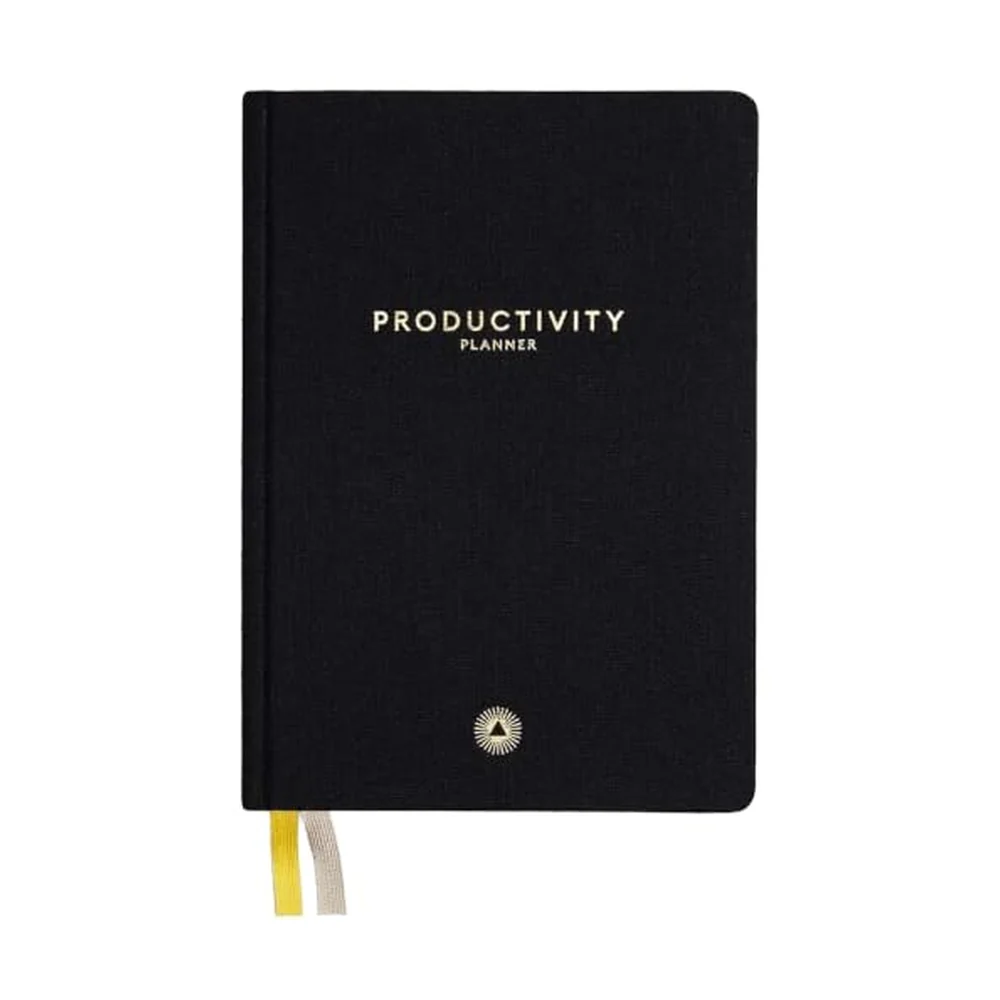
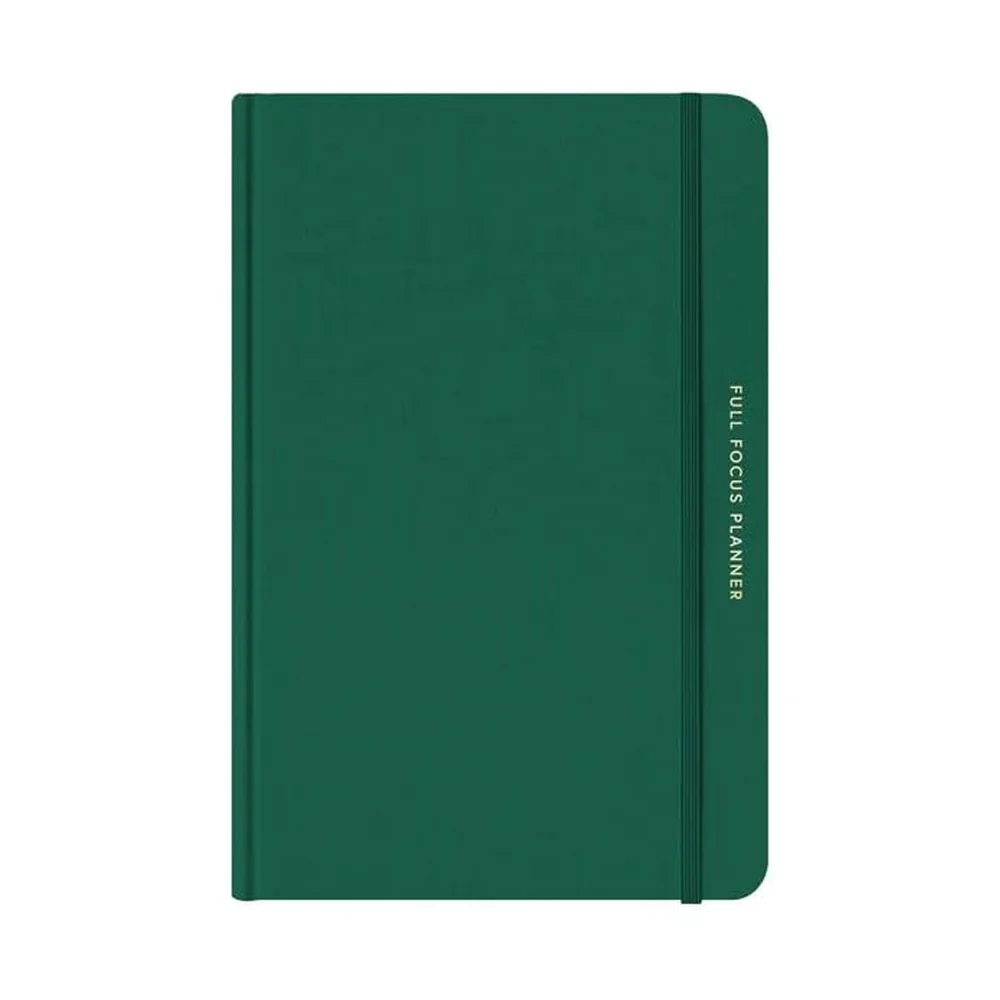
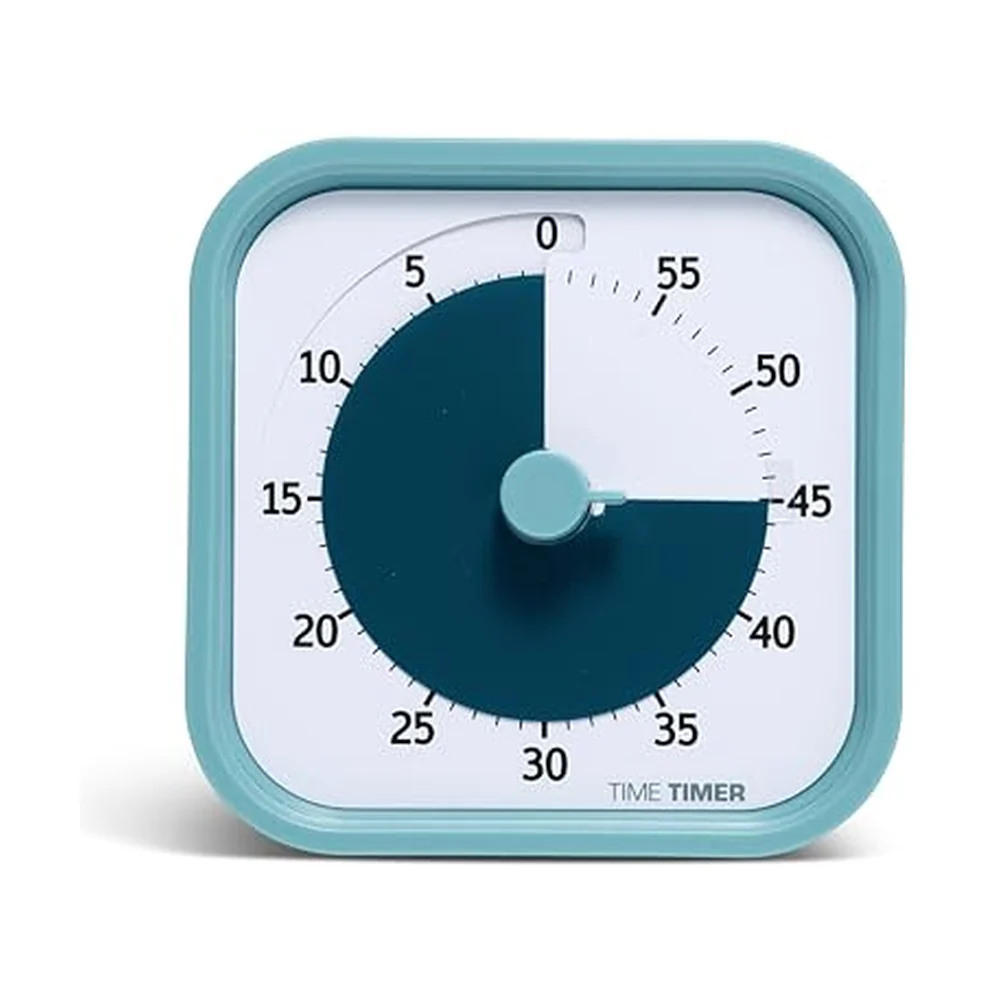
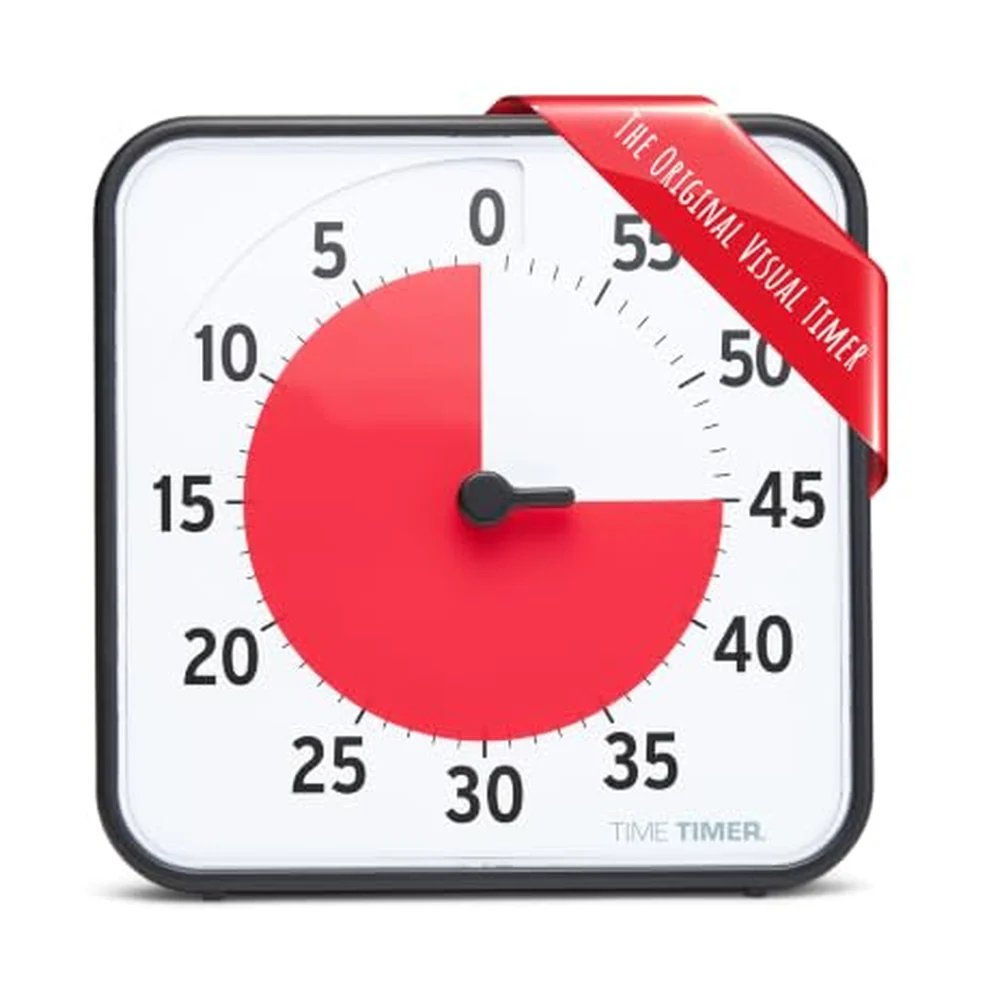
Ready to get unstuck?
The Brain Deck gives you 52 science-backed strategies in your pocket — a physical card deck you keep on your desk, no app required.
See the CardsLaunching soon · 54 cards · Premium matte finish