Card Decks for Mental Health: 6 Types Compared
Card decks for mental health, therapy, mindfulness, and productivity are booming. Here's a guide to the different types, what they do, and how to choose the right one.
By The Brain Deck Editorial
Card decks work because they constrain choice, externalize abstract advice, and live where notifications don't — pick by use case, not aesthetic.
Key Takeaways
- Card decks lower the activation cost of reflection — pulling one card is easier than opening a journal.
- They turn abstract advice into a concrete object — holding a card in your hand lands differently than reading a tip online.
- Choose by use case, not aesthetic — therapy decks, habit decks, and prompt decks each do very different jobs.
- Constraint is the point — 52 finite cards beat an infinite-scroll tips feed for actually changing behavior.
Quick reset checklist
- Identify the actual problem (start, focus, mood, decisions)
- Match deck type to problem (therapy / habit / prompt)
- Skip decks designed for shelf appeal over function
- Use one deck for 30 days before adding another
Try this first
Card decks for mental health and productivity have become one of the fastest-growing categories of self-improvement tools — and for good reason. They combine the tactile satisfaction of a physical object with structured prompts that guide thinking, reduce decision fatigue, and make abstract concepts concrete. Whether you're looking for a therapy tool, a mindfulness practice, a conversation starter, or a productivity system, there's likely a card deck designed for it. This guide breaks down the major categories and helps you find the right fit.
The effectiveness of card-based tools draws on several well-established psychological principles. Dr. Barry Schwartz's research at Swarthmore College on the paradox of choice shows that constraining options — the way drawing a single card does — actually improves decision quality and reduces anxiety. Meanwhile, Dr. BJ Fogg's work at Stanford on tiny habits demonstrates that reducing friction is the single most reliable way to change behavior. Cards do both: they narrow your options to one prompt and require zero setup. For more on why too many options backfire, see our post on too many choices.
Why Are Card Decks Effective as Tools?
Card decks work because of three psychological mechanisms. First, randomization reduces decision load. When you're stuck, the last thing you need is another decision to make. Drawing a card removes the "what should I do?" barrier entirely. Second, physical interaction increases engagement. Shuffling, drawing, and reading a physical card activates different neural pathways than scrolling through a digital list. Third, constraint enables action. A single card with a single prompt is far less overwhelming than a book chapter or a 20-step process.
These principles explain why card decks often work for people who've bounced off traditional self-help books, apps, and courses. The format is inherently low-friction and high-engagement.
What Types of Card Decks Are Available?
The card deck landscape falls into several distinct categories, each designed for a different purpose. Understanding the categories will help you find the right match for your needs.
Therapy and CBT Card Decks
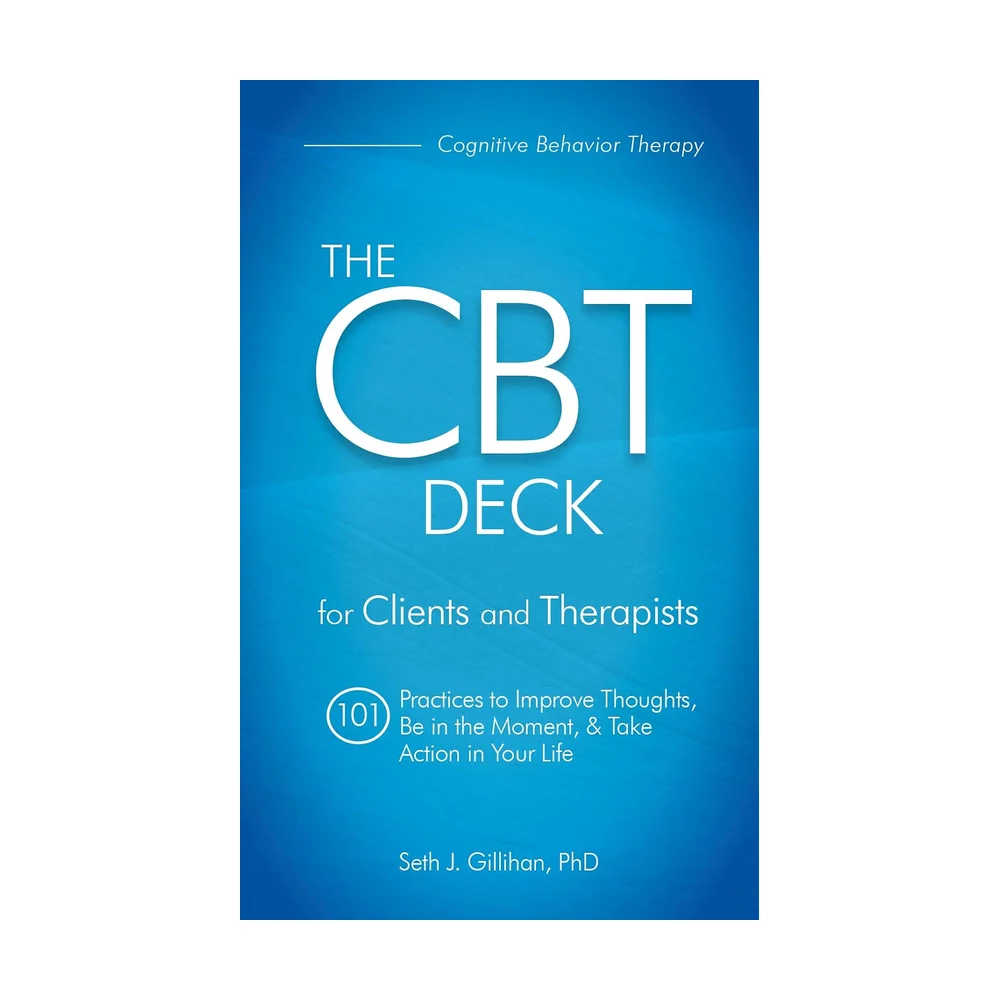
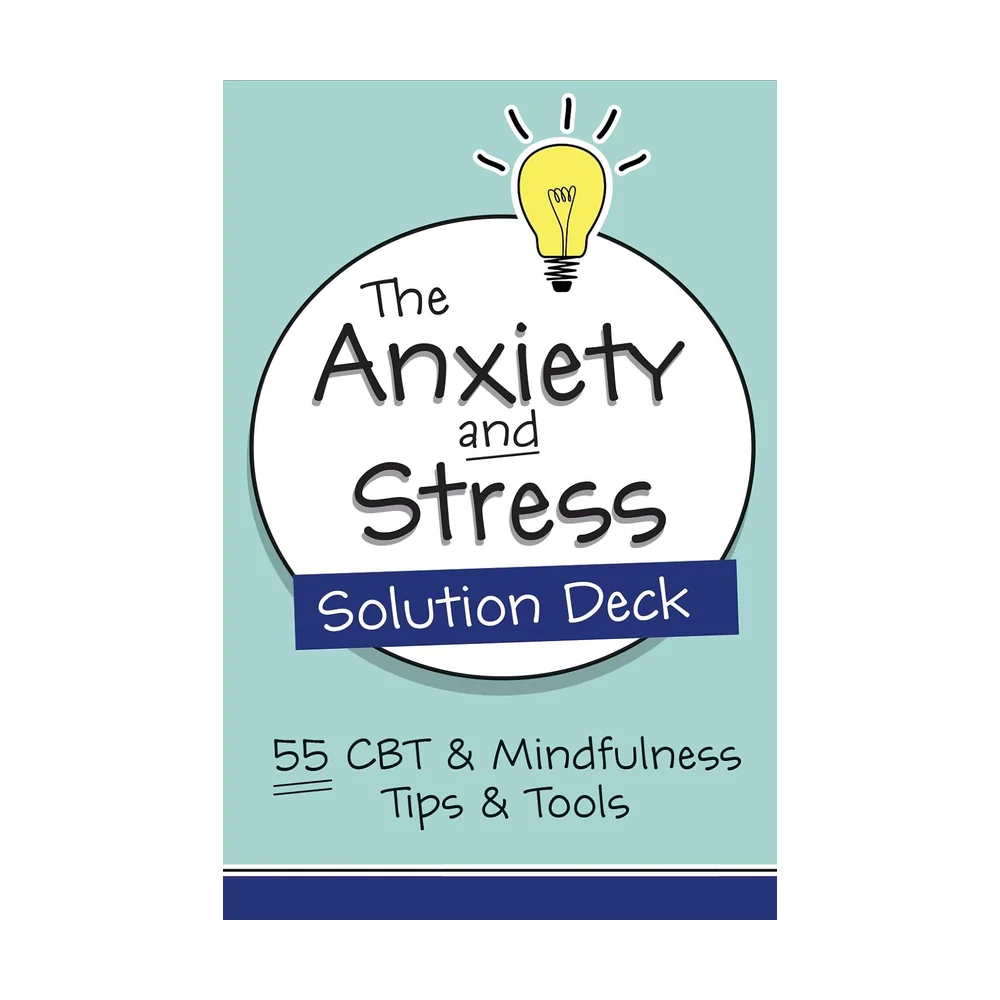
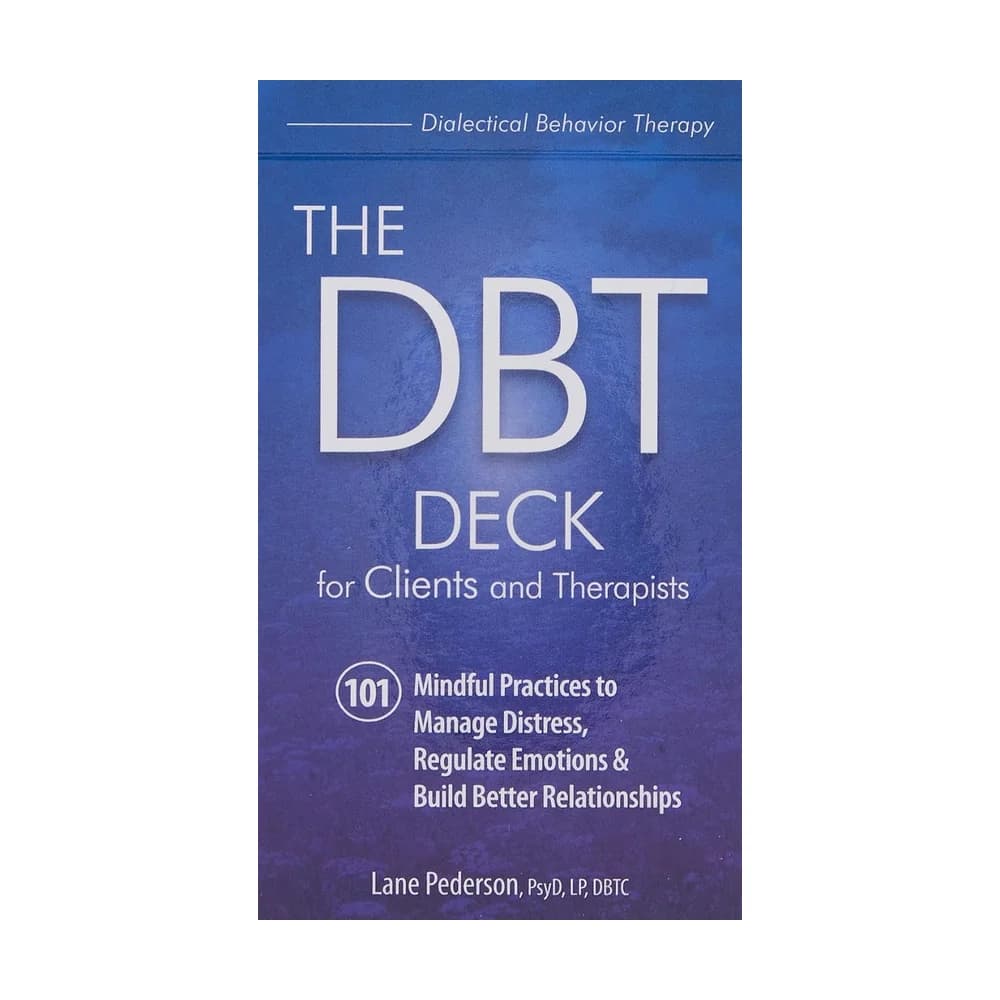
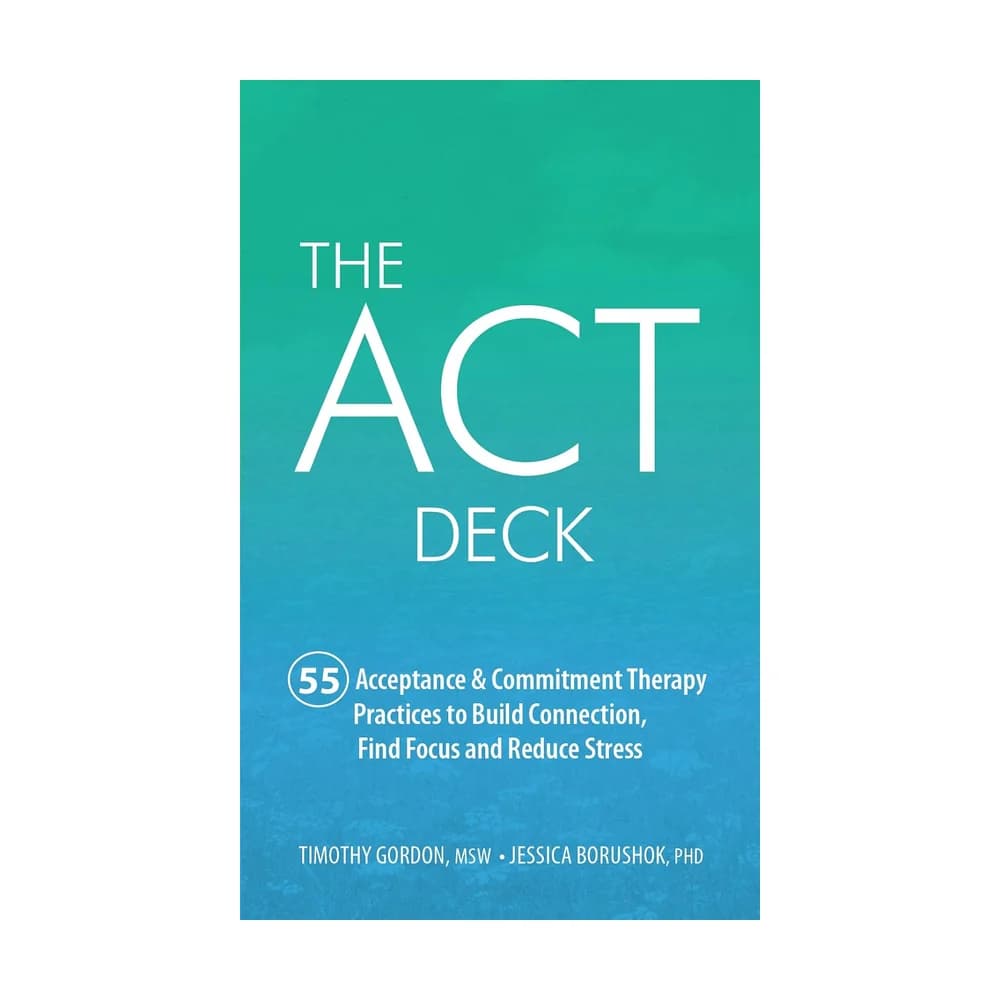
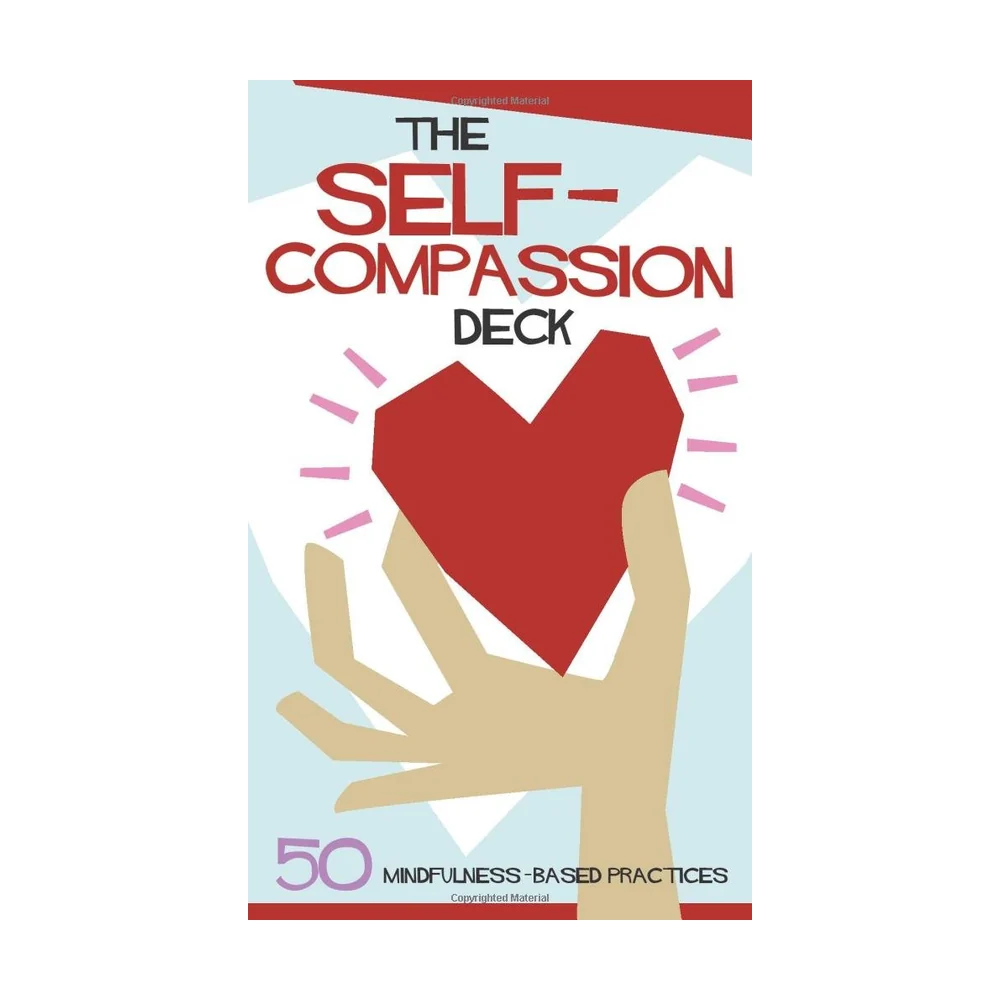
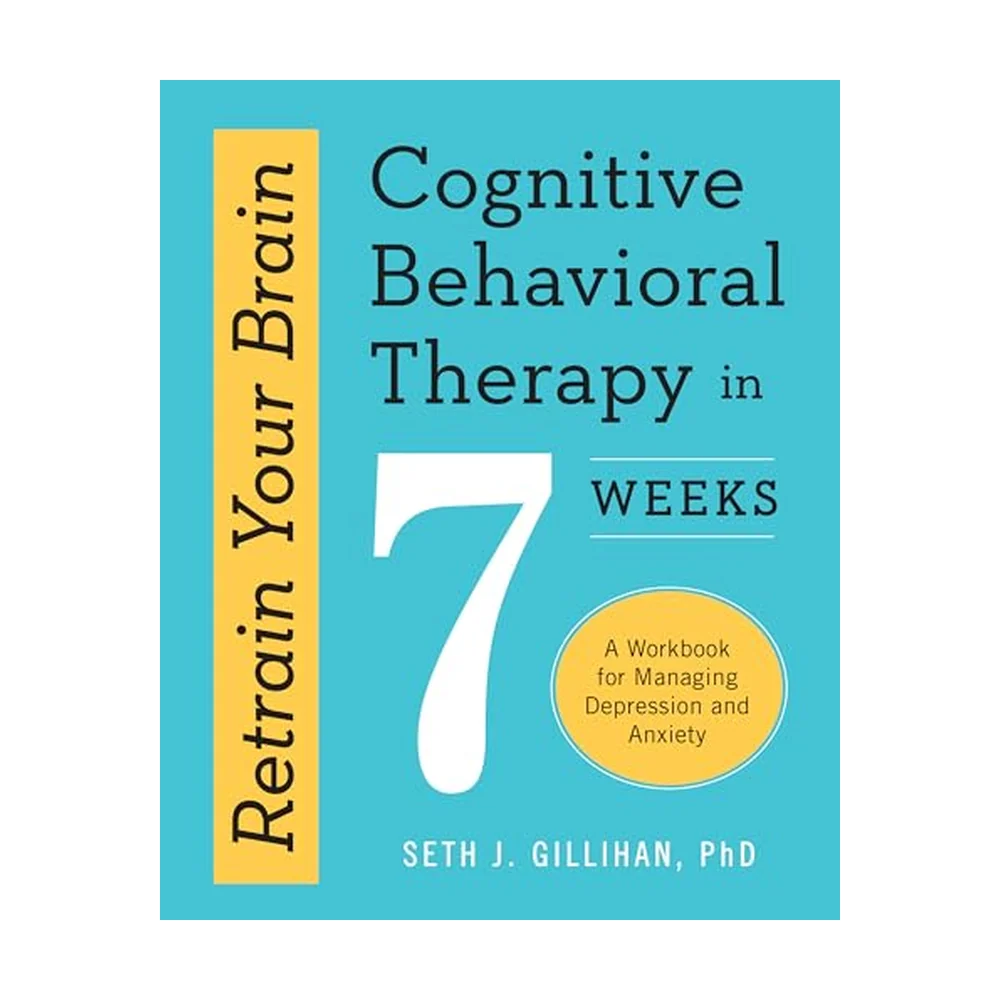
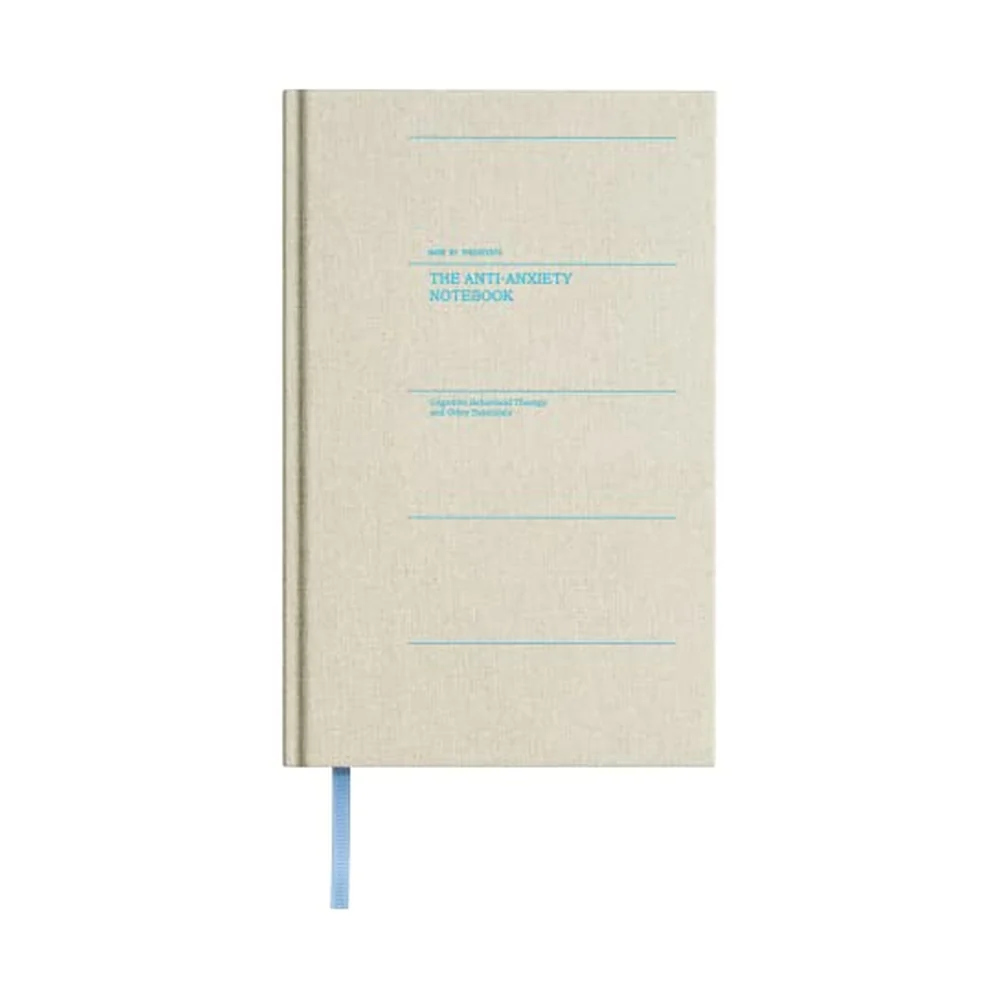
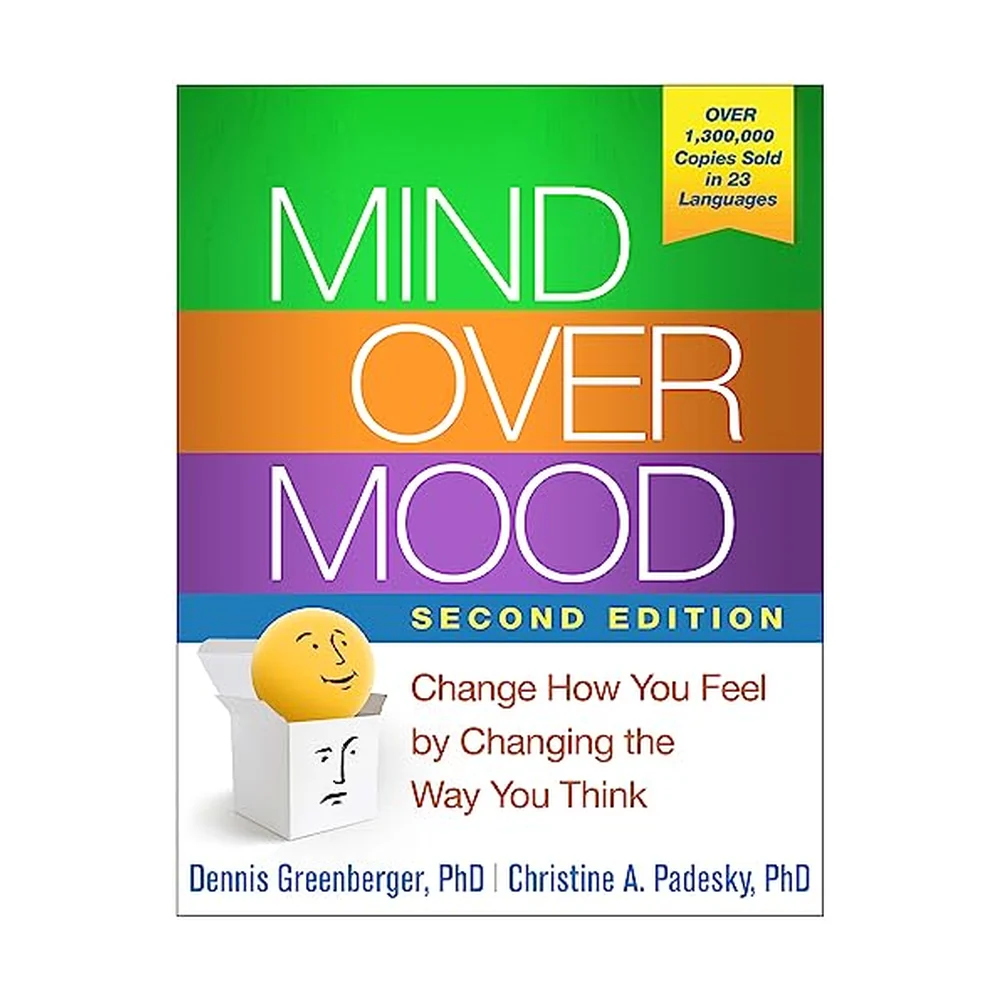
Therapy card decks typically contain prompts based on cognitive behavioral therapy (CBT), dialectical behavior therapy (DBT), or acceptance and commitment therapy (ACT). They might include cognitive distortion identification cards, coping strategy prompts, or emotion regulation exercises. These decks are often designed by licensed therapists and can serve as supplements to professional treatment — not replacements for it.
They're useful for people who are in therapy and want tools to practice techniques between sessions, or for those who want structured self-reflection without the open-endedness of journaling. The cards provide guardrails that keep the reflection productive rather than ruminative. If this is the type you want, we compared five clinician-written options in our guide to the best CBT and therapy card decks.
Mindfulness and Meditation Card Decks
Mindfulness decks typically contain short meditation prompts, breathing exercises, body scan instructions, or present-moment awareness cues. They're designed for people who want a meditation practice but find apps too stimulating or structured courses too rigid. Drawing a card and following a 3-minute prompt is often more accessible than committing to a 20-minute guided session.
Research from Dr. Mihaly Csikszentmihalyi's work on attention and flow suggests that the ability to direct focus deliberately is a trainable skill. Mindfulness decks provide micro-training opportunities throughout the day — a one-card practice during a lunch break or a transition between tasks.
Productivity and Getting-Unstuck Decks
The Brain Deck sits in this category as a standout example. It's a 52-card deck where each card provides a specific, science-backed strategy for getting unstuck, organized around five emotional states: "I Can't Start," "I'm Stuck," "I'm Scattered," "I'm Drained," and "I Want to Quit." What distinguishes productivity decks from other categories is their focus on action — they're designed to get you moving, not to facilitate reflection or relaxation.
The Brain Deck's particular strength is that it addresses the emotional dimension of productivity. Based on Dr. Timothy Pychyl's research at Carleton University showing that procrastination is an emotion regulation problem, not a time management one, The Brain Deck meets you at the emotional level ("I'm drained") rather than the task level ("I need to finish the report"). Each card includes the scientific backing on the reverse side, so you understand why the strategy works — which increases trust and follow-through. Coming soon at thebraindeck.com.
For more on the emotional roots of procrastination, see our in-depth guide on why you procrastinate.
Coaching and Personal Development Decks
Coaching decks contain reflective questions, goal-setting prompts, or values-clarification exercises. They're used by professional coaches during sessions and by individuals for self-coaching. Common prompts might include "What would you do if you knew you couldn't fail?" or "What are you tolerating that you could change?"
These decks are useful for people at transition points — career changes, life reassessments, or periods of feeling stuck in life. The structured prompts provide direction without prescribing answers.
Conversation Starter Decks
Conversation decks are designed for relationships — couples, families, friends, or teams. They contain questions that range from lighthearted to deeply personal, structured to build connection through dialogue. While not strictly "mental health" tools, strong social connections are one of the most robust predictors of psychological well-being, making these decks indirect but powerful mental health supports.
Affirmation and Strengths Decks
Affirmation decks contain positive statements, character strengths, or motivational prompts. They're designed for daily use — draw a card each morning for a theme or intention to carry through the day. Research from Dr. Carol Dweck at Stanford on growth mindset suggests that the stories we tell ourselves about our capabilities directly influence our performance and resilience. Affirmation decks shape that inner narrative in a structured, consistent way.
How Do You Choose the Right Deck?
Match the deck to your specific need:
- If you struggle to get started on tasks or break through procrastination: A productivity deck like The Brain Deck, which provides actionable strategies at the point of stuckness.
- If you want structured self-reflection or emotional processing: A therapy or CBT deck, ideally one designed by a licensed professional.
- If you want to build a mindfulness practice without apps: A meditation or mindfulness deck with short, accessible prompts.
- If you're at a life crossroads and need direction: A coaching or personal development deck with reflective questions.
- If you want to deepen relationships: A conversation starter deck designed for the specific relationship type.
- If you need daily motivation and perspective shifts: An affirmation or strengths deck.
Can Card Decks Replace Professional Help?
No — and reputable decks don't claim to. Card decks are tools, not treatments. They can supplement therapy, provide structure for self-directed growth, and offer practical strategies for common challenges. But for clinical conditions — depression, anxiety disorders, ADHD, trauma — professional treatment remains essential. Think of card decks as you would a good journal or a helpful book: valuable as part of a broader toolkit, not a standalone solution.
The Bottom Line
Card decks work because they make abstract concepts physical, reduce decision fatigue, and provide structured prompts at the moment you need them. The best deck for you depends on what you're trying to accomplish. For emotional processing, look at therapy decks. For mindfulness, meditation decks. For getting unstuck and getting things done, The Brain Deck fills a unique niche by combining science-backed productivity strategies with an emotion-first approach. Whatever your goal, the right deck puts a useful strategy literally in the palm of your hand.
| Deck type | Best for | Skip if |
|---|---|---|
| Therapy / CBT | Self-reflection between sessions | You want quick action, not processing |
| Mindfulness | Building micro-meditation practice | You already have a meditation app habit |
| Productivity | Getting unstuck on tasks | Your problem is rest, not action |
| Coaching | Life transitions, big questions | You need execution, not exploration |
| Affirmation | Daily mood + perspective shift | You're action-oriented and skeptical of slogans |
Common mistake
What people on Reddit actually say
- r/ZenHabits💬 commonly repeated
r/ZenHabits regulars describe card decks as ritual-first, content-second. The physical act of shuffling and drawing creates a pause that reading an article doesn't.
- r/selfimprovement💬 commonly repeated
r/selfimprovement threads note that card decks succeed where apps fail because they don't compete with notifications. A deck on the desk gets used; an app in a folder gets forgotten.
- r/productivity💬 commonly repeated
r/productivity consensus: the best card decks offer one idea per card with a clear action. Decks that try to be books-on-cards usually end up unread.
Paraphrased consensus from public threads — no direct user quotes.
Pull a card · free sample
Curious how it actually feels? Pull from the 12-card sample on the home page — one prompt, one action, 30 seconds.
Pull a random card →
Tools that help with this
Ready to get unstuck?
The Brain Deck gives you 52 science-backed strategies in your pocket — a physical card deck you keep on your desk, no app required.
See the CardsLaunching soon · 54 cards · Premium matte finish