Too Many Choices? 5 Ways to Decide Faster (2026)
More options should mean better outcomes, but research shows the opposite. Learn why too many choices paralyze you and how to decide faster.
By The Brain Deck Editorial
Beyond a few options, more choices reduce satisfaction — cap your shortlist at three and pick the first one that meets your criteria.
Key Takeaways
- More options reduce satisfaction — the paradox of choice is real, even when one option is objectively best.
- Pre-commit to criteria before you browse — 'under $50, arrives by Friday' kills most indecision instantly.
- Cut the shortlist to three — past three, you're comparing features, not making a decision.
- Satisficing beats maximizing for happiness — 'good enough' choosers report higher satisfaction than 'best possible' ones.
Quick reset checklist
- Write your 3 must-have criteria first
- Cut your shortlist to 3 options max
- Pick the first option that meets all 3
- Stop browsing and commit

less likely to buy when shown 24 vs. 6 jams
Iyengar & Lepper
satisfaction in maximizers vs. satisficers
Schwartz, Swarthmore
anxiety per added option past the threshold
Schwartz, Swarthmore
Try this first
The 4-step choice cut
- 01
Write criteria
3 things any option must meet.
- 02
Cap the shortlist
Three options, max. No more.
- 03
First match wins
Stop the moment one clears the bar.
- 04
Close the loop
Commit and stop revisiting today.
When you face too many options without clear criteria, three things happen: you delay the decision, you feel less satisfied with whatever you eventually choose, and you second-guess yourself afterward. This is not a personal failing — it is a well-documented cognitive phenomenon. Dr. Barry Schwartz's research at Swarthmore College on the paradox of choice demonstrated that beyond a certain threshold, more options do not make us happier. They make us more anxious, less decisive, and less satisfied. The fix is not finding the "right" option. It is changing how you choose.
The Brain Deck addresses this directly with cards like Pick One Thing and Ruthless Priorities — techniques designed to cut through option overload by constraining your field of vision before you start evaluating.
Why Does Having More Options Make Decisions Harder?
The most famous study on choice overload is the jam experiment by Sheena Iyengar and Mark Lepper. Shoppers offered samples from a display of 24 jams were attracted to the variety — but shoppers who saw only 6 options were ten times more likely to actually buy. More options created more interest but less action.
Dr. Roy Baumeister's research on decision fatigue explains the mechanism. Every choice you make throughout the day depletes cognitive resources. When you face a large decision with many alternatives, the comparison process itself is exhausting — each option introduces new dimensions to consider, new trade-offs to weigh. Your brain runs out of processing power before it reaches a conclusion. The result is either paralysis (you choose nothing) or impulsivity (you grab whatever is closest just to end the discomfort). Neither produces good outcomes.
This dynamic feeds directly into the broader pattern we explore in our guide on decision fatigue — the more decisions you make, the worse each subsequent decision becomes.
Are You a Maximizer or a Satisficer — and Why Does It Matter?
Dr. Schwartz identified two decision-making styles. Maximizers try to make the objectively best choice — they research exhaustively, compare every option, and feel anxious until they are confident they have found the optimal answer. Satisficers define their criteria upfront and choose the first option that meets them. "Good enough" is genuinely good enough.
Based on research from Swarthmore College, satisficers are consistently happier, less stressed, and more satisfied with their decisions — even though maximizers sometimes achieve objectively "better" outcomes. The extra quality rarely compensates for the extra anguish. Dr. Piers Steel's research on temporal discounting adds that maximizers also lose more time to the decision process itself, time that could have been spent acting on a good-enough choice.
Where Does Choice Overload Show Up in Daily Life?
This is not just about jam. Choice overload shows up everywhere:
- Career decisions: With more paths available than ever, choosing one feels like closing a thousand doors.
- Productivity tools: Hundreds of to-do apps, each with passionate advocates. Choosing the "right" one becomes a procrastination strategy in itself.
- Health and diet: Keto, paleo, Mediterranean, intermittent fasting — the sheer number of frameworks makes it harder, not easier, to eat well.
- Content consumption: Unlimited books, podcasts, and courses make deciding what to learn next feel as overwhelming as learning itself.
In each case, the abundance creates the illusion that a perfect choice exists. The fear of choosing imperfectly leads to overthinking or not choosing at all.
How Do You Cut Through Option Overload?
Limit Your Options Before You Start
The Brain Deck's Ruthless Priorities card applies directly here. Before you begin evaluating, reduce the field. If you are choosing a restaurant, do not browse all of Yelp — ask one friend for one recommendation. If you are buying a product, limit research to three options maximum. Based on research from Dr. BJ Fogg at Stanford, the most effective way to change behavior is to simplify the decision environment, not to strengthen your decision-making willpower.
Define Criteria Before You Browse
The biggest mistake is browsing first and defining criteria later. This guarantees overwhelm because every option introduces new dimensions. Instead, decide what matters before you see any options. "I want a laptop under $1,200, under 3 pounds, with 16 GB of RAM." Now you have a filter. Options that do not meet criteria are instantly eliminated.
Embrace "Good Enough" Thinking
For the vast majority of decisions, the difference between the best option and a good option is negligible in actual life impact. Dr. Carol Dweck's research at Stanford on growth mindset suggests that the willingness to commit to imperfect choices — and learn from them — produces better long-term outcomes than the pursuit of a flawless initial decision. Ask: "Will I care about this in a year?" If no, choose quickly.
Create Personal Rules That Eliminate Decisions
Rules bypass deliberation entirely. "I always order the second special." "I buy the highest-rated option under my budget on the first page." "When I cannot decide between two, I pick the one that is easier to reverse." These rules sound arbitrary — that is the point. They save cognitive resources for decisions that genuinely matter. The Brain Deck's Pick One Thing card works the same way: by forcing a single selection, it breaks the comparison loop.
Use the Two-Category Framework
Divide all choices into two categories:
- Reversible decisions: You can undo them, switch later, or recover with minimal cost. Most daily decisions fall here. Choose fast.
- Irreversible decisions: Consequences are permanent or expensive to reverse. These warrant careful deliberation.
Most people treat reversible decisions as if they are irreversible. Learning to correctly categorize — and match your effort to the category — dramatically reduces choice-related stress.
What Should You Do When You Are Paralyzed Right Now?
If you are currently stuck, try this: grab paper, draw two columns. In the left column, write your top three options. In the right column, for each option, write the one thing that would make you regret not choosing it. Whichever produces the strongest regret of omission is usually the right choice — or at least a good enough one.
The Brain Deck includes a technique that captures a counterintuitive truth: when you genuinely cannot decide between two good options, flip a coin and commit. The coin does not make the decision — your reaction to the result does. Relief means the coin chose right. Disappointment means you wanted the other one all along. Either way, you have your answer. Dr. Timothy Pychyl's research at Carleton University confirms that the emotional response to a hypothetical outcome is often a more reliable guide than extended rational analysis.
If you are stuck not on a single decision but on a pattern of indecision across many areas of your life, explore how to get back on track. Sometimes the biggest unlock is simply making any decision and building from there.
More choices will not save you. Better choosing will. Define your criteria, limit your options, embrace good enough, and save your deliberation for decisions that actually shape your life. Everything else — just pick one.
Common mistake
What people on Reddit actually say
- r/productivity⬆ strong consensus
r/productivity regulars advise shrinking the option pool ruthlessly before deciding. Two or three candidates with clear tradeoffs produces better decisions than ten 'fairly good' ones.
- r/decidingtobebetter💬 commonly repeated
r/decidingtobebetter consensus: endless research is avoidance dressed up as diligence. A 15-minute cap on small decisions prevents you from re-deciding the same thing all week.
- r/ZenHabits💬 commonly repeated
r/ZenHabits threads push defaults hard — same breakfast, same running route, same grocery list. Removing recurring choices protects capacity for the few decisions that actually matter.
Paraphrased consensus from public threads — no direct user quotes.
Pull a card · free sample
Drowning in options? Pull from the 'Can't Decide' suit for the move that strips choice down to one.
Pull a random card →
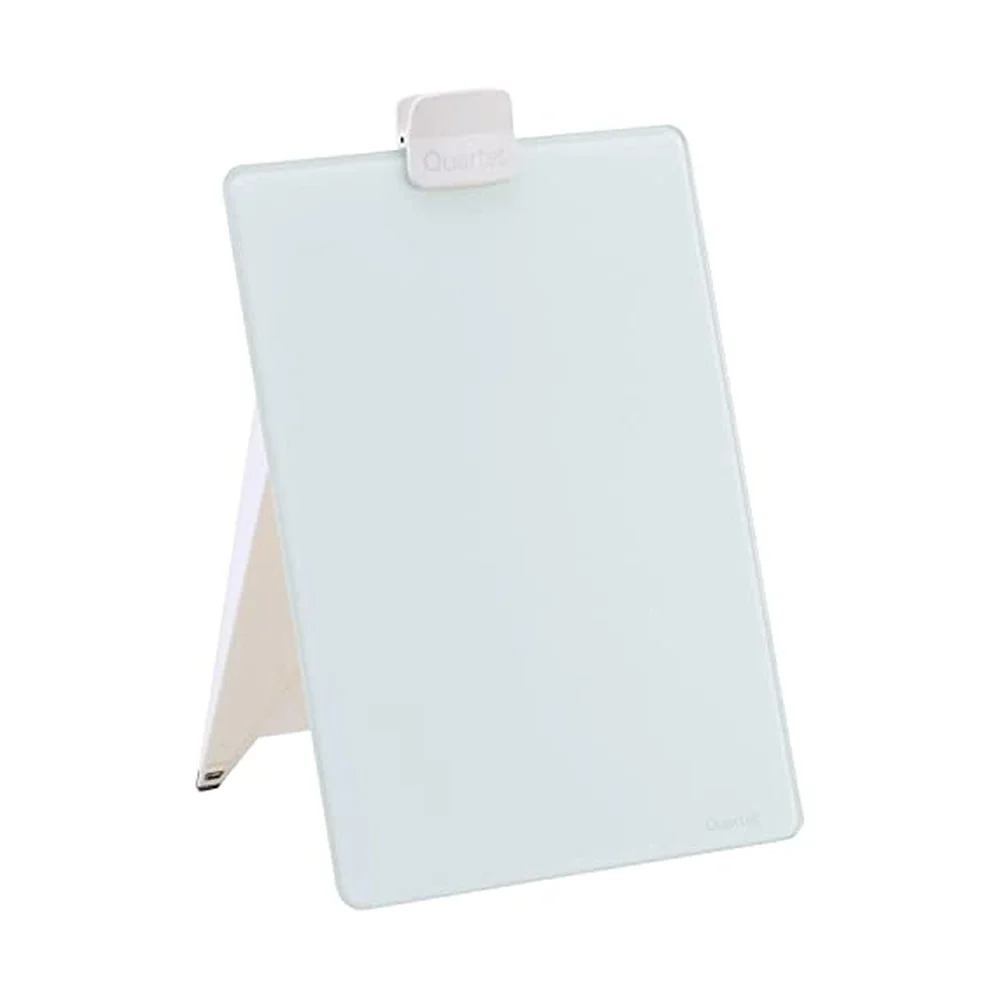
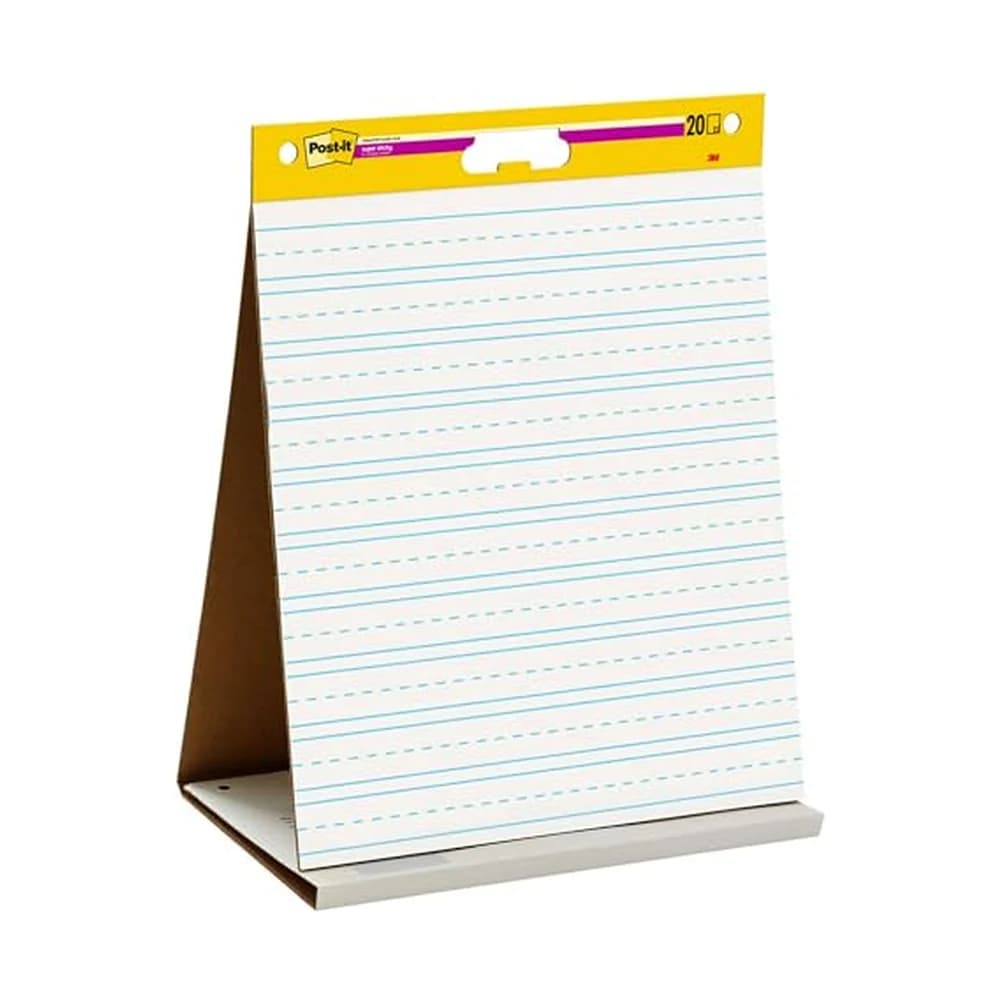
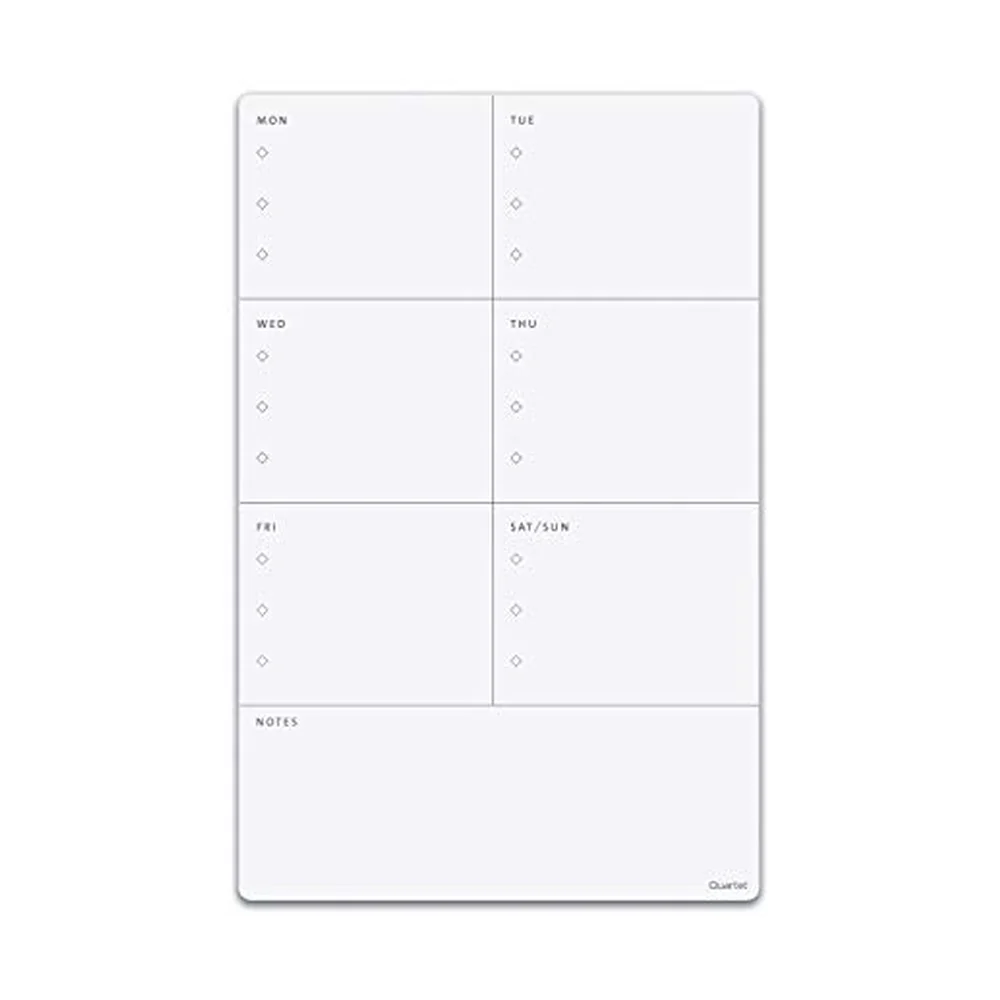
Tools that help with this
Ready to get unstuck?
The Brain Deck gives you 52 science-backed strategies in your pocket — a physical card deck you keep on your desk, no app required.
See the CardsLaunching soon · 54 cards · Premium matte finish