Decision Fatigue: Why Choices Get Worse (2026 Fix)
Decision fatigue is the deterioration of decision quality after making too many choices. Learn the science behind it and practical strategies to protect your mental energy for the decisions that matter.
By The Brain Deck Editorial
Your decisions are sharpest in the morning and cheapest by 4 p.m. — protect peak hours by automating breakfast, outfits, and recurring choices.
Key Takeaways
- Decision quality degrades through the day — late-day choices are measurably worse than morning ones, even for experts.
- Remove trivial decisions first — default breakfasts, pre-chosen outfits, standing meetings protect high-stakes capacity.
- Batch similar decisions together — one grocery-planning block beats seven improvised dinner choices.
- Tiredness feels like indecision — when every option looks bad, you may just need food, water, or sleep.
Quick reset checklist
- Eat or hydrate if you're snappish at small choices
- Defer non-urgent decisions to tomorrow morning
- Pre-commit dinner and tomorrow's first task now
- Use a default ('the second special') for what's left
of micro-decisions made by mid-afternoon
Baumeister
decision quality late in the day, even for experts
Danziger, 2011
anxiety with more options, not less
Schwartz, Swarthmore
Try this first
The 4-step decision-fatigue defense
- 01
Front-load important choices
Strategy and creative work before 11 a.m.
- 02
Batch similar decisions
Plan all meals Sunday; email at fixed times.
- 03
Replace decisions with rules
'No email before 10' beats deciding daily.
- 04
Pre-commit tomorrow tonight
Outfit, breakfast, first task chosen the night before.
Decision fatigue is the scientifically documented phenomenon where the quality of your decisions deteriorates after you have made too many of them. Based on research from Dr. Roy Baumeister, every decision you make — from what to eat for breakfast to how to respond to an email — draws from the same limited pool of cognitive resources. When that pool is depleted, you default to the easiest option, the status quo, or no decision at all. This is why you can feel sharp in the morning but unable to choose what to have for dinner. The Brain Deck's "Can't Decide" category was designed specifically for this depleted state.
If your decision fatigue is manifesting as an inability to start tasks, you may also want to read how to stop procrastinating. If it is showing up as general overwhelm, see feeling overwhelmed at work. But if the core problem is that you are exhausted by choices, read on.
What Causes Decision Fatigue?
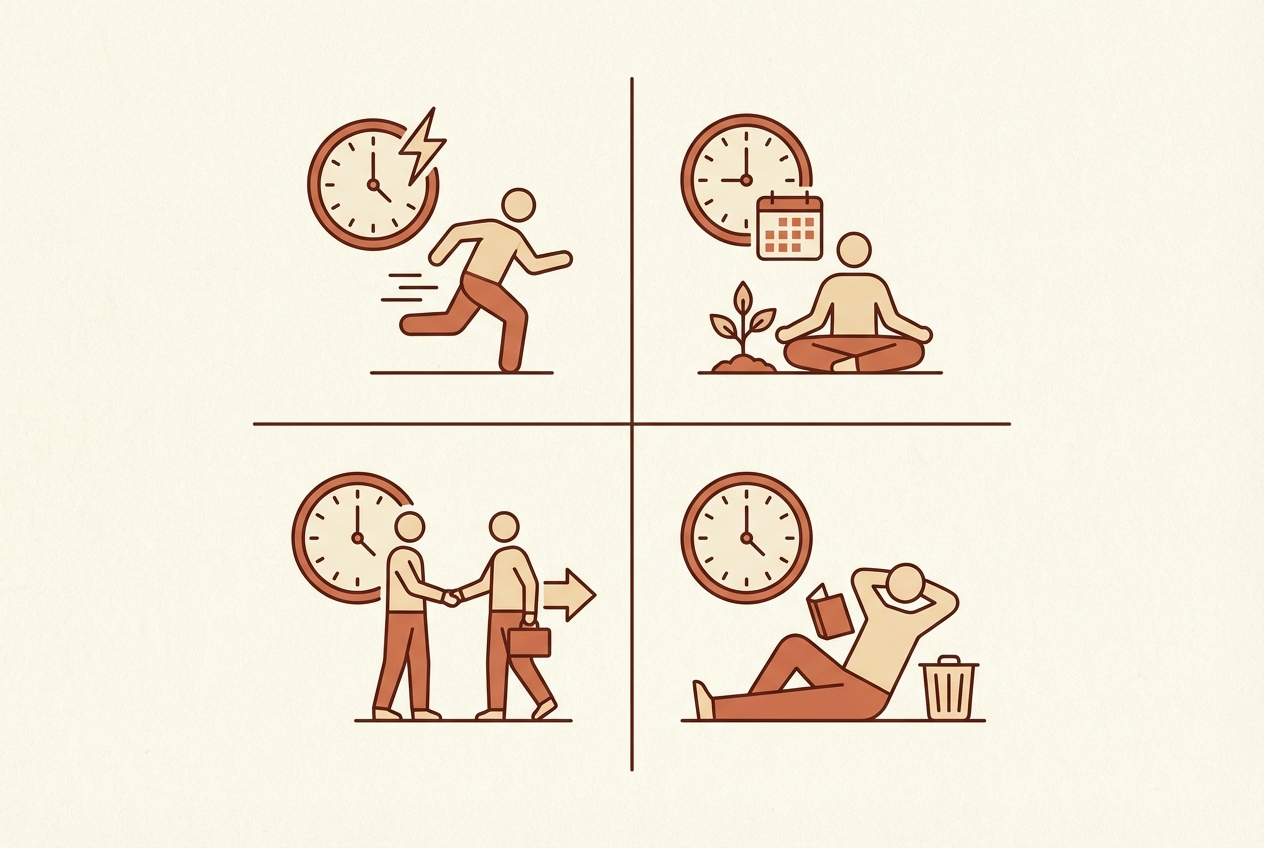
Dr. Roy Baumeister's ego depletion research demonstrated that willpower and decision-making share the same cognitive resource. In a landmark study, judges making parole decisions were significantly more likely to grant parole at the start of the day and after food breaks, and more likely to default to "denied" (the safe, easy option) as the day wore on. The judges were not becoming less fair — they were running out of cognitive fuel.
This same mechanism operates in your daily life. Every decision depletes the tank:
- What to wear
- What to eat
- Which emails to respond to first
- How to phrase a message
- Whether to attend a meeting
- What task to work on next
- Whether to say yes or no to a request
By mid-afternoon, most knowledge workers have made hundreds of small decisions. Is it any wonder that choosing what to cook for dinner feels impossible? Dr. Barry Schwartz at Swarthmore College calls this the paradox of choice: having more options does not make us happier — it makes us more anxious, more prone to regret, and more likely to avoid choosing entirely. For a deeper dive into how too many choices can paralyze you, see our article on too many choices.
How Do You Know If You Are Experiencing Decision Fatigue?
Decision fatigue does not always announce itself. You might not think "I am decision-fatigued." Instead, you experience its symptoms:
- Impulsive choices — You grab the first option instead of evaluating alternatives
- Decision avoidance — You put off choices or delegate them to others, even when they are your responsibility
- Status quo bias — You stick with the default, even when a better option exists
- Irritability — Small decisions (like a coworker asking where to go for lunch) feel disproportionately annoying
- Procrastination on important tasks — You default to easy, low-stakes activities because they require fewer decisions
If these patterns sound familiar, the issue is not your character — it is your cognitive budget. You have been spending it on low-value decisions all day, leaving nothing for the ones that matter.
How Can You Reduce the Number of Decisions You Make?
The most effective strategy for combating decision fatigue is to eliminate unnecessary decisions entirely. Based on research from Dr. BJ Fogg at Stanford, automating behaviors through routines and environmental design removes the decision point altogether.
Practical approaches include:
- Create morning routines. Eat the same breakfast, wear a pre-selected outfit, follow the same sequence of activities. Steve Jobs and Barack Obama famously limited wardrobe choices for exactly this reason.
- Batch similar decisions. Plan all your meals for the week on Sunday. Schedule all meetings on two designated days. Process email at two fixed times rather than continuously.
- Use rules instead of decisions. "I do not check email before 10 AM" is a rule. "I will decide each morning when to check email" is a decision. Rules eliminate the decision entirely.
- Pre-commit to priorities. Decide your three most important tasks the night before, so you do not waste morning cognitive resources choosing what to work on.
The Brain Deck's "Pick One Thing" card embodies this principle. When you are staring at a list of 15 tasks and cannot decide where to start, the card does not ask you to prioritize all 15. It asks you to pick one. Any one. Because a good decision made now beats a perfect decision made never.
How Should You Structure Your Day Around Decision Fatigue?
Since decision fatigue worsens throughout the day, the most impactful structural change you can make is to front-load important decisions and creative work to the morning, when your cognitive resources are fullest.
Based on research from Dr. Teresa Amabile at Harvard Business School, people report the highest motivation and engagement when they are making meaningful progress on important work. Schedule your most consequential tasks — strategic thinking, writing, creative problem-solving — for your peak cognitive hours. Reserve the afternoon for routine tasks that require fewer decisions: responding to emails, attending status meetings, handling administrative work.
The Brain Deck's "Ruthless Priorities" card supports this structure. Each morning, before you open email or attend meetings, identify the one to three tasks that will create the most meaningful progress. Protect those tasks with dedicated, distraction-free time blocks. Everything else is secondary.
How Does The Brain Deck Help When You Are Too Depleted to Decide?
Hilly Shore Labs recognized that traditional productivity advice fails at the exact moment you need it most — when you are too depleted to think clearly. Telling a decision-fatigued person to "prioritize ruthlessly" is like telling a dehydrated person to "just go find water in the desert." The advice is correct but useless without a vehicle to deliver it.
The Brain Deck solves this by externalizing the decision. When you draw a card from the "Can't Decide" category, the card makes the decision for you. "One Thing Now" tells you to pick the single most obvious task and start it. "Two-Minute Start" eliminates the decision about how long to work. "Shrink the Ask" eliminates the decision about scope.
Based on research from Dr. Piers Steel, reducing the number of decisions required to begin a task dramatically increases the likelihood of starting. Each card in The Brain Deck is designed to remove one decision barrier between you and action. You do not need to figure out the perfect approach. You just need to pick a card and do what it says.
If decision fatigue is a recurring problem, you may also benefit from learning how to make decisions faster or exploring the brain dump technique to clear the cognitive clutter that makes every decision feel harder than it should be.
Science says
What people on Reddit actually say
- r/productivity⬆ strong consensus
r/productivity regulars swear by front-loading important decisions in the morning. By evening, the same people who crushed strategy at 9 a.m. find themselves doom-scrolling instead of deciding dinner.
- r/selfimprovement💬 commonly repeated
A repeated thread on r/selfimprovement: simplifying your wardrobe, meals, and commute frees up surprising amounts of mental bandwidth. The people who try it are usually shocked by how much decision noise they were carrying.
- r/ZenHabits💬 commonly repeated
r/ZenHabits discussions frame decision fatigue as a symptom of cluttered commitments. The consensus fix is reducing options at the source — fewer apps, fewer subscriptions, fewer open tabs in life.
Paraphrased consensus from public threads — no direct user quotes.
Pull a card · free sample
Out of decision juice? Pull a card from the 'Can't Decide' suit — it picks the next move so you don't have to.
Pull a random card →
Tools that help with this
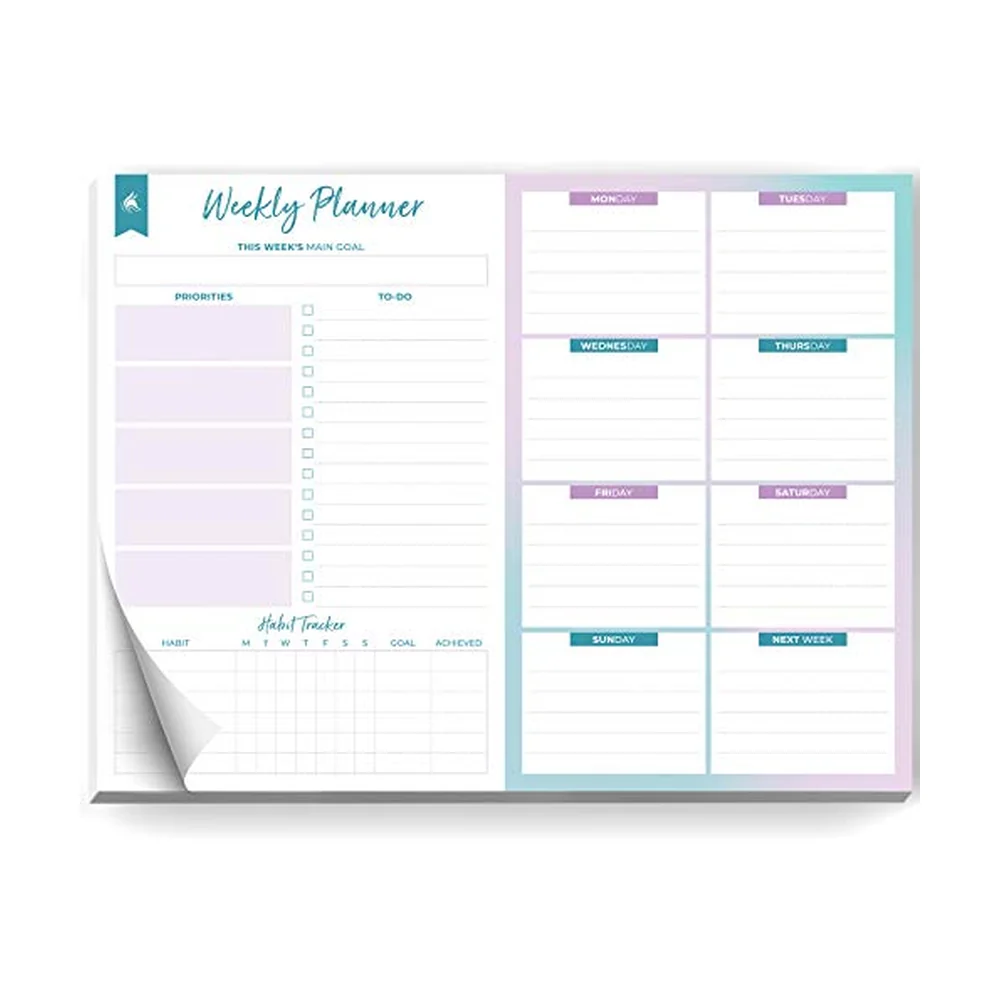
Ready to get unstuck?
The Brain Deck gives you 52 science-backed strategies in your pocket — a physical card deck you keep on your desk, no app required.
See the CardsLaunching soon · 54 cards · Premium matte finish