How to Get Back on Track: 5-Step Restart Protocol
Falling off track is not failure — it is a normal part of how habits work. The science-backed path back starts smaller than your ego wants, focuses on one habit at a time, and replaces self-punishment with self-compassion.
By The Brain Deck Editorial
Restarts collapse when ego picks the intensity — if you ran 5 miles before, start with 1; consistency rebuilds capacity, not the other way around.
Key Takeaways
- Falling off is part of the process — behavior change research assumes lapses and plans around them.
- Restart smaller than your ego wants — if you ran 5 miles before, start with 1, not 5.
- Change one thing at a time — stacking five habits on day one almost always collapses within a week.
- Drop the self-punishment — shame makes the next restart harder, not easier, and it delays the comeback.
Do this first (60 seconds)
- Pick the ONE habit with the biggest cascade effect
- Shrink it to 20% of what you used to do
- Reset the environment (gym bag by door, etc.)
- Drop the self-criticism — plan tomorrow, not yesterday

of prior intensity is the ideal restart load
Fogg, Stanford
recovery in self-compassionate vs. self-critical groups
Sirois, Durham
follow-through after temporal landmarks (Mondays)
Dai, Wharton
Try this first
The 5-step restart sequence
- 01
Diagnose the cause
Travel, ambition, all-or-nothing, or burnout?
- 02
Pick one keystone habit
Sleep or exercise; cascades into everything.
- 03
Shrink it absurdly
10-min walk, not 60-min gym session.
- 04
Reset the environment
Visible cues; physical reset = mental reset.
- 05
Track the streak
Visible chain protects you on hard days.
Getting back on track after falling off a routine is almost always easier than starting from scratch — because you are not starting from scratch. Based on research from Dr. BJ Fogg at Stanford's Behavior Design Lab, the neural pathways you built the first time are dormant, not destroyed. They reactivate faster than they were created. The mistake most people make is trying to resume at full intensity, which guarantees another collapse. Instead, restart with the minimum viable version of one habit, protect consistency over performance, and let capacity rebuild naturally.
The Brain Deck's "Fell Off Track" category was designed for exactly this moment — not the grand launch, but the quiet restart. The strategies below are for people who have been here before and want to break the start-stop-start cycle for good.
Why Do Routines Fall Apart in the First Place?
Understanding the mechanism prevents you from blaming your character. Based on research from Dr. BJ Fogg, habits depend on three elements: a cue, a behavior, and a reward. When any of these is disrupted — by travel, illness, a schedule change, stress — the habit chain breaks. It is not that you lost discipline. It is that the system your habit ran on changed.
The most common causes:
- Environmental disruption: Travel, a new job, a move — anything that removes the cues your habits depended on.
- Overambitious routines: Dr. BJ Fogg's research shows that complex, multi-step routines are fragile. When energy dips, the whole structure collapses because it was optimized for peak performance, not for bad days.
- All-or-nothing thinking: Based on Dr. Carol Dweck's research at Stanford, missing one day feels like proof of failure, so you stop trying altogether.
- Emotional triggers: Stress, grief, or burnout can knock out the motivation that sustained your routine.
Notice what is not on this list: laziness. If you have been telling yourself you are just lazy, our piece on how to stop being lazy reframes that narrative with research that is more accurate and more useful.
What Is the "What the Hell" Effect and How Do You Beat It?
Psychologists Janet Polivy and C. Peter Herman identified the "abstinence violation effect" — colloquially, the "what the hell" effect. It works like this: you set a strict standard, you violate it once, and then you abandon the standard entirely because it feels already ruined. Dieter eats one cookie: "I already blew my diet — might as well eat the whole box." Runner misses Monday: "The week is already ruined — I will start next Monday."
This effect is the single biggest obstacle to getting back on track. Based on research from Dr. Fuschia Sirois at Durham University, the antidote is self-compassion, not stricter standards. Treat every day as a new starting line, not a continuation of yesterday's failure. One missed workout is a data point. A story about being someone who "can never stick with anything" is a self-fulfilling prophecy.
Should You Wait for a Monday or Start Right Now?
Research by Hengchen Dai and colleagues at Wharton found that people are more likely to pursue goals after temporal landmarks — the start of a new week, a birthday, the first of the month. They called this the "fresh start effect," and it creates a genuine psychological boundary between the old self and the motivated self.
Use this strategically — but do not use it as an excuse to delay. If it is Wednesday and you are ready, start Wednesday. Based on research from Dr. Teresa Amabile at Harvard Business School, the momentum you build by starting now is more valuable than any temporal landmark. If you struggle to generate that initial momentum, our guide on how to build momentum covers techniques for getting moving from a standstill.
How Small Should Your Restart Be?
Much smaller than your ego wants. The Brain Deck's "Shrink the Ask" strategy applies directly to restarts: identify the minimum viable version of each habit — the smallest action that still counts.
- Exercise: A ten-minute walk, not a sixty-minute gym session.
- Writing: One paragraph, not a full chapter.
- Meditation: Three deep breaths, not twenty minutes of sitting.
- Healthy eating: One vegetable with dinner, not a complete diet overhaul.
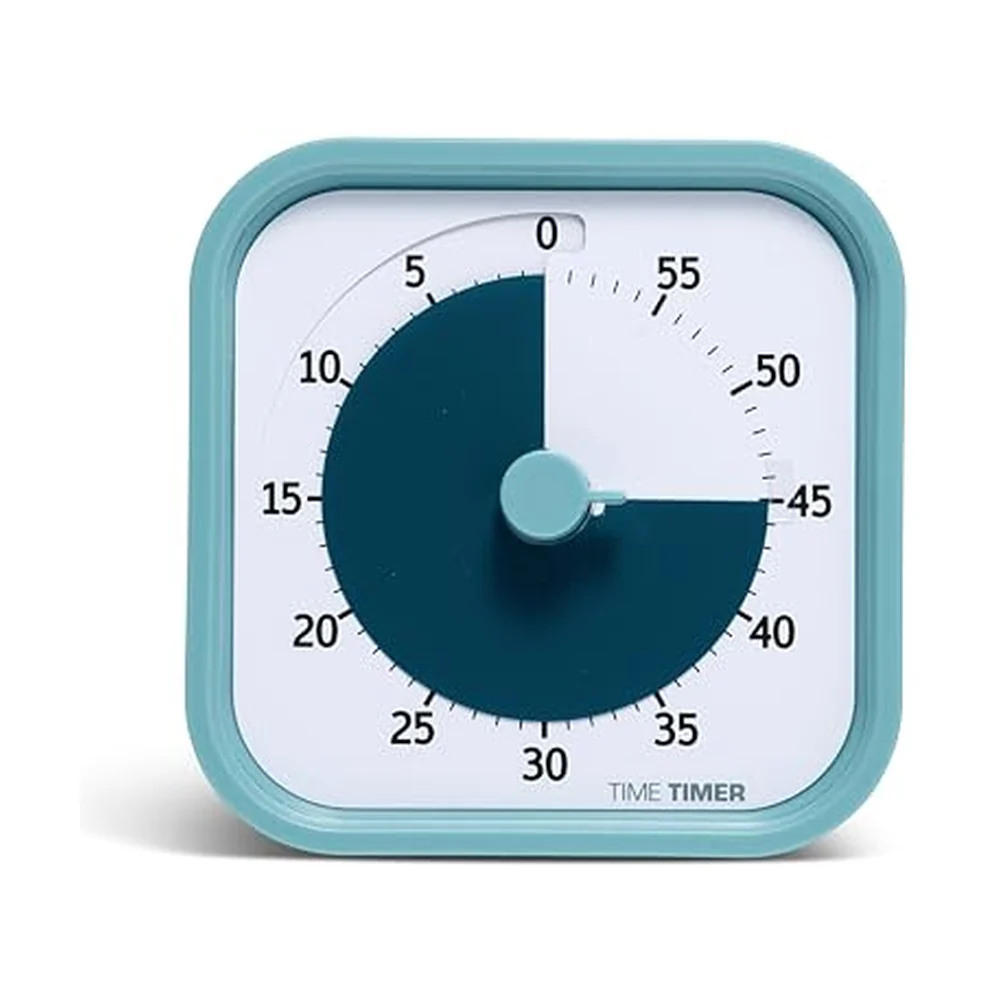
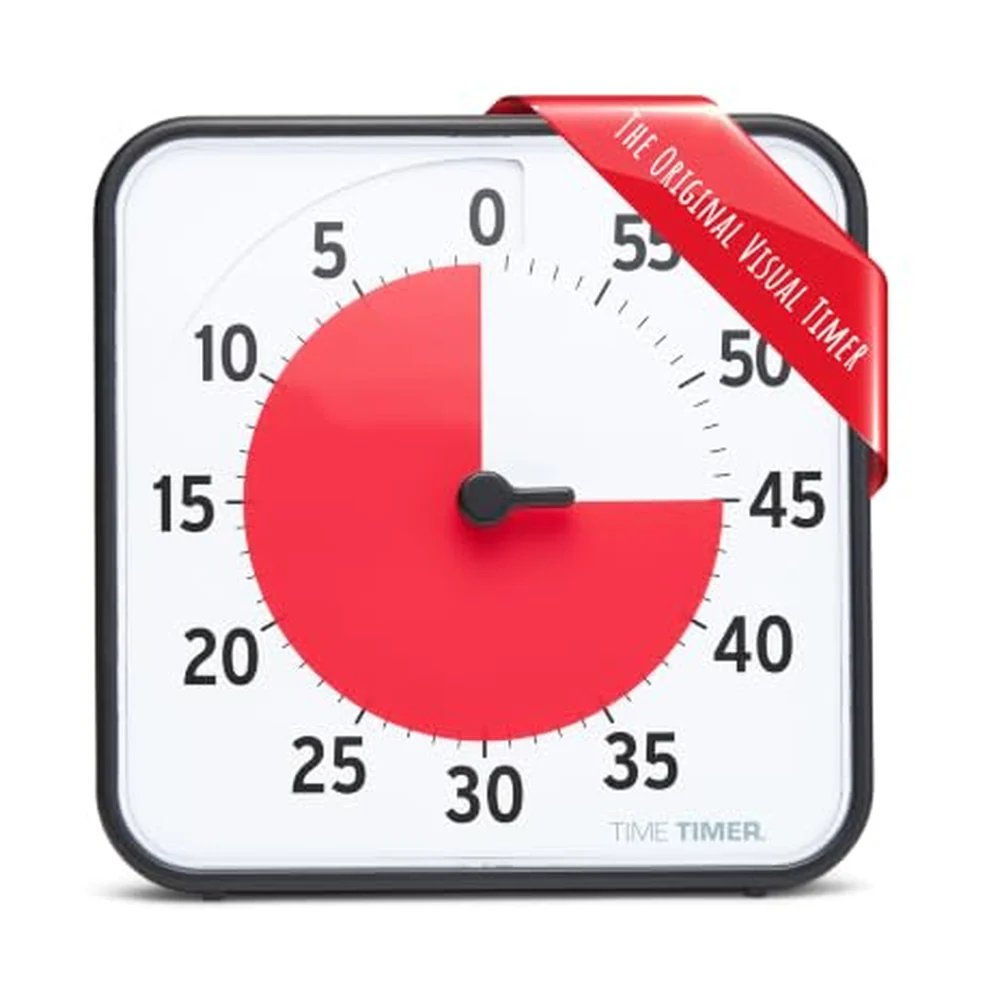
- Productivity: One focused time-boxed session, not an entire structured workday.
Based on Dr. BJ Fogg's research at Stanford, the biggest mistake in restarts is resuming at full intensity. You are rebuilding the habit of showing up, not performing at peak capacity. Capacity follows consistency — not the other way around.
Which Habit Should You Rebuild First?
When your entire routine has collapsed, resist the temptation to rebuild everything simultaneously. The Brain Deck's "Ruthless Priorities" card asks one question: which single habit will have the biggest positive cascade effect on everything else?
For most people, that is either sleep or exercise. Based on research from Dr. Roy Baumeister, consistent sleep improves willpower, decision-making, and energy — all of which make every other habit easier. Once your foundational habit is stable — give it at least two weeks — layer on the next one.
How Important Is Your Environment in a Restart?
Critical. The Brain Deck's "Environment Reset" strategy recognizes that your environment is the operating system your habits run on. When you fall off track, the environment drifts too — the gym bag ends up in the closet, the desk gets buried under clutter, the fridge fills with convenience food.
Before you restart any habit, reset the physical space: put the gym bag by the front door, clear your desk completely, stock the fridge, set out tomorrow's clothes tonight. This physical reset serves as a psychological reset — it signals to your brain that something has changed.
Does Self-Punishment Help You Get Back on Track Faster?
No. It does the opposite. Dr. Fuschia Sirois's research at Durham University consistently shows that people who treat themselves with kindness after setbacks recover faster than those who are harsh with themselves. Self-punishment feels productive but increases the negative emotions that fuel avoidance.
Practical self-compassion means acknowledging the lapse without dramatizing it. "I stopped working out for three weeks" is a fact. "I am a failure who can never stick with anything" is a fixed-mindset story — and based on Dr. Carol Dweck's research at Stanford, it is precisely the narrative that prevents recovery. The only relevant question is: what will you do today?
How Do You Track Progress Without Becoming Obsessive?
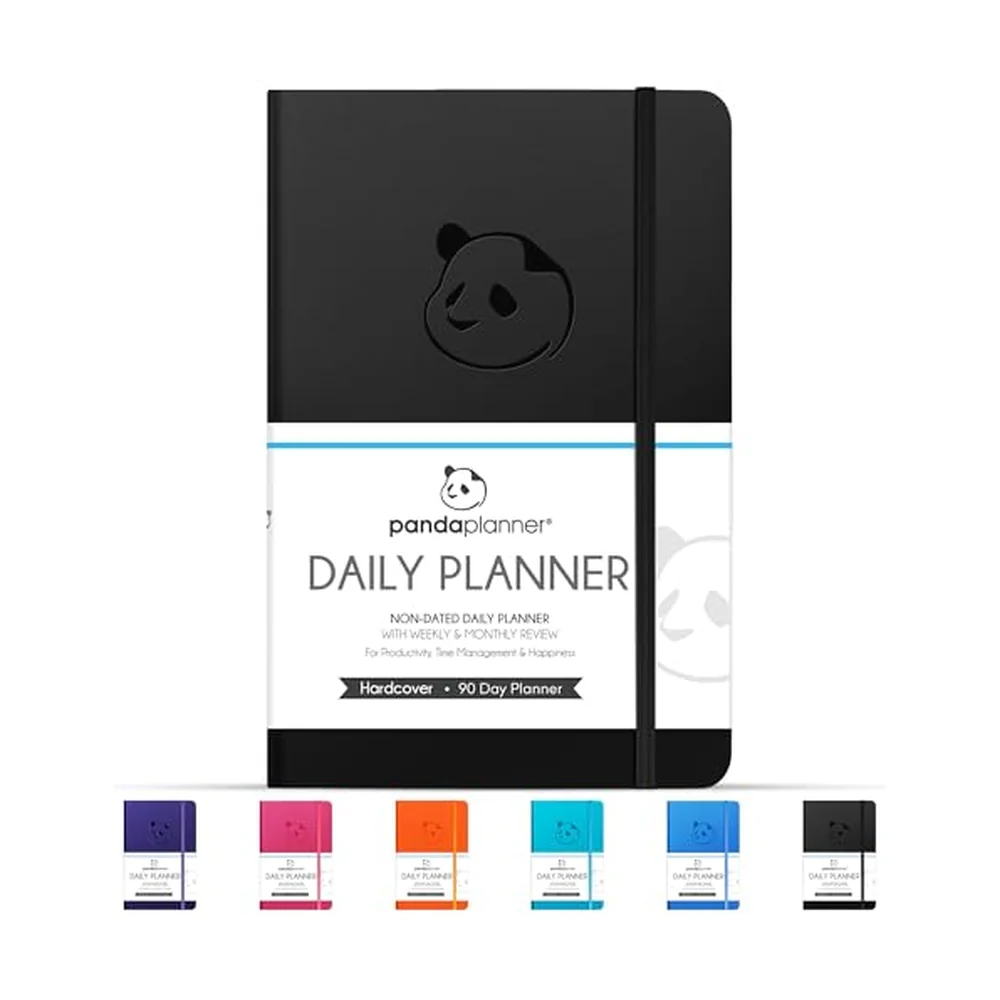
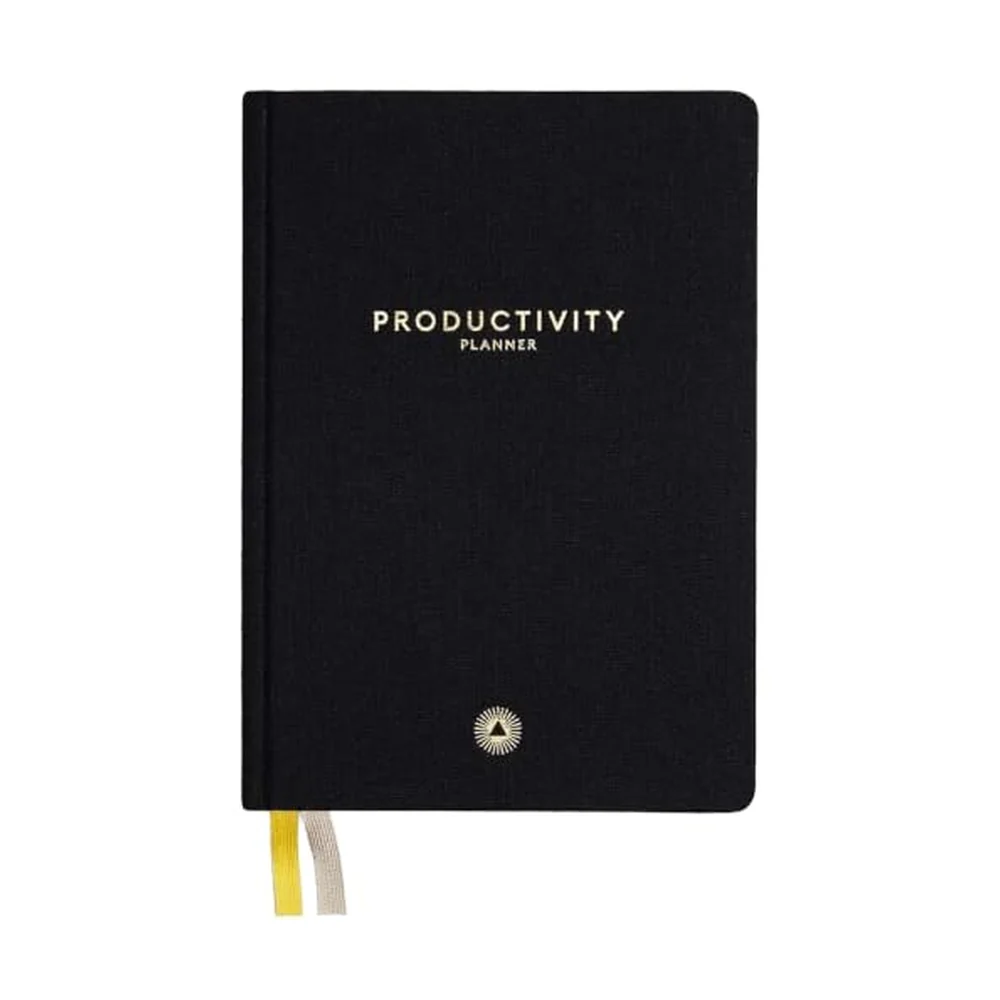
The Brain Deck's "Progress Tracker" strategy recommends a simple visual tracker — a paper calendar with X marks, a habit app, a notebook with checkboxes. Based on Dr. Teresa Amabile's progress principle research at Harvard Business School, seeing your new streak build provides tangible evidence that you are back, creating the positive emotion that sustains continued effort.
Getting back on track is not about willpower or fresh motivation. It is about smart systems, self-kindness, and the willingness to start smaller than your ego wants. If part of why you fell off was a deeper sense of being stuck, our piece on why you feel stuck might help address the root cause. The routine will come back. Start with one thing. Start today. Start small.
Skip this
What people on Reddit actually say
- r/getdisciplined🔥 loud consensus
r/getdisciplined consensus: 'never miss twice' is the single highest-leverage rule for getting back on track. A single missed day is an event; two missed days is a pattern starting.
- r/selfimprovement⬆ strong consensus
r/selfimprovement threads describe comeback attempts that fail because people try to restart at full intensity. The durable restarts start at 20% of prior effort and scale up gradually.
- r/decidingtobebetter💬 commonly repeated
r/decidingtobebetter regulars emphasize treating yourself the way you'd treat a friend who slipped. Self-compassion, not self-criticism, is what actually restarts the streak.
Paraphrased consensus from public threads — no direct user quotes.
Pull a card · free sample
Off the wagon and stuck? Pull from the 'Fell Off Track' suit for the gentlest restart move that still counts.
Pull a random card →
Tools that help with this




Ready to get unstuck?
The Brain Deck gives you 52 science-backed strategies in your pocket — a physical card deck you keep on your desk, no app required.
See the CardsLaunching soon · 54 cards · Premium matte finish