How to Stop Being Lazy: Why Willpower Fails (2026)
Laziness is almost never a character flaw. Learn what's really behind your lack of motivation and how to build systems that make action effortless.
By The Brain Deck Editorial
What feels like laziness is almost always a system failure: low energy, unclear goals, perfectionism, or a depleted willpower tank — fix the cause.
Key Takeaways
- 'Lazy' is usually burnout, fear, or unclarity in disguise — calling it laziness misdiagnoses the real problem.
- Willpower is a tiebreaker, not a plan — systems and environment do the heavy lifting every day.
- Start with energy, not ambition — sleep, food, movement, and sunlight come before any habit protocol.
- Replace self-labels with specific actions — 'I'm lazy' stops you; 'I didn't start at 9' you can fix tomorrow.
Do this first (60 seconds)
- Drop the 'lazy' self-label — it's a dead end
- Rate your energy 1–10 right now
- Note sleep, food, and last movement break
- If under 5: rest is the productive move
willpower fatigues like a muscle
Baumeister
habits beat ambitious ones for stickiness
Fogg, Stanford
procrastination with self-compassion vs. shame
Sirois, Durham
Try this first
5 real causes hiding behind 'lazy'
- 01
Burnout
Pushed too hard without recovery.
- 02
Unclear goals
Can't be motivated toward 'better.'
- 03
Perfectionism
Standards so high starting feels pointless.
- 04
Depression
Talk to a professional, not a planner.
- 05
Executive function gap
ADHD, often undiagnosed in adults.
You are probably not lazy. What feels like laziness is almost always a signal — low energy, unclear goals, emotional avoidance, or a system that makes the wrong behavior easy and the right behavior hard. Based on research from Dr. Timothy Pychyl at Carleton University, what we call "laziness" is typically an emotion regulation problem: you are avoiding a task not because you lack character, but because the task triggers negative feelings your brain wants to escape. The fix is not more willpower. It is better systems.
The Brain Deck is built around this exact reframe. Instead of asking "why can't I just do it?" it asks "what is making this hard, and what would make it easier?" That shift changes everything.
Is Laziness Actually a Character Flaw?
When a car will not start, you do not call the car lazy. You check the battery, the fuel, the starter motor. You look for a mechanical explanation because you understand that cars are systems. Your brain is also a system. When it will not produce action, something is off — and your job is to find the cause, not summon more willpower.
Dr. Roy Baumeister's landmark research on ego depletion showed that willpower functions like a muscle that fatigues with use. If you have been making decisions, resisting temptations, and managing stress all day, your capacity for self-control is genuinely diminished by evening. Calling that "laziness" is like calling a marathon runner "slow" at mile 25. The resource is depleted, not absent.
What Is Really Causing Your Inaction?
Burnout and Exhaustion
The most common cause of chronic inaction is simply being depleted. If you have been pushing hard for weeks without adequate recovery, your brain will eventually refuse to cooperate. Based on research from Dr. Angela Duckworth at the University of Pennsylvania, even people with exceptional grit cannot sustain effort without recovery — perseverance requires strategic rest, not relentless grinding.
What to do: Use the Brain Deck's Energy Audit technique. For one week, rate your energy on a scale of 1 to 10 at morning, afternoon, and evening. Look for patterns. Are you consistently low? The data will tell you whether you are dealing with a rest deficit or something else entirely. If this is happening at work specifically, read more about managing overwhelm at work.
Unclear Goals
It is nearly impossible to feel motivated toward a goal you have not defined. "Get my life together" is not a goal — it is a wish. Dr. Piers Steel's procrastination equation research shows that task value and clarity are two of the strongest predictors of whether you will act. When you do not know exactly what you are working toward, every potential action feels equally pointless, and the default is to do nothing.
What to do: The Brain Deck's One Thing Now card cuts through this fog. Pick one area of your life. Write down what "better" would look like in concrete, observable terms. Not "be healthier" but "walk for 20 minutes three times per week." Specificity creates a target, and targets create motivation.
Perfectionism Disguised as Standards
Perfectionism looks like high standards from the outside and feels like paralysis from the inside. Based on research from Dr. Fuschia Sirois at Durham University, perfectionism and procrastination are strongly linked: when your internal bar is so high that nothing you produce will meet it, your brain calculates that starting is pointless.
What to do: The Brain Deck's Do It Badly card is the direct antidote. Deliberately produce imperfect work. Send the email without re-reading it a fourth time. Submit the first draft without "one more pass." The goal is to recalibrate your cost-benefit analysis: stop overthinking and start proving that imperfect action produces better outcomes than perfect inaction.
Depression and Mental Health
Loss of motivation is a hallmark symptom of depression. If your "laziness" is accompanied by persistent sadness, loss of interest in things you used to enjoy, or changes in sleep and appetite, please talk to a professional. This is not a productivity problem — it is a health problem that responds to treatment, not time management tips.
ADHD and Executive Function Challenges
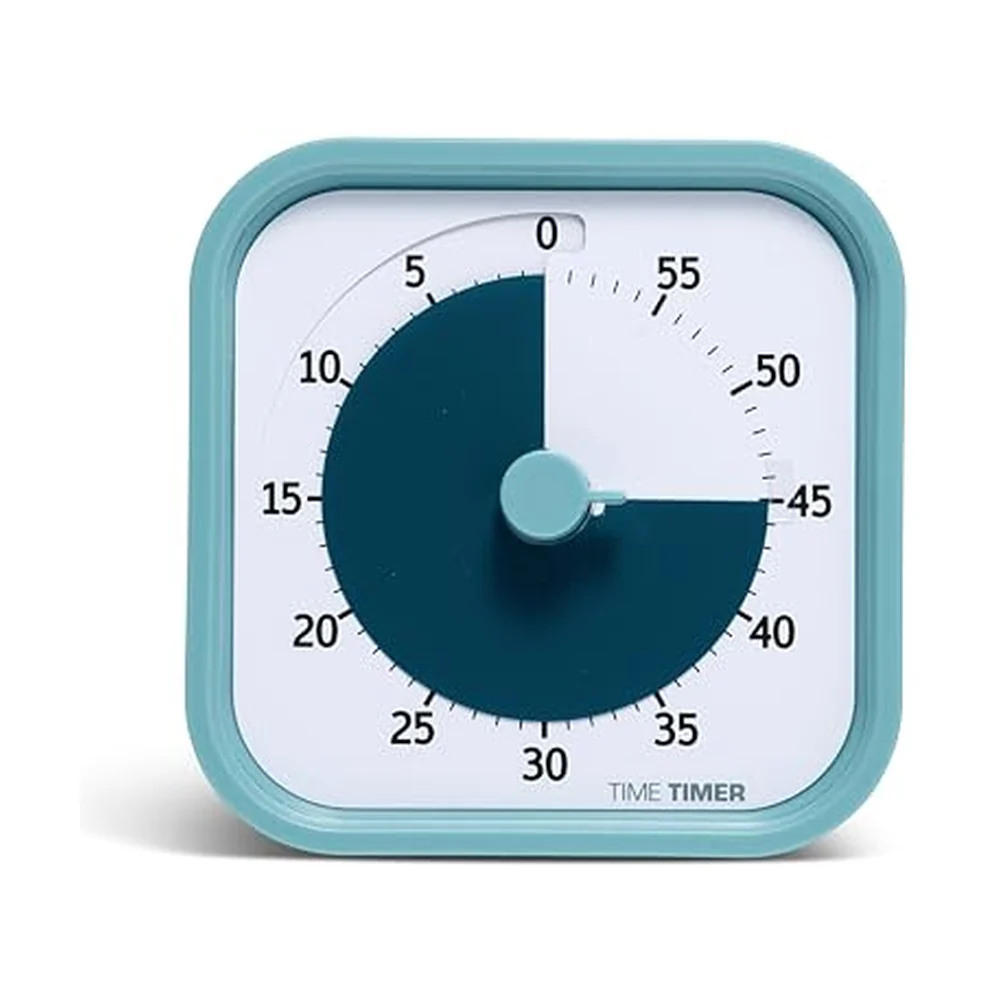
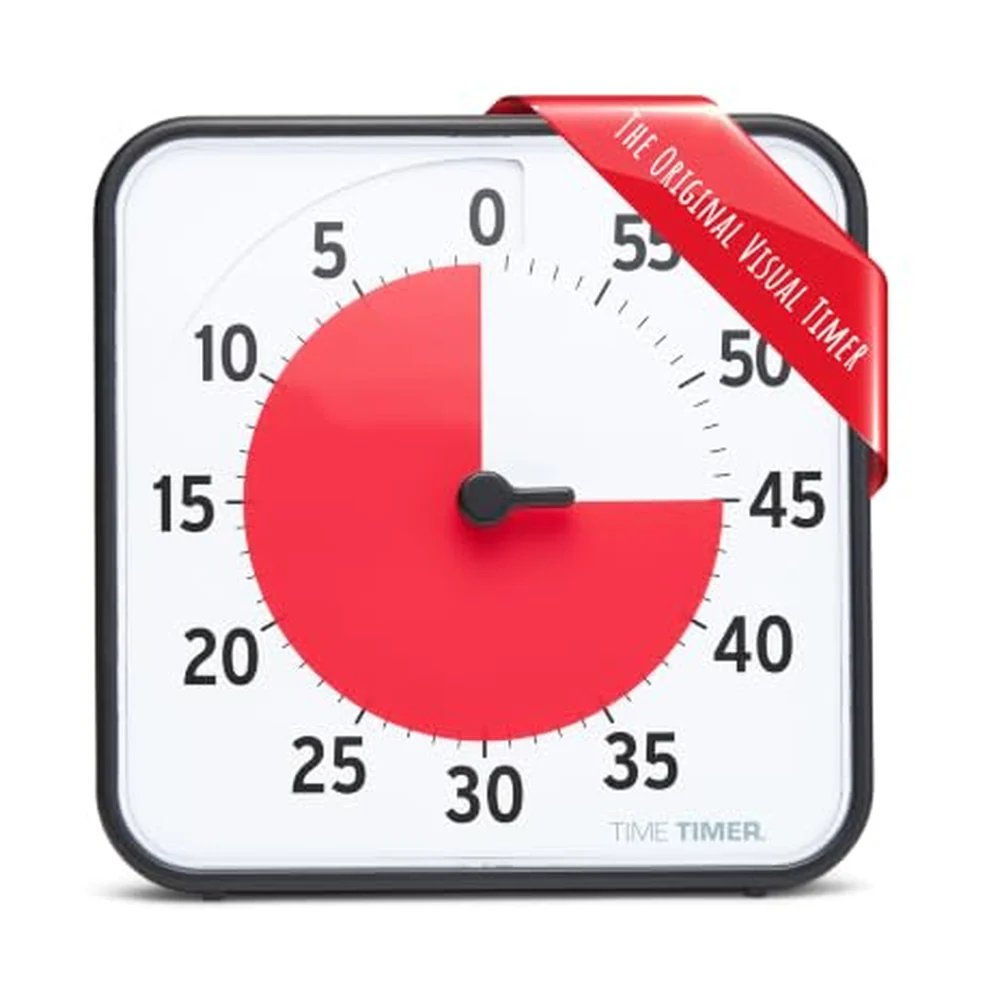
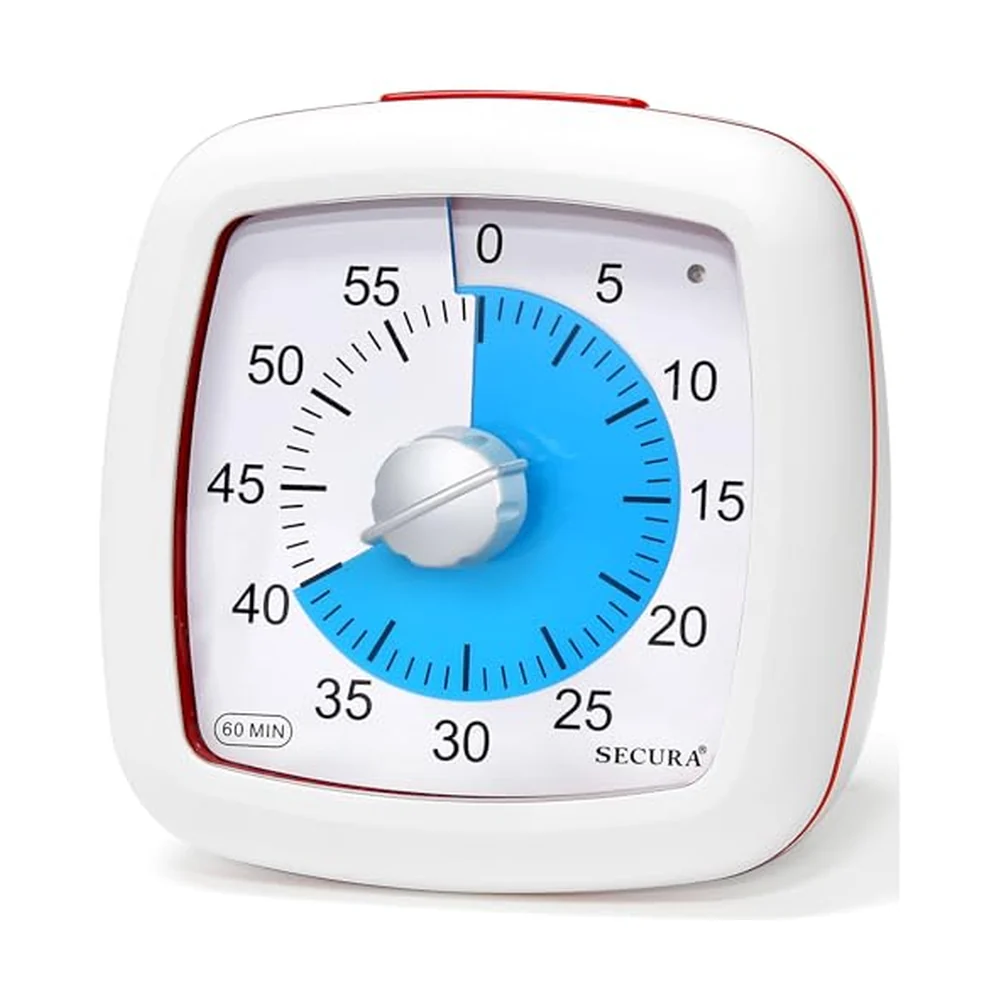
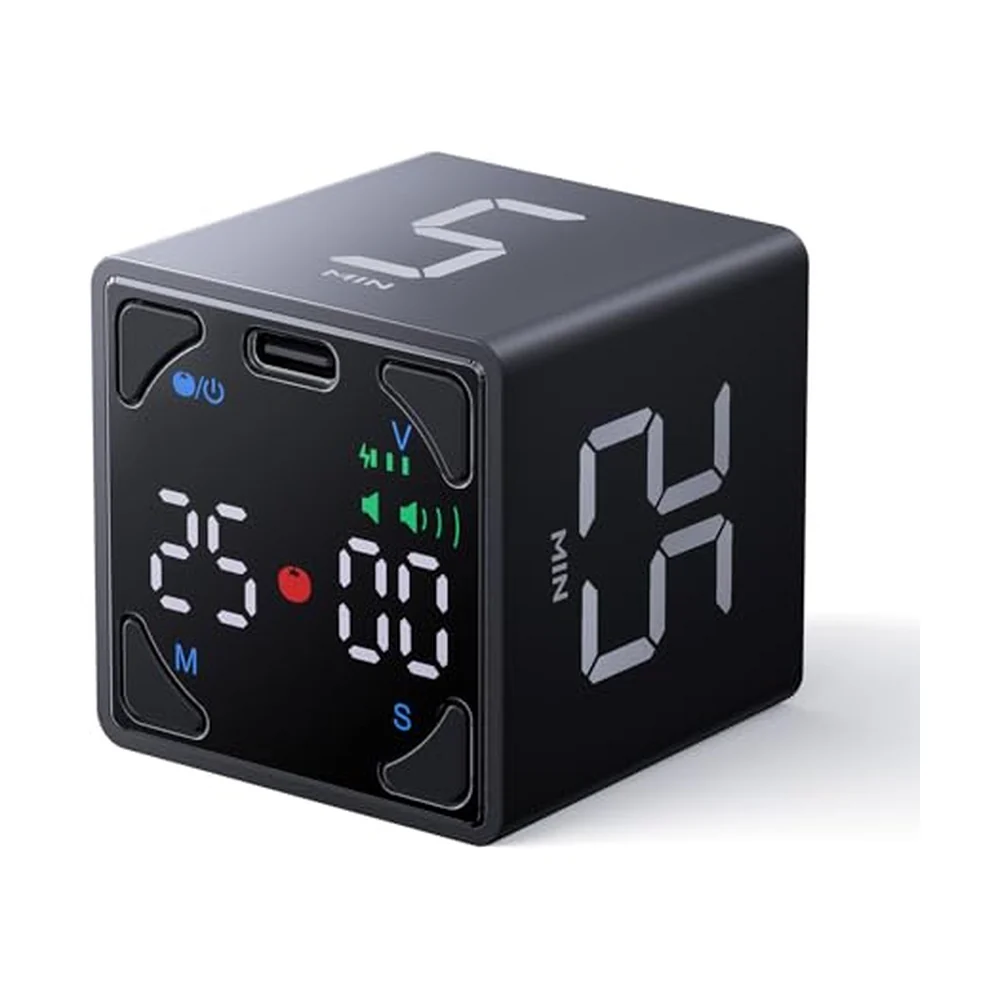
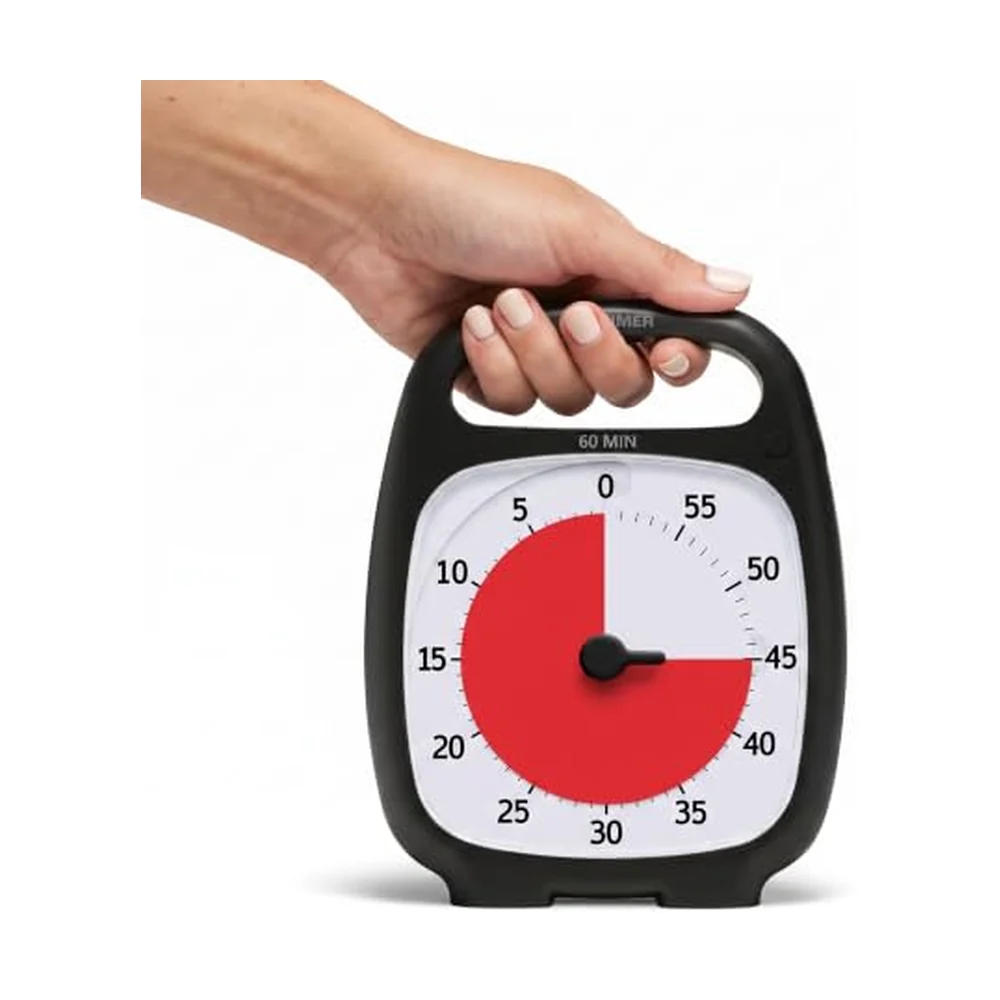
ADHD is massively underdiagnosed in adults. If you can spend hours engrossed in something interesting but cannot make yourself do a "boring" task for five minutes, that is not laziness — it is a neurological difference in how your brain allocates attention. Consider getting evaluated. In the meantime, external structure helps: timers, body doubling, and breaking tasks into very small steps using the Brain Deck's Tiny Next Step card.
How Do You Lower the Barrier to Starting?
In chemistry, activation energy is the minimum energy needed to start a reaction. Your tasks have activation energy too. Dr. BJ Fogg's research at Stanford on tiny habits shows that the single most effective way to change behavior is to make the desired action absurdly easy to start. The reason you can scroll social media for an hour but cannot start a work project for five minutes is not discipline — it is that scrolling has near-zero activation energy while the project feels enormous.
The Brain Deck's Body First card targets this from a physical angle: sometimes the barrier is not mental but somatic. Stand up. Stretch. Walk for two minutes. Splash water on your face. Physical movement interrupts the inertia state and lowers the activation energy for cognitive tasks.
Then use Shrink the Ask: make the first step so small that not doing it would require more effort than doing it. Open the document. Write one sentence. Do one push-up. Every reduction in activation energy increases the probability of beginning, and once you begin, momentum carries you further than willpower ever could.
Why Should You Build Systems Instead of Relying on Willpower?
Dr. Carol Dweck's research at Stanford on mindset demonstrates that people who succeed long-term do so not through sheer force of will but through environmental design and identity-level beliefs. Willpower is variable — it depends on sleep, stress, blood sugar, and mood. Systems are consistent. They work on your worst days.
A system is any structure that makes the desired behavior easier than the undesired one:
- Environment design: Keep healthy food visible and junk food hidden. Put your phone in another room during work hours. The Brain Deck's Environment Reset card builds on this — change your physical space to change your behavior.
- Habit stacking: Attach a new behavior to an existing one. "After I pour my morning coffee, I write for 10 minutes."
- Accountability structures: Tell someone what you plan to do and when.
- Default scheduling: Put recurring tasks on your calendar at the same time every day. When the time arrives, you do not decide — you just do it.
When Should You Seek Professional Help?
Self-help has limits. If your inaction has persisted for months, significantly impacts relationships or work, comes with emotional numbness, or does not respond to the strategies above, talk to a professional. A therapist can identify underlying causes that no blog post can diagnose.
Stop calling yourself lazy. Start investigating. Your inaction has a cause, and that cause is fixable. For a deeper look at the forces behind avoidance, explore our guide on the psychology behind procrastination. Today, do one thing: take the Energy Audit. Note your energy at morning, noon, and evening. Note what you ate, how you slept, and what you avoided. One day of data. That is the first step in replacing self-blame with self-understanding.
Common mistake
What people on Reddit actually say
- r/getdisciplined⬆ strong consensus
r/getdisciplined consensus: most 'laziness' is actually decision fatigue, depression, or unclear next steps. Real laziness — indifference to your own life — is much rarer than people assume.
- r/selfimprovement🔥 loud consensus
r/selfimprovement threads repeatedly warn against the laziness label. It creates identity, and identity is stubborn — calling yourself lazy often predicts staying that way.
- r/ADHD💬 commonly repeated
r/ADHD regulars note that what looks like laziness is often an executive function gap. When the gap gets addressed (medication, structure, body doubling), the 'laziness' quietly disappears.
Paraphrased consensus from public threads — no direct user quotes.
Pull a card · free sample
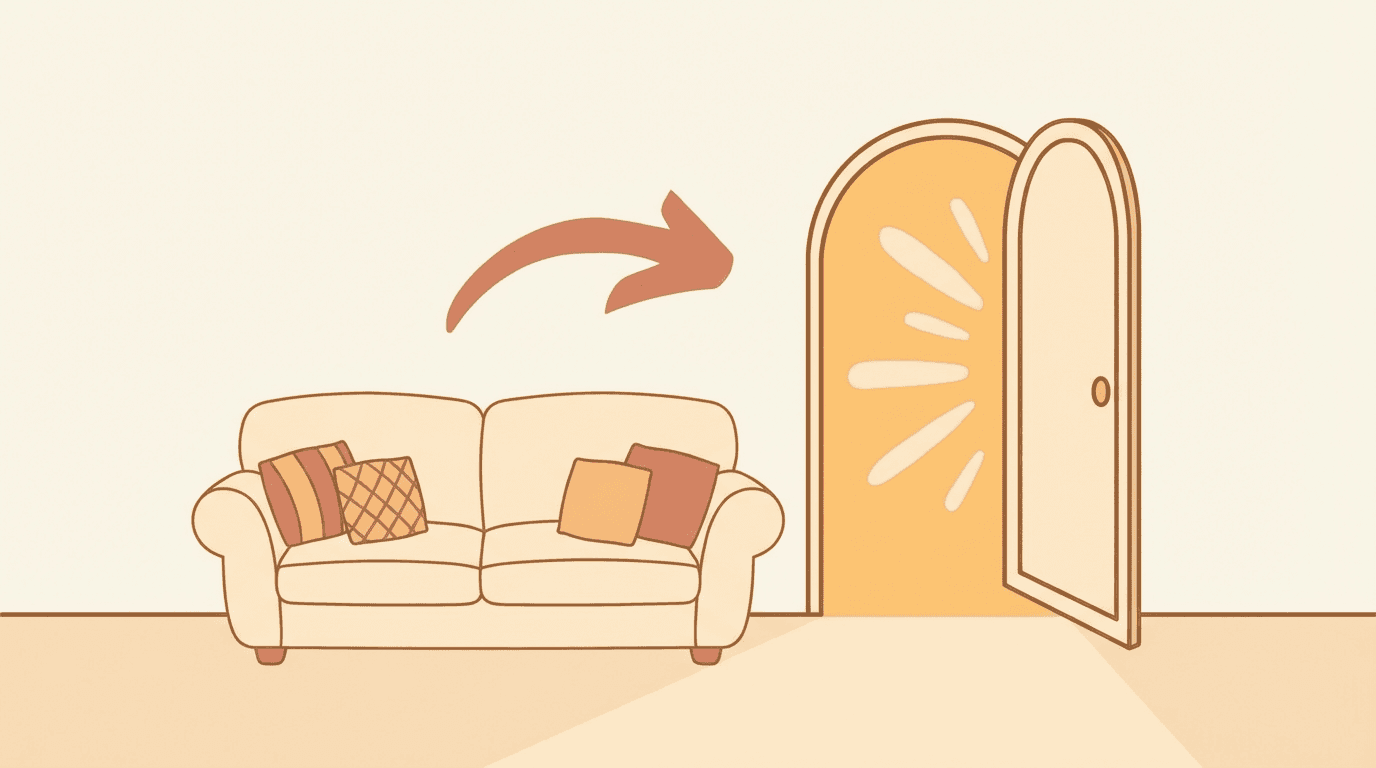
Stuck on the couch and judging yourself? Pull from the 'I Can't Start' suit — it skips the diagnosis and gives you one move.
Pull a random card →
Tools that help with this
Ready to get unstuck?
The Brain Deck gives you 52 science-backed strategies in your pocket — a physical card deck you keep on your desk, no app required.
See the CardsLaunching soon · 54 cards · Premium matte finish