How to Build Momentum: 7-Step Restart Protocol
Getting started is the hardest part. Learn how tiny wins, the chain method, and keystone habits help you build unstoppable forward motion.
By The Brain Deck Editorial
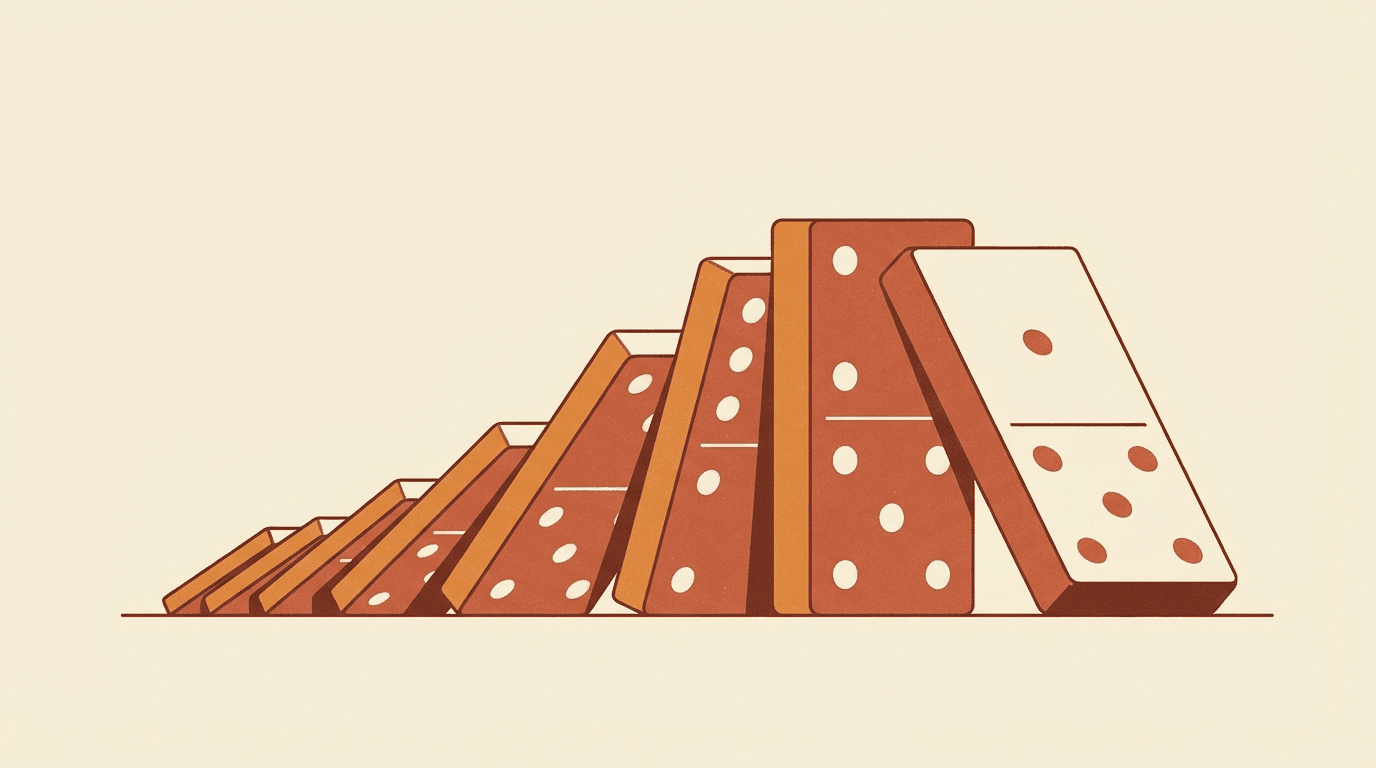
Momentum compounds through tiny, daily, perceptible wins — a 5-minute action you do every day beats a 2-hour plan you never start.
Key Takeaways
- Momentum starts smaller than pride allows — a 5-minute win beats a 2-hour plan that never begins.
- Chain days, not intensity — showing up daily on easy mode beats heroic effort twice a week.
- Keystone habits lift everything else — one anchor (exercise, morning pages, early bed) pulls the rest of your routine along.
- Track visibly, review weekly — a simple streak on the fridge outperforms any app for most people.
Do this first (60 seconds)
- Pick one daily action you can do on your worst day
- Make it small enough to feel silly
- Start today — not Monday, today
- Set up a visible tracker (paper, fridge, app)
improvement over a year from 1% daily gains
Compounding math
average to habit automaticity (range 18–254)
Lally, UCL
daily motivator: visible progress
Amabile, HBS
Try this first
The 4-step momentum stack
- 01
Shrink the action
5-min version that survives bad days.
- 02
Anchor to a routine
After morning coffee, do the action.
- 03
Track visibly
Paper calendar beats hidden app for most.
- 04
Never miss twice
One miss is data; two is a pattern starting.
Momentum is what makes the second week easier than the first, the second month easier than the second week, and eventually makes behavior feel automatic rather than effortful. You can't will it into existence — you build it deliberately, starting from the smallest possible action. Based on research from Dr. Teresa Amabile at Harvard Business School, the single most powerful motivator in any endeavor is making visible progress on meaningful work. Not breakthroughs. Not inspiration. Just perceptible forward motion.
The Brain Deck is built around this insight. Its Tiny Next Step, Progress Tracker, and Two-Minute Start cards generate the early wins that get the flywheel turning.
Why Is Starting So Much Harder Than Continuing?
The energy required to get a boulder rolling is vastly greater than the energy to keep it rolling. Human behavior follows the same pattern. Dr. BJ Fogg's research at Stanford on behavior design shows the activation energy for a new behavior is highest at the very beginning, when there's no routine, no neural pathway, and no identity tied to the action.
Dr. Piers Steel's procrastination equation quantifies this: the further away a reward seems, the less motivating it is. The Brain Deck's Two-Minute Start card addresses this directly — instead of thinking about the distant outcome, you commit to two minutes of effort. Dr. Timothy Pychyl at Carleton University has found that once people actually begin a task, their perception shifts — it feels less aversive than predicted.
How Do Tiny Wins Create Big Momentum?
Dr. Amabile's progress principle research found that even small, incremental progress activates motivation systems in the brain. A completed outline counts. A single paragraph counts. Five minutes of exercise counts. The result doesn't need to be significant — it needs to be perceptible.
How to engineer tiny wins using the Brain Deck framework:
- Use "Shrink the Ask": Define the smallest possible complete action. Not "work on the presentation" but "write the title slide and three bullets."
- Do it now. The Brain Deck's One Thing Now card exists for this moment.
- Use the Progress Tracker: Cross it off. Check a box. Tell someone. Based on Dr. Angela Duckworth's research at the University of Pennsylvania, recording completion strengthens the psychological reward and builds self-efficacy.
- Stack wins. Each completion generates a small burst of satisfaction that makes the next action easier.
If you're struggling to make the action small enough — our guide on how to start a task when overwhelmed breaks it down.
Does the "Don't Break the Chain" Method Actually Work?
Jerry Seinfeld used a simple system: every day he wrote material, he marked a red X on a wall calendar. "Your only job is to not break the chain." The method works because it leverages loss aversion — well-documented in Dr. Barry Schwartz's research at Swarthmore. Once you have a chain of 15 days, breaking it feels like destroying something you built.
To implement it:
- Choose one daily action small enough that you can do it on your worst day.
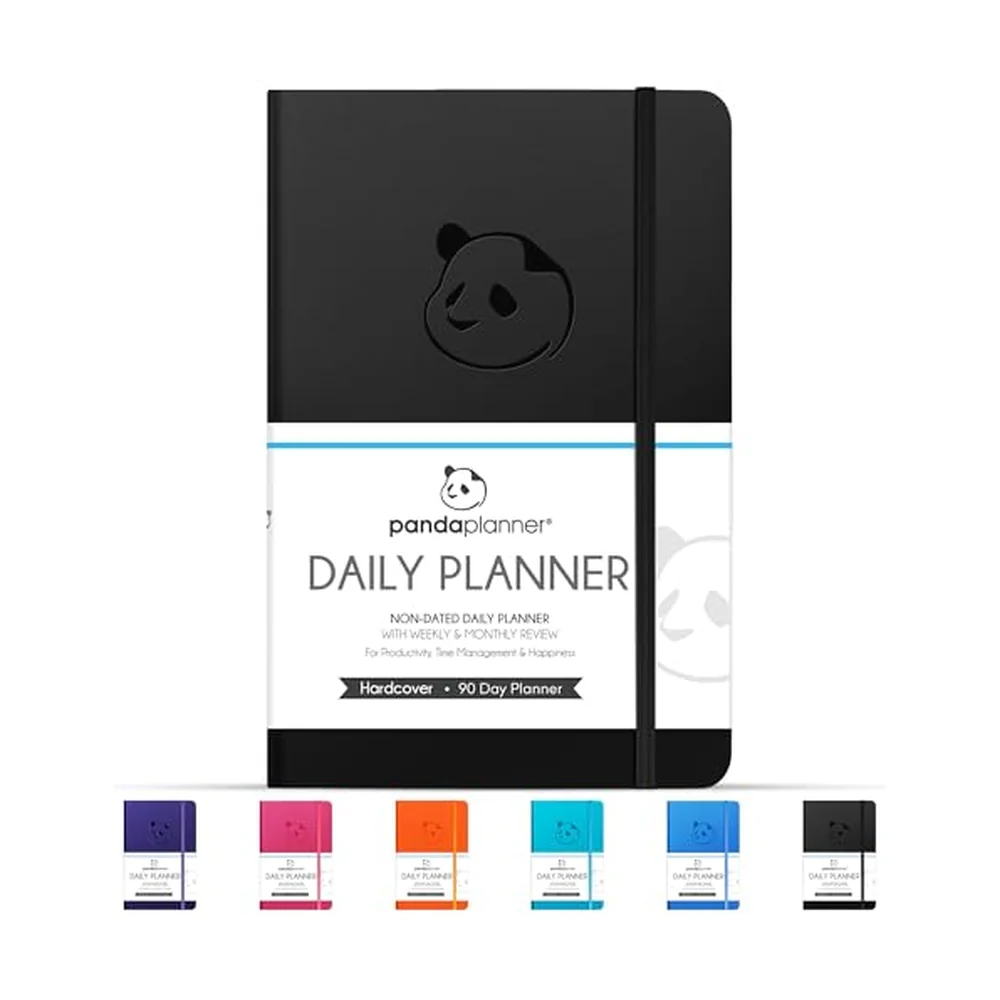
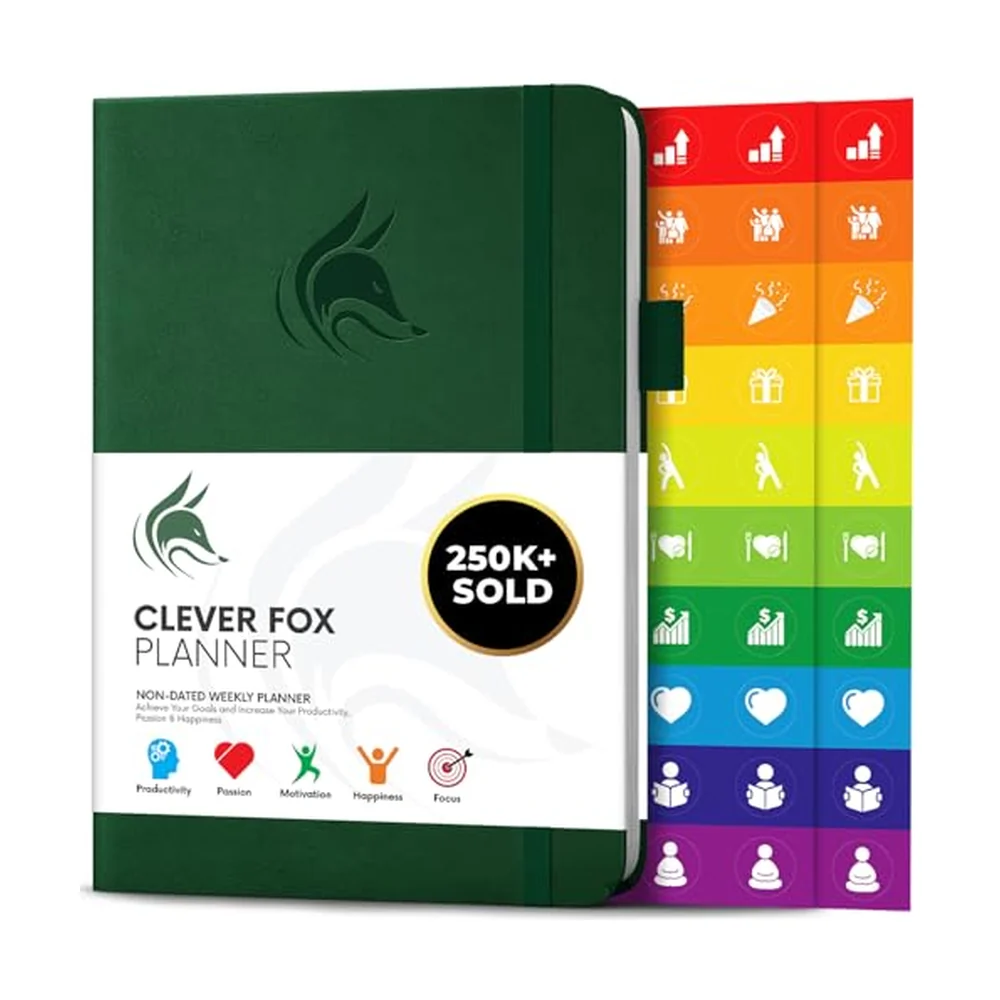
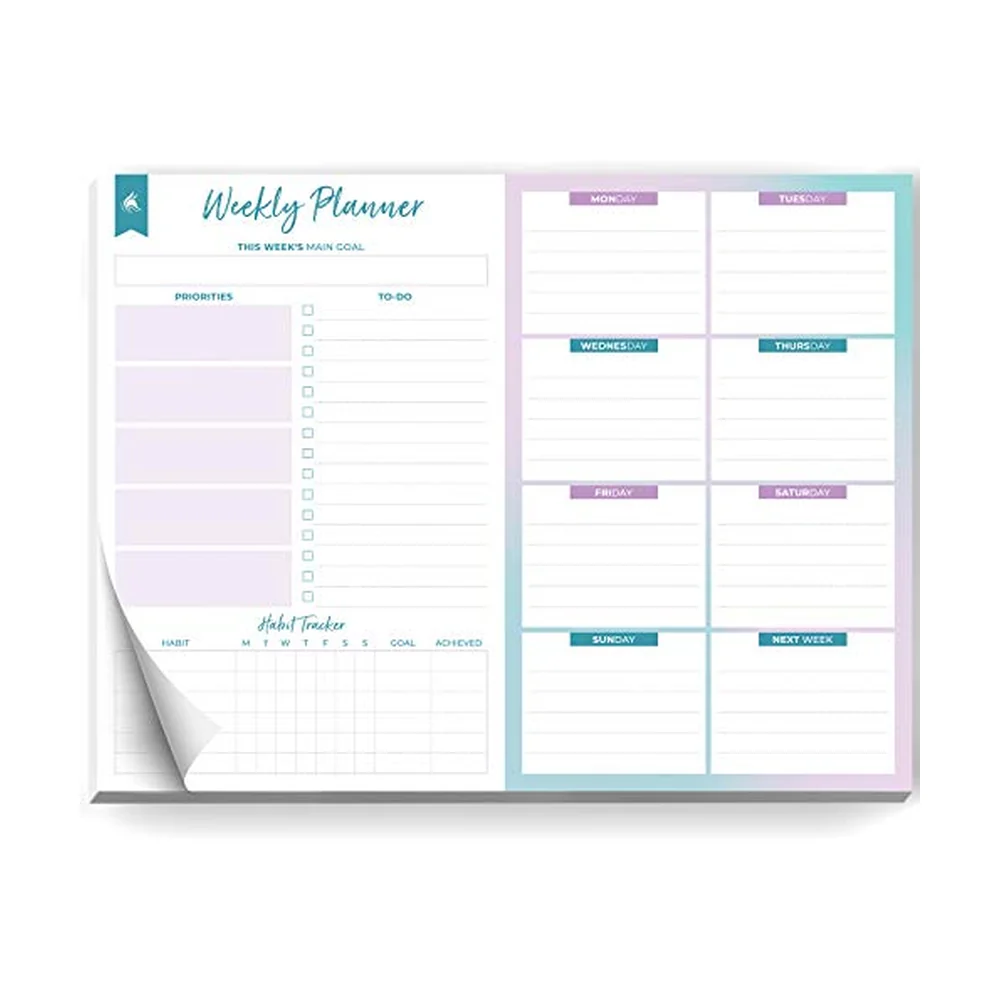
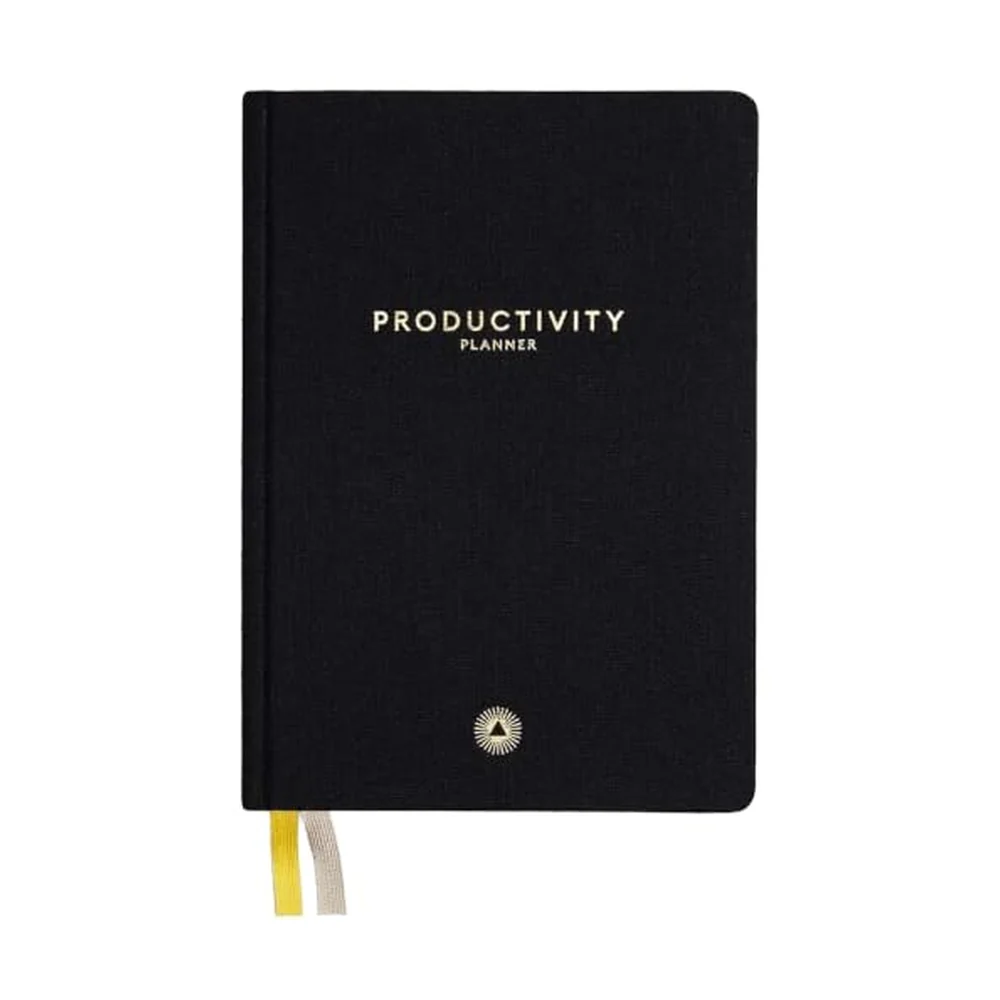
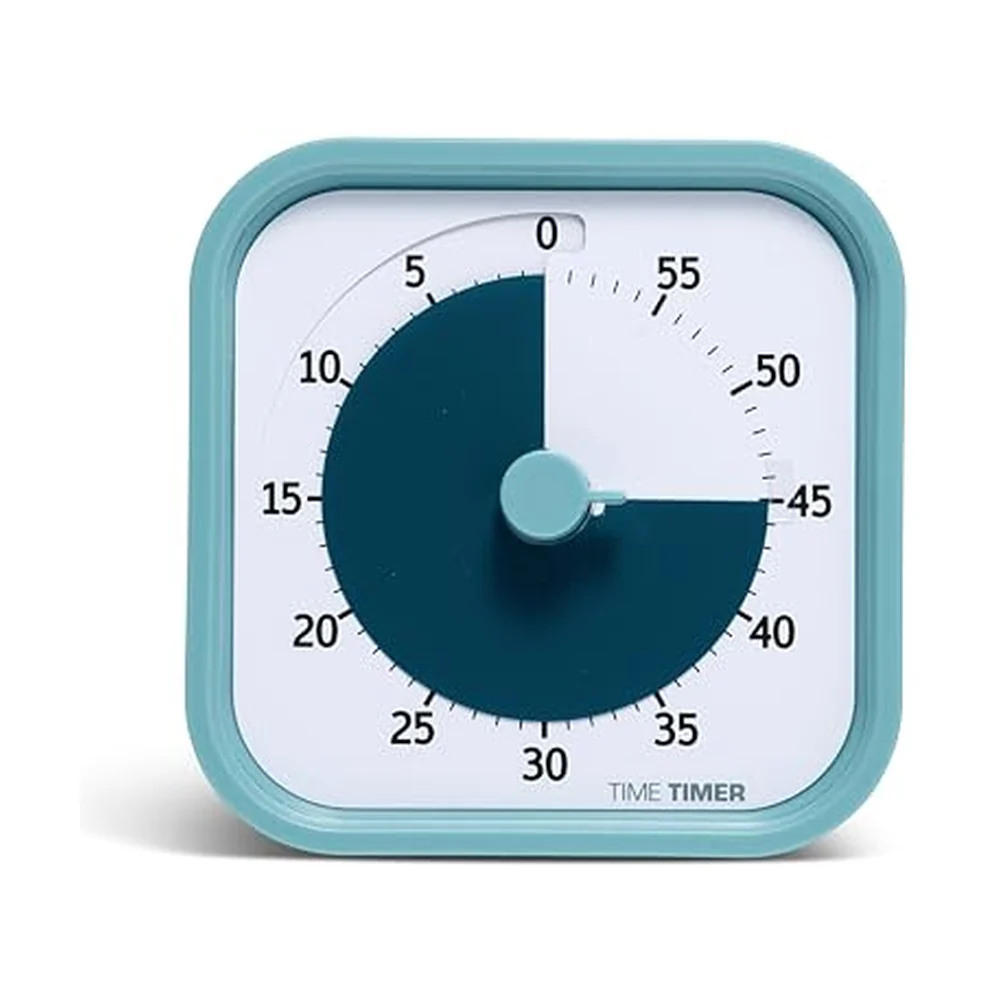
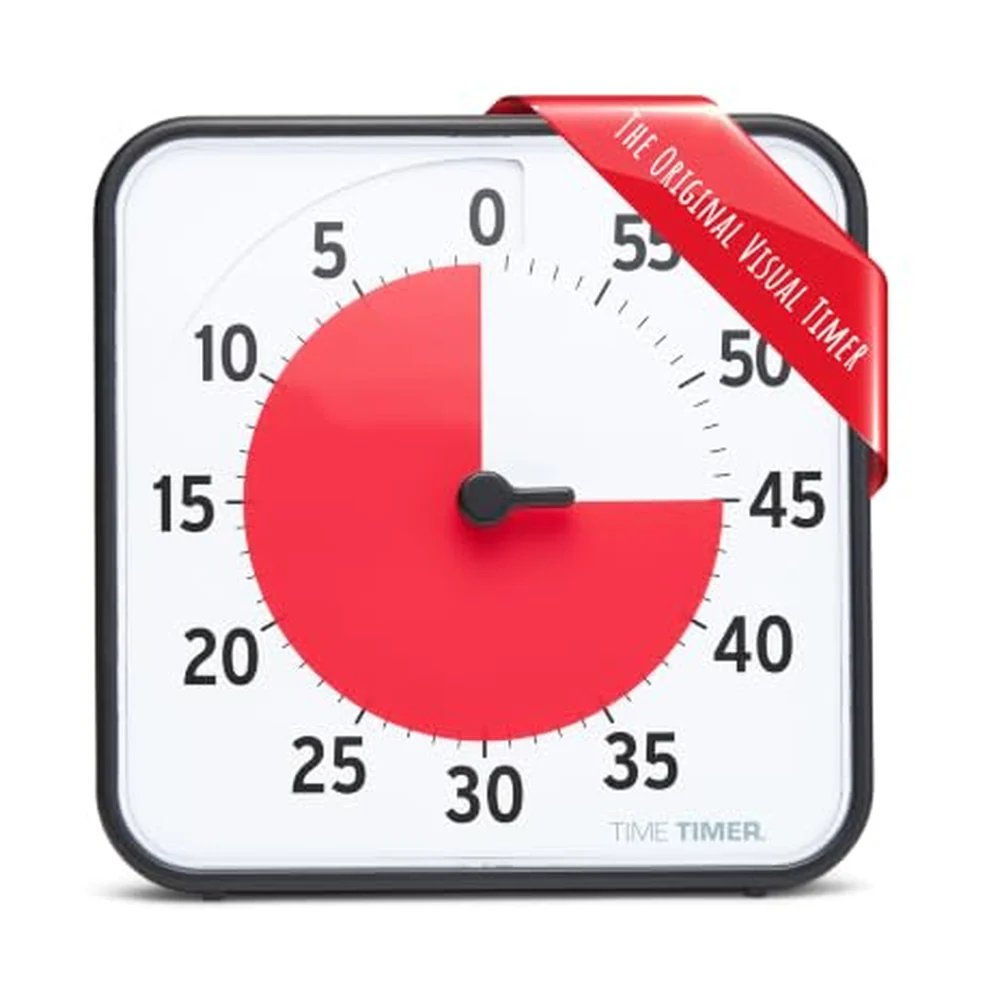
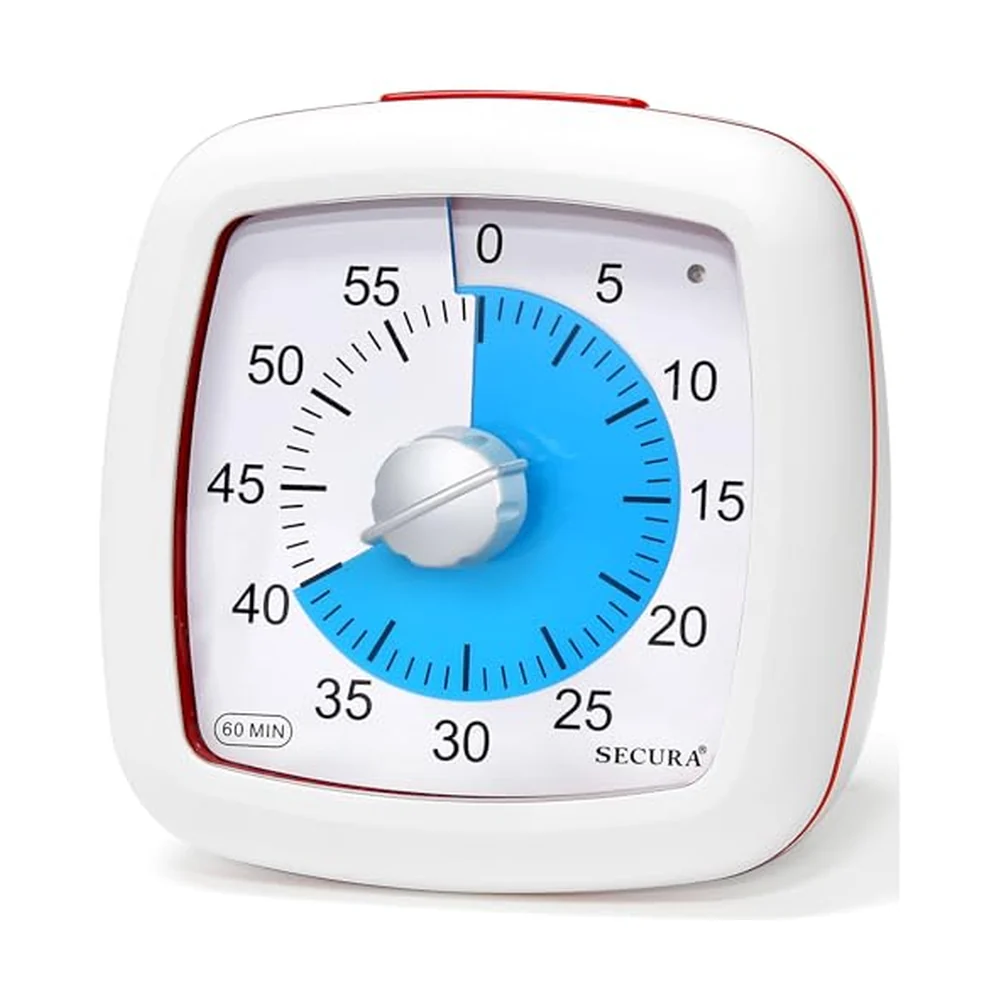
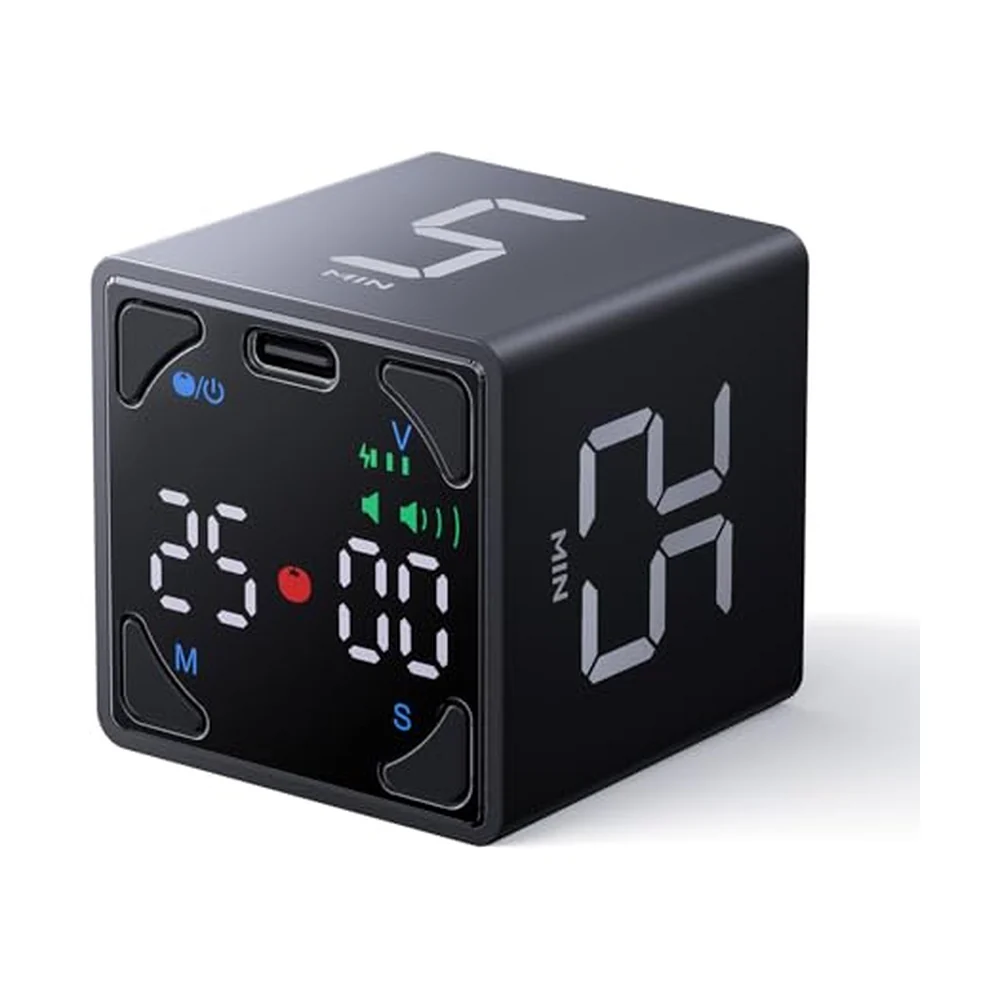
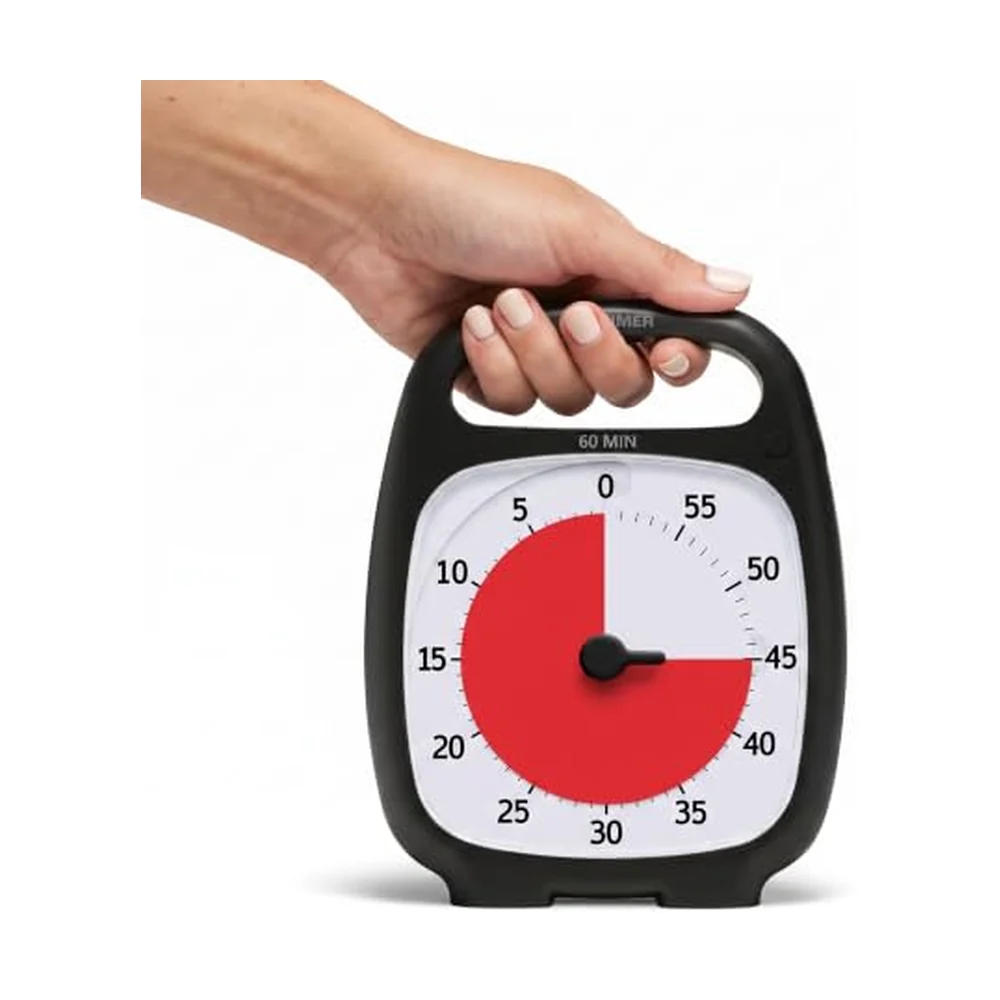
- Track it visually. The Brain Deck's Progress Tracker emphasizes visibility — use a physical calendar, a habit app, or checkboxes. Analog trackers tend to stick better than apps; our guide to productivity tools that aren't apps covers the best ones.
- Protect the chain on low days. Write one sentence. Do five push-ups. The chain doesn't care about quality — it cares that you showed up. Dr. Carol Dweck's growth mindset research at Stanford shows consistency matters more than magnitude.
What Are the Biggest Momentum Killers?
Perfectionism. If your standard for "counting" a day is unrealistically high, you'll break the chain quickly. The Brain Deck's Do It Badly card exists for this — reduce your standard for success and you increase the probability of showing up consistently.
All-or-nothing thinking. Based on research from Dr. Fuschia Sirois at Durham University, self-compassion after a missed day is significantly more effective than self-criticism at preventing a second missed day. Missing once has virtually no impact on long-term habit strength. Missing twice dramatically increases the probability of quitting.
Comparing your day one to someone else's year five. Their momentum was built from the same small daily actions.
Premature optimization. Don't spend three weeks choosing the perfect tracker. Pick something reasonable, start today, refine later.
How Does Momentum Compound Over Time?

Momentum produces results through compounding. A 1% improvement per day doesn't feel noticeable — but over a year, it compounds to a 37x improvement. Dr. Angela Duckworth's grit research at the University of Pennsylvania confirms this: the highest achievers maintained consistent effort over the longest periods.
The most important thing about your actions is not their size — it's their consistency. Ten minutes of daily practice beats three hours of sporadic effort. The Brain Deck's Energy Audit card helps identify when during the day your consistency is most sustainable.
How Do You Build an Identity That Sustains Itself?
The deepest momentum comes from an identity shift. Based on research from Dr. Carol Dweck at Stanford, when you adopt a growth mindset — believing you're becoming "someone who exercises" rather than "someone trying to exercise" — the behavior becomes self-sustaining. Every time you show up, you cast a vote for that identity.
It all starts with the first tiny win. Today, choose one action. Make it small. Do it. Check it off. Tomorrow, do it again. If you're struggling to get motivated, remember: motivation follows action, not the reverse. You don't need to feel ready. You need to begin.
How to Build Momentum FAQ
What is the fastest way to build momentum when I feel completely unmotivated?
The 2-minute rule. Pick an action so small you can't say no — put on running shoes, open the document, write one sentence. Don't try to "work for an hour." Do the 2-minute version and allow yourself to stop. You won't stop — the Zeigarnik Effect creates tension to finish what you started. See the 2-minute rule deep dive.
How long does it take to build momentum on a new habit?
You'll feel momentum within 3-7 days if you do the minimum daily without skipping. Real automaticity takes 2-3 months, based on research from Dr. Phillippa Lally at University College London (her 2010 study found an average of 66 days, with wide variation from 18 to 254 days).
Why do I always lose momentum right after I finally start building it?
Usually one of three things: (1) you scaled up too fast — your 5-minute habit became 30 minutes before it was automatic, (2) you broke the chain for too many days and the tension dissipated, or (3) the habit wasn't actually meaningful to you. The fix: scale up by ~10% per week, never skip more than one day.
What's the difference between momentum and motivation?
Motivation is a feeling. Momentum is physics. Motivation comes and goes based on sleep, weather, mood. Momentum accumulates through repeated action regardless of how you feel. This is why Dr. BJ Fogg at Stanford explicitly says "motivation is unreliable, design is reliable."
Can I rebuild momentum after a long break?
Yes, faster than you'd expect. Your neural pathways don't disappear — they get quieter. A few days of tiny-version practice and they come back online. Start at 20% of what you used to do, not 100%, and rebuild in the same order. See how to get back on track for the protocol.
Related Reading
Common mistake
What people on Reddit actually say
- r/getdisciplined🔥 loud consensus
r/getdisciplined consensus: don't break the chain. The streak itself becomes the identity, and the identity protects the habit on days motivation disappears.
- r/decidingtobebetter⬆ strong consensus
r/decidingtobebetter regulars describe momentum as a byproduct of boring consistency. The unglamorous version — same time, same small action, daily — quietly outperforms sprints.
- r/GetMotivated💬 commonly repeated
r/GetMotivated posts that last emphasize that progress is invisible in the first weeks. People who quit usually quit right before the compounding kicks in.
Paraphrased consensus from public threads — no direct user quotes.
Pull a card · free sample
Stalled at zero? Pull from the 'Fell Off Track' suit for the smallest possible move that still counts as showing up.
Pull a random card →
Tools that help with this

Ready to get unstuck?
The Brain Deck gives you 52 science-backed strategies in your pocket — a physical card deck you keep on your desk, no app required.
See the CardsLaunching soon · 54 cards · Premium matte finish