How to Break the Procrastination Cycle: 5 Steps
Procrastination is not a willpower failure — it is a self-reinforcing emotional loop. Breaking it requires targeting the emotion that triggers avoidance, not the avoidance itself.
By The Brain Deck Editorial
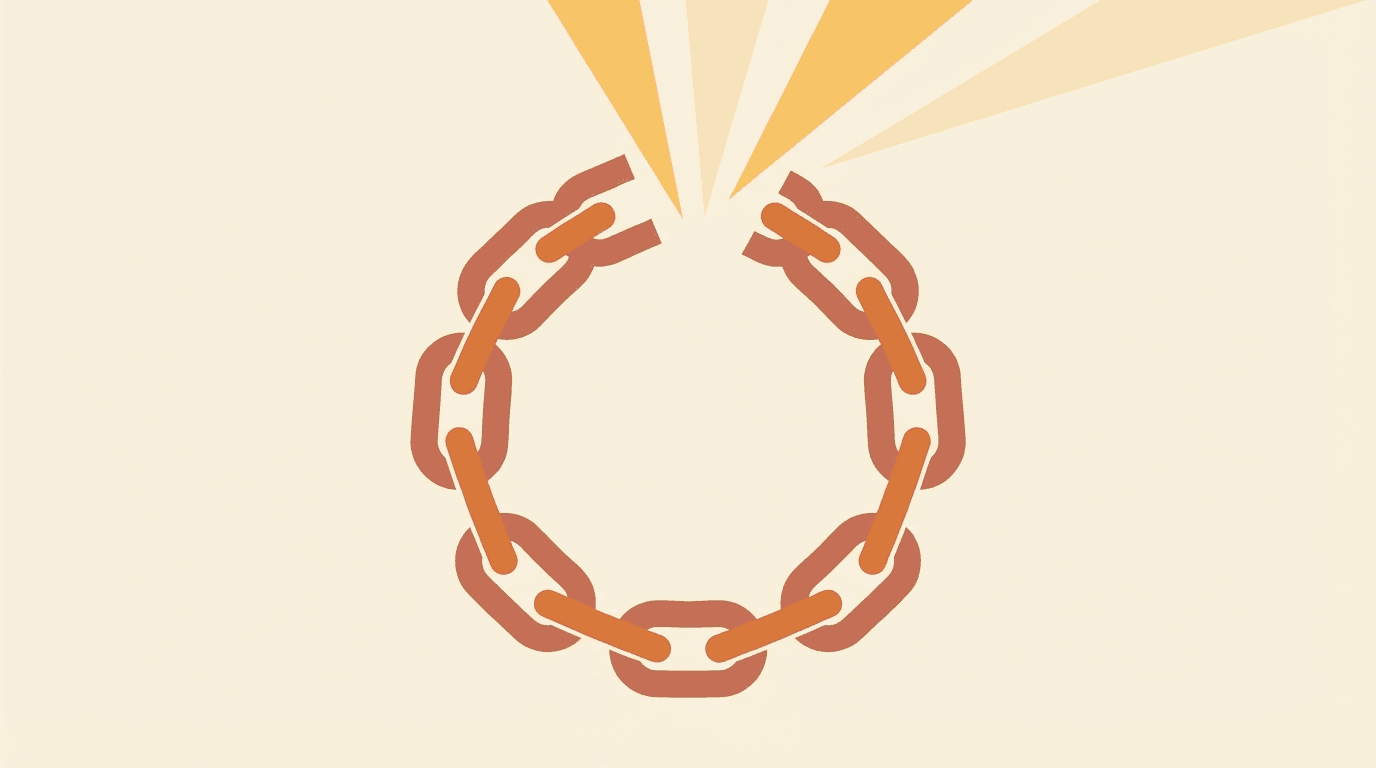
The cycle is task → dread → avoidance → relief → guilt — break it at the trigger by naming the feeling and starting in 2 minutes anyway.
Key Takeaways
- The cycle is emotional, not logical — avoidance lowers anxiety briefly, which teaches your brain to avoid again tomorrow.
- Interrupt the trigger, not the task — catch yourself at the moment of urge-to-avoid, not after you've scrolled for an hour.
- Schedule the feeling, not just the work — plan when you'll tolerate the discomfort instead of hoping it won't show up.
- Self-forgiveness breaks the shame loop — guilt makes tomorrow's avoidance more likely, not less.
Try this in the next 60 seconds
- Notice the urge to avoid; pause 10 seconds
- Name the feeling out loud ('I'm anxious')
- Forgive yesterday's slip without explanation
- Open the document — that's the whole task right now
future procrastination after self-forgiveness
Wohl, 2010
habits when anchored to existing routines
Fogg, Stanford
recovery: self-compassion, not stricter standards
Sirois, Durham
Try this first
The 5-stage cycle and where to break it
- 01
Trigger
Task surfaces an uncomfortable feeling.
- 02
Avoidance
Switch to scrolling, easier task, anything.
- 03
Short relief
Brain registers avoidance as effective.
- 04
Guilt builds
Lost time + shame inflates the task.
- 05
Loop intensifies
Each round strengthens avoidance.
The procrastination cycle is a predictable loop: a task triggers discomfort, you avoid the task to escape the discomfort, the avoidance provides temporary relief, and the relief reinforces avoidance as a strategy — making the next round harder, not easier. Based on research from Dr. Timothy Pychyl at Carleton University and Dr. Fuschia Sirois at Durham University, breaking this cycle requires intervening at the emotional trigger, not at the behavior. Self-compassion, tiny first steps, and systems that make action easier than avoidance are what actually work.
If you have ever told yourself "I will start tomorrow" and watched tomorrow become next week become next month, you are not broken. You are caught in a loop, and loops have specific breakpoints. The Brain Deck's "Fell Off Track" category was built for this — strategies designed not for people who have never started, but for people who keep starting and stopping.
What Exactly Is the Procrastination Cycle?
Dr. Piers Steel's research identifies the cycle's five stages:
- Trigger: You encounter a task that produces discomfort — anxiety, boredom, frustration, self-doubt, or overwhelm.
- Avoidance: To escape the discomfort, you switch to something more pleasant. Social media, reorganizing your desk, an easier task.
- Short-term relief: The avoidance works — temporarily. The uncomfortable feeling fades. Your brain registers this as a successful strategy.
- Guilt and increased pressure: As the deadline approaches, guilt and anxiety build. The task now feels even more daunting because you have lost time.
- Repeat: The increased negative emotion makes avoidance even more tempting. The cycle intensifies with each rotation.
This is why procrastination gets worse over time. Each loop strengthens the avoidance habit and adds layers of guilt that make the task feel more threatening. If you want to understand the deeper psychology, our guide on why you procrastinate breaks down the emotional roots.
Why Doesn't Willpower Work?
Dr. Roy Baumeister's ego depletion research showed that willpower draws from a limited resource pool — the same pool used for decision-making, emotional regulation, and self-control. By the time you are deep in the procrastination cycle, that pool is already depleted by the guilt, anxiety, and self-criticism the cycle generates. Trying to power through is like trying to run a marathon on an empty tank.
This is why the Brain Deck offers structural interventions instead — strategies that change the environment, reduce the task size, or shift the emotional dynamic so that willpower becomes less necessary.
How Do You Identify Your Personal Triggers?
Breaking any cycle starts with awareness. For the next week, every time you catch yourself avoiding a task, write down three things:
- What was the task?
- What emotion surfaced right before you avoided it?
- What did you do instead?
Based on research from Dr. Timothy Pychyl, most people discover they have one or two dominant triggers. Perhaps you consistently avoid ambiguous tasks because uncertainty triggers anxiety. Perhaps you delay tasks where you might be judged because perfectionism kicks in. Perhaps boring administrative work is your kryptonite. Knowing your specific trigger gives you a specific target — and specific targets are solvable.
Where Is the Best Point to Interrupt the Loop?
The critical intervention point is between the trigger (the uncomfortable emotion) and the avoidance (the escape behavior). You do not need to eliminate the emotion. You need to respond to it differently.
The 10-second pause: When you notice the urge to avoid, count to ten. During those seconds, name what you feel: "I am anxious about this presentation." Neuroscientists call this affect labeling, and research shows it measurably reduces the intensity of negative emotions. The act of naming creates distance.
The Brain Deck's "Two-Minute Start": Instead of forcing yourself to complete the dreaded task, commit to engaging with it for just two minutes. Open the document. Read the first paragraph. Write one sentence. Based on Dr. BJ Fogg's research at Stanford on tiny habits, this progressive exposure gradually reduces the emotional charge around the task. The 2-minute rule is not about finishing — it is about proving to your brain that contact with the task is survivable.
If the issue is that you are overwhelmed and cannot figure out where to start, the solution is not motivation — it is decomposition. Break the task into pieces small enough that none of them triggers the avoidance response.
Can Self-Compassion Really Reduce Procrastination?
The research is unambiguous. Dr. Fuschia Sirois at Durham University has shown that self-compassion is one of the strongest predictors of reduced procrastination across multiple studies. A landmark 2010 study by Michael Wohl and colleagues found that students who forgave themselves for procrastinating on a first exam were less likely to procrastinate on the next one. Students who berated themselves procrastinated more.
The mechanism is logical: guilt and self-criticism are negative emotions, and the procrastination cycle feeds on negative emotions. When you beat yourself up for procrastinating, you are adding fuel to the exact fire you are trying to extinguish. Practical self-compassion sounds like this: "I procrastinated on that report. That happened. It does not mean I am incapable. What is the smallest thing I can do right now to move it forward?"
How Do You Build Systems That Prevent the Cycle From Starting?
The Brain Deck's approach focuses on structural change — reshaping your environment and routines so that action becomes the default and avoidance requires effort:
Reduce friction for important tasks
Leave documents open on your screen. Set out materials the night before. The Brain Deck's "Environment Reset" card: shape your physical space so the right action is the most convenient one.
Increase friction for distractions
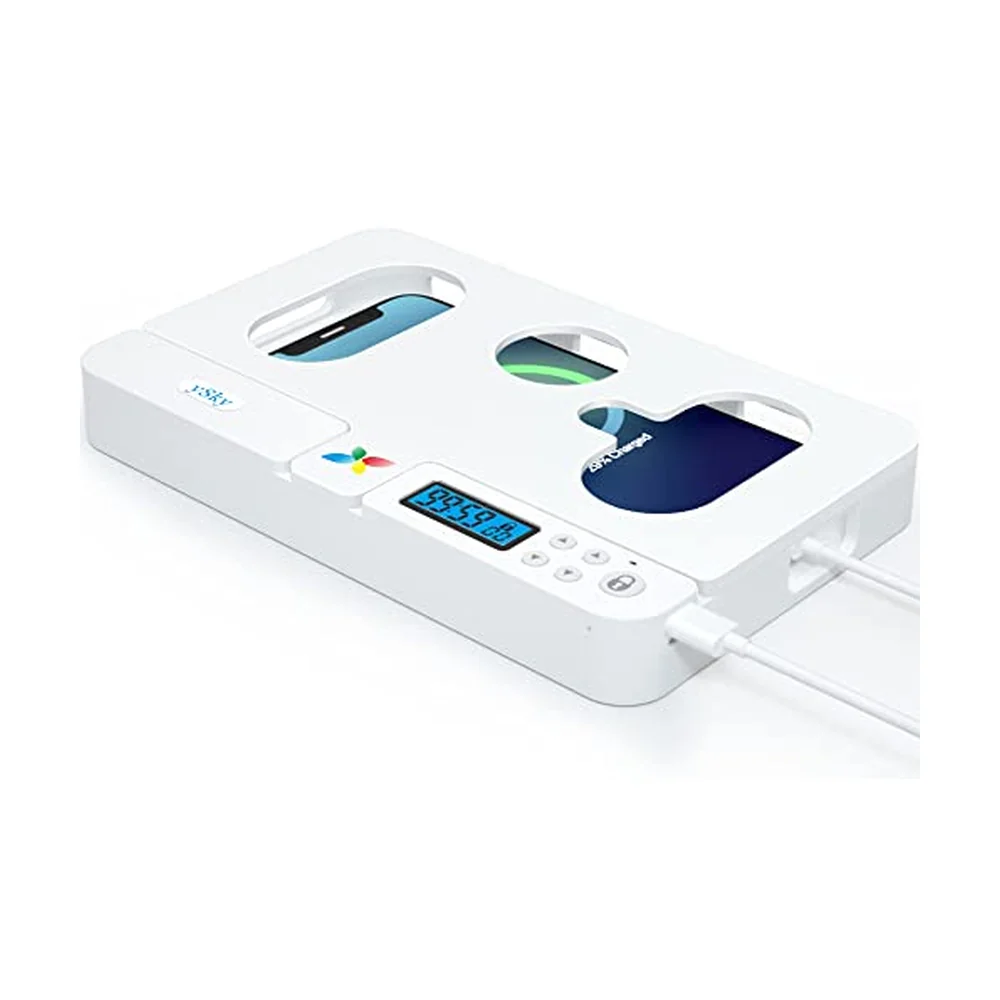
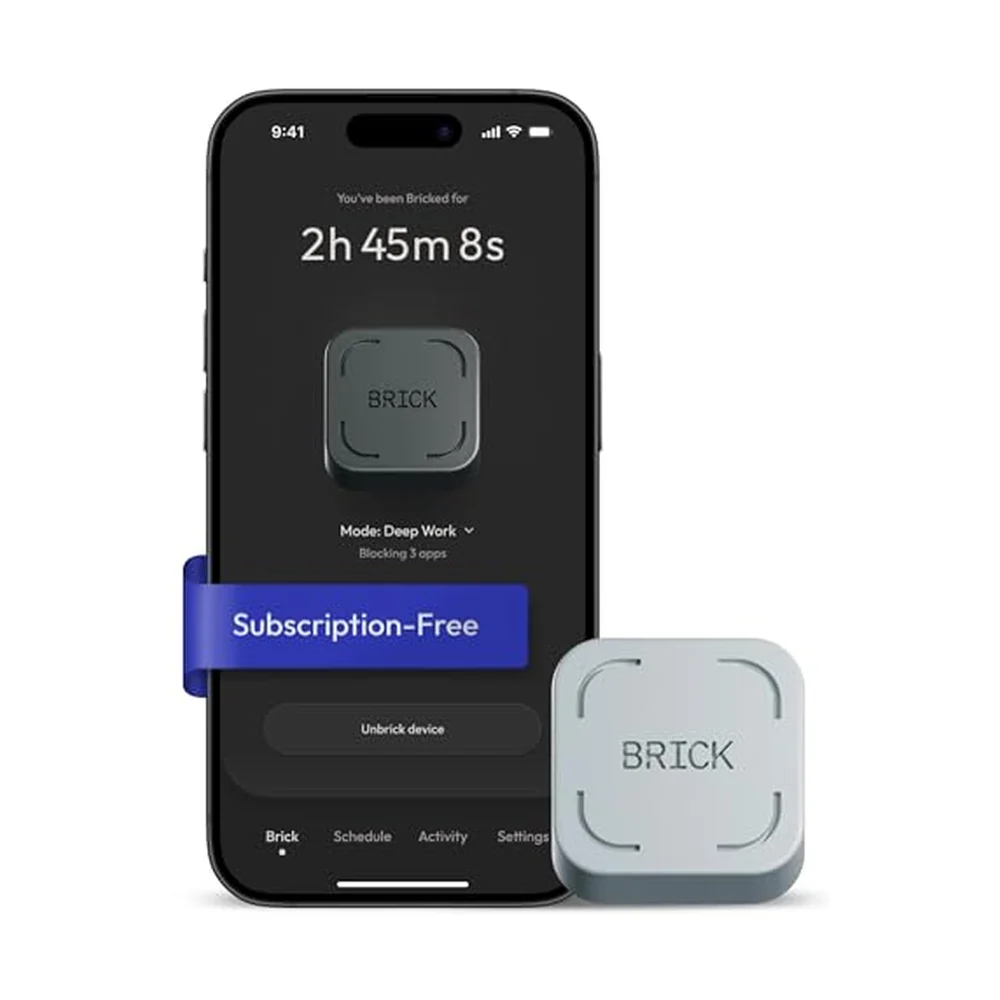
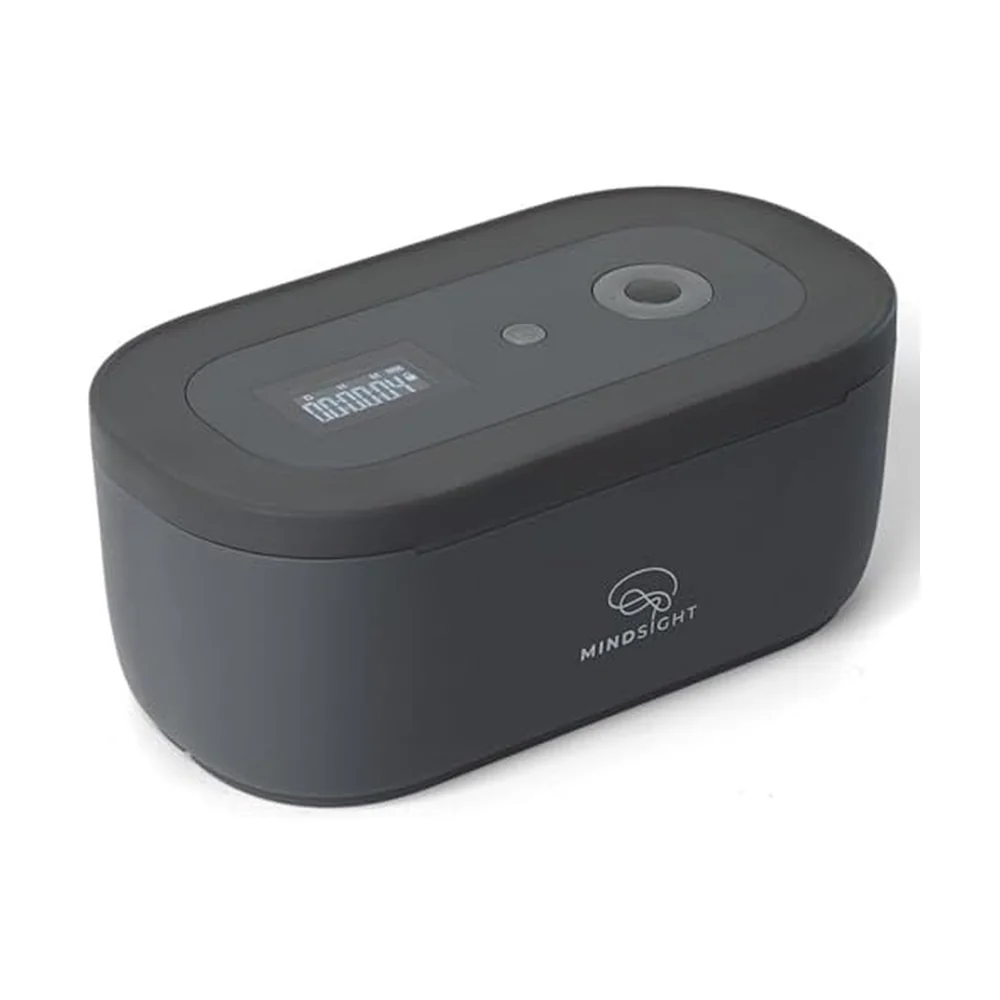
Log out of social media. Put your phone in another room. Use website blockers during work sessions. The goal is not to test your willpower — it is to make avoidance inconvenient enough that starting the task is actually easier.
Schedule hard tasks during peak energy
The Brain Deck's "Energy Audit" card asks you to identify your two to four hours of peak cognitive performance per day. Protect that window for the tasks you are most likely to avoid. Do not waste it on email.
Use habit stacking
Based on Dr. BJ Fogg's behavior design research at Stanford, attach a new behavior to an existing routine: "After I pour my morning coffee, I will open my most important task and work on it for ten minutes." The existing habit becomes a reliable cue, and over time the new behavior becomes automatic.
What Happens When the Cycle Restarts?
It will restart. That is normal. Based on Dr. Carol Dweck's growth mindset research at Stanford, the difference between people who break the cycle and people who stay stuck is not that the former never slip — it is that they treat each slip as data rather than as evidence of permanent failure.
When you notice the old pattern pulling you back in, use the Brain Deck's "Ruthless Priorities" card: identify the single most important task and apply the Two-Minute Start. For a broader set of strategies, our guide on how to stop procrastinating covers twelve science-backed techniques. The procrastination cycle is powerful, but it is not permanent. Every time you interrupt it — even imperfectly — you are building a new pattern.
Common mistake
What people on Reddit actually say
- r/overcomingprocrastination⬆ strong consensus
r/overcomingprocrastination threads describe procrastination as a loop of task → dread → avoidance → guilt → worse dread. Breaking the loop anywhere — often at 'guilt' via self-compassion — interrupts the whole thing.
- r/getdisciplined🔥 loud consensus
r/getdisciplined consensus: streaks die on missed days only if you also skip the next day. People who recovered describe a 'never miss twice' rule as the single most useful habit.
- r/ADHD💬 commonly repeated
r/ADHD regulars note that the shame-then-procrastinate loop is especially brutal. The advice that keeps surfacing is to treat yourself like someone you're coaching, not someone you're disappointed in.
Paraphrased consensus from public threads — no direct user quotes.
Pull a card · free sample
Caught in the loop again? Pull from the 'Fell Off Track' suit for one move that interrupts the cycle without restart pressure.
Pull a random card →
Tools that help with this
Ready to get unstuck?
The Brain Deck gives you 52 science-backed strategies in your pocket — a physical card deck you keep on your desk, no app required.
See the CardsLaunching soon · 54 cards · Premium matte finish