The 2-Minute Rule: 2 Versions That Actually Work
There are two versions of the 2-minute rule — one clears small tasks instantly, the other makes starting any habit nearly effortless. Together, they eliminate procrastination at its source.
By The Brain Deck Editorial
Two minutes is the activation threshold below which resistance doesn't fire — use it to clear small tasks instantly or kickstart any new habit.
Key Takeaways
- Two minutes clears most small tasks — if it takes under two minutes, do it now instead of logging it.
- Two minutes also starts any habit — 'read one page' beats 'read for 30 minutes' because you'll actually do it.
- The rule is a starter, not a ceiling — most two-minute starts extend naturally once you're in motion.
- It works because it removes friction — your brain stops pattern-matching the task to 'effort' and just begins.
Try this in the next 60 seconds
- Find one task on your list under 2 minutes
- Do it right now, before you log it
- Pick a habit you want; shrink it to 2 minutes
- Anchor it to an existing routine starting today
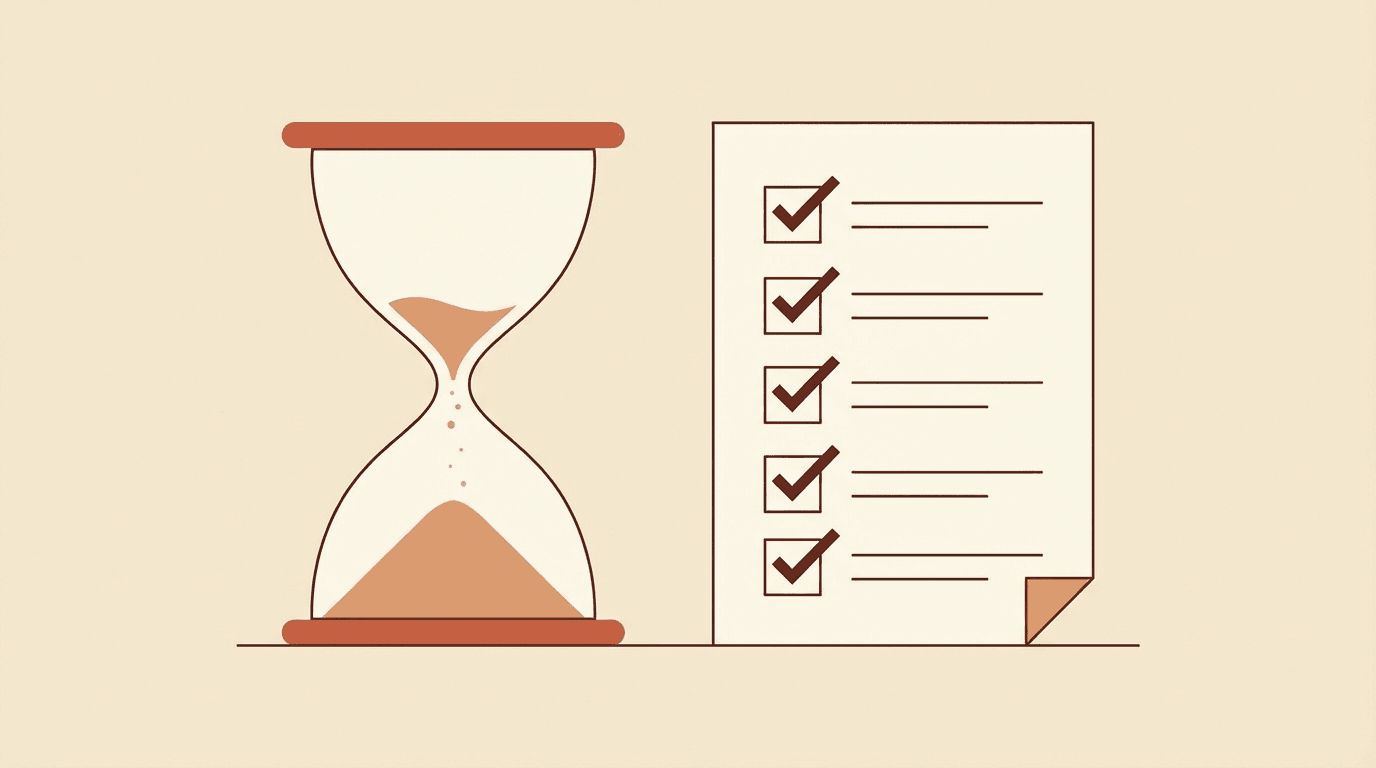
tasks should be done immediately, not logged
Allen, GTD
habits stick where ambitious ones collapse
Fogg, Stanford
completion drive once a task is started
Zeigarnik effect
Try this first
Two versions, two uses
- 01
Allen: tasks under 2 min
Reply, file, decide — do it now, don't log it.
- 02
Clear: new habits
'Read 1 hour' → 'read one page.'
- 03
Anchor it
After morning coffee, write one sentence.
- 04
Let it grow naturally
Most 2-minute starts extend on their own.
The 2-minute rule is the most effective single strategy for beating procrastination because it targets the exact moment where most people get stuck: the start. Based on research from Dr. BJ Fogg at Stanford's Behavior Design Lab, the biggest friction point in any behavior is initiation — once you have begun, continuing is dramatically easier. The 2-minute rule lowers the starting bar so far that your brain cannot justify resistance. There are two versions of this rule, created by two different thinkers, and together they cover nearly every situation where you find yourself stuck.
The Brain Deck's "I Can't Start" category features a "Two-Minute Start" card built on this same science. If you take only one idea from this article, take this: you do not need to feel ready to begin. You need to make beginning so small that readiness becomes irrelevant.
What Is David Allen's Version of the 2-Minute Rule?
In Getting Things Done, productivity consultant David Allen introduced a simple principle: if a task will take less than two minutes to complete, do it immediately. Do not add it to a list. Do not schedule it. Do not think about it. Just do it now.
The reasoning is practical. The overhead of capturing, organizing, reviewing, and eventually completing a tiny task almost always takes longer than the task itself. Writing "reply to Sarah's email" on a to-do list, seeing it later, re-reading for context, then replying — that process takes five to ten minutes. The actual reply takes ninety seconds.
Based on research from Dr. Roy Baumeister on decision fatigue, every unresolved small task sitting on your list consumes a small amount of decision-making energy. Dozens of unresolved small tasks create exactly the kind of mental clutter that makes you feel overwhelmed at work even when nothing individually is that hard. Allen's rule prevents the accumulation.
What Is James Clear's Version of the 2-Minute Rule?
In Atomic Habits, James Clear proposed a different spin: when starting a new habit, scale it down until it takes two minutes or less. "Read for an hour every night" becomes "read one page." "Go to the gym for 45 minutes" becomes "put on your running shoes." "Meditate for 20 minutes" becomes "sit on the cushion."
Dr. BJ Fogg's Tiny Habits research at Stanford validates this approach rigorously. Fogg found that the most reliable predictor of habit formation is not motivation or willpower — it is how easy the behavior is to start. When you reduce a behavior to its tiniest possible version, you remove the decision cost and the emotional resistance simultaneously. The behavior becomes nearly automatic.
This connects to the Zeigarnik effect — a finding from cognitive psychology showing that our brains naturally want to complete things we have started. Put on your running shoes and your brain nudges you toward a short run. Read one page and your brain pulls you toward ten. The two-minute version is not the goal. It is the trigger.
Why Does Something So Simple Actually Work?
Dr. Timothy Pychyl's procrastination research at Carleton University explains it: we avoid tasks because they trigger negative emotions — anxiety, boredom, frustration, self-doubt. The 2-minute rule works because a two-minute commitment is too small to trigger those emotions. Your brain does not mount an emotional defense against writing one sentence or putting away three dishes. The resistance simply does not activate.
The Brain Deck strategy "Shrink the Ask" operates on this same principle. When a task feels too big to start, you reduce it to something so small it feels almost silly — and then you do that small thing. The momentum it creates often carries you further than planned. This is not self-deception. It is a genuine reduction of the activation energy required to begin.
How Do You Handle the Objection That Two Minutes Is Not Enough?
This is the most common pushback, and it misses the point entirely. The 2-minute rule is not about making progress in two minutes — it is about making starting take two minutes. Based on research from Dr. Teresa Amabile at Harvard Business School, even tiny amounts of progress generate positive emotion through the progress principle, and that positive emotion fuels further action. Two minutes of work creates a neurological momentum that zero minutes never will.
Even if you genuinely stop after two minutes — which happens less often than you expect — you have done infinitely more than zero. You have cast a vote, as James Clear puts it, for the identity of someone who shows up. And identity-consistent behavior is, according to Dr. Carol Dweck's research at Stanford, one of the most durable forms of motivation.
How Do You Implement Both Versions Starting Today?
For Allen's version (clearing small tasks):
- Sweep your current to-do list. Identify everything that takes two minutes or less. Block fifteen minutes and knock them all out.
- Adopt the rule going forward. When a small task lands — an email, a request, a quick chore — ask: "Can I do this in two minutes?" If yes, do it immediately.
- Protect deep work. If you are in the middle of focused work, batch your two-minute tasks for the next break. The rule should prevent clutter buildup, not interrupt concentration.
For Clear's version (building habits):
- Pick one habit. Just one. Do not try to overhaul everything simultaneously.
- Scale it down to two minutes. "Write for an hour" becomes "open my notebook and write one sentence."
- Attach it to an existing routine. Based on Dr. BJ Fogg's habit stacking research: after your morning coffee, write one sentence. After you get home from work, put on workout clothes. The existing habit becomes the trigger.
- Protect the streak. Your only goal is to show up every day. Two minutes counts. One page counts. The streak matters more than any single session.
How Does This Connect to the Bigger Picture?
The Brain Deck's "Two-Minute Start" card sits alongside complementary strategies: "Action Before Motivation" (do not wait to feel ready), "Do It Badly" (lower the quality bar to eliminate perfectionism), and "Shrink the Ask" (reduce the scope until resistance disappears). Together, these cards create a system where starting is always available, regardless of how you feel.
Use Allen's version to eliminate small tasks before they accumulate into overwhelm. Use Clear's version to build the habits that matter most. Together, they create a system where small things get handled immediately and big things get started effortlessly. If you want to go deeper on making your work sessions more effective, our guide on how to be more productive builds on these principles. And if your challenge is less about small tasks and more about facing the one big thing you keep avoiding, eat the frog covers how to do your hardest task first, and how to build momentum shows you how to turn a two-minute start into a full session of focused work.
| Dimension | Allen's 2-Min Rule | Clear's 2-Min Habit |
|---|---|---|
| Goal | Clear small open tasks | Start a new habit |
| Trigger | Task lands on your list | Anchor to existing routine |
| Endpoint | Task is done | Habit is started; can stop here |
| Best for | Email, errands, replies | Reading, exercise, writing |
Science says
What people on Reddit actually say
- r/productivity🔥 loud consensus
r/productivity regulars credit the 2-minute rule as one of the few productivity techniques that actually stuck. Most elaborate systems get abandoned; this one survives because it's stupidly simple.
- r/getdisciplined⬆ strong consensus
r/getdisciplined consensus: use 2-minute versions of habits on bad days. A bad-day pushup, a bad-day page, a bad-day meditation keeps the identity intact when motivation is gone.
- r/ZenHabits💬 commonly repeated
r/ZenHabits threads describe the 2-minute rule as 'ridiculously small' on purpose. People who scale it up too fast usually quit; those who stay small for weeks end up building the habit that lasts.
Paraphrased consensus from public threads — no direct user quotes.
Pull a card · free sample
Stuck on the threshold? Pull from the 'I Can't Start' suit — most cards are 2-minute versions of bigger moves.
Pull a random card →
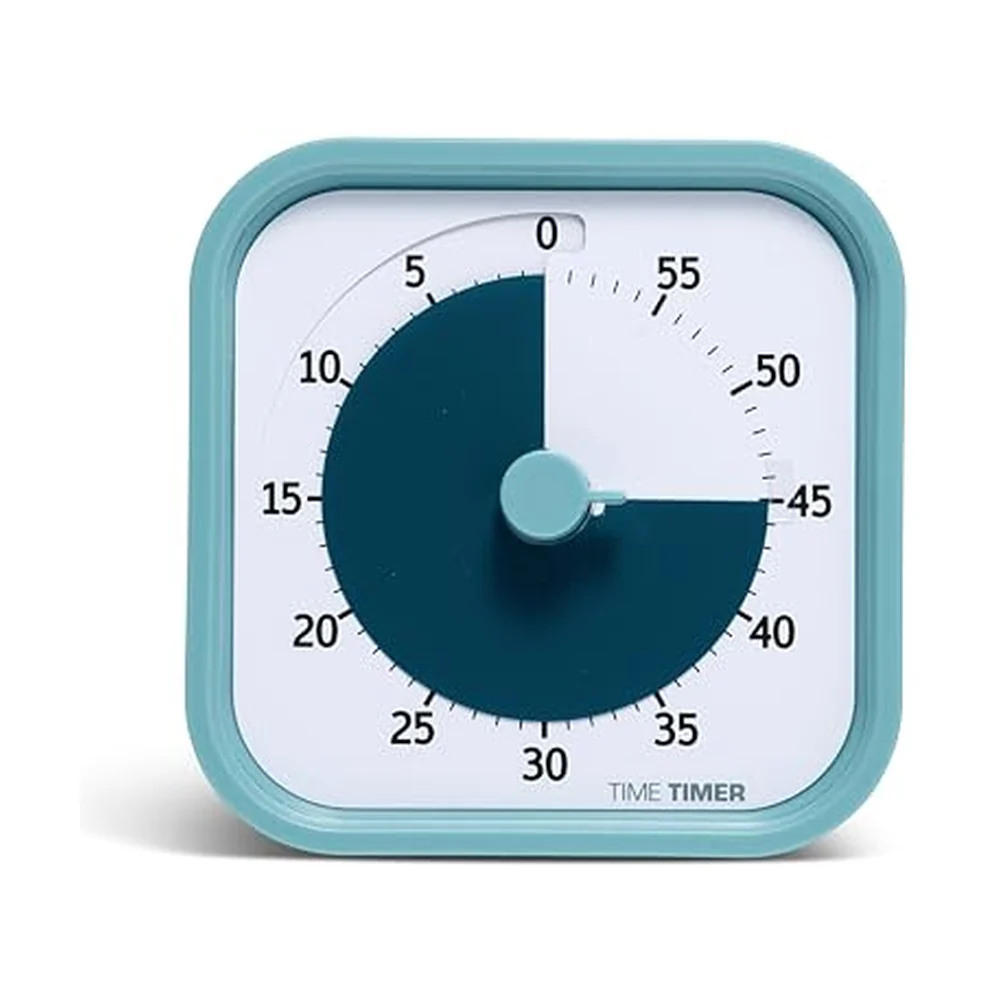
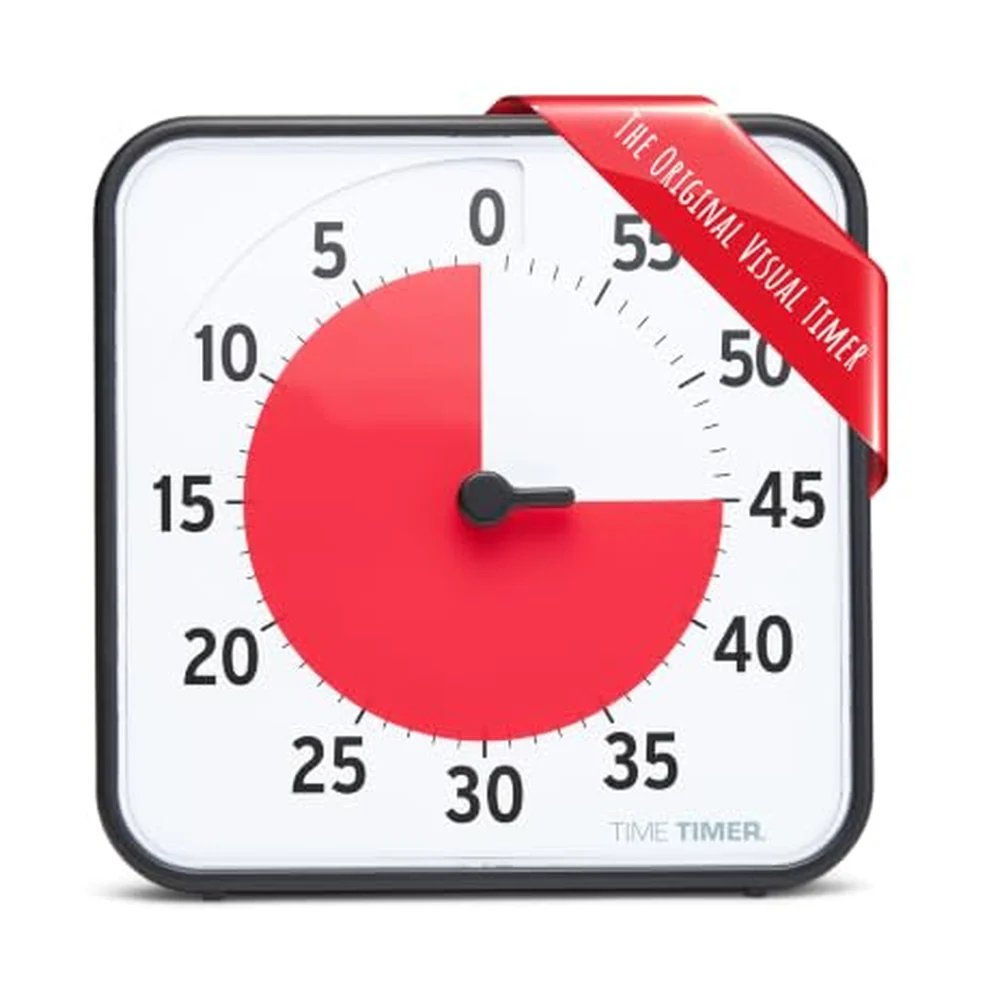
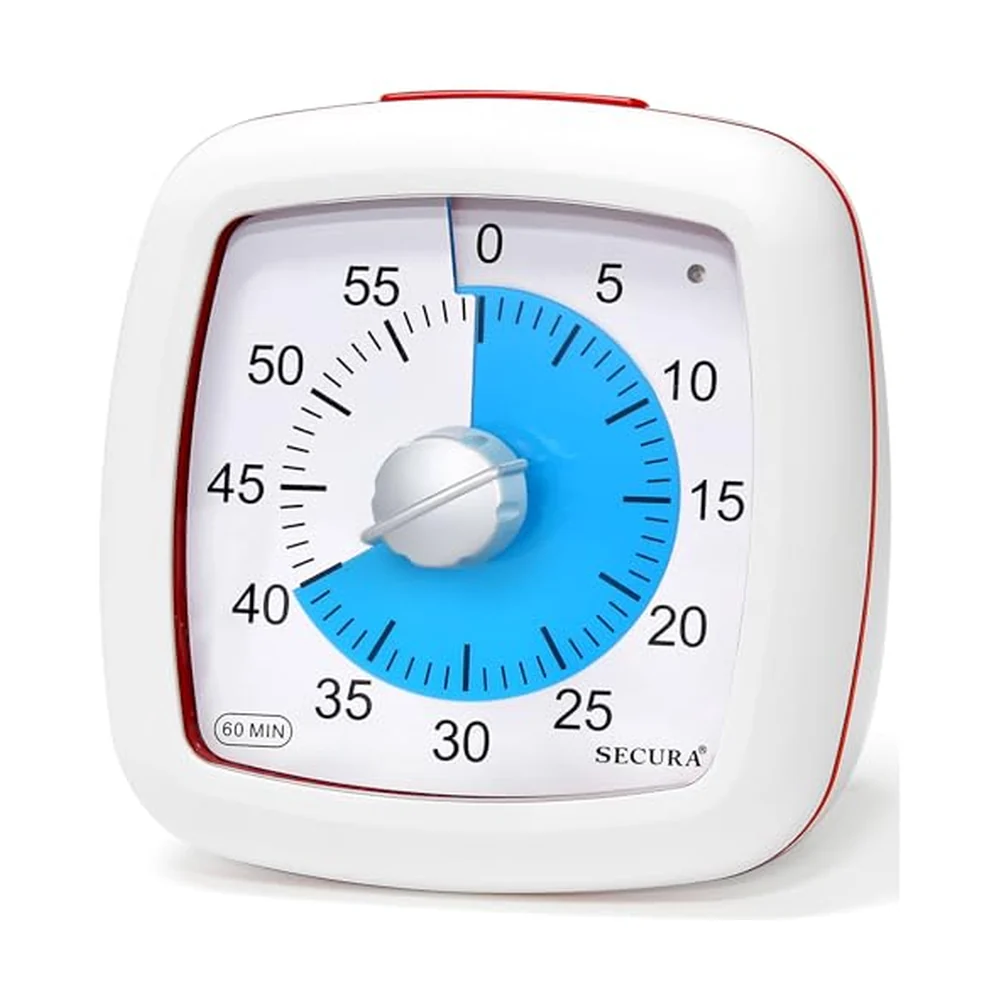
Tools that help with this
Ready to get unstuck?
The Brain Deck gives you 52 science-backed strategies in your pocket — a physical card deck you keep on your desk, no app required.
See the CardsLaunching soon · 54 cards · Premium matte finish