How to Focus Better: 7 Science-Backed Methods That Work
Focus is a skill, not a trait. Seven research-backed techniques grounded in flow-state findings — compact enough to use today.
By The Brain Deck Editorial
Focus is engineered, not summoned: 25-minute single-task blocks with phone in another room beat any productivity app you'll ever try.
Key Takeaways
- Focus is a skill that compounds — like a muscle, daily reps at hard concentration grow your ceiling over months.
- Single-tasking beats multitasking every time — switching costs can eat up to 40% of your productive time.
- Flow requires friction reduction — clear goal, immediate feedback, challenge slightly above skill level.
- Your phone is the single biggest focus killer — its mere presence drops cognitive performance even when silenced.
Try this in the next 60 seconds
- Move your phone to a different room
- Close every tab and app not in use
- Brain-dump everything in your head onto paper
- Set a visible timer for 25 minutes and start

items working memory can hold before focus collapses
Miller, 1956
to refocus fully after a single interruption
Mark, UC Irvine
executive function window after 10 min of movement
Ratey, Harvard
Try this first
The 5-step daily focus routine
- 01
Brain dump first
5 minutes of unfiltered paper writing before opening anything.
- 02
Pick the One Thing
The task that makes the rest easier or unnecessary.
- 03
Move before you sit
2–5 min of movement; cognition works better after.
- 04
Visual timer, 25 min
Phone elsewhere, single app, audio chosen.
- 05
Real break, repeat
Stand, look 20 ft away, water — no phone.
To focus better, you don't need more willpower — you need to engineer the right conditions. Your brain evolved to scan for threats, not to stare at a screen for three hours. What works is the opposite of "trying harder": shrinking the task, cutting the decisions, resetting the body, and creating conditions where your brain wants to engage.
Based on research from Dr. Mihaly Csikszentmihalyi on flow state, Dr. Angela Duckworth on grit, Dr. Teresa Amabile on the progress principle, and Dr. BJ Fogg on tiny habits — applied through the 52-card Brain Deck framework. If you can't concentrate, start with why you cannot focus.
Why Sustained Focus Is So Hard in 2026
Your brain is not broken. The problem is the environment. Working memory holds about four to seven items at once — when it's full, there's no space for deep thought. Add Roy Baumeister's decision fatigue and by 11am most people have spent half their focus budget on Slack and email. See our decision fatigue guide.
The fix isn't to fight your brain. It's to design conditions where focus becomes the path of least resistance.
- 4–7Items your working memory can hold at onceMiller, 1956
- 23 minAverage time to refocus after a single interruptionMark et al., UC Irvine
- 90 minImproved executive function after 10 min of movementRatey, Harvard
The 7 Best Techniques to Focus Better
- 🔬Shrink the containerPick a smaller version of the task.
- ⏱Visual timer25 minutes, physically visible.
- 🧠Brain dump first5 min of unfiltered paper writing.
- 🪟Change the sceneNew location = re-engaged attention.
- 🏃Body first10 min of movement → 90 min focus.
- 🎵One song startA familiar track as a runway.
- 📴Phone out of the roomNot face-down. Gone.
1. Shrink the Container
Your prefrontal cortex can't hold a 3-hour project in working memory, so it bails. The fix: shrink the container. Instead of "work on the report," aim for "write the next paragraph." This is why the 2-minute rule works — once you're in motion, the Zeigarnik Effect creates tension to finish. The Brain Deck's "Shrink the Container" card asks you to name a smaller version in under 15 seconds.
2. The Visual Timer (Pomodoro With Teeth)
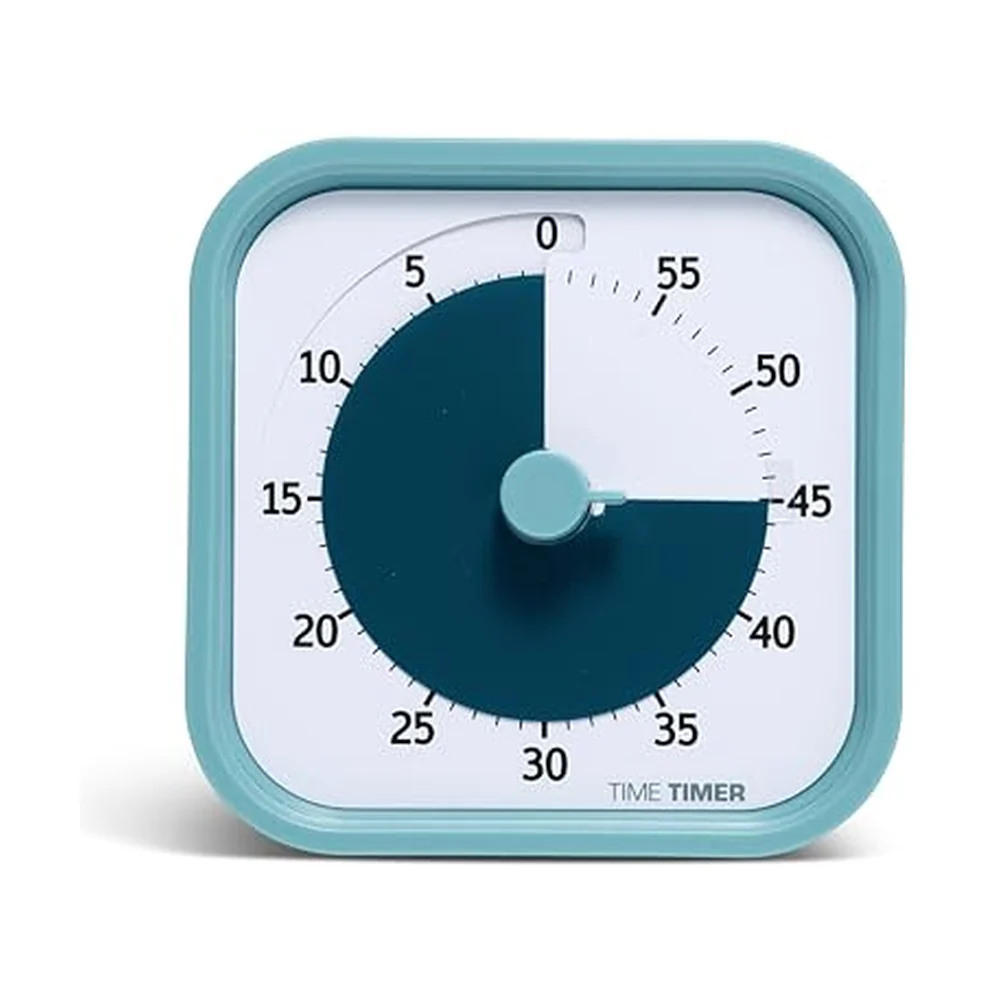
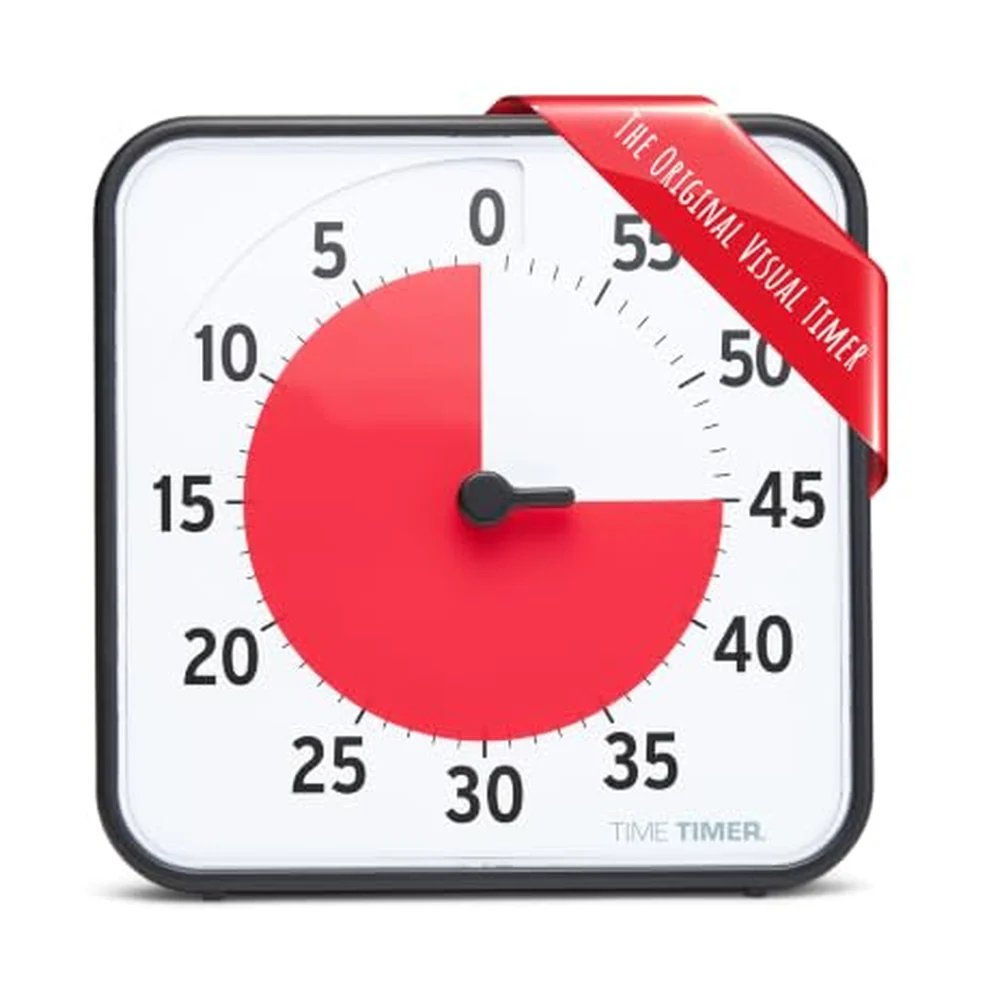
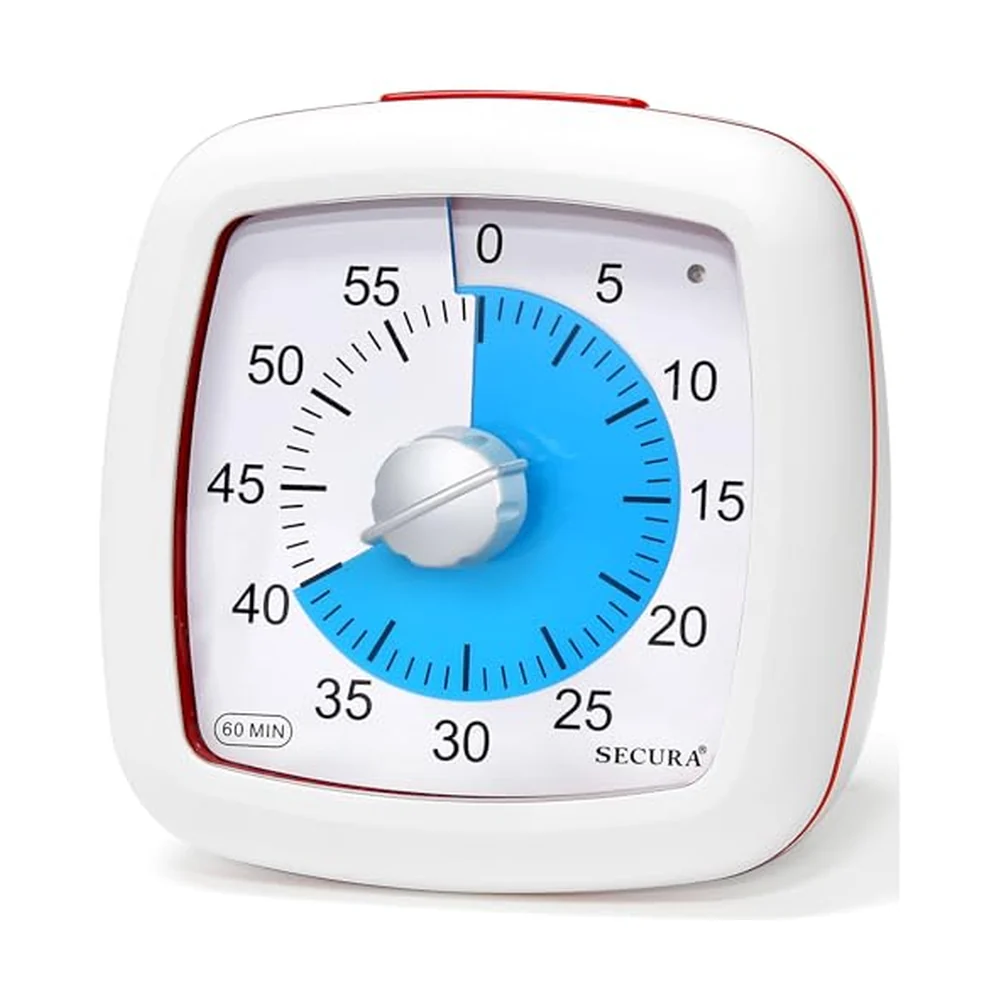
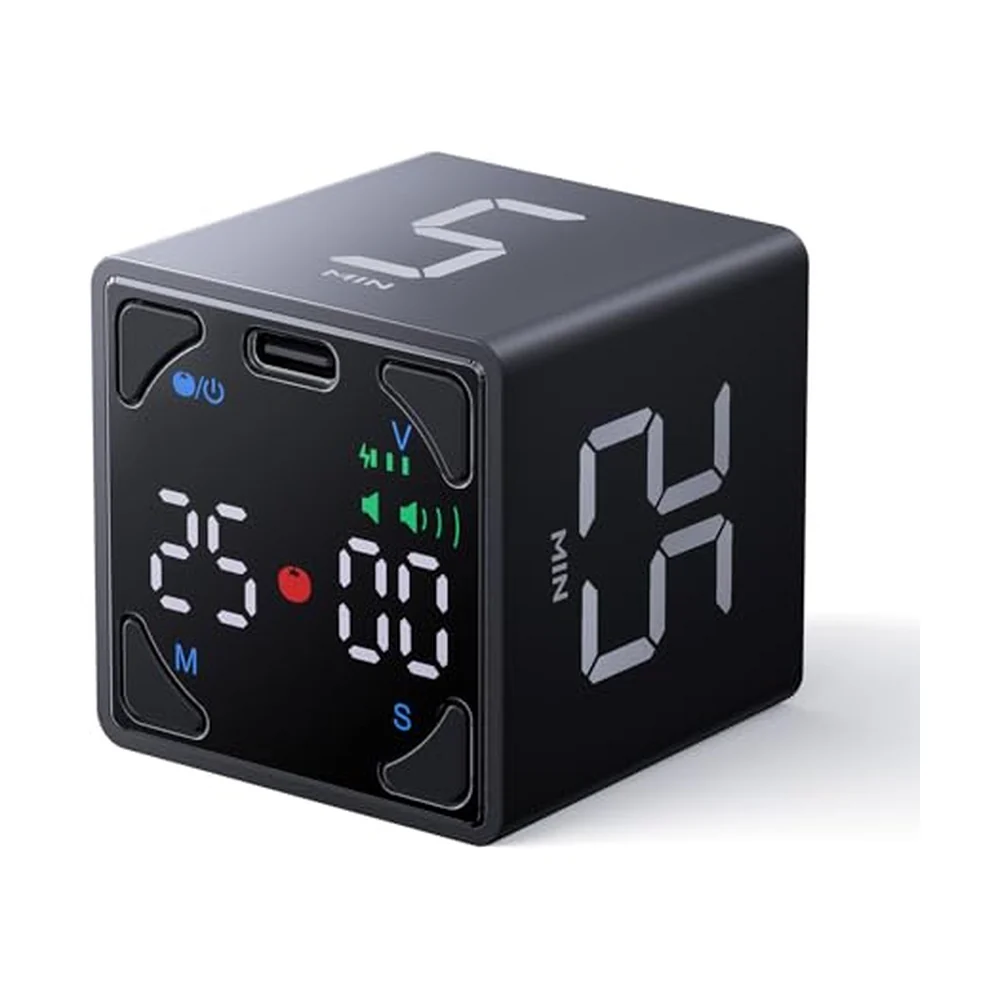
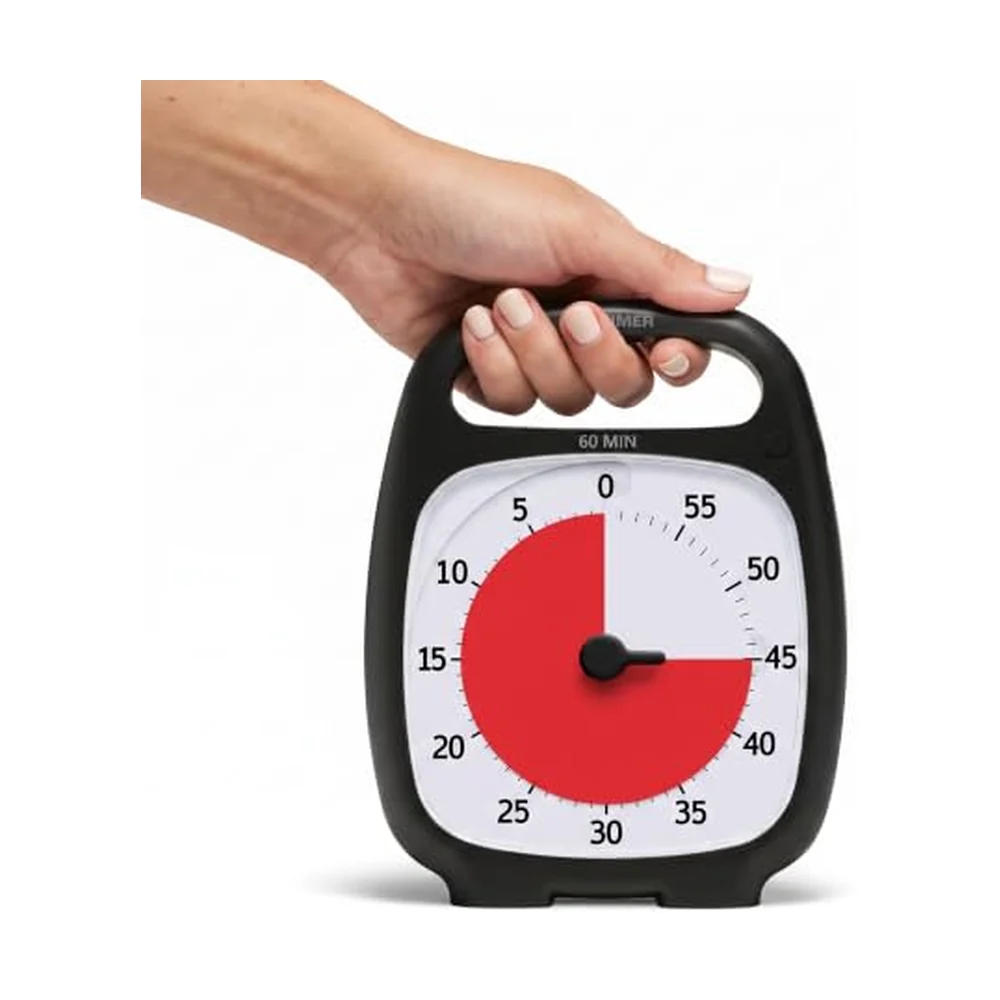
Set a visible physical timer for 25 minutes. Not a phone timer — a physical one you can see counting down. A visual timer is one of the productivity tools that aren't apps we recommend most, because your brain treats "time I can see" differently from "time I imagine." Francesco Cirillo's research found that committing to a time-bounded block generates focus, not the specific length. See our Pomodoro guide for nuances.
3. Brain Dump Before You Start
Spend 5 minutes writing every unprocessed thought onto paper. Tasks, worries, random ideas. This externalizes the cognitive load that would otherwise fight with your task for working memory. Based on Dr. James Pennebaker's expressive writing research, naming something reduces its grip on attention. Our brain dump deep dive walks through the method.
4. Change the Scene
If you've been failing in the same spot for 45+ minutes, move. Different room. Different cafe. Even a different angle at the same desk. Environmental variety re-engages the novelty circuits in your brain. The Brain Deck's "Change the Scene" card gives explicit permission to abandon an unproductive spot — not as failure, but strategy.
5. Move Your Body First
Physical tension blocks cognitive engagement. A brief walk, stretches, or 30 seconds of jumping shifts your nervous system into a regulated state. Research from Dr. John Ratey at Harvard (author of Spark) shows 10 minutes of movement improves executive function for the next 90 minutes.
6. Music First (or Silence — But Not Randomness)
Audio is a strong modulator of focus. The key isn't what you listen to — it's that you choose deliberately and stick with it. Lo-fi, brown noise, or silence all work. What kills focus is passive background audio. Research from Dr. Nick Perham at Cardiff Met shows lyrics compete with language processing and disrupt reading and writing.
7. The One Thing
With 12 items on your list, your brain can't enter flow because it's constantly context-switching. Pick one thing — but pick the one that would make the other 11 easier or unnecessary. Gary Keller's The One Thing calls this the "focusing question." Dr. Teresa Amabile's progress principle shows visible progress on meaningful tasks is the single biggest daily motivator.
How to Build a Daily Focus Routine in 5 Steps
Techniques work for a single session. Routines compound over weeks.
Step 1: Brain Dump as Your First Action
Before opening your laptop, spend 5 minutes on paper writing everything in your head. This clears the working-memory bandwidth you'll need.
Step 2: Pick The One Thing
From the brain dump, circle the ONE task that would make everything else easier. Not the most urgent. The highest leverage.
Step 3: Move Before You Sit
Do something physical for 2-5 minutes. Walk. Ten pushups. Stretching. Cognition works better immediately after movement.
Step 4: Set the Visual Timer and Start
Physical timer, 25 minutes. Audio chosen deliberately. Phone in another room. Single app open. Start the timer. Start the task.
Step 5: Take Real Breaks, Then Repeat
When the timer rings, stop. Stand up. Look at something 20+ feet away for 20 seconds. Drink water. Do NOT check your phone — it will hijack the next block. Then repeat. See the time boxing method for the calendar side.
How to Focus Better FAQ
Why can't I focus for more than 10 minutes at a time?
Your baseline focus duration depends on working memory load and environmental distraction. If your working memory is full of unprocessed thoughts, there's no bandwidth left — so a brain dump is non-negotiable. If your environment is noisy with notifications and open tabs, you're fighting it on every breath. Fix both, and most people can comfortably focus for 25 minutes on the first try.
How long does it take to improve your focus?
You'll notice a difference in the first session if you set up the conditions. Capacity takes 2-4 weeks of daily practice to grow. Based on Dr. BJ Fogg's tiny habits research, starting absurdly small (5 minutes) and gradually increasing works better than forcing 2-hour sessions from day one.
Is it better to focus in silence or with music?
Depends on the task — but the research is clear: passive audio (background TV, lyrics, half-listened podcasts) disrupts focus on language-based tasks. If you use music, pick instrumental and choose it deliberately. For deep analytical work, silence or brown noise usually wins.
What's the difference between focus and flow?
Focus is the conscious choice to direct attention. Flow is what happens when focus becomes effortless. Csikszentmihalyi found flow states share four conditions: clear goals, immediate feedback, challenge-skill balance, and absence of distractions. The seven techniques above manufacture those conditions.
Why do I focus better at night than during the day?
Usually one of three things: your environment is genuinely quieter at night, you're a natural night chronotype (about 20% of people peak between 9pm and 2am), or the lack of obligations removes the cognitive load. You can replicate night conditions during the day by blocking time and silencing notifications.
Can't focus even after trying — what's wrong with me?
Probably nothing. Some days your body won't cooperate. On those days, drop your goal to the absolute minimum (5 minutes), take a real break, come back tomorrow. If the inability lasts weeks and feels severe, talk to a doctor — chronic focus collapse can signal ADHD, anxiety, depression, or thyroid issues.
How does The Brain Deck help with focus specifically?
The Brain Deck is a 52-card physical deck on your desk. When focus collapses, you pick a card matching what's blocking you and do the 3-step protocol on the front. The cards above are physical cards you can grab without opening an app — which matters when opening an app is the source of the focus collapse.
Related Reading
- Why Can't I Focus? The Science Behind Your Scattered Attention
- How to Stop Procrastinating: Science-Backed Strategies
- The Pomodoro Technique: A Complete Guide
- Time Boxing: The Time Management Method That Actually Works
- The Brain Dump Technique: Clear Mental Clutter in 5 Minutes
- Decision Fatigue: Why Your Brain Stops Making Good Choices
- How to Be More Productive: Work With Your Brain, Not Against It
- The 2-Minute Rule for Productivity
Common mistake
What people on Reddit actually say
- r/productivity⬆ strong consensus
r/productivity regulars argue that deep focus is less about technique and more about protecting blocks of uninterrupted time. The simplest systems (one hour, one task, phone in another room) consistently outperform elaborate setups.
- r/getdisciplined🔥 loud consensus
Top posts on r/getdisciplined credit phone separation as the single biggest unlock. Users describe measurable changes in attention span within a week of physically removing the phone from their workspace.
- r/studytips💬 commonly repeated
r/studytips consensus on focus: start with 25-minute blocks, not 2-hour marathons. Building tolerance for concentration gradually works; jumping straight to long sessions causes people to quit within days.
Paraphrased consensus from public threads — no direct user quotes.
Pull a card · free sample
Attention scattered? Pull a card from the 'Overwhelmed' suit for a single focusing move that fits the next 5 minutes.
Pull a random card →
Tools that help with this

Ready to get unstuck?
The Brain Deck gives you 52 science-backed strategies in your pocket — a physical card deck you keep on your desk, no app required.
See the CardsLaunching soon · 54 cards · Premium matte finish