Why Can't I Focus? 3 Real Causes + Fixes (2026)
If you cannot focus, your brain is not broken — it is responding predictably to cognitive overload, emotional distress, or environmental interference. Learn what the research says about scattered attention and how to fix it.
By The Brain Deck Editorial
If you can't focus, your working memory is full, your nervous system is alarmed, or your environment is sabotaging you — pick one and fix that first.
Key Takeaways
- Scattered attention is usually a symptom — of poor sleep, anxiety, overstimulation, or an environment built for distraction.
- Your brain is trained by what you feed it — hours of short-form video shrink your tolerance for sustained thought.
- Emotions hijack attention first — if you can't focus, check for an unresolved feeling before blaming your willpower.
- Boring work requires rebuilding tolerance — start with short focus blocks and extend gradually, like fitness.
Quick reset checklist
- Brain dump everything on your mind onto paper
- Take 3 long exhales to drop your nervous system
- Phone in another room, every irrelevant tab closed
- Pick one specific 25-minute task and start
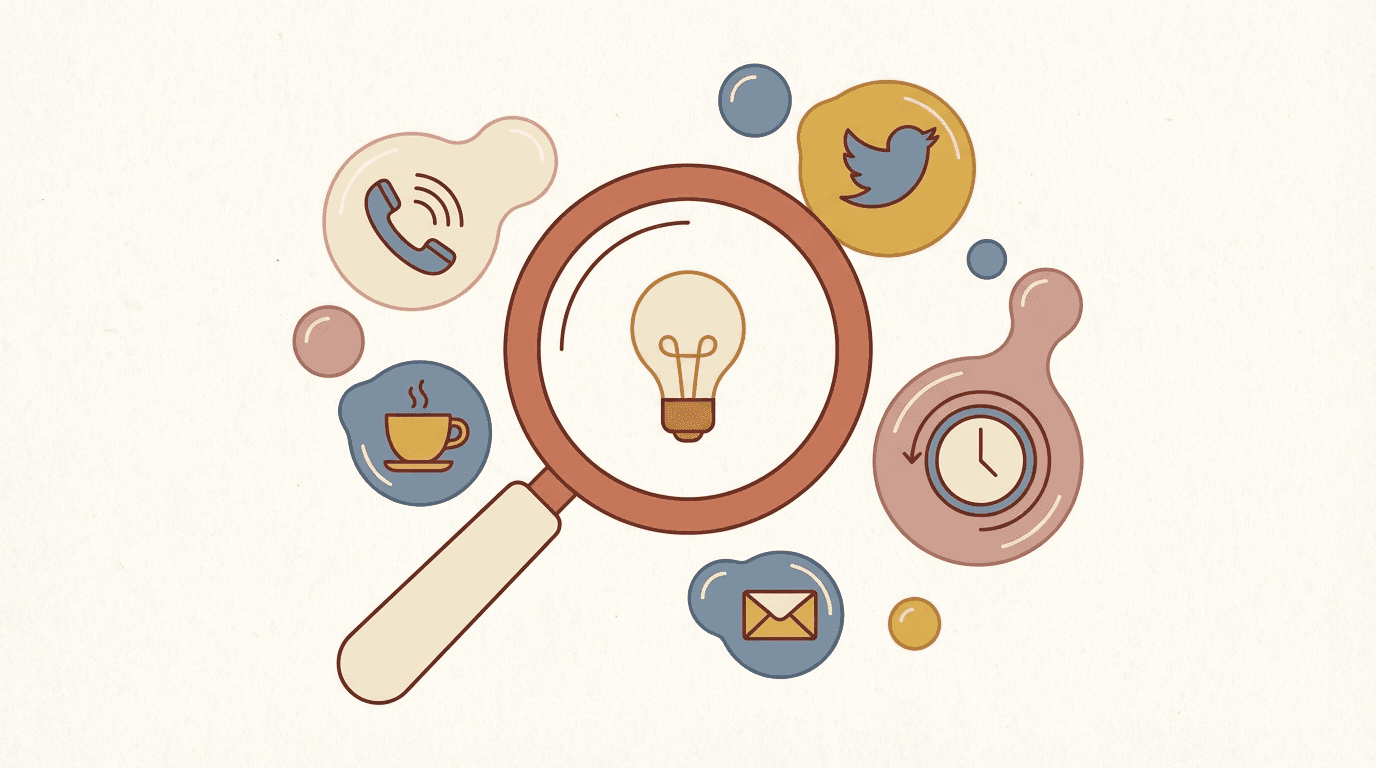
items working memory holds before performance crashes
Miller, 1956
to fully re-engage after each interruption
Mark, UC Irvine
cognitive capacity from mere phone presence
Ward, UT Austin
Try this first
Diagnose the focus block
- 01
Cognitive overload?
Working memory full → brain dump.
- 02
Emotional load?
Anxiety hijacking attention → movement, breathing.
- 03
Environment?
Phone, tabs, noise → environment reset.
- 04
Task design?
Vague or oversized → shrink and specify.
You cannot focus because your brain is dealing with one or more of three things: cognitive overload (too many competing demands on your working memory), emotional interference (stress, anxiety, or unresolved worries hijacking your attention), or environmental disruption (notifications, noise, and context-switching fracturing your concentration). Based on research from Dr. Mihaly Csikszentmihalyi, sustained focus requires a specific set of conditions — and if any of those conditions are missing, concentration collapses. The Brain Deck's "Overwhelmed" cards are designed to help you identify which barrier is active and remove it.
If you already know you can focus in theory but need practical techniques, head to how to focus better. But if you are genuinely confused about why your attention keeps collapsing, this article explains what is happening in your brain and what to do about it.
Is Your Focus Problem Actually a Cognitive Overload Problem?
The most common reason people cannot focus is that their working memory is full. Your brain's working memory — the mental workspace where you hold and manipulate active information — has a capacity of roughly four to seven items. When you are tracking unread emails, an upcoming deadline, a personal worry, a half-finished task, and a meeting in 30 minutes, there is no space left for the thing you are trying to concentrate on.
Based on research from Dr. Roy Baumeister, this cognitive load is cumulative. Every open loop, unfinished task, and pending decision occupies space in your mental buffer, even if you are not actively thinking about it. This is why you might sit down to write a report and find your mind wandering to that email you forgot to send — your brain is trying to manage everything simultaneously.
The Brain Deck's "Brain Dump" card directly addresses this. Spend five to ten minutes writing every open loop in your head onto paper — tasks, worries, ideas, obligations, all of it. This is not organizing or planning. It is pure cognitive offloading. Research shows that externalizing concerns frees working memory for focused attention. Our complete guide to the brain dump technique walks through the process step by step.
Is Emotional Distress Stealing Your Attention?
Your brain prioritizes emotional processing over cognitive tasks. When you are anxious about a conversation, worried about money, upset about a conflict, or stressed about a deadline, your amygdala commands attentional resources that would otherwise be available for focus. You are not failing to concentrate — your brain is concentrating on what it perceives as the bigger threat.
Dr. Fuschia Sirois's research at Durham University shows that people experiencing high stress and low self-compassion are particularly vulnerable to this attentional hijacking. The stress occupies cognitive bandwidth, and the self-criticism about being unproductive adds a second layer of emotional interference.
The Brain Deck's "Body First" card addresses the physiological dimension of emotional distress. When your nervous system is activated (elevated heart rate, shallow breathing, muscle tension), your brain is in threat-response mode and cannot sustain focused attention. Brief physical movement — a walk around the block, 10 pushups, a minute of deep breathing — activates your parasympathetic nervous system and creates a window for cognitive re-engagement.
If your inability to focus is accompanied by a persistent sense that everything is too much, you may be dealing with overwhelm rather than a focus problem per se. Our guide on feeling overwhelmed at work addresses the broader pattern.
Is Your Environment Designed for Distraction?
Research on attention switching shows that after an interruption, it takes an average of 23 minutes to fully re-engage with the original task. If you are checking your phone every 10 minutes, you never reach deep focus at all — you are perpetually in the shallow re-engagement phase.
Based on research from Dr. Roy Baumeister, every time you resist a distraction, you deplete the same cognitive resource you need for focused work. Willpower-based focus ("I will just ignore my phone") is therefore self-defeating. The solution is environmental: remove the distraction so there is nothing to resist.
The Brain Deck's "Environment Reset" card prescribes specific actions:
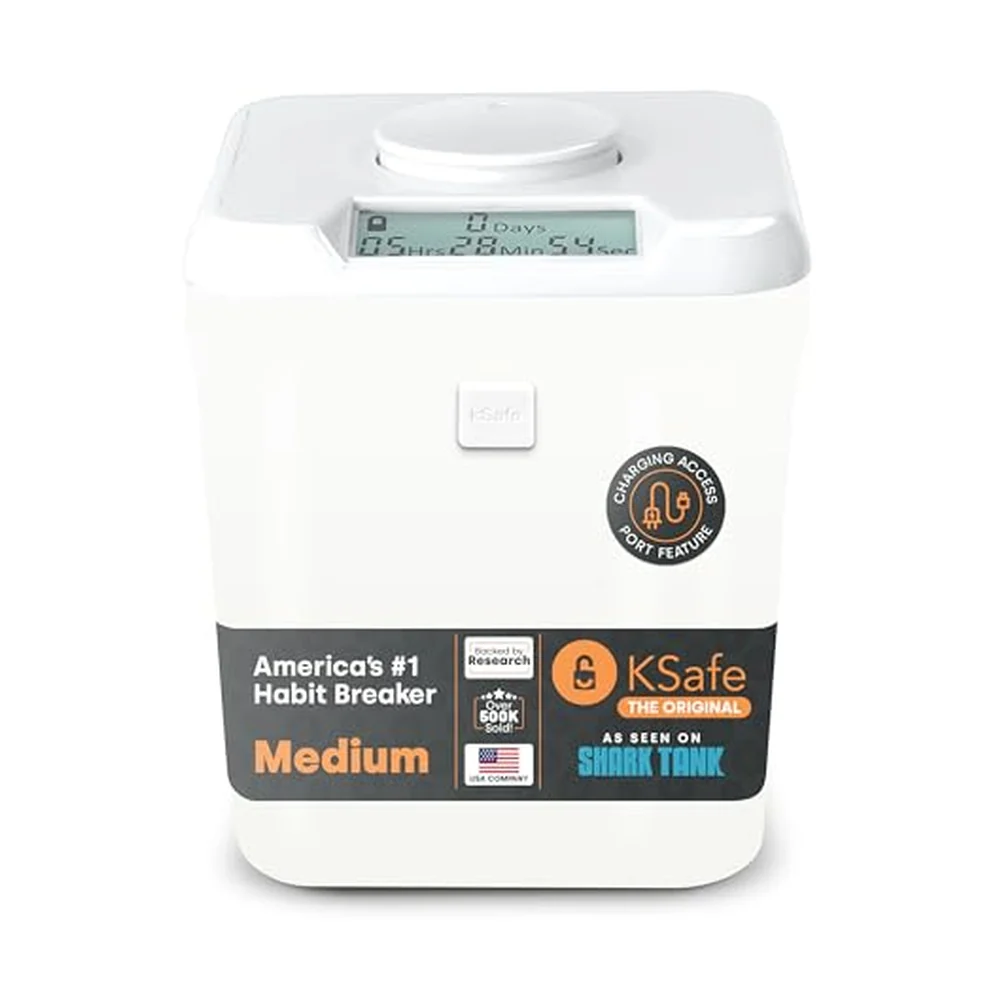
- Put your phone in another room, not just on silent
- Close every browser tab and application not related to your current task
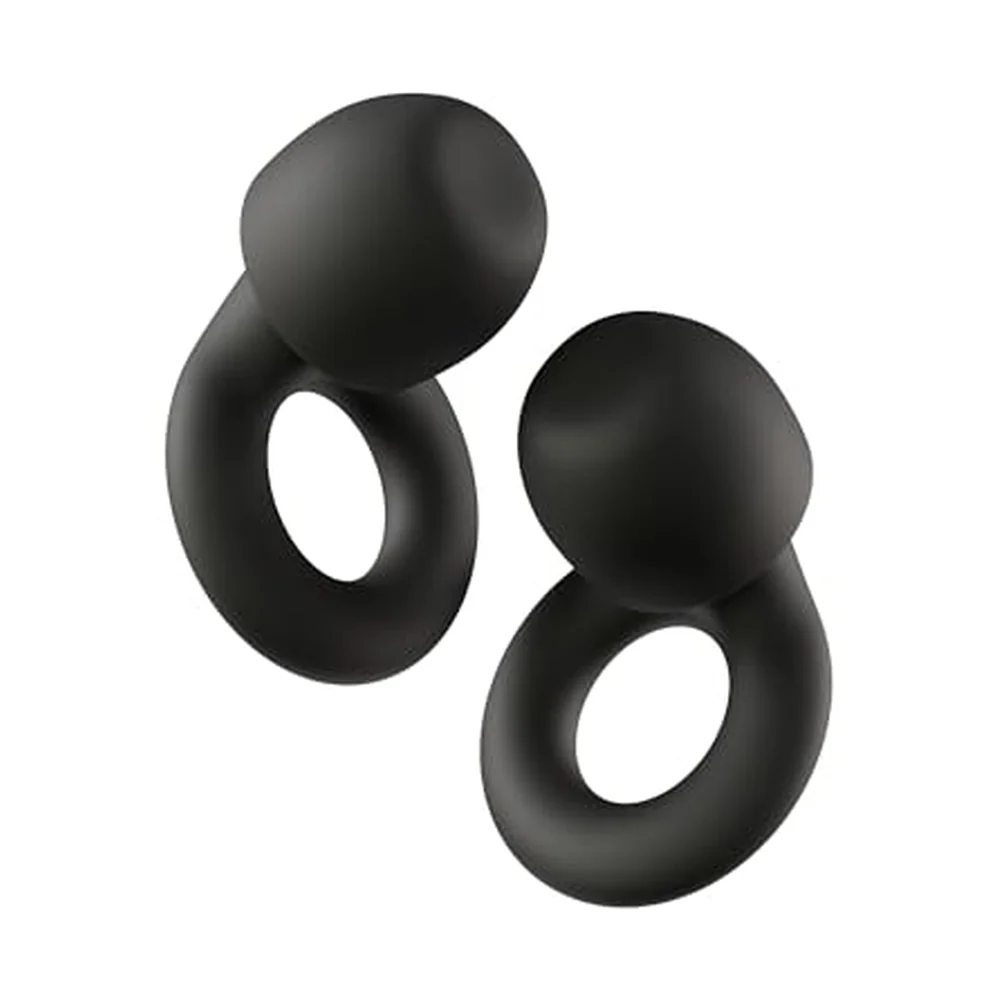
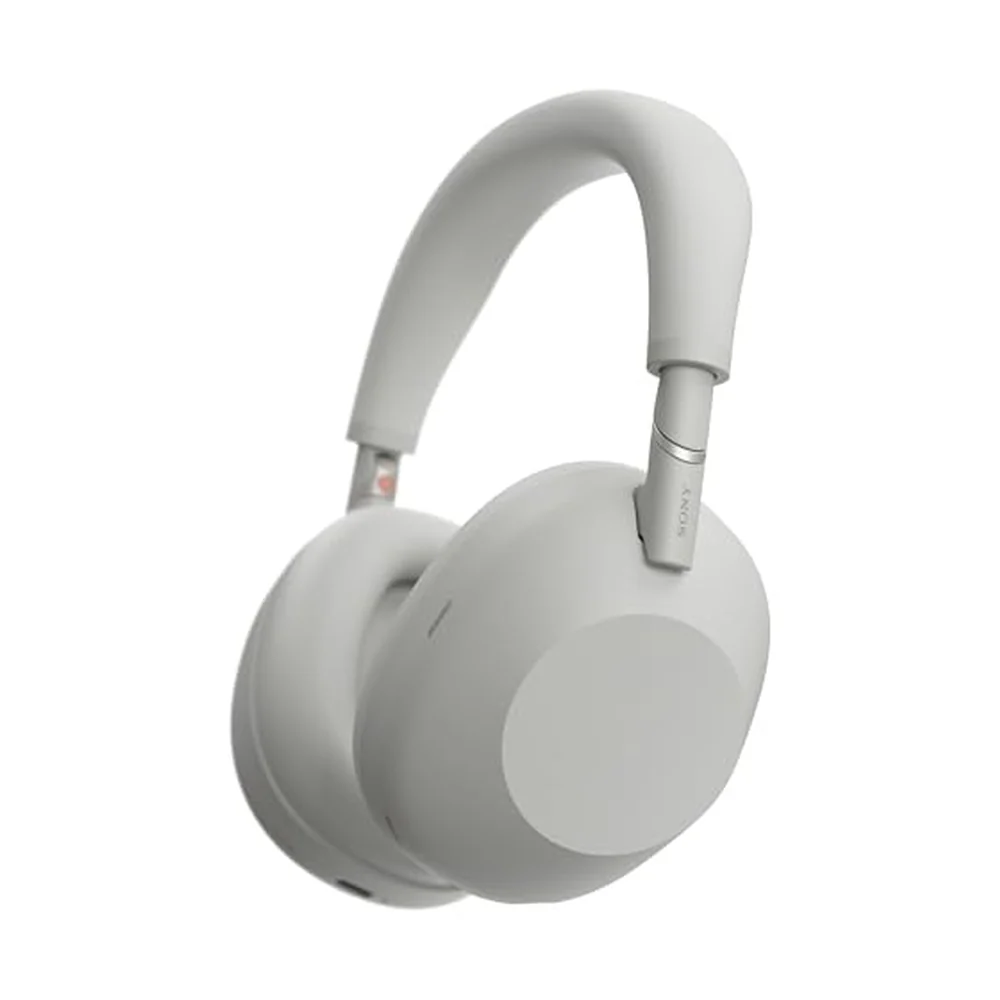
- Put on headphones (even without music) to signal "do not disturb"
- Clear your physical workspace of clutter and unrelated materials
- Set a timer for a specific work block (25 to 50 minutes)
These actions take three minutes but can make the difference between a wasted afternoon and two hours of deep work.
Could Your Focus Problem Be About Task Design, Not Your Brain?
Dr. Csikszentmihalyi's flow state research identified a critical variable: the relationship between challenge and skill. If a task is too easy, your brain disengages (boredom). If it is too hard, your brain panics (anxiety). Focus is most sustainable when the task is challenging enough to engage you but achievable enough that you can make progress.
If you consistently cannot focus on certain types of tasks, ask whether the task is properly calibrated:
- Too vague? "Work on the project" is unfocusable. "Write the introduction" is focusable. Use The Brain Deck's "Shrink the Ask" to break vague tasks into specific, concrete actions.
- Too large? A task that will take six hours creates no sense of progress. Break it into 30-minute chunks, each with a clear deliverable. Dr. Teresa Amabile's progress principle shows that visible progress on meaningful work is the strongest motivator.
- Too boring? Your brain craves novelty. If the task is genuinely tedious, pair it with something you enjoy (music, a pleasant environment) or gamify it (set a speed target, challenge a colleague).
- Too consequential? High-stakes tasks trigger performance anxiety that blocks focus. The Brain Deck's "Do It Badly" card deliberately lowers the stakes: give yourself permission to produce a terrible first draft. You can always improve it later.
How Can The Brain Deck Help You Reclaim Your Focus?
Hilly Shore Labs designed the deck with the understanding that focus problems have multiple root causes, and the right intervention depends on which cause is active. This is why the deck does not offer a one-size-fits-all solution. Instead, its cards address different focus blockers:
"Pick One Thing" solves the scattered-attention problem. When you cannot focus because you are trying to think about five things at once, picking one forces your brain to commit its resources to a single target.
"Ruthless Priorities" solves the everything-is-important problem. When you cannot focus because every task feels equally urgent, this card forces you to identify the one that truly moves the needle. For more on this, see decision fatigue.
"Two-Minute Start" solves the activation problem. Based on research from Dr. BJ Fogg at Stanford, committing to just two minutes of work bypasses the resistance that prevents engagement. Once you are engaged, focus often sustains itself.
Based on research from Dr. Carol Dweck at Stanford, your ability to focus is not a fixed trait. It is a capacity that can be developed through deliberate practice. Every time you successfully complete a focused work block — even a short one — you are strengthening the neural circuits for sustained attention. Start where you are, not where you think you should be. If five minutes of focus is your current maximum, start there and build.
For practical techniques to improve your focus immediately, see our guide on how to focus better, or explore how to start a task when overwhelmed if the focus problem is connected to a broader sense of paralysis.
Common mistake
What people on Reddit actually say
- r/ADHD⬆ strong consensus
r/ADHD threads repeatedly stress that 'can't focus' often maps to underlying anxiety, unmanaged sleep debt, or an uninteresting task — not a broken brain. Fixing the upstream cause works better than focus hacks.
- r/productivity🔥 loud consensus
r/productivity consensus: heavy short-video consumption is measurably wrecking people's attention spans. Users who cut TikTok and Reels cold report noticeable focus recovery within a couple of weeks.
- r/adhd_anxiety💬 commonly repeated
On r/adhd_anxiety, the recurring insight is that scattered attention and anxiety reinforce each other. Addressing the anxiety — through sleep, movement, or therapy — often improves focus more than any productivity tool.
Paraphrased consensus from public threads — no direct user quotes.
Pull a card · free sample
Attention slipping? Pull from the 'Overwhelmed' suit for a single move that fits exactly where you're stuck right now.
Pull a random card →
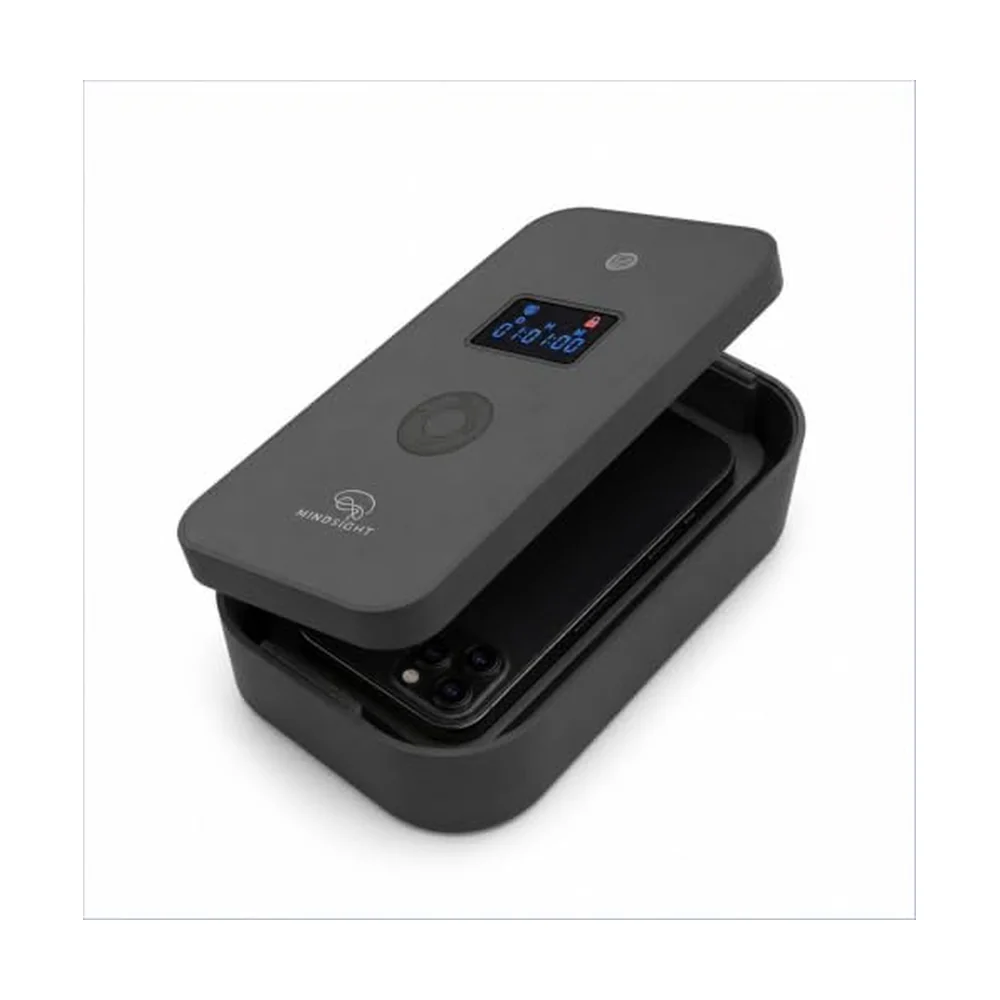
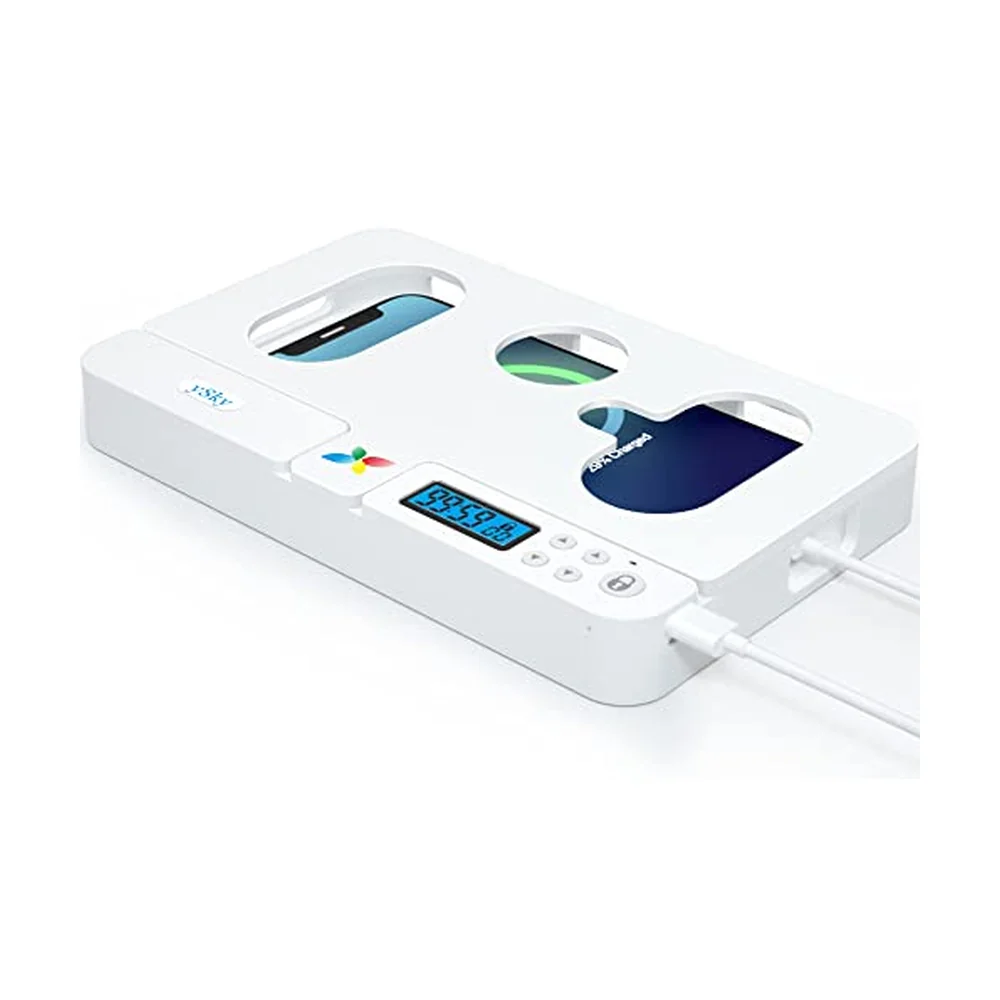
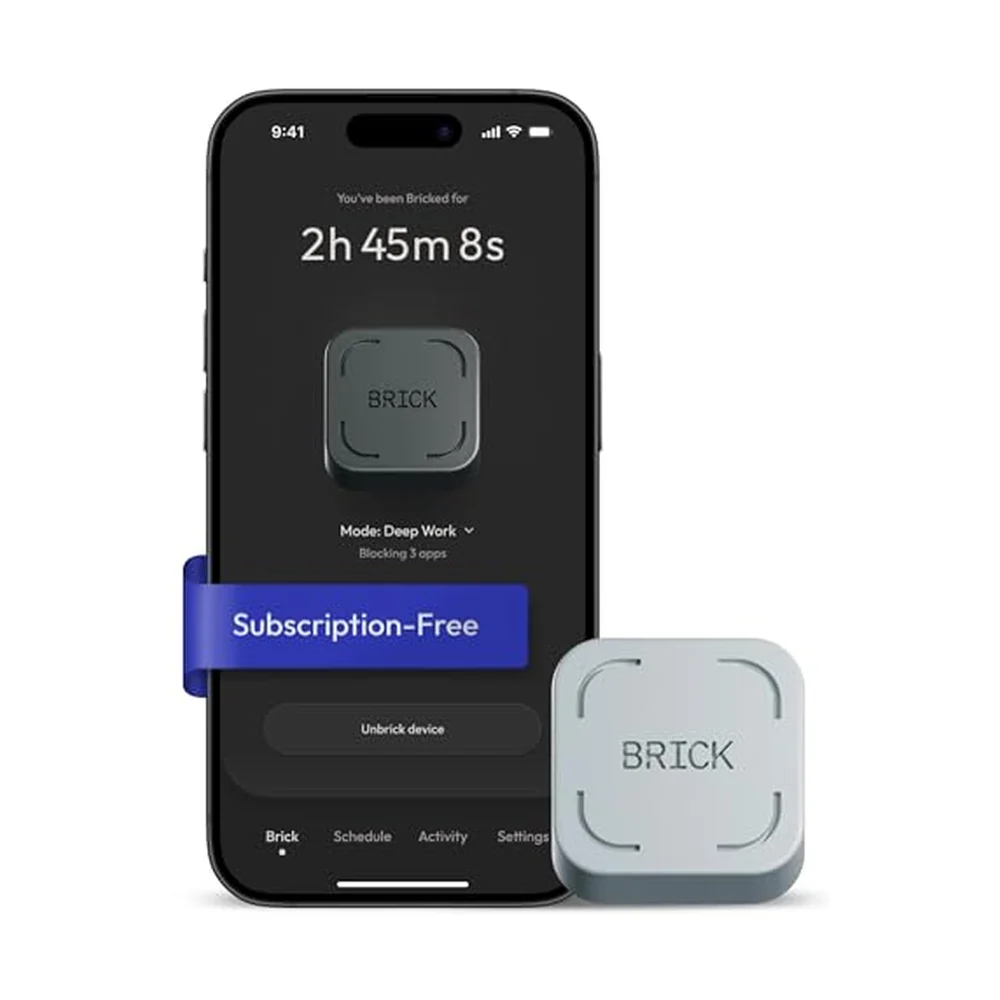
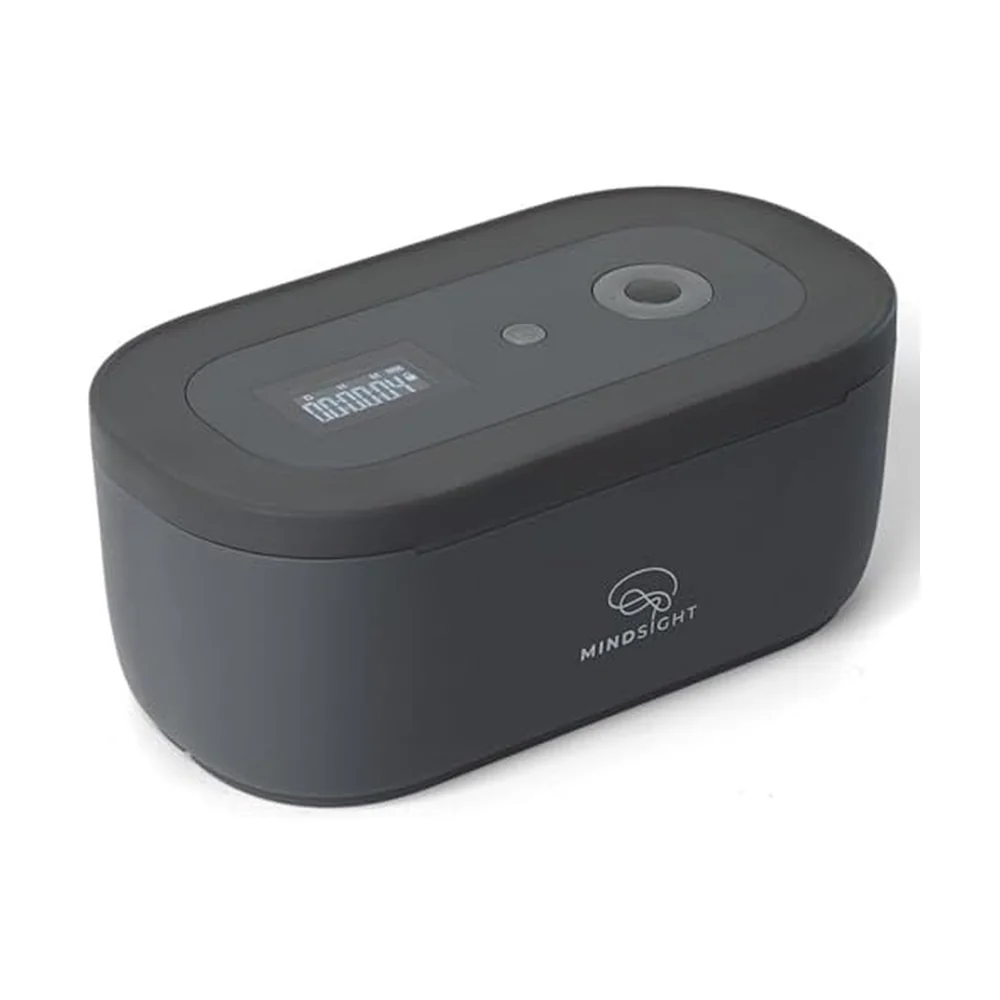
Tools that help with this



Ready to get unstuck?
The Brain Deck gives you 52 science-backed strategies in your pocket — a physical card deck you keep on your desk, no app required.
See the CardsLaunching soon · 54 cards · Premium matte finish