The Pomodoro Technique: 5-Step Guide (2026)
The Pomodoro Technique uses 25-minute focused intervals to fight distraction and build momentum. Learn how to implement it, adapt it, and combine it with other productivity strategies.
By The Brain Deck Editorial
Twenty-five minutes is long enough for real work, short enough to feel safe — the timer creates the urgency that motivation can't reliably summon.
Key Takeaways
- 25 minutes is just long enough to start — the timer gives you permission to be done, which paradoxically keeps you going.
- Breaks are the point, not the filler — the short pause resets attention before depletion hits.
- Adapt the intervals to the work — creative work often wants 50/10; admin work often wants 15/5.
- Protect the pomodoro like a meeting — interruptions reset the clock and erase the psychological benefit.
Try this in the next 60 seconds
- Pick one specific task (not a category)
- Phone in another room, all tabs closed
- Set a visible 25-minute timer
- When it rings, actually take the 5-minute break

minutes is the sustained-attention sweet spot
Sustained attention research
quality pomodoros most knowledge workers manage daily
Cirillo, field reports
clear goals + immediate feedback drive flow
Csikszentmihalyi
Try this first
The 5-step pomodoro
- 01
Pick one specific task
Not a category — a single concrete action.
- 02
Eliminate distractions
Phone elsewhere, irrelevant tabs closed.
- 03
Start the timer
Visible countdown, 25 minutes.
- 04
Take real breaks
Move, stretch, hydrate — no phone.
- 05
Track and adjust
Count daily; tweak interval to fit work.
The Pomodoro Technique, created by Francesco Cirillo in the late 1980s, is one of the most widely used focus methods in the world — and for good reason. It works by breaking your work into 25-minute intervals (called "pomodoros") separated by 5-minute breaks, with a longer 15–30 minute break after every four cycles. The method leverages two well-documented psychological principles: Parkinson's Law (work expands to fill the time available) and the Zeigarnik Effect (incomplete tasks occupy your mind more than completed ones).
The Brain Deck's "Two-Minute Start" card works alongside the Pomodoro Technique beautifully — when even 25 minutes feels like too much, you commit to just two minutes, and the timer provides structure once momentum kicks in.
How Does the Pomodoro Technique Actually Work?
The core protocol is simple. Choose one task. Set a timer for 25 minutes. Work on that task exclusively until the timer rings. Take a 5-minute break. Repeat. After four pomodoros, take a longer break of 15 to 30 minutes. That is it. The power is not in the complexity of the system — it is in the constraints it imposes.
During a pomodoro, you do nothing except the chosen task. No email. No messages. No "quick checks." If an unrelated thought or task pops into your head, write it down on a piece of paper and return to your work. This externalization technique aligns with Dr. Richard Atkinson's research on working memory — offloading intrusive thoughts frees cognitive resources for the task at hand. The Brain Deck's "Brain Dump" card uses the same principle.
Why Does 25 Minutes Work So Well?
Twenty-five minutes is long enough to make meaningful progress but short enough to feel approachable. Dr. Mihaly Csikszentmihalyi's research on flow states identified that clear goals and immediate feedback are prerequisites for deep focus. The pomodoro timer provides both: the goal is to work until it rings, and the feedback is the ticking countdown itself.
There is also a neurological basis. Research on sustained attention shows that most people can maintain focused concentration for 20 to 45 minutes before performance declines. The 25-minute pomodoro sits in the sweet spot of this window. The mandatory break prevents the cognitive depletion that Dr. Roy Baumeister's research on ego depletion has documented — you stop before you are drained, which means you can sustain output across many more hours than if you tried to push through without breaks.
If you often find your focus drifting even within short intervals, our guide on why you cannot focus explores the underlying causes and targeted solutions.
Step-by-Step: How to Start Your First Pomodoro Session
Step 1: Choose Your Task
Pick one specific task, not a category of work. "Write the introduction for the Q2 report" is a pomodoro task. "Work on the Q2 report" is too vague. Specificity eliminates the micro-decisions that drain focus. If you struggle to pick just one task, the brain dump technique helps you externalize everything first.
Step 2: Eliminate Distractions Before Starting
Close unnecessary tabs. Put your phone in another room. Tell colleagues you are unavailable for 25 minutes. This preparation takes two minutes but multiplies the effectiveness of every pomodoro. The Brain Deck's "Environment Reset" card formalizes this — your environment should make focus the default, not the exception.
Step 3: Start the Timer and Work
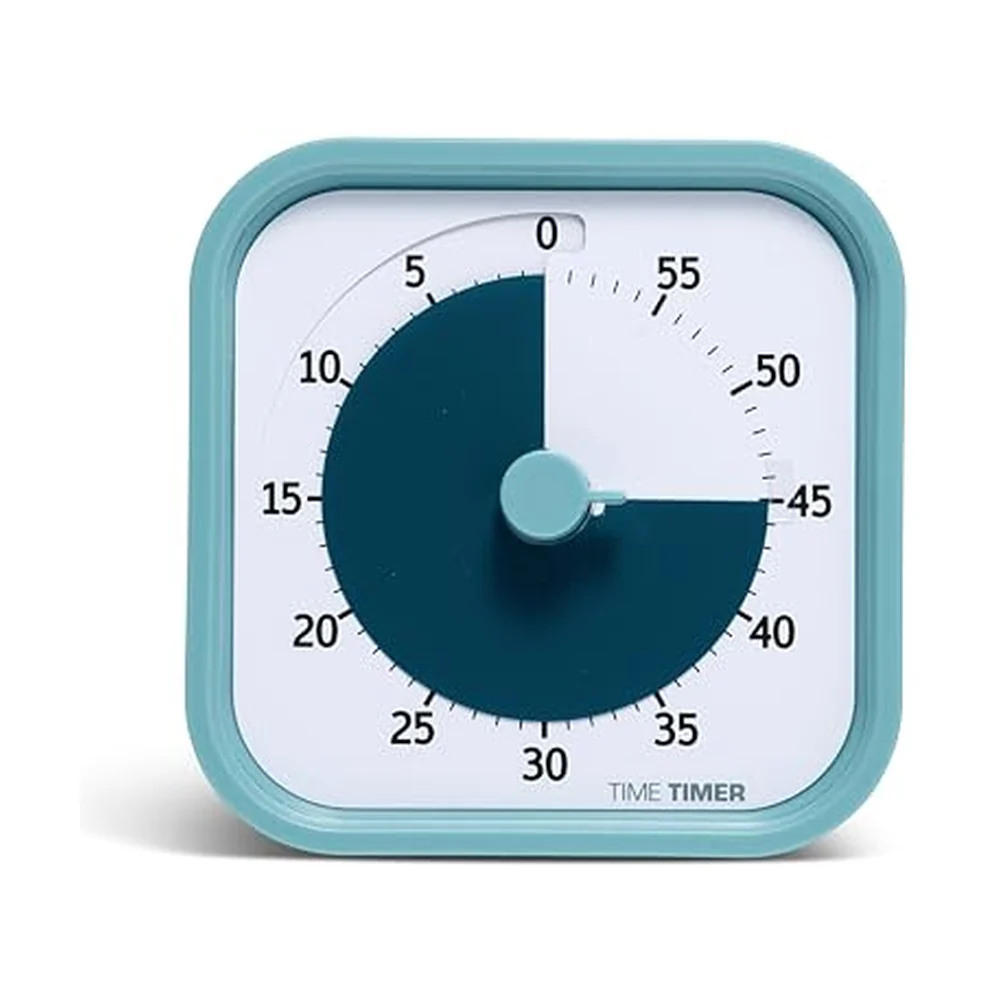
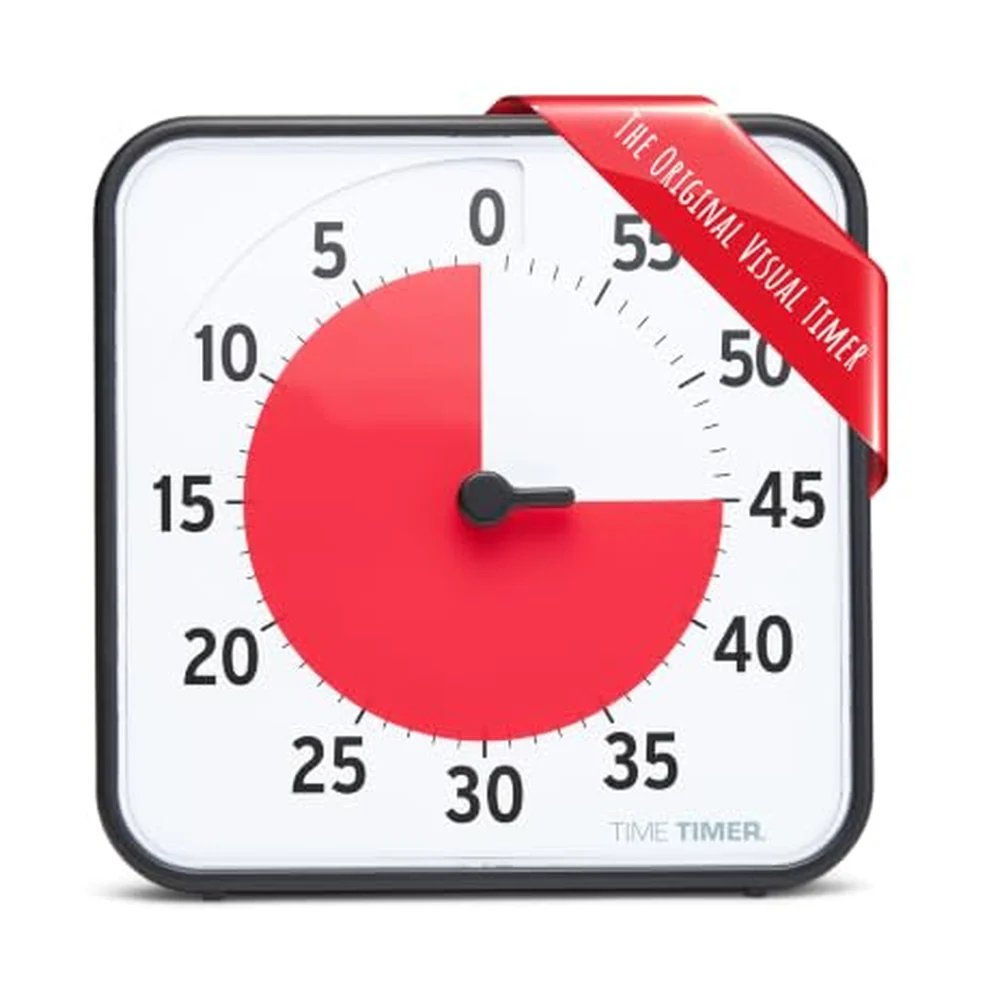
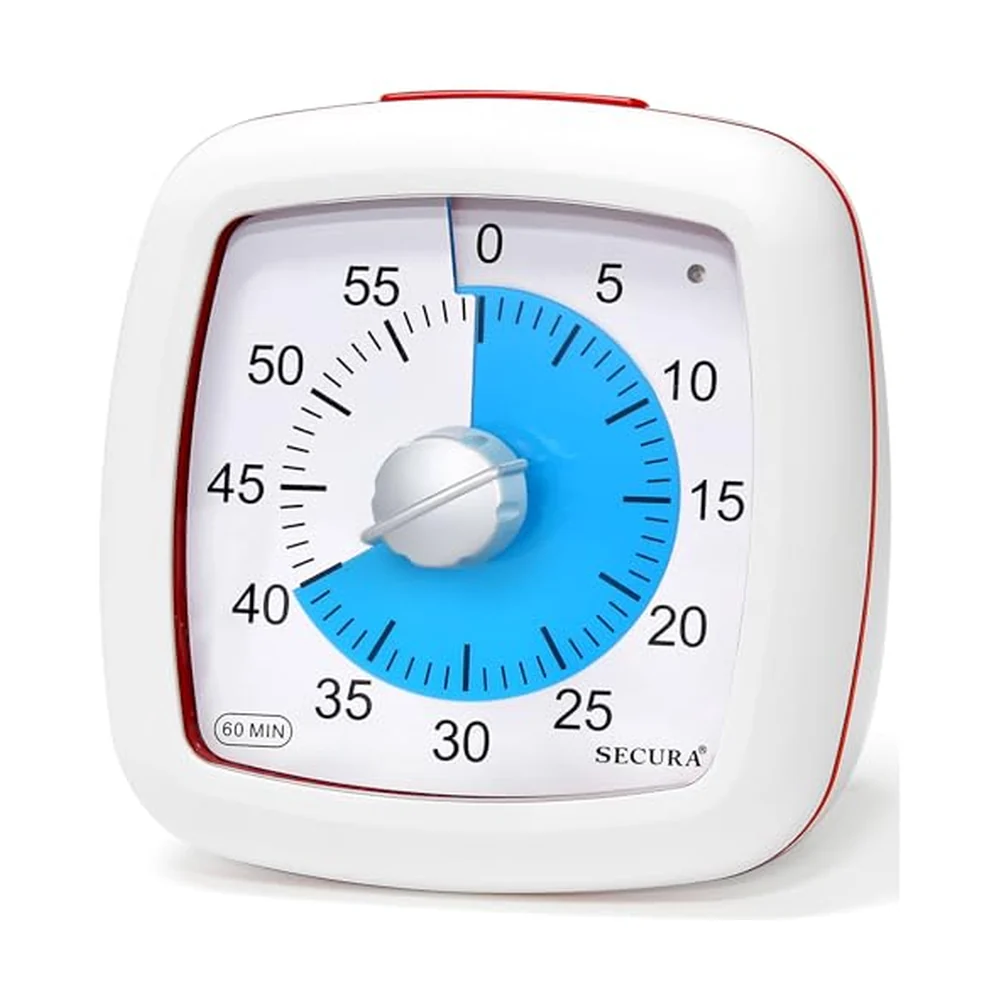
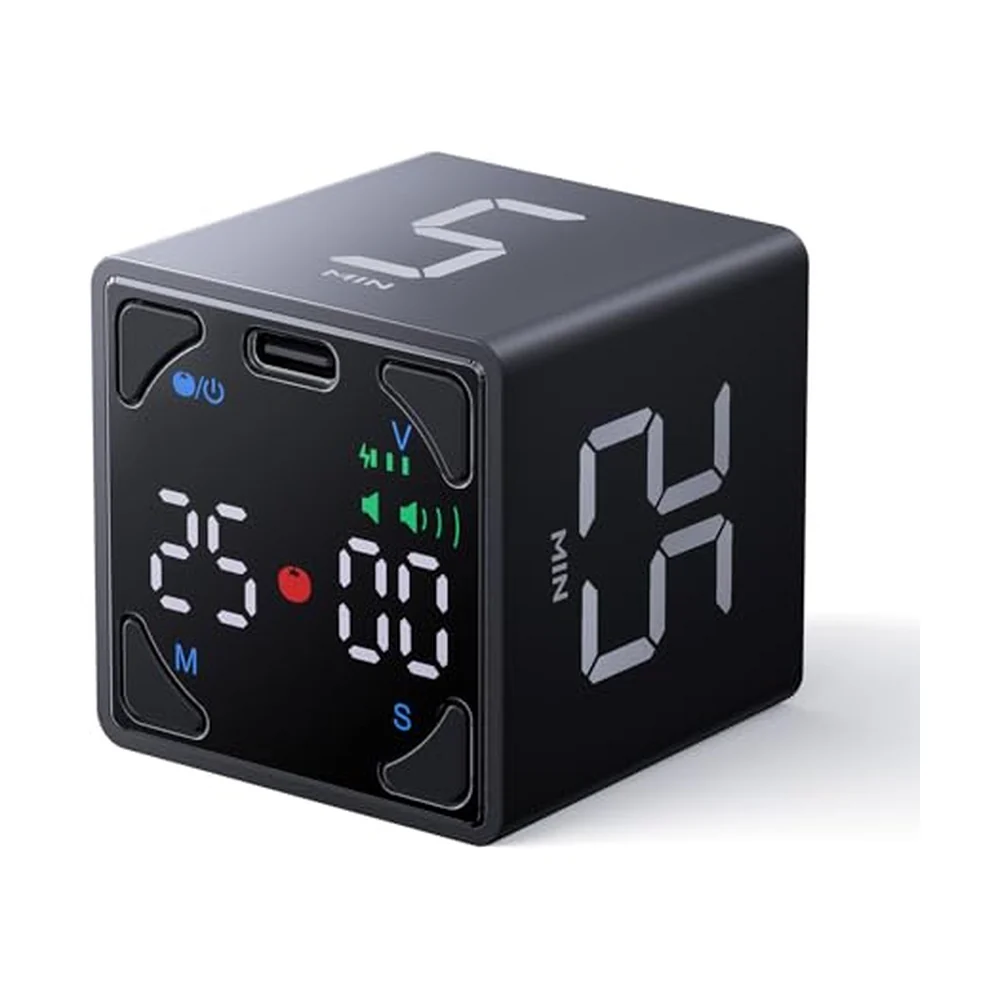
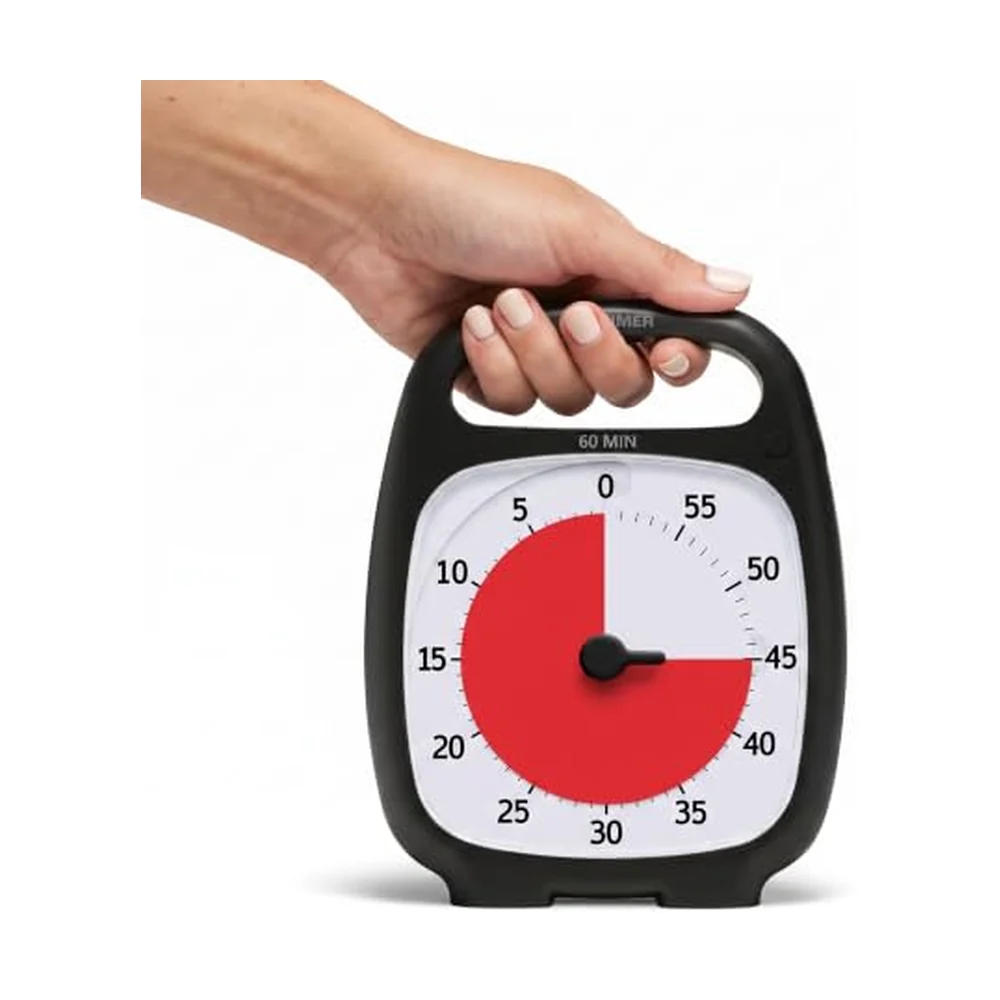
Use a physical timer, a browser extension, or a dedicated app. The key is visibility — you should be able to see the countdown. Work exclusively on your chosen task. When interruptions arise (and they will), write them on your "interruption sheet" and return immediately.
Step 4: Take Your Break Seriously
When the timer rings, stop. Stand up. Move your body. Do not check email or social media during your break — these are cognitively demanding activities disguised as rest. Walk, stretch, look out a window, or get water. The break is not optional; it is what makes the next pomodoro effective.
Step 5: Track and Adjust
At the end of each day, count your pomodoros. Most knowledge workers manage between 8 and 12 quality pomodoros per day. If you are consistently getting fewer, examine what is interrupting you. If you are getting more, verify you are actually taking breaks.
When Should You Modify the Standard 25/5 Timing?
The 25-minute standard is a starting point, not a law. Programmers and writers often find that 50-minute pomodoros with 10-minute breaks work better for tasks requiring deep immersion. Conversely, if you are struggling with a task you have been avoiding, shorter 15-minute pomodoros lower the emotional barrier to starting.
The Brain Deck's approach to time-based strategies is flexible by design. The time boxing method complements the Pomodoro Technique by encouraging you to match the time constraint to the task, not the other way around. Some tasks need 25 minutes. Others need 10. The timer is the tool — the duration should serve you.
Common Pomodoro Mistakes and How to Avoid Them
Checking your phone during breaks. Scrolling social media during a 5-minute break is not rest — it is a different kind of cognitive load. Your brain needs actual downtime to consolidate what you just worked on. If doom scrolling is a challenge for you, our strategies for breaking the scrolling habit can help.
Abandoning the system after one interrupted session. Your first few pomodoros will be messy. You will get interrupted. You will break the rules. That is expected. Dr. Carol Dweck's research on growth mindset applies here — treat each pomodoro as practice, not a test.
Using pomodoros for everything. Meetings, casual conversations, and creative brainstorming often benefit from open-ended time. Reserve pomodoros for tasks where focus and output matter.
The Pomodoro Technique is not a productivity philosophy — it is a focus tool. Use it when you need structure, put it away when you do not. The Brain Deck pairs well with it because both are designed to be pulled out in the moment you need them, not maintained as a permanent system. Coming soon at thebraindeck.com.
Common mistake
What people on Reddit actually say
- r/productivity⬆ strong consensus
r/productivity regulars rate the Pomodoro as one of the most durable techniques — especially for starting hard work. The timer externalizes the commitment.
- r/studytips🔥 loud consensus
r/studytips consensus: Pomodoro works best when you actually take the break. Studying through the break is the most common reason the technique fails.
- r/ADHD⚡ divisive
r/ADHD threads describe mixed results with classic Pomodoro — many ADHD users find 25 minutes too long. Shorter bursts (10–15 min) or longer flows (45–90 min) tend to work better.
Paraphrased consensus from public threads — no direct user quotes.
Pull a card · free sample
Need a pre-pomodoro nudge? Pull from the 'I Can't Start' suit for the move that gets you to 'timer on.'
Pull a random card →
Tools that help with this





Ready to get unstuck?
The Brain Deck gives you 52 science-backed strategies in your pocket — a physical card deck you keep on your desk, no app required.
See the CardsLaunching soon · 54 cards · Premium matte finish