Time Boxing: 5 Steps to Reclaim Your Day (2026)
Time boxing gives every task a fixed deadline, harnessing Parkinson's Law to help you work faster, avoid perfectionism, and reclaim your schedule.
By The Brain Deck Editorial
Give every task a hard time limit — work expands to fill any space, but a 30-minute box forces a real decision when the clock ends.
Key Takeaways
- Every task expands to fit the time given — Parkinson's Law works against you without a hard boundary.
- Deadlines force decisions — when the clock ends, 'good enough' finally stops losing to 'perfect.'
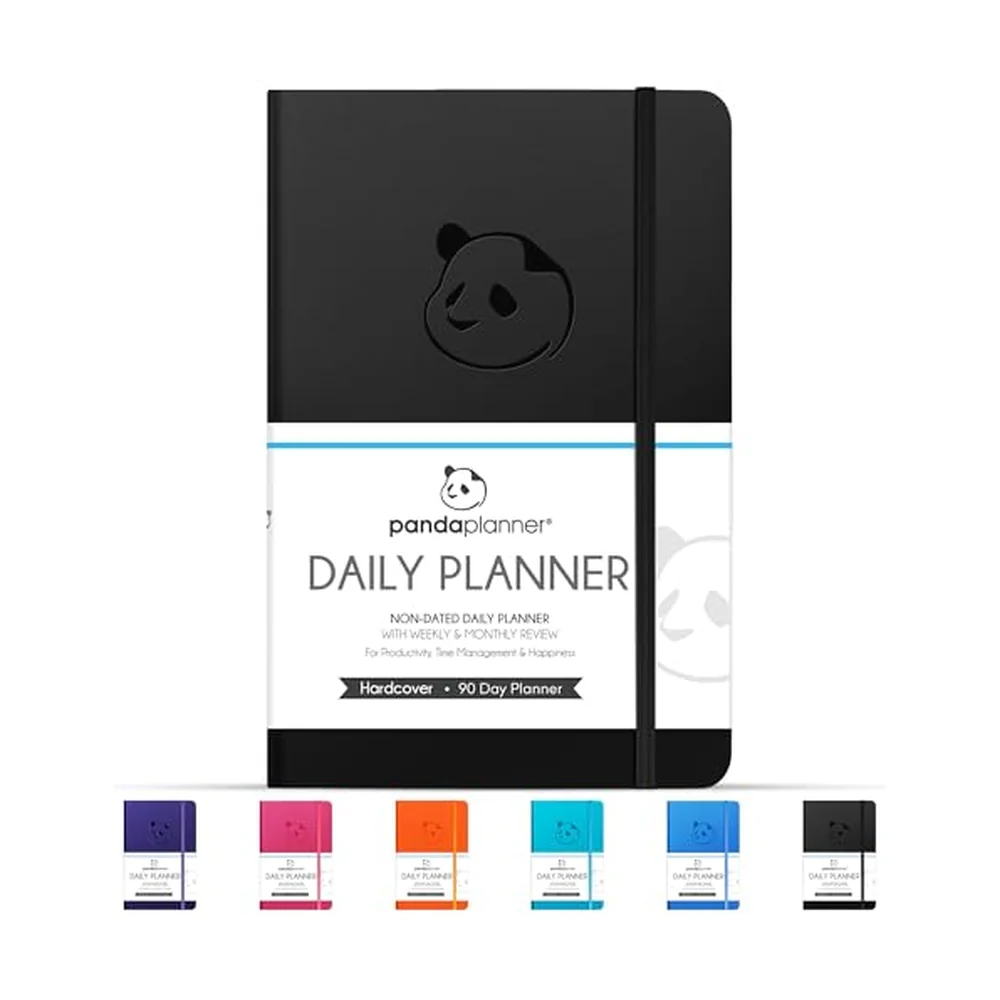
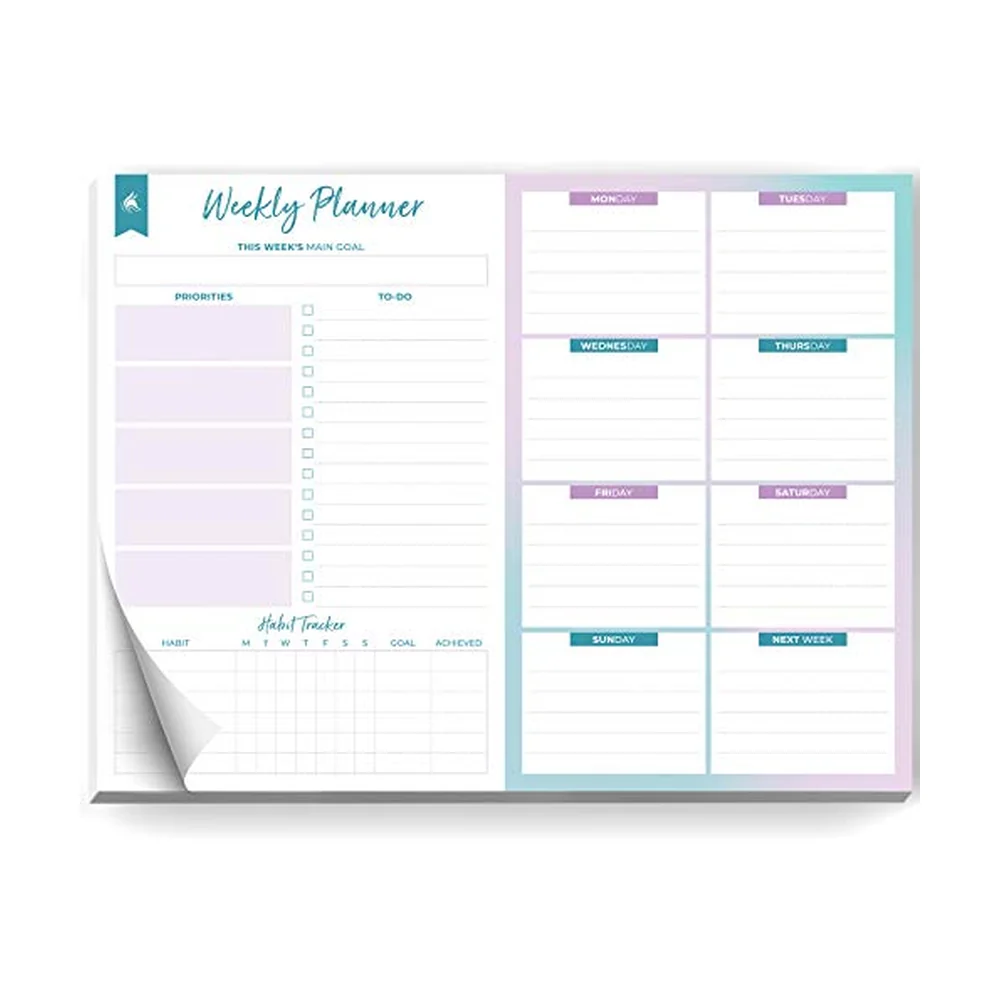
- Time-box in your calendar, not a list — items without time slots rarely get done.
- Leave buffer between boxes — back-to-back blocks without transition time collapse into chaos by noon.
Try this in the next 60 seconds
- Pick one task that always seems to expand
- Assign it 30 minutes (not 60)
- Set a visible timer and start
- Stop when it rings, even mid-sentence

work fills time available (Parkinson's Law)
Parkinson, 1955
minutes is the productive time-box range
Cirillo, Newport
clear constraints + immediate feedback drive flow
Csikszentmihalyi
Try this first
The 5-step time-box
- 01
Choose the task
Best for tasks that bloat: writing, email, design.
- 02
Estimate tight
20% less than gut; use past data to refine.
- 03
Visible timer
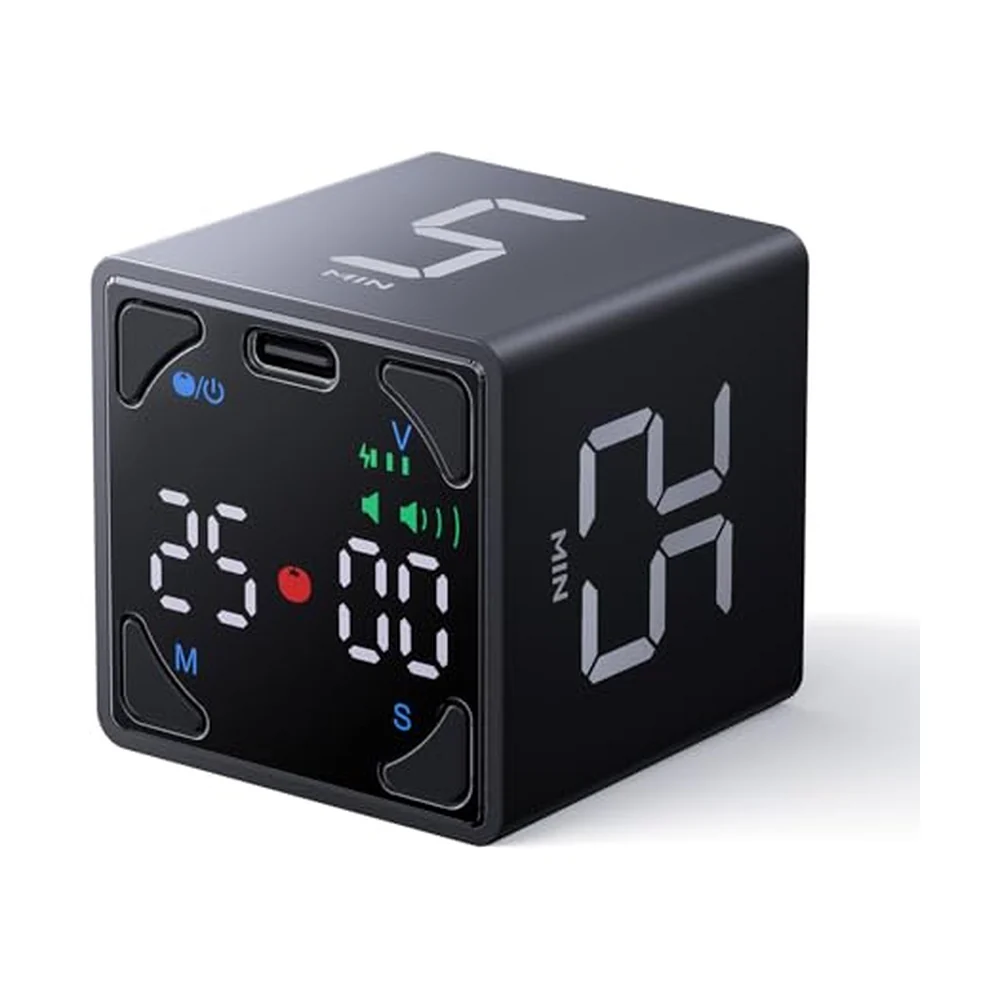
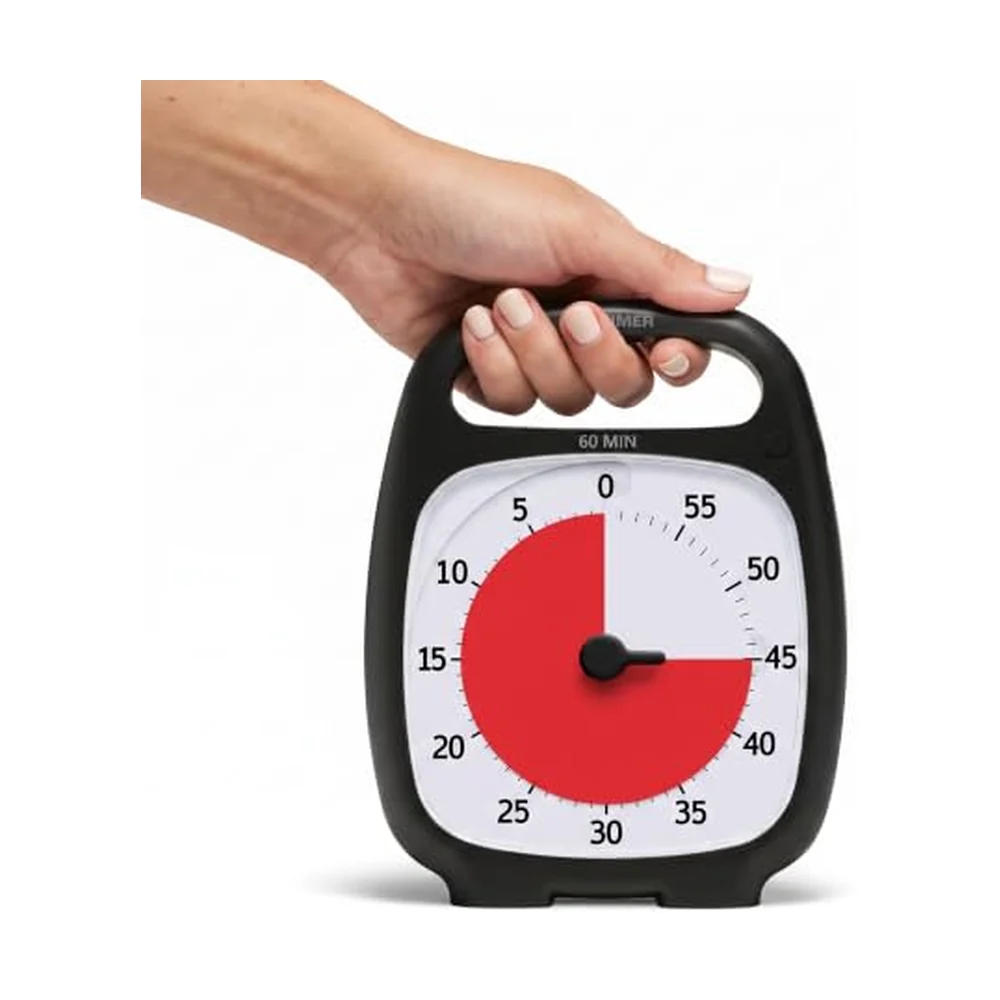
Phone, browser extension, or kitchen timer.
- 04
Full focus
No email, no quick checks, no exceptions.
- 05
Stop when it rings
Ship, defer, or allocate another box — don't drift.
Time boxing means giving a task a fixed amount of time — say, 30 minutes — then stopping when the timer goes off, whether you are finished or not. It is the single most effective method for tasks that expand, bleed into each other, and leave you wondering where the day went. Based on research from Dr. Piers Steel on temporal discounting, self-imposed deadlines activate the same urgency response as external ones, and that urgency is what transforms a wandering afternoon into focused output.
If you have ever spent three hours on something that should have taken forty-five minutes, time boxing is the fix. The Brain Deck's approach builds on this with the Two-Minute Start and Shrink the Ask cards — both designed to use time constraints to lower emotional resistance.
What Exactly Is Time Boxing and How Is It Different From Time Blocking?
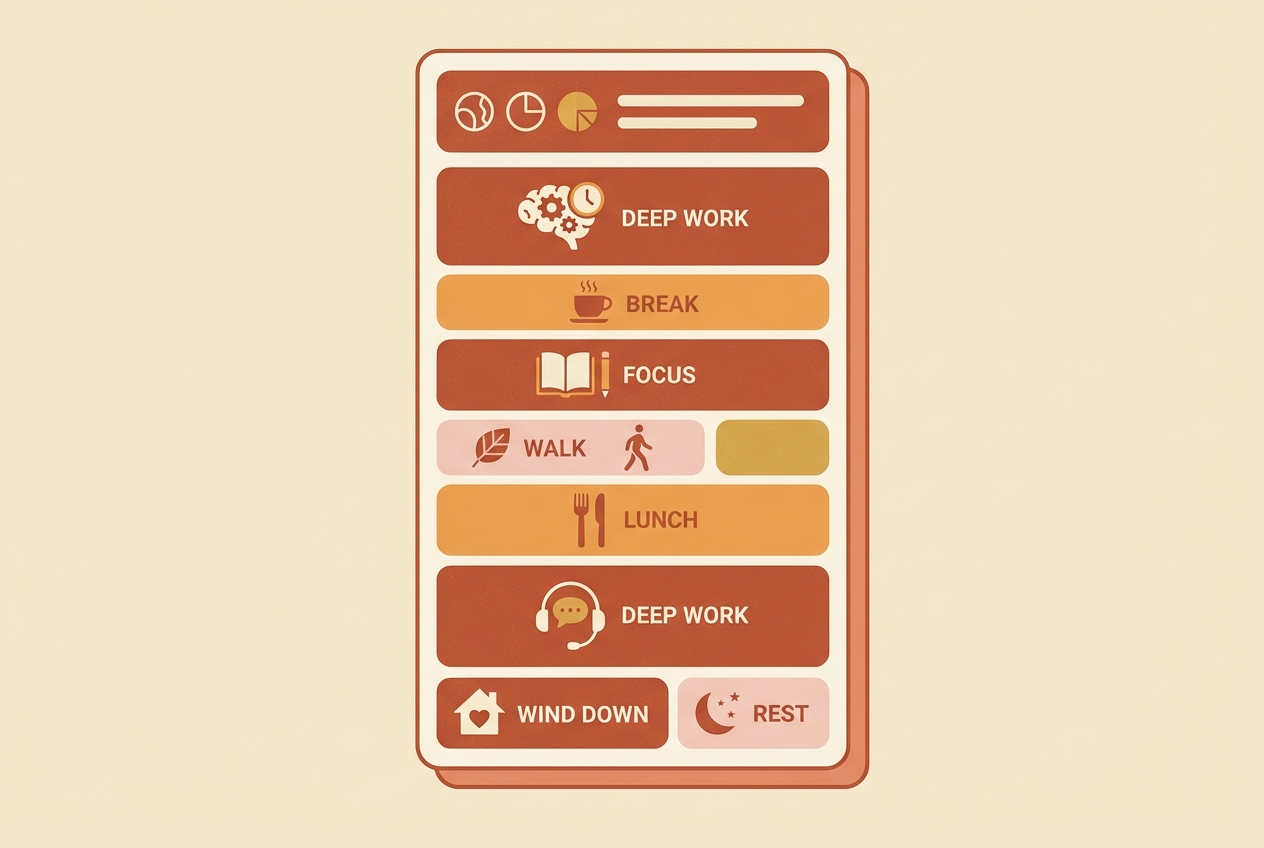
Time boxing means allocating a specific, predetermined amount of time to a task and treating that allocation as non-negotiable. You decide in advance: "I will spend 25 minutes drafting this proposal." When the 25 minutes end, you stop and assess.
People often confuse time boxing with time blocking, but they solve different problems. Time blocking is about scheduling — reserving chunks of your calendar for categories of work (deep work from 9 to 11, meetings from 1 to 3). Time boxing is about constraining — giving a single task a fixed duration and forcing yourself to deliver within it. You can use both together: block your morning for deep work, then time box each task within that block.
Why Does a Simple Timer Change Everything?
In 1955, historian Cyril Northcote Parkinson observed that "work expands so as to fill the time available for its completion." That line started as satire, and the modern evidence is subtler than the slogan — see is Parkinson's Law real for what the research actually shows. This is not laziness — it is how the brain operates. Dr. Mihaly Csikszentmihalyi's research on flow states shows that clear constraints and immediate feedback are two of the essential conditions for deep focus. A time box provides both: the constraint is the deadline, and the feedback is the ticking clock.
Dr. Roy Baumeister's research on decision fatigue adds another layer. Without a time box, you constantly ask yourself "Should I keep working on this? Is this good enough? Should I switch tasks?" Each micro-decision drains cognitive resources. A time box eliminates those decisions — the timer decides for you. That mental relief compounds throughout the day, leaving you with more energy for the work itself. If you struggle with this kind of cognitive drain, our guide on decision fatigue explains the mechanism in depth.
How Do You Implement Time Boxing Step by Step?
Step 1: Choose Your Task
Time boxing works best with tasks that tend to expand: writing, research, planning, email, design work, decision-making. It is less useful for tasks with fixed durations, like attending a meeting.
Step 2: Estimate the Time Box
Three rules of thumb based on Dr. Piers Steel's procrastination equation research (which shows that task aversiveness decreases as the deadline gets closer):
- Start smaller than you think. Your first instinct is usually too generous. If you think a task needs an hour, try 40 minutes.
- Use past data. How long did the useful part of a similar task actually take? Strip out the drifting time.
- Match the stakes. An internal status update does not need the same investment as a client proposal.
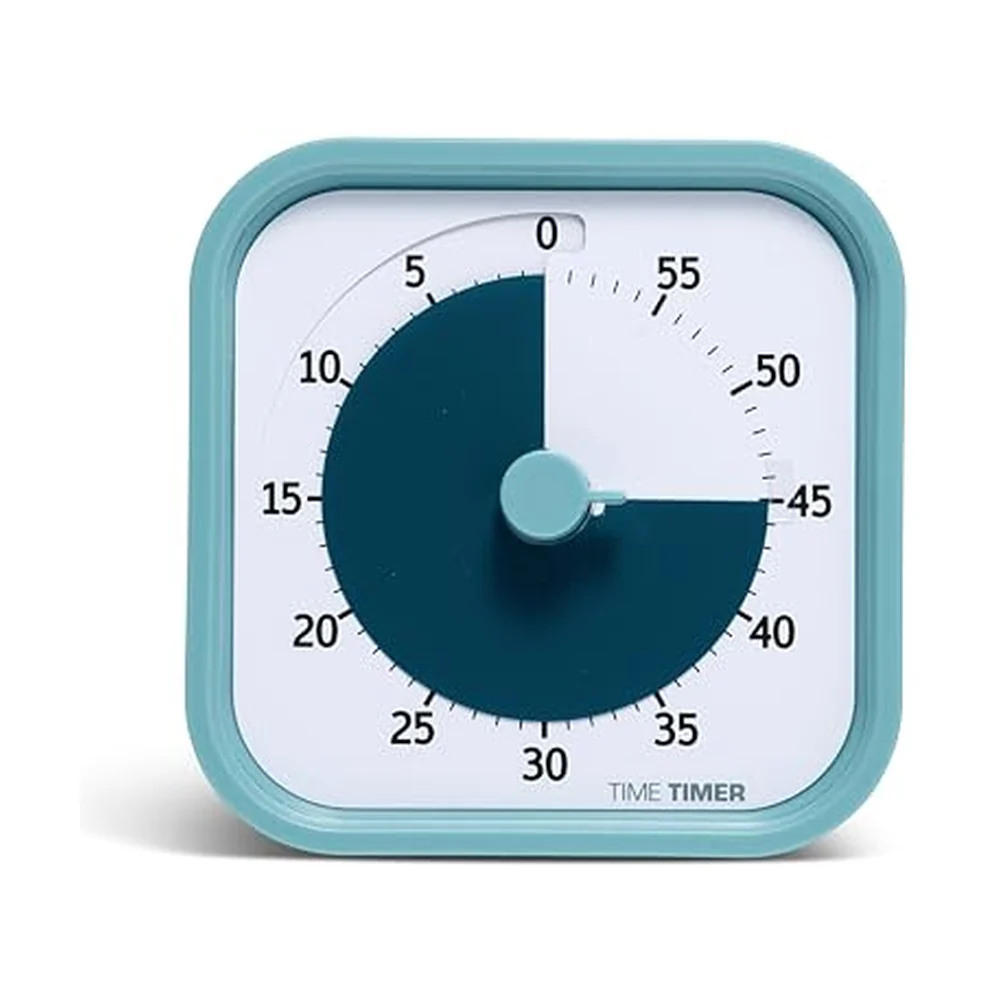
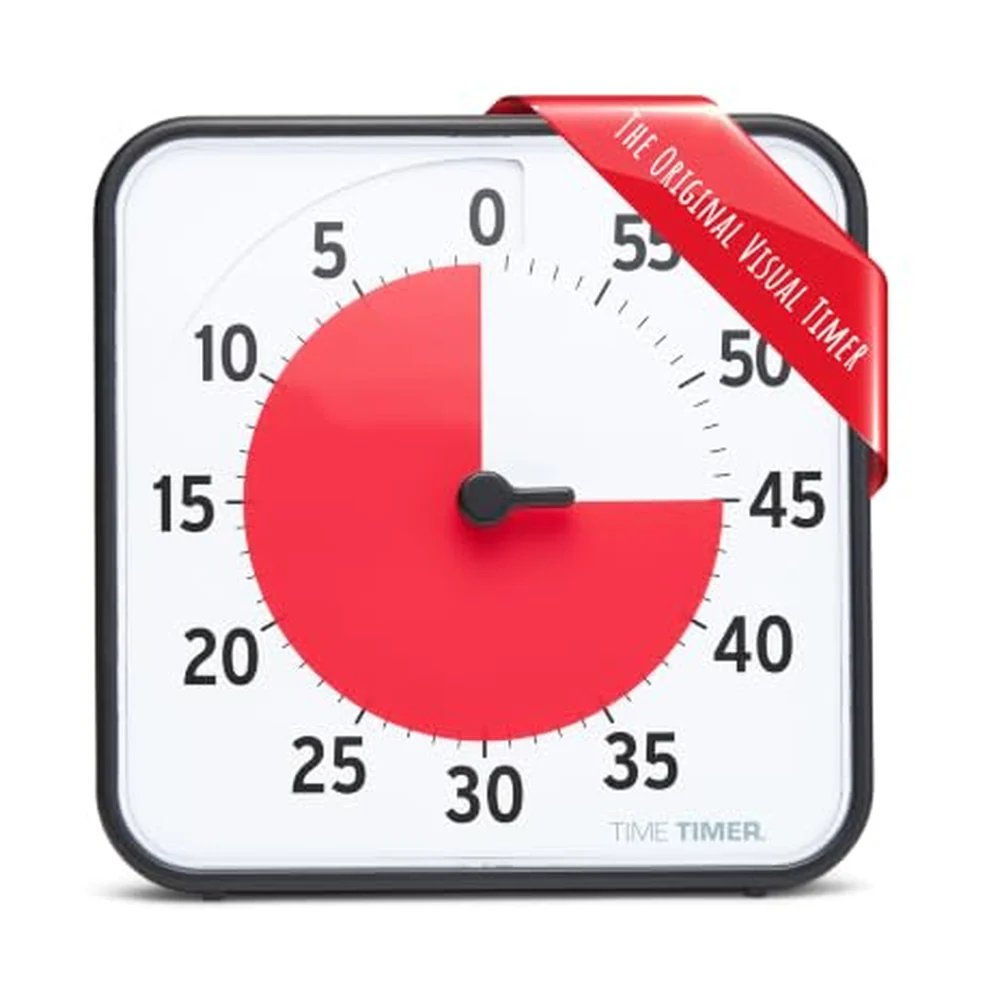
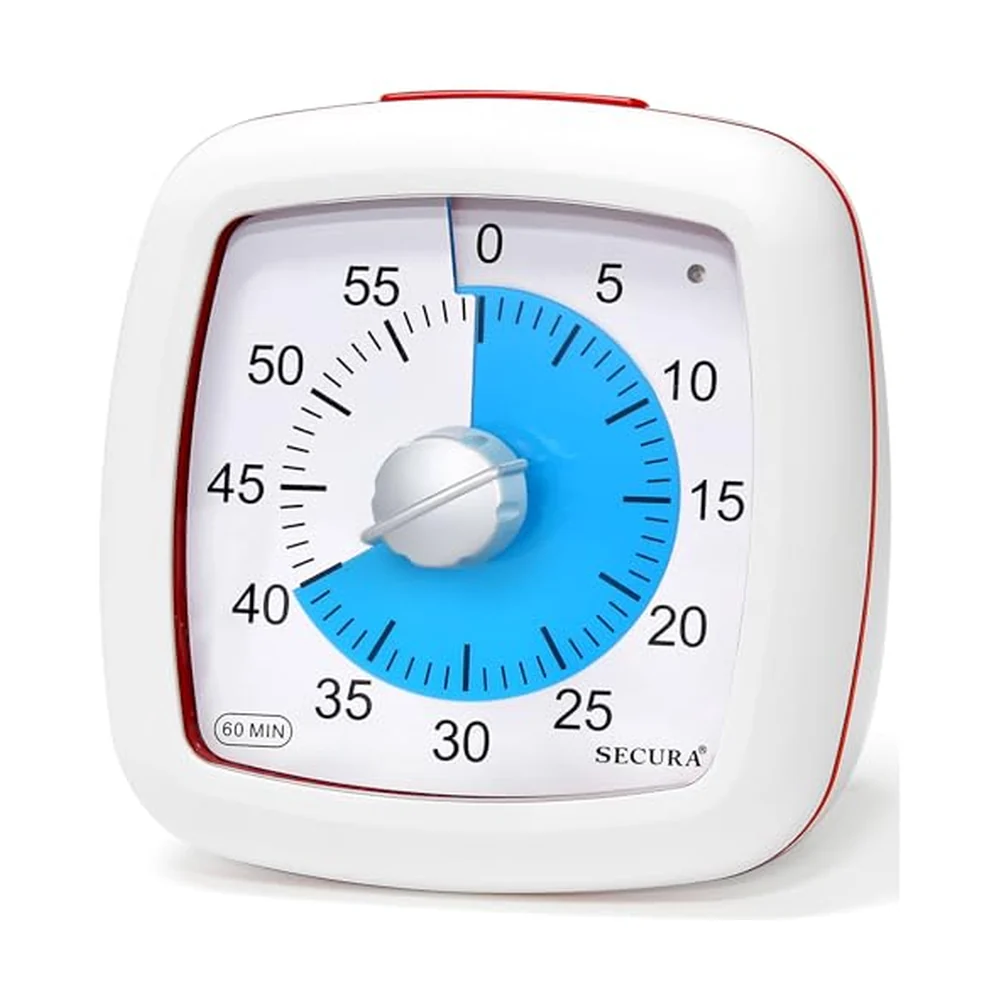
Step 3: Set a Visible Timer
A visible countdown is non-negotiable. Use your phone, a browser extension, or a physical timer. Dr. BJ Fogg's research at Stanford on behavior design emphasizes that environmental cues drive behavior more reliably than intention alone — the ticking timer is your environmental cue.
Step 4: Work With Full Focus
During the box, do nothing else. No email, no messages, no "quick checks." The time box is a contract with yourself. If you struggle with maintaining focus during these intervals, our guide on proven focus techniques complements time boxing well.
Step 5: Stop When the Timer Goes Off
This is the hardest and most important part. When the box ends, stop. Assess where you are. Three options:
- Allocate another box. Consciously decide to spend another defined chunk of time.
- Ship it as-is. The Brain Deck's Do It Badly card reminds you that "good enough" delivered beats "perfect" delayed.
- Defer it. Put it on tomorrow's list with a fresh time box.
What you must not do is let the task silently overflow. That breaks the system.
What Are the Most Common Time Boxing Mistakes?
Setting boxes that are too long. A 3-hour time box is just "working on something for the morning." Keep boxes between 15 and 90 minutes. Shorter boxes create more urgency.
Ignoring the stop signal. If you routinely blow past timers, you train your brain that the boxes do not matter. Dr. Carol Dweck's research at Stanford on mindset shows that consistency with commitments — even small ones — builds the self-efficacy that drives future follow-through. Respect the boundary.
Boxing everything. Creative brainstorming, relationship conversations, and genuine rest should often be left open-ended. Use time boxing for tasks that bloat, not for everything.
Never adjusting estimates. If you consistently finish early, your boxes are too generous. If you never finish, they are too tight. The Brain Deck's Progress Tracker technique is useful here: track your accuracy for a week and recalibrate.
What Should You Do When You Run Out of Time?
Running out of time is not failure — it is information. It tells you one of three things: you underestimated the task, you got distracted, or the task is more complex than you assumed. Dr. Angela Duckworth's research at the University of Pennsylvania on grit shows that persistence matters most when combined with good feedback loops. The time box is your feedback loop.
If the task is complex, break it into sub-tasks with their own boxes. This is where the Brain Deck's Tiny Next Step card shines — break things down until each piece feels manageable and give each piece its own constraint.
How Does Time Boxing Combine With Other Methods?
The Pomodoro Technique is essentially time boxing with a specific cadence (25 minutes on, 5 minutes off). If that rhythm works for you, use it. If 25 minutes is too short for deep work, extend the interval.
The Brain Deck's Shrink the Ask strategy aligns closely with time boxing. When a task feels overwhelming, giving it a small time box — say, 15 minutes — lowers the emotional barrier to starting. You are not committing to finishing. You are committing to 15 minutes of effort. That reframe makes initiation dramatically easier, which is why it also pairs well with our guide on how to stop overthinking.
Time boxing will not fix everything. But for the specific problem of tasks that expand and days that disappear — it is the most effective tool available. Tomorrow, pick one task that typically takes longer than it should. Give it a time box that feels slightly too short. Set a timer. Work. Stop when it rings. The timer is already on your phone.
| Dimension | Time Blocking | Time Boxing |
|---|---|---|
| Solves for | Scheduling categories of work | Containing tasks that bloat |
| Unit | Calendar block (hours) | Task deadline (15–90 min) |
| Best for | Protecting deep work mornings | Forcing decisions on individual tasks |
| Combine? | Yes — box within a block | Yes — layer on top |
Common mistake
What people on Reddit actually say
- r/productivity⬆ strong consensus
r/productivity threads consistently rate time boxing above to-do lists for getting the hard stuff done. The difference is committing to when, not just what.
- r/entrepreneur💬 commonly repeated
r/entrepreneur regulars describe aggressive time boxes (30–45 minutes) as a forcing function for shipping. Longer boxes invite polishing; shorter ones force real progress.
- r/getdisciplined🔥 loud consensus
r/getdisciplined consensus: calendar blocks that go unprotected erode fast. Treating the box like a meeting with yourself — and declining conflicts — is what makes it actually work.
Paraphrased consensus from public threads — no direct user quotes.
Pull a card · free sample
Day evaporating? Pull from the 'Lost Time' suit for one move that puts a hard edge on the next hour.
Pull a random card →
Tools that help with this

Ready to get unstuck?
The Brain Deck gives you 52 science-backed strategies in your pocket — a physical card deck you keep on your desk, no app required.
See the CardsLaunching soon · 54 cards · Premium matte finish