Does Willpower Actually Run Out? The Science
You hit a wall mid-afternoon and tell yourself your willpower is spent. The idea that self-control is a fuel tank that drains was psychology's most famous finding — until thousands of people tried to replicate it and couldn't. Here's where the science honestly stands.
By The Brain Deck Editorial
Probably not the way you were told: the famous ego-depletion effect failed pre-registered replication across 23 labs, then 36. It shows up mainly in people who believe willpower is limited, so engineer the choice instead.
Key Takeaways
- The 'willpower is a tank' idea failed at scale — the famous 1998 effect was large, but pre-registered replications across 23 labs (2,141 people) and 36 labs (3,531 people) found essentially nothing.
- The sugar-as-fuel claim collapsed too — merely tasting a calorie-free sweetener restored performance, pointing to a psychological signal, not the brain burning glucose.
- Believing willpower runs out makes you quit — the depletion effect shows up mainly in people who think self-control is limited. The belief is partly self-fulfilling.
- Engineer the choice, don't ration effort — the lesson that held up is to remove the temptation and shrink the first step, so you don't need a full tank you may never have had.
It is the most intuitive story in productivity: willpower is a tank. You wake up full, every act of self-control siphons a little out, and by mid-afternoon you are running on fumes. The donut wins because the tank is empty. "I'm out of willpower" feels obviously true.
That story has a name — ego depletion — and for two decades it was one of the most cited ideas in psychology. It is also the idea that got humbled hardest when researchers tried to reproduce it at scale. The honest answer to "does willpower run out?" is not the confident yes you have been sold.
The cookie-and-radish study that started it
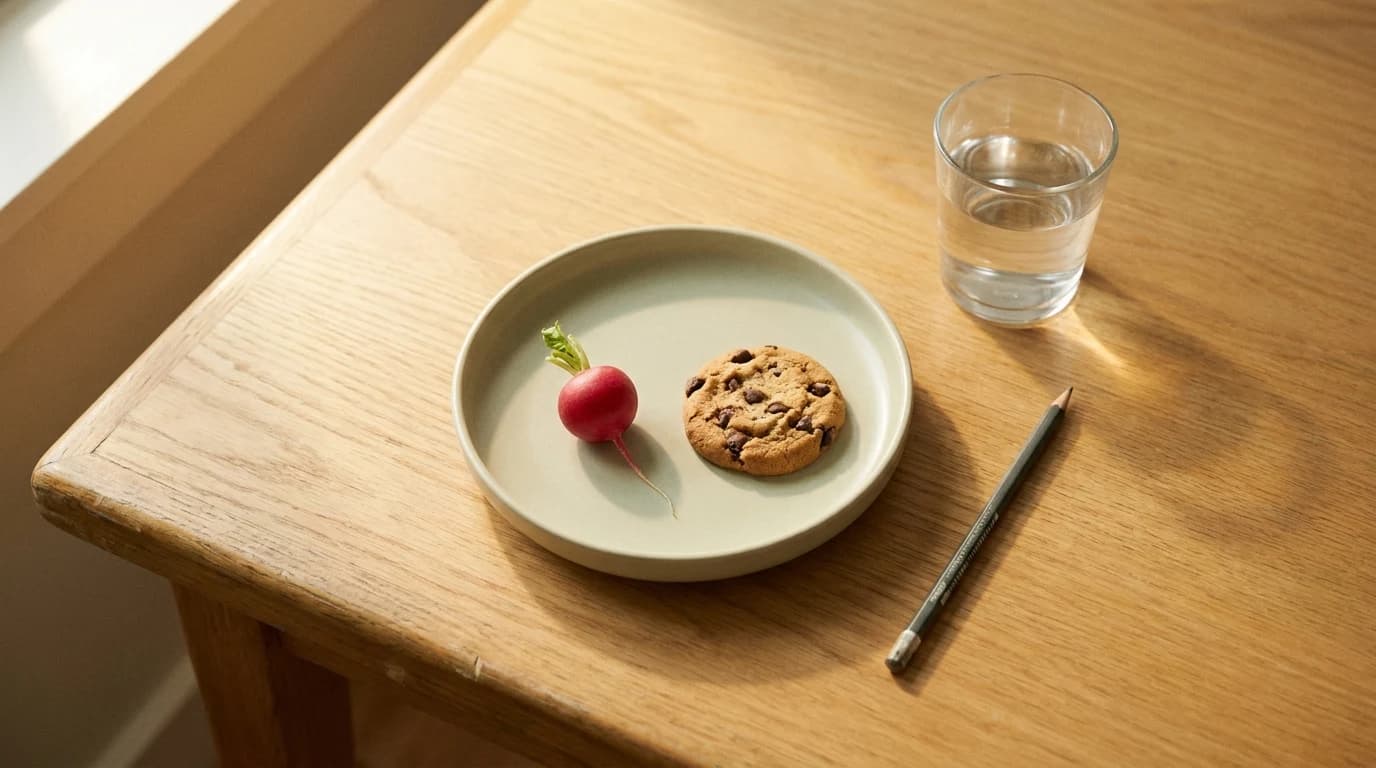
In 1998, Roy Baumeister and colleagues ran the experiment everyone now quotes. Hungry participants sat in a room with fresh cookies and a bowl of radishes. One group could eat the cookies; the other had to resist them and eat radishes instead. Then everyone was given an unsolvable geometry puzzle and timed on how long they kept trying.
The radish group — who had just spent willpower resisting temptation — gave up dramatically faster, quitting roughly 60% sooner than the cookie group. Baumeister's conclusion: self-control draws on a single limited resource. Spend it on one task and you have less for the next. Willpower works like a muscle that fatigues.
Then thousands of people tried to repeat it
Psychology spent the 2010s discovering that many famous findings did not hold up under strict, pre-registered conditions. Ego depletion got the full treatment — twice — and the results were brutal.
| Study | Scale | Effect found |
|---|---|---|
| Baumeister 1998 (original) | One lab | Large (radish group quit ~60% sooner) |
| Hagger 2010 meta-analysis | 198 experiments | d ≈ 0.6 (moderate, "real") |
| Hagger 2016 replication | 23 labs, 2,141 people | ≈ 0 (no effect) |
| Vohs 2021 replication | 36 labs, 3,531 people | d = 0.06 (≈ 0) |
The 2016 Registered Replication Report coordinated 23 labs worldwide running one identical protocol on 2,141 participants. They found, in effect, nothing — the depletion effect "has not been replicated." A second, separate project led by Kathleen Vohs in 2021 went bigger still — 36 labs, 3,531 people — and the data "neither clearly support nor debunk the existence of the ego depletion effect." A theory that had launched hundreds of papers could not reliably produce its own signature result.
And the "willpower runs on sugar" part? Also shaky
A spin-off claim held that willpower literally burns glucose — that low blood sugar is why self-control fails, and a sugary drink "refuels" it. The most physical, most quotable version of the tank metaphor. It also did not hold up: later work found that merely tasting sugar — even a calorie-free sweetener you spit out — restored performance, pointing to a psychological signal, not a metabolic fuel gauge. Your brain does not run out of gas after writing three emails.
So does willpower run out — yes or no?
The honest verdict is not "willpower is infinite." It is more useful than that: the simple fuel-tank model is unproven, and probably wrong in its strong form. What you actually feel when you "hit the wall" is real — but it is better explained by other things:
- Motivation shifting, not fuel draining. After effort, attention drifts toward what feels rewarding now. That is a change in what you want to do, not the exhaustion of a substance. Give a "depleted" person a reason that matters and the effect often vanishes.
- Plain fatigue, boredom, and low blood sugar from not eating — ordinary tiredness, which is real but is not a special "self-control battery."
- Belief. Expecting to run out makes you more likely to stop.
What most people get wrong
The popular takeaway — "ration your willpower, do hard things in the morning, don't waste self-control on small decisions" — is built on the strong tank model, the exact part that failed to replicate. Treating willpower as a scarce fuel you must hoard can backfire: it hands you a ready-made excuse ("I'm depleted, I'll start tomorrow") and primes the quitting it claims to predict.
The falsifiable claim worth keeping is narrow: there is no good evidence that resisting a cookie at noon measurably weakens your self-control at 4 p.m. The afternoon slump is real; "I spent my willpower" is not a reliable explanation for it.
What to do instead of "saving" willpower
If self-control isn't a tank you drain, the leverage moves away from rationing effort and toward removing the need for it.
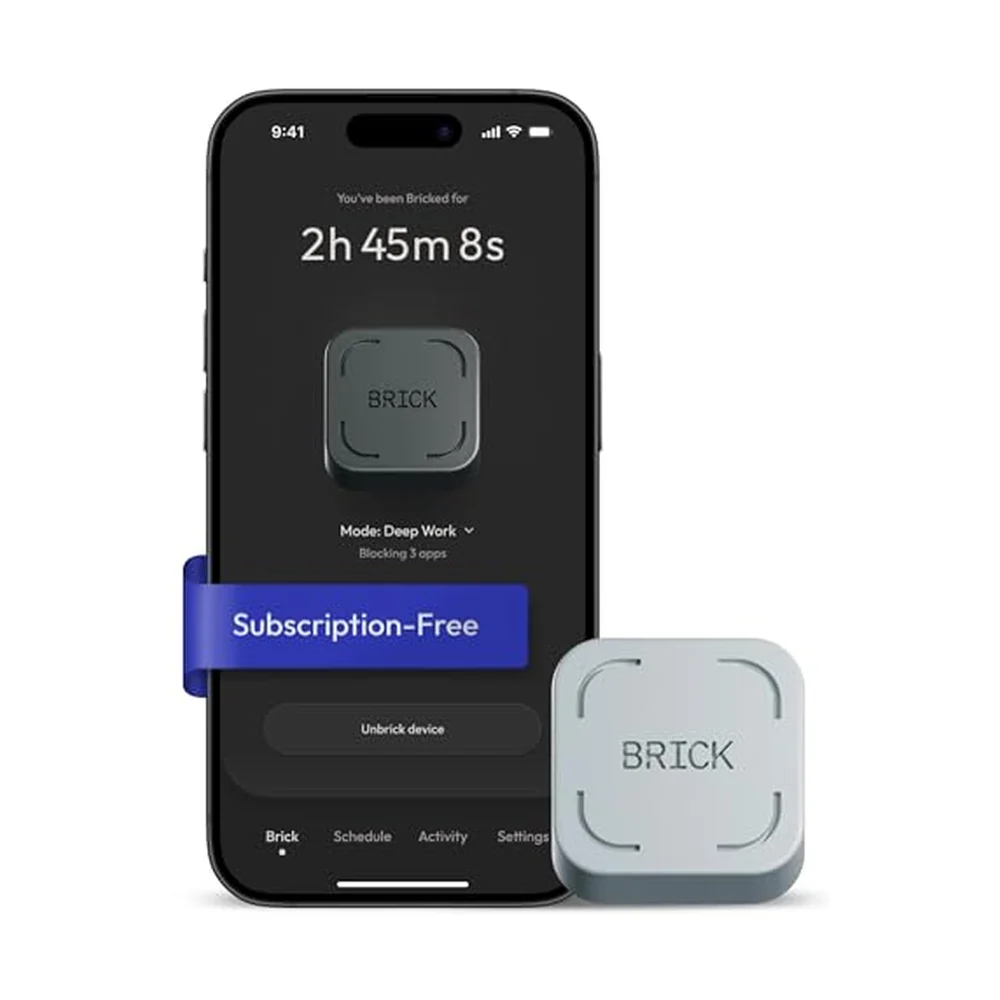
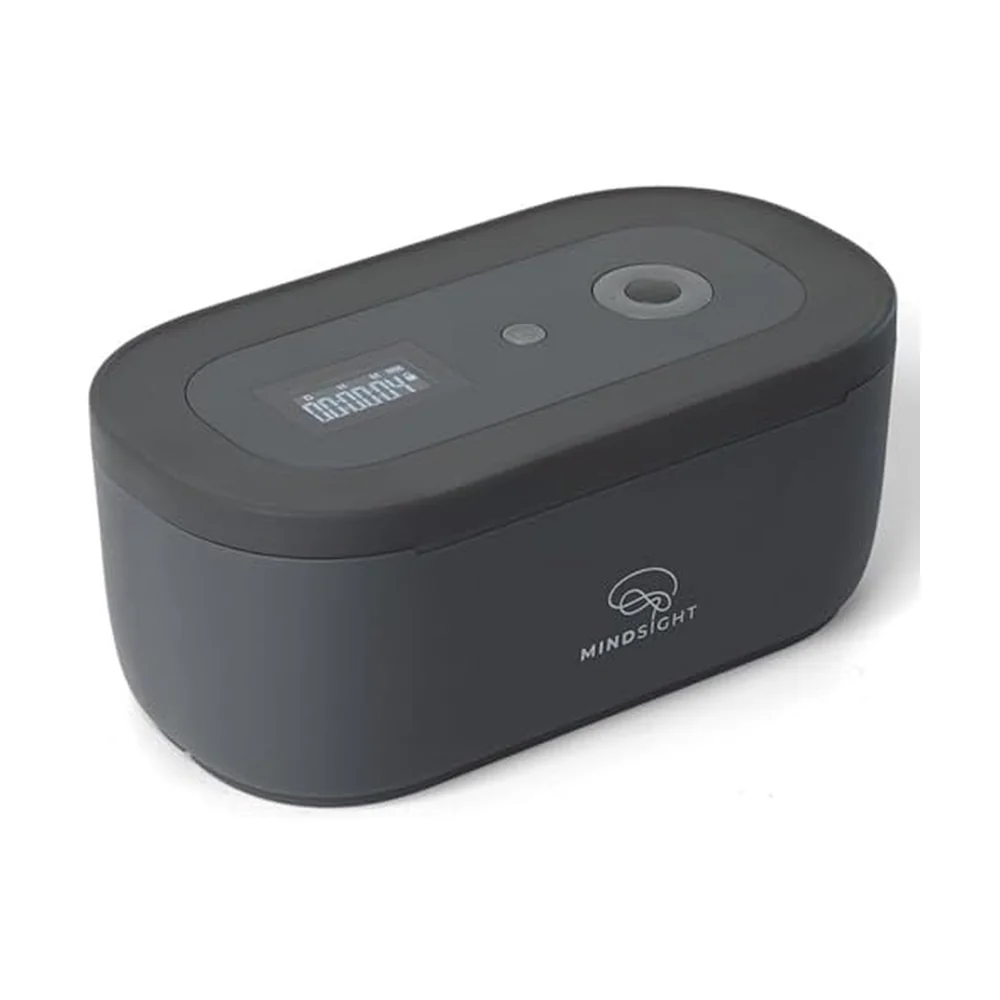
- Engineer the choice, don't out-muscle it. The most self-controlled people aren't the ones grinding hardest — they're the ones who arranged their environment so the temptation never shows up. No cookies in the house beats resisting cookies all day. This is the one finding that has held up.
- Stop blaming the tank, name the real cause. When you stall, ask: am I tired, hungry, bored, or is this task just unclear? Each has a fix. "Out of willpower" has none.
- Lower the activation cost. If a task feels too big to start, the wall isn't depletion — it's an unclear, oversized first step. Shrink it to something two minutes long and the "willpower" problem often evaporates.
- Drop the morning-only rule if it doesn't fit you. "Do everything hard before noon" assumes a draining tank. Plenty of people focus fine in the afternoon — test your own pattern instead of inheriting a debunked one.
The reframe
You are not a battery that discharges as the day goes on. The durable lesson from this whole saga is almost boring: self-control is less about how much willpower you can summon, and more about how little you have to. Build the situation so the right thing is the easy thing — and you stop needing a full tank you may never have had.
Willpower & Ego Depletion FAQ
Is ego depletion real or debunked?
It's contested, not confirmed. The original 1998 effect was large, and a 2010 meta-analysis backed it. But two huge pre-registered replications — 23 labs / 2,141 people in 2016, and 36 labs / 3,531 people in 2021 — found essentially no effect (d ≈ 0.04–0.06). The strong "willpower is a fuel tank" version is unproven and likely wrong; what you feel as fatigue is better explained by motivation, tiredness, and belief.
Does eating sugar restore willpower?
Not in the way the original theory claimed. Follow-up studies found that merely tasting sugar — even a calorie-free sweetener you don't swallow — restored performance, which points to a psychological signal rather than the brain literally burning glucose. A snack can help if you're genuinely hungry, but self-control is not a fuel that sugar tops up.
Why do I still "hit a wall" by the afternoon?
Real reasons that aren't a willpower tank: ordinary fatigue, hunger, boredom, an unclear or oversized task, and the self-fulfilling belief that you're "out." Each has its own fix. Naming the actual cause beats writing it off as depletion, which leaves you nothing to act on.
Should I do my hardest tasks first thing in the morning?
Only if that's genuinely your peak — not because willpower drains over the day. The "mornings only" rule rests on the tank model that failed to replicate. Test your own focus pattern; many people do demanding work fine in the afternoon.
Sources
- Commentary on Hagger et al. (2016), A Multilab Preregistered Replication of the Ego-Depletion Effect — 23 labs, N = 2,141, effect not replicated. (PMC4971805)
- Commentary on Vohs et al. (2021) multi-site test — 36 labs, N = 3,531, data neither support nor debunk ego depletion. (PMC8134656)
- Hagger, M. S., et al. (2016). A Multilab Preregistered Replication of the Ego-Depletion Effect. Perspectives on Psychological Science, 11(4).
- Overview of the ego-depletion literature: Baumeister et al. 1998 design, 2010 meta-analysis (d ≈ 0.6), 2016 and 2021 replications, and the glucose-hypothesis critique.
What people on Reddit actually say
- r/getdisciplined⬆ strong consensus
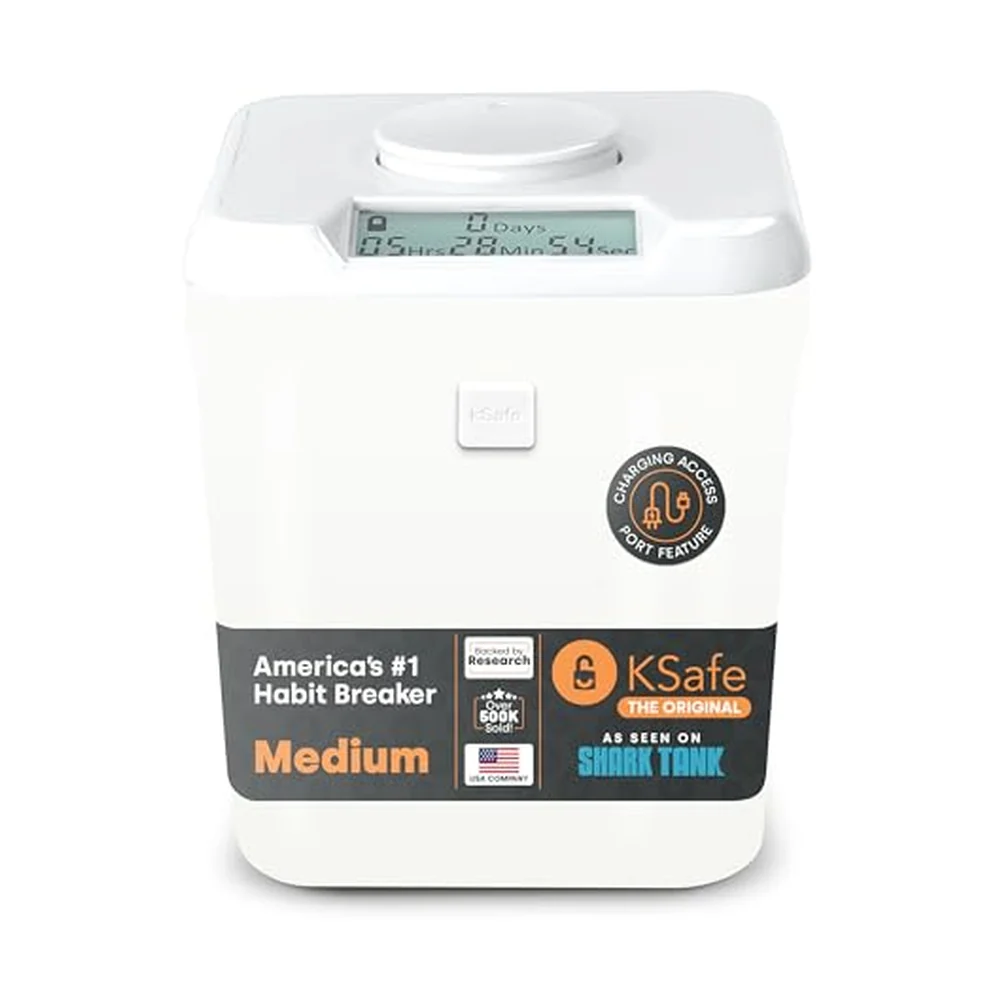
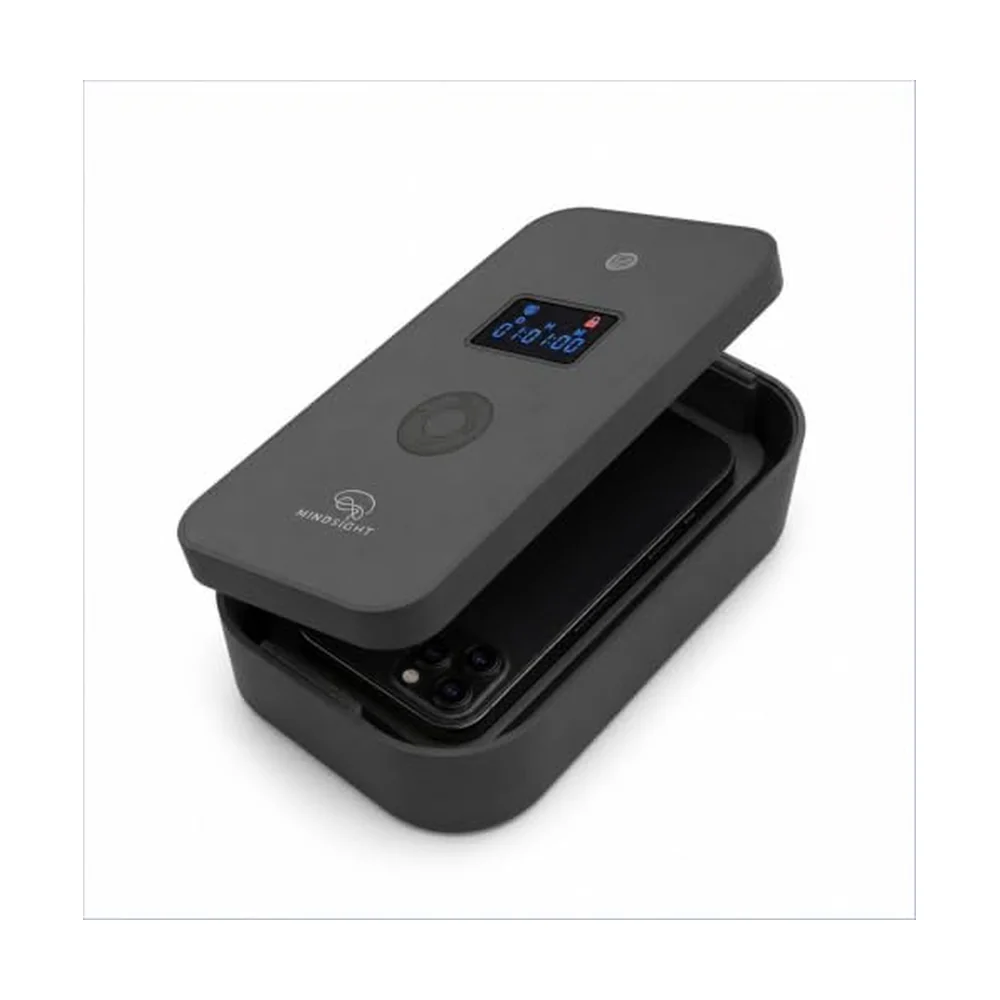
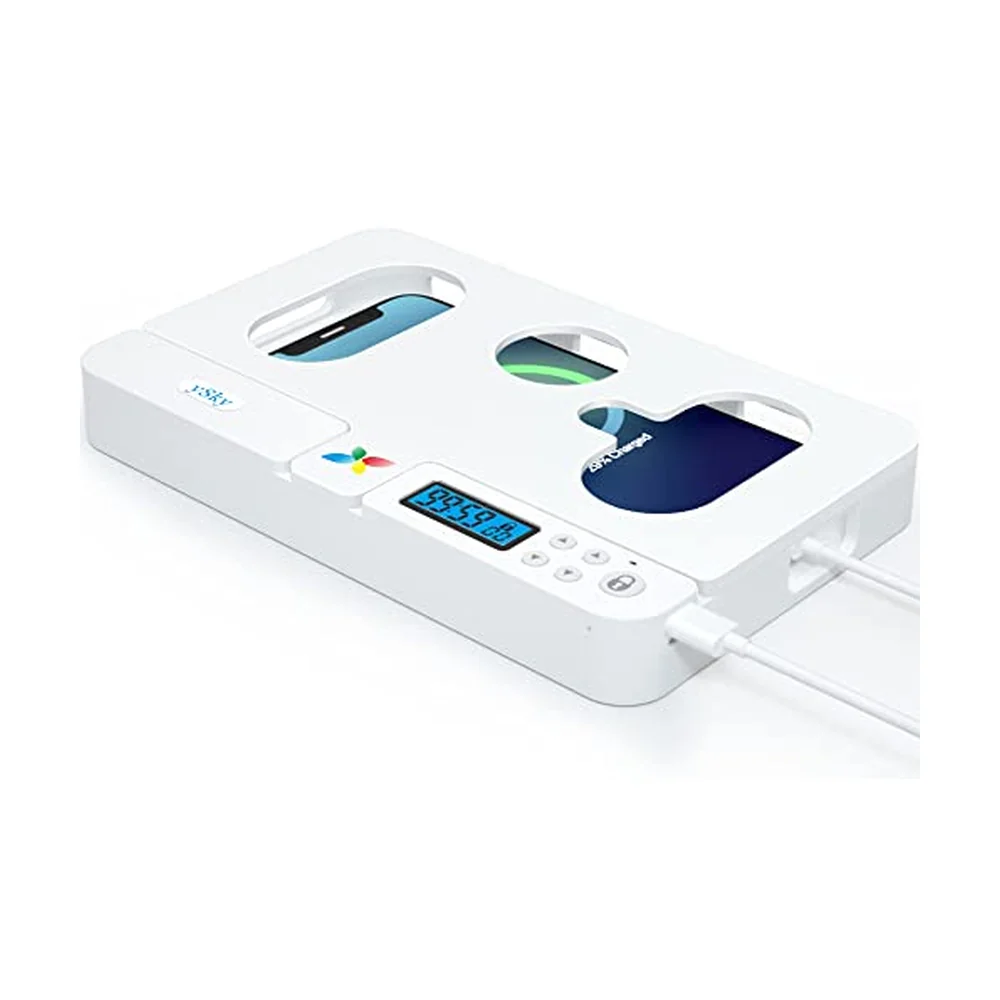
A recurring r/getdisciplined theme is that the people who stopped relying on raw willpower and instead removed temptations from their environment — phone in another room, no junk food in the house — found self-control got easy, which matches the one ego-depletion finding that actually replicated: situation design beats grinding.
- r/productivity💬 commonly repeated
On r/productivity the common take is that 'I'm out of willpower' is usually a disguise for tired, hungry, bored, or an unclear next step — posters report that naming the real cause and shrinking the task does more than trying to summon discipline, lining up with research that the fuel-tank model is unproven.
Paraphrased consensus from public threads — no direct user quotes.
Tools that help with this
Ready to get unstuck?
The Brain Deck gives you 52 science-backed strategies in your pocket — a physical card deck you keep on your desk, no app required.
See the CardsLaunching soon · 54 cards · Premium matte finish