Does Music Help You Focus? What the Research Says
The honest answer is: it depends on the sound, the task, and your brain — and the most popular choice (songs with lyrics) is the one the research most consistently flags as a problem. Here's what actually holds up, sound type by sound type.
By Hilly Shore Labs
Key Takeaways
- Lyrics are the real cost — a 2023 study found music with words reliably hurt verbal memory and reading (d ≈ −0.3); instrumental lo-fi was a measurable wash.
- The boost is mostly mood, not output — people rate instrumental music as helpful even when it produces no credible performance gain.
- The "Mozart effect" is debunked — a meta-analysis of ~40 studies found no specific performance-enhancing effect after correcting for publication bias.
- There's no universal focus sound — white noise can help low-attention brains and hurt high-attention ones; match the sound to the task and test your own.

Open any "study with me" video and you'll get a soundtrack — lo-fi beats, rain, a focus playlist. The assumption underneath: the right audio makes your brain work better. It's such a settled belief almost nobody checks it. So let's check it.
The short version: there's no single answer, and "music helps me focus" hides a lot. The honest finding is it depends on three things — the kind of sound, the kind of task, and your own brain — and the single most popular choice holds up worst.
The picks, ranked by what the evidence actually shows
Forget genre. The thing that predicts whether sound helps or hurts is its structure relative to your task. Here's the lineup from "least likely to cost you" to "most likely to."
| What you're playing | What the research suggests | Best for |
|---|---|---|
| Silence | The reliable baseline — nothing to filter out | Deep reading, writing, anything verbal |
| Steady non-speech sound (rain, fan, brown/white noise) | Roughly neutral for most; can help some inattentive brains, can hurt strong attenders | Masking a noisy room |
| Instrumental, low-key (lo-fi, ambient) | Small, non-credible effects — feels nice, measures like a wash | Repetitive or boring tasks; mood |
| Music with lyrics | Small but credible negative effect on verbal work | Workouts and chores — not desk work |
Lyrics are the real problem
The cleanest recent test comes from a 2023 study in the Journal of Cognition, where college students did memory, reading, and arithmetic tasks in silence, with instrumental music, and with music that had lyrics. Lyrics produced "small but credible negative effects" — verbal memory (d = −.32), visual memory (d = −.33), and reading comprehension (d = −.19). Instrumental lo-fi, by contrast, showed effects "ranging from −.23 to .14" — too small and noisy to call real.
The why is mechanical, not mystical. Reading and writing run on your brain's verbal channel. Lyrics pour words into that same channel, so the song and the sentence you're writing compete for the same wiring. Instrumental music skips the collision — no competing words. That's also why lyrics barely touched arithmetic: numbers don't fight for the language channel the way text does.
The belief gap: we trust the wrong thing
Here's the part that should change how you choose. In that same study, people were right about lyrics — they rated lyric music as harmful, and it was. But they also rated instrumental music as beneficial in post-task evaluations, even though it produced no credible improvement. The authors put it plainly: metacognition "was not wholly faulty, and may only partially explain inefficient study habits."
Translation: the lo-fi playlist feels like it's helping, and that feeling is genuine — but it's mostly mood, not measured output. That's not nothing (a task you'll start beats a silent one you avoid). It just means "it helps me focus" often means "it makes the work pleasant enough to begin" — a different, more honest claim.
What the research does NOT support
Two ideas are doing more work in your assumptions than the evidence allows.
The "Mozart effect" is debunked. The notion that classical music makes you smarter or sharper traces to one small 1990s study that didn't replicate. A meta-analysis of about 40 studies and 3,000+ people — Pietschnig, Voracek & Formann (2010) in Intelligence, memorably titled "Mozart effect–Shmozart effect" — found the apparent benefit shrank once you corrected for publication bias, and ran largest in the original lab. Their conclusion: "little evidence left for a specific, performance-enhancing Mozart effect." Putting on a sonata before a deadline buys you nothing the silence didn't already offer.
There's no universal "focus sound." White and pink noise get sold as concentration tools, but the evidence is split by person. In a 2014 PLOS ONE study by Helps, Söderlund and colleagues, moderate white noise improved executive-function performance in sub-attentive children but worsened it in the most attentive ones, while typical kids were unaffected. The same hiss that steadies one brain distracts another. So a viral "focus frequency" can be a genuine help for someone whose attention runs low — and a tax for someone whose attention is already sharp.
That's the whole field in one line. A 2022 systematic review in Music & Science (Cheah, Wong, Spitzer & Coutinho) read across 95 articles and concluded the effect isn't fixed — it swings with the task, the music's features, and the listener. Older studies kept finding "no effect" overall because the helps and the hurts averaged each other out.
How to actually use this
You don't need a perfect playlist. You need to match the sound to the job.
- Verbal work (writing, reading, editing, language): default to silence or wordless ambient. Kill the lyrics — this is the one swap with consistent evidence behind it.
- Repetitive or boring work (data entry, chores, email triage): play whatever you like, lyrics included. There's no verbal channel to protect, and the mood lift helps you keep going.
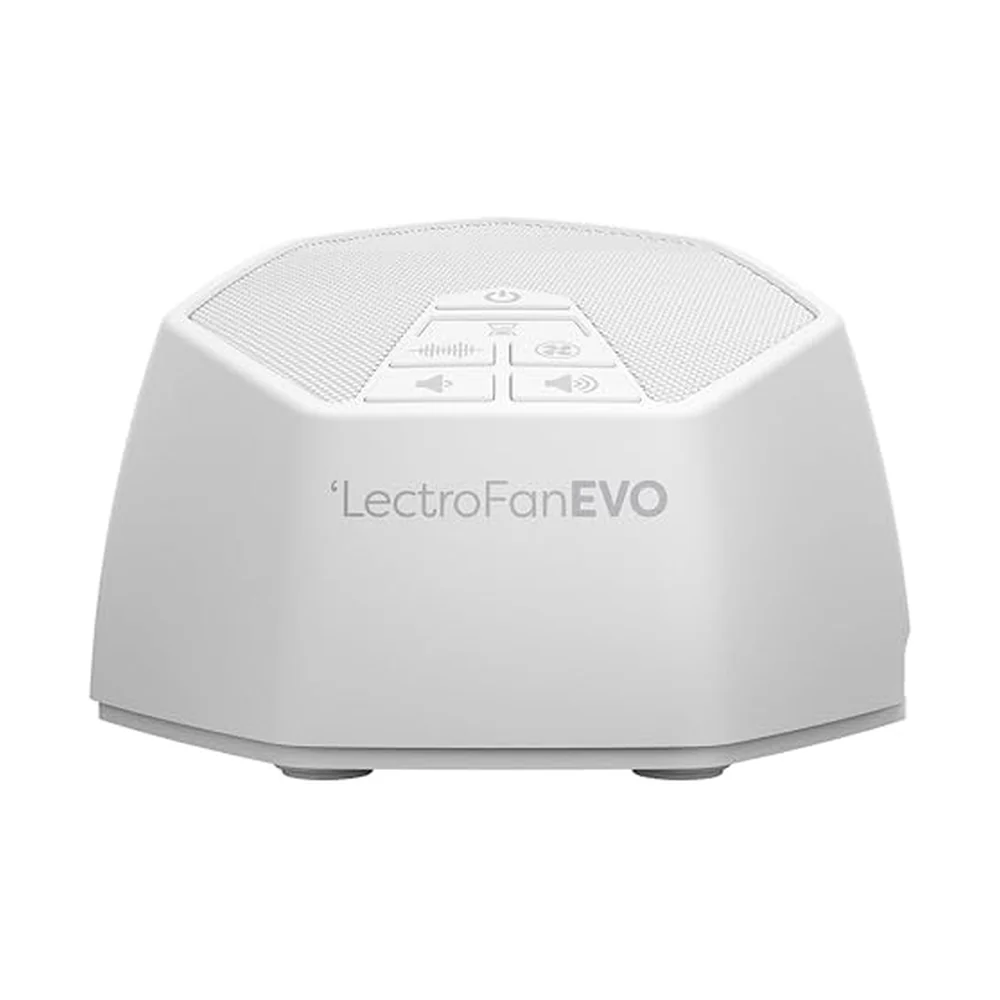
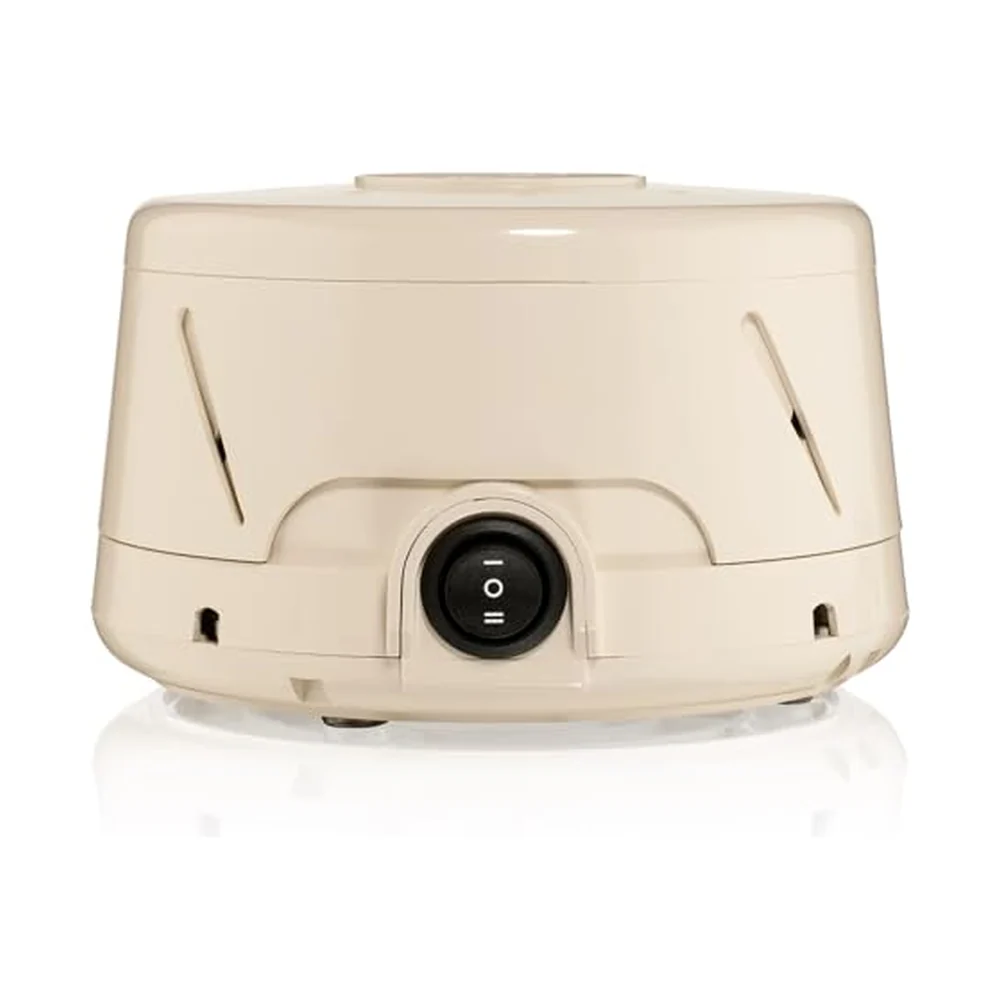
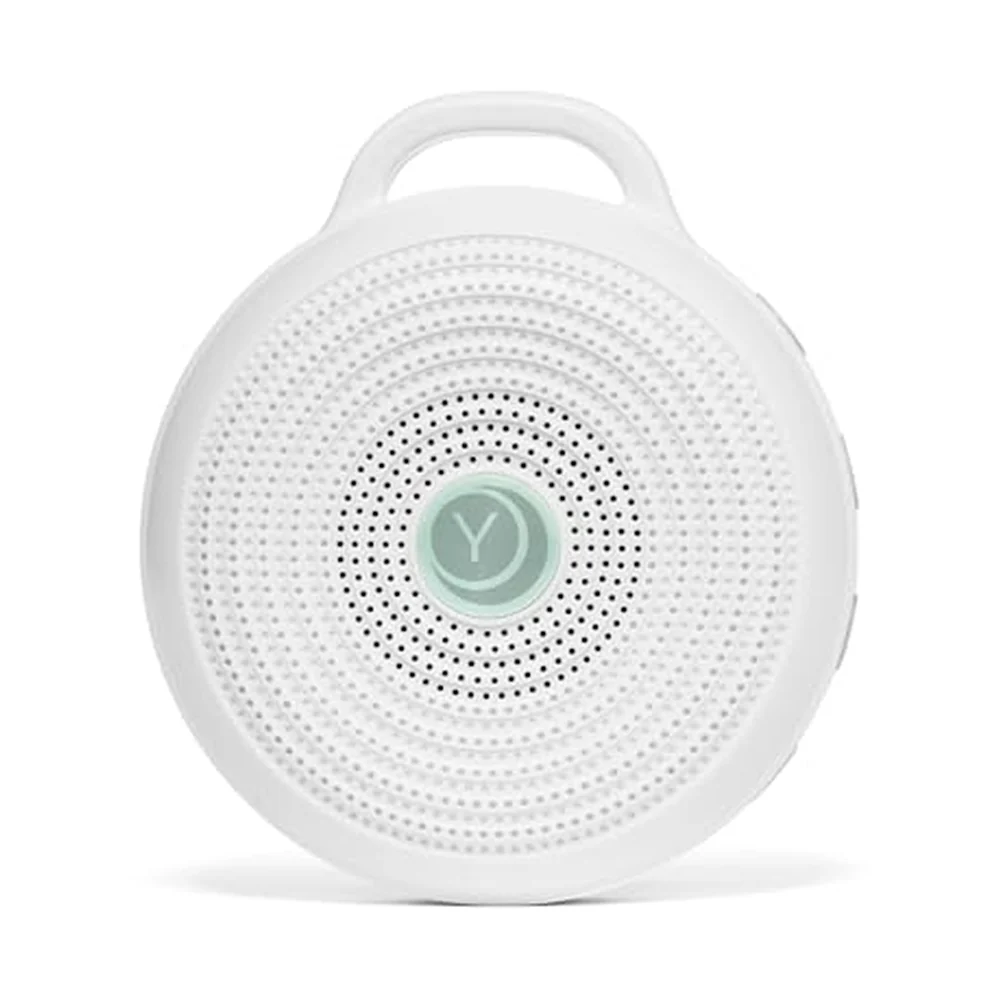
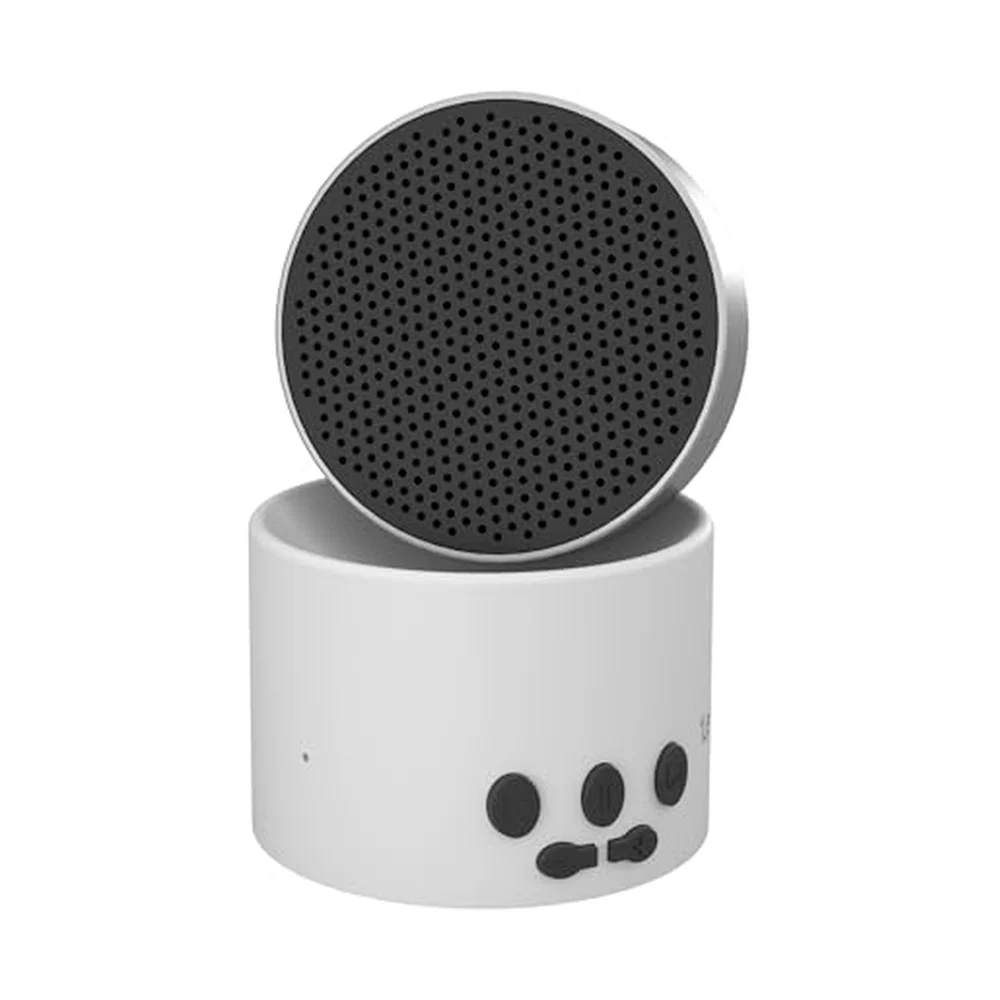
- A genuinely noisy environment: use steady non-speech sound (rain, a fan, brown noise) to mask intrusions — you're not chasing a boost, just covering worse distractions.
- Run a one-week test: your brain is the variable the studies can't see. Do three sessions in silence and three with your usual audio, and judge by output — not by how the session felt.
The deeper point isn't anti-music. It's that "I focus better with music" is usually two claims in one coat: a true one about mood and a shaky one about performance. Separate them and you get a cleaner question — not "what's the best focus playlist," but "does this sound make the work easier to start, or just easier to enjoy not finishing?"
Music and Focus FAQ
Is it bad to study with music that has lyrics?
For verbal work — reading, writing, language learning — the evidence says yes, mildly. A 2023 Journal of Cognition study found lyrics produced small but credible drops in verbal memory, visual memory, and reading comprehension, because the words in the song compete with the words in your task for the same language channel. For non-verbal or repetitive work, lyrics matter much less.
Does instrumental or lo-fi music actually help you focus?
Mostly it's neutral for performance and positive for mood. Studies find instrumental music's effect on cognitive output is too small to call real, even though people reliably rate it as helpful afterward. It can make a boring task more bearable to start and stick with, which is a real benefit — just not the same as making you measurably sharper.
Is the "Mozart effect" real?
No. A meta-analysis of roughly 40 studies found the apparent boost from listening to Mozart largely vanished after correcting for publication bias, and was strongest in the lab that first reported it. Classical music is fine to enjoy, but it doesn't give you a special cognitive edge.
Does white noise help concentration?
For some people, not all. Research suggests moderate white noise can help people with lower attention while slightly hurting those with already-strong attention. There's no universal "focus frequency" — test silence against noise on real work to find your own response.
Sources
- Souza, A. S., & Barbosa, L. C. L. (2023). Should We Turn off the Music? Music with Lyrics Interferes with Cognitive Tasks. Journal of Cognition, 6(1), 24.
- Pietschnig, J., Voracek, M., & Formann, A. K. (2010). Mozart effect–Shmozart effect: A meta-analysis. Intelligence, 38(3), 314-323.
- Helps, S. K., Bamford, S., Sonuga-Barke, E. J. S., & Söderlund, G. B. W. (2014). Different Effects of Adding White Noise on Cognitive Performance of Sub-, Normal and Super-Attentive School Children. PLOS ONE, 9(11), e112768.
- Cheah, Y., Wong, H. K., Spitzer, M., & Coutinho, E. (2022). Background Music and Cognitive Task Performance: A Systematic Review of Task, Music, and Population Impact. Music & Science, 5.
What people on Reddit actually say
- r/GetStudying⬆ strong consensus
A recurring r/GetStudying theme is that instrumental or lyric-free tracks are the safe default and vocal playlists quietly wreck reading and writing. People describe re-reading the same paragraph until they swap to wordless music or silence — matching the research that lyrics, not music itself, are the distraction.
- r/productivity💬 commonly repeated
On r/productivity the common take is that a focus playlist is really a starting ritual — it makes the work pleasant enough to begin rather than measurably faster. Posters who tracked output often found silence won for deep work, while music carried them through boring, repetitive tasks.
Paraphrased consensus from public threads — no direct user quotes.
Tools that help with this

Ready to get unstuck?
The Brain Deck gives you 52 science-backed strategies in your pocket — a physical card deck you keep on your desk, no app required.
See the CardsLaunching soon · 54 cards · Premium matte finish