Eat the Frog: Do Your Hardest Task First (the Honest Version)
Eat the frog means doing your most-dreaded task first. The research-honest version isn't about heroic mornings. It is about clearing the day-long drain of an avoided task by naming it and scheduling it for your real peak.
By The Brain Deck Editorial
Doing the dreaded task early pays off by ending the all-day drain of avoiding it, not through heroic morning willpower. First means your own peak-focus window, and it is one frog, named as a concrete plan.
Key Takeaways
- The real payoff is not heroic mornings — an avoided task drains your focus all day through attention residue, and eating it early removes that quiet tax, not just the item.
- 'First' means your peak window, not the clock — the synchrony effect shows people do their best demanding work at their own optimal time of day, which for some is late morning or afternoon.
- Name the frog as a plan before you start — research found that committing an unfinished goal to a specific plan eliminates much of its nagging interference, so the dread quiets even before the work.
- Eat one frog, not three — and shrink starting to something trivial; you do not have to finish the task, you have to begin it.

Eat the frog means doing your single most important, most-dreaded task before anything else, while your attention is still fresh. The phrase comes from a Mark Twain line that author Brian Tracy turned into a book. The popular version says: do it first thing in the morning. The research-honest version is sharper and easier to keep: "first" means your real peak-focus window, not the clock, and the payoff is less about willpower than about ending a quiet, all-day cognitive drain you probably do not notice.
This is the friction the "I Can't Start" problem is built around: not laziness, but a task heavy enough to keep slipping to "later." Below is how to do it, and the one part most guides get wrong.
Why does doing the hard task first help so much?
Most articles answer this with "willpower is highest in the morning." That explanation is shaky. The better-evidenced reason is that an avoided task does not sit quietly on your list. It runs in the background and taxes everything else you try to do.
Researcher Sophie Leroy named this attention residue. In her 2009 study in Organizational Behavior and Human Decision Processes, she found that when part of your mind stays stuck on one task, you have fewer cognitive resources for the task in front of you, and performance suffers on demanding work. In her own summary, residue is worst when a task is unfinished or pending, exactly the state a dreaded, not-yet-started task lives in all day.
There is an older root too. A dreaded task is an open loop, and open loops nag. A 2025 meta-analysis in Humanities & Social Sciences Communications on the Zeigarnik effect confirms it: unfinished tasks keep more of a grip on the mind than finished ones. So the frog is not just an item you have not done. It is a low hum of dread that quietly degrades your focus on email, meetings, and easy wins until you handle it.
How do you actually eat the frog?
Step 1: Pick exactly one frog
Your frog is the task you would most like to skip and that matters most. Not the longest task. Not the one with the nearest deadline. The one you have been quietly carrying. Pick one, not three. Two "frogs" is just a smaller to-do list with extra pressure. If nothing obvious jumps out, ask which single task, if finished today, would make you feel the most relief. That is usually it.
Step 2: Schedule it for your peak, not the clock
This is the step most guides get wrong. The standard advice, "do it at 6 a.m.," assumes everyone is sharpest in the morning. The research does not support that. There is a well-documented synchrony effect: people perform best on demanding cognitive work at the time of day that matches their own chronotype. A study in Developmental Science (Hahn et al., 2012) found executive-function performance was reliably better at people's optimal time of day than their off-peak hours, even after controlling for sleep.
So "first" should mean first in your highest-focus block, which for a night person might be 10 a.m. or early afternoon, not literally the first hour awake. The principle that holds is "best energy on the hardest thing." The hour is yours to find.
| The popular rule | What the research actually supports |
|---|---|
| Do the hard task at 6 a.m. | Do it in your peak-focus window (synchrony effect), whenever that is |
| It works because willpower is fresh early | It works because you stop paying the all-day attention tax of an avoided task |
| Force yourself to power through it | Name it as a concrete plan first, which by itself quiets the dread |
Step 3: Protect the block and start small
Frogs do not get eaten in a noisy inbox. Defend the block with notifications off and your phone in another room. Then lower the activation cost: you do not have to finish the frog, you have to start it. Open the document. Write the first ugly sentence. Make the first call. Starting breaks the dread, and momentum usually carries the rest. If even starting feels impossible, shrink it to a two-minute version and let that pull you in.
The part almost everyone skips: name it as a plan
Here is the most useful, least-discussed finding: you do not have to finish a dreaded task to stop it draining you. You have to make a specific plan for it.
In "Consider It Done!" (Masicampo & Baumeister, 2011, Journal of Personality and Social Psychology), researchers found that letting people write a specific plan for an unfulfilled goal "eliminated the various activation and interference effects" the goal otherwise caused. In plain terms: an unhandled task keeps intruding on your mind, but the moment you commit it to a concrete plan, the nagging quiets even before you do the work.
So before you eat the frog, spend 30 seconds writing the plan: "Tomorrow, 9:30 a.m., at my desk, I will draft the budget email. First step: open last quarter's file." That single line does double duty. It defines the frog precisely, and it shuts off some of the background dread immediately. This is the if-then planning mechanism applied to the one task you most want to dodge.
What most people get wrong
The failure mode is treating "first" as a moral test of early-morning willpower. Forcing your most demanding task into a low-energy hour, purely to be "first," fights the synchrony effect and can produce a worse result on the work that matters most. You then feel like you failed the technique, when really you scheduled it at the wrong time.
The falsifiable claim worth keeping is narrow: there is no good evidence that everyone does their best demanding work in the first waking hour. Eating the frog is not about the sunrise. It is about putting your best attention on the thing you most want to avoid, and refusing to let it tax your whole day from the shadows.
Eat the Frog FAQ
Does eating the frog have to be in the morning?
No. The popular "do it at sunrise" rule is the weakest part of the method. Research on the synchrony effect shows people do their best demanding cognitive work at their own peak time of day, which for some is late morning or early afternoon. "First" should mean first in your highest-focus block, not literally your first waking hour.
What if I have several "frogs" in one day?
Pick one. The point is to put your best attention on the single most important and most-avoided task before it taxes the rest of your day. Stacking three "frogs" turns the technique back into an overwhelming to-do list. Eat one, then reassess what qualifies as tomorrow's frog.
Why does an unfinished task make it harder to focus on everything else?
Two reasons backed by research. Attention residue means part of your mind stays stuck on a task you have not transitioned away from, leaving fewer resources for current work. And the Zeigarnik effect means unfinished tasks keep a stronger grip on the mind than finished ones. A dreaded, not-yet-started task sits in both states, so it drains focus all day.
What if I cannot make myself start the frog?
Shrink it until starting is trivial: not "do the taxes" but "open the tax folder." And write a one-sentence plan first. Research on plan-making found that committing an unfulfilled goal to a concrete plan removes much of its intrusive pull, which lowers the dread enough to begin.
Sources
- Leroy, S. (2009). Why is it so hard to do my work? The challenge of attention residue when switching between work tasks. Organizational Behavior and Human Decision Processes, 109(2), 168–181.
- Dr. Sophie Leroy, University of Washington Bothell — "Attention Residue" (researcher's own summary): attention left on a prior or pending task reduces resources and performance on current work.
- Hahn, C., et al. (2012). Circadian rhythms in executive function during the transition to adolescence: the effect of synchrony between chronotype and time of day. Developmental Science, 15(3) — performance better at optimal time of day.
- Masicampo, E. J., & Baumeister, R. F. (2011). Consider It Done! Plan Making Can Eliminate the Cognitive Effects of Unfulfilled Goals. Journal of Personality and Social Psychology — specific plans eliminated activation and interference effects.
- Interruption, recall and resumption: a meta-analysis of the Zeigarnik and Ovsiankina effects (2025), Humanities & Social Sciences Communications / Nature.
What people on Reddit actually say
- r/productivity⬆ strong consensus
A recurring r/productivity take is that 'eat the frog' only sticks once people stop forcing it at 5 or 6 a.m. and instead do their hardest task in whatever block they actually focus best, which lines up with the synchrony-effect research that peak time of day, not the literal morning, is what matters.
- r/getdisciplined💬 commonly repeated
On r/getdisciplined the common thread is that the dread of an avoided task is heavier than the task itself, and that simply writing down exactly when and how they will do it quiets the background anxiety, which matches the plan-making research showing a concrete plan removes a goal's intrusive pull.
Paraphrased consensus from public threads — no direct user quotes.
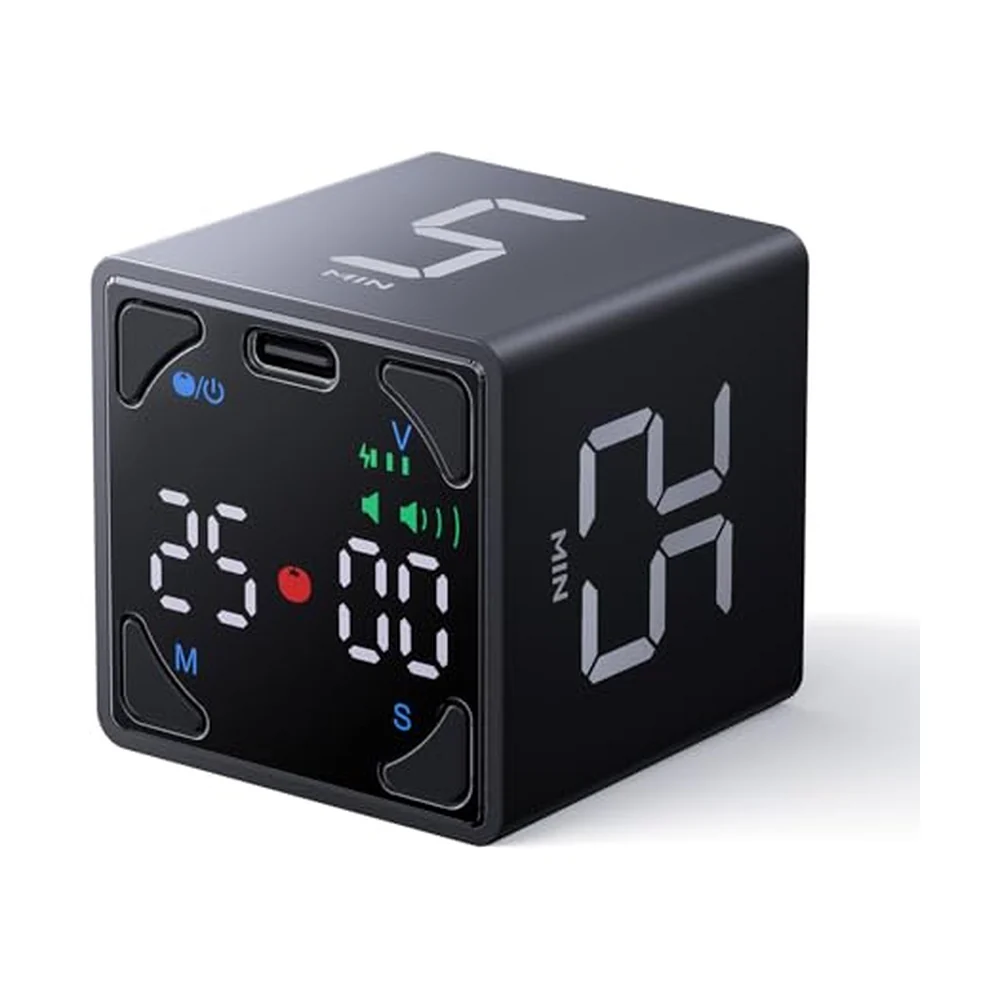
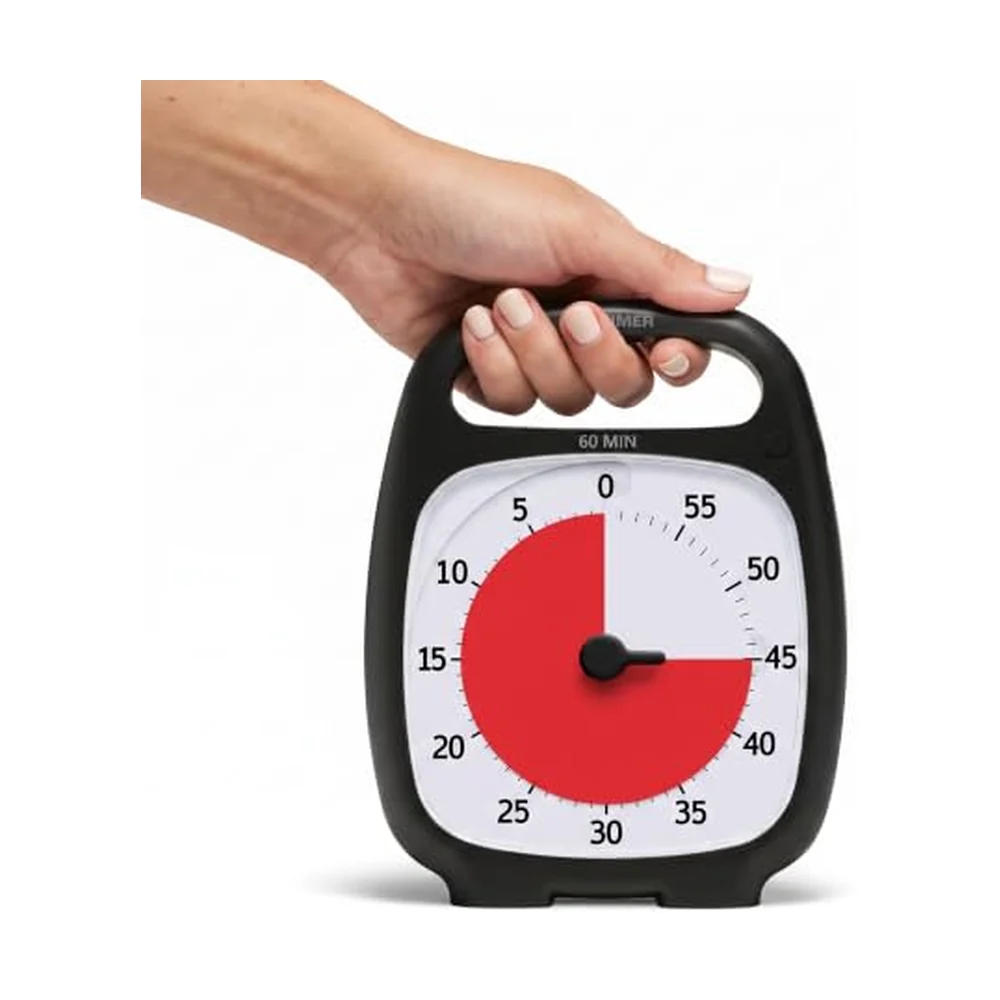
Tools that help with this
Ready to get unstuck?
The Brain Deck gives you 52 science-backed strategies in your pocket — a physical card deck you keep on your desk, no app required.
See the CardsLaunching soon · 54 cards · Premium matte finish