Is Parkinson's Law Real? What the Evidence Says
Parkinson's Law started as a 1955 joke about bureaucracy, not a study. The real, replicable effect is subtler: a longer deadline makes you imagine a bigger task. The fix is to size the work first, then time it.
By The Brain Deck Editorial
Parkinson's Law was a 1955 satire, not a study. What does replicate is subtler: a longer deadline makes you imagine a bigger task, so define what done means first and assign time to that scope afterwards.
Key Takeaways
- Parkinson's Law was a 1955 satire of bureaucracy, not a controlled study — treat it as a sharp observation, not a proven law.
- The real, replicated effect is scope perception bias — a longer deadline makes you imagine a bigger task and plan more work into it, even when the limit is random.
- A tight deadline alone can backfire — longer deadlines often cause procrastination, and spaced milestones beat one distant due date.
- The fix is order: define what 'done' means and what's out of scope first, then assign the time — not the reverse.

The advice you have heard a hundred times: "Work expands to fill the time available, so set a tight deadline and the work will shrink to fit." It sounds like physics. It is not. Parkinson's Law is real in the sense that the pattern shows up in your life, but it was never a controlled finding, and the popular fix mostly misses what the modern evidence actually says. Here is the honest version, and the lever that does work.
Short answer: a longer deadline does not magically make you work slower. What it reliably does is make you perceive a bigger task and plan more work into it. So the move is not to set an arbitrarily harsh deadline. It is to define the scope of the work first, then assign time to that.
Where did Parkinson's Law actually come from?
Not a lab. In a satirical essay published in The Economist on November 19, 1955, the British naval historian Cyril Northcote Parkinson coined the line "work expands so as to fill the time available for its completion." Per the documented history, it was written as satire, two days after the Royal Commission on the Civil Service issued its report. His evidence was anecdotal: the British Admiralty and Colonial Office kept growing even as the number of ships and colonies they managed declined.
What does the research actually find?
The most rigorous modern test is Goswami and Urminsky's "More Time, More Work" (2023, Judgment and Decision Making), a set of five studies. Their finding is more specific — and more useful — than the slogan.
People given a longer time limit estimated that a task would take longer, even when the time limit was set at random and could not possibly reflect how much work was involved. The researchers call this the scope perception bias: we have learned over a lifetime that bigger tasks come with longer deadlines, so we over-generalize and run the inference backward — a long deadline makes us assume the task itself must be large (more steps, more complexity, more effort). The authors describe the effect as "extremely robust," and it held even among experienced managers estimating in a familiar setting.
So does a tight deadline fix it?
Not on its own, and sometimes it backfires. The same body of work notes that a longer deadline often produces more procrastination rather than slower, steadier work (Ariely and Wertenbroch, 2002, Psychological Science). In that study, people procrastinated even on deadlines they set for themselves — and performance improved when deadlines were spaced out across a project rather than collapsed into a single far-off due date.
That is the catch with "just set a tight deadline." A single hard deadline you do not believe in invites a last-minute scramble. The deadline structure matters more than the deadline being short.
The fix: size the work, then time it
Because the effect runs through your perception of scope, the leverage is to make the scope concrete before you pick a duration. This is the order most people reverse.
- Define "done" first. Write one sentence describing the finished output and what it does not include. "A 400-word summary, no formatting, no extra research." Naming what is out of scope is what stops the task from quietly expanding.
- Estimate from the work, not the calendar. Break it into the actual steps, then sum them. Ignore how much time you happen to have — that number is the anchor pulling your estimate up.
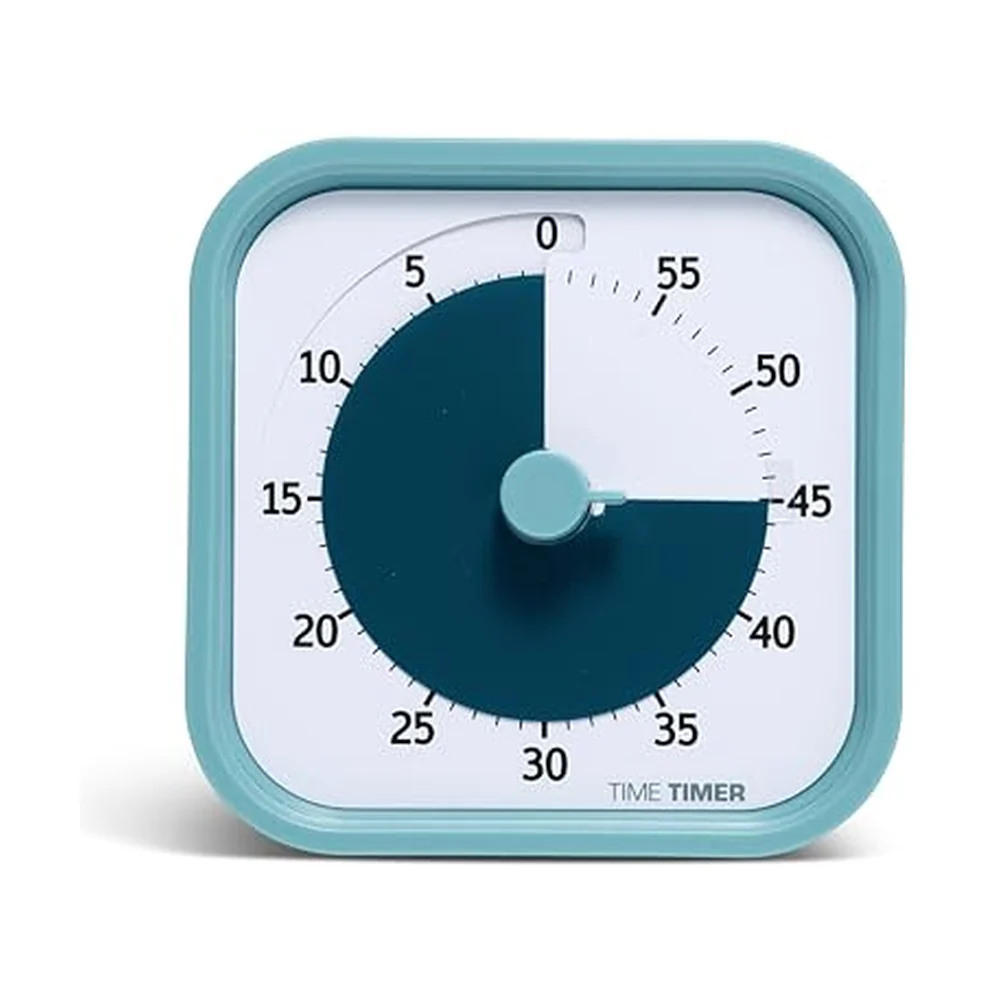
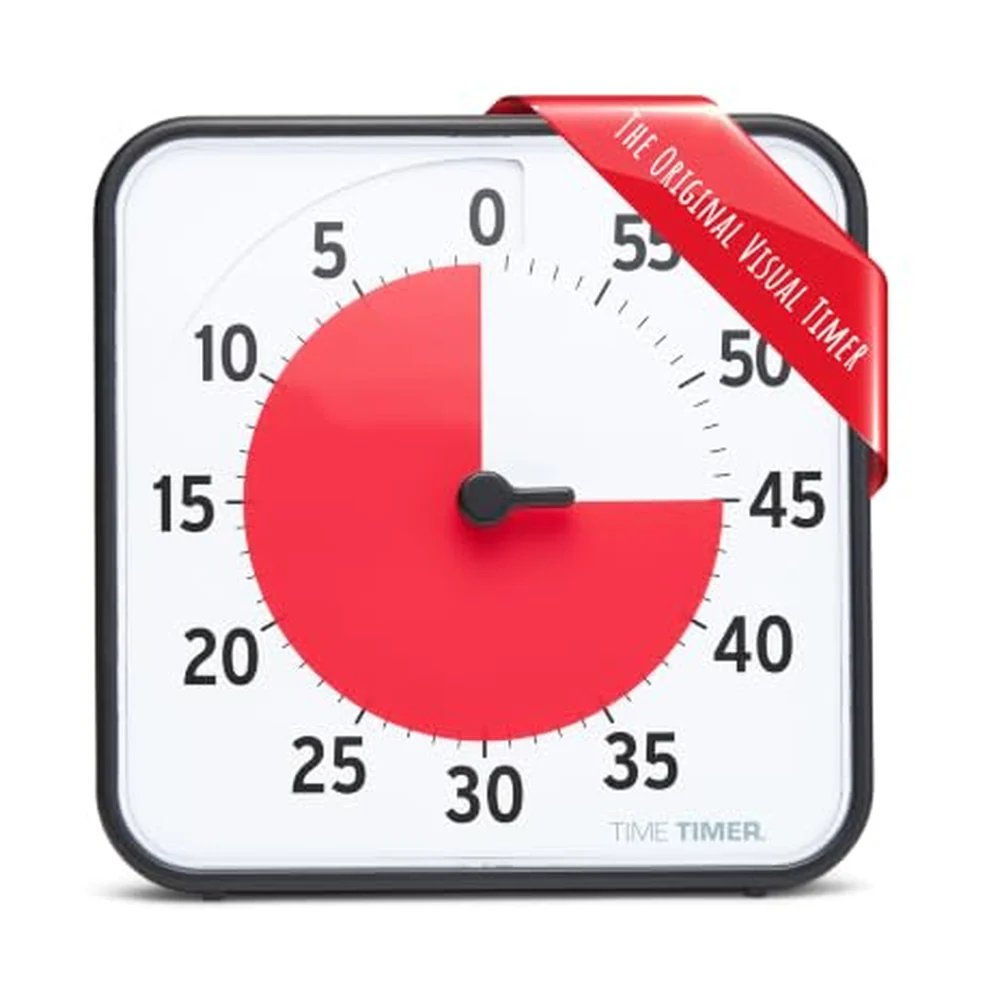
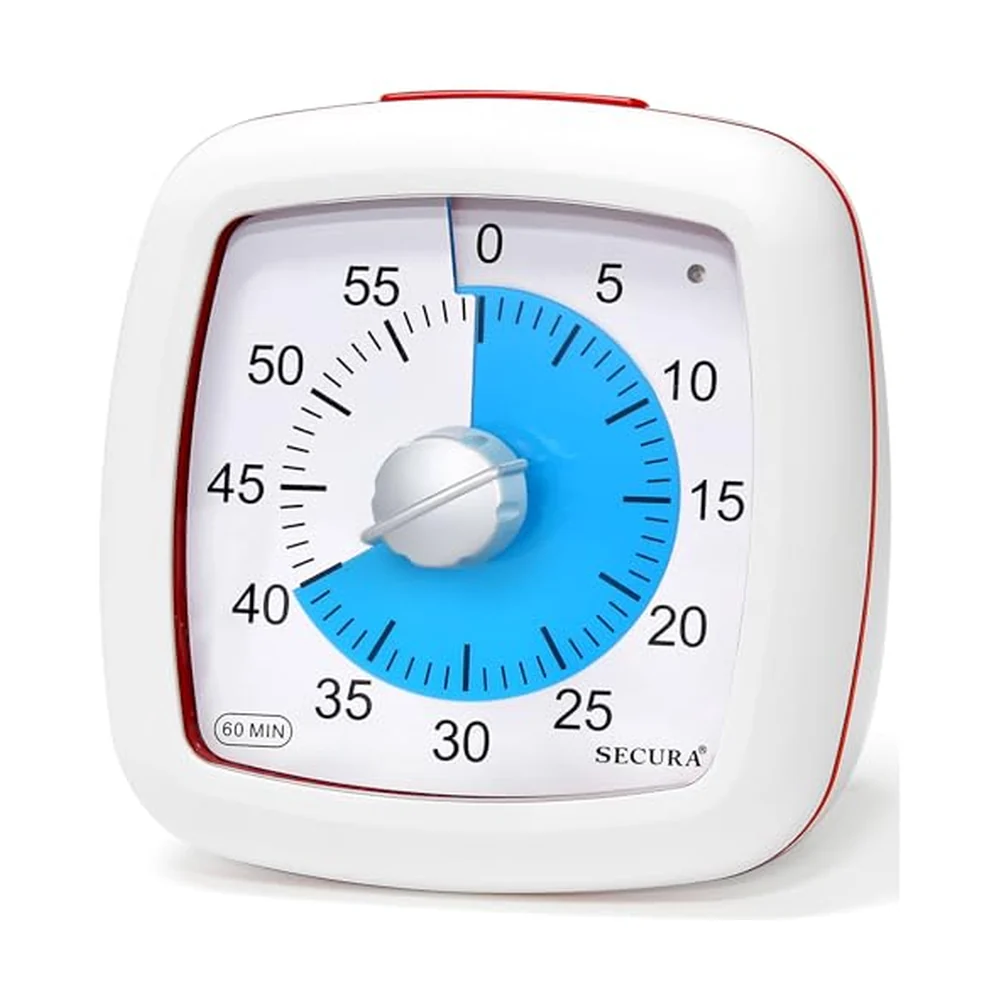
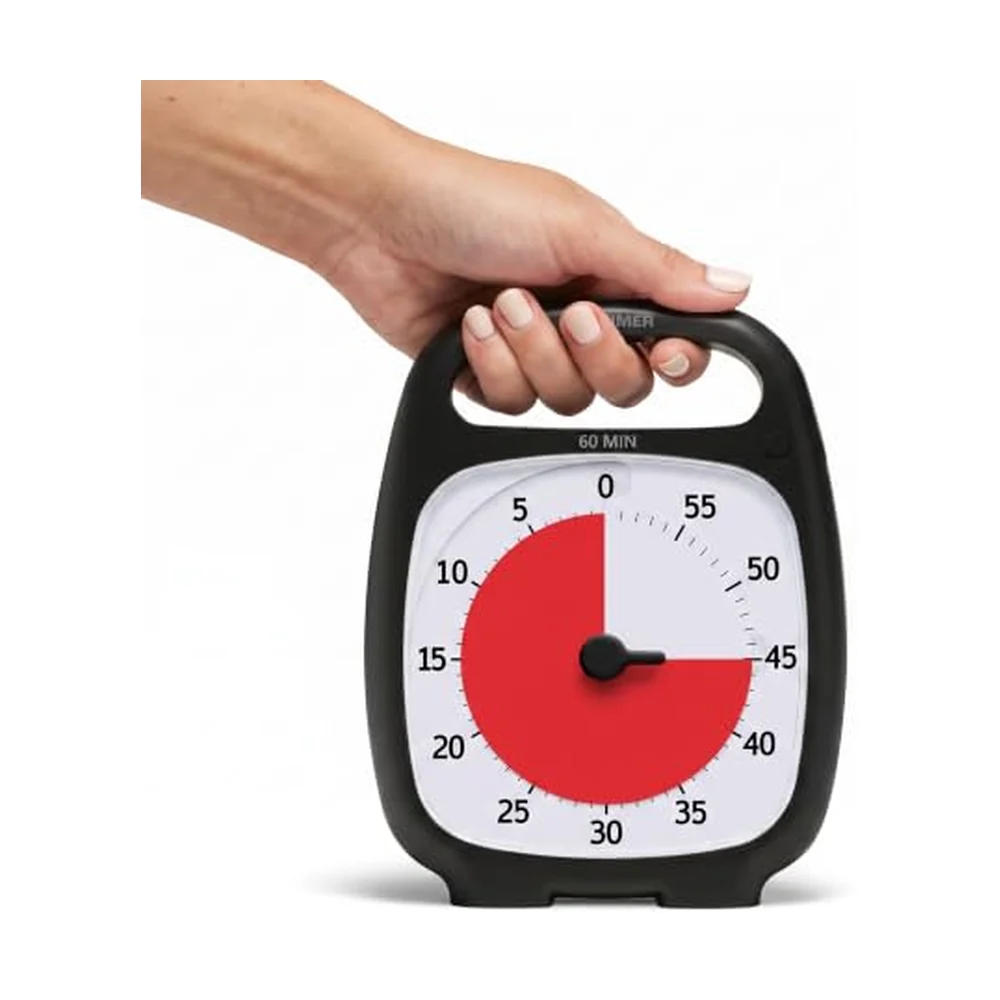
- Set a deadline you believe, and make it visible. A timer or a calendar block turns the abstract limit into a ticking constraint, which is exactly the condition that focuses attention.
- Space the milestones. For anything multi-day, set intermediate checkpoints instead of one final due date. Spaced deadlines beat a single distant one.
The Brain Deck's "Where Did the Time Go" category is built around this idea: the problem is rarely that you work too slowly, it is that the job was never given a clear edge. Related reading: our guides to time boxing, the planning fallacy (why your estimates run short even when you try), and deciding faster when everything feels open-ended.
Frequently asked questions
Is Parkinson's Law a scientifically proven law?
No. It began as a 1955 satirical essay about bureaucratic staffing, not an experiment. The closest rigorous evidence is the scope perception bias (Goswami and Urminsky, 2023): a longer time limit makes people perceive a larger task and estimate more time, even when the limit is random. That is a real, replicated effect — but it is about perception and estimation, not a literal "work slows to fill time" law.
Does setting a shorter deadline actually make me work faster?
Sometimes, but it is not guaranteed and it can backfire. Research shows longer deadlines often cause procrastination rather than slow steady work, and that spaced, believable deadlines outperform one distant due date. A deadline works best when you have first defined the scope of the task, so the limit is realistic rather than arbitrary.
What is the single most useful takeaway?
Decide what "done" looks like before you decide how long it should take. The deadline only helps once the task has a clear edge — otherwise a generous timeline quietly inflates the job through scope perception.
Parkinson made a sharp joke that turned out to point at something real. The useful part is not the slogan, it is the mechanism underneath it: your sense of how big a task is bends to the time you are given. Pin the scope down first, and the clock becomes a tool instead of a trap.
What people on Reddit actually say
- r/productivity⚡ divisive
r/productivity threads on Parkinson's Law split: people who 'set a tight deadline and it shrinks the task' versus people for whom a short deadline just triggers a panicked all-nighter. The recurring resolution is that a deadline only helps once the task has a defined finish line.
- r/GetMotivated💬 commonly repeated
r/GetMotivated regulars report that the move that actually helps is writing down what 'done' looks like before estimating time — naming the scope, not just shortening the clock, is what stops a task from sprawling.
Paraphrased consensus from public threads — no direct user quotes.
Tools that help with this

Ready to get unstuck?
The Brain Deck gives you 52 science-backed strategies in your pocket — a physical card deck you keep on your desk, no app required.
See the CardsLaunching soon · 54 cards · Premium matte finish