The Real Cost of Context Switching (and How to Switch Less)
You're not bad at focusing — you're switching too much. The cost isn't the switch itself but reloading the mental rules for whatever you switched back to, and it's biggest on your hardest work.
By The Brain Deck Editorial
The expense is the reload, not the switch: your brain drops one task's mental rules and loads the next, and that overhead grows with how demanding the work is. You cannot get skilled at it, only switch less.
Key Takeaways
- The real cost is the reload, not the switch — your brain has to put down one task's mental rules and load the next, and that overhead grows with how complex the work is.
- Switching can eat up to 40% of productive time — the APA's read of the research, driven by the steady drip of small toggles, not one big interruption.
- Speed after interruptions is bought with stress — a UC Irvine study found people compensate by working faster but pay in frustration, time pressure and effort.
- Switch less, don't switch faster — you can't out-skill the reload cost; batch shallow tasks and protect one uninterrupted deep block instead.

You sat down to do one hard thing. Forty minutes later you've also answered three messages, glanced at email twice, checked a number "real quick," and the hard thing is still half-done. You weren't lazy. You were switching — and switching has a price tag most people never see.
This isn't about doing several things at literally the same instant. Your brain can't do that with anything demanding. What it actually does is flip rapidly between tasks, and each flip costs you. The bill comes due as lost minutes, lower-quality work, and a low-grade stress you can't quite explain.
What a single switch actually costs
The classic estimate comes from the American Psychological Association's read of the research: psychologist David Meyer has noted that even brief mental blocks from shifting between tasks can eat up to 40 percent of someone's productive time (APA, "Multitasking: Switching costs"). Forty percent. Not from one dramatic interruption — from the steady drip of small toggles across a day.
The mechanism was pinned down by Rubinstein, Meyer and Evans in a 2001 study in the Journal of Experimental Psychology (PMID 11518143). Every task runs on a set of mental "rules" — what you're looking for, what counts as done, where you were. When you switch, your brain has to put the old rules down and load the new ones. Their key finding: that reload time grows with how complex and unfamiliar the task is. Toggling between two trivial things is cheap. Toggling out of deep, complex work and back is where the real tax lives.
The hidden cost: speed bought with stress
Here's the part that doesn't show up on a clock. When you're interrupted and forced to switch, you don't necessarily fall behind — you often speed up to compensate. But that recovery isn't free. In her CHI 2008 study tellingly titled "The Cost of Interrupted Work: More Speed and Stress," Gloria Mark of UC Irvine found that people "compensate for interruptions by working faster, but this comes at a price: experiencing more stress, higher frustration, time pressure and effort."
So the day you "got everything done while constantly switching" was real — and it quietly cost you in the currency you don't track. The fatigue at 4pm after a fragmented day isn't weakness. It's the compensation bill.
Where your switches actually come from
Most advice treats interruptions as something other people do to you. A lot of them are self-inflicted — the reflexive tab-check, the "let me just." It helps to sort your switches by source, because each kind has a different fix.
| Switch source | What it looks like | The lever that works |
|---|---|---|
| Self-interruption | Reflexively checking a tab, phone, or inbox mid-task | Friction: phone in another room, blocker on, one tab open |
| Notification ping | A badge or banner pulls your eyes off the work | Batch comms into 2-3 windows; mute everything between |
| The "quick" lookup | "I'll just grab that number" turns into 10 minutes | Write the question on a pad, keep working, look it up later |
| Genuine human need | A colleague or family member needs you now | Can't always avoid — protect blocks so the rest survives |
Switch less, don't switch faster
The losing move is trying to get good at switching. You can't out-skill the reload cost — it's built into how attention works. The winning move is to arrange your day so there's less to switch between in the first place.
- Batch like with like. Group your shallow tasks — email, messages, small admin — into a couple of dedicated blocks instead of sprinkling them through deep work. You pay the reload cost once per batch, not once per item.
- Protect one real block a day. Pick your hardest task and give it 60–90 uninterrupted minutes. This is where the 40% lives or dies; one clean block beats a whole afternoon of fragments.
- Make the switch require a step. Phone in another room, notifications off, one browser tab. The reflex to switch is fast; a tiny physical barrier is enough to catch it before it fires.
- Park, don't chase. When a "quick check" pops into your head, write it on a scratch pad and keep going. Most of those urges evaporate; the rest you handle in a batch.
- Close loops before you leave one. Switching mid-thought is the most expensive kind — the unfinished task keeps tugging. Reach a natural stopping point before you move, even a small one.
What the research does NOT support
The popular fix is to become a multitasking ninja — to train yourself to juggle without dropping anything. The evidence cuts the other way. The cost isn't a skill gap you can close; Rubinstein's work shows it's a structural feature of switching that gets worse, not better, as the work gets harder. People who believe they're great multitaskers tend to switch more, not switch more cheaply.
The other myth is that the fix is faster recovery — just snap back quicker after each interruption. But Mark's data shows faster recovery is exactly what people already do, and it's bought with stress and effort. Speeding up the return isn't a solution; it's the symptom. The only real lever is fewer switches, not slicker ones.
The honest reframe
"I'm so busy, I'm switching between five things" is usually told as a story about effort. It's actually a story about leakage. A day with five protected lanes and a day with five constantly-crossed lanes can involve the same tasks and the same hours — and produce very different output, at a very different cost to how you feel at the end. The goal was never to switch better. It's to build a day with fewer seams.
Context Switching FAQ
How much does context switching really cost?
The APA's reading of the research suggests brief mental blocks from shifting between tasks can consume up to 40 percent of someone's productive time. That figure comes from the cumulative drip of many small switches across a day, not from a single big interruption — which is why the cost is so easy to miss.
Is context switching the same as multitasking?
Effectively, yes. For anything demanding, your brain can't truly do two things at once — what feels like multitasking is rapid switching between tasks. So the costs people attribute to "multitasking" are really the reload costs of constant context switching.
Why does switching feel fine in the moment but leave me drained?
Because you compensate. Gloria Mark's research found people work faster after interruptions to stay on schedule, but pay for it with more stress, frustration and effort. The output can look unchanged while the hidden cost lands as end-of-day fatigue.
What's the single best way to switch less?
Batch your shallow tasks into dedicated windows and protect one uninterrupted block for your hardest work. You pay the reload cost once per batch instead of once per item, and your most complex task — where switching is most expensive — gets a clean run.
Sources
- American Psychological Association. Multitasking: Switching costs. (citing David E. Meyer)
- Rubinstein, J. S., Meyer, D. E., & Evans, J. E. (2001). Executive control of cognitive processes in task switching. Journal of Experimental Psychology: Human Perception and Performance, 27(4), 763-797.
- Mark, G., Gudith, D., & Klocke, U. (2008). The Cost of Interrupted Work: More Speed and Stress. Proceedings of CHI 2008.
Email is one of the most common switching traps. For a specific system, see why a full inbox drains focus and what to do instead.
What people on Reddit actually say
- r/productivity⬆ strong consensus
A recurring r/productivity theme is that 'I'm multitasking' really means 'I'm switching constantly,' and the people who track output find batching email and messages into set windows recovers hours they didn't know they were losing — matching the research that the cost is in reloading, not the work itself.
- r/getdisciplined💬 commonly repeated
On r/getdisciplined the common take is that the 'quick check' is the silent killer — posters describe parking the urge on a scratch pad and looking it up later, and report their hardest tasks finally getting a clean run once they stop letting every small impulse pull them out of deep work.
Paraphrased consensus from public threads — no direct user quotes.
Tools that help with this

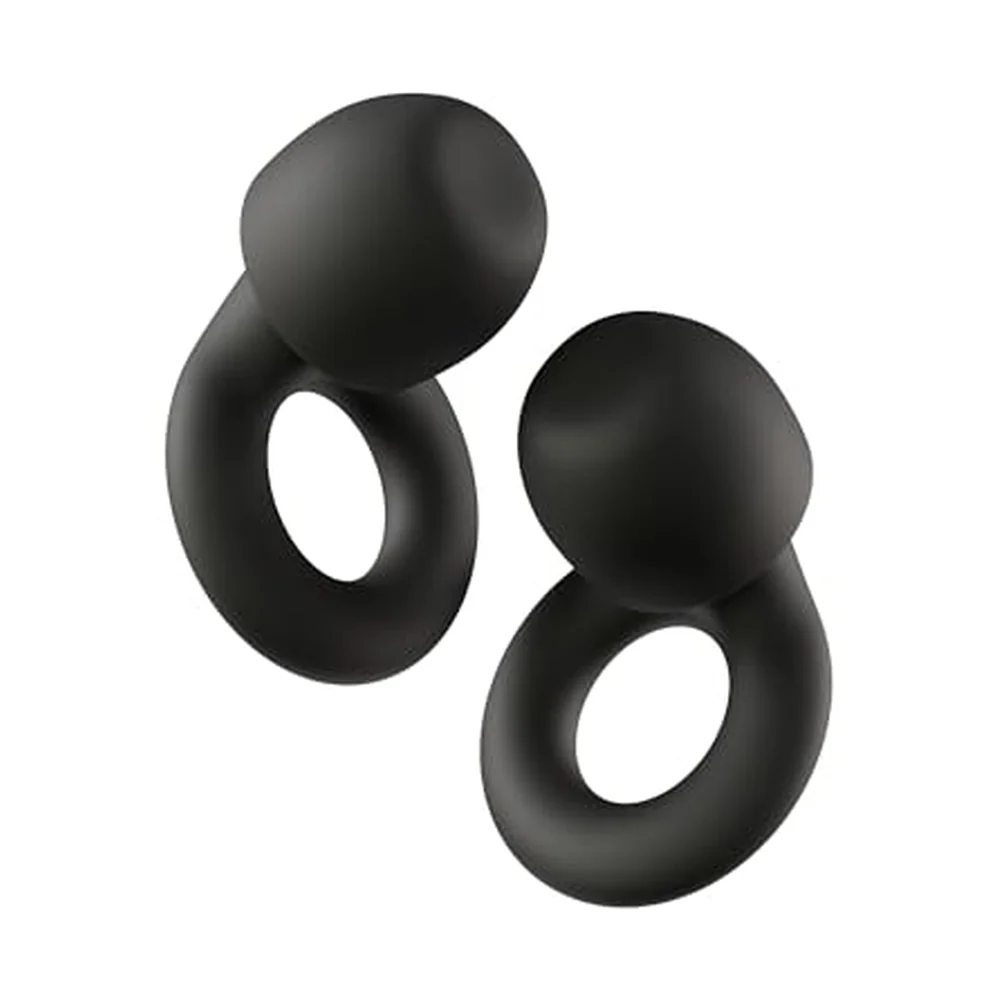



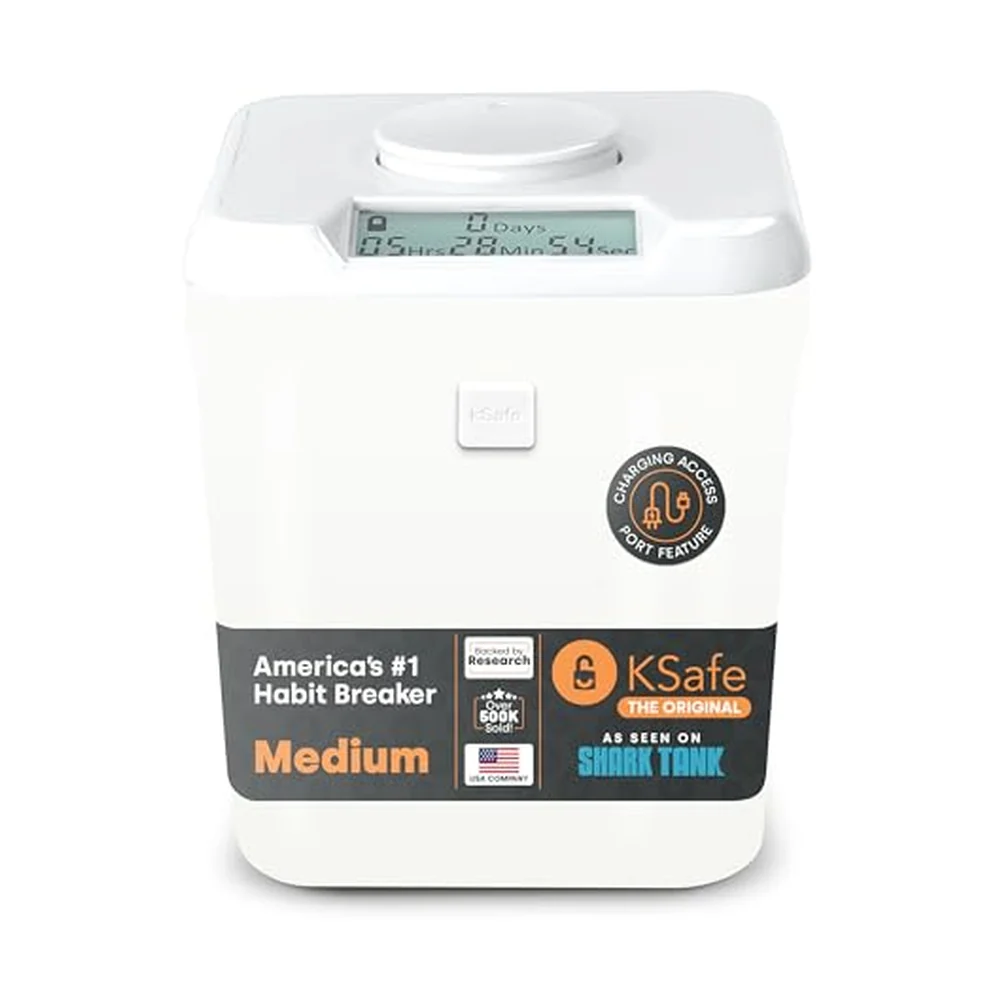
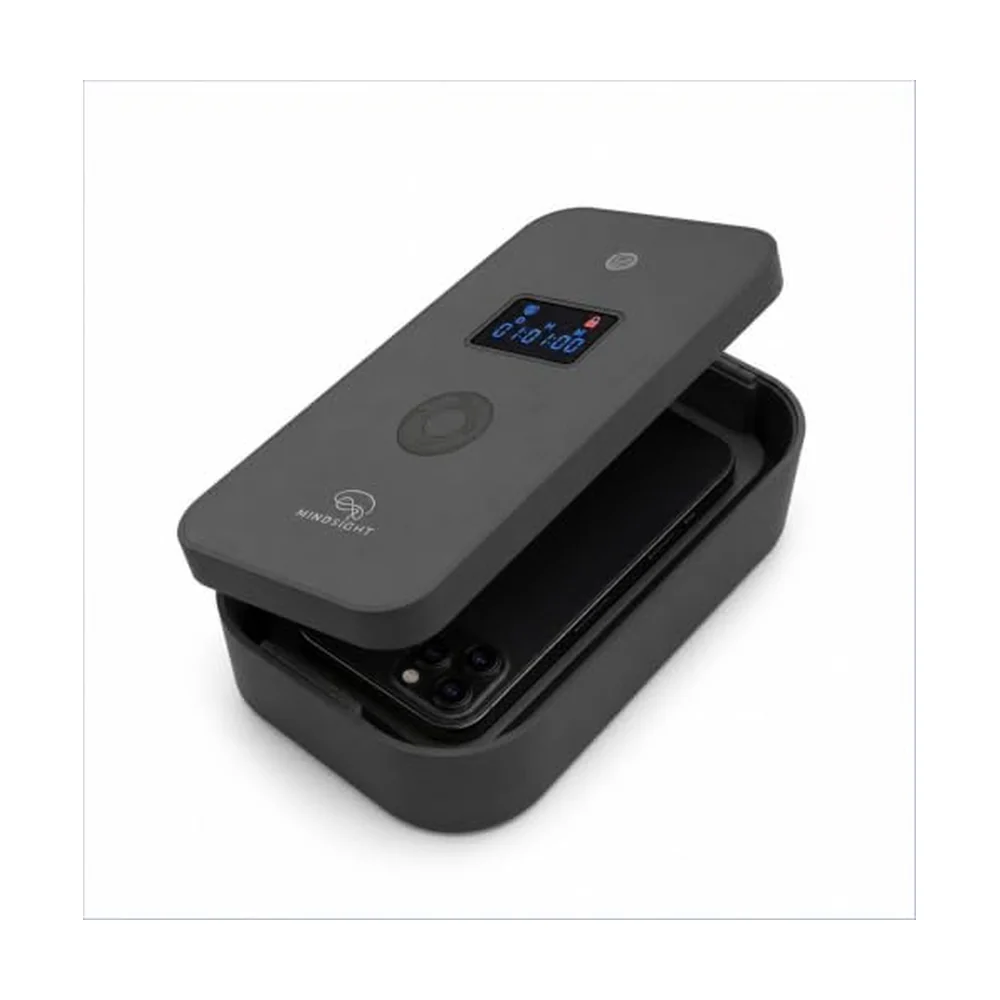
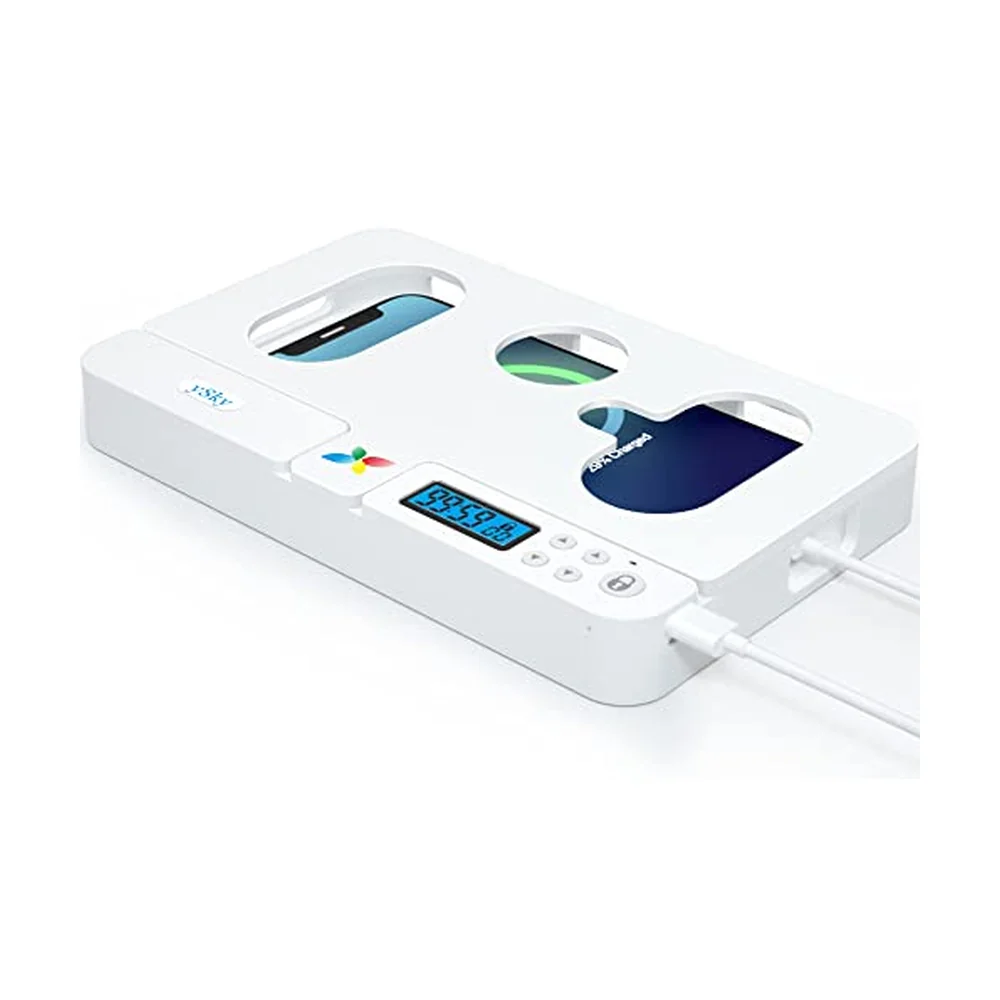

Ready to get unstuck?
The Brain Deck gives you 52 science-backed strategies in your pocket — a physical card deck you keep on your desk, no app required.
See the CardsLaunching soon · 54 cards · Premium matte finish