Best Gifts for Overthinkers: 15 Useful Picks (2026)
Looking for a gift for someone who overthinks everything? These 15 ideas go beyond novelty — they're science-backed tools that genuinely help quiet a busy mind.
By The Brain Deck Editorial
The best gifts for overthinkers interrupt the rumination loop — tactile tools, structured prompts, and sensory grounding beat another self-help book.
Key Takeaways
- The best gifts interrupt the loop — tactile objects, time-limited prompts, or grounding tools beat another productivity planner.
- Analog beats digital for overthinkers — screens feed the scroll; paper, cards, and physical objects create pauses.
- Choose tools that suggest, not prescribe — overthinkers already critique every rule; gentle prompts land better than rigid systems.
- Sensory grounding helps more than advice — weighted blankets, texture, and scent calm the body, which calms the mind.
Gift picks at a glance
Specific, researched versions of the gift ideas below, for when you want one to buy rather than a category to browse.
| Pick | Best for | Price | |
|---|---|---|---|
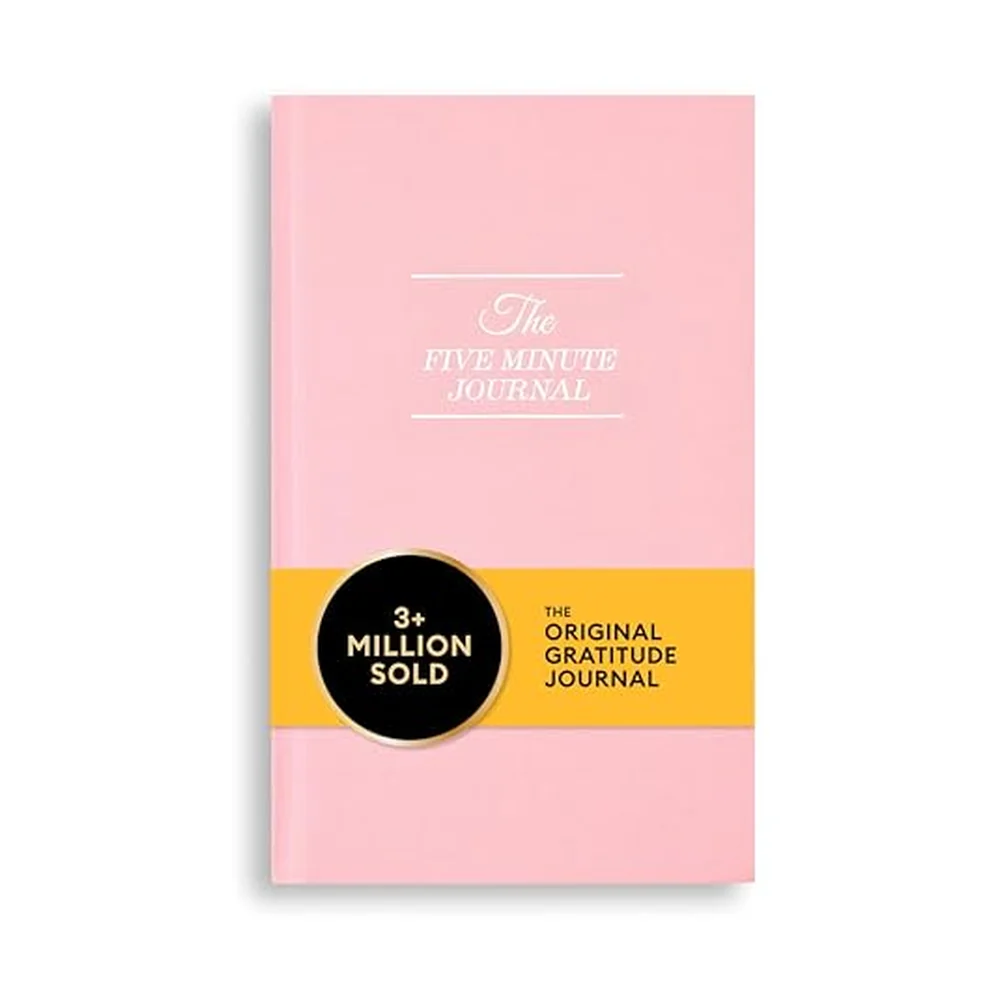 Guided JournalsThe Five Minute Journal | Overthinkers who want a short, fixed daily gratitude routine | $29.99 | Buy on Amazon |
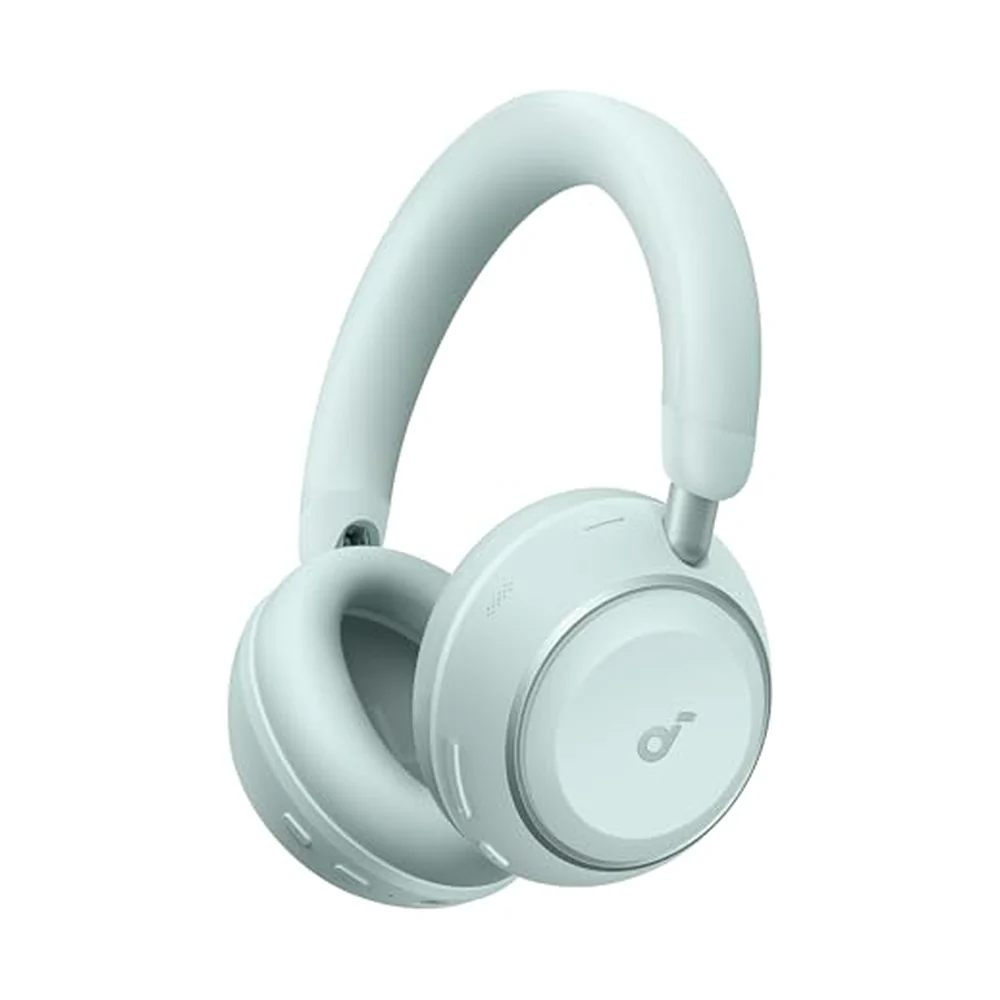 Focus Earplugs & HeadphonesSoundcore by Anker Space 2 Noise Cancelling Headphones | All-day focus in a noisy office or shared home on a budget | $106.99 | Buy on Amazon |
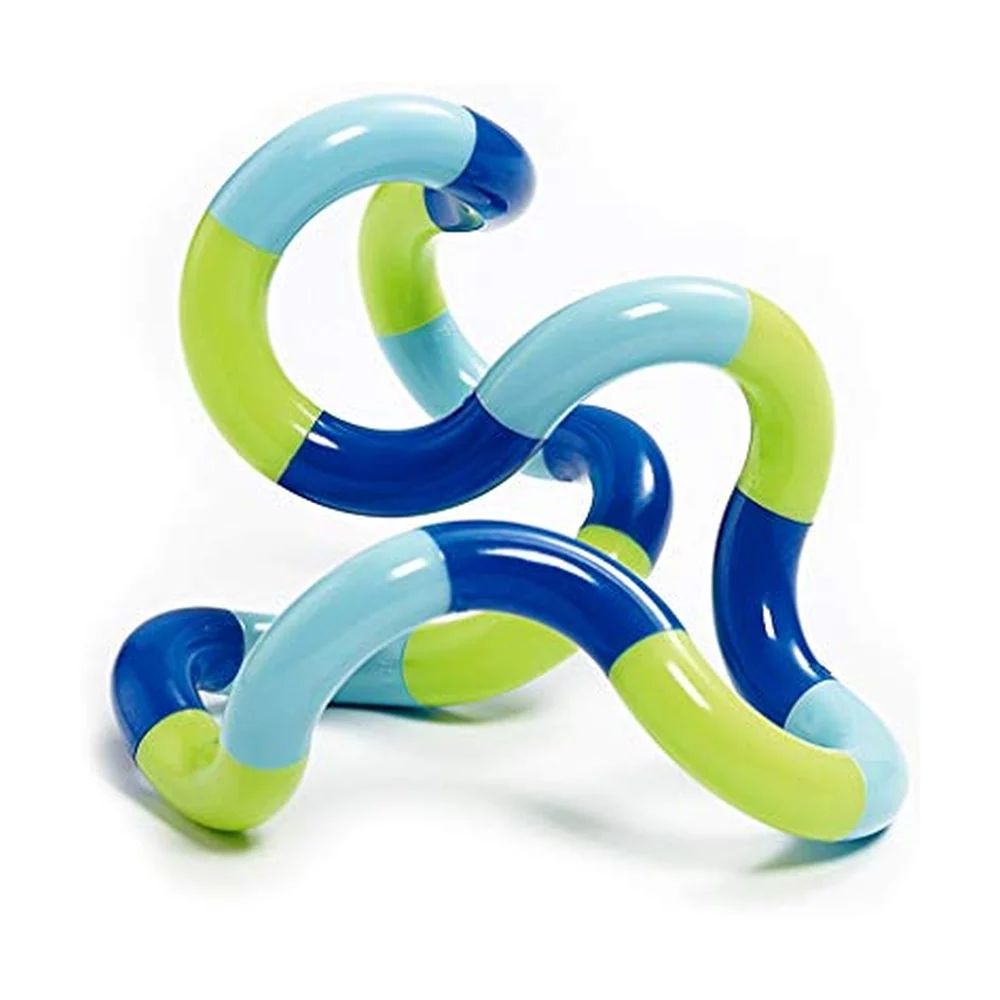
 Fidget ToolsCrazy Aaron's Thinking Putty (Full-Size Tin) | Silent squeezing and stretching at a desk, on a budget | $19.99 | Buy on Amazon |
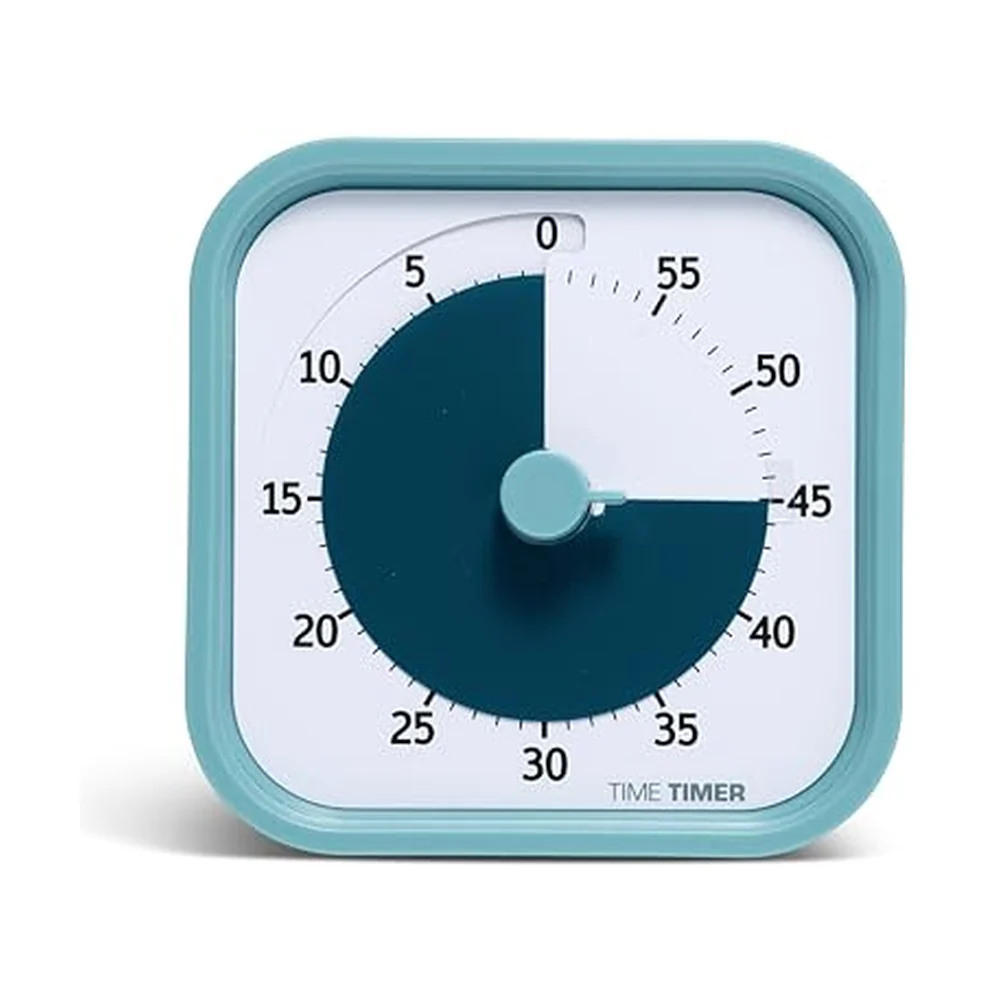 Visual TimersTime Timer MOD Home Edition | One person at a desk who needs a silent timer | $16.96 | Buy on Amazon |
- Guided JournalsThe Five Minute Journal
Overthinkers who want a short, fixed daily gratitude routine
$29.99Buy on Amazon - Focus Earplugs & HeadphonesSoundcore by Anker Space 2 Noise Cancelling Headphones
All-day focus in a noisy office or shared home on a budget
$106.99Buy on Amazon - Fidget ToolsCrazy Aaron's Thinking Putty (Full-Size Tin)
Silent squeezing and stretching at a desk, on a budget
$19.99Buy on Amazon - Visual TimersTime Timer MOD Home Edition
One person at a desk who needs a silent timer
$16.96Buy on Amazon
As an Amazon Associate, The Brain Deck earns from qualifying purchases. It never changes what we recommend or the order we list it in.
Quick reset checklist
- Match the gift to where they overthink (decisions / night / work)
- Pick something tactile, not another app
- Avoid 'should be more X' framing in the card
- If they already own 3 productivity books, skip the fourth
Try this first
The best gifts for overthinkers are ones that gently interrupt the cycle of rumination and give the mind something concrete to do. Forget the "live, laugh, love" mugs. What an overthinker actually needs is a tool that redirects mental energy — something that meets them where they are and offers a way forward. The 15 ideas below range from practical focus tools to sensory comfort items, each chosen because they address a real aspect of overthinking.
Research by Dr. Barry Schwartz at Swarthmore College has shown that overthinking is often triggered by an excess of choices and the pressure to make the "perfect" decision. Meanwhile, Dr. Timothy Pychyl at Carleton University has demonstrated that overthinking frequently leads to procrastination — the mind spins on possibilities instead of acting. The best gifts for overthinkers work by reducing options, grounding the body, or channeling mental energy into something productive. If you want to understand the mechanics of overthinking more deeply, our guide on how to stop overthinking covers the research in detail.
What Makes a Gift Good for an Overthinker?
Before the list, a quick framework. Effective gifts for overthinkers typically do one of three things: they reduce decision load (fewer choices to agonize over), engage the senses (pulling attention out of the head and into the body), or provide structure (giving the mind a clear path instead of an open field). The best gifts do more than one of these at once.
1. The Brain Deck
The Brain Deck is a 52-card deck of science-backed strategies for getting unstuck. Each card has a specific technique on the front and the research behind it on the back. What makes it especially useful for overthinkers is its structure: instead of figuring out what to do when your mind is spiraling, you draw a card and follow the prompt. It removes the decision from the equation entirely.
The deck is organized around five feeling-states — including "I'm Stuck" and "I Can't Start" — so it meets you where you are emotionally. For someone who tends to overthink their way into paralysis, having a physical object that says "try this specific thing right now" can be genuinely liberating. Coming soon at thebraindeck.com.
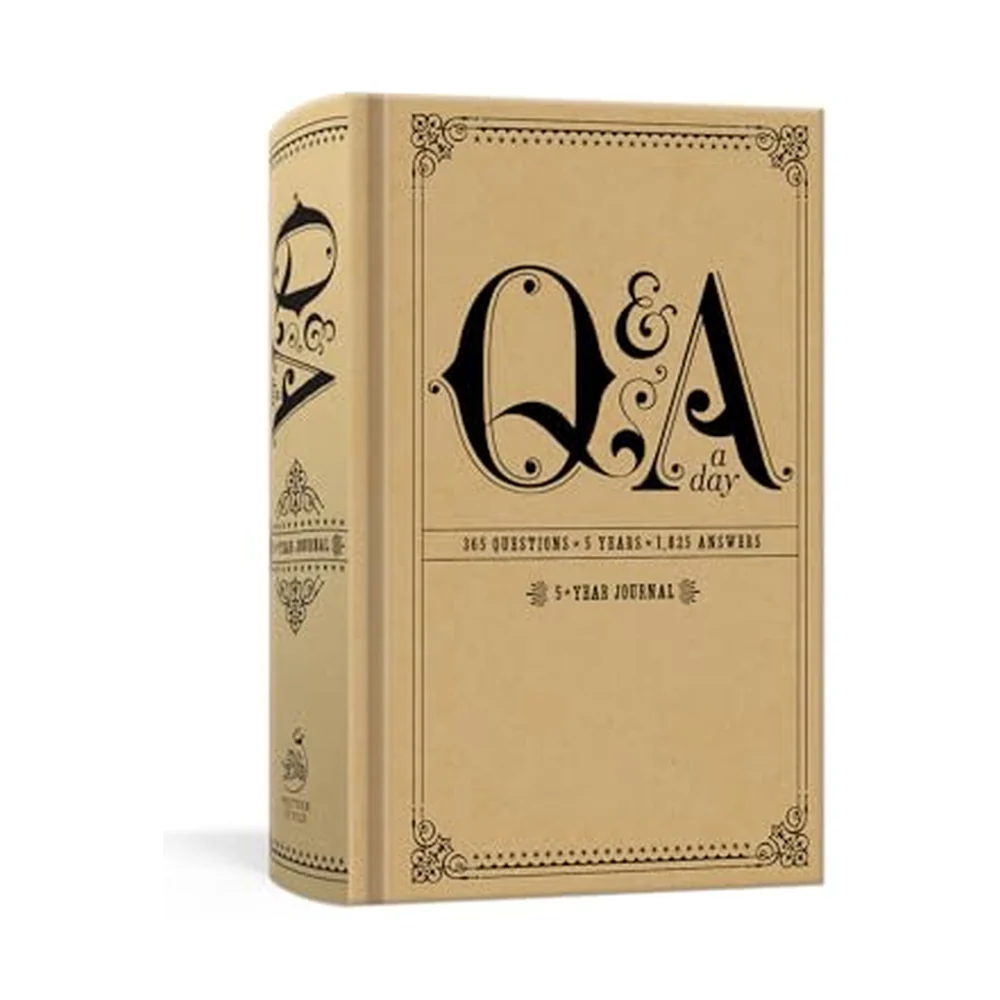
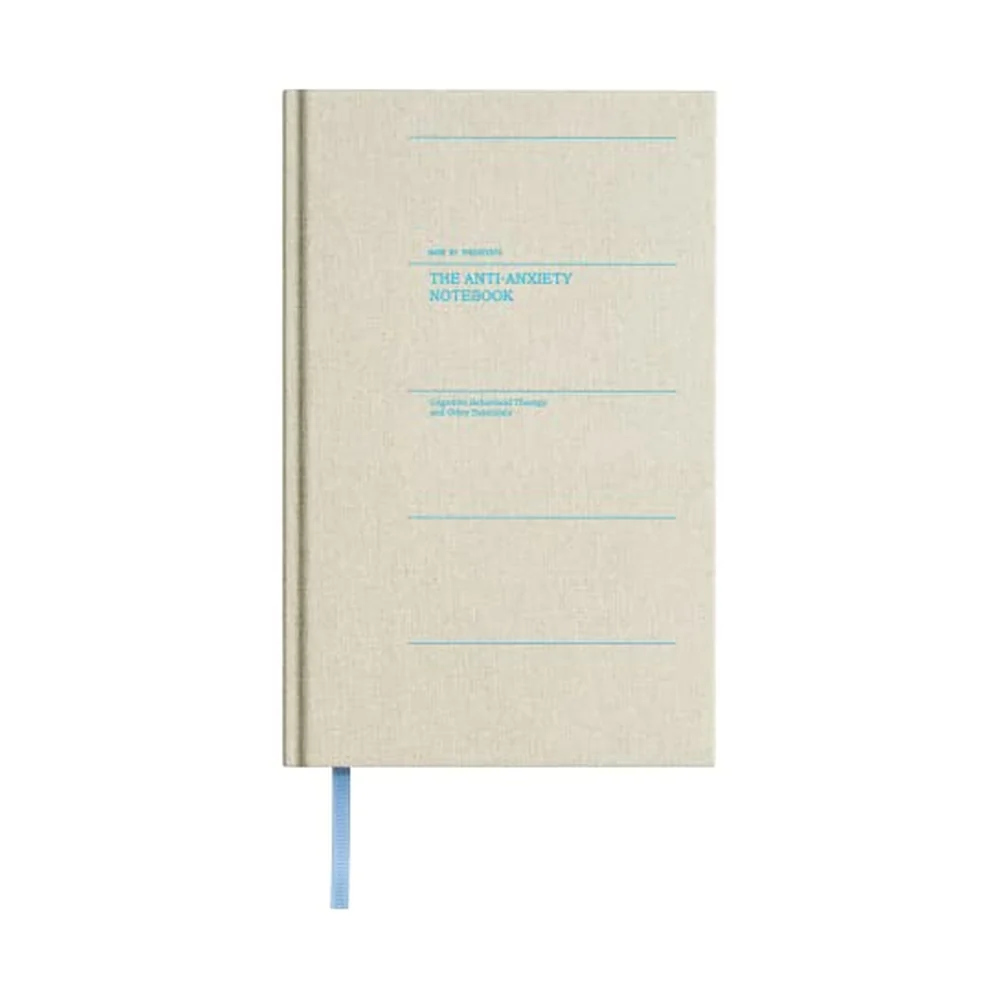
2. A Guided Journal with Prompts
Blank journals can actually make overthinking worse — too many possibilities for what to write. A guided journal with specific prompts gives structure to the reflection process. Look for journals built around gratitude, daily intentions, or cognitive behavioral therapy (CBT) frameworks. The constraint of a prompt channels rumination into something productive.
3. A Weighted Blanket
Weighted blankets apply deep pressure stimulation, which research suggests activates the parasympathetic nervous system — the body's "rest and digest" mode. For overthinkers whose busy minds keep them awake at night, a weighted blanket (typically 10-15% of body weight) can help the body signal to the brain that it's safe to slow down.
4. Noise-Canceling Headphones
Overthinkers are often hypersensitive to environmental stimulation. Quality noise-canceling headphones create a bubble of quiet that reduces sensory input, making it easier to focus or simply rest. They're practical, usable daily, and pair well with white noise apps or calming playlists.
5. A Meditation App Subscription
Apps like Headspace, Calm, or Waking Up offer guided meditations specifically designed for anxious or racing minds. Research from Dr. Mihaly Csikszentmihalyi's work on flow states suggests that training attention through meditation builds the capacity to direct focus intentionally rather than being pulled by every passing thought. A gift subscription removes the friction of cost and commitment.
6. Puzzle Books or Strategy Games
Crosswords, logic puzzles, Sudoku, and strategy games give an overthinker's mind something satisfying to chew on. They channel analytical energy into a contained problem with a clear solution — the opposite of the open-ended rumination that causes distress. Look for collections that offer graduated difficulty so they stay engaging without becoming frustrating.
7. An Anxiety Ring or Fidget Jewelry
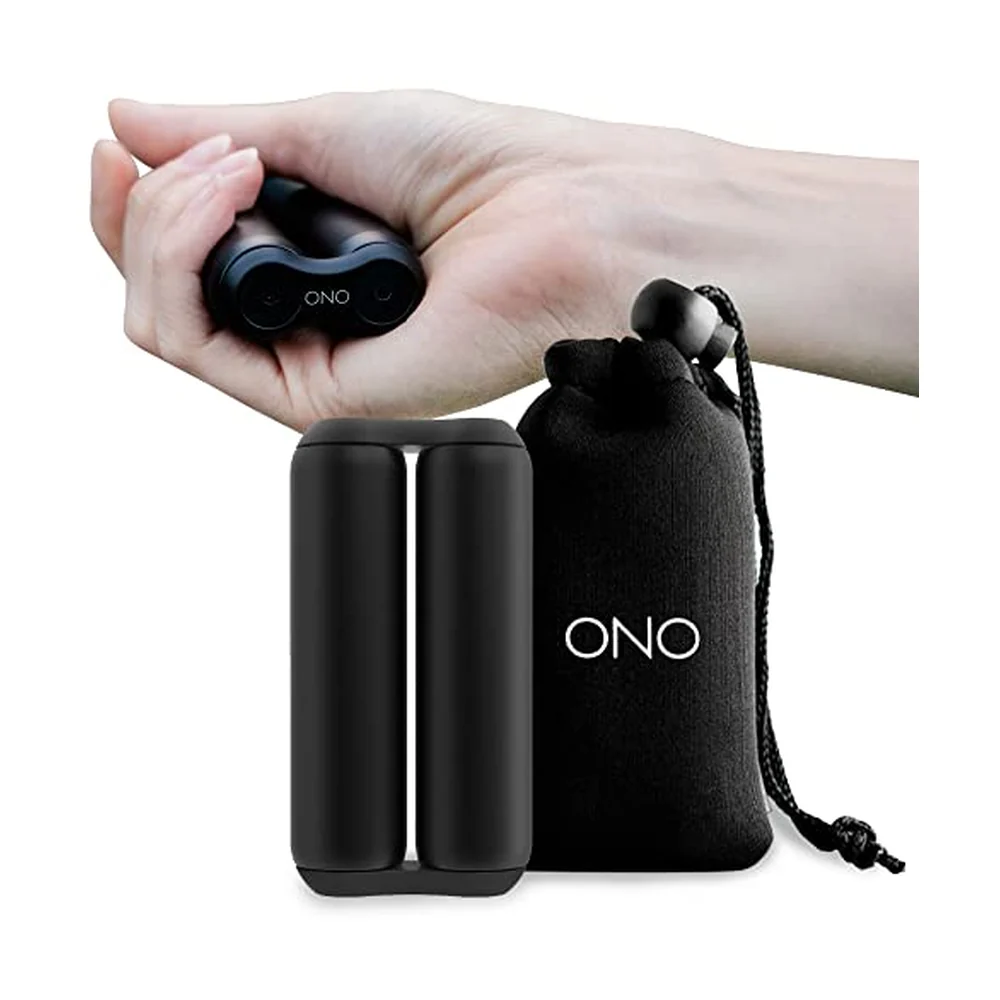
Spinner rings, worry stones, and textured bracelets provide subtle sensory input that can redirect anxious energy. They're discreet enough for work or social settings and give restless hands something to do while the mind processes. The tactile feedback serves as a gentle grounding technique, pulling attention from abstract worries into physical sensation.
8. An Aromatherapy Diffuser with Essential Oils
Scent is one of the most direct pathways to the emotional brain. Lavender, chamomile, and bergamot have been studied for their calming effects. An aromatherapy diffuser creates a sensory environment that signals relaxation — useful for overthinkers who need help transitioning out of "thinking mode" at the end of the day.
9. A Decision-Making Tool
For overthinkers who get stuck on decisions specifically, a structured decision-making tool can be a lifesaver. This could be a decision-making journal, a pros-and-cons framework card, or even a beautifully designed coin or dice set for low-stakes decisions. Dr. Schwartz's research on the paradox of choice shows that reducing the weight of small decisions preserves mental energy for the ones that matter.
10. A Coloring Book for Adults
Adult coloring books are more than a trend. The repetitive, focused activity of coloring activates the brain's default mode network in a controlled way, providing a meditative state without requiring meditation skills. Choose books with intricate geometric patterns or nature scenes — the complexity absorbs attention without demanding creative decisions.
11. A Subscription Box for a Specific Interest
Subscription boxes eliminate the "what should I do?" problem by delivering curated activities or products on a schedule. Tea subscriptions, book clubs, craft kits, or snack boxes all provide novelty and engagement without requiring the recipient to research, compare, and choose — which is exactly the process that exhausts overthinkers. For more on why decision fatigue compounds overthinking, see our deep dive.
12. A Physical Timer (Not a Phone App)
A dedicated timer — like a visual countdown timer or a sand hourglass — creates a physical boundary around tasks and worry periods. The tangible, visible countdown externalizes time in a way that phone timers don't. Some overthinkers find it helpful to set a "worry timer" — ten minutes to think about a concern, after which they move on. The physical object makes the boundary feel real.
13. A Comfort Item with Texture
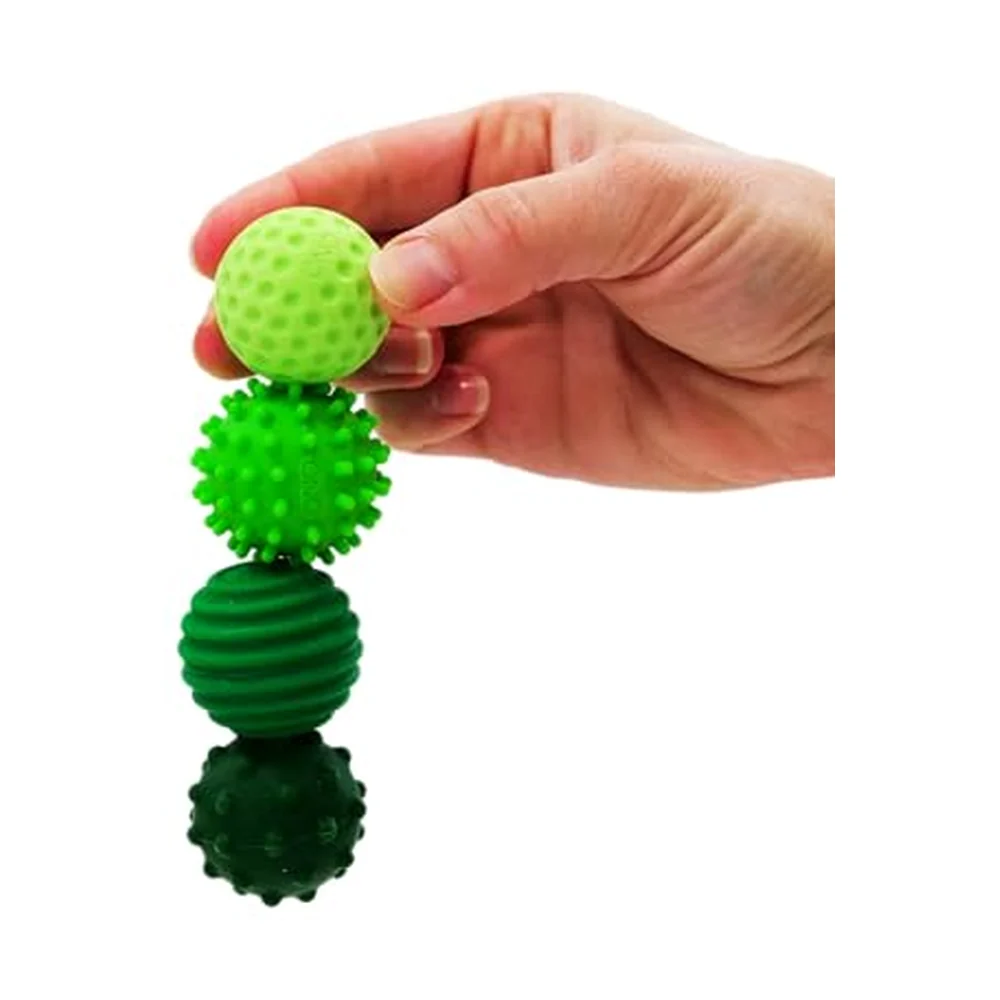
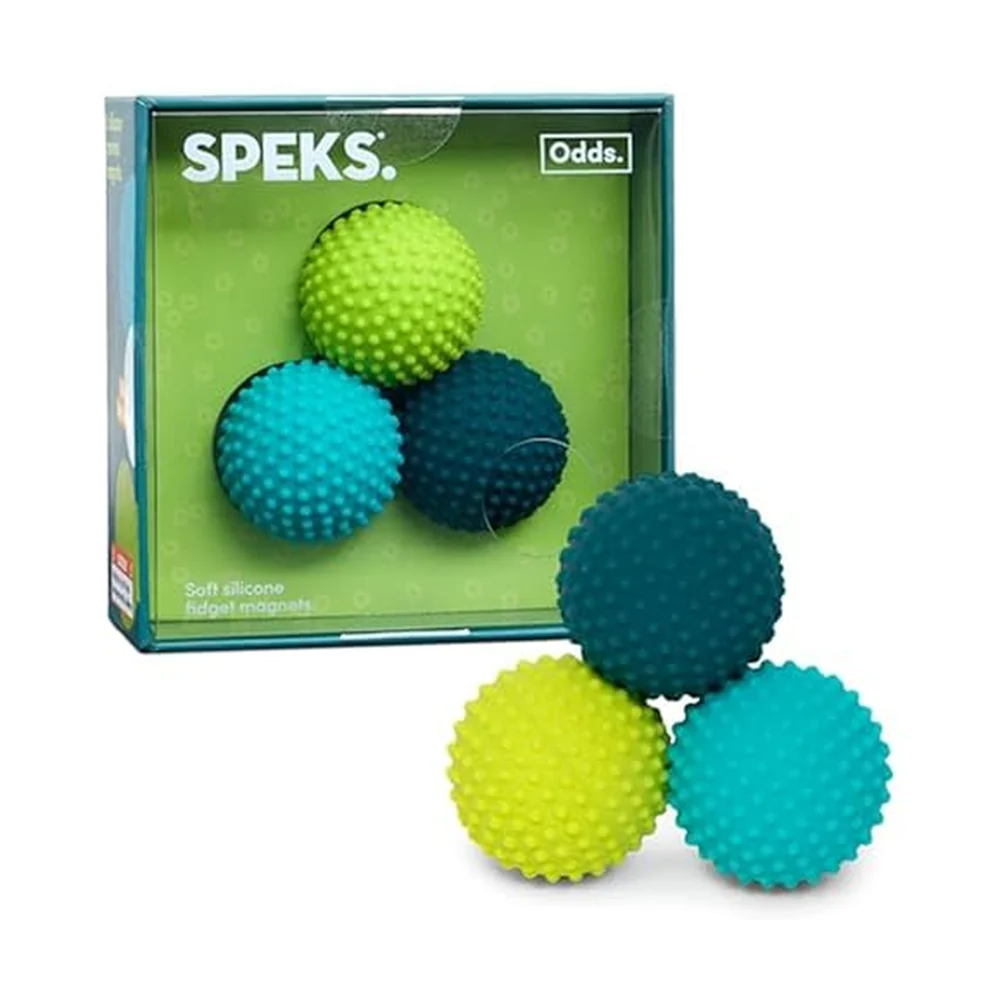
Soft throw blankets, textured pillows, or even a high-quality stuffed animal can serve as grounding tools. Tactile comfort items engage the senses and provide a physical anchor during anxious moments. This isn't childish. Many people find that giving their hands something to hold pulls attention out of a spiral and back into the room.
14. A "Done" List Notepad
Overthinkers often focus on what they haven't done rather than what they have. A "done list" notepad flips the script — instead of a to-do list, it's a place to record accomplishments at the end of each day. Based on research from Dr. Teresa Amabile at Harvard, the "progress principle" shows that recognizing small wins is one of the most powerful motivators and mood boosters available. For more on building momentum through small progress, read our guide on how to build momentum.
15. A Book on the Science of Thinking
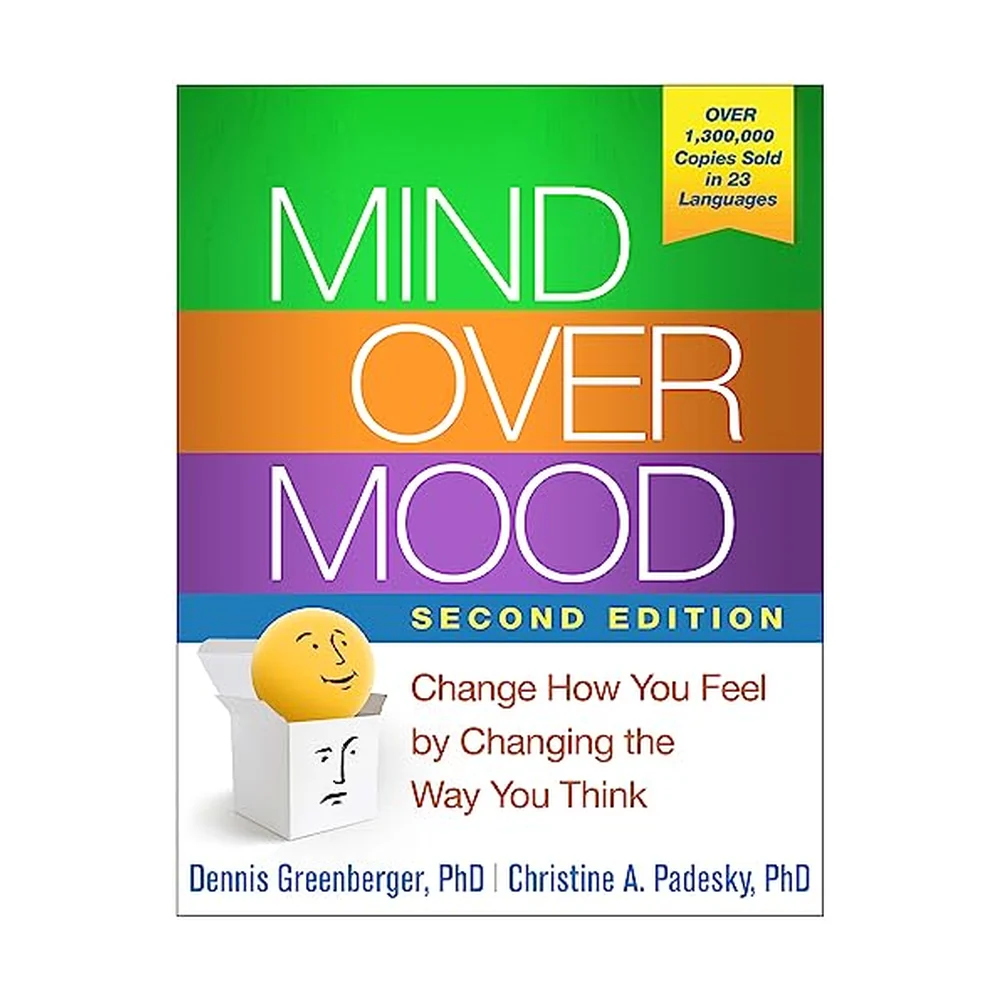
Sometimes understanding why your mind works the way it does is the most powerful intervention. Books like The Paradox of Choice by Barry Schwartz, Thinking, Fast and Slow by Daniel Kahneman, or Solving the Procrastination Puzzle by Timothy Pychyl give overthinkers the intellectual framework to understand their patterns — and that understanding itself reduces the anxiety of not knowing why they can't stop thinking.
How to Choose the Right Gift
Match the gift to the type of overthinking. If they overthink decisions, go with The Brain Deck, a decision-making tool, or a subscription box. If they overthink at night, a weighted blanket, aromatherapy, or a meditation app subscription will land best. If they overthink during work, noise-canceling headphones, a physical timer, or a fidget ring will see daily use.
The most thoughtful gift for an overthinker isn't one that tells them to "just relax." It's one that quietly provides a tool, a structure, or a sensory anchor that makes relaxation — or at least forward motion — a little easier to access.
Common mistake
What people on Reddit actually say
- r/adhdwomen⬆ strong consensus
r/adhdwomen threads love tactile gifts — weighted blankets, fidget tools, textured journals — as gifts for overthinkers. The physical sensation does more than any 'stop overthinking' book.
- r/ZenHabits💬 commonly repeated
r/ZenHabits consensus on gifts for anxious minds: anything that creates a daily pause — a card deck, a simple timer, a walking playlist — outperforms elaborate self-help purchases.
- r/selfimprovement💬 commonly repeated
r/selfimprovement regulars note that overthinkers already own three productivity books they haven't read. The best gifts are single-purpose, no-homework objects they'll actually use.
Paraphrased consensus from public threads — no direct user quotes.
Pull a card · free sample
Looking for the gift yourself? Pull from the 'Can't Decide' suit — it picks one focus area in 30 seconds.
Pull a random card →
Tools that help with this
Ready to get unstuck?
The Brain Deck gives you 52 science-backed strategies in your pocket — a physical card deck you keep on your desk, no app required.
See the CardsLaunching soon · 54 cards · Premium matte finish