Best Gifts for People with ADHD: 12 Picks (2026)
Shopping for someone with ADHD? Skip the generic planners. These focus tools are chosen specifically for how ADHD brains work — practical, engaging, and genuinely helpful.
By The Brain Deck Editorial
ADHD-friendly gifts work with the brain, not against it — novelty, sensory engagement, and external structure beat any color-coded planner.
Key Takeaways
- ADHD gifts should engage, not nag — timers, fidgets, and visual tools help; generic planners collect dust.
- Novelty is a feature — ADHD brains pattern-match boredom quickly, so variety in the gift matters.
- External structure beats internal reminders — visible timers, wall calendars, and physical cues carry the weight.
- Low-friction tools win — if it needs setup, a login, or a tutorial, it won't get used.
Gift picks at a glance
Specific, researched versions of the gift ideas below. Each name links to a full write-up with the trade-offs.
| Pick | Best for | Price | |
|---|---|---|---|
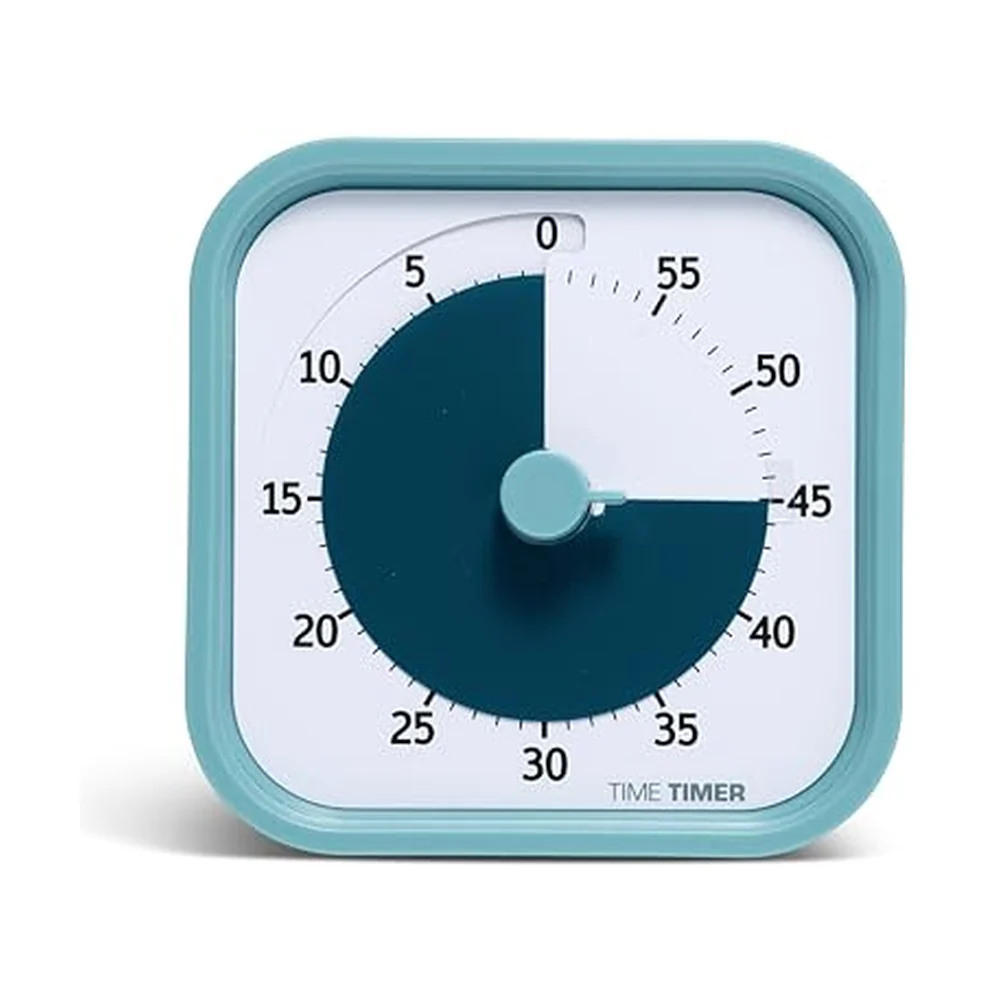 Visual TimersTime Timer MOD Home Edition | One person at a desk who needs a silent timer | $16.96 | Buy on Amazon |
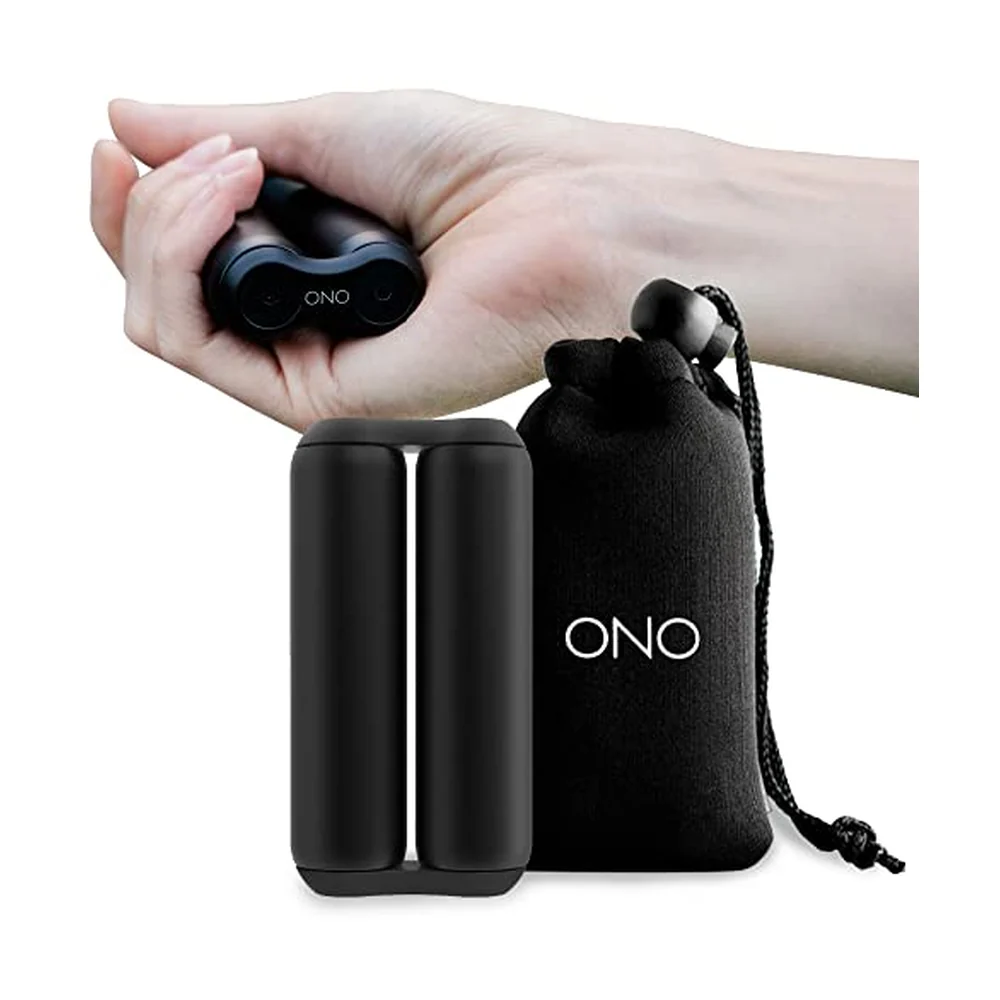 Fidget ToolsONO Roller Aluminum | A silent, durable desk fidget for meetings and calls | $40.00 | Buy on Amazon |
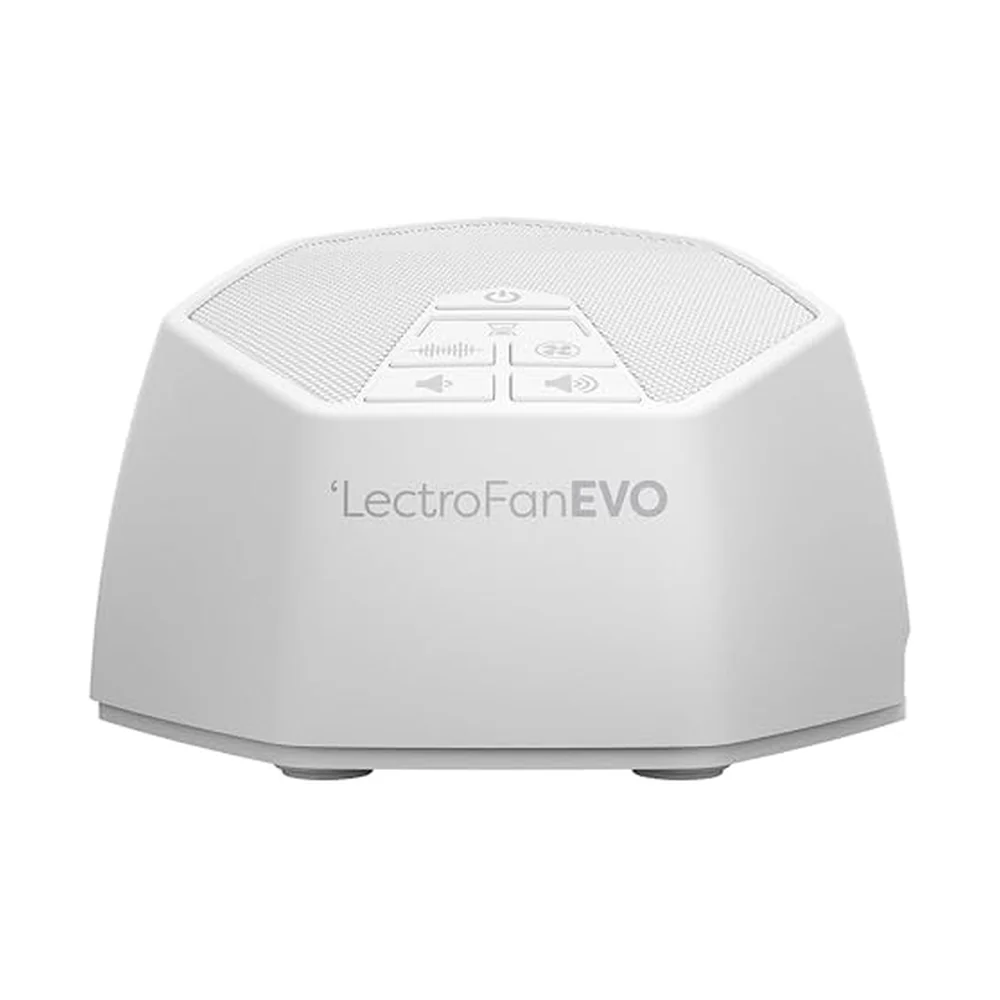 White Noise MachinesLectroFan EVO | One machine for desk and bedroom, with brown noise | $64.95 | Buy on Amazon |
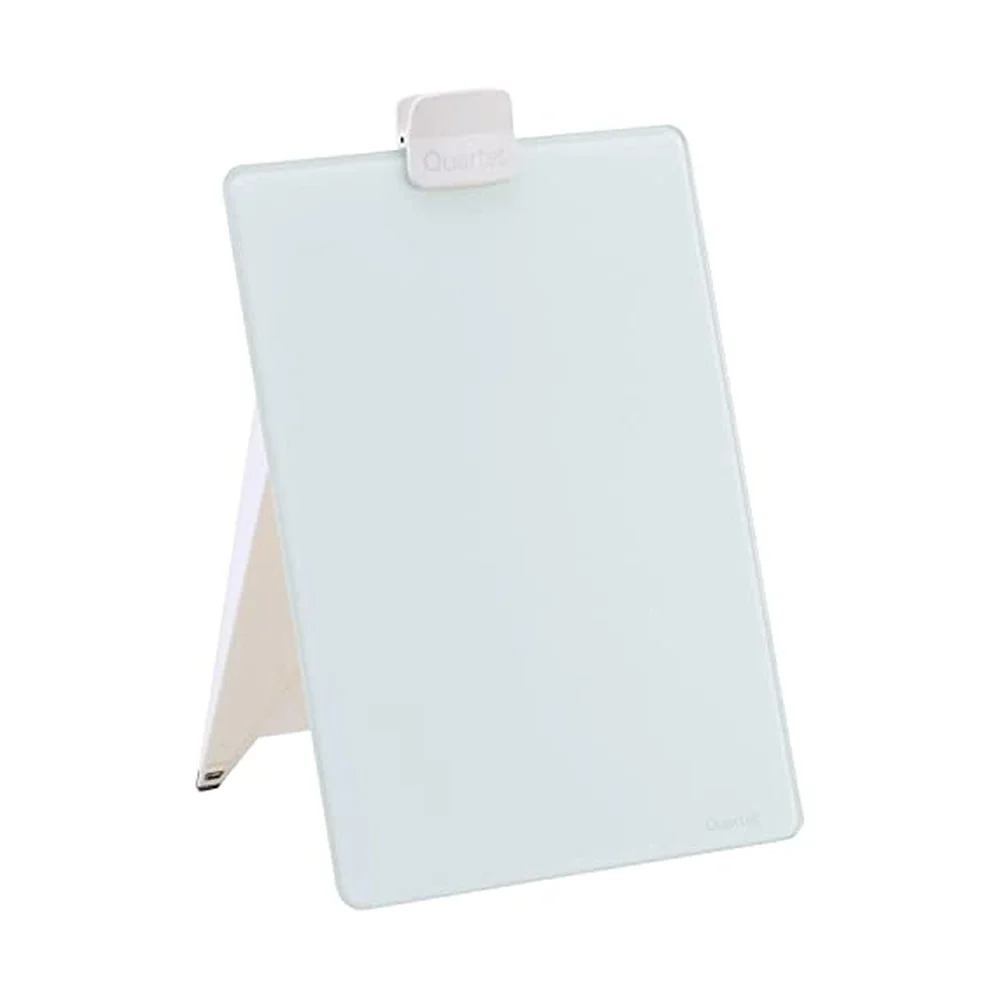 Desk WhiteboardsQuartet Glass Desktop Dry-Erase Easel, 9 x 11 Inches | A glass board that stands upright on the desk, in view all day | $26.16 | Buy on Amazon |
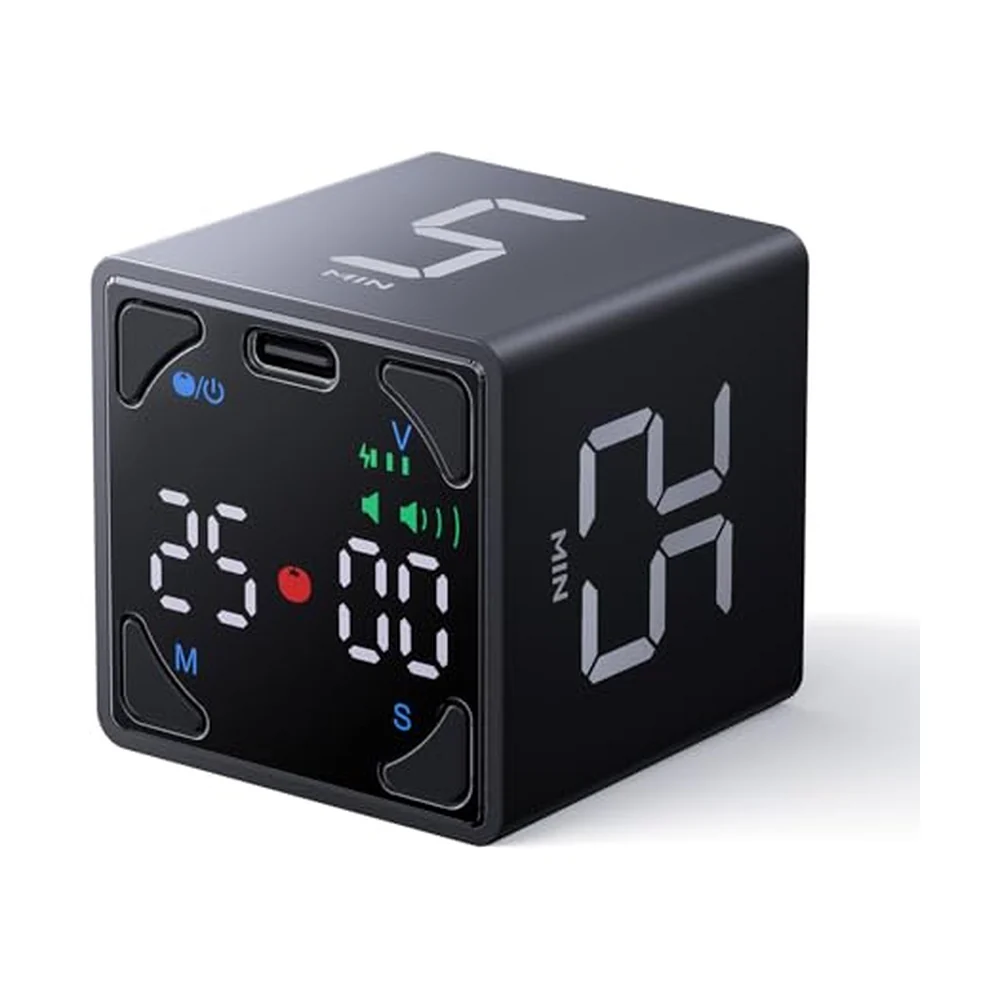 Visual TimersTicktime Pomodoro Timer Cube | Pomodoro users who want to start a session by flipping | $24.92 | Buy on Amazon |
- Visual TimersTime Timer MOD Home Edition
One person at a desk who needs a silent timer
$16.96Buy on Amazon - Fidget ToolsONO Roller Aluminum
A silent, durable desk fidget for meetings and calls
$40.00Buy on Amazon - White Noise MachinesLectroFan EVO
One machine for desk and bedroom, with brown noise
$64.95Buy on Amazon - Desk WhiteboardsQuartet Glass Desktop Dry-Erase Easel, 9 x 11 Inches
A glass board that stands upright on the desk, in view all day
$26.16Buy on Amazon - Visual TimersTicktime Pomodoro Timer Cube
Pomodoro users who want to start a session by flipping
$24.92Buy on Amazon
As an Amazon Associate, The Brain Deck earns from qualifying purchases. It never changes what we recommend or the order we list it in.
Quick reset checklist
- Skip generic planners — they collect dust
- Pick visible, single-purpose tools
- Choose novelty + low friction over comprehensive
- Pair the gift with a card explaining how to use it
Try this first
The best gifts for people with ADHD are tools that work with the ADHD brain, not against it. That means skipping the color-coded planner systems and instead choosing items that provide external structure, sensory engagement, and low-friction ways to start tasks. ADHD is a neurological condition affecting executive function — the brain's capacity to plan, prioritize, and follow through. The right gift doesn't ask someone to "try harder." It changes the environment so that trying isn't the bottleneck.
Dr. Russell Barkley, one of the leading ADHD researchers, emphasizes that ADHD is fundamentally a disorder of performance, not knowledge. People with ADHD often know what to do — they struggle to do it at the point of performance. Dr. Ned Hallowell, a psychiatrist and ADHD expert, adds that the ADHD brain thrives on novelty, interest, and immediate feedback. The best gifts provide exactly these qualities. Here are focus tools that actually work.
What Should You Look for in an ADHD-Friendly Gift?
Gifts that work for ADHD brains share a few characteristics. They provide immediate engagement (no lengthy setup or learning curve). They offer sensory feedback (tactile, visual, or auditory). They create external structure (timers, prompts, constraints) that compensates for internal executive function challenges. And critically, they don't require sustained willpower to use — they make the right action the easy action.
One important note: ADHD is a real neurological condition, not a character flaw or a productivity problem to be optimized away. The tools below are meant to support, not fix. They work best alongside professional treatment and understanding.
1. The Brain Deck
The Brain Deck is a 52-card deck of science-backed strategies for getting unstuck, and it's particularly well-suited for ADHD brains. Here's why: when someone with ADHD is stuck, the worst thing you can ask them to do is open a book, read a chapter, or search through an app for advice. The Brain Deck reduces that to a single action — draw a card.
Each card provides a specific technique (front) and the research behind it (back). The deck is organized by feeling-states: "I Can't Start," "I'm Stuck," "I'm Scattered," "I'm Drained," and "I Want to Quit." This emotional categorization aligns with how Dr. Barkley describes ADHD — as a condition where emotional states directly drive (or block) behavior. Instead of asking "what should I do?" the person asks "how am I feeling?" and draws accordingly. The novelty of drawing a random card also plays to the ADHD brain's preference for surprise and variety. Coming soon at thebraindeck.com.
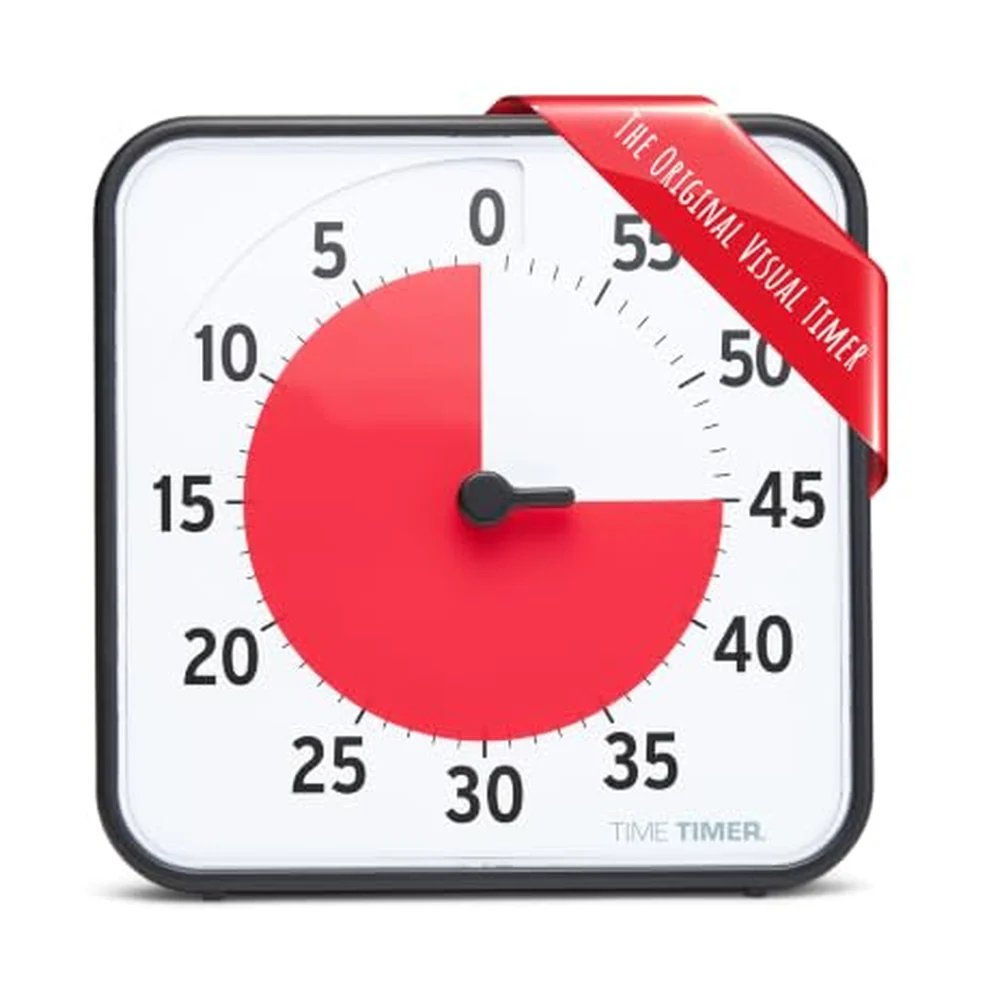
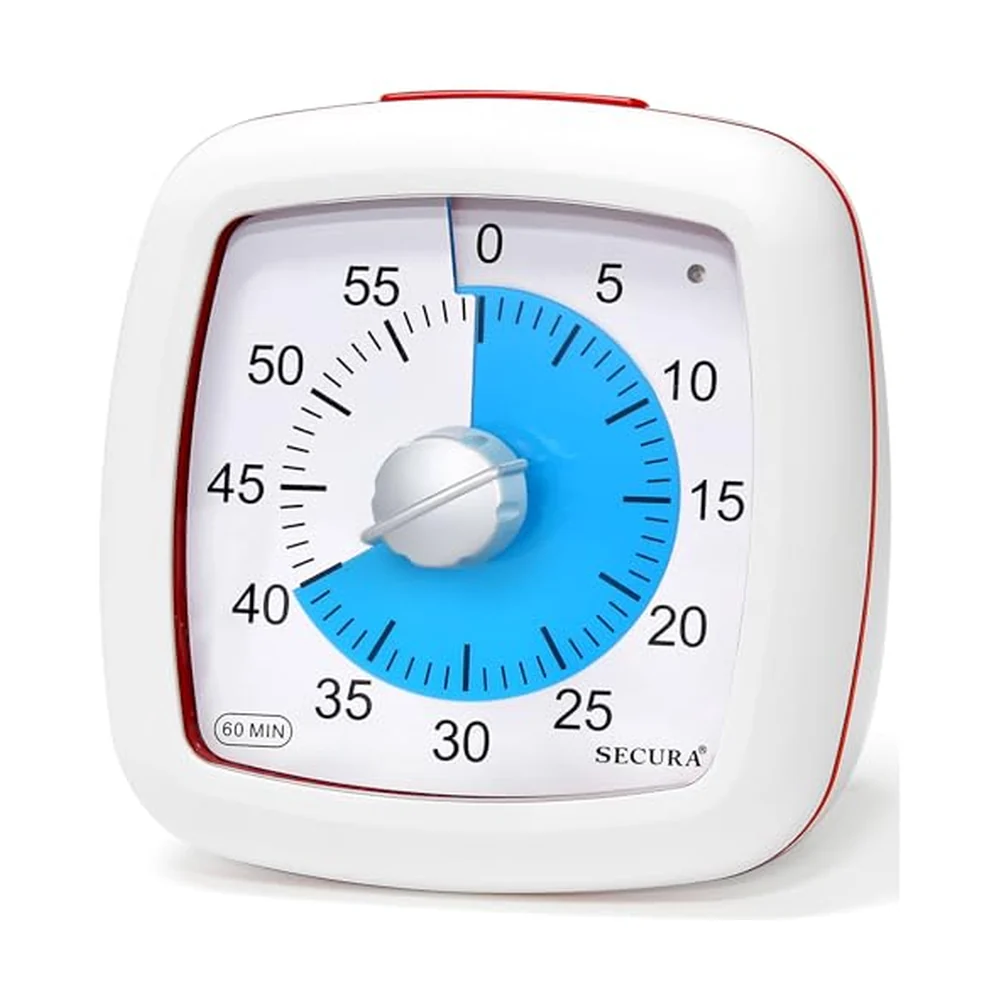
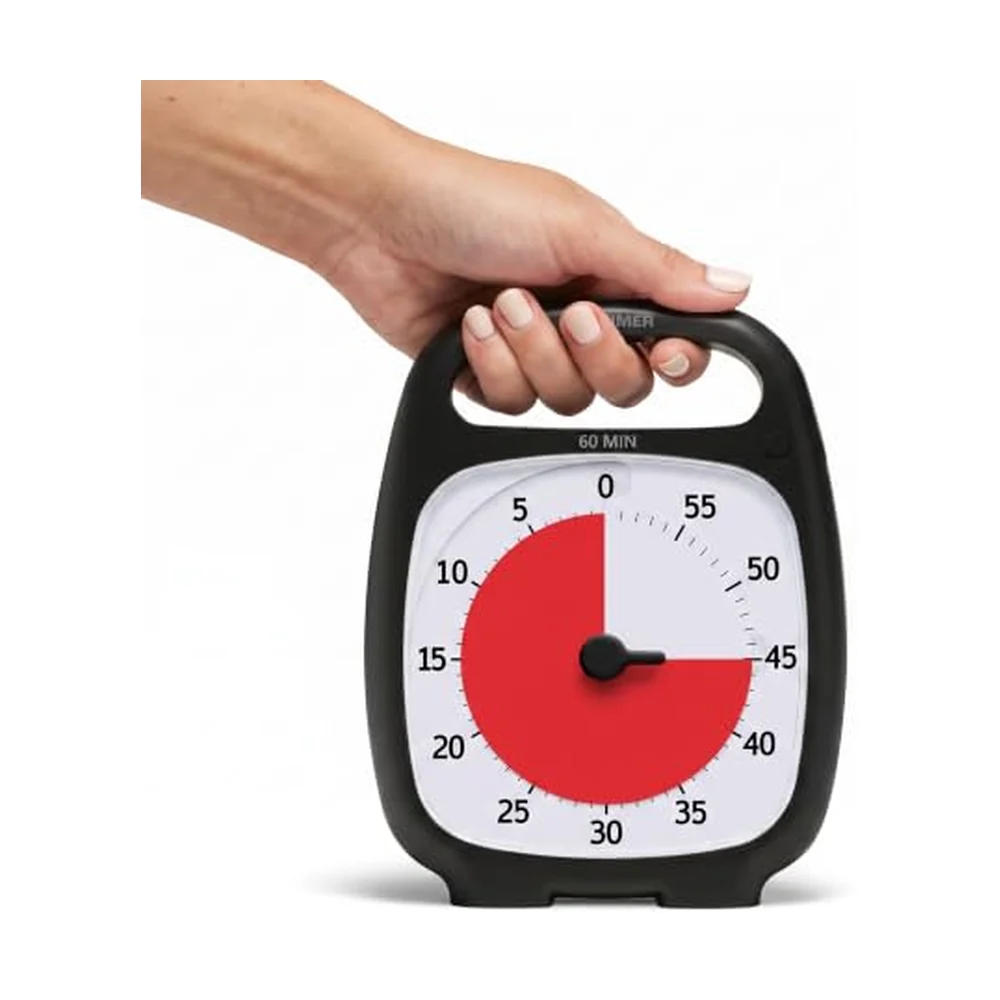
2. Visual Timers
Time blindness — difficulty perceiving how much time has passed or how much remains — is one of the most impactful ADHD symptoms. Visual timers, which display remaining time as a shrinking colored disk, make time concrete and visible. Unlike phone timers that are out of sight and out of mind, a visual timer sitting on a desk continuously communicates "this is how much time you have." They're useful for work sessions, transitions, and even morning routines.
3. Fidget Tools
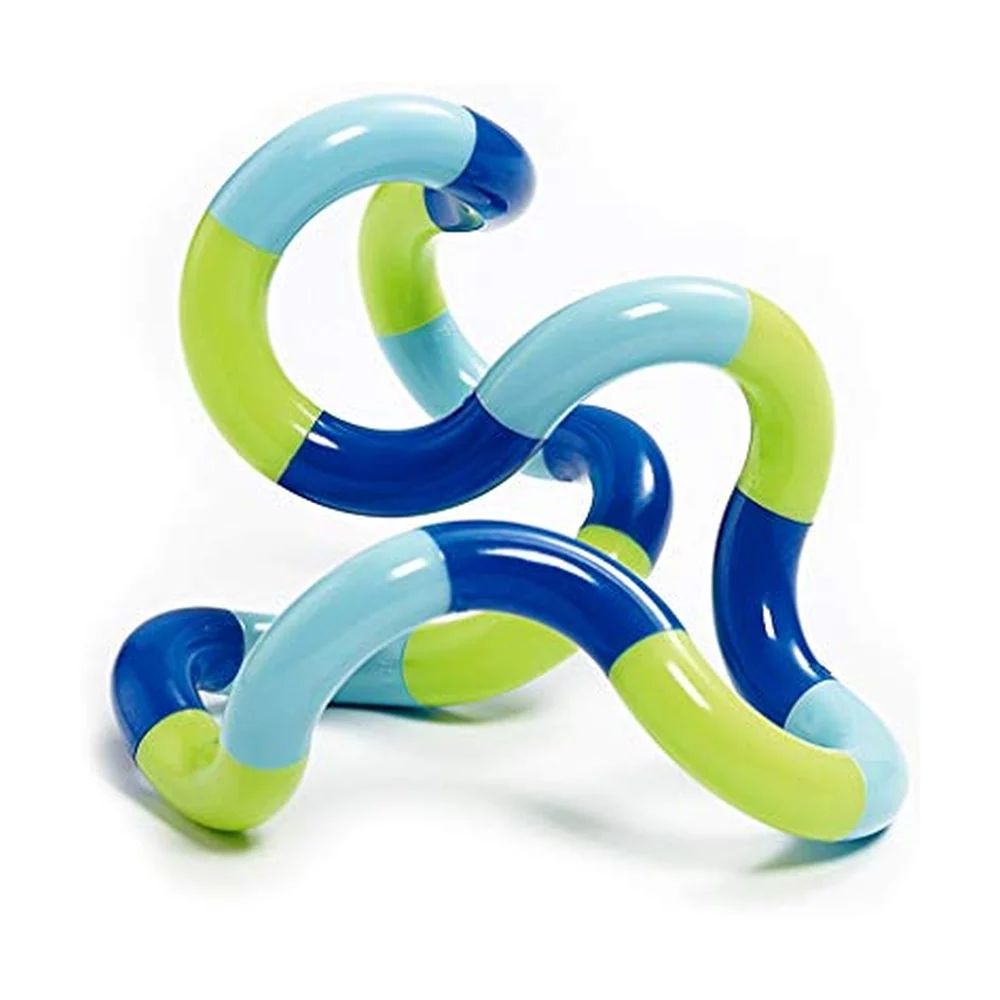
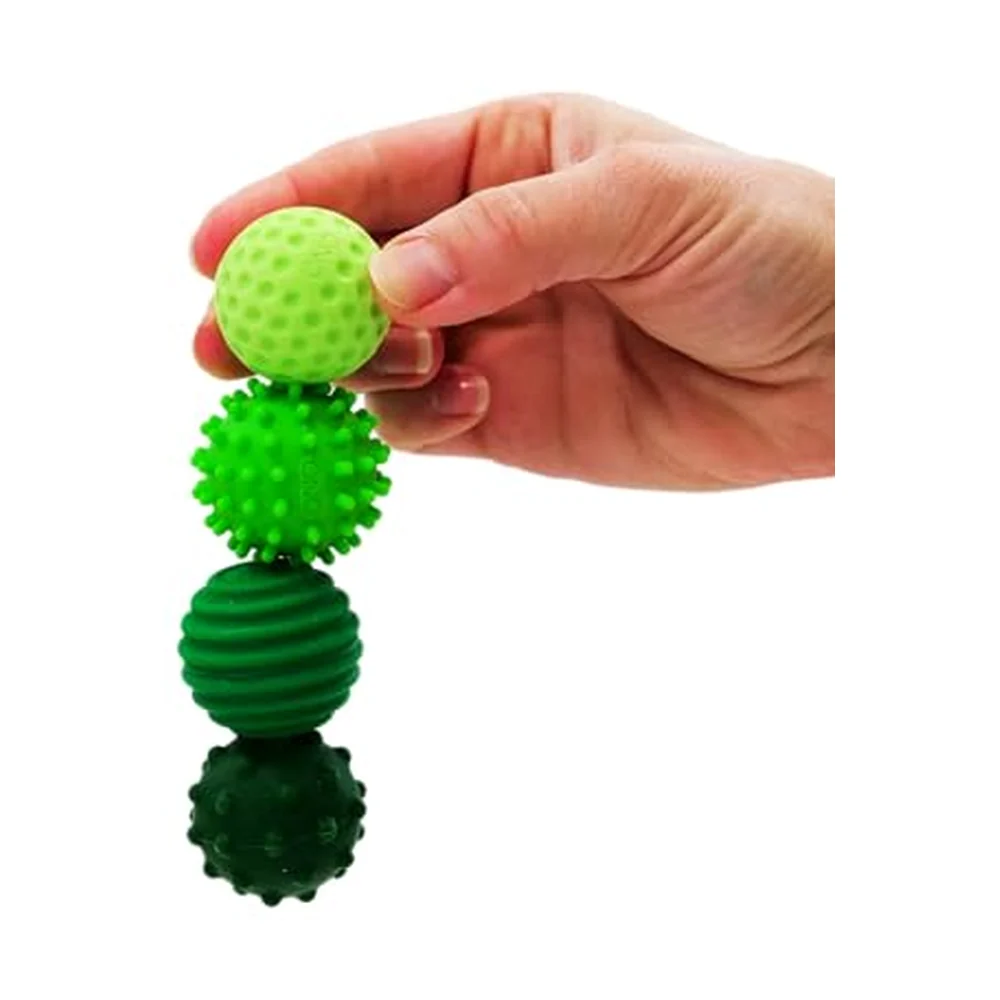
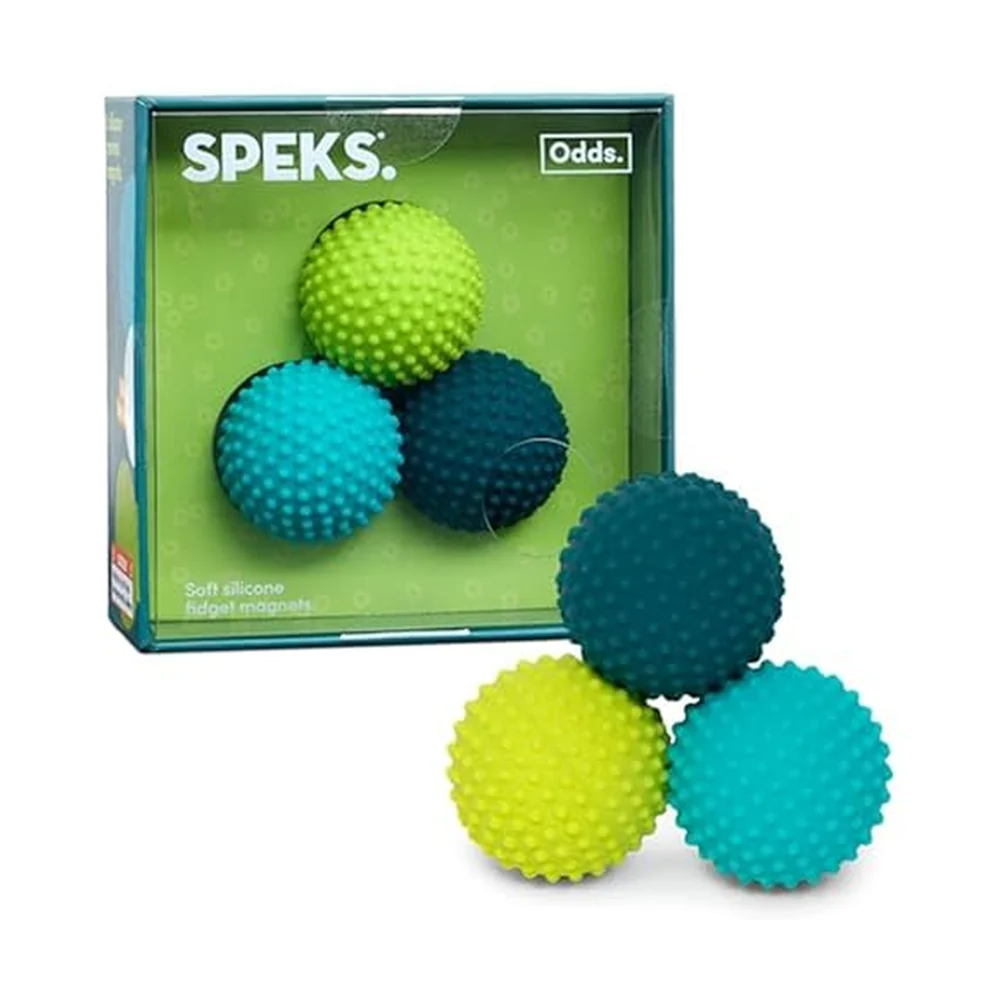
For some people with ADHD, fidgeting works as a way to self-regulate rather than a distraction, though the research is genuinely mixed: studies that found movement helped some children with ADHD sit alongside studies where fidget spinners made attention worse. Quiet options that occupy the hands without needing to be watched, like putty, rollers or silicone magnets, are the safer bet. Look for quiet, discreet options that work in professional settings. The key is tactile engagement that occupies the body without diverting the mind.
4. Noise Machines or Sound Generators
Many people with ADHD find it easier to focus with consistent background noise than in silence. White noise machines, pink noise generators, or nature sound devices create an auditory environment that masks distracting sounds without demanding attention. Some people describe steady, low-level sound as giving a restless brain just enough stimulation without pulling focus. The evidence is mixed and varies by person, so treat it as something to try rather than a sure fix.
5. A Task Management Board
Physical Kanban boards — a whiteboard with columns for "To Do," "Doing," and "Done" — externalize task management in a way that's immediately visible. For ADHD brains that struggle with "out of sight, out of mind," having tasks displayed at eye level in the workspace serves as a constant, gentle reminder. The physical act of moving a card or sticky note between columns provides satisfying feedback that reinforces completion. Learn more about externalizing tasks in our guide to the brain dump technique.
6. Weighted Lap Pads
Weighted lap pads apply deep pressure stimulation to the legs and lower body, which can have a calming effect on the nervous system. They're less cumbersome than weighted blankets and can be used while working at a desk or sitting on a couch. For people with ADHD who experience restlessness or hyperactivity, the gentle weight provides grounding sensory input that supports sustained focus.
7. Body Doubling Tools
Body doubling — working alongside another person, even silently — is one of the most effective ADHD focus strategies. Gift options include a subscription to a virtual body doubling service (like Focusmate), a set of matching work-session timers for doing "parallel work" with a friend, or even a simple commitment to be someone's regular body double via video call. The social presence provides external accountability that the ADHD brain often needs to maintain task engagement.
8. Single-Task Cards or Notepads
Single-task notepads — small cards or pads designed to hold exactly one task — combat the overwhelm of long to-do lists. Write one task. Do that task. Get a new card. The physical constraint prevents the ADHD tendency to scan a full list, feel overwhelmed by everything, and do nothing. It's a simple intervention that aligns with Dr. BJ Fogg's research at Stanford on reducing friction to make behavior change easier. For more on how to start a task when overwhelmed, see our dedicated guide.
9. Timer Cubes
Timer cubes are physical cubes with preset times on each face (commonly 5, 15, 25, and 60 minutes). Flip the cube to the desired face and the timer starts. No phone required, no apps, no screens. For ADHD brains, the zero-friction startup is crucial — if starting the timer requires unlocking a phone, there's a real risk of falling into a distraction vortex before the timer is even set.
10. Habit-Building Card Games
Gamification works exceptionally well for ADHD. Card games or board games that incorporate habit-building, goal-setting, or self-reflection leverage the ADHD brain's responsiveness to novelty, competition, and immediate rewards. These turn self-improvement from a chore into an engaging activity — and engagement is everything when executive function is limited.
11. A "Transition Kit"
Transitions — switching from one activity to another — are notoriously difficult for people with ADHD. A thoughtful transition kit might include a specific playlist (on a physical music player to avoid phone distraction), a scented hand lotion for a sensory reset, and a short ritual prompt card. The kit creates a physical bridge between activities, signaling to the brain that it's time to shift gears. The concept connects to research on implementation intentions — "when I finish X, I use the kit, then I start Y."
12. Subscription to an Interest-Based Activity
The ADHD brain runs on interest, not importance. A subscription to something the person is genuinely excited about — an art supply box, a puzzle subscription, a monthly book in their favorite genre — provides regular hits of novelty and engagement. It also shows that you understand and appreciate how their brain works rather than trying to "fix" it.
What to Avoid When Gifting for ADHD
A few well-meaning gifts that often miss the mark: complex planner systems (too many steps to maintain), self-help books about discipline (ADHD isn't a discipline problem), and apps that require daily check-ins (digital friction is real). Also avoid anything that implies the person just needs to "try harder" — they're already trying harder than most people realize.
The best ADHD gifts communicate: "I see how your brain works, and here's something designed to work with it." That understanding, paired with a genuinely useful tool, is the most thoughtful gift you can give.
Common mistake
What people on Reddit actually say
- r/ADHD🔥 loud consensus
r/ADHD consensus on gifts: visual timers, body doubling tools, and fidget objects are consistently praised. Traditional planners are consistently panned unless designed specifically for ADHD brains.
- r/adhdwomen⬆ strong consensus
r/adhdwomen threads highlight gifts that externalize memory — labeled bins, visible whiteboards, clear containers. If you can't see it, ADHD often can't remember it.
- r/adhd_anxiety💬 commonly repeated
On r/adhd_anxiety, recurring recommendations are sensory and grounding — weighted objects, calming textures, card decks with small prompts. These help both attention and the anxiety that rides along with it.
Paraphrased consensus from public threads — no direct user quotes.
Pull a card · free sample
Need a no-friction reset for an ADHD brain? Pull from any suit — one card, one prompt, no menus, no setup.
Pull a random card →
Tools that help with this

Ready to get unstuck?
The Brain Deck gives you 52 science-backed strategies in your pocket — a physical card deck you keep on your desk, no app required.
See the CardsLaunching soon · 54 cards · Premium matte finish