How to Break Analysis Paralysis: 4 Tactics (2026)
Analysis paralysis keeps you stuck weighing options instead of moving forward. Learn research-backed strategies to make faster decisions and take action even when the 'right' choice isn't clear.
By The Brain Deck Editorial
Analysis paralysis is fear in research-mode disguise — set a deadline, define 'good enough,' and pick the first option that clears the bar.
Key Takeaways
- Analysis paralysis is fear, not research — more information rarely unlocks the decision; action does.
- Set a decision deadline before you start thinking — open-ended deliberation expands to fill any space.
- Pre-commit to 'good enough' — define the minimum acceptable outcome, then pick the first option that clears it.
- Reversibility changes the stakes — most choices can be undone, which means deciding fast has low cost.
Try this in the next 60 seconds
- Set a hard decision deadline (today by 5pm)
- Define your minimum acceptable outcome
- Eliminate the worst option — elimination is easier than picking
- Coin flip if torn — your reaction reveals the answer

less likely to buy with 24 vs. 6 options
Iyengar, Columbia
satisfaction with 'good enough' choosers
Schwartz, Swarthmore
outcomes from fast-decide-and-iterate
Gino, HBS
Try this first
The 4-step break-through
- 01
Decision deadline
Set the time before you research.
- 02
Good-enough floor
Define minimum criteria, not the best.
- 03
Eliminate first
Cut the worst options before picking.
- 04
Coin flip if torn
Your reaction to the result tells you.
Analysis paralysis is the state where you have so many options, so much information, or such high stakes that you freeze entirely. You research endlessly, compare obsessively, and ultimately do nothing. According to Dr. Sheena Iyengar's famous jam study at Columbia University, people presented with 24 options were ten times less likely to buy than people presented with six. More choice does not create more freedom — it creates more friction.
The Brain Deck was designed for exactly this kind of stuckness. The "Can't Decide" category gives you concrete strategies for breaking through decision gridlock without needing to have all the information first. Because the real cost of analysis paralysis is not a bad decision — it is no decision at all.
Why Does Your Brain Get Stuck in Analysis Mode?
Three forces conspire to keep you locked in deliberation. First, research by Dr. Barry Schwartz at Swarthmore College on the paradox of choice shows that as options increase, so does anticipated regret. You are not just choosing — you are imagining all the ways you might regret not choosing differently. Second, perfectionism amplifies the paralysis. If you believe there is a single "right" answer, every option must be evaluated exhaustively before you can commit. Third, the stakes feel higher than they are. Most decisions are reversible, but your brain treats them all like permanent commitments.
Dr. Timothy Pychyl's research at Carleton University confirms that this kind of avoidance is emotional, not logical. You are not stuck because you lack information. You are stuck because deciding feels uncomfortable, and your brain would rather stay in the safe holding pattern of "still thinking about it." If you often find yourself overthinking decisions in general, our guide on how to stop overthinking covers the broader pattern.
What Is the Fastest Way to Break Through Analysis Paralysis?
The most effective rapid-decision technique is what The Brain Deck calls "Good Enough Threshold." Before you start evaluating options, define your minimum acceptable criteria. Not the ideal outcome — the floor. What would "good enough" look like? Once any option meets that threshold, choose it and move on.
Nobel laureate Herbert Simon coined the term "satisficing" — choosing the first option that meets your criteria rather than optimizing across all possibilities. Satisficers consistently report higher life satisfaction than maximizers, according to Dr. Schwartz's research. They make faster decisions and feel better about them afterward.
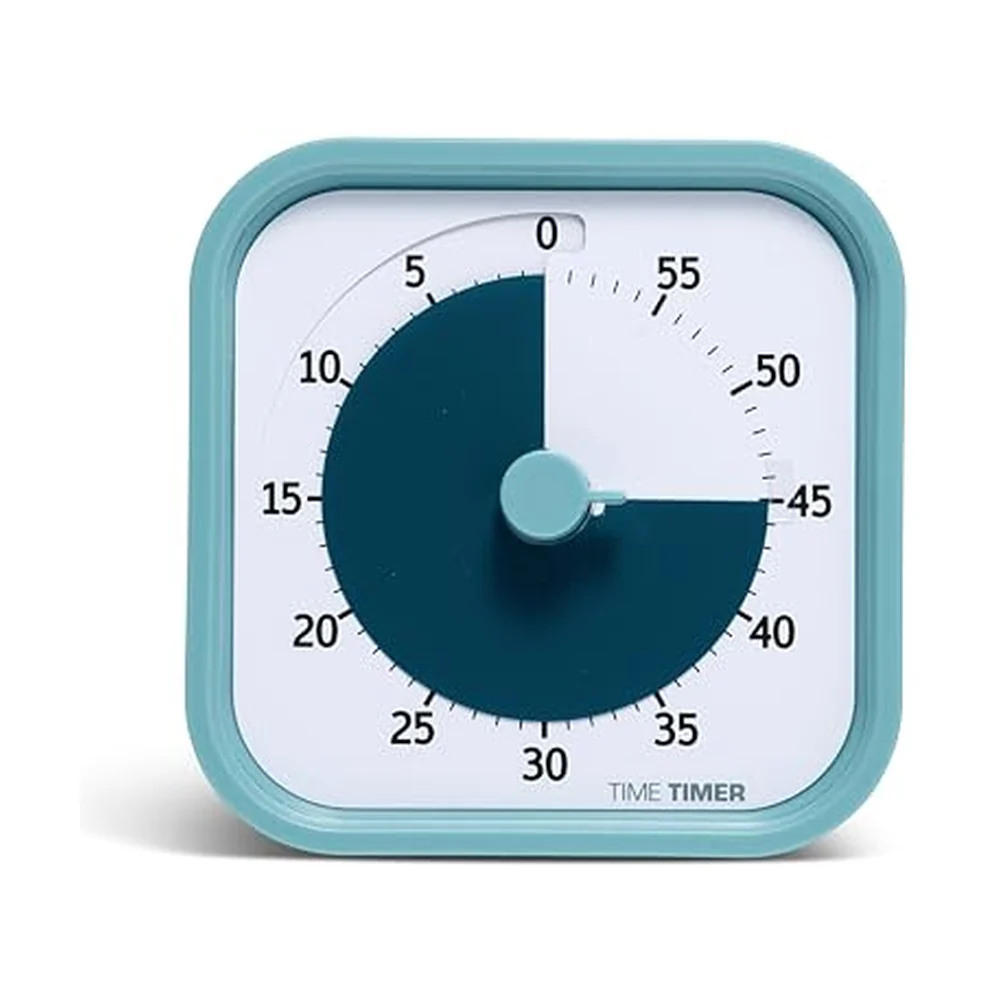
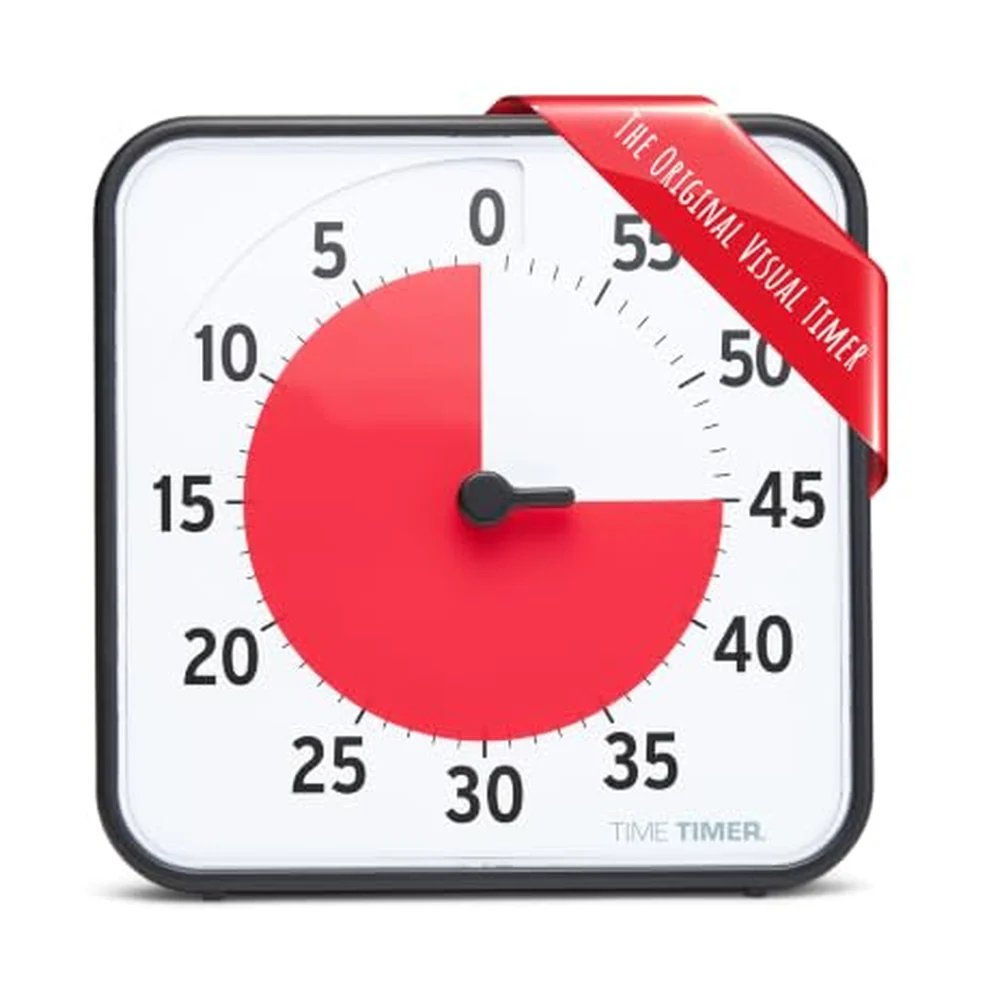
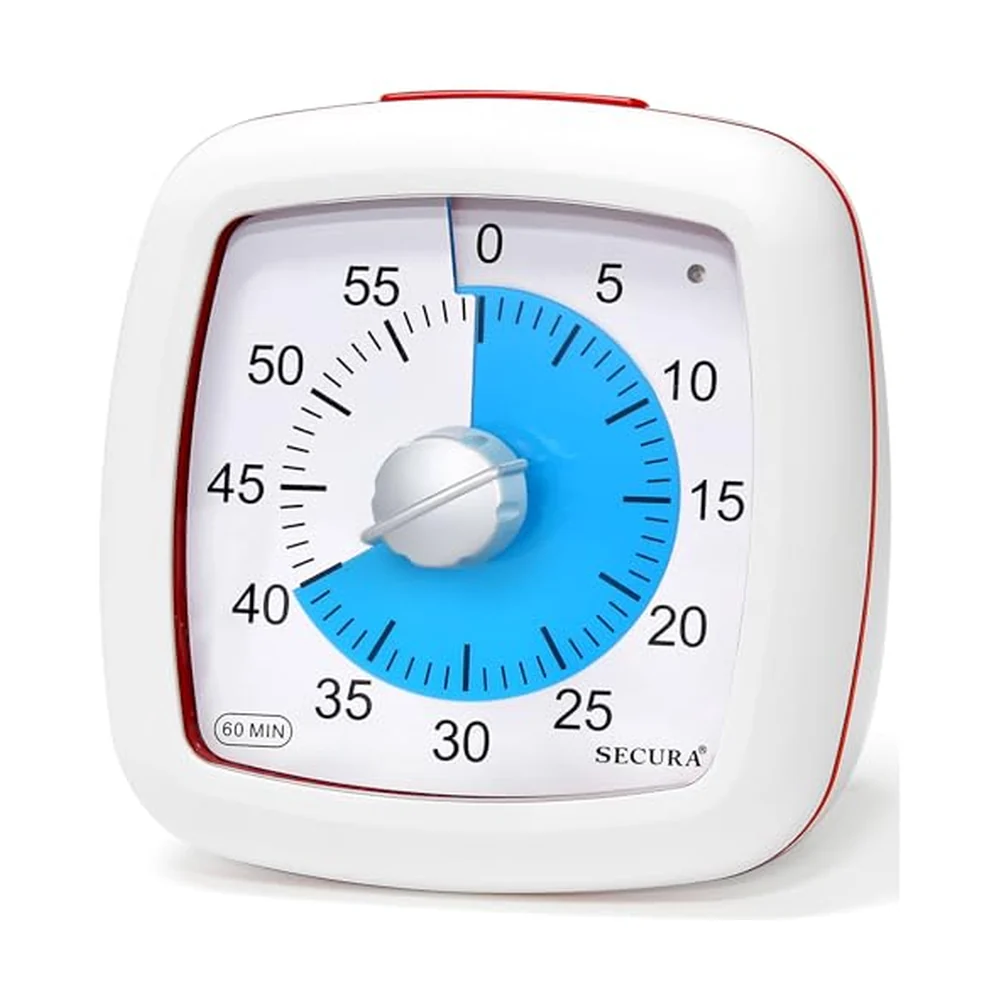
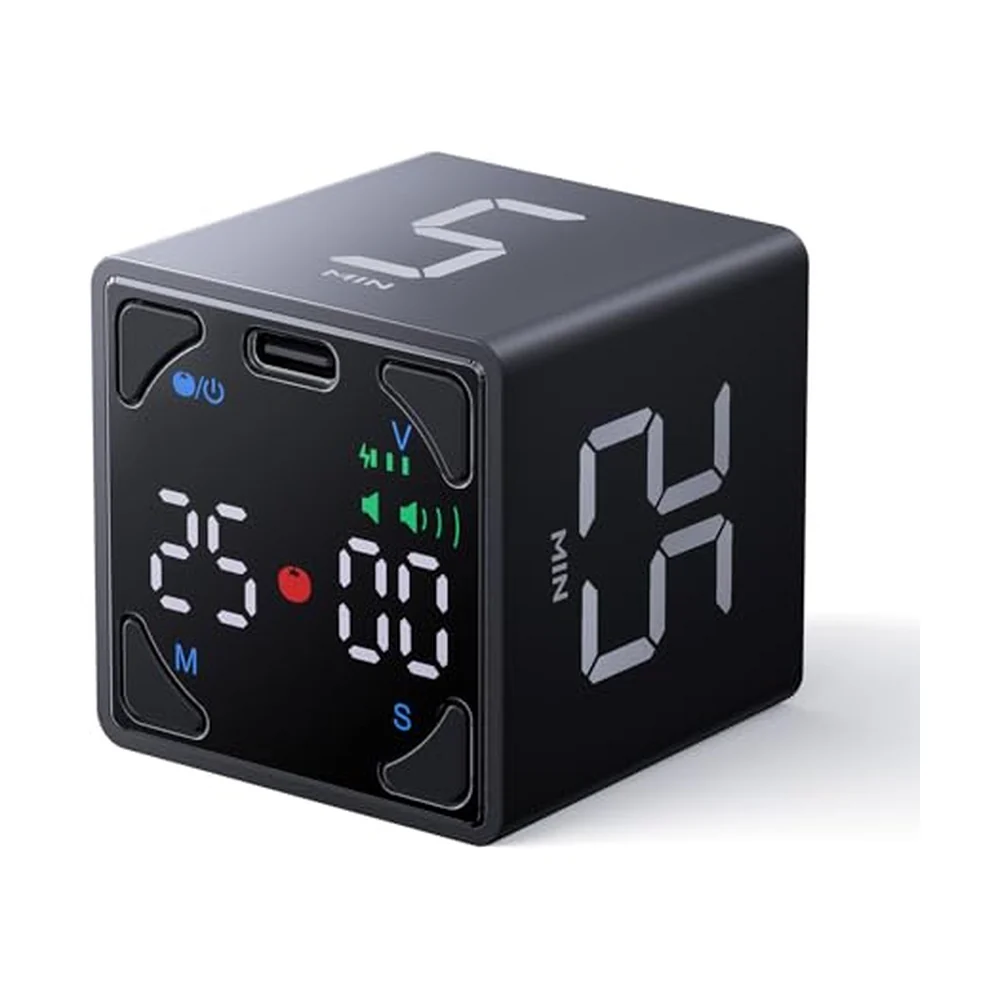
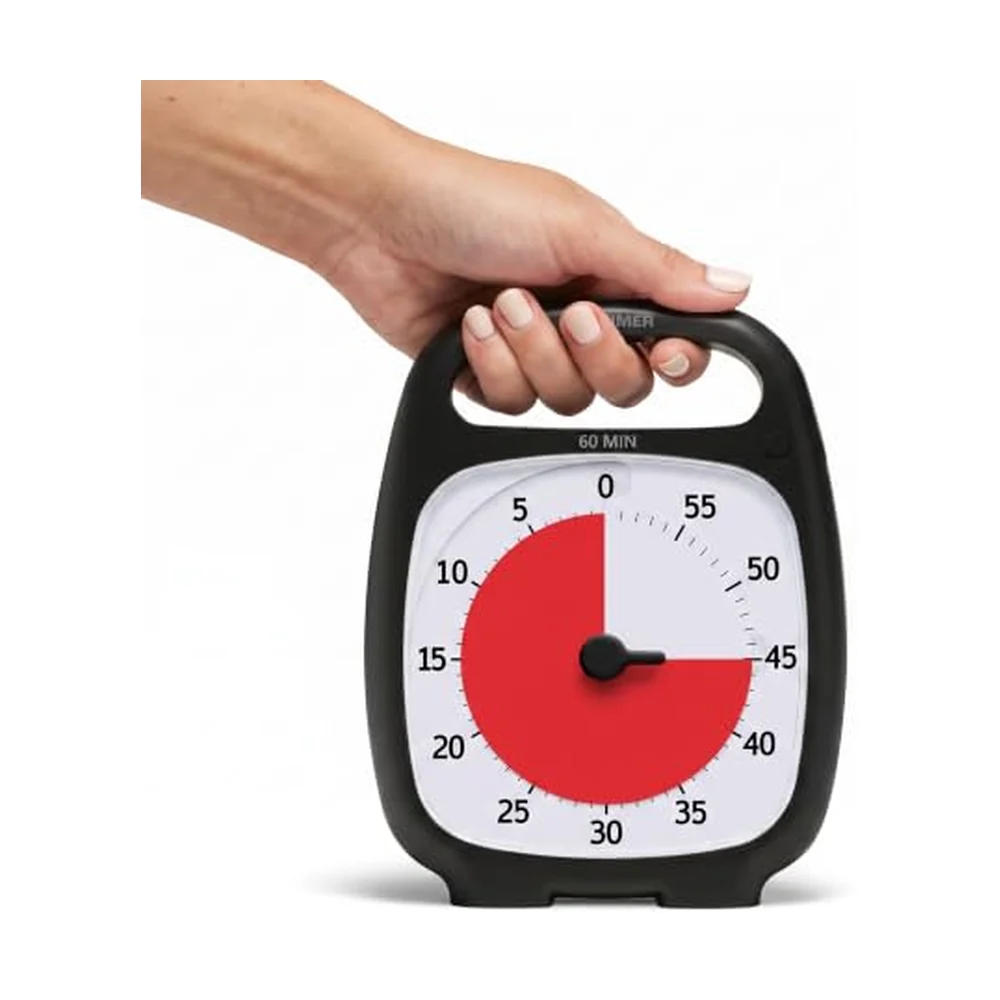
A companion strategy: set a decision deadline. Give yourself a fixed amount of time to decide — 10 minutes, one hour, by end of day — and commit to acting when the timer expires. The time boxing method applies beautifully to decisions, not just tasks. Parkinson's Law works on choices too: deliberation expands to fill the time you give it.
How Do You Handle High-Stakes Decisions Without Overthinking?
For genuinely important decisions, use the "Two-List Method." Write down only two lists: what you gain if this works, and what is the realistic worst case if it fails. Not the catastrophic fantasy worst case — the actual, probable downside. Most people discover that the worst case is far more manageable than the anxiety suggested.
Jeff Bezos famously distinguishes between "one-way door" and "two-way door" decisions. One-way doors are irreversible and deserve careful deliberation. Two-way doors — which account for roughly 90% of the decisions that paralyze people — can be reversed or adjusted. The Brain Deck's "Reversibility Check" strategy asks a simple question: can I undo or adjust this if it turns out wrong? If yes, decide now and iterate later.
Research from Dr. Francesca Gino at Harvard Business School shows that people who make faster decisions and then course-correct outperform people who deliberate extensively. Speed of iteration beats quality of initial planning in most real-world scenarios.
What Thinking Traps Make Analysis Paralysis Worse?
Information addiction. You tell yourself "I just need one more data point" — but that data point never arrives. Research from Dr. Gerd Gigerenzer at the Max Planck Institute shows that in many complex decisions, simple heuristics outperform exhaustive analysis. More information often adds noise, not signal.
False equivalence. You treat all options as equally viable when they are not. Often one or two options are clearly better, but you cannot see it because you are buried in minor differentiators. The Brain Deck's "Eliminate First" card helps here: instead of choosing the best option, start by removing the worst ones. Elimination is psychologically easier than selection.
Seeking external validation. Asking five people for their opinion creates five new perspectives to reconcile, which deepens the paralysis. If you want input, ask one person you trust, then decide. Our guide on decision fatigue explains why each additional input drains your capacity to choose.
How Can You Train Yourself to Decide Faster Over Time?
Start with low-stakes decisions. Choose your lunch in under 30 seconds. Pick a movie within two minutes. Do not browse — commit. This is not about the lunch or the movie. It is about building the neural pathway for decisive action. Dr. BJ Fogg's research at Stanford on tiny habits shows that practicing a behavior in low-stakes environments makes it available in high-stakes ones.
The Brain Deck's "Coin Flip Test" is deceptively powerful: flip a coin, and before you look at the result, notice which outcome you are hoping for. That is your answer. The coin does not decide — it reveals what you already know but were afraid to commit to.
Track your decisions for a week. Write down what you decided and how it turned out. Most people discover that their fast decisions are just as good as their agonized ones — and they got hours of their life back. For a broader look at building action momentum, see our guide on how to build momentum.
Analysis paralysis is not a thinking problem — it is a feeling problem wearing a thinking disguise. The solution is not more analysis. It is setting clear thresholds, imposing time limits, and practicing the skill of committing before you feel ready. The Brain Deck gives you 52 ways to do exactly that. Coming soon at thebraindeck.com.
Common mistake
What people on Reddit actually say
- r/overcomingprocrastination⬆ strong consensus
r/overcomingprocrastination consensus: analysis paralysis is usually avoidance in a suit. Reframing research time as avoidance time often breaks the loop instantly.
- r/entrepreneur🔥 loud consensus
r/entrepreneur regulars argue that wrong-and-corrected beats perfect-and-late. Most business decisions are reversible, so the real cost is delay, not imperfection.
- r/decidingtobebetter💬 commonly repeated
r/decidingtobebetter threads describe flipping a coin to surface your real preference — your reaction to the result tells you more than another week of research.
Paraphrased consensus from public threads — no direct user quotes.
Pull a card · free sample
Frozen between options? Pull from the 'Can't Decide' suit — it removes the choice in 30 seconds.
Pull a random card →
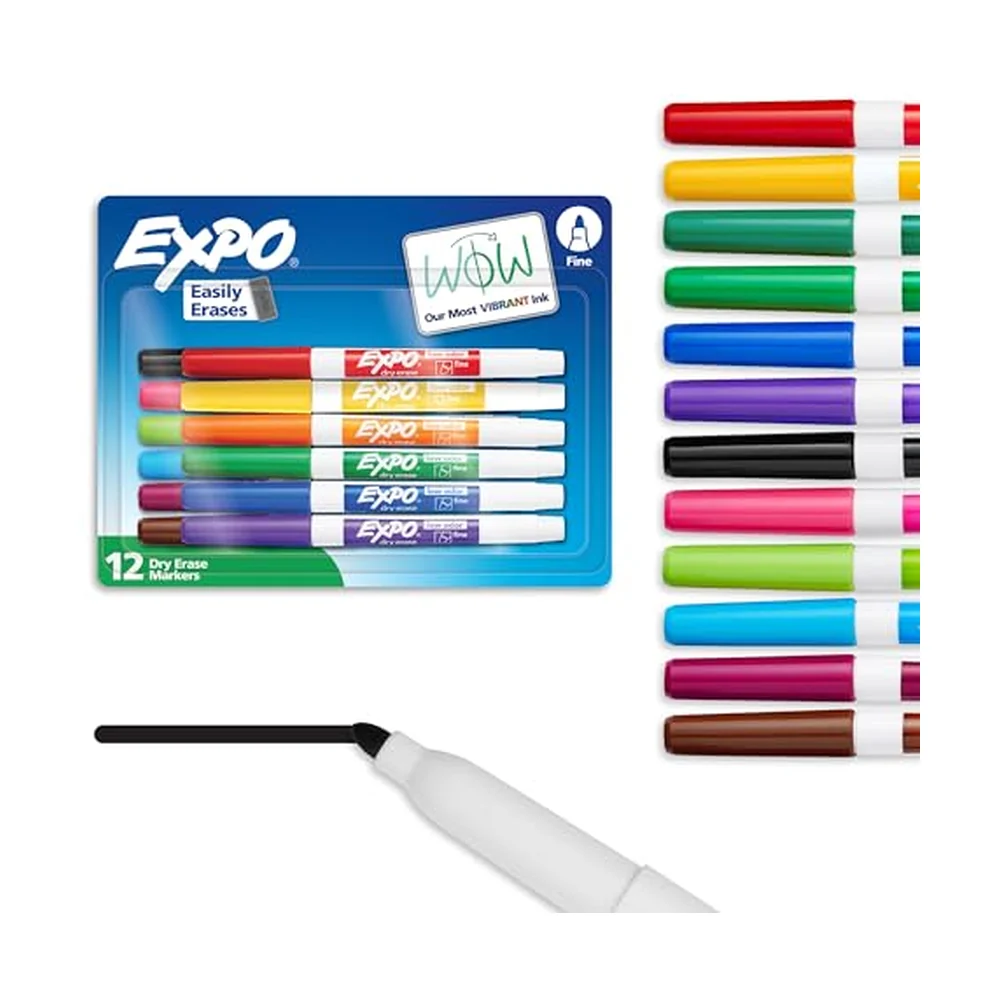
Tools that help with this
Ready to get unstuck?
The Brain Deck gives you 52 science-backed strategies in your pocket — a physical card deck you keep on your desk, no app required.
See the CardsLaunching soon · 54 cards · Premium matte finish