Body Doubling: 3 Ways to Set It Up (2026 Guide)
Body doubling means working alongside another person — in person or virtually — to stay focused. Learn why this simple technique is one of the most effective strategies for getting started.
By The Brain Deck Editorial
Body doubling means working next to someone (silently) so their presence regulates your focus — it works because executive function is borrow-able.
Key Takeaways
- Working alongside someone changes your brain state — presence regulates attention even when they're on a different task.
- Virtual body doubling works — video calls, livestreams, and coworking apps deliver most of the benefit.
- It's not accountability, it's co-regulation — no one needs to check your work; the shared focus is the fuel.
- Silence is fine, chat is optional — the point is presence, not productivity theater.
Do this first (60 seconds)
- Text a friend: 'Want to silent-cowork from 2–3pm?'
- OR open Focusmate and book a 25-min slot
- Agree on start, end, and minimal talking
- Mute, work, check in briefly at the end

task initiation in ADHD with body doubling present
CHADD reports
regulation borrows others' executive function
Barkley
of in-person benefit captured by virtual sessions
Focusmate user data
Try this first
The 3 ways to body double
- 01
In-person
Friend, library, coffee shop, coworking.
- 02
Virtual private
Video call with a friend, muted.
- 03
Focusmate / public
Paired with a stranger for 25/50/75 min.
Body doubling is the practice of working alongside another person — not collaborating, not talking, just being in the same space while each of you does your own work. It sounds almost too simple to be effective, but CHADD (Children and Adults with Attention Deficit/Hyperactivity Disorder) and clinical reports from ADHD specialists describe body doubling as a practical strategy for initiating and sustaining focused work, particularly for people who struggle with task initiation. Formal research on why it works is still limited.
The Brain Deck's "I Can't Start" category addresses the exact problem that body doubling solves — the gap between knowing what you need to do and actually beginning. While The Brain Deck gives you internal strategies to bridge that gap, body doubling adds an external anchor that makes starting feel almost automatic.
- 👥Social accountabilityYou don’t open Instagram while someone next to you is typing.
- ⚙️External regulationBorrow someone else’s executive function when yours is offline.
- 🏝Reduced isolationParallel work feels lighter than solo work, even in silence.
Body doubling is borrowing someone else’s executive function for the next 50 minutes. Your brain does the work — theirs just sits in the room.after Dr. Russell Barkley
Why Does Having Another Person in the Room Help You Focus?
Three mechanisms explain body doubling's effectiveness. First, social accountability. The mere presence of another person working creates implicit pressure to match their behavior. You are not going to open Instagram when someone next to you is typing productively. This is not about judgment — it is about behavioral mirroring, a phenomenon well-documented in Dr. Giacomo Rizzolatti's research on mirror neurons.
Second, external regulation. For people whose internal self-regulation is inconsistent (a hallmark of ADHD but common in the general population), another person's presence provides a stabilizing force. It is like having a metronome when your internal rhythm is unreliable. Dr. Russell Barkley, a leading ADHD researcher, describes this as borrowing someone else's executive function — their focused presence substitutes for the internal structure you are missing in that moment.
Third, reduced isolation. Many tasks that trigger procrastination do so partly because they feel lonely. Writing a report alone in a room feels heavier than writing it at a coffee shop. The presence of others transforms solitary drudgery into a shared (if silent) experience.
How Do You Set Up an Effective Body Doubling Session?
In-Person Body Doubling
The simplest version: ask a friend, partner, or colleague to work alongside you. You do not need to be working on the same thing. In fact, it is better if you are not — the point is parallel work, not collaboration. Libraries, coffee shops, and co-working spaces are natural body doubling environments. The key rules: minimal conversation, visible work, and a shared start time.
Virtual Body Doubling
Remote body doubling has exploded in popularity since 2020. Platforms like Focusmate pair you with a stranger for a 25 or 50-minute video session. You state your intention, work silently, and check in at the end. The structure is remarkably effective — you are far less likely to drift when a real person is watching you through a webcam.
You can also set up informal virtual body doubling with a friend. Start a video call, mute your microphones, and work. The visual presence of another person accomplishes the same regulatory function as being in the same room. If your issue is specifically about getting started on tasks that feel overwhelming, our guide on starting when overwhelmed pairs well with body doubling.
Who Benefits Most From Body Doubling?
Body doubling was initially recognized in the ADHD community, where task initiation is a primary challenge. But the technique benefits anyone who struggles with starting, staying on task, or working alone. Students, freelancers, remote workers, writers, and entrepreneurs all report significant improvements when they add body doubling to their toolkit.
The Brain Deck's approach complements body doubling by providing the internal trigger when an external one is not available. The "Two-Minute Start" card works as a self-directed initiation strategy for times when you cannot find a body double. But when you can arrange one, the combination of internal strategy plus external presence is exceptionally powerful.
What Are the Rules for Good Body Doubling?
Agree on the structure. Set a start time, an end time, and a brief check-in format ("What are you working on? How did it go?"). Without structure, body doubling sessions drift into socializing.
Minimize talking. Occasional brief exchanges are fine, but extended conversation defeats the purpose. If you need to chat, save it for the break. The silence is productive — it creates the space your brain needs to engage with the work.
Choose the right partner. Your body double should be someone who actually works during the session. A partner who scrolls their phone will pull your focus down, not up. The mirroring effect works in both directions.
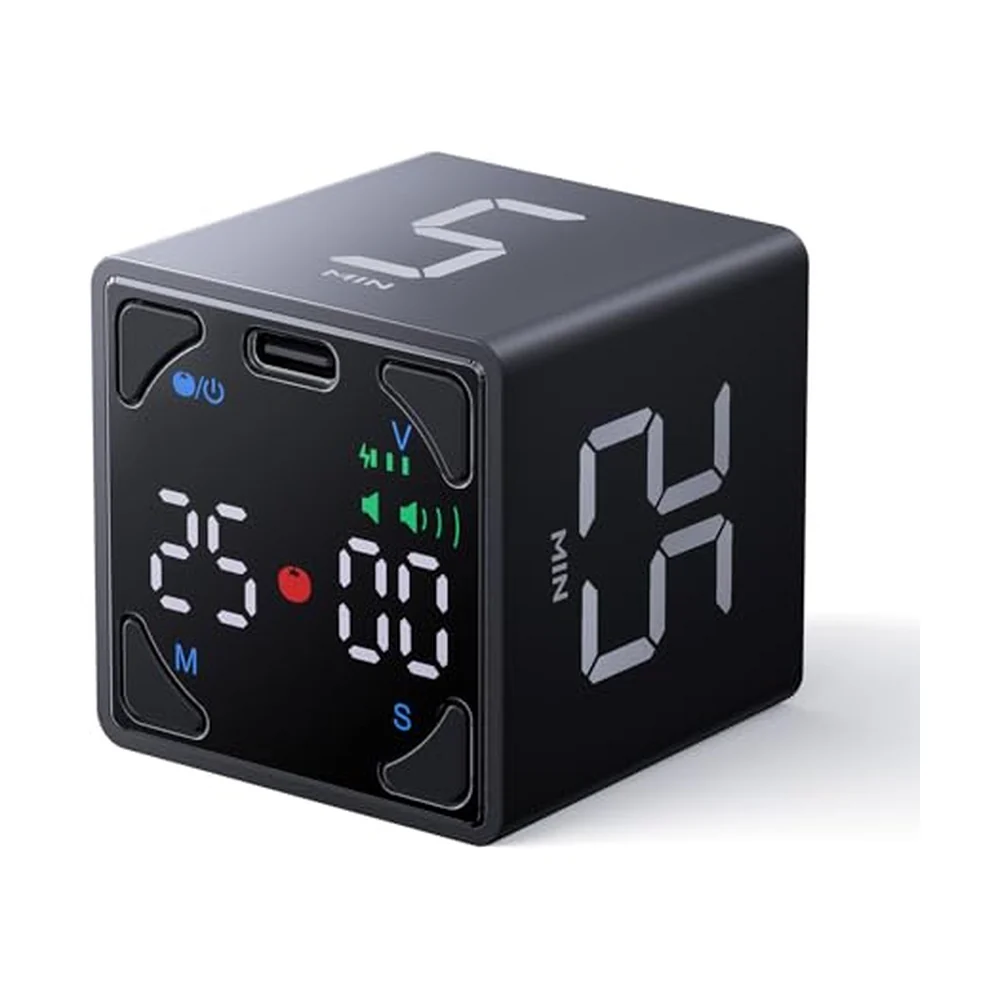
Combine with other techniques. Body doubling works well alongside the Pomodoro Technique — set a shared 25-minute timer and take synchronized breaks. It also pairs with time boxing: give your session a fixed duration so both parties know the commitment.
What If You Cannot Find a Body Double?
Several alternatives capture parts of body doubling's effect. Co-working streams on YouTube — long videos of someone studying at a desk — provide a visual proxy for a real person. Ambient noise apps that simulate coffee shop sounds address the isolation component. Accountability apps like Focusmate formalize the structure.
But the most portable alternative is The Brain Deck itself. When you cannot arrange an external anchor, the cards serve as a decision-free way to initiate action. Draw a card, do what it says, and let the momentum carry you forward. The "Body First" card — move your body for 60 seconds before starting — addresses the same activation energy problem that body doubling solves, just through a different channel.
Body doubling works because it externalizes the self-regulation that many of us struggle to generate internally. It is not a crutch — it is a tool. Use it when you need it, build it into your routine if it helps, and combine it with internal strategies for the times when you are on your own. Coming soon at thebraindeck.com.
Body Doubling FAQ
What is body doubling and how does it work?
Body doubling is the practice of working alongside another person — not collaborating, not talking, just being in the same physical or virtual space while each of you does your own work. It externalizes the self-regulation your brain struggles to generate alone. Research from CHADD (Children and Adults with ADHD) shows it's particularly effective for people with ADHD, but the underlying mechanism — "social presence increases task commitment" — works for most people who struggle to start or stay on tasks.
Does body doubling work for neurotypical people too?
Yes. The effect isn't ADHD-specific — it's a general property of social presence on behavior. Coworking spaces, libraries, and study groups all work on the same principle. The reason it's most talked about in ADHD communities is that people with ADHD tend to benefit more dramatically from it, but anyone who struggles with "I can't start working on this" will find it useful.
Do body doubles have to be in the same room?
No. Virtual body doubling works almost as well for many people. Services like Focusmate pair you with a stranger over video for a 25, 50, or 75-minute focused work session. Neither of you talks — you introduce yourselves, state your goal, then mute and work. At the end you report back. It is startlingly effective for people who can't focus alone. Some users prefer in-person; most find the virtual version 80-90% as effective.
How do I set up a body doubling session with a friend or family member?
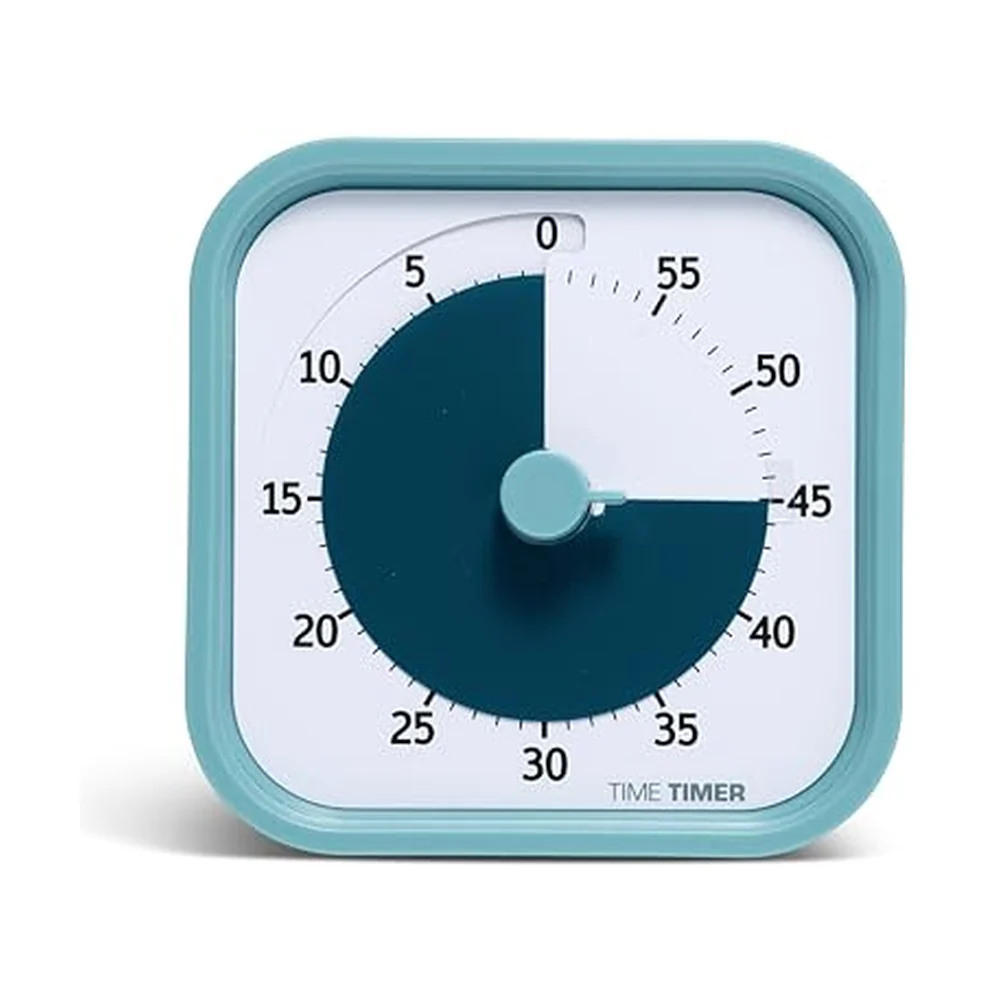
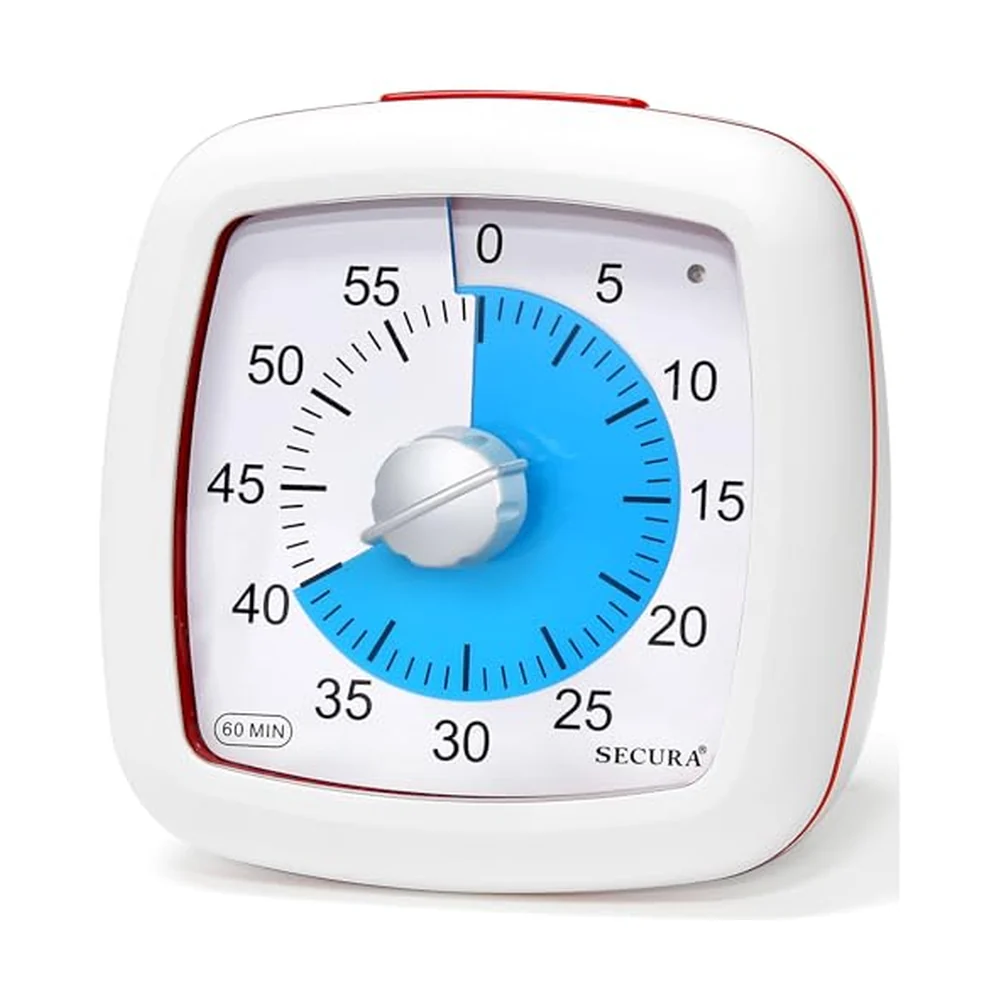
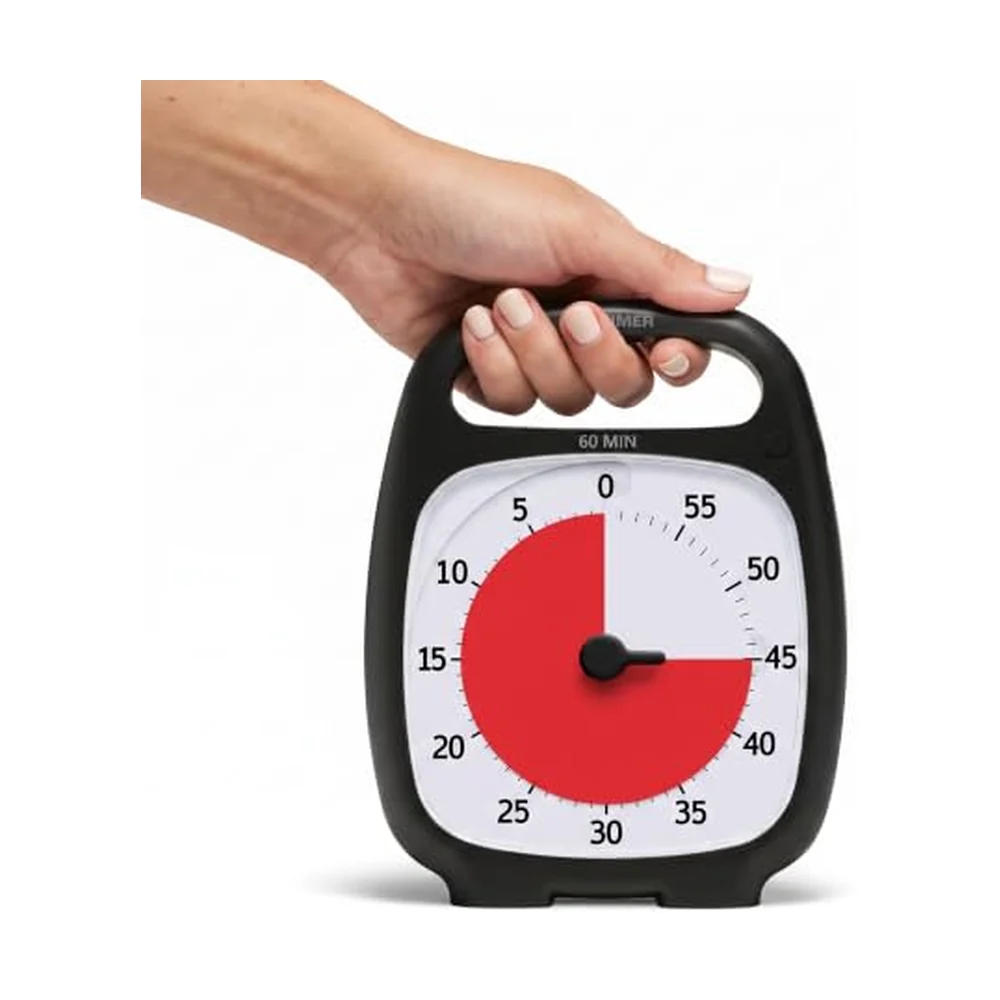
Keep it simple: agree on a start time and duration (25-50 minutes is ideal), set a visible timer, and commit to no talking for the block. You can both work on completely different tasks — that's fine and often preferable. The goal isn't collaboration, it's co-presence. Start with one session and see how it feels. Many people are surprised how much they get done.
Is body doubling a crutch I should eventually stop using?
No. It's a tool, and tools aren't crutches. You wouldn't tell a carpenter to stop using a hammer because they should be able to drive nails with their fist. Body doubling solves a real regulatory gap for many people, and continuing to use it is not a failure — it's an optimization. Use it when you need it, skip it when you don't. The Brain Deck has a "Body Double" card in the "I Can't Start" category for exactly this reason.
Related Reading
Common mistake
What people on Reddit actually say
- r/ADHD🔥 loud consensus
r/ADHD consensus: body doubling is one of the highest-ROI techniques for ADHD, often described as life-changing. The mere presence of another person enables tasks that feel impossible alone.
- r/adhdwomen⬆ strong consensus
r/adhdwomen regulars describe virtual coworking rooms as a breakthrough. Opening a silent video call with a friend turns out to be more effective than any willpower hack.
- r/productivity💬 commonly repeated
r/productivity threads note that body doubling works even for neurotypical folks. It's underused because it feels silly — but silly-and-effective beats serious-and-failing.
Paraphrased consensus from public threads — no direct user quotes.
Pull a card · free sample
No body double available right now? Pull from the 'I Can't Start' suit — the card itself becomes a stand-in regulator.
Pull a random card →
Tools that help with this




Ready to get unstuck?
The Brain Deck gives you 52 science-backed strategies in your pocket — a physical card deck you keep on your desk, no app required.
See the CardsLaunching soon · 54 cards · Premium matte finish