How to Do a Weekly Review: 30-Min Protocol (2026)
A weekly review is 30 minutes that gives you clarity, control, and direction for the entire week ahead. Learn the step-by-step process used by high performers to stay on track.
By The Brain Deck Editorial
Thirty minutes a week of reviewing inboxes, projects, and priorities buys you clarity for the other 167 hours — it's the steering, not the engine.
Key Takeaways
- 30 minutes a week beats hours of daily planning — the review is where the steering happens.
- Close open loops before planning new ones — unfinished items carried forward silently drain next week's capacity.
- Review three things: wins, misses, next — keep it boring and short or it won't survive a busy week.
- Same time, same place — Friday afternoon or Sunday morning, protected on the calendar like a meeting.
Do this first (60 seconds)
- Pick a recurring slot (Friday 4pm or Sunday 9am)
- Block it on your calendar like a meeting
- Open your inboxes — process to near-zero
- Pick top 3 priorities for the upcoming week

per week is the GTD-recommended review
Allen, GTD
success factor for productivity systems
Allen, GTD
intrusion from captured open loops
Zeigarnik
Try this first
The 5-step weekly review
- 01
Clear inboxes
Email, notes, voice, browser — to near-zero.
- 02
Review calendar
Past week's follow-ups; next two weeks' prep.
- 03
Review projects
Define the next physical action for each.
- 04
Brain dump
Catch what your formal systems missed.
- 05
Plan next week
Three most important tasks; schedule them.
The weekly review is the single most underrated productivity habit. It is the practice of sitting down once a week — usually Friday afternoon or Sunday evening — to review what happened, process what accumulated, and plan what comes next. David Allen's Getting Things Done system calls it the "critical success factor" for maintaining control and perspective. Without it, every other productivity system gradually degrades into chaos.
The Brain Deck helps you take action in the moment, but a weekly review ensures you are taking action on the right things. Think of it this way: The Brain Deck is your in-the-moment compass. The weekly review is your weekly map check — making sure the compass is pointing toward the destination that actually matters.
Why Is the Weekly Review So Important?
During any given week, inputs accumulate faster than you can process them. Emails pile up, commitments are made, ideas strike, tasks get partially completed, and context shifts. Without a regular processing interval, this backlog creates a persistent low-level anxiety — the nagging feeling that you are forgetting something important. Research on the Zeigarnik Effect shows that incomplete tasks occupy working memory until they are either completed or captured in a trusted system. The weekly review is when you capture everything your system missed.
Dr. Roy Baumeister's research on the "planning effect" adds another layer: simply making a plan for incomplete tasks reduces the cognitive load they impose. You do not need to finish everything during your review — you just need to decide what to do about each item. That decision releases the mental tension. If you regularly feel overwhelmed by the volume of things competing for your attention, our guide on feeling overwhelmed at work explains why this accumulation happens and how externalization helps.
The Weekly Review: Step by Step
Step 1: Clear Your Inboxes (10 minutes)
Process every inbox to zero — or as close as possible. Email, physical inbox, notes app, text messages, voicemails, browser tabs. "Process" does not mean "respond to everything." It means making a decision about each item: do it (if under 2 minutes), delegate it, schedule it, file it, or delete it. The 2-Minute Rule is essential here — anything that takes less than two minutes to complete, do it immediately during the review.
This step often feels overwhelming the first few times, especially if your inboxes have been accumulating for weeks. The Brain Deck's "Shrink the Ask" card helps: do not try to process everything perfectly. Process the first 20 items, then assess. Imperfect processing beats no processing every time.
Step 2: Review Your Calendar (5 minutes)
Look at the past week and the upcoming two weeks. For the past week: did you miss any follow-ups? Are there action items from meetings you attended? For the upcoming weeks: are you prepared for what is coming? Do you need to block time for preparation? This calendar review catches the commitments that live outside your task system — the "I said I'd send that by Thursday" items that slip through cracks.
Step 3: Review Your Projects and Goals (5 minutes)
For each active project, ask one question: "What is the next physical action?" This is David Allen's core insight. Projects stall not because they are too big, but because the next action is undefined. "Write the proposal" is a project, not an action. "Open Google Docs and write the first paragraph of the proposal" is an action. If any project does not have a clear next action, define one now.
If you find yourself stuck in the defining phase — unable to decide what the next step should be — that is analysis paralysis, and our guide on breaking out of analysis paralysis addresses it directly.
Step 4: Brain Dump (5 minutes)
Close your eyes and ask: "What am I not capturing? What is nagging at me? What have I committed to that is not written down anywhere?" Write down everything that surfaces. This is The Brain Deck's "Brain Dump" technique applied specifically to your weekly review — it catches the loose threads that your formal systems missed.
Common things that surface during this step: promises made in casual conversations, personal errands, half-formed ideas, things you want to research, people you need to contact. Getting these out of your head and into your system is what creates the "clear mind" feeling that makes the weekly review so valuable.
Step 5: Plan the Week Ahead (5 minutes)
Look at your next actions, your calendar, and your priorities. Identify your three most important tasks for the upcoming week — the tasks that, if completed, would make the week a success regardless of what else happens. Schedule time for them. Everything else is secondary.
The Brain Deck's "One Thing Now" card is the daily version of this practice. The weekly review sets the weekly priorities; each morning, you select the one thing that matters most that day. This two-level system — weekly planning plus daily selection — keeps you aligned without requiring the overhead of detailed daily planning. For a deeper dive on daily planning approaches, see our comparison of time blocking vs. to-do lists.
When Should You Do Your Weekly Review?
Friday afternoon is the most common choice. You close out the work week with a clear picture of what is pending, and you enter the weekend without work nagging at your subconscious. Sunday evening is the second most popular — it sets up the week ahead and reduces Monday morning anxiety. The specific day matters less than consistency. Pick a day, protect the time, and treat it like a non-negotiable appointment with yourself.
What If You Miss a Week?
You will miss weeks. Travel, illness, overwhelm — life happens. When you miss a week, your next review will take longer because there is more to process. That is fine. Do not let a missed week become an abandoned practice. The Brain Deck's philosophy applies here: "Do It Badly" is better than not doing it at all. A 10-minute review where you only clear your email inbox and identify your top three tasks for the week is infinitely better than no review.
If you find yourself consistently skipping the review, the barrier is probably emotional — it feels confronting to face the gap between what you planned and what you actually did. Dr. Fuschia Sirois's research on self-compassion shows that people who treat themselves kindly after falling short are more likely to try again. Do not judge last week. Just plan next week. That is enough.
The Compound Effect of Weekly Reviews
One weekly review does not transform your productivity. Twelve consecutive weekly reviews might. The value compounds: each review builds on the last, your system gets more complete, your processing gets faster, and the gap between your intentions and your actions shrinks. After a few months, you will notice something remarkable — you will feel in control. Not because your life is simpler, but because your system for managing its complexity actually works.
The weekly review is 30 minutes that buys you clarity for the other 167 hours. It is the foundation that makes every other productivity strategy — time blocking, pomodoros, brain dumps, The Brain Deck — more effective. Start this week. Coming soon at thebraindeck.com.
Common mistake
What people on Reddit actually say
- r/productivity🔥 loud consensus
r/productivity consensus: the weekly review is the single habit that makes every other productivity system actually work. Without it, systems drift and lists quietly break down.
- r/getdisciplined⬆ strong consensus
r/getdisciplined regulars describe Sunday night reviews as a mood stabilizer, not just a planning tool. Clarity about the week ahead reduces the Sunday-scaries loop.
- r/entrepreneur💬 commonly repeated
r/entrepreneur threads frame the weekly review as the highest-leverage 30 minutes on the calendar. Founders who skip it almost always report drift into reactive work within a few weeks.
Paraphrased consensus from public threads — no direct user quotes.
Pull a card · free sample
Skipped reviews piling up? Pull from the 'Fell Off Track' suit — the gentlest restart move that gets the habit back.
Pull a random card →
Tools that help with this
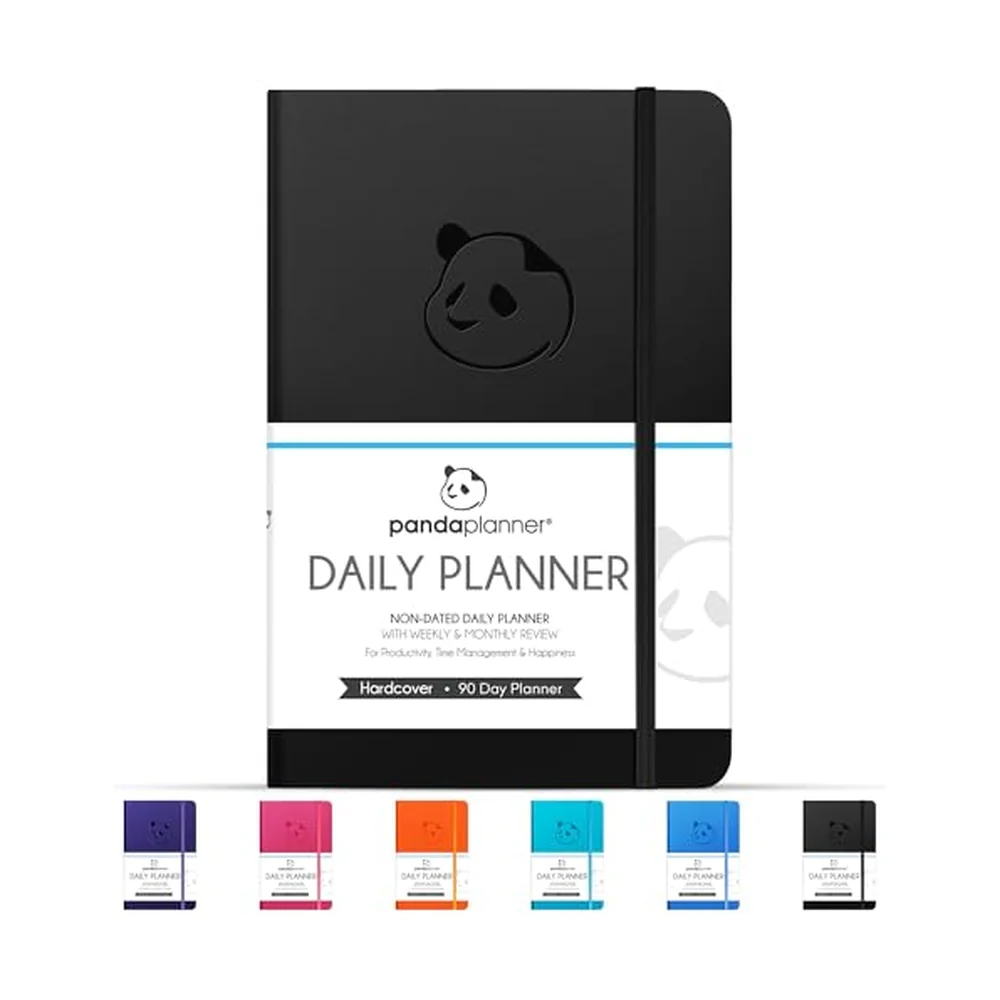

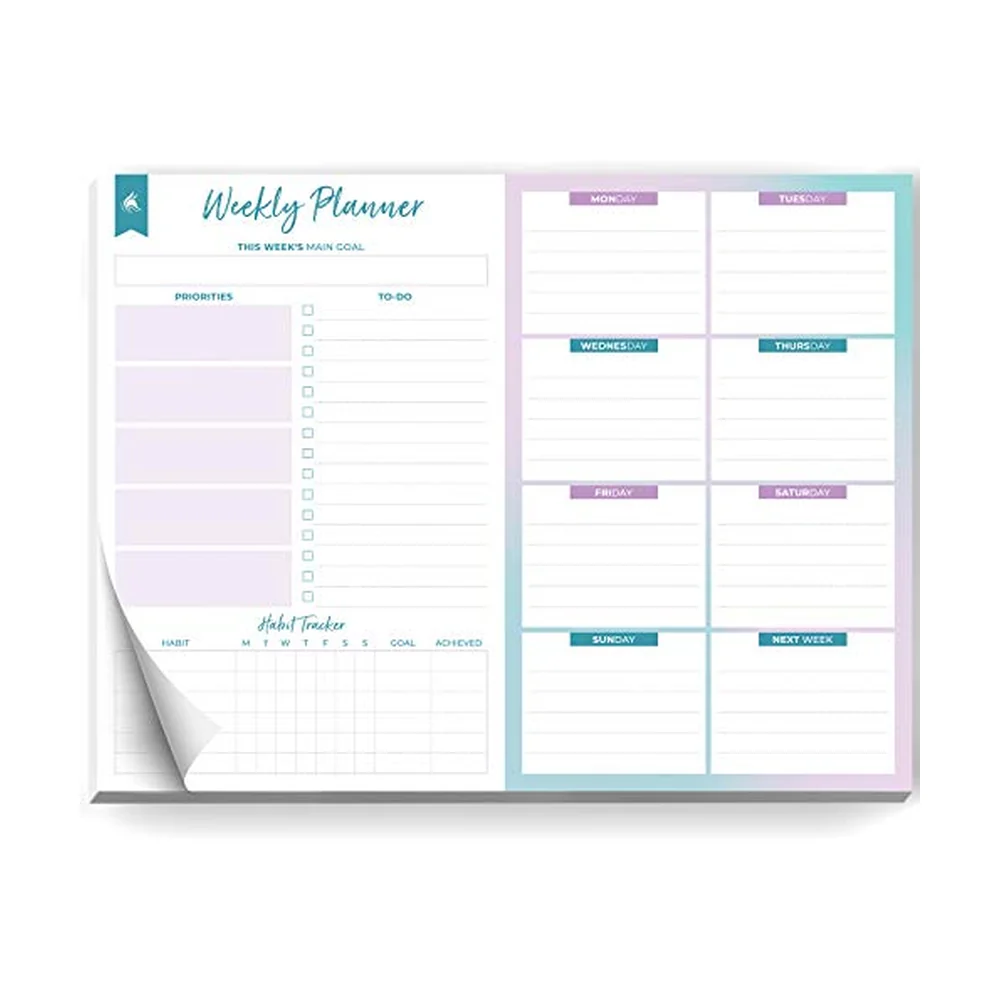




Ready to get unstuck?
The Brain Deck gives you 52 science-backed strategies in your pocket — a physical card deck you keep on your desk, no app required.
See the CardsLaunching soon · 54 cards · Premium matte finish