Spaced Repetition: Why Re-Reading Fails and Cards Work
Re-reading makes a page feel easy, not memorable. Here is the spacing and retrieval evidence, a concrete interval schedule, and where it genuinely does not help.
By Hilly Shore Labs
Key Takeaways
- Re-reading wins at five minutes and loses at one week - the 2006 testing-effect experiment reversed direction purely with delay.
- The fluency illusion is the mechanism - a smoother second pass feels like knowing, but it only proves recognition.
- Gap width should scale to your deadline - the optimal gap ran about 20-40% of a one-week delay and only 5-10% of a one-year delay.
- This is not brain training - spacing improves recall of the specific things you space, and claims no general cognitive upgrade.
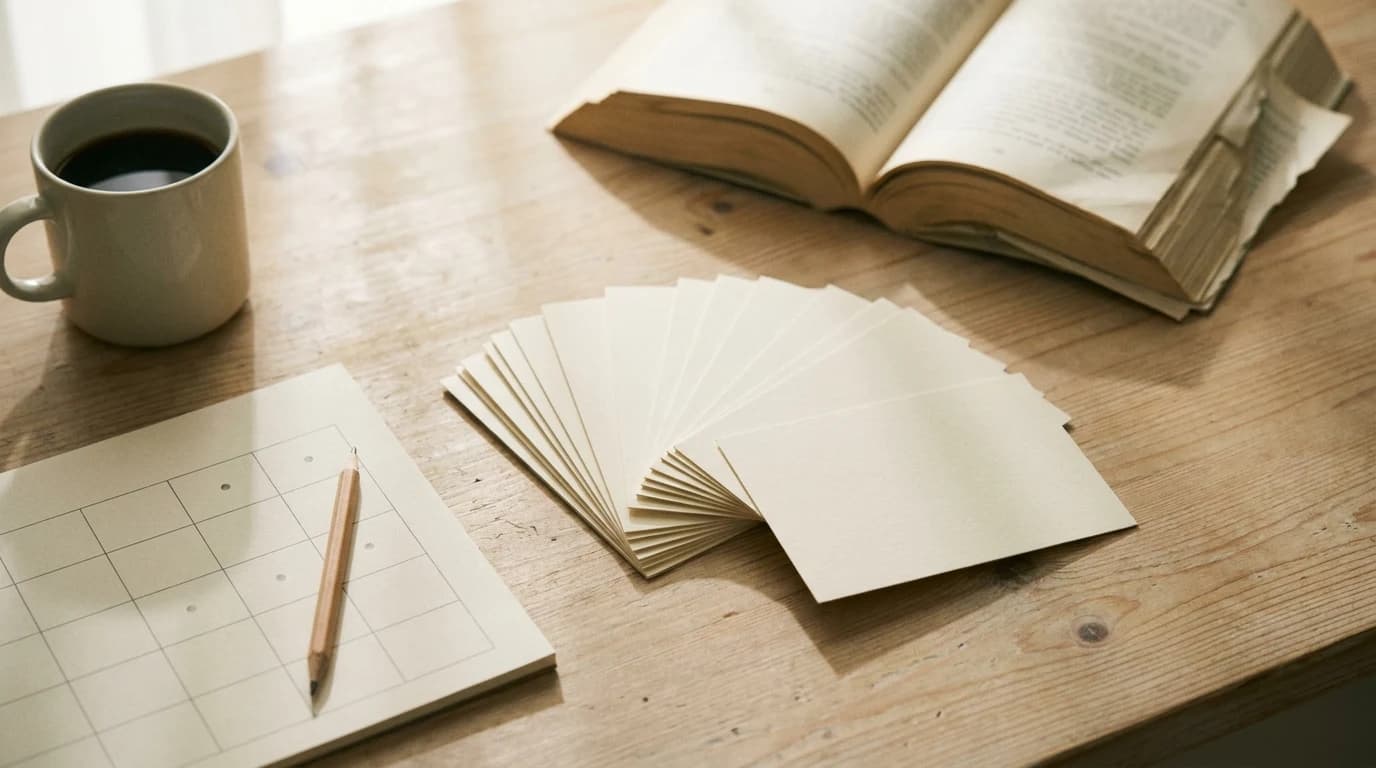
Short answer: re-reading feels like learning because it makes a page easier to process, not easier to recall. Spacing reviews across days, and producing the answer before you look at it, are two of the best-evidenced study moves in cognitive psychology. Both feel worse while you do them. That mismatch is the problem.
This is the constructive companion to our piece on what brain games actually train. The evidence that general brain-training transfers to real life is thin. The evidence for spacing and retrieval is not. Same field, opposite verdicts, and telling them apart is the useful skill.
The reversal that should change how you review
In Roediger and Karpicke's 2006 experiment in Psychological Science, students either restudied a passage or took practice recall tests on it. Tested five minutes later, the restudy group came out ahead. Tested two days and one week later, the testing group came out ahead. The material never changed. Only the delay did.
Almost every judgement you make about your own studying happens at the five-minute mark.
| Re-reading | Retrieval practice | |
|---|---|---|
| Feels productive | Yes, immediately | No, it feels like failing |
| Recall after ~5 minutes | Better | Worse |
| Recall after 2 days to 1 week | Worse | Better |
| 2013 utility rating | Low | High |
That last row is Dunlosky and colleagues' 2013 review, which graded ten common study techniques. Practice testing and distributed practice were rated high utility. Underlining, re-reading and mnemonics were, in its own phrasing, of “surprisingly low utility.”
Why re-reading lies to you
Karpicke, Butler and Roediger surveyed 177 college students about how they really study. Their 2009 paper in Memory reports that a majority repeatedly reread their notes or textbook, while relatively few practised recall. Their explanation is one phrase worth keeping: students “experience illusions of competence while studying.”
Recognition is cheap. Retrieval is what you will need later, so retrieval is what to rehearse.
How long to wait, in actual numbers
- 839assessments of distributed practice pooled in one meta-analysisCepeda et al., 2006
- 1,350+learners in the study that mapped gap against test delayCepeda et al., 2008
- 5–40%of the retention interval: the range where the optimal gap fellshorter proportion for longer delays
The 2006 meta-analysis in Psychological Bulletin pooled 839 assessments from 317 experiments and found that gap and test delay interact: the best gap grew as the delay grew.
The 2008 follow-up in Psychological Science put numbers on it. More than 1,350 people learned facts, reviewed after a gap of up to 3.5 months, and were tested up to a year later. As a proportion of the test delay, the optimal gap fell from roughly 20–40% at one week to roughly 5–10% at one year.
| You need to remember it in… | First review | Second | Third |
|---|---|---|---|
| 1 week | Day 2 | Day 4 | The morning of |
| 1 month | Day 4 | Day 12 | Day 24 |
| 1 year | Week 4 | Month 3 | Month 7 |
Those rows are our arithmetic applied to the 2008 proportions, rounded to schedulable days. The paper publishes no timetable and the exact dates are not the point. The shape is: longer horizon, wider gaps, never one night.
Why the container matters
None of this requires an app. It requires a format that hides the answer until you commit, because a notebook page hands it to you the instant you look.
- ✍One idea per cardIf a card holds three things, you cannot tell which one you failed.
- ❓Front asks, back answersWrite a question, not a topic. “Photosynthesis” is not a prompt.
- 💬Say it out loud firstCommit to an answer before flipping. Flipping early is re-reading.
- 📅Sort into two pilesMissed cards come back sooner. Clean cards get a wider gap.
Our guides to note-taking that sticks and distilling notes are the step before this one. They get an idea into your own words; spaced retrieval keeps it there.
Where spacing genuinely does not help
- Material you never encoded. If the first pass made no sense, spacing will faithfully space out your confusion.
- Skills needing whole-task practice. A card can hold a chord name. It cannot rehearse a chord change.
- A deadline tomorrow. If the test is in the morning, cramming is the honest choice. Just do not call it learning.
- General mental sharpness. Spacing improves recall of the specific things you space. It is not brain training and inherits none of that debate's claims.
About that forgetting curve
Spaced repetition FAQ
Is spaced repetition the same as retrieval practice?
No. They are separate effects that stack. Spacing is when you review; retrieval is what you do during it. Re-reading on a spaced schedule still leaves you with the weaker technique, spread over more days.
How many reviews do I need?
Three well-spaced sessions beat six crammed ones for anything you must hold longer than a couple of days. Add reviews for the cards you keep missing, not for the whole stack.
Do I need an app with an algorithm?
No. The research supports spacing and retrieval, not any particular software. Two piles and a calendar reproduce the mechanism, and these studies used paper.
Sources
- Cepeda, N. J., Pashler, H., Vul, E., Wixted, J. T., & Rohrer, D. (2006). Distributed practice in verbal recall tasks: A review and quantitative synthesis. Psychological Bulletin, 132(3), 354–380.
- Cepeda, N. J., Vul, E., Rohrer, D., Wixted, J. T., & Pashler, H. (2008). Spacing effects in learning: A temporal ridgeline of optimal retention. Psychological Science, 19(11), 1095–1102.
- Roediger, H. L., & Karpicke, J. D. (2006). Test-enhanced learning: Taking memory tests improves long-term retention. Psychological Science, 17(3), 249–255.
- Karpicke, J. D., Butler, A. C., & Roediger, H. L. (2009). Metacognitive strategies in student learning: Do students practise retrieval when they study on their own? Memory, 17(4), 471–479.
- Dunlosky, J., Rawson, K. A., Marsh, E. J., Nathan, M. J., & Willingham, D. T. (2013). Improving Students’ Learning With Effective Learning Techniques. Psychological Science in the Public Interest, 14(1), 4–58.
- Murre, J. M. J., & Dros, J. (2015). Replication and analysis of Ebbinghaus’ forgetting curve. PLOS ONE, 10(7), e0120644.
Tools that help with this
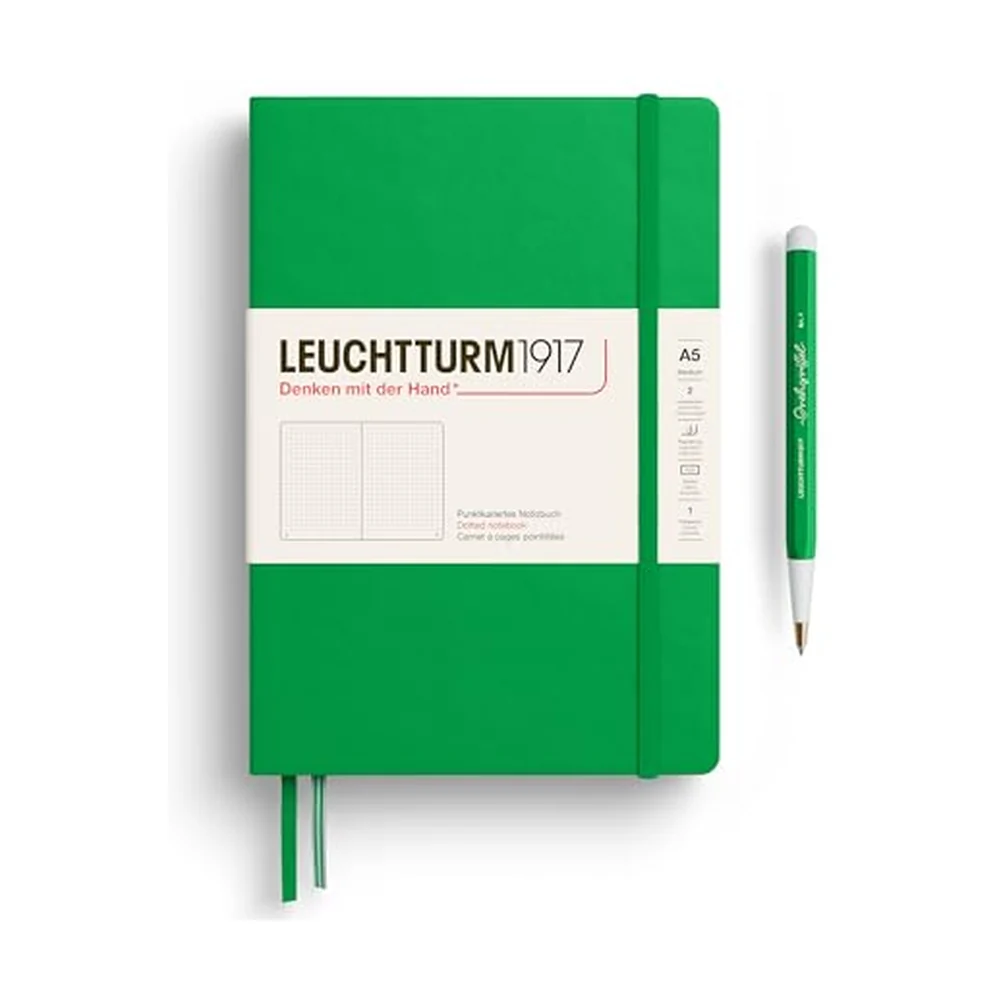
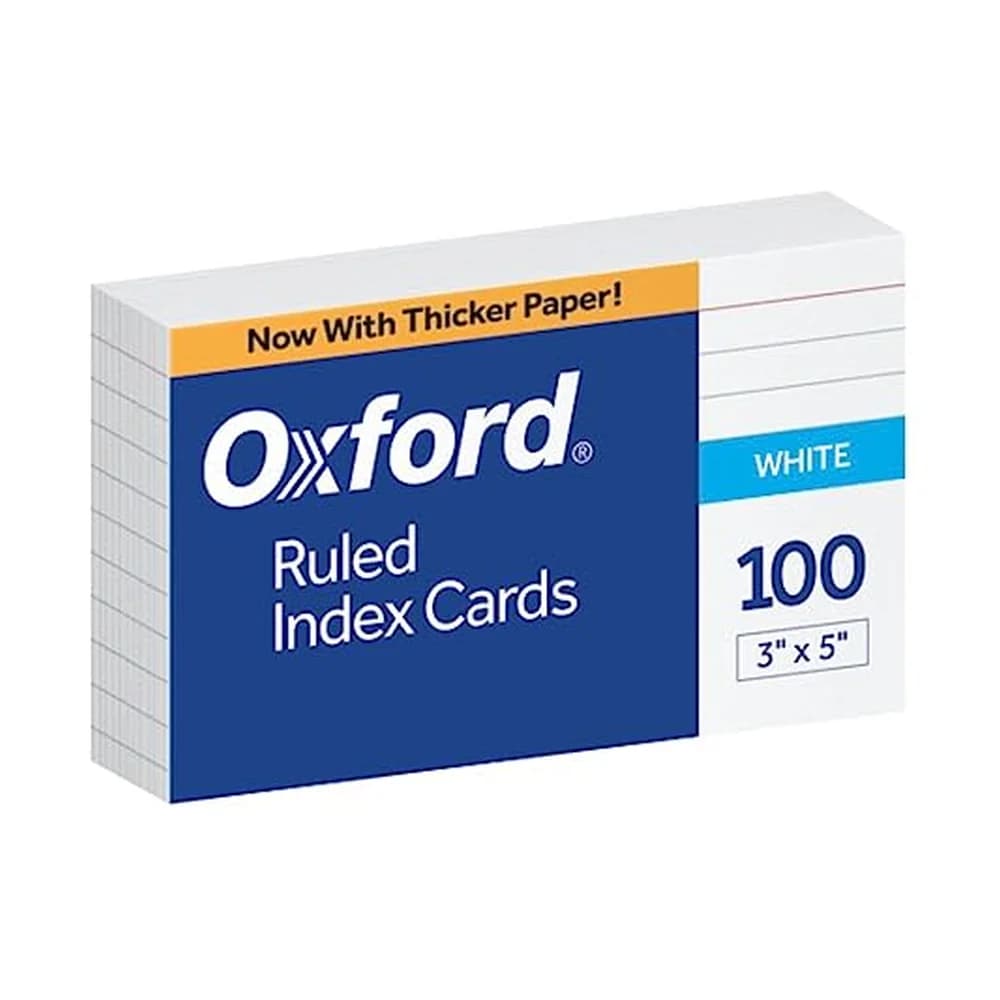
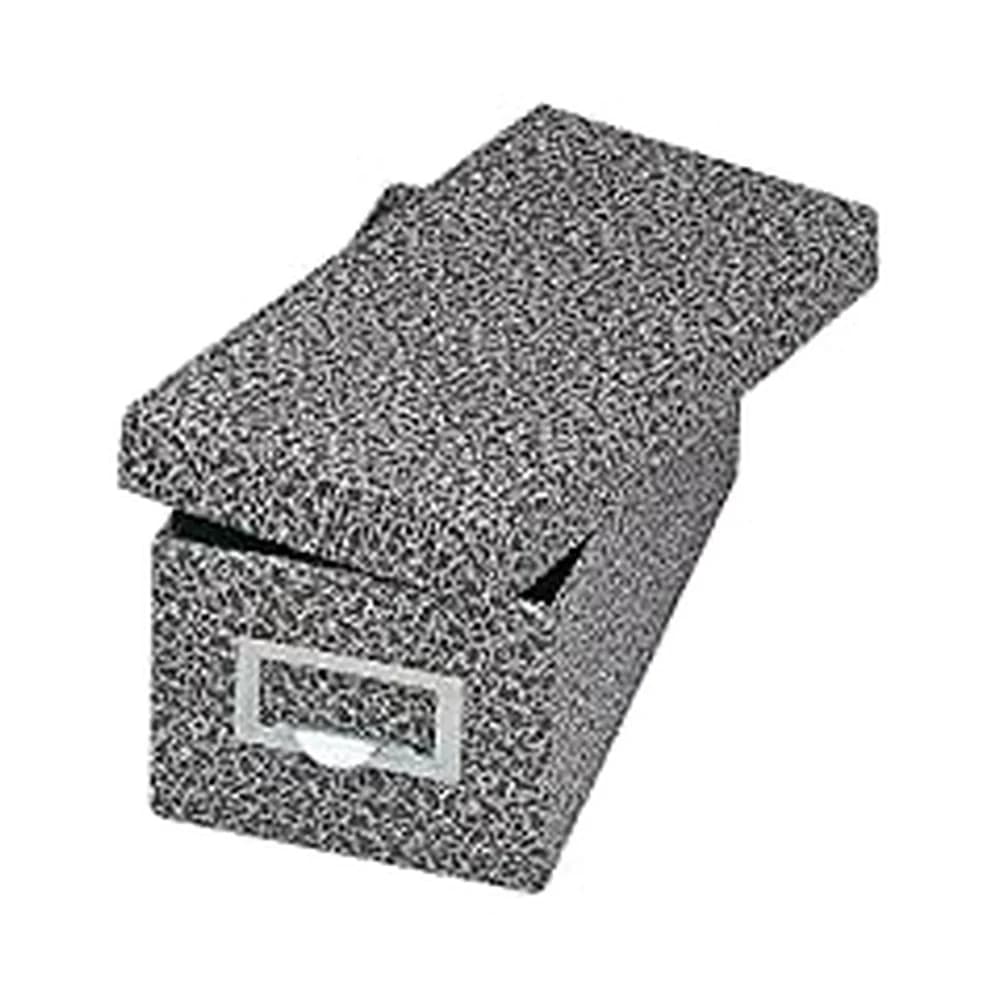
Ready to get unstuck?
The Brain Deck gives you 52 science-backed strategies in your pocket — a physical card deck you keep on your desk, no app required.
See the CardsLaunching soon · 54 cards · Premium matte finish