Analog focus tools · Researched picks
The Best Undated Planners for Focus
Most planners stall a few weeks in, and a dated one keeps the evidence: rows of blank Tuesdays. Undated planners let you skip a day, or a month, and pick up on the next clean page. These picks favour simple layouts over extra sections, include a cheap weekly desk pad, and come with an honest note on when you need no planner at all.
By Hilly Shore Labs·Updated September 12, 2026·5 picks·Prices checked Sep 13, 2026
As an Amazon Associate, The Brain Deck earns from qualifying purchases. It never changes what we recommend or the order we list it in.
The short answer
Buy the Panda Planner Classic if you want a daily focus planner: it is undated, lasts about three months, and the manufacturer separates the monthly, weekly and daily sections so a skipped day wastes no pages. If daily pages feel like homework, the Clever Fox Undated Weekly Planner gives you a year of weekly spreads with far less writing. On a budget, the Clever Fox Weekly Desk Planner is a tear-off pad that sits open on your desk where you will actually see it. Want the most structure? The Full Focus Planner builds each day around three priorities, but it is the priciest option by far over a year. And if you have already abandoned several planners, try a week on a single index card before buying anything.
Top pick
Panda Planner Classic Undated Daily Planner
Daily priorities and a schedule without wasting skipped days
At a glance
| Pick | Best for | Price | |
|---|---|---|---|
| Daily priorities and a schedule without wasting skipped days | $19.97 | Buy on Amazon | |
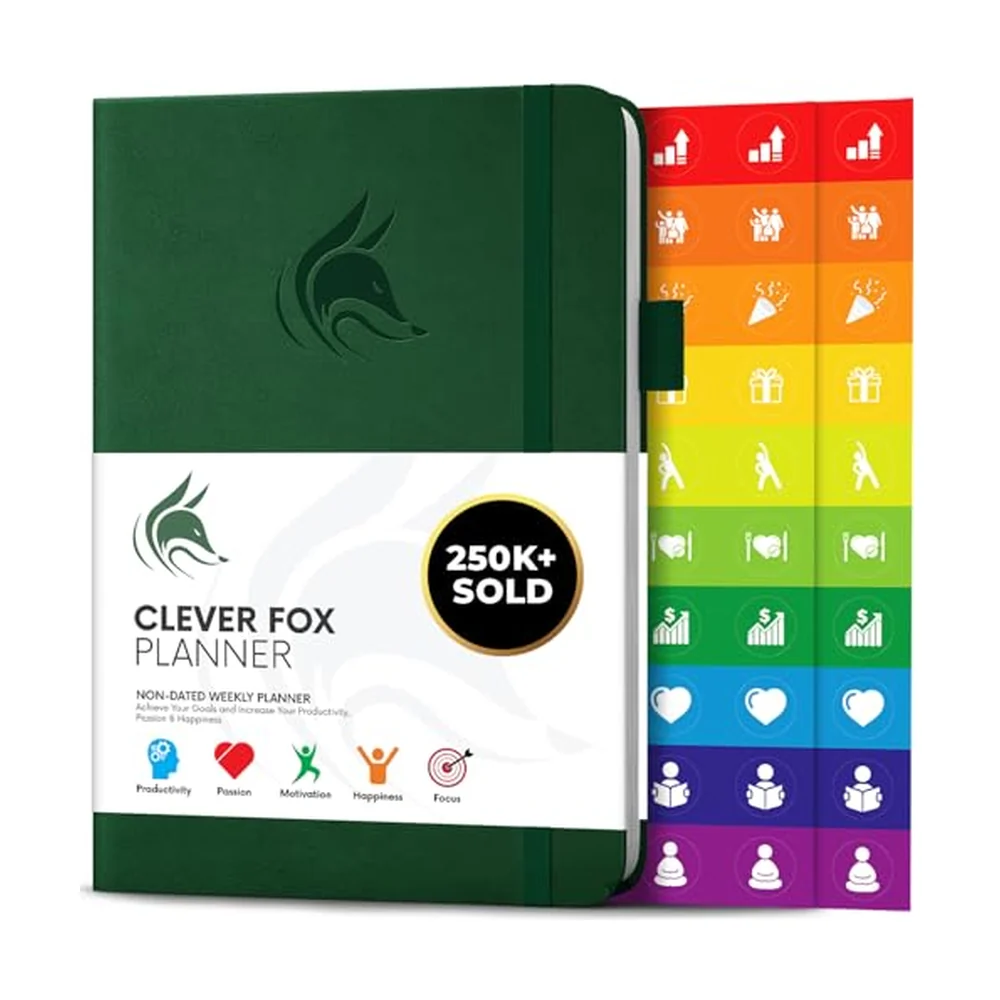 Runner-upClever Fox Undated Weekly Planner | People who quit daily pages but still want a weekly plan | $24.99 | Buy on Amazon |
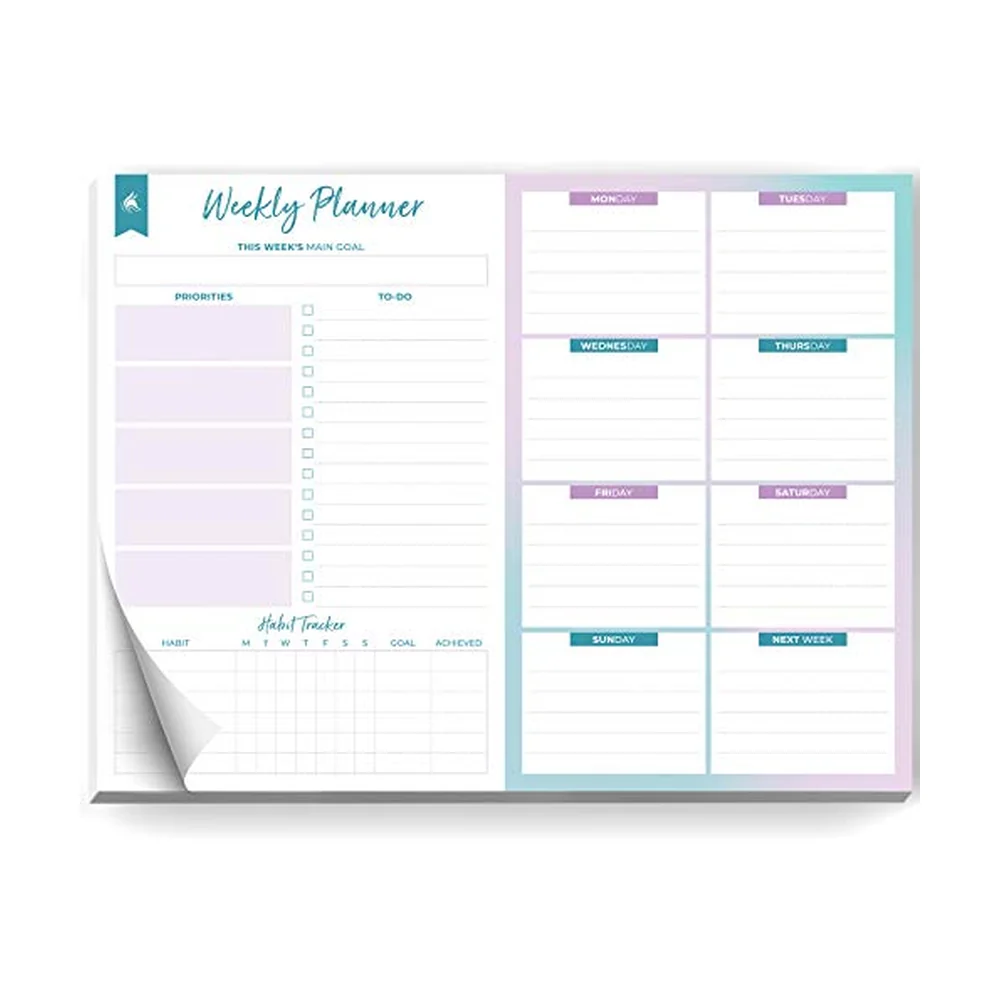 Budget pickClever Fox Weekly Desk Planner Pad | A cheap, always-visible weekly plan on your desk | $14.99 | Buy on Amazon |
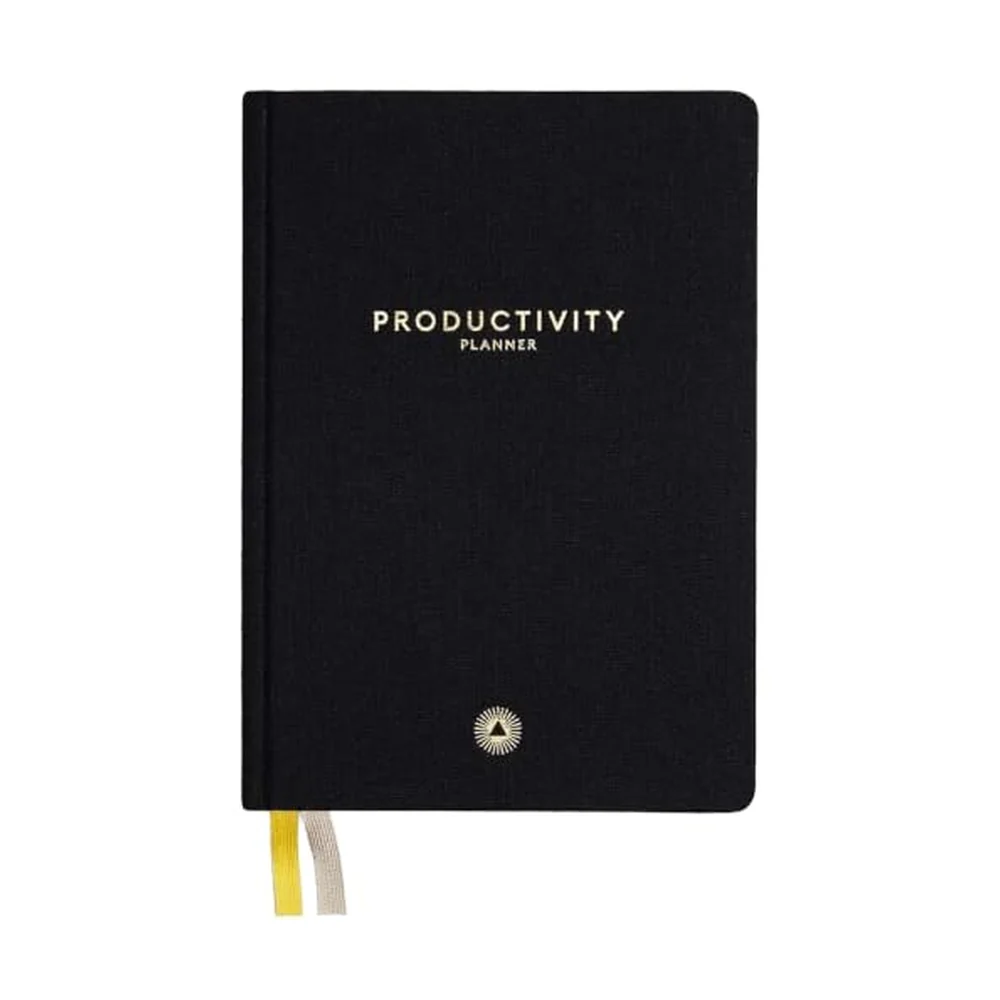 Different approachIntelligent Change Productivity Planner | Starting each day with one most important task | $39.45 | Buy on Amazon |
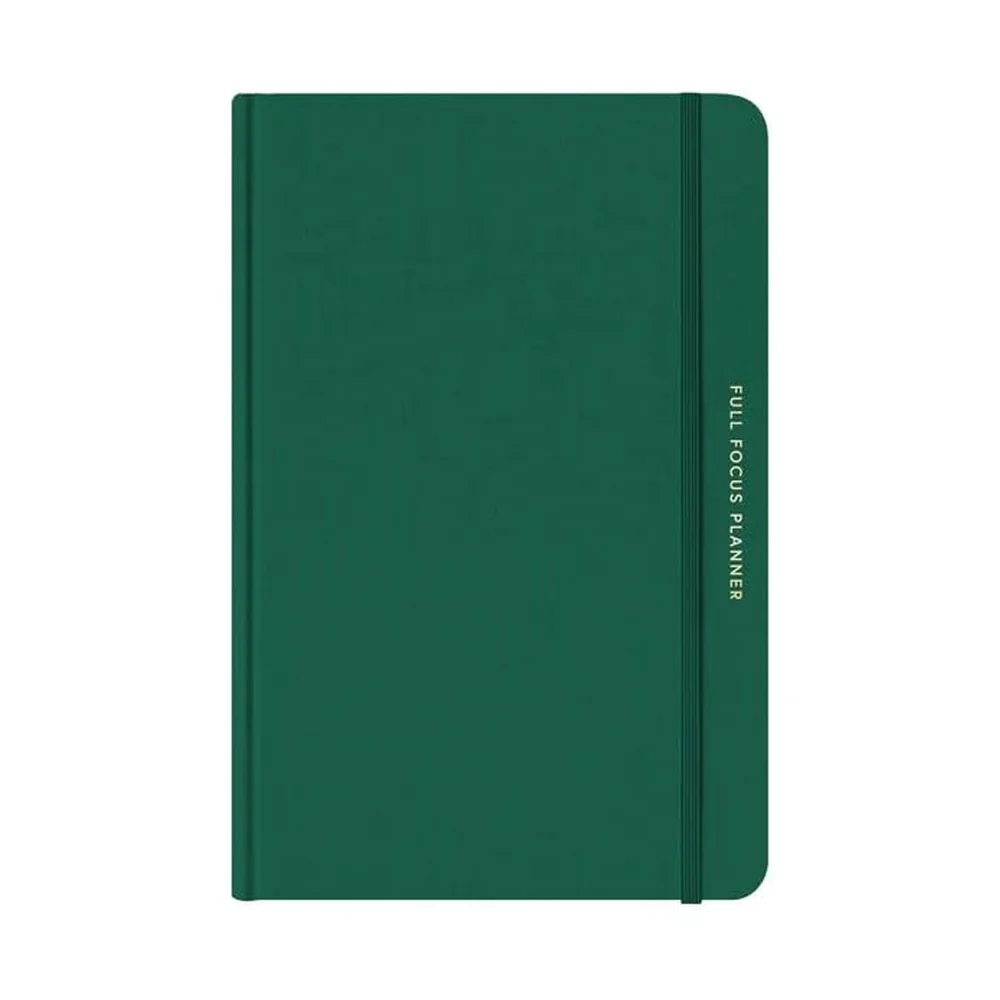 Upgrade pickFull Focus Planner | Goal-driven planners who want quarterly structure and three daily priorities | $52.99 | Buy on Amazon |
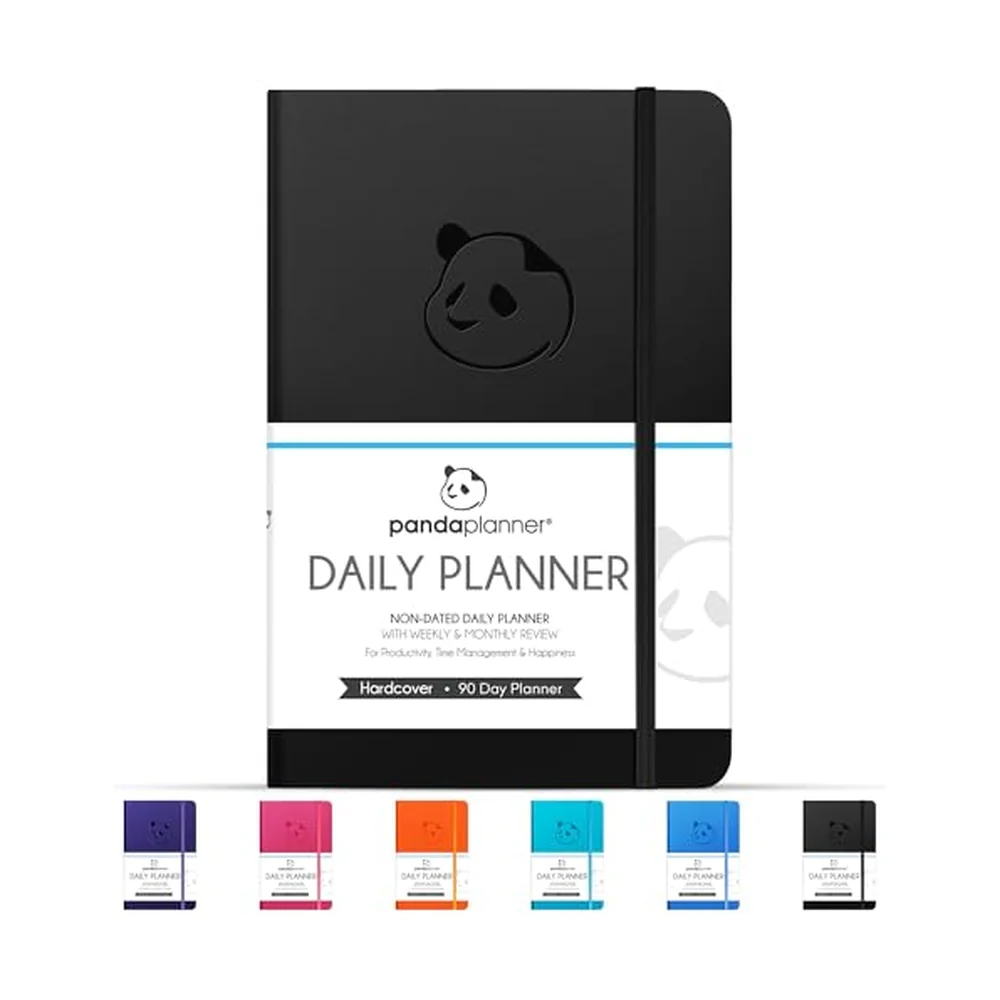 Top pickPanda Planner Classic Undated Daily Planner
Daily priorities and a schedule without wasting skipped days
$19.97Buy on Amazon- Runner-upClever Fox Undated Weekly Planner
People who quit daily pages but still want a weekly plan
$24.99Buy on Amazon - Budget pickClever Fox Weekly Desk Planner Pad
A cheap, always-visible weekly plan on your desk
$14.99Buy on Amazon - Different approachIntelligent Change Productivity Planner
Starting each day with one most important task
$39.45Buy on Amazon - Upgrade pickFull Focus Planner
Goal-driven planners who want quarterly structure and three daily priorities
$52.99Buy on Amazon
Why undated planners help
Writing the plan quiets the loop
Unfinished tasks nag. E. J. Masicampo and Roy Baumeister at Florida State University found that unfulfilled goals caused intrusive thoughts and hurt performance on unrelated tasks, and that letting people write a specific plan for the goal eliminated those effects. A planner page is a standing place to make that plan, so the task can wait in ink instead of in your head. [source]
A short weekly session is enough
In a field experiment led by Lars Uhlig at the University of Graz, with colleagues at the University of Vienna and FernUniversität in Hagen, 208 workers used a brief weekly planning routine: set priorities, plan the steps, and write if-then backup plans. Planning weeks came with fewer unfinished tasks and less after-work rumination. Work engagement did not change, so treat it as a clarity tool, not a motivation boost. [source]
Undated pages suit fresh starts
Hengchen Dai, Katherine Milkman and Jason Riis at the Wharton School found that people take on goals more often after temporal landmarks such as the start of a new week or month, which help put past lapses in a previous chapter. An undated planner lets you use those landmarks: begin the next blank page on Monday instead of facing a run of dated, empty days. [source]
The picks
Panda Planner Classic Undated Daily Planner
Best for: Daily priorities and a schedule without wasting skipped days
The best-known undated daily focus planner at a mid price. Its sections are separated so missed days waste no pages, and three months is a short commitment. Ignore any prompts you don't need.
Owners like
- Monthly, weekly and daily sections are separate and undated, so a skipped day wastes no pages
- Each day's spread combines top priorities, a schedule and notes
- Three-month length gives a natural restart point every quarter
Watch out for
- Some owners find the extra steps and repeated boxes more than they need
- Only three months per book, and reviewers report some ghosting with markers and highlighters
- Format
- Undated monthly, weekly and daily sections
- Duration
- About 3 months
- Daily layout
- Two pages per day
- Paper
- 100gsm
Clever Fox Undated Weekly Planner
Best for: People who quit daily pages but still want a weekly plan
The easier-to-keep option: a year of undated weekly spreads with monthly calendars up front. Far less writing per day than a daily planner, for roughly the price of one three-month daily book.
Owners like
- 12 undated monthly spreads followed by 52 undated weekly spreads
- Weekly format means a missed day costs a few blank lines, not a whole page
- Three ribbon bookmarks to flip between monthly and weekly pages
Watch out for
- Some owners find the weekly view gives each day too little space
- Described in r/planners as not friendly to fountain pens and inky pens
- Size
- A5, 5.8 x 8.3 inches
- Layout
- 12 undated monthly spreads, then 52 undated weekly spreads
- Cover
- Hardcover
- Extras
- 3 ribbon bookmarks, 150 stickers, quick-start guide
Clever Fox Weekly Desk Planner Pad
Best for: A cheap, always-visible weekly plan on your desk
The genuinely cheap way in: one tear-off sheet per week, lying flat where you can see it. There is no book to abandon, and a skipped week is simply a sheet you never use.
Owners like
- Undated tear-off weekly sheets, so nothing goes to waste when you skip a week
- Lies flat and visible on a desk instead of closed on a shelf
- Weekly goal, daily task boxes and a six-habit tracker on one sheet
Watch out for
- No hour-by-hour schedule, so it suits task lists more than detailed time blocking
- Torn-off sheets leave no record of past weeks unless you keep them
- Size
- 8.5 x 11 inches
- Paper
- 120gsm
- Format
- Undated tear-off weekly sheets
- Layout
- Weekly goal, daily task boxes, habit tracker for up to 6 habits
Intelligent Change Productivity Planner
Best for: Starting each day with one most important task
The most priority-first daily layout here: your Most Important Task comes before anything else on the page. Well made, but pricier per quarter than the Panda, and daily space is tight if you mix work and home.
Owners like
- Daily page leads with a Most Important Task before secondary tasks
- Schedule column from 6:00 am to 9:30 pm for time blocking
- Built-in weekly planning and weekly review pages
Watch out for
- Expensive to keep rebuying every three months, and some find it too micro-focused
- Reviewers note limited daily writing space and a rigid layout for unpredictable days
- Size
- A5, 5.7 x 8.26 inches
- Duration
- 3 months, undated
- Daily schedule
- 6:00 am to 9:30 pm
- Pages
- 256
- Binding
- Fabric cover, cotton sewn binding
Full Focus Planner
Best for: Goal-driven planners who want quarterly structure and three daily priorities
The most structured option: goals feed quarterly, weekly and daily pages built around a Daily Big 3. Fans say it is worth the price, but it is rigid and by far the priciest over a year.
Owners like
- Daily Big 3 keeps each day focused on three priorities
- Weekly preview pages walk you through planning and reviewing the week
- Undated quarterly format, so you can start in any week
Watch out for
- The priciest pick over a year, since each book covers one quarter
- Often described as rigid and heavy, with little monthly planning space
- Size
- 6 x 9 inches
- Duration
- 3 months per planner
- Daily layout
- Daily Big 3 priorities plus daily tasks
- Binding
- Lay-flat woven (Standard) or coil
How to choose
- 1
Pick weekly before daily
A weekly spread asks for one planning session and a few lines a day. A daily planner asks for a full page every day, which is where many people stall. If you have quit a planner before, start with a weekly layout and move to daily pages only if you keep running out of room.
- 2
Count the sections you will actually fill
Gratitude prompts, water trackers and mood scales look good in photos. If you skip them, they become blank reminders of skipping. Forced prompts come up repeatedly in r/planners as the most annoying part of guided planners. Choose the layout with the fewest boxes that still holds your top priorities and a schedule.
- 3
Keep it visible
Out of sight is out of mind, and a closed hardcover on a shelf is out of sight. A tear-off desk pad, or a planner left open on your desk, stays in view. Keeping the planner open where you work comes up again and again in r/ADHD and r/planners as what kept people using one.
- 4
Match the book length to your attention span
Three-month books like the Panda Planner Classic, Productivity Planner and Full Focus Planner end before boredom sets in and give you a natural restart, but you rebuy four times a year. Twelve-month weekly books cost less per year and ask for a longer commitment.
- 5
Check the paper for your pens
If you use gel pens or highlighters, look at the stated paper weight. Panda states 100gsm paper and Clever Fox states 120gsm for its desk pad. Reviewers still report some ghosting with markers, so test your pens on a back page before you commit to colour-coding.
The surprising part
When to skip it
Skip a planner if your tasks already live in a calendar you check every day, or if you have bought and abandoned several. A planner cannot supply the start; it only stores the plan. Try one week with a single index card instead: three priorities on the front, a rough time block on the back. If you keep using the card, a planner may help. If not, a nicer book will not change that.
Avoid: Dated 12-month planners if you have quit before
Every skipped day stays blank for the rest of the year. People who repeatedly abandon planners often name those empty dated pages as the moment they gave up.
Avoid: Planners packed with trackers and prompts
Gratitude, water, mood and affirmation boxes add daily homework. Forced prompts are a frequent complaint, and every unused box becomes one more thing you skipped.
Avoid: Buying a second planner to fix the first
If the first one sits unopened, the layout was rarely the problem. Run a week on an index card or the cheap desk pad before spending on another hardcover.
What people say online
Across r/planners, r/ADHD and r/adhdwomen, the most repeated planner advice is to buy undated and never pre-fill pages weeks ahead, because a run of blank dated days is what turns one missed day into an abandoned book. Several people describe the guilt of empty pages as their main reason for quitting, and keep an undated running to-do list rather than assigning every task to a date. Keeping the planner open and in sight, on the desk or kitchen counter, comes up again and again. In r/PlannerAddicts and r/notebooks, the Panda Planner is often recommended for its structure, while others say its extra steps and space are more than they need. Clever Fox and Legend are frequently described as near-identical planners. Full Focus has devoted fans who call the quarterly price worth it, but it is also called rigid and expensive. A recurring r/adhdwomen theme is worth hearing before checkout: the rush of buying a new planner fades, and a new book will not fix a system you do not use.
Paraphrased from recurring themes across public threads. No individual posts are quoted.
FELL OFF TRACK
The Memory Wipe
Pretend yesterday didn't happen. What would you do right now with a clean slate?
~2 min
Pair it with a Brain Deck card
When you open a planner after two blank weeks, the pull is to backfill every page or give up. The Memory Wipe card says pretend yesterday didn't happen and plan from a clean slate. An undated planner is built for exactly that move: turn to the next empty page and write today's date.
The Brain Deck is in production: 54 cards, no app. Pull a free sample card
Questions
Are undated planners better than dated ones?+
For people who fall off and restart, usually yes. An undated planner lets you skip days without leaving blank dated pages, and you can start any week of the year. The trade-off is writing in the dates yourself. If you rarely miss a day and want dates printed for you, a dated planner saves that small step.
Do I need a planner to be productive?+
No. A planner stores a plan; it does not make you start. Plenty of people run a good system on a calendar plus a daily index card with three priorities. Buy a planner only after a week or two on a simple paper version shows you want more room or more structure.
Is a daily or weekly planner easier to stick with?+
Weekly is usually easier. It needs one planning session and a few lines per day, so a missed day costs little. Daily planners give more room for time blocks and notes but ask for a full page every day. Start weekly, and move to daily pages only if you keep running out of space.
How long does an undated planner last?+
It depends on the format, not the calendar. The manufacturers describe the Panda Planner Classic, Productivity Planner and Full Focus Planner as three-month books, while the Clever Fox and Legend weekly planners hold 12 monthly and 52 weekly spreads. Because they are undated, skipped weeks stretch that further.
How do you time block in a paper planner?+
Time blocking means giving tasks specific slots in your day instead of keeping them only on a list. A planner with a schedule column beside the task list, such as the Panda Planner Classic or Productivity Planner, makes this quick. Leave some blocks empty for overruns, because a plan that fills every hour tends to break early.
How we picked
These picks are researched, not tested hands-on. We read manufacturer specifications, owner reviews and long-running community discussions, and checked the research on why the tool type helps. Prices come from Amazon and change often; the listing is always the final word.
Sources (5)
- Masicampo & Baumeister (2011), Consider It Done! Plan Making Can Eliminate the Cognitive Effects of Unfulfilled Goals, Journal of Personality and Social Psychology (Florida State University)
- Uhlig et al. (2023), A field experiment on the effects of weekly planning behaviour on work engagement, unfinished tasks, rumination, and cognitive flexibility, Journal of Occupational and Organizational Psychology
- Dai, Milkman & Riis (2014), The Fresh Start Effect: Temporal Landmarks Motivate Aspirational Behavior, Management Science (The Wharton School)
- Kirschenbaum, Humphrey & Malett (1981), Specificity of planning in adult self-control: An applied investigation, Journal of Personality and Social Psychology (APA PsycNet abstract)
- Kirschenbaum, Malett, Humphrey & Tomarken (1982), Specificity of planning and the maintenance of self-control: 1 year follow-up of a study improvement program, Behavior Therapy