Analog focus tools · Researched picks
The Best Earplugs and Noise-Cancelling Headphones for Focus
Open offices, shared kitchens and busy cafés all have the same problem: other people's noise lands in the middle of your thinking. This page is about quiet for focus, not audiophile sound. We researched reusable earplugs, cheap foam and noise-cancelling headphones at three price points, and we explain what the noise ratings on the box actually mean.
By Hilly Shore Labs·Updated September 12, 2026·5 picks·Prices checked Sep 13, 2026
As an Amazon Associate, The Brain Deck earns from qualifying purchases. It never changes what we recommend or the order we list it in.
The short answer
For most people working in a noisy space, the Soundcore Space 2 is the pick. It's a current-generation, budget-priced over-ear headphone with active noise cancelling, a manufacturer-stated 50 hours of battery with ANC on, and built-in soundscapes for when silence isn't enough. If you want quiet without a battery, Loop Quiet 2 earplugs are the reusable, low-cost option. Mack's Ultra Soft foam plugs are the cheapest way to find out whether earplugs work for you at all. The Sony WH-1000XM6 is the upgrade if you'll wear headphones all day. One warning applies to all of them: noise cancelling works best on steady hum, not on voices, and voices are the noise that costs you the most focus.
Top pick
Soundcore by Anker Space 2 Noise Cancelling Headphones
All-day focus in a noisy office or shared home on a budget
At a glance
| Pick | Best for | Price | |
|---|---|---|---|
| All-day focus in a noisy office or shared home on a budget | $109.99 | Buy on Amazon | |
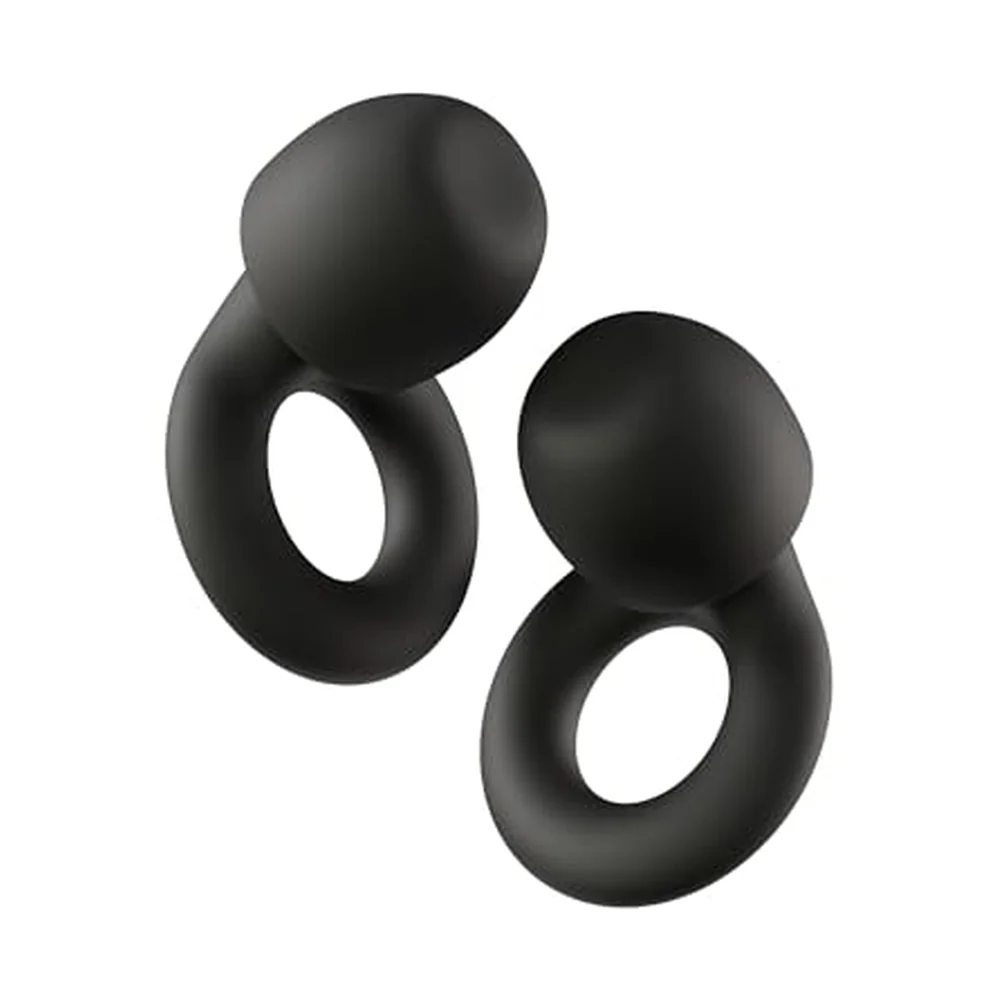 Runner-upLoop Quiet 2 Noise-Reducing Earplugs | Reusable, battery-free quiet for studying, cafés and commutes | $24.95 | Buy on Amazon |
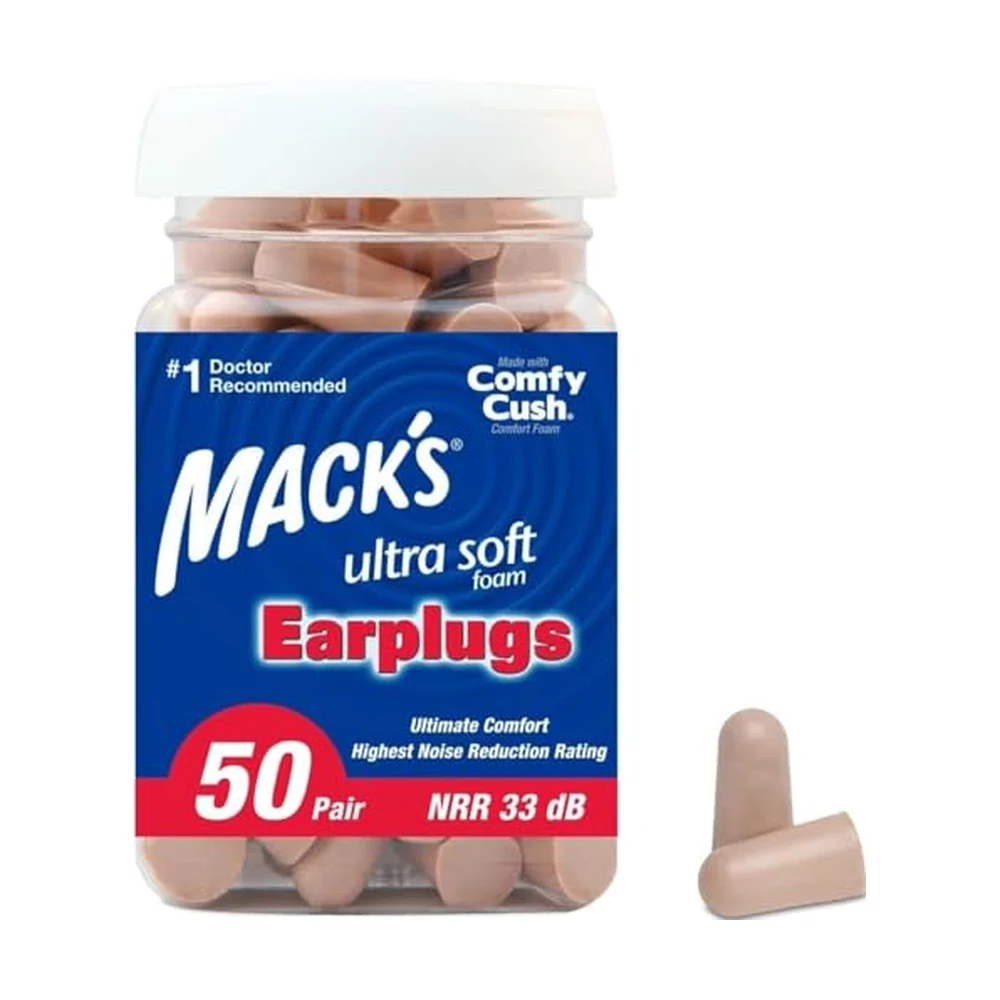 Budget pickMack's Ultra Soft Foam Earplugs | Cheapest way to test whether quiet helps you focus | $9.89 | Buy on Amazon |
| People who wear headphones for most of the workday | $398.00 | Buy on Amazon | |
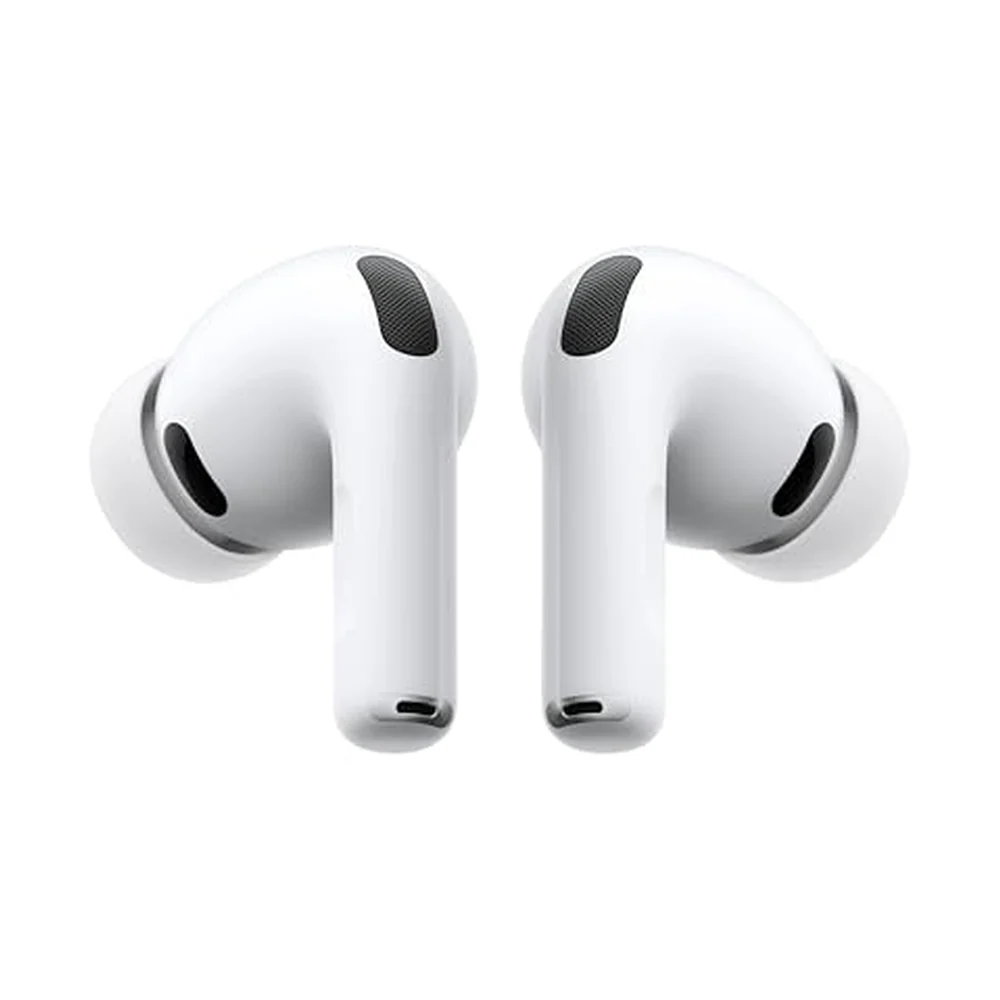 Different approachApple AirPods Pro 3 | iPhone users who find over-ear headphones too hot or bulky | $199.00 | Buy on Amazon |
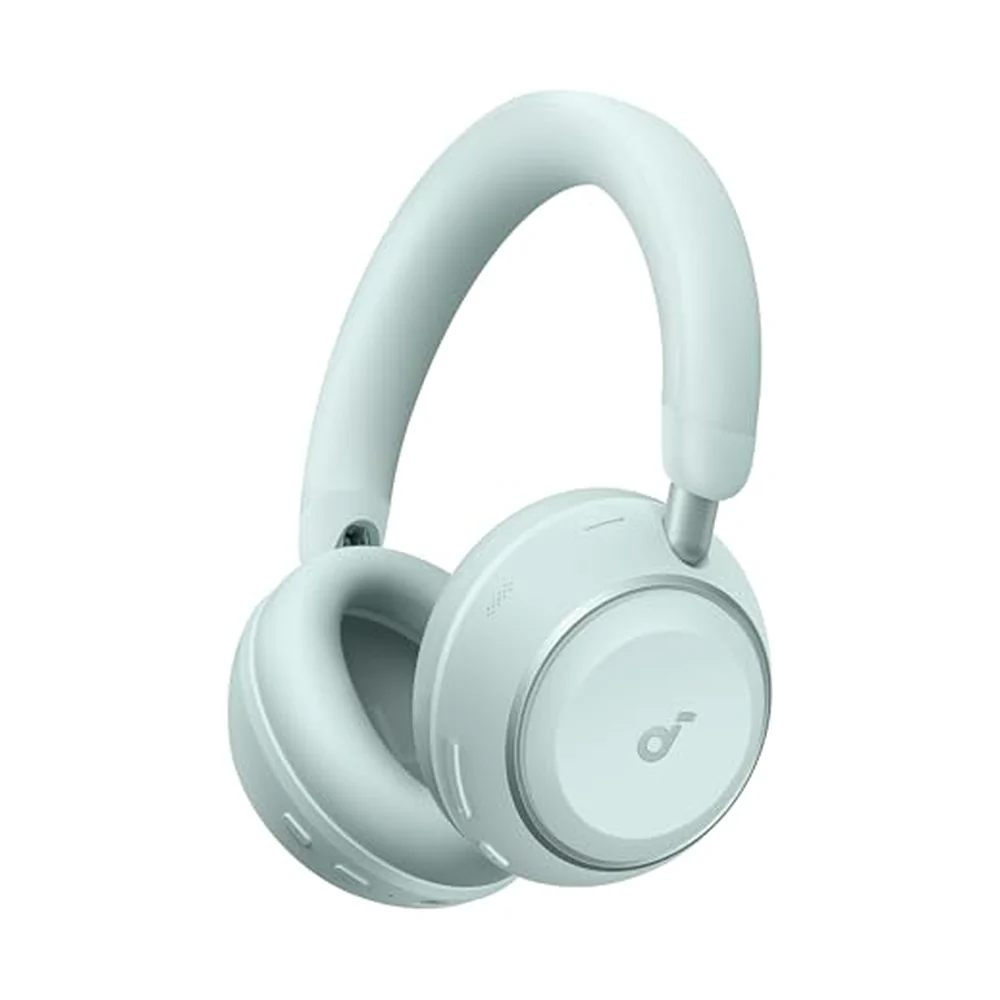 Top pickSoundcore by Anker Space 2 Noise Cancelling Headphones
All-day focus in a noisy office or shared home on a budget
$109.99Buy on Amazon- Runner-upLoop Quiet 2 Noise-Reducing Earplugs
Reusable, battery-free quiet for studying, cafés and commutes
$24.95Buy on Amazon - Budget pickMack's Ultra Soft Foam Earplugs
Cheapest way to test whether quiet helps you focus
$9.89Buy on Amazon 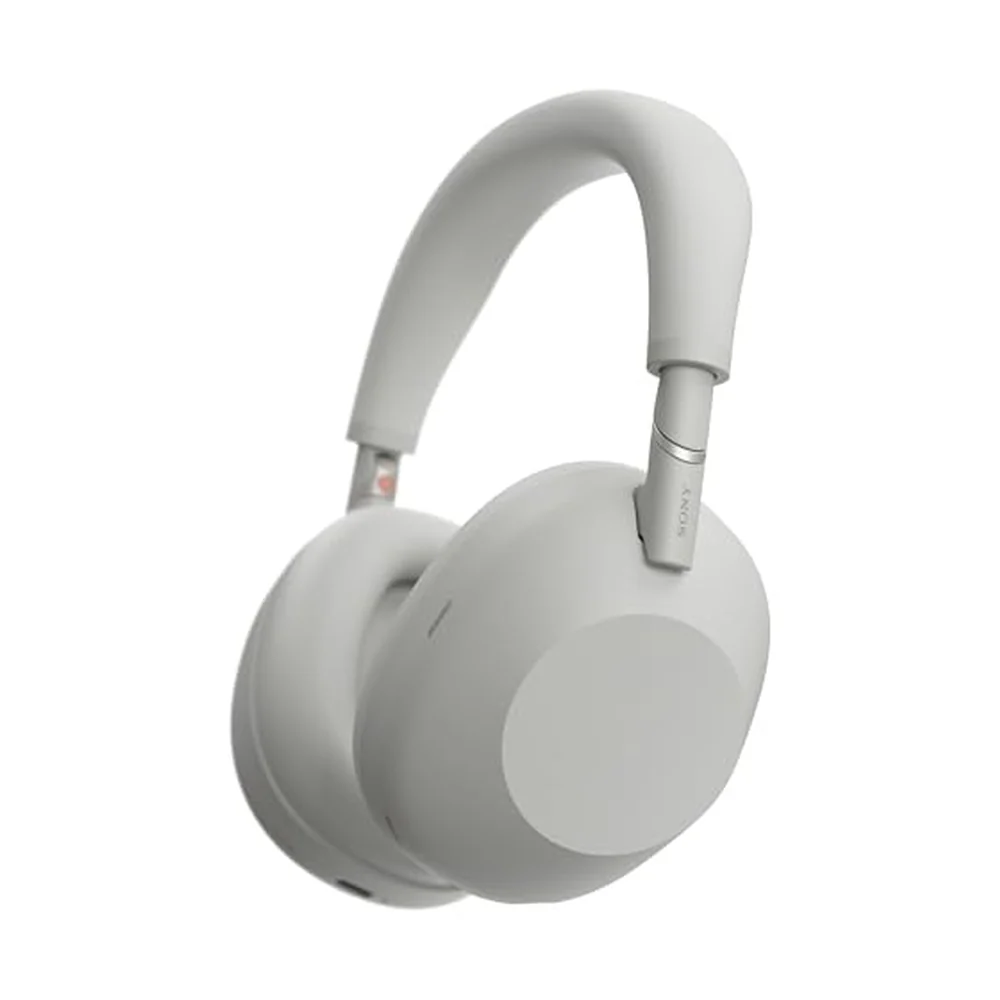 Upgrade pickSony WH-1000XM6 Wireless Noise Canceling Headphones
People who wear headphones for most of the workday
$398.00Buy on Amazon- Different approachApple AirPods Pro 3
iPhone users who find over-ear headphones too hot or bulky
$199.00Buy on Amazon
Why focus earplugs & headphones help
Speech is the distraction that does the most damage
In three experiments on open-plan office noise, Simon Banbury and Dianne Berry (University of Reading, British Journal of Psychology, 1998) found that office noise with speech disrupted both memory for prose and mental arithmetic. Office noise without speech disrupted only the arithmetic. Whether the speech made sense didn't matter. Your brain doesn't have to follow a conversation for it to cost you. [source]
Open-office noise costs memory and motivation
Helena Jahncke and colleagues at the University of Gävle had 47 students work for two hours in a simulated open-plan office at two noise levels. In the louder condition, participants remembered fewer words, rated themselves as more tired and were less motivated (Journal of Environmental Psychology, 2011). Turning down the room is a real lever, not a comfort extra. [source]
Quiet means you don't need music to cover the noise
A lot of people turn on music to block out a noisy room. For reading and writing, that can backfire. Alessandra Souza and Luís Barbosa (University of Porto, Journal of Cognition, 2023) found that music with lyrics hurt verbal memory, visual memory and reading comprehension. Blocking the noise first lets you work in silence or with wordless sound. [source]
The picks
Soundcore by Anker Space 2 Noise Cancelling Headphones
Best for: All-day focus in a noisy office or shared home on a budget
The most sensible first pair of noise-cancelling headphones for focus. It's current-generation, comfortable and has a long battery life. It softens chatter rather than erasing it, and the default sound needs an EQ tweak.
Owners like
- Manufacturer-stated 50 hours of battery with ANC on, so it rarely dies mid-block
- Built-in Nap Mode soundscapes give you steady background sound without a phone app
- Plush memory-foam cushions and multipoint pairing for a laptop plus phone
Watch out for
- Like most ANC, it's weaker on nearby voices than on hum and rumble
- Ears get warm after long sessions, and the default sound is dull until you adjust the EQ
- Noise cancelling
- Adaptive 4-stage low-frequency ANC
- Battery
- 50 hours ANC on / 70 hours ANC off
- Weight
- 264 g
- Connectivity
- Bluetooth 6.1, multipoint, LDAC (Android)
- Extras
- Nap Mode built-in soundscapes, wear detection
Loop Quiet 2 Noise-Reducing Earplugs
Best for: Reusable, battery-free quiet for studying, cafés and commutes
The easiest reusable earplug to carry and put in. It turns a loud room down rather than off. If you're sensitive to hearing your own heartbeat, try a smaller tip size first before giving up.
Owners like
- Loop's dedicated focus and travel model, not a conversation earplug
- Soft silicone with four tip sizes (XS to L) to get a seal
- Reusable and washable, with a keychain carry case
Watch out for
- Owners in loud offices say it isn't enough on its own against nearby chatter
- Some people hear their heartbeat or breathing (occlusion), and the small plugs are easy to lose
- Noise reduction
- 14 dB NRR (manufacturer, US rating)
- Material
- Soft-touch silicone
- Ear tips
- 4 sizes: XS, S, M, L
- Case
- Keychain carry case
Mack's Ultra Soft Foam Earplugs
Best for: Cheapest way to test whether quiet helps you focus
The genuine budget pick and the strongest passive block here, if you learn to roll and insert them properly. They're disposable, a little fiddly and obvious in a meeting, but ideal for a test run.
Owners like
- Highest NRR on this page (manufacturer states 33)
- Low-pressure polyurethane foam, made in the USA
- Multi-pair packs cost very little per pair
Watch out for
- They only work if rolled tight and inserted deep, and owners who skip that say they fall out
- Some owners find the foam itchy, and they're single-use rather than washable
- Noise reduction
- NRR 33 (manufacturer)
- Material
- Polyurethane low-pressure foam
- Use
- Roll, insert, hold until the foam expands
- Pack sizes
- 3 to 100 pairs
Sony WH-1000XM6 Wireless Noise Canceling Headphones
Best for: People who wear headphones for most of the workday
The upgrade if headphones are your main focus tool. It has class-leading noise cancelling, excellent calls and a folding case. It's expensive, and the firm clamp bothers some glasses wearers.
Owners like
- Flagship-class noise cancelling with Adaptive NC Optimizer and atmospheric pressure optimizing
- Folds, and ships with a carrying case
- Manufacturer-stated 30 hours with noise cancelling on, and multipoint for laptop plus phone
Watch out for
- Firmer clamping force than earlier Sonys, a recurring complaint from glasses wearers
- Flagship price, and like all ANC it softens voices more than it removes them
- Battery
- Max. 30 hours NC on / 40 hours NC off
- Weight
- Approx. 8.96 oz
- Codecs
- SBC, AAC, LDAC, LC3
- Multipoint
- Yes
- In the box
- Carrying case, cable, USB cable
Apple AirPods Pro 3
Best for: iPhone users who find over-ear headphones too hot or bulky
The in-ear option for people who won't wear over-ear headphones. It fits in a pocket, has strong in-ear noise cancelling and a Transparency mode to hear colleagues. Fit is personal, so test all five tip sizes.
Owners like
- Apple states up to 2x more noise removed than AirPods Pro 2
- Five foam-infused tip sizes, including a new XXS
- Transparency mode lets you hear someone without taking them out
Watch out for
- A recurring owner complaint is fit: some people say they work loose or won't seal
- 8 hours per charge with ANC is shorter than over-ear headphones, and the best features need an iPhone
- Battery
- Up to 8 hours with ANC (24 hours with case)
- Ear tips
- Five sizes, XXS to L
- Water/dust
- IP57
- Weight
- 5.55 g per earbud
How to choose
- 1
Match the tool to the noise
Active noise cancelling is strongest on steady, low-pitched sound like air conditioning, traffic rumble or engines. Soundcore's own explainer says sudden, higher-pitched sounds are harder to cancel. If your problem is chatter, plan on a good seal (a well-inserted earplug or snug ear cushions), not just the ANC button.
- 2
Decide whether you need to hear people
If a colleague or family member needs to reach you, a full-silence plug is frustrating. Headphones with a transparency or ambient mode let you hear someone without taking them off. Loop's Engage line is designed to lower noise while keeping speech clear, but it blocks far less than foam or Quiet 2.
- 3
Read the rating on the box, and compare like with like
US earplugs carry an NRR (Noise Reduction Rating). European packaging uses SNR, and the two standards produce different numbers for the same product. Loop, for example, lists Quiet 2 at 14 dB NRR on its US site. Compare NRR to NRR only, and remember that fit changes the real-world result more than a few dB on the label.
- 4
Think about hours of wear, not minutes
A focus block can run 90 minutes or more. Over-ear cushions get warm and some headphones clamp hard, which bothers glasses wearers. Foam and silicone plugs can make you hear your own heartbeat or voice. Owners call this the occlusion effect. Pick the discomfort you can live with.
- 5
Buy the current generation
Headphone lines turn over quickly, and older models linger on Amazon at tempting discounts. The Soundcore Space One has been succeeded by the Space 2, and Bose launched a second-generation QuietComfort in August 2026. An older model is fine if you know what you're getting. Just don't buy it by accident.
The surprising part
When to skip it
Skip buying anything if the noise is occasional or if the real distraction is your phone. Try the free fixes first: a different seat or room, a closed door, or a steady fan. A cheap pack of foam earplugs is a near-free test of whether quiet helps you. Don't use full-blocking plugs or noise cancelling anywhere you need to hear alarms, traffic or a child, and skip ANC if the pressure sensation bothers you.
Avoid: Expecting noise cancelling alone to silence coworkers
ANC is built for steady, low-frequency sound, and owners repeatedly report it only softens nearby voices. If chatter is your problem, add a well-fitted earplug or choose a plug instead of spending more on headphones.
Avoid: Loop Engage 2 for deep focus
It's a good product for the wrong job. Loop designs Engage for conversations and socializing and lists it at 8 dB NRR on its US site. For a quiet work bubble, the manufacturer's own focus pick is Quiet 2, rated 14 dB NRR.
Avoid: Superseded models sold as the latest version
Discounted listings for the Soundcore Space One and first-generation Bose QuietComfort Headphones are still around after their successors launched. They're usable headphones, but check the generation before you buy. Refurbished or renewed listings are a separate gamble.
What people say online
Across r/ADHD and r/adhdwomen, noise-cancelling headphones come up repeatedly as one of the most useful purchases people have made for working in open offices, often worn with brown noise or wordless audio rather than music. The same threads push back on one expectation: noise cancelling takes the edge off hum and background buzz, but owners keep saying it doesn't erase nearby conversations. People who need real silence often describe stacking foam earplugs under over-ear headphones. Loop earplugs get a split verdict. In r/LoopEarplugs and r/adhdwomen, people like them for taking the edge off a loud office while still hearing someone who speaks to them. Others say they block too little for chatter, amplify their heartbeat and breathing, or are easy to lose. A common tip there is to try a different tip size before giving up. In r/soundcore, budget Soundcore owners report good results on machine and ventilation noise and weaker results on voices.
Paraphrased from recurring themes across public threads. No individual posts are quoted.
LOST TIME
The Visual Timer
Set a physical timer you can SEE. Work until it rings. No phone timers.
~25 min
Pair it with a Brain Deck card
Card 13, The Visual Timer, asks for a timer you can see and no phone. Earplugs or noise-cancelling headphones are its natural partner. Put them in, set the timer, and work until it rings. The quiet gets a visible end, so a silent block feels like a sprint, not an open-ended sentence.
The Brain Deck is in production: 54 cards, no app. Pull a free sample card
Questions
Are earplugs or noise-cancelling headphones better for focus?+
It depends on the noise. Headphones with active noise cancelling do best on steady hum like HVAC, traffic or engines, and they let you play soft background sound. A well-inserted foam earplug blocks without a battery and helps against chatter, where ANC is weaker. For a very loud office, some people wear both.
What does NRR mean on earplugs?+
NRR stands for Noise Reduction Rating, the US laboratory rating that the EPA requires on hearing-protector packaging. OSHA's Technical Manual says the label usually overstates field performance because real-world fit is worse than lab fit. Treat it as a way to compare products, not a promise of how many decibels quieter your office will get.
Do I need to play music with noise-cancelling headphones?+
No. Noise cancelling works with nothing playing. Many owners use it that way or add soft brown noise. If you do play something while reading or writing, skip lyrics. A 2023 University of Porto study found music with lyrics hurt verbal memory and reading comprehension, while instrumental music made little measurable difference.
Can I wear earplugs under noise-cancelling headphones?+
Yes, and it's a common setup among people in loud open offices. The earplug seals the ear canal while the headphones add a second passive layer and cancel low hum. Use soft foam or low-profile silicone plugs so the cushions don't press them in further, and take them out when you need to hear alarms.
Why do I hear my heartbeat with earplugs in?+
Owners call this the occlusion effect. Sealing the ear canal traps sounds your body makes, like your pulse, breathing and footsteps, so they seem louder. It's a frequent complaint about sealed silicone plugs. Loop owners often suggest trying a smaller tip size. People who can't get past it often switch to over-ear headphones, which don't plug the canal.
How we picked
These picks are researched, not tested hands-on. We read manufacturer specifications, owner reviews and long-running community discussions, and checked the research on why the tool type helps. Prices come from Amazon and change often; the listing is always the final word.
Sources (5)
- Banbury, S. & Berry, D. C. (1998). Disruption of office-related tasks by speech and office noise. British Journal of Psychology, 89(3), 499-517.
- Jahncke, H., Hygge, S., Halin, N., Green, A. M. & Dimberg, K. (2011). Open-plan office noise: Cognitive performance and restoration. Journal of Environmental Psychology, 31(4), 373-382.
- OSHA Technical Manual, Section III, Chapter 5: Noise
- Soundcore: A Complete Guide to Active Noise Cancelling Technology
- Souza, A. S. & Barbosa, L. C. L. (2023). Should We Turn off the Music? Music with Lyrics Interferes with Cognitive Tasks. Journal of Cognition, 6(1), 24.