What makes a habit tracker work
A habit tracker is a progress record, and recording progress is one of the better-supported moves in behaviour change. A 2016 meta-analysis of 138 experiments in Psychological Bulletin found that getting people to monitor their progress improved goal attainment, and that the effect was larger when progress was physically recorded or made public. A printed tick-sheet is the simplest way to do the first, and hanging it where other people can see it moves you toward the second.
It is also what clinicians hand out. The habit leaflet in Gardner, Lally and Wardle's 2012 paper for GPs asks for one simple daily action, done at a time and place you meet every day, and includes a daily tick-sheet to use until the habit feels automatic. That is the whole design brief for this page: small habits, a fixed cue, a box per day.
Twenty-one days is a myth
What the research says, in one table
| Question | What the study found |
|---|---|
| Does writing progress down help? | Across 138 randomised studies (19,951 people), interventions that got people to monitor their progress improved goal attainment. The effect was larger when the information was physically recorded and when it was reported or made public. [Harkin et al., 2016] |
| Is a tick-sheet a recognised method? | Yes. The BJGP habit leaflet asks for one simple daily action at a time and place you meet every day, notes that some people find it helpful to keep a record, and includes a daily tick-sheet to use until the habit feels automatic. [Gardner, Lally & Wardle, 2012] |
| How long until a habit is automatic? | In Lally and colleagues' 2010 study, automaticity took 66 days on average to plateau, from 18 days for one person to a forecast 254 days for another. The BJGP authors suggest planning on around 10 weeks of daily repetition. [Gardner & Meisel, UCL, 2012] [Gardner, Lally & Wardle, 2012] |
| Does the number depend on the habit? | Yes. Across gym and hospital records, gym attendance typically took months to become habitual and hand washing took weeks. A 2024 review found individual times ranging from 4 to 335 days. [Buyalskaya et al., 2023] [Singh et al., 2024] |
| Does one missed day reset the count? | No. Gardner, Lally and Wardle report that missing the occasional opportunity to perform the behaviour did not seriously impair the habit formation process. [Gardner, Lally & Wardle, 2012] |
| Which habits got stronger faster? | The 2024 review found morning practices and habits people chose for themselves generally showed greater habit strength. [Singh et al., 2024] |
How to set up a tracker that lasts
- 1
Pick one to three small habits
Shrink each one until you could do it on your worst day: one page, one glass of water, shoes on. The BJGP leaflet asks for a simple action for exactly this reason.
- 2
Hang each habit on a cue
Write it as "after X, I do Y": after coffee, after brushing teeth. A time and place you meet every day does more of the work than motivation does. See if-then planning for the method.
- 3
Put the sheet where the habit happens
Fridge, bathroom mirror, inside the notebook you already open. A tracker you have to go looking for stops getting ticked.
- 4
Tick it the moment you finish
Not at the end of the day from memory. The tick is the record, and recording is the part with the evidence behind it.
- 5
Treat a blank box as a blank box
Missing the occasional day did not seriously impair habit formation in the research cited here. Tick the next one; never restart the month.
- 6
Review at the end of the month
Keep what is sticking, shrink what is not, and print the next month. Plan on months, not weeks: around 10 weeks of daily repetition is the BJGP rule of thumb.
Related: if-then planning, the two-minute rule and getting back on track after a slip. Not sure which habits deserve a row? Sort your list in the Eisenhower matrix first: the important-but-not-urgent box is where most habits live.
Grid, circles or weekly: which layout?
| Layout | How it prints | Best for |
|---|---|---|
| Grid | Landscape. Habits down the side, every day of the month across the top, a total column at the end.Best for: Seeing the whole month at a glance and spotting which days of the week you skip. | Seeing the whole month at a glance and spotting which days of the week you skip. |
| Circles | Portrait. One row of numbered circles per habit, filled in or crossed through as you go.Best for: A fridge or wall sheet with fewer habits and bigger targets to mark. | A fridge or wall sheet with fewer habits and bigger targets to mark. |
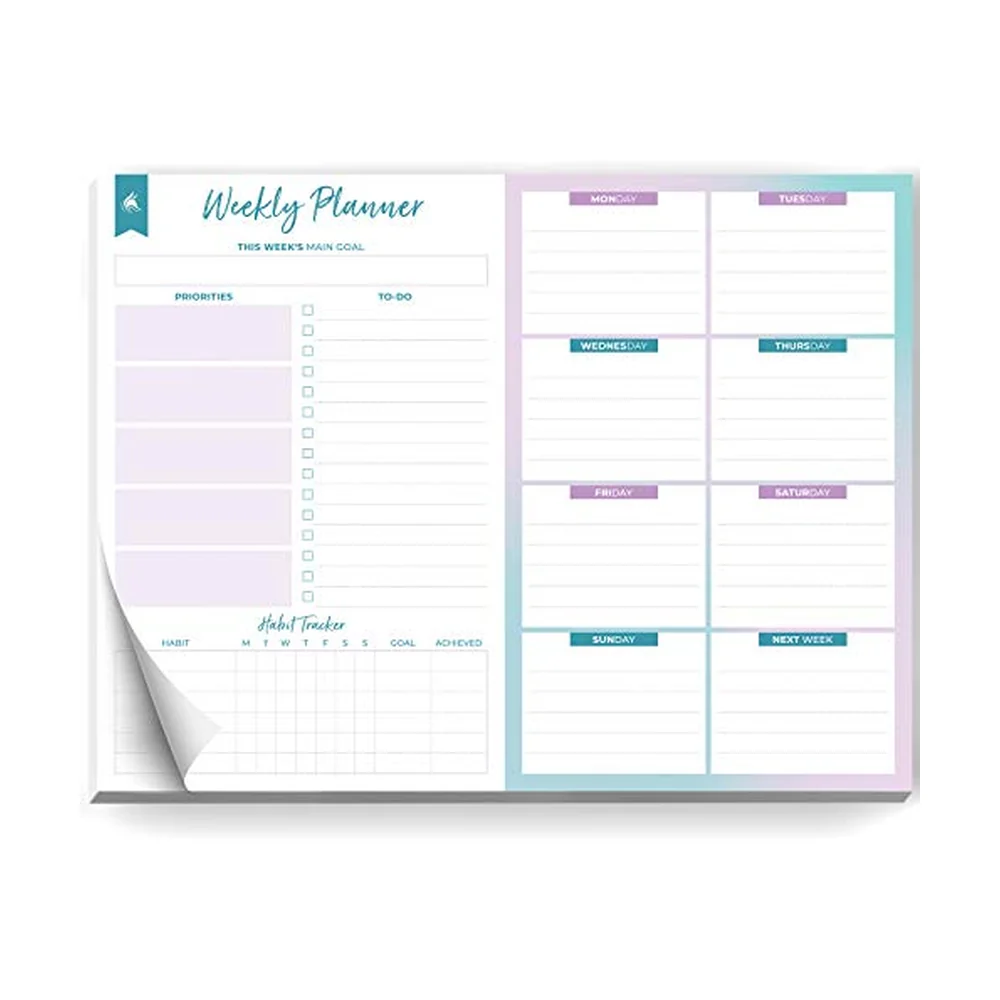
| Weekly | Portrait. One small table per week, Monday or Sunday start, so each week starts fresh.Best for: Anyone who does a weekly review, or who finds a full month of boxes daunting. | Anyone who does a weekly review, or who finds a full month of boxes daunting. |
Why a paper habit tracker
No study we found compares paper and app habit trackers head to head, so this is a practical argument, not a proven one. A sheet on the fridge sits in the room where the habit happens, needs no unlock, and comes with no notifications pulling you somewhere else on the way to the tick. That is the same case we make for the deck in why analog works when apps don't. If an app is what you will actually open every day, the evidence on recording progress applies to it too.
How this tool works
- Days: a calendar month uses every date in it (28 to 31 days). A start date gives 7, 14, 28 or 30 consecutive days, crossing month ends where needed.
- Paper: US Letter is 8.5 × 11 in (215.9 × 279.4 mm) and A4 is 210 × 297 mm. The sheet is drawn in millimetres to fit inside 10 mm margins, landscape for the grid and portrait for circles and weekly.
- Ink: white background, thin rules, weekends tinted only faintly. Each habit gets a thin colour bar from the five Brain Deck colours.
- Saving: your habits, settings and ticks are stored in this browser's local storage. Nothing is sent to a server, there is no account, and clearing your browser data clears the tracker.
- Printing: the print button opens your browser's dialog; choose Save as PDF there to keep a file. Ticks only print if you switch on "Print my ticks too".
FELL OFF TRACK
Low-Bar Sunday
Do the smallest possible version of your routine today. Don't catch up. Just show up.
~5 min
Pair it with a Brain Deck card
A habit tracker shows you the gap; this card tells you what to do about it. Low-Bar Sunday says do the smallest version of your routine today and do not catch up. That is the right move for every blank box on this sheet.
The Brain Deck is in production: 54 cards, no app. Pull a free sample card
Questions
How do I make a habit tracker?
List your habits down the side, the days across the top, and tick a box each day you do one. The maker on this page does the layout for you: type up to 10 habits, choose a month and a grid, circle or weekly layout, then print it or tick it on screen.
How many habits should you track at once?
No study sets a number. The habit-formation research cited here had people build one simple daily habit at a time, so starting with one to three small habits is the cautious reading. The maker allows up to ten for people who also track routines they already keep.
Does it really take 21 days to form a habit?
No. The 21-day figure traces to Maxwell Maltz's 1960 book Psycho-Cybernetics, about surgery patients getting used to a new appearance. In Lally and colleagues' 2010 study a daily habit took 66 days on average to become automatic, and anywhere from 18 to 254 days depending on the person.
What if I miss a day on my habit tracker?
Leave that box empty and tick the next one. Gardner, Lally and Wardle report that missing the occasional opportunity did not seriously impair habit formation, so a gap costs you a day, not the habit.
Is a paper habit tracker better than an app?
No study we found compares the two head to head. What the evidence supports is recording progress: a 2016 meta-analysis found monitoring helped more when progress was physically recorded or made public. Paper does that without unlocking a phone; use whichever you will look at every day.
Can I print the habit tracker on A4 paper?
Yes. Choose Letter or A4 before you print and the page is sized to fit with 10 mm margins. In the print dialog keep the scale at 100 percent or Default and turn off headers and footers for the cleanest sheet.
Sources
- Gardner, Lally & Wardle (2012). Making health habitual: the psychology of 'habit-formation' and general practiceBritish Journal of General Practice 62(605): 664–666, via PubMed Central. Used for: The daily tick-sheet, one simple action at a fixed time and place, ~10 weeks, and that one missed day does not seriously impair habit formation.
- Gardner & Meisel (2012). Busting the 21 days habit formation mythUCL Research Department of Behavioural Science and Health blog. Used for: Where the 21-day figure came from (Maltz, 1960) and the Lally et al. (2010) result: 66 days on average, 18 to a forecast 254 days.
- Harkin et al. (2016). Does monitoring goal progress promote goal attainment? A meta-analysis of the experimental evidencePsychological Bulletin 142(2), via PubMed. Used for: 138 studies: monitoring progress promoted goal attainment, with larger effects when progress was physically recorded or made public.
- Singh et al. (2024). Time to Form a Habit: A Systematic Review and Meta-Analysis of Health Behaviour Habit Formation and Its DeterminantsHealthcare 12(23): 2488, via PubMed. Used for: Median formation times of 59–66 days with individual results from 4 to 335 days; morning and self-chosen habits tended to be stronger.
- Buyalskaya et al. (2023). What can machine learning teach us about habit formation? Evidence from exercise and hygienePNAS 120(17), via PubMed. Used for: Gym habits typically took months to form and hospital hand washing took weeks: there is no single magic number.
Last checked: October 26, 2026. Lally et al. (2010) is paywalled at the publisher, so its figures come from the authors' own summaries above. This page is general information about building routines, not health advice. How we research.
Analog tools for keeping a routine