The Feynman Technique: 4 Steps and Where It Breaks
Use a plain-language explanation to locate one gap, check it against a source and try a new example. The source check matters more than sounding fluent.
The Feynman technique is a four-step study routine: choose one concept, explain it in plain language without looking, check and repair gaps against a dependable source, then simplify and try a fresh example. Use it to check understanding, and add later retrieval practice for recall.
Key Takeaways
- Make the gap specific. Mark an unsupported definition, condition or step so you know what to check.
- Plain language must stay accurate. Keep necessary terms and qualifications, even when they make the answer longer.
- Add later recall. Save a checked question for another session instead of only rereading the explanation.

The point of an explanation is to reveal a question you cannot yet answer. A paragraph that sounds polished can still hide a missing mechanism, an incorrect definition or a memorized example. Keep the original lesson available for checking, but close it while making your first attempt.
What the Feynman name establishes
A Saint Mary's University of Minnesota handout teaches a four-step Feynman routine and explicitly says it adapts a 2012 Farnam Street article. Its steps differ slightly from the version below. That documents one published teaching version; it does not establish who first devised every step. We have not established a Feynman-authored four-step protocol from the sources reviewed here.
The four steps, with something to check at each one
Step 1: Choose one answerable question
Replace “learn statistics” with “What is the difference between mean and median?” Write the question at the top of a page. Pick a textbook section, lecture or other dependable source that can answer it. Read enough to make an attempt; if the topic is entirely new, explaining cannot replace that initial learning.
Step 2: Explain it without looking
Close the source and explain to an imagined beginner, a willing friend or an empty room. Describe what happens and why, using an example. Plain language is useful, but keep essential technical terms and define them. Mark any sentence you cannot justify. Do not quietly reopen the source halfway through and mistake copied fluency for your own explanation.
Step 3: Find a gap and repair it
Open the source now. Check definitions, conditions and each step of your example. Circle a specific mismatch: a missing condition, a wrong cause or an unsupported claim. Replace that part, then close the source and explain again. If the source does not resolve it, ask an instructor or find a stronger reference rather than rehearsing your guess.
Step 4: Simplify, then try a fresh example
Cut unnecessary words and add an analogy only if you can say where it stops working. Try a question you have not just rehearsed. A friend asking “why?” can help; a friendly nod is not an accuracy check. Save one question for a later closed-book attempt so this session leads into review rather than ending with a tidy page.
Research behind the steps, and where they break
Dunlosky and colleagues' 2013 review rated self-explanation as moderate utility, while practice testing and distributed practice received high utility. Moderate did not mean useless: the authors saw promise, with limits in the evidence across settings. These ratings apply to the reviewed techniques, not to every routine carrying Feynman's name.
| Step | Relevant research | Where it breaks |
|---|---|---|
| Choose a question | Scope-setting is our practical setup, not a separately established research result. | A whole chapter is too broad to check sentence by sentence. |
| Explain | Chi et al., 1989: stronger mechanics problem-solvers generated explanations linking example steps to principles. | Repeating the example's wording does not explain why its steps work. |
| Check gaps | Rozenblit & Keil, 2002: people overestimate how deeply they understand complex phenomena. | Confidence or a smooth delivery can substitute for checking the mechanism. |
| Revise and review | The Dunlosky review supports self-explanation, with stronger utility ratings for testing and spaced practice. | Simplification can remove a necessary qualification; immediate success does not establish later recall. |
Teaching someone else is also a related activity. Kobayashi's 2019 meta-analysis of 28 studies found learning benefits from preparing to teach and from preparing followed by teaching; interactive teaching showed larger benefits than non-interactive teaching. That supports making an explanation for a listener, with room for questions. It does not prove that talking to an empty room is identical to interactive teaching.
A worked example: a fluent answer that is wrong
Suppose your first explanation says, “The mean is the middle number.” It is short and understandable, but it confuses mean with median. Check OpenStax's definitions, then repair the statement: add the values and divide by their count for the mean; sort the values and locate the middle for the median.
| Attempt | What you write or calculate | What it reveals |
|---|---|---|
| First explanation | For 2, 2, 3, 3, 30, “the mean is 3.” | The words sound simple, but the definition is wrong. |
| Checked repair | The sum is 40. Mean: 40 ÷ 5 = 8. Median: the third value, 3. | The two measures answer different questions. |
| Fresh example | For 1, 2, 3, 10: mean = 4; median = (2 + 3) ÷ 2 = 2.5. | An even number of values needs a qualification to the “middle” explanation. |
These are original illustrative examples, not study results. The repaired explanation is slightly longer because accuracy requires the even-count rule. “Explain it simply” should never become “delete the part that makes it true.”
Choose paper or a board by the job
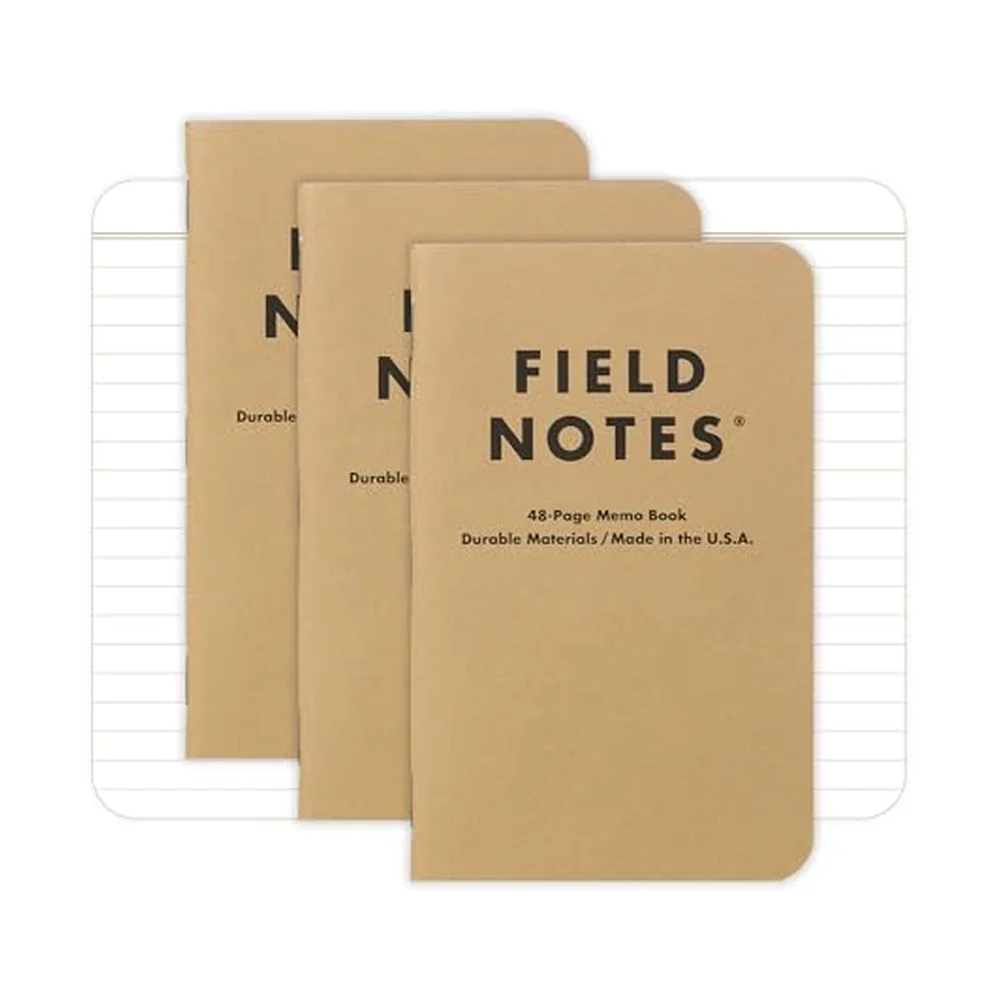
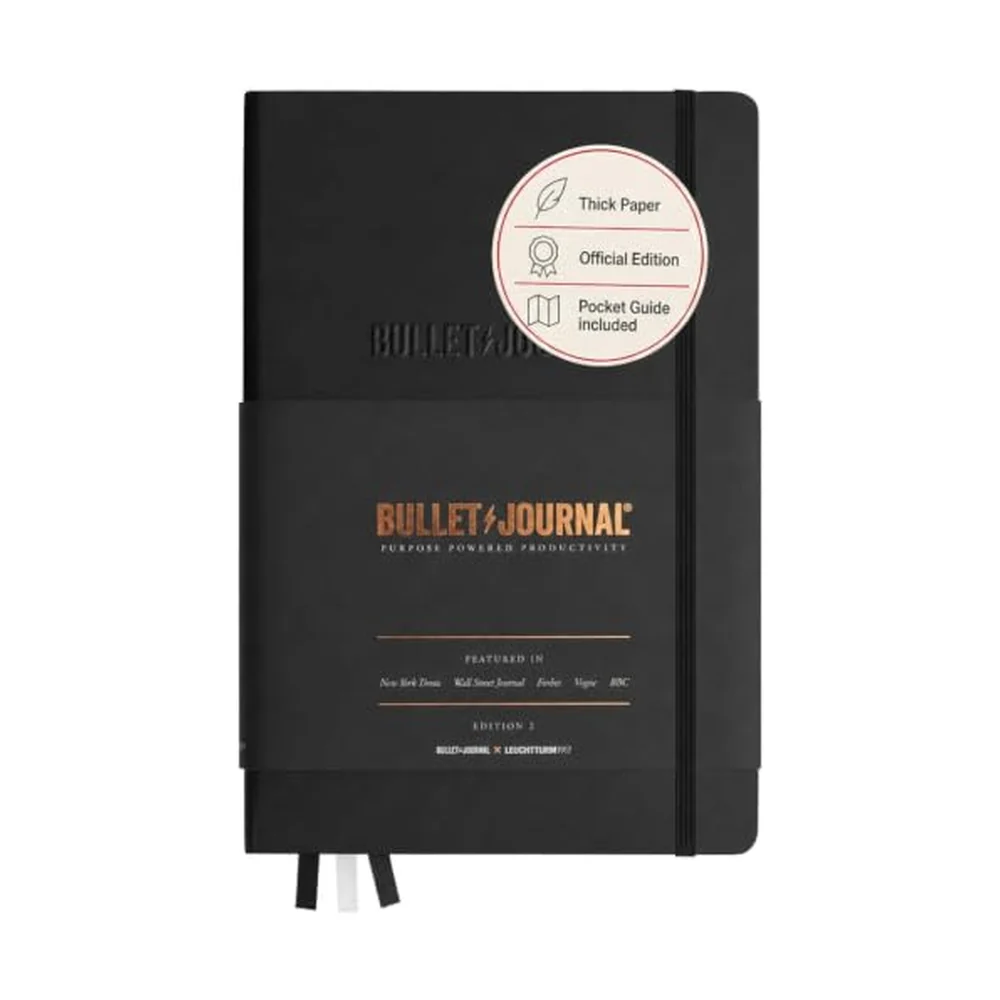
Any scrap paper works. Cards make useful later questions; a small notebook holds source references and unresolved gaps; a board lets you erase and redraw a mechanism. Pick a format you will use, rather than buying all three.
- One question per card: put the prompt on the ruled side and a checked answer or example on the reverse.
- A gap log: record the question you could not answer and the page or section that repaired it.
- A visible diagram: draw arrows only when you can explain what each arrow represents.
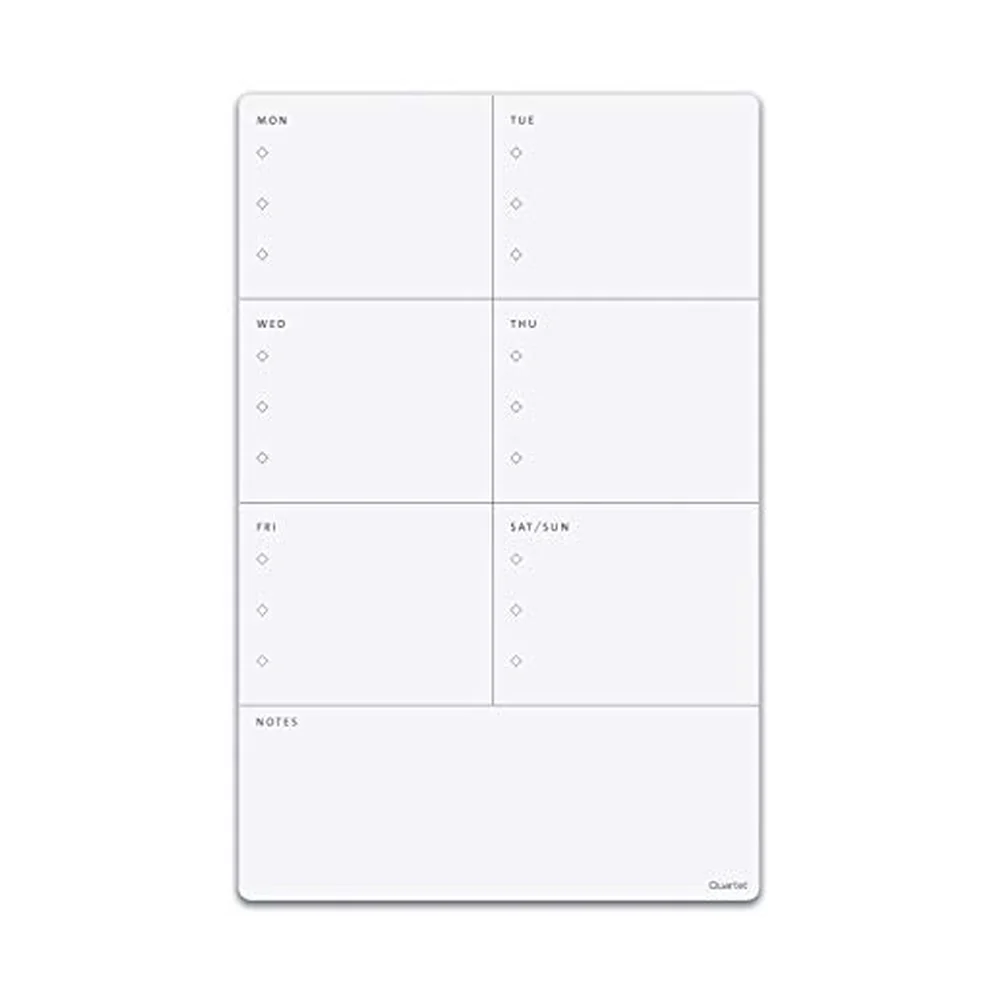
The Quartet board below includes a marker. Extra EXPO fine-tip markers are optional replacements or color choices, not a requirement for the technique. A desk-size board suits one diagram; use paper for a long derivation.
Keep the explanation alive after today
Turn the gap you repaired into a closed-book question. Try it again in a later session, check the answer, and revisit difficult questions rather than repeatedly reading the finished explanation. Our spaced-repetition guide handles that review stage; notes that stick helps you keep the checked version findable.
Feynman technique FAQ
Do I need to teach an actual child?
No. Use a willing listener or make an explanation alone. Choose language appropriate to a beginner; keep technical terms that matter and define them.
Does this replace doing practice problems?
No. For a problem-solving subject, explain why a worked step is valid, then solve another problem without the solution in view. A spoken summary alone cannot show that you can do the task.
Tools that help with this







Ready to get unstuck?
The Brain Deck gives you 52 science-backed strategies in your pocket — a physical card deck you keep on your desk, no app required.
See the CardsLaunching soon · 54 cards · Premium matte finish