Why Your Mind Won't Shut Off at Night (and What Helps)
Your body is finished and your head is still filing tomorrow. The best-tested five-minute fix is not clearing your mind - it is writing tomorrow down in unusually specific detail, and the specificity is the part doing the work.
By The Brain Deck Editorial
Spend five minutes before lights-out writing tomorrow's to-do list in more detail than feels necessary. In a sleep-lab study, that group fell asleep faster than people who wrote about what they had already finished.
Key Takeaways
- The tested move is a to-do list, not a diary - people who spent five minutes writing tomorrow's tasks fell asleep faster than people who wrote about tasks they had already finished.
- Specificity is the active ingredient - more detailed to-do lists went with faster sleep onset, while more detail about a finished day trended the opposite way.
- "Clear your mind" has the weakest support - what has been measured is giving attention one concrete, bounded thing to hold instead.
- This is a bedtime habit, not an insomnia treatment - for trouble sleeping several nights a week over months, CBT-I is described as the usual first treatment.
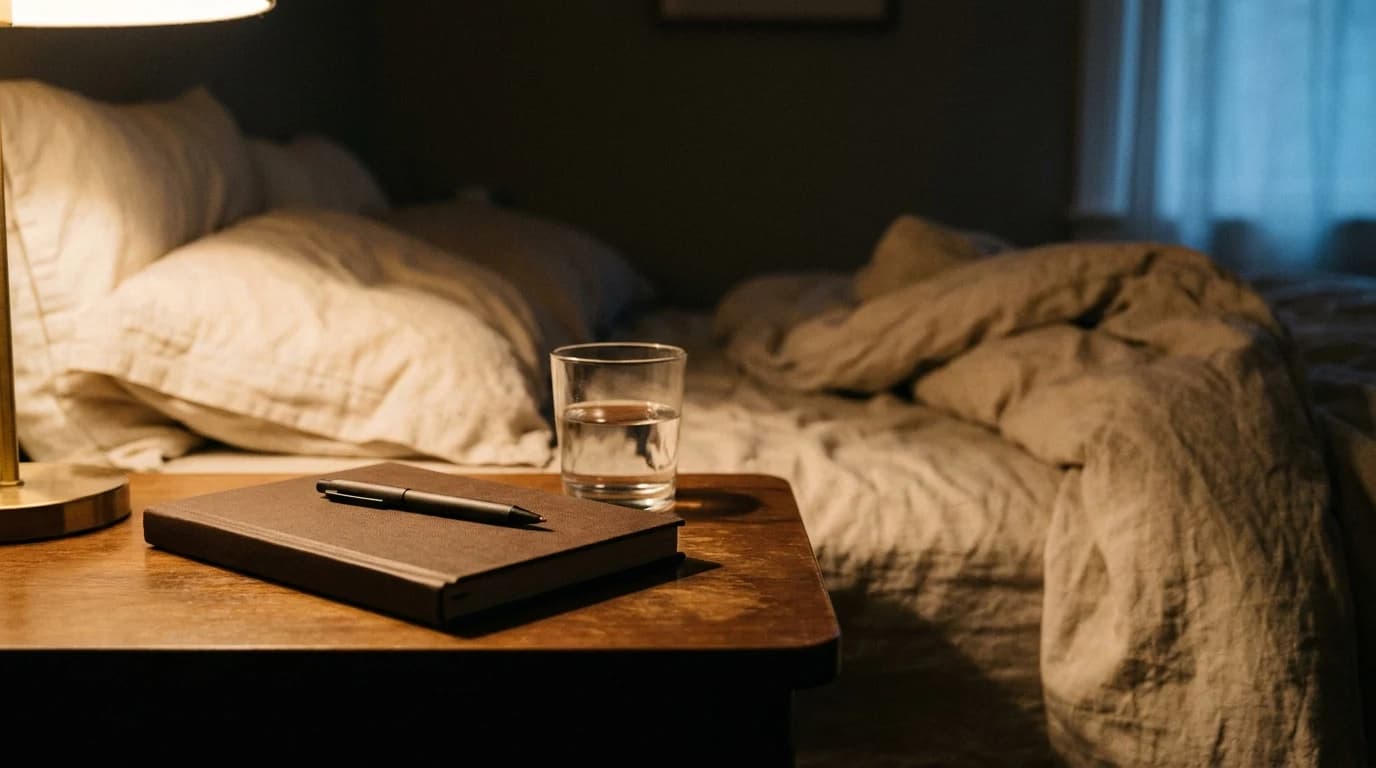
The lights are off, the day is finished, and your brain picks that exact moment to open every unresolved file you own. A particular kind of tired: the body is done, the mind is still doing intake.
The best-tested five-minute move here is not relaxation, and it is not clearing your head. It is writing down what you have to do tomorrow, in more detail than feels necessary - and the detail is the part carrying the effect.
- 57healthy adults, ages 18-30Scullin et al., 2018
- 5 minof writing before lights outthe entire intervention
- PSGovernight polysomnographymeasured, not self-reported
The experiment that split bedtime writing in two
Most sleep advice compares writing against doing nothing, which cannot separate the writing from the wind-down. Scullin and colleagues, in the Journal of Experimental Psychology: General (2018), did better: everybody wrote, and only the direction of the writing changed.
Fifty-seven healthy young adults wrote for five minutes before an overnight sleep-lab recording. Half listed tasks they needed to complete over the next few days. Half wrote about tasks already completed. The to-do list group fell asleep significantly faster. Same five minutes, same room, same pen - opposite direction in time.
The direction reversal that summaries keep dropping
The second result is the one that makes this usable, and it is almost always cut for length. The researchers also scored how specific each person's writing was.
- More specific about tomorrow: the more detailed the to-do list, the faster that person fell asleep.
- More specific about yesterday: the trend ran the other way - detail about completed tasks went with slower sleep onset.
That reversal is a falsifiable claim about mechanism. If the benefit came from catharsis, or from the ritual of pen and paper, more writing should have helped both groups. It did not. Naming unfinished obligations precisely does something that revisiting a finished day does not.
What has actually been measured
Three bedtime-mind strategies have real outcome measures behind them. They are not interchangeable, and none is a cure.
| Move | Who was studied | What was measured | What it does not show |
|---|---|---|---|
| Five-minute specific to-do list | 57 healthy adults, 18-30, one lab night | Sleep onset by polysomnography | Nothing about people with diagnosed insomnia, or about night two |
| Writing about the day you finished | The comparison arm of the same study | Same measure, slower onset | Not a test of gratitude journaling, which was never run here |
| Engaging imagery distraction | 41 people with insomnia (Harvey and Payne, 2002) | Sleep onset plus how often and how distressing pre-sleep thoughts were | The prediction that vague distraction would be actively worse was not supported |
| Paradoxical intention: gently try to stay awake | 10 trials pooled, Journal of Sleep Research (2022) | Insomnia symptoms and sleep-related performance anxiety | Gains were large against waiting lists but only moderate against active treatments |
Why "be specific" beats "clear your mind"
Line the studies up and they lean the same way. Harvey and Payne credited their imagery result to a task that occupied enough cognitive space to stop people re-engaging with their worries - and were explicit that it worked because it was a very specific alternative task, not a general instruction to think about something else. Scullin's specificity gradient says the same from the writing side.
"Stop thinking about it" fails structurally: checking whether the thought has gone requires holding the thought. A precise, bounded task does not have that problem, because attention has somewhere to be. Same machinery as closing an open loop or a brain dump - bedtime is just the hardest hour to run one.
The five-minute version, tonight
- Set a timer for five minutes and write only about tomorrow and the next few days. Nothing that already happened.
- Write more than feels necessary. Not "email Priya" but "email Priya the revised budget line before the 10am call."
- Open each item with the first physical action. What your hands do first is usually the part your brain keeps re-checking.
- Stop when the timer stops, even mid-list. This is an offload, not a planning session.
- Leave the list where you will find it and go to bed. The point is that the paper is holding it now.
When this is the wrong tool
Two honest gaps in what was tested:
- One night only. Nobody has published what happens on night thirty.
- Paper versus phone was never run. The case for paper rests on what else the phone does to the next ten minutes.
Racing thoughts at night FAQ
Why does my mind race the moment I lie down?
Lying down removes the two things that suppressed the queue all day: input and structure. Every unfinished item arrives at once with no "when" attached - the state that keeps attention engaged rather than releasing it.
Is a to-do list at bedtime not just going to stress me out?
That was the intuition the study tested, and it went the other way. The caveat is that it was five minutes of listing, not an evening of planning, and it was measured on healthy young adults in a lab.
Does writing about my day help me sleep?
The closest tested comparison is the completed-list arm, and that group fell asleep more slowly, with more detail predicting a slower onset. That is not a verdict on gratitude journaling, which was never a condition - but it is a reason not to assume any bedtime writing works.
What if I am still awake twenty minutes later?
The pooled evidence on paradoxical intention suggests pressing harder to sleep is the part that backfires: it turns sleep into a performance with a scoreboard. If this is a pattern rather than a bad week, raise it with a clinician.
Sources
- Scullin et al. (2018), The effects of bedtime writing on difficulty falling asleep. Journal of Experimental Psychology: General, 147(1)
- Harvey and Payne (2002), The management of unwanted pre-sleep thoughts in insomnia. Behaviour Research and Therapy, 40(3)
- Paradoxical intention for insomnia: a systematic review and meta-analysis. Journal of Sleep Research (2022)
- National Heart, Lung, and Blood Institute - Insomnia: Treatment
- MacMillan, A. TIME - Do This One Simple Thing to Fall Asleep Faster (the nine-minute figure)
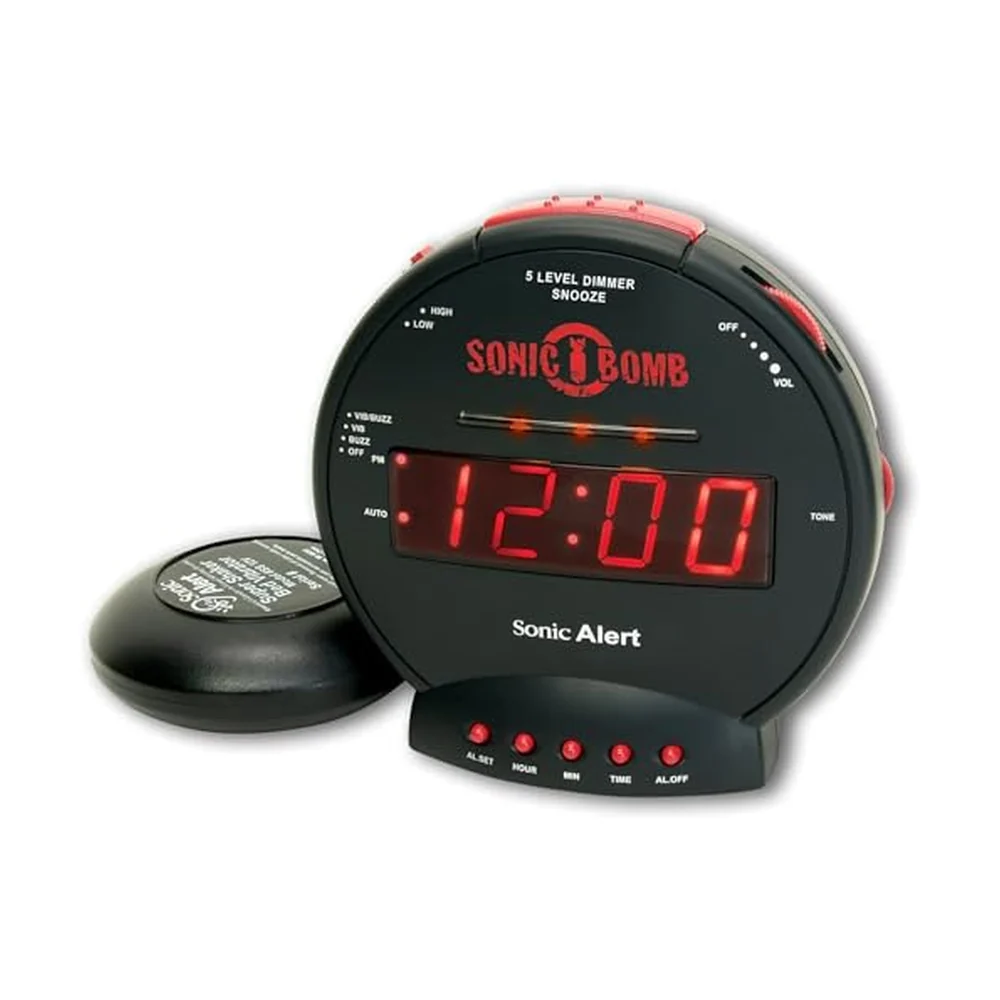
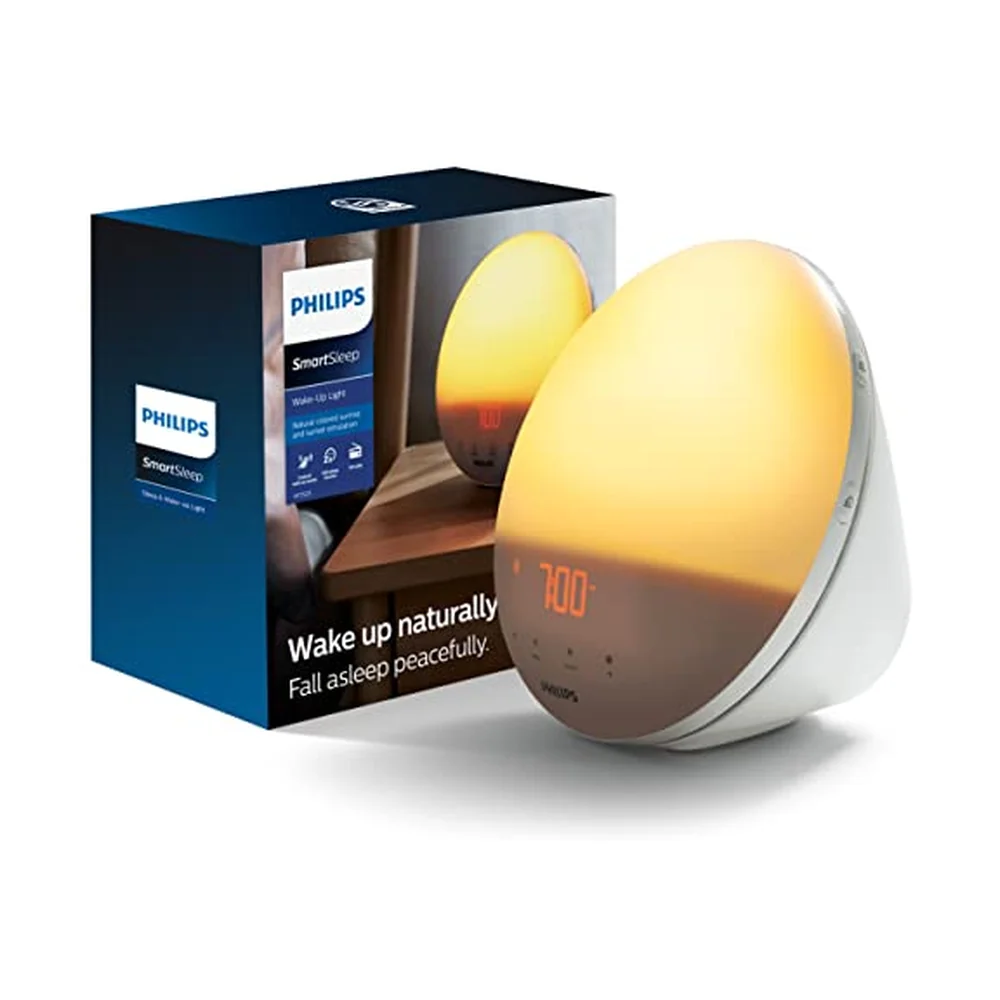
Tools that help with this

Ready to get unstuck?
The Brain Deck gives you 52 science-backed strategies in your pocket — a physical card deck you keep on your desk, no app required.
See the CardsLaunching soon · 54 cards · Premium matte finish