How to Get Rid of Brain Fog: Start With the Likely Cause
Brain fog is a symptom, not a diagnosis. Match your pattern to the likely cause, test the everyday fixes for a week, and know when to get a blood test.
Brain fog is a symptom, not a diagnosis, and Cleveland Clinic says it has no specific treatment. Test the everyday causes for a week (7 to 9 hours of sleep, steady fluids, daily movement, writing things down), then see a GP about thyroid, B12 and mood if it persists. Sudden confusion needs urgent help.
Key Takeaways
- Find the cause before the fix. Cleveland Clinic says brain fog has no specific treatment, so the useful first step is matching your pattern to a likely cause.
- Test the everyday causes for one week. A fixed 7 to 9 hour sleep window, steady fluids, daily movement and writing things down are cheap to try and quick to judge.
- Some causes need a blood test. Fog with fatigue, feeling cold or pins and needles, or low mood past two weeks, is a reason to see a GP, and sudden confusion needs urgent help.

To get rid of brain fog, find out what is causing it, because brain fog is a symptom, not a diagnosis. Cleveland Clinic says there is no specific treatment for it. Start with the everyday causes you can test in a week: short sleep, fluids, overload and inactivity. If the fog outlasts that week, or comes with other symptoms, get checked, since thyroid problems, low B12 and depression are diagnosed with a conversation and a blood test.
- 7–9 hoursNightly sleep experts recommend for adultsNHLBI
- 2 weeksLow mood most of the day, every day, for longer than this is a reason to see a doctorNHS
- 12 weeksCOVID symptoms lasting longer than this are what the NHS calls long COVIDNHS
What brain fog is, in plain terms
Cleveland Clinic describes brain fog as a collection of symptoms: trouble concentrating, confusion, fatigue, forgetfulness, losing your train of thought, struggling for words and slower thinking. It can follow an illness, come as a side effect of a medication such as chemotherapy, or signal an underlying condition. It can last days to weeks, or months to years.
That range is the point. The same foggy feeling can come from three bad nights or from an underactive thyroid, so the most useful thing you can do is match your pattern to a likely cause before you try fixes at random.
Match the pattern to the likely cause
Each row below comes from the linked health-service page. It is a way to sort your next step, not a way to diagnose yourself.
| Likely cause | Pattern that points to it | What to try | When to see a doctor |
|---|---|---|---|
| Short or poor sleep | Worse after short nights; harder decisions and problem-solving, shorter temper | Protect 7 to 9 hours for a week at fixed times | You sleep enough hours and still wake unrefreshed |
| Low fluids | Thirst, headache, light-headedness, tiredness, dark strong-smelling pee | Drink through the day, more in heat or after exercise | Dizziness on standing that does not pass, or unusual tiredness |
| Underactive thyroid | Trouble thinking clearly plus fatigue, feeling cold, weight gain, constipation, building slowly | Nothing at home settles it | If you suspect it; a GP can check thyroid hormone levels with blood tests |
| Low B12 or folate | Problems with memory, understanding and judgment, with tiredness, weakness or pins and needles | Do not guess with supplements first | If you have these symptoms; often diagnosed from symptoms and a blood test |
| Depression | Hard to make decisions, no motivation, little enjoyment | Talk to someone you trust | Most of the day, every day, for more than 2 weeks |
| Perimenopause or menopause | Memory or concentration problems, often worse alongside poor sleep or night sweats | Note whether fog arrives with hot flushes or broken sleep | If you think it is perimenopause and want to know your options |
| Long COVID | Memory and concentration problems after COVID, often with fatigue, worse with stress or exertion | Pace activity and keep a symptom log | If you think you have it; the NHS lists cognitive rehabilitation as one form of help |
Cleveland Clinic's list of causes also includes anxiety, ADHD, autoimmune conditions such as lupus, diabetes and low blood sugar, poor nutrition, stress, cancer treatment and long hospital stays. If one of those already applies to you, raise the fog with whoever treats it.
Fix it yourself, or get it checked?
Most people start with the left column and wait too long on the right.
Worth a one-week test at home
- Fog that tracks short nights or late screens
- Fog on days you barely drink or barely move
- Fog when you are holding too many open loops at once
- Fog that lifts on weekends or holidays
Book an appointment instead
- Fog with fatigue, feeling cold, numbness or pins and needles
- Low mood most days for more than two weeks
- Fog that started after COVID or a new medication
- Fog that is hurting your work or relationships
That last line is Cleveland Clinic's own threshold: contact a provider if brain fog is interfering with your quality of life.
The 7-day reset
These steps follow the self-care advice Cleveland Clinic gives (better sleep, nutritious meals, 30 minutes of physical activity a day, writing things down and short breaks) plus the NHS advice on fluids. Run them for one week and note how clear you feel each afternoon.
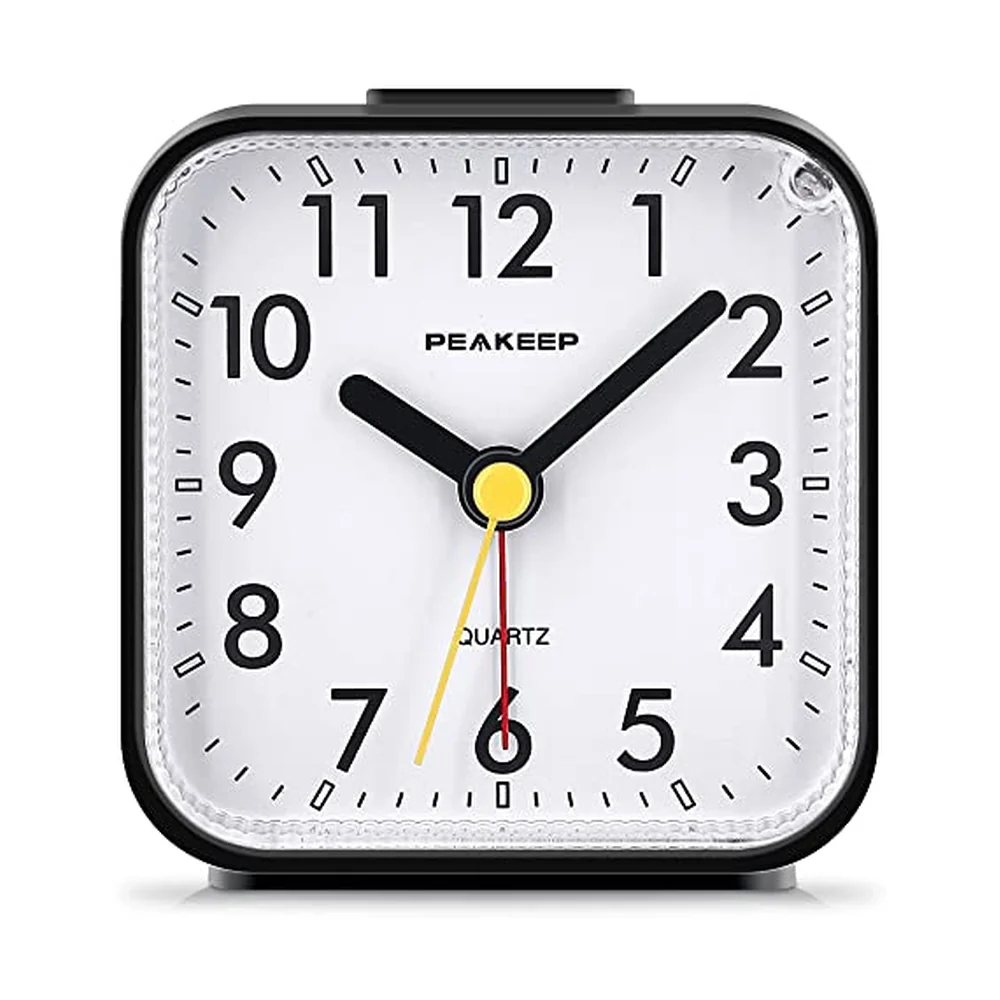
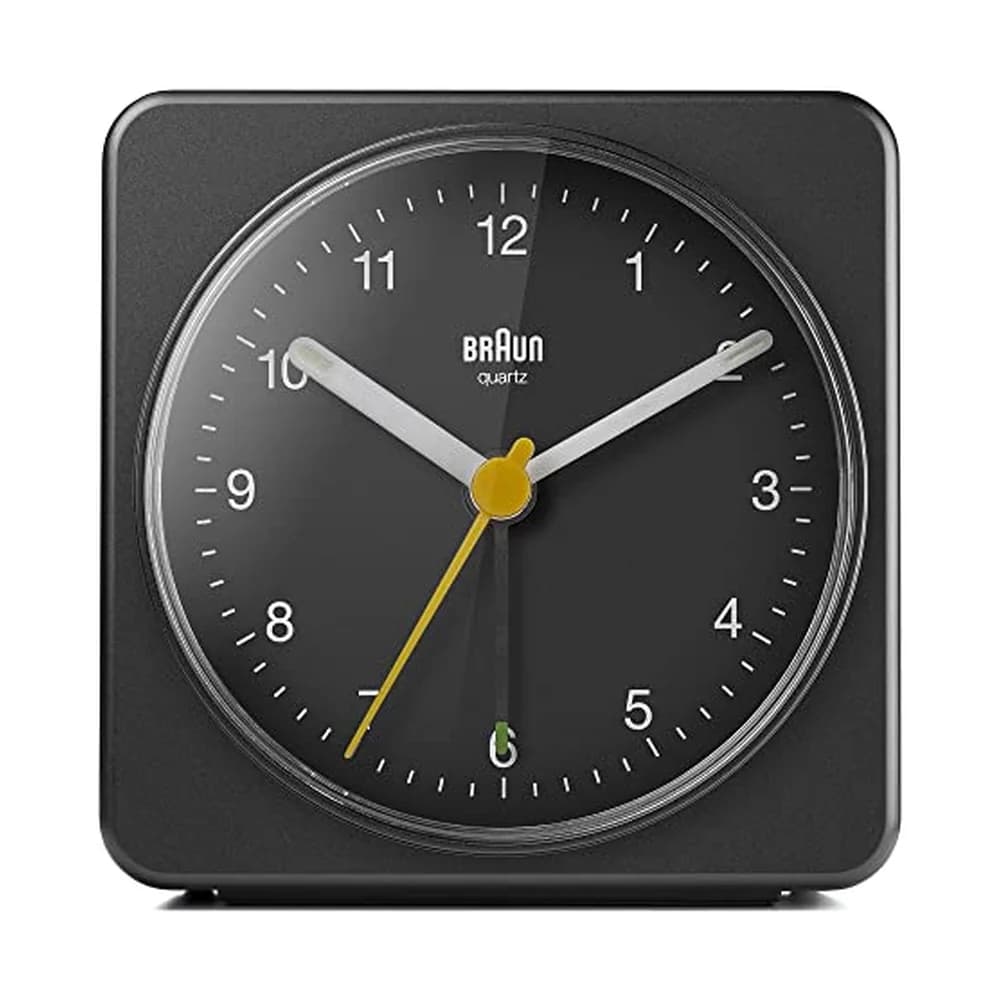
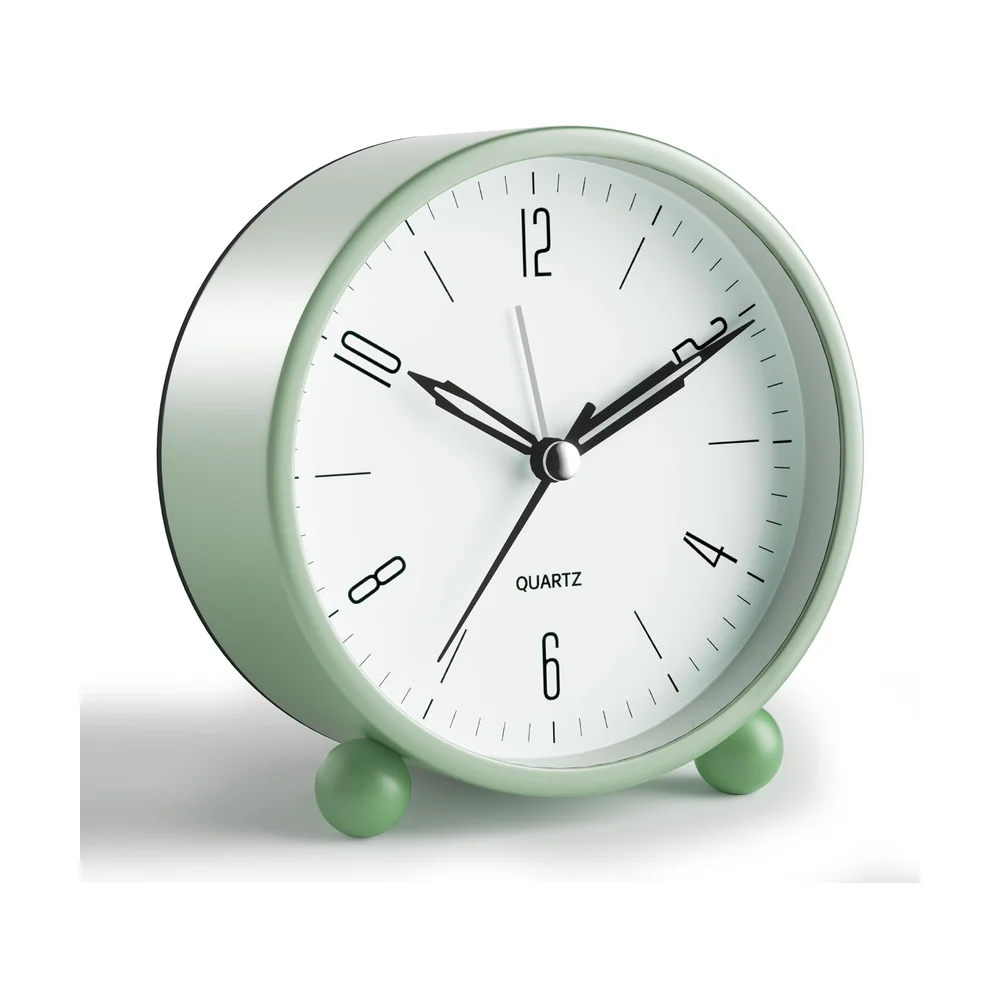
- Days 1–7: fixed sleep window. Same lights-out and wake time, aiming for 7 to 9 hours. Charging the phone outside the room with a plain alarm clock for waking makes the window easier to keep, as the phone-out-of-the-bedroom studies suggest.
- Every day: drink before you are thirsty. Dark yellow, strong-smelling pee is one of the NHS's listed signs of dehydration.
- Every day: 30 minutes of movement. A walk counts. The exercise and focus research explains why it helps attention.
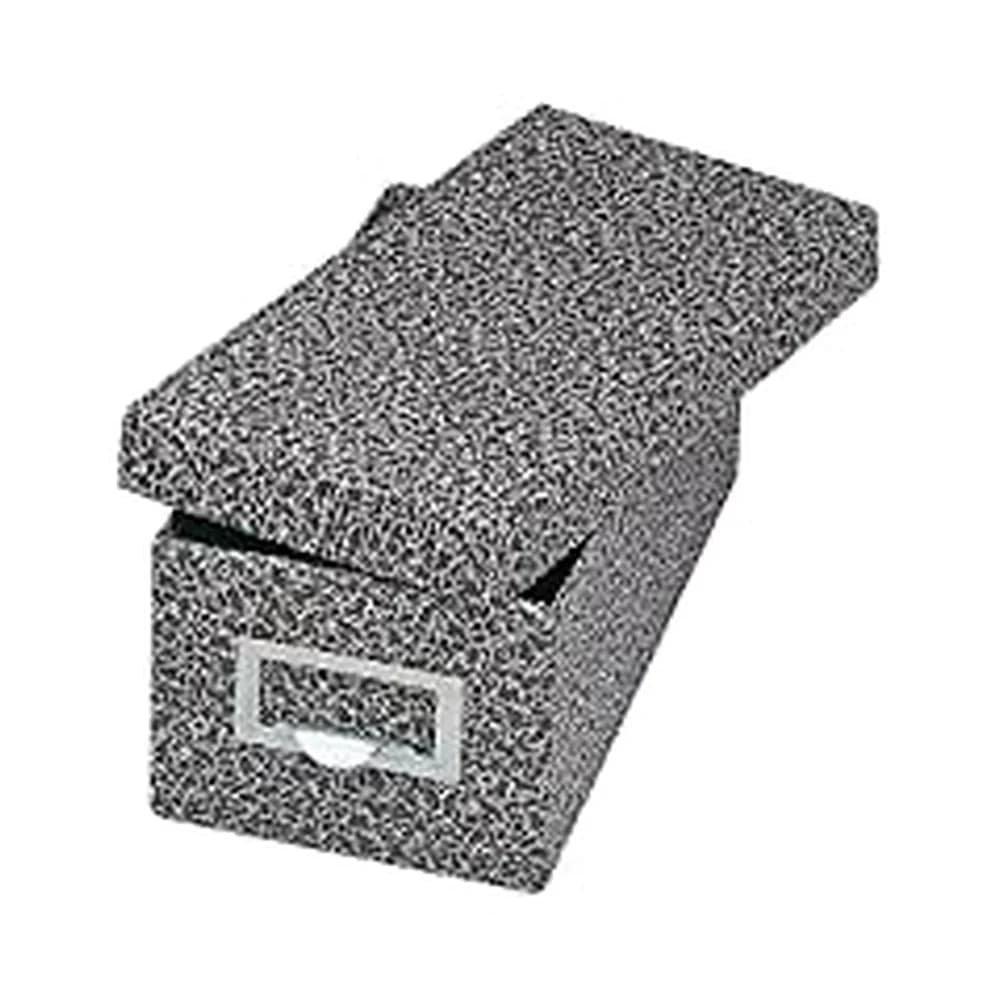
- Every morning: empty your head onto paper. A brain dump gets open loops out of your head and onto paper, and a pocket notebook from our notebooks and index cards picks keeps the list with you, which is exactly the writing-down habit Cleveland Clinic recommends.
- Every work block: one task, then a real break. Close the inbox while you work; a constantly checked inbox splits attention all day.
- Day 7: review. Compare the week's notes against the table above.
New parents are a special case: the cause is obvious and mostly out of your control for now. Our new-parent brain fog guide covers how to cope until sleep returns.
Brain fog questions
How long does brain fog last?
It depends on the cause. Cleveland Clinic says it can last a few days to weeks, and sometimes months to years. Fog from a short run of bad sleep should ease within days of catching up; fog that persists past a week of good habits deserves a check-up.
Can a blood test show what is causing brain fog?
Not brain fog itself, but some of its causes. The NHS says an underactive thyroid and B12 or folate deficiency anaemia are diagnosed with blood tests, so those are reasonable things to ask a GP about.
Do supplements get rid of brain fog?
Only if they correct a deficiency you actually have. Cleveland Clinic lists no supplement as a treatment, and low B12 is diagnosed by a blood test, so test before you buy.
Tools that help with this






Ready to get unstuck?
The Brain Deck gives you 52 science-backed strategies in your pocket — a physical card deck you keep on your desk, no app required.
See the CardsLaunching soon · 54 cards · Premium matte finish