Phone Out of the Bedroom: What the Studies Actually Tested
Charging your phone outside the bedroom helps mainly as a way to keep a pre-bed cutoff. The one study that moved phones out measured happiness, not sleep.
Charging your phone outside the bedroom is worth trying, but mainly as a way to keep a pre-bed cutoff. A small randomized trial found faster sleep onset after a 30-minute phone cutoff, a larger wrist-tracker trial found no overall difference, and the one study that moved phones out of the bedroom measured happiness, not sleep.
Key Takeaways
- The cutoff was tested, not the distance. A small randomized trial found faster sleep onset after four weeks of no phone in the 30 minutes before bed.
- The evidence is modest. A larger wrist-tracker trial found no overall sleep difference between phone use and no phone in the hour before bed.
- Distance is the enforcement. Replace each night job the phone does, starting with the alarm, so the cutoff survives 11pm.
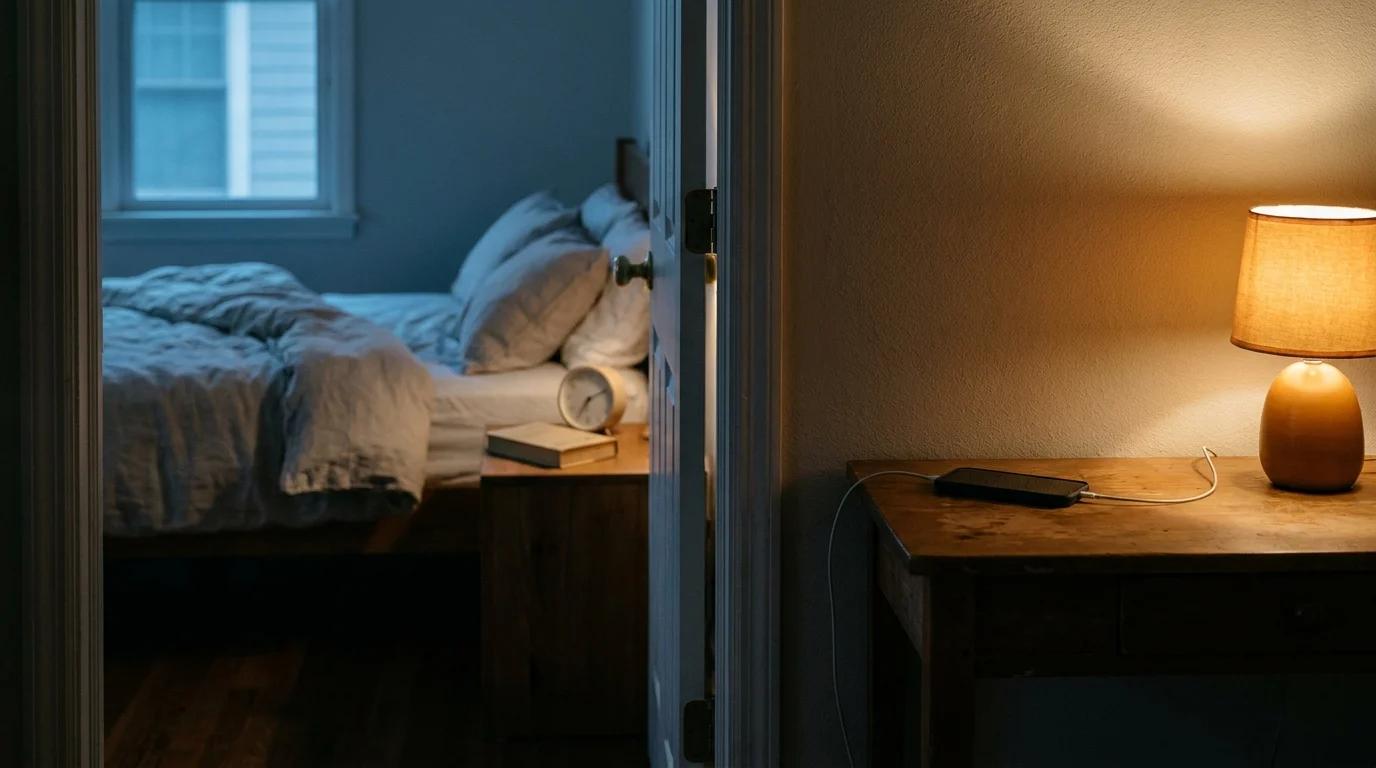
Charging your phone outside the bedroom is worth a try, but the studies behind the advice tested something narrower than distance. The randomized trial that improved sleep tested a 30-minute phone cutoff before bed. The one study we found that actually moved phones out of the bedroom measured happiness, not sleep. Moving the phone is best understood as the easiest way to keep the cutoff.
- 31 → 18 minTime to fall asleep, by sleep diary, after four weeks of no phone in the last 30 minutes before bedHe et al., 2020
- 24 minLess sleep linked to each extra hour of screen use after going to bed, in 45,202 studentsHjetland et al., 2025
- 0Overall sleep differences by wrist tracker between phone use and no phone in the hour before bed, in 167 studentsDuraccio et al., 2021
What each study actually changed
Most articles on this topic cite "research" in general. The useful question is narrower: did the phone leave the room, and what got measured?
| Study | What changed at night | Phone left the room? | Result |
|---|---|---|---|
| He et al., 2020, randomized, 38 students with poor sleep | No phone for 30 minutes before bed for four weeks | No | Faster sleep onset, about 22 more minutes of sleep and better questionnaire scores, all self-reported |
| Duraccio et al., 2021, randomized, 167 iPhone users aged 18 to 24 | An hour before bed with Night Shift on, with it off, or no phone, for a week | No | No differences across the three groups on wrist trackers |
| Hughes and Burke, 2018, before and after, one week | No smartphone use in the bedroom | Yes | Three of four wellbeing and phone-habit scores improved; the authors call the effects relatively small |
| Hjetland et al., 2025, survey of Norwegian students aged 18 to 28 | Nothing; it compared existing habits | Not studied | Each extra hour of screen use in bed: 59% higher odds of insomnia symptoms and 24 minutes less sleep |
Read the cutoff trial carefully
The 2020 trial is the strongest case for a phone-free bedtime, and it is small. Three details matter more than the headline.
- Willpower was not the method. For 17 of the 19 people told to stop, researchers set a passcode-locked bedtime mode that greyed out the apps. The cutoff was enforced.
- Sleep was self-reported. The authors list the lack of an objective measure such as actigraphy as a limitation.
- The memory claim is thin. The abstract reports better working memory, but in the results table only one of six memory measures, 1-back reaction time, changed differently between the groups.
What the evidence supports, and what it does not
Reasonably supported
- A pre-bed phone cutoff shortened time to fall asleep in one small randomized trial.
- More screen time after getting into bed goes with worse sleep in a very large sample.
- A phone-free week in the bedroom nudged wellbeing scores up.
Not shown
- That distance helps beyond what a cutoff does.
- That a blue-light filter fixes bedtime scrolling; Night Shift beat nothing.
- That social media is worse than other screen use in bed; the Norwegian data found no difference.
So why move the phone at all? Because a cutoff you have to defend at 11pm usually loses. Screen-time limits fail at the "Ignore Limit" tap, and a phone in another room has no such button. Distance is the low-tech version of that trial's passcode lock.
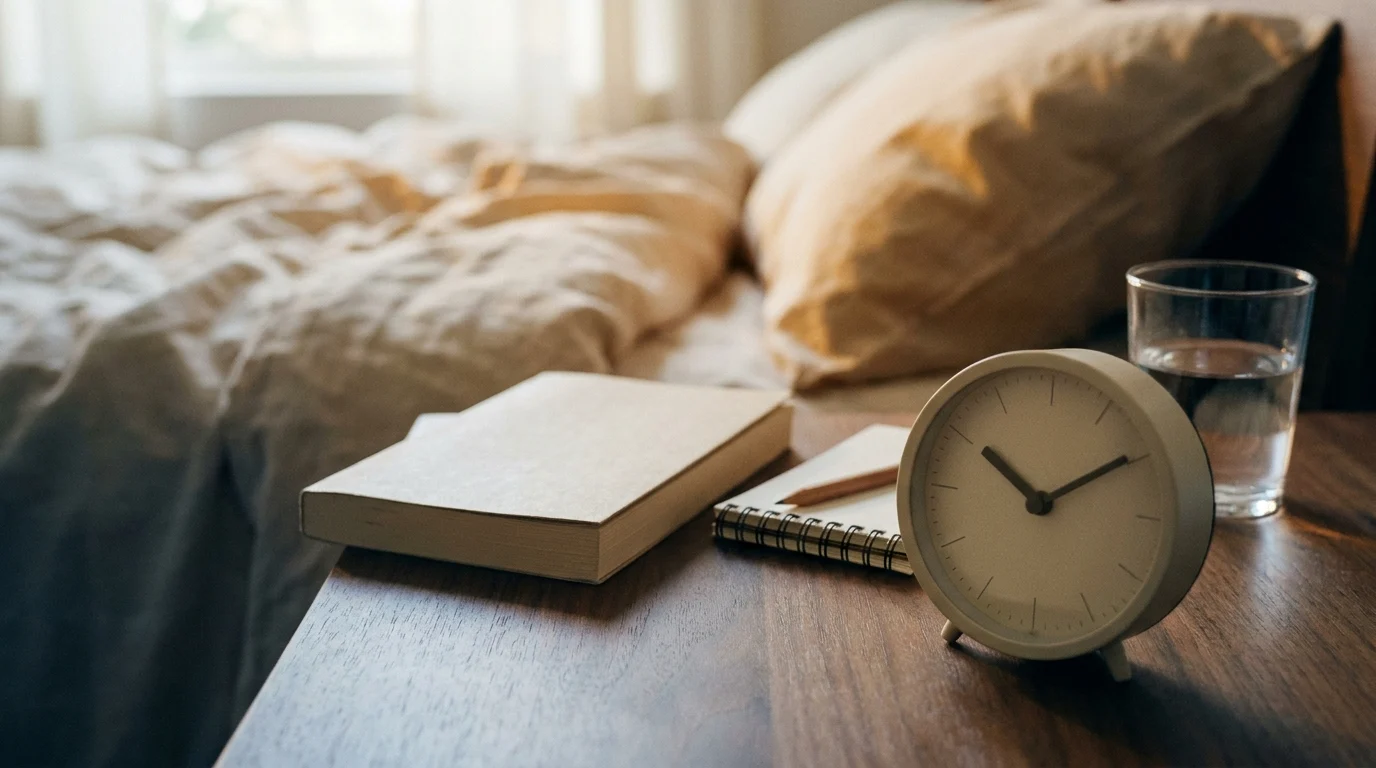
Give every night job a replacement
The plan usually fails because the phone was doing a job, not because of temptation alone. Replace the job first.
| What the phone does at night | Replacement | Watch out for |
|---|---|---|
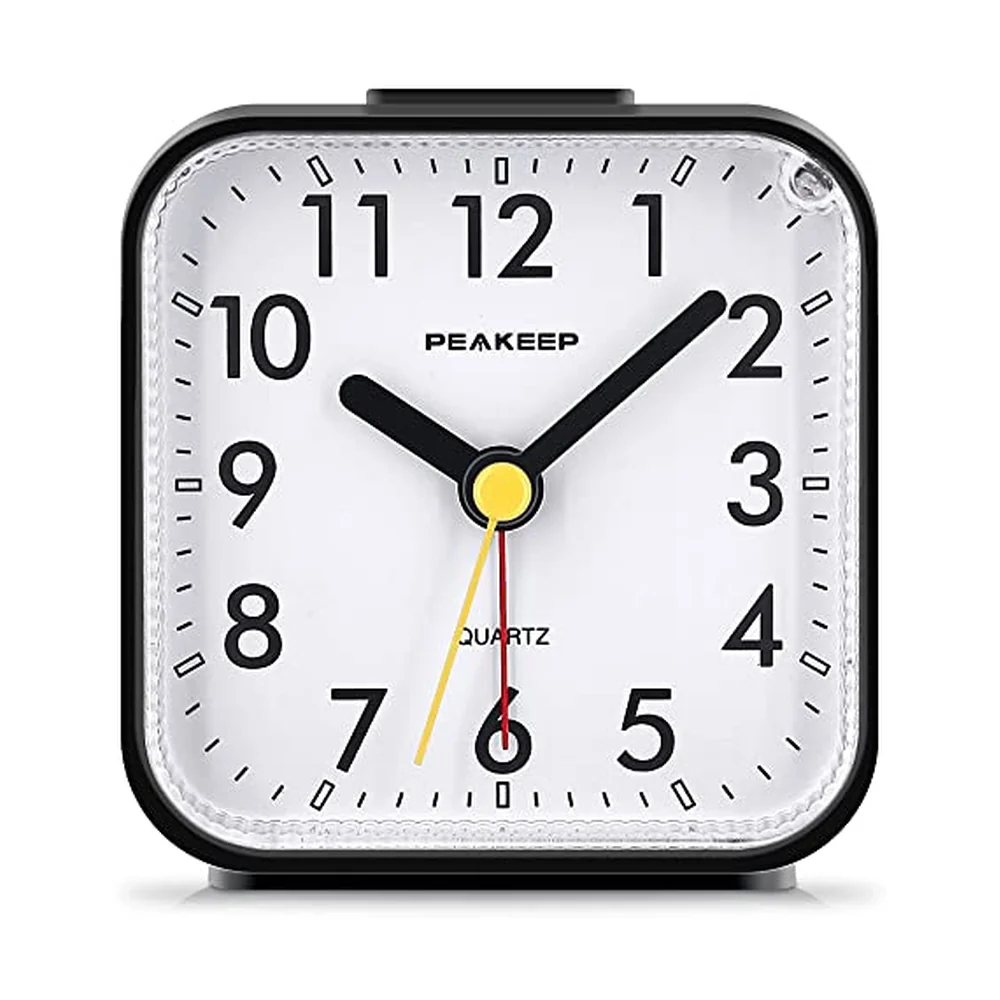
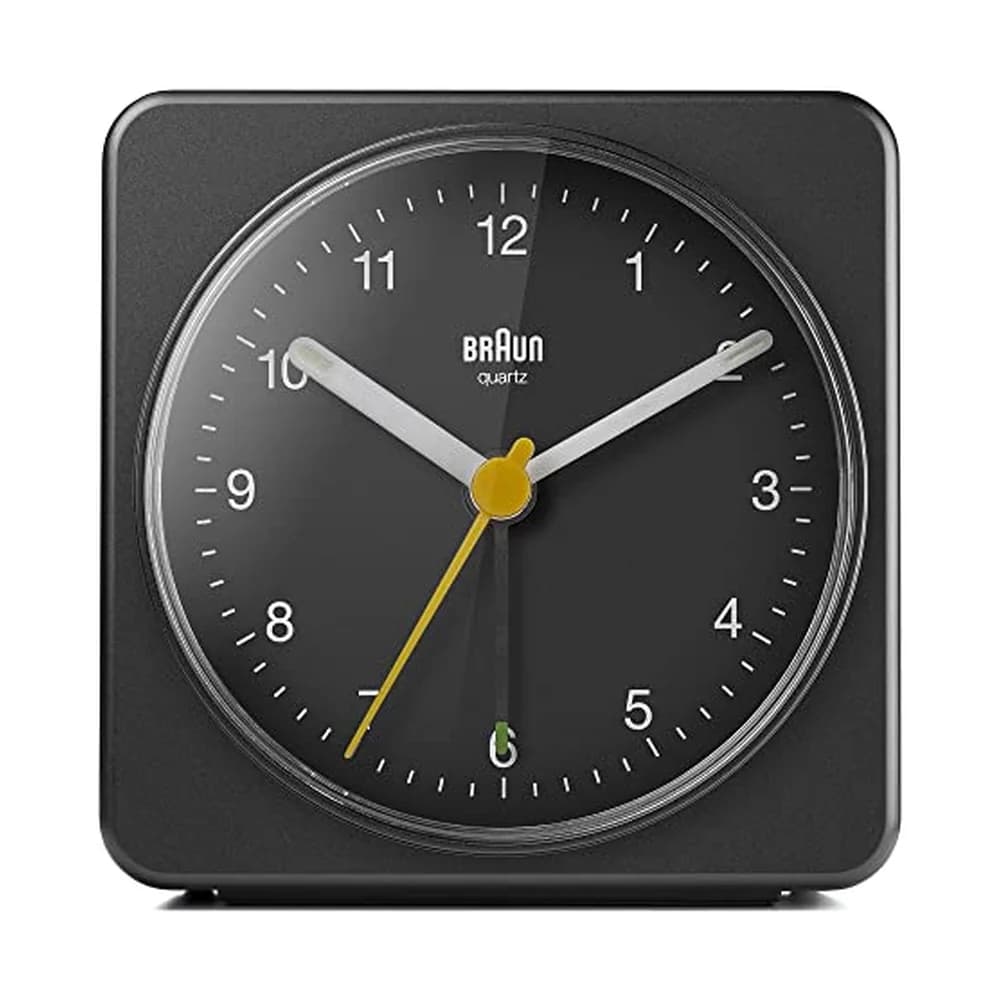
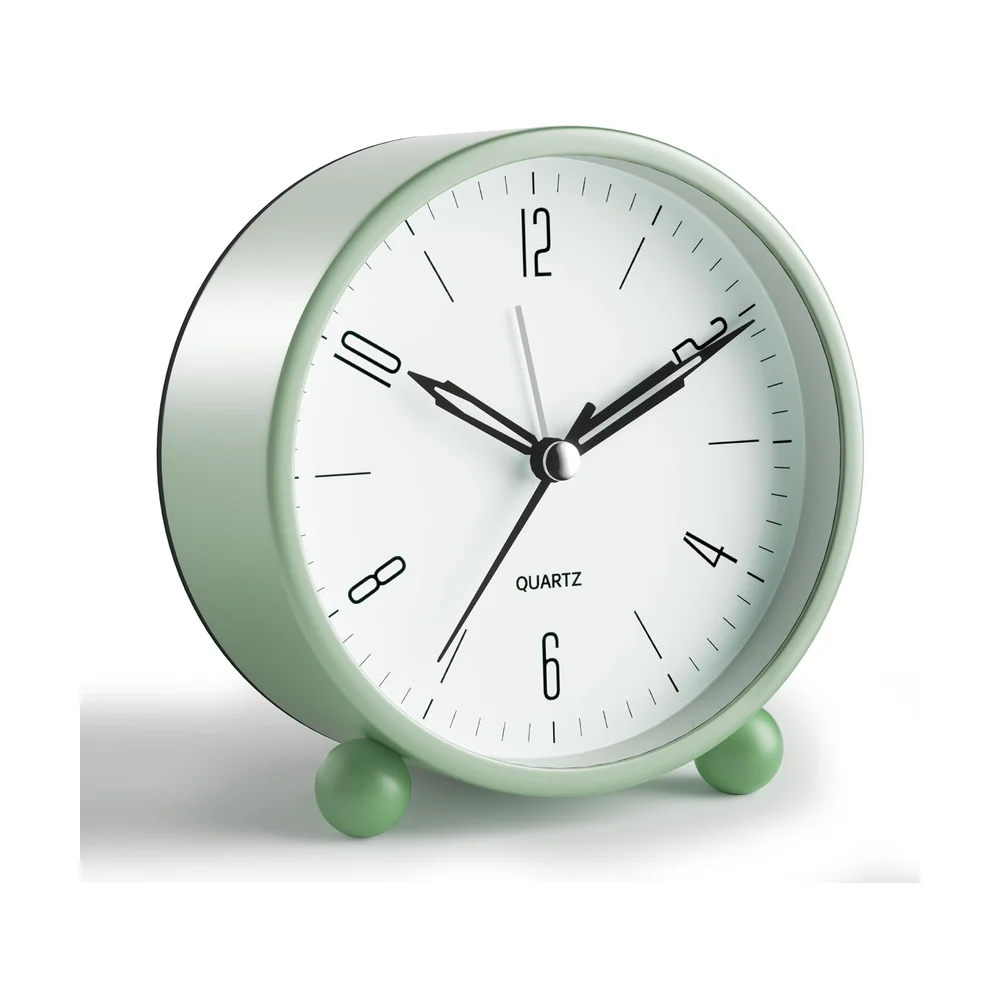
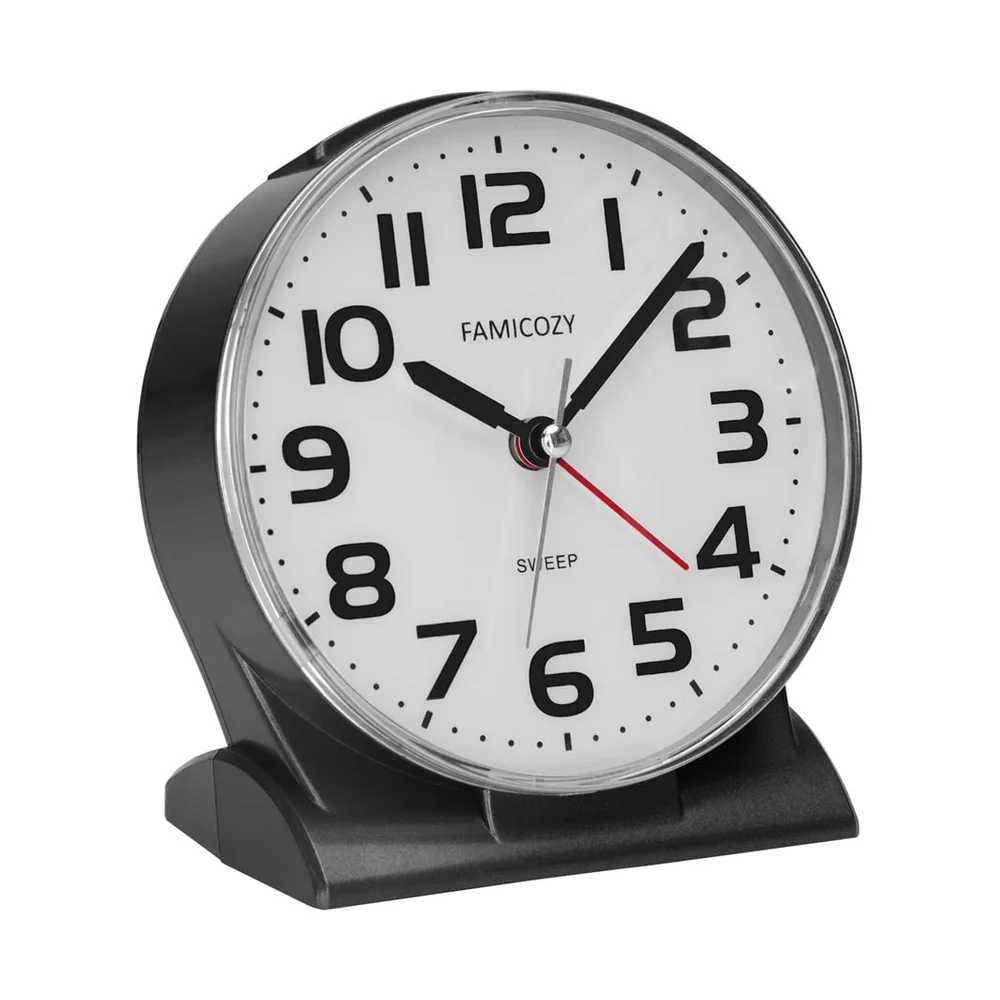
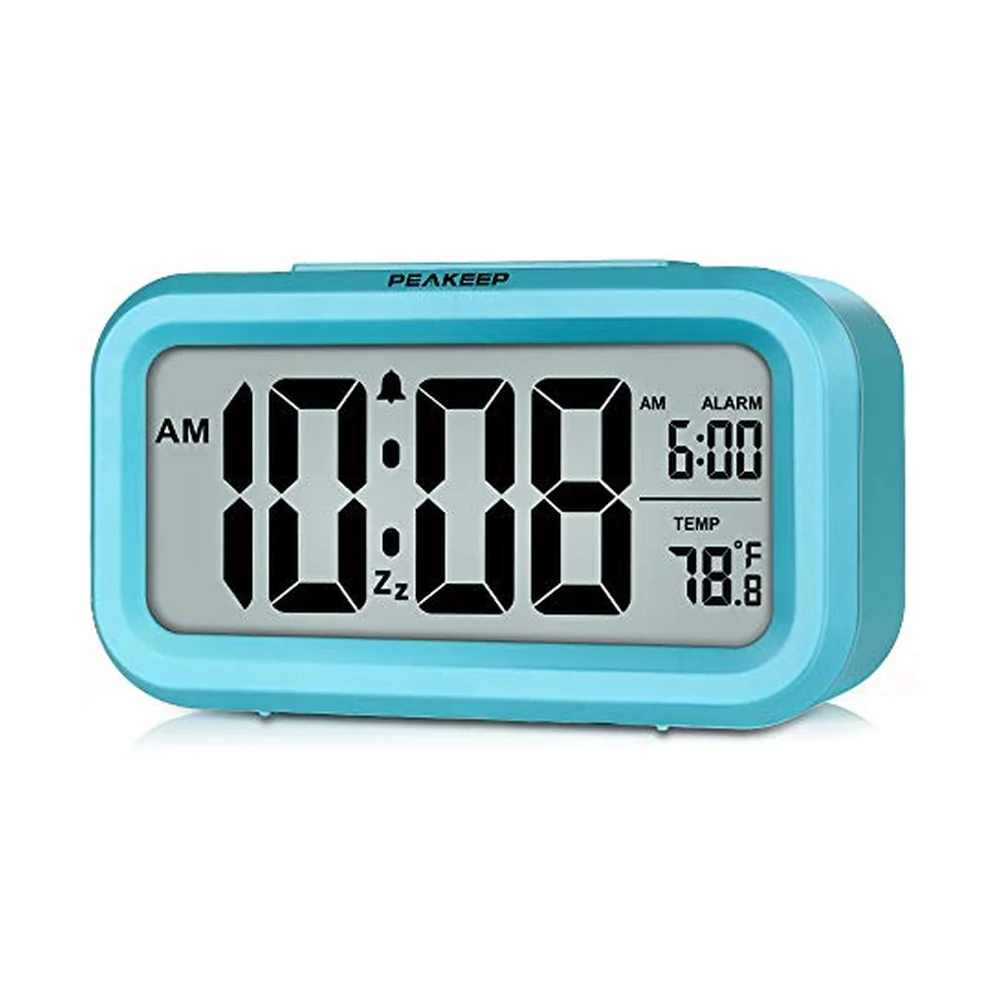
| Wakes you up | A basic alarm clock | Clocks you set through an app, which bring the phone back |
| Keeps you reachable | Ringer on in the hallway, with calls from favorites and repeat callers allowed | Test once that you can hear it with the door open |
| Plays sleep sounds | A noise machine across the room, or nothing | The sleep evidence for noise is weak |
| Holds tomorrow's to-do list | A notepad by the bed | Write the list; specific beats vague |
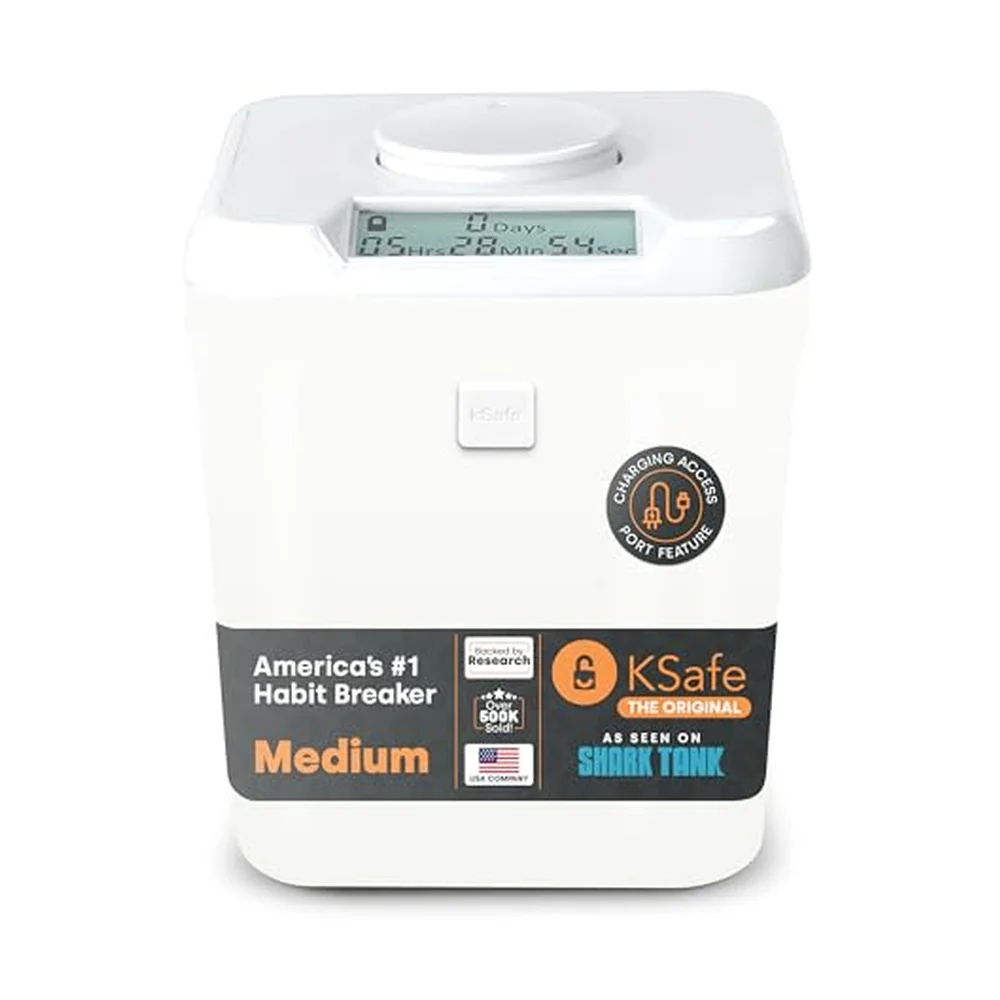
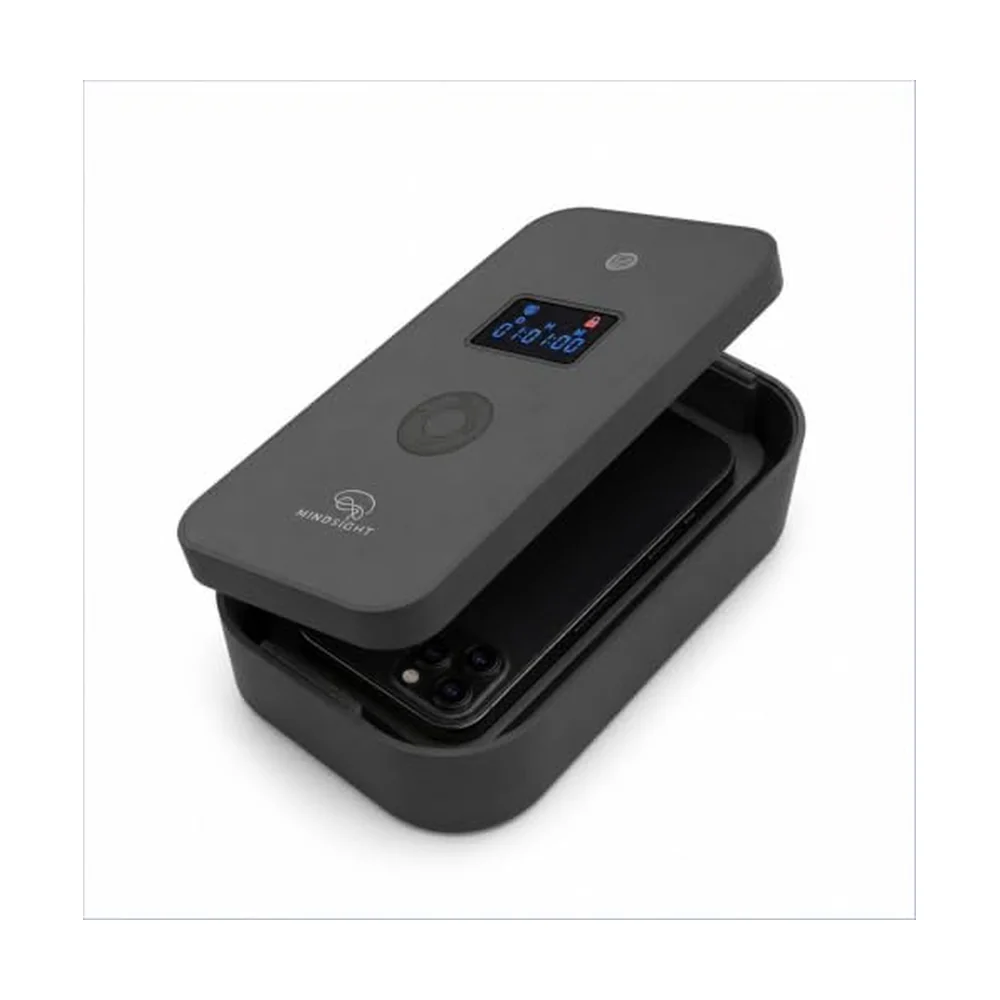
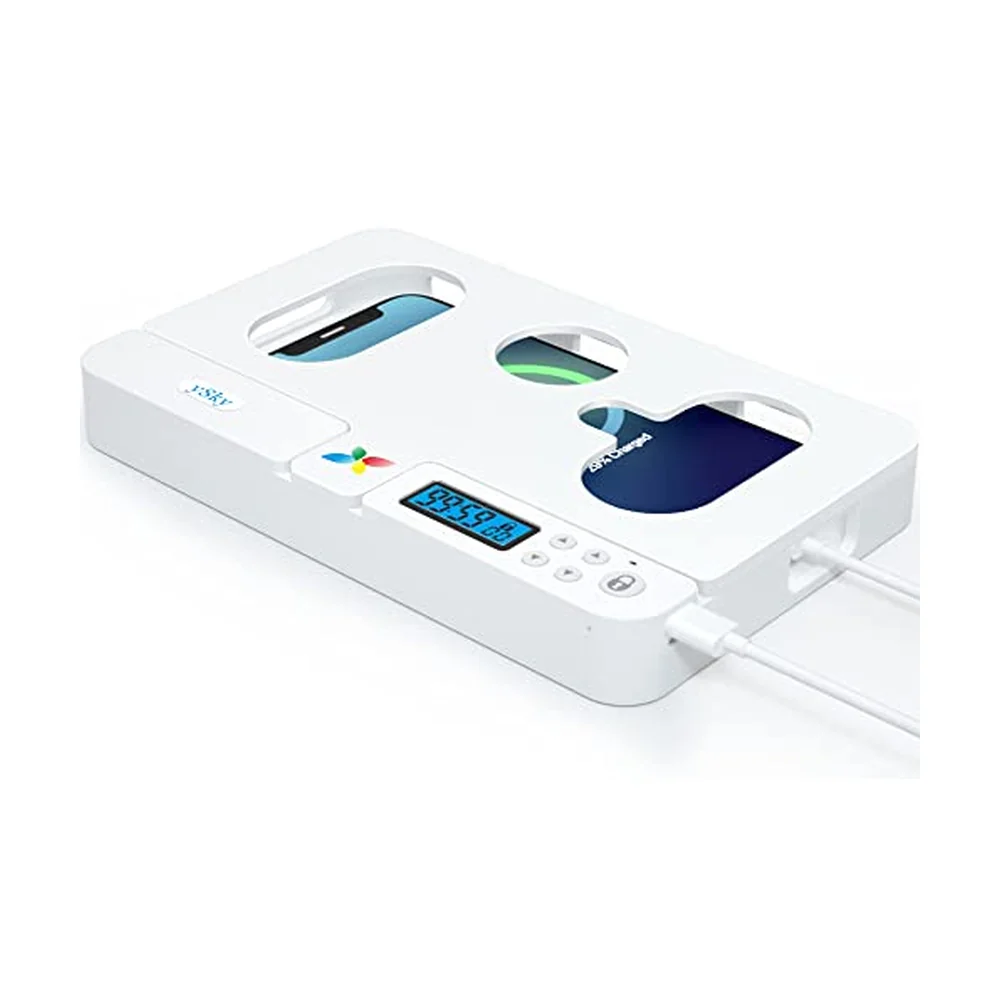
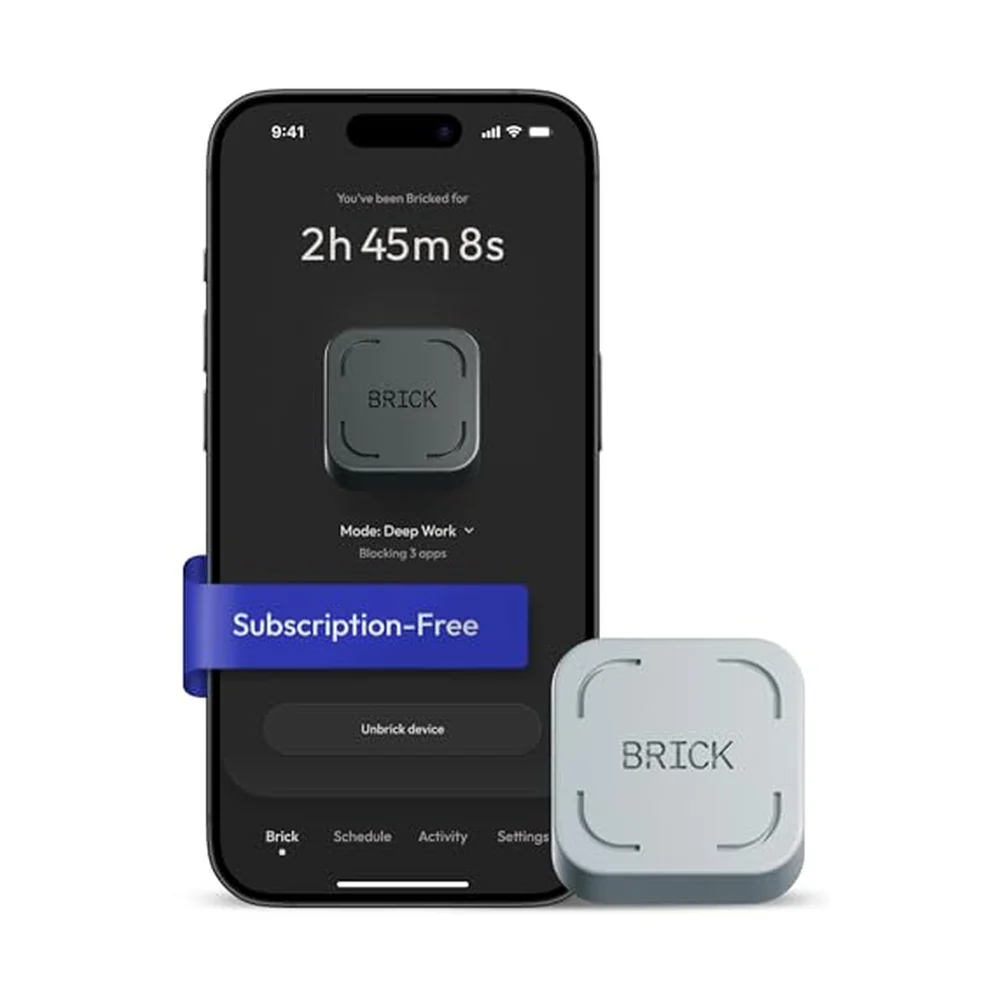
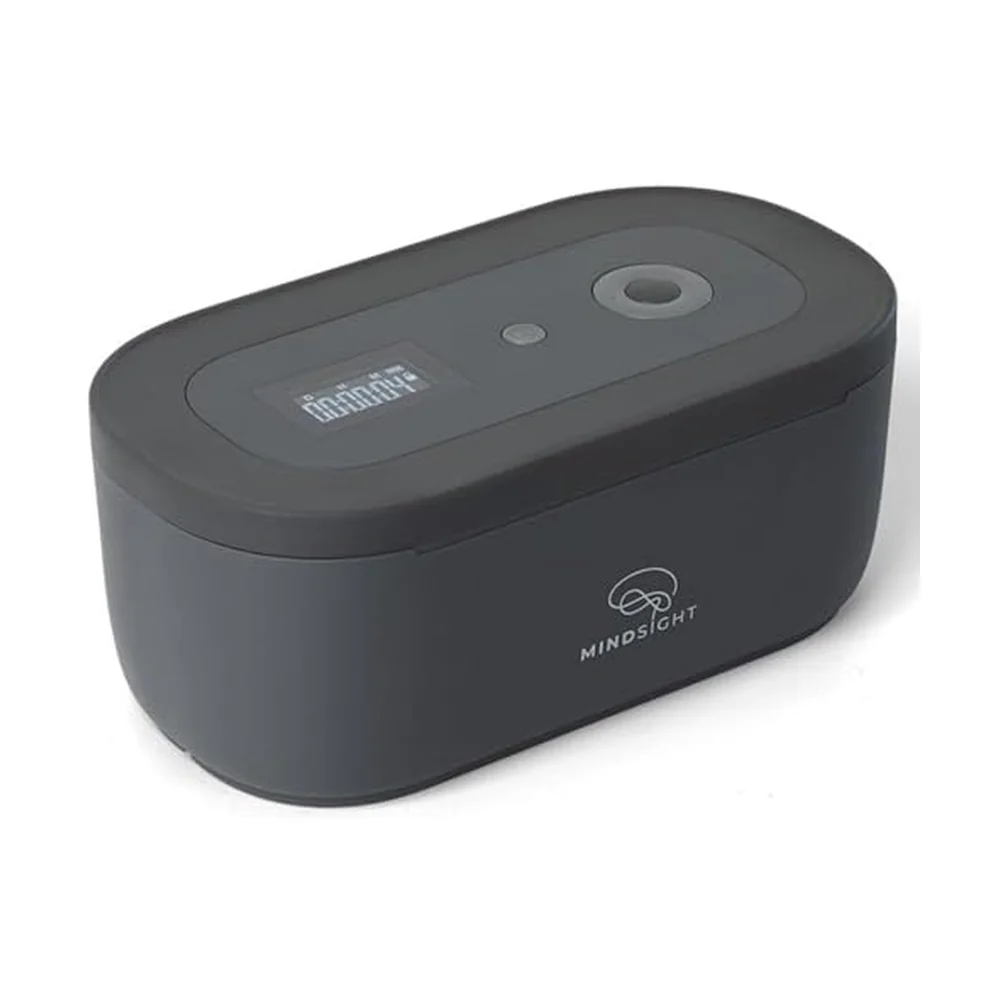
| Wins the late-night argument | A timed lockbox if the hallway is too close | Lock it before you are tired, not after |
On iPhone, a Focus can allow repeated calls, meaning two or more calls from the same person within 3 minutes. Android's Do Not Disturb can allow repeat callers when the same person calls twice in 15 minutes. If you are a caregiver or on call, keep the phone in the room, across from the bed, and keep the cutoff anyway.
Run it as a two-week test
- Pick a cutoff 30 minutes before your usual bedtime, the only dose a trial here tested.
- Charge the phone outside the room and set a separate alarm.
- Each morning, note lights-out time, a rough guess at minutes to fall asleep and how alert you feel mid-morning.
- Compare against the week before. Judge by whether you kept the cutoff, not by where the charger sits.
Your notes are a diary, the same kind of measure the 2020 trial used, and felt sleepiness can miss what short sleep costs you. Treat a good fortnight as a reason to keep going, not as proof.
Phone-free bedroom FAQ
Is it bad to sleep with your phone next to your bed?
The evidence is about using the phone, not about it sitting there. We found no study showing that a silent, untouched phone on the nightstand harms sleep. The risk is that it gets picked up, which is why distance helps.
How long before bed should you stop using your phone?
Thirty minutes is the only cutoff tested in the randomized trial above, and it helped people who already slept poorly. Nobody has shown that a longer cutoff works better, though nothing suggests it would hurt.
Tools that help with this
Ready to get unstuck?
The Brain Deck gives you 52 science-backed strategies in your pocket — a physical card deck you keep on your desk, no app required.
See the CardsLaunching soon · 54 cards · Premium matte finish