Pink Noise vs White Noise: Neither Is Proven for Sleep
Pink and white noise differ in how energy is spread, not in proven sleep benefit. In a 2026 lab trial, pink cut REM and earplugs beat it against traffic.
Pink and white noise differ in how sound energy is spread, and neither is proven to improve sleep. A 2021 review rated the evidence for continuous noise as very low quality. In a 2026 lab trial, pink noise alone reduced REM sleep and earplugs worked better against traffic noise.
Key Takeaways
- The difference is the slope. White noise has equal power per hertz; pink has equal energy per octave, so it sounds deeper.
- Neither is proven for sleep. A 2021 systematic review rated the evidence for continuous noise as very low quality, and no study here compared the two directly.
- Earplugs beat pink noise against traffic. In a 2026 lab trial, pink noise alone shortened REM sleep while earplugs countered nearly all traffic effects.
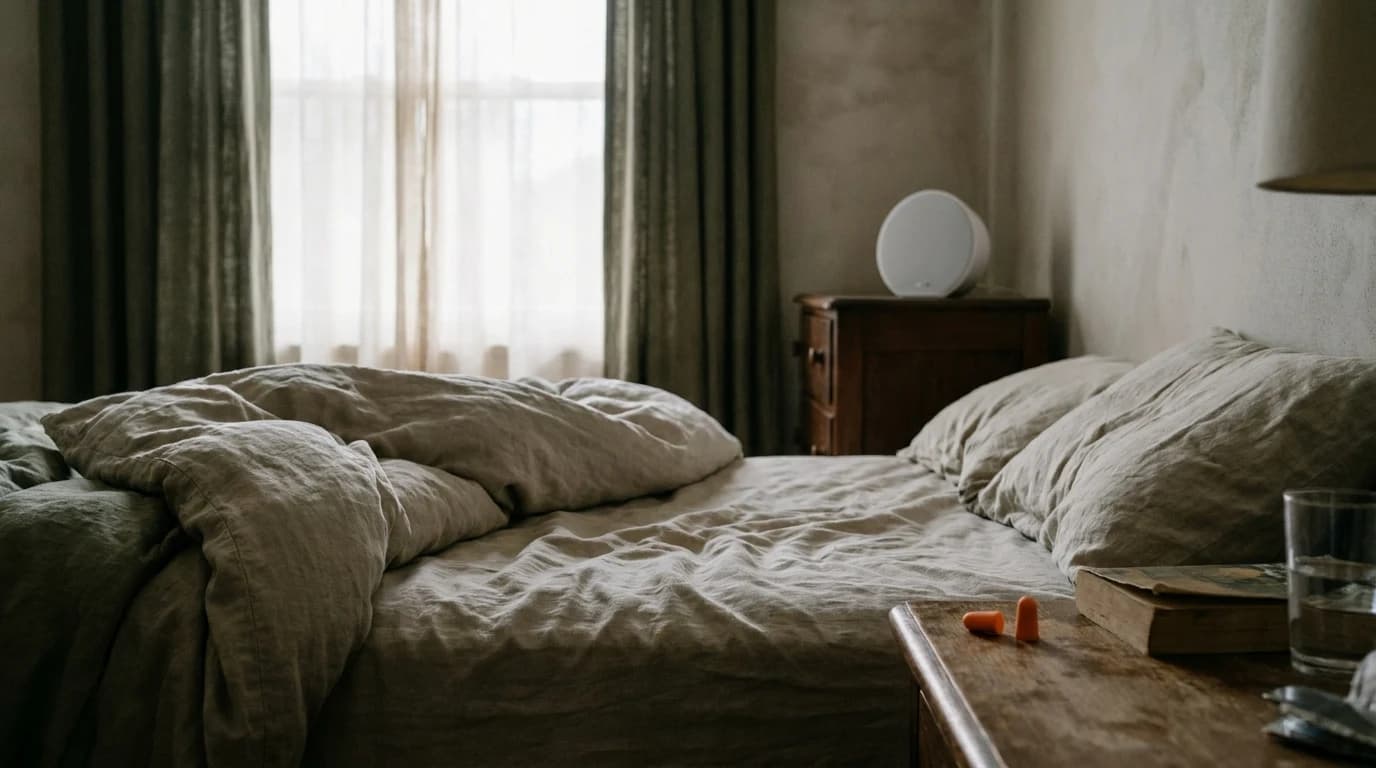
Pink and white noise differ in how their sound energy is spread, and neither is proven to improve sleep. A 2021 systematic review rated the evidence for continuous noise as very low quality. If outside noise is what wakes you, the strongest recent result favors foam earplugs over either one.
That result is new. Many comparison pages still end at "pink may have the edge, try both." A 2026 sleep-lab trial changes the advice, so it gets the most attention here.
Same hiss, different slope
The difference is physics, not branding. The standard definitions come down to one choice: whether power is shared out evenly per hertz or evenly per octave.
| White noise | Pink noise | |
|---|---|---|
| The rule | Equal power in any band of the same width in Hz | Equal energy in every octave |
| Slope | Flat | Falls 3.01 dB per octave (1/f) |
| Power from 40 to 60 Hz vs 4,000 to 6,000 Hz | The higher band has 100 times more, because it is 100 times wider | Equal |
| Result by ear | Brighter, because the top octaves hold most of the energy | Deeper, because the energy is spread evenly across octaves |
The sleep evidence, study by study
Here is what each paper measured and where it falls short. None of these studies compared pink and white noise head to head, so any claim that one beats the other is an inference across different experiments.
| Study | Sound and sample | Finding | Limit |
|---|---|---|---|
| Riedy et al., 2021 (review) | Continuous white or similar broadband noise; 38 articles | Results ranged from improving sleep to disrupting it; evidence graded very low | Studies varied widely in noise, methods and controls |
| Ding et al., 2025 (meta-analysis) | White; 12 randomized trials, 1,301 people from infants to older adults | Lower PSQI sleep-quality scores in adults and older adults | Mixed trials of varying quality, many in intensive care; PSQI is a questionnaire |
| Ebben et al., 2021 | White device; 10 New Yorkers with noisy bedrooms | Less time awake after sleep onset, and faster sleep onset by diary | Very small; same people before and after, no control group |
| Messineo et al., 2017 | Broadband at 46 dB; 18 healthy adults | Median 38% faster to stage 2 sleep | Insomnia was simulated by going to bed 90 minutes early |
| Zhou et al., 2012 | Steady pink; 40 night sleepers, 10 nappers | More stable sleep time | Stability was inferred from an ECG method, not full sleep staging |
| Papalambros et al., 2017 | Timed pink pulses; 13 adults aged 60 to 84 | Better overnight word recall | Pulses locked to brain waves, not a continuous track |
| Vickrey and Lerner, 2023 | Pink at home; 72 participants across three groups | No insight gain over silent sleep; result resembled staying awake | One insight task, measured with a sleep headband |
| Vincens et al., 2026 | Pink at 45 dB under traffic noise; 12 healthy adults | Eased traffic's disturbance of sleep and metabolism | Explorative pilot; the authors urge caution |
| Basner et al., 2026 | Pink at 40 or 50 dBA, earplugs, or both, with traffic noise; 25 healthy adults over seven lab nights | Pink alone reduced REM sleep; earplugs countered nearly all traffic-noise effects | Short-term, young and healthy, new to noise at night |
What the 2026 trial changes
The University of Pennsylvania trial played recorded traffic and alarm sounds through the night, then compared pink noise and earplugs under full sleep monitoring.
What held up
- Pink noise made small, dose-related dents in traffic-driven fragmentation.
- Earplugs countered nearly all the traffic effects, until the loudest 65 dBA events.
- Morning cognition, cardiovascular measures and hearing were unaffected.
What did not
- Pink noise alone shortened REM sleep.
- Adding pink noise to traffic noise worsened overall sleep structure.
- People rated their sleep, alertness and mood worse after both traffic and pink noise.
A follow-up analysis of the same volunteers agreed: pink noise reduced aircraft-noise arousals and awakenings, but foam earplugs did better. The sound most likely to wake people was not traffic at all. Crying babies and fire alarms topped the list.
Match the fix to what keeps you up
| Your problem | Try first | Why |
|---|---|---|
| Traffic, neighbors, aircraft | Foam earplugs | The best-supported option in the two 2026 lab reports |
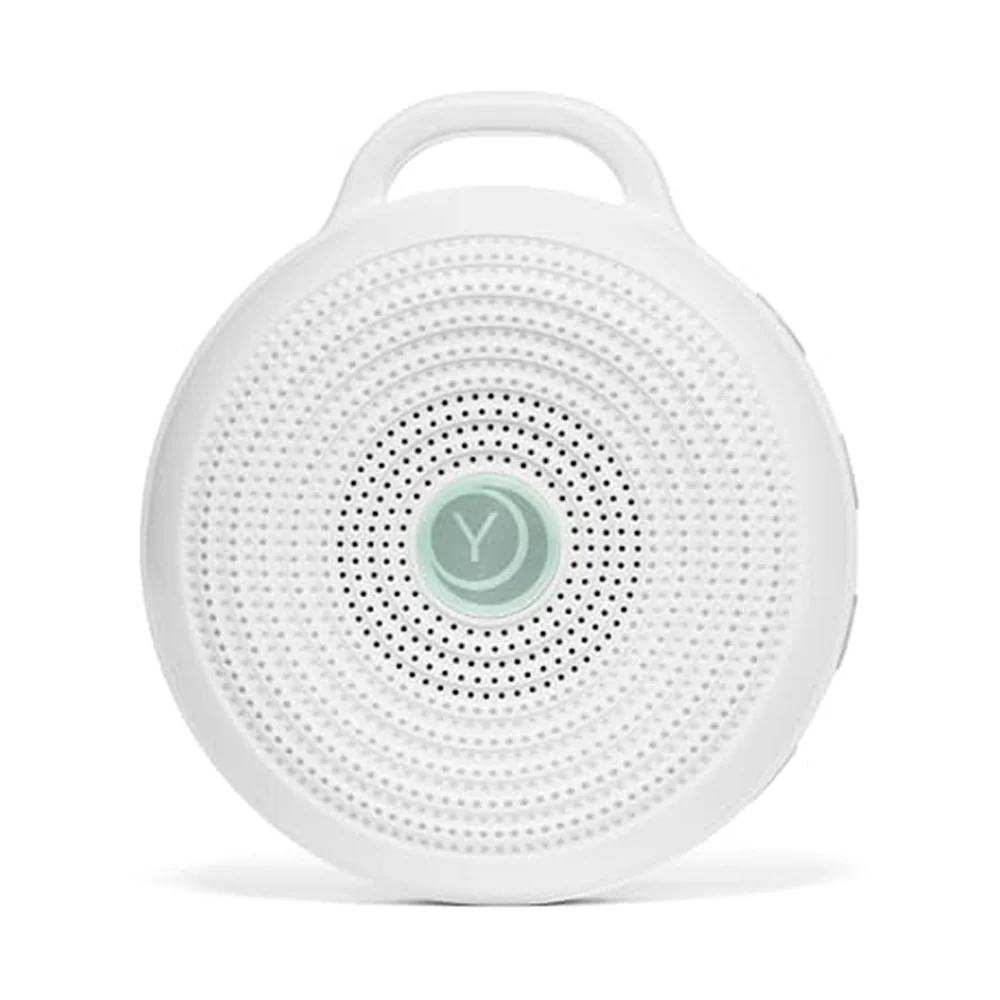
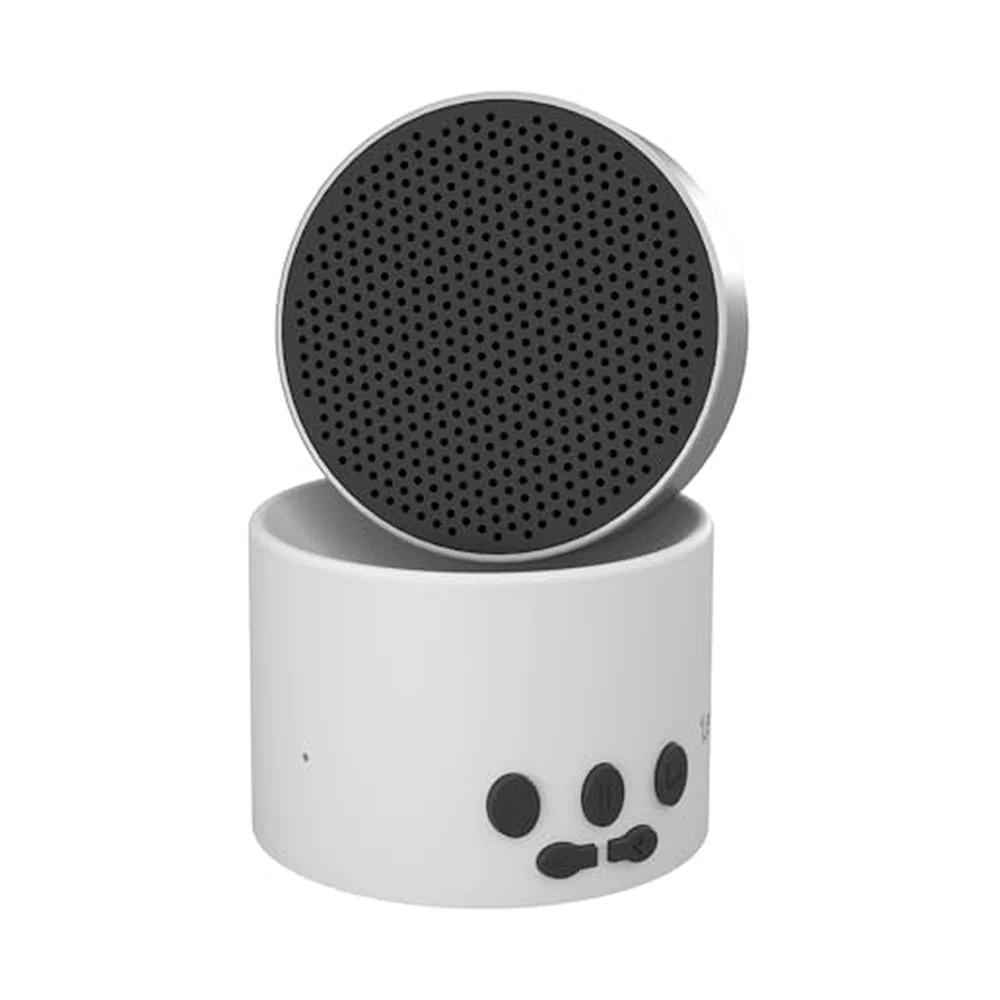
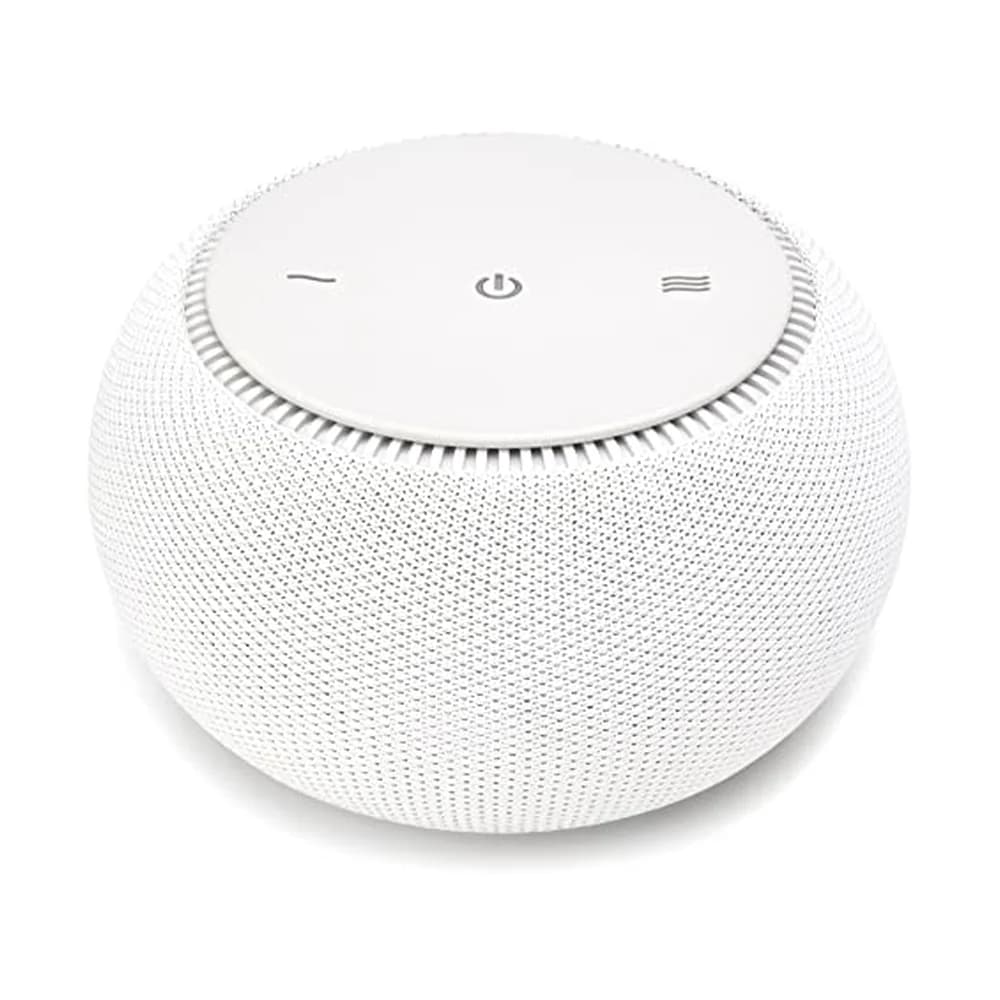
| Noise wakes you, but plugs hurt | A low steady sound from a noise machine across the room | Modest masking, with the REM question still open |
| You must hear a baby or alarm | Neither by default | Blocking or masking can hide the sounds you need |
| A quiet room and a racing mind | Work on the mental loop | There is no outside noise to mask |
| You want it for daytime work | The focus evidence | Different question, different studies; see also earplugs for focus |
If you keep using noise at night
Compare a week without it
Sleep a week with your sound and a week with plugs or quiet. Note how you feel each morning, knowing that feelings can miss what sleep loss costs you.
Use the lowest level that helps
The 2026 trials ran at 40 to 50 dB. The NIDCD says sounds at or below 70 dBA are unlikely to cause hearing loss even after long exposure, but that is a hearing limit, not a sleep target.
Keep the source away from your head
Distance gives you room to stay in that range. Place the speaker across the room rather than on the nightstand.
Pink and white noise FAQ
Is pink noise better than white noise for sleep?
Nobody has shown that. We found no head-to-head trial among the studies above, and pink noise has the most recent warning sign, simply because it was the color the 2026 trial chose.
Is it bad to sleep with white noise every night?
Long-term effects are unknown. The 2021 review notes continuous noise may also harm sleep and hearing, and the 2026 authors caution against indiscriminate use of broadband noise. If yours helps you, keep it low and keep checking.
Tools that help with this
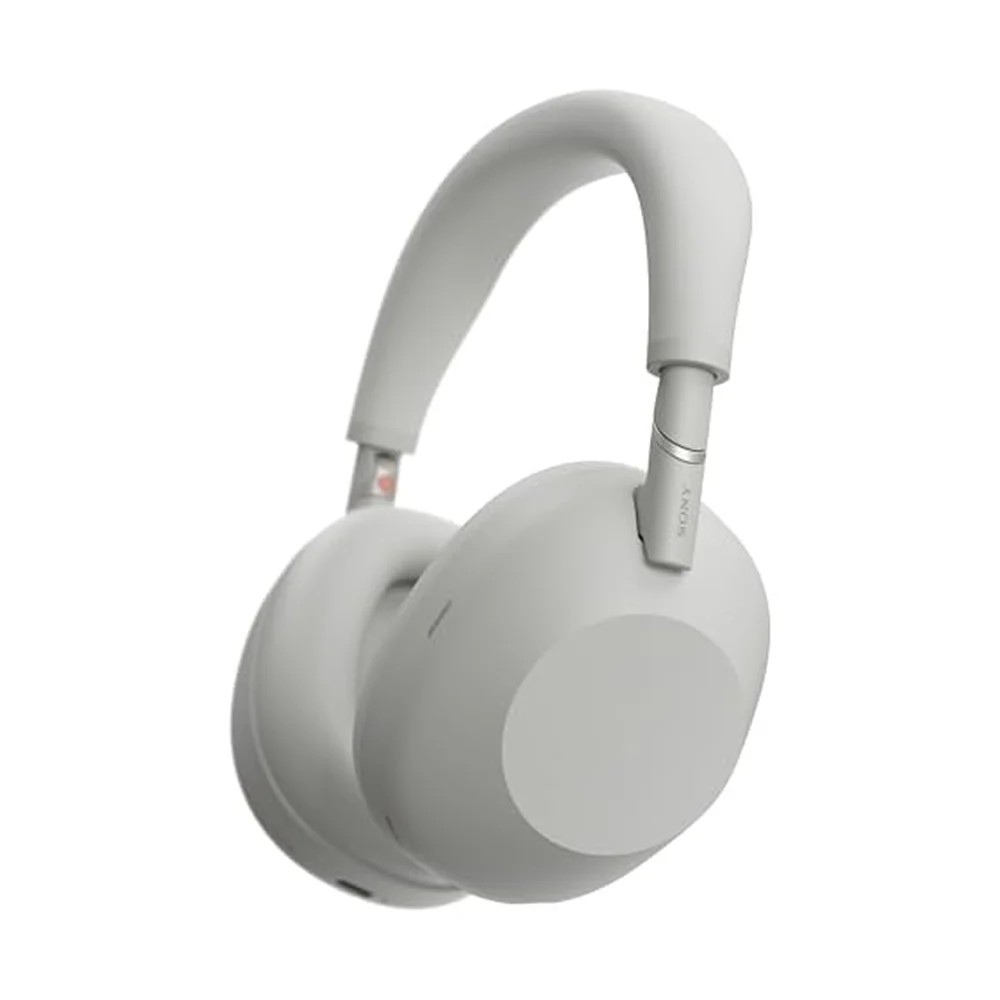
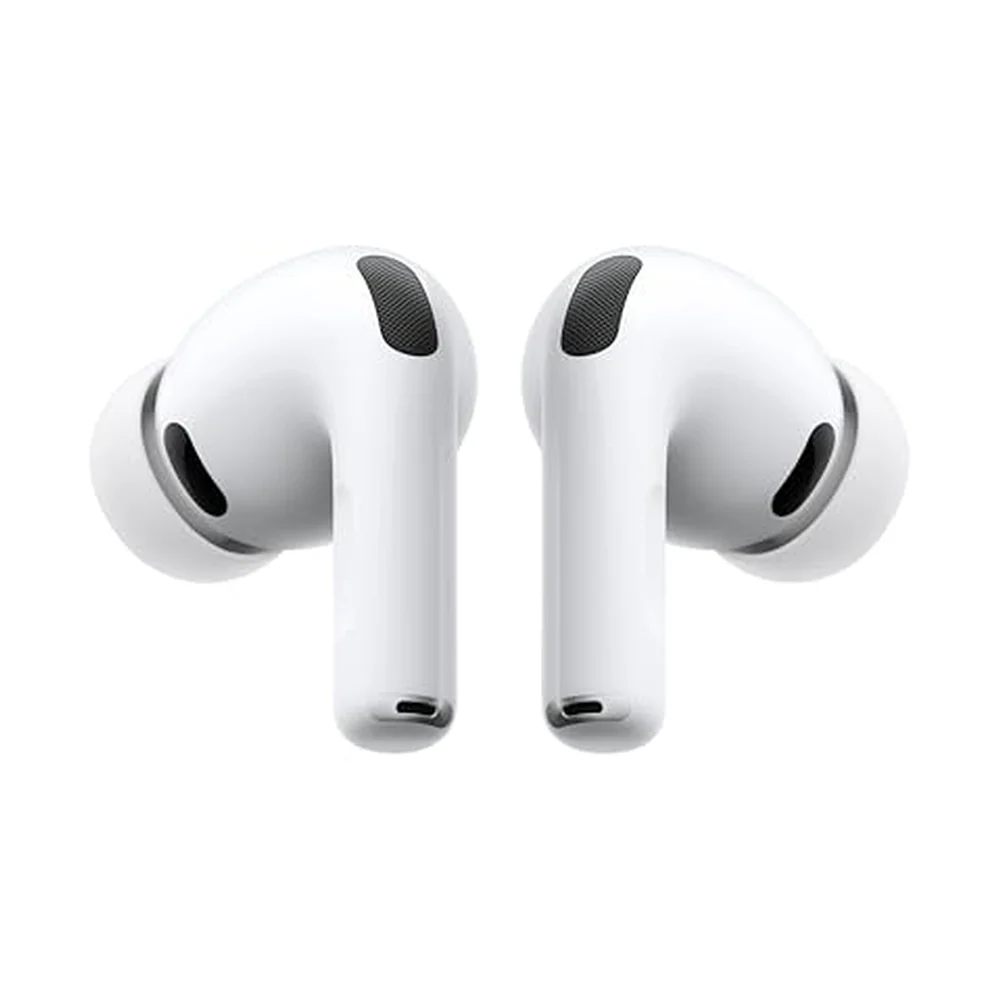
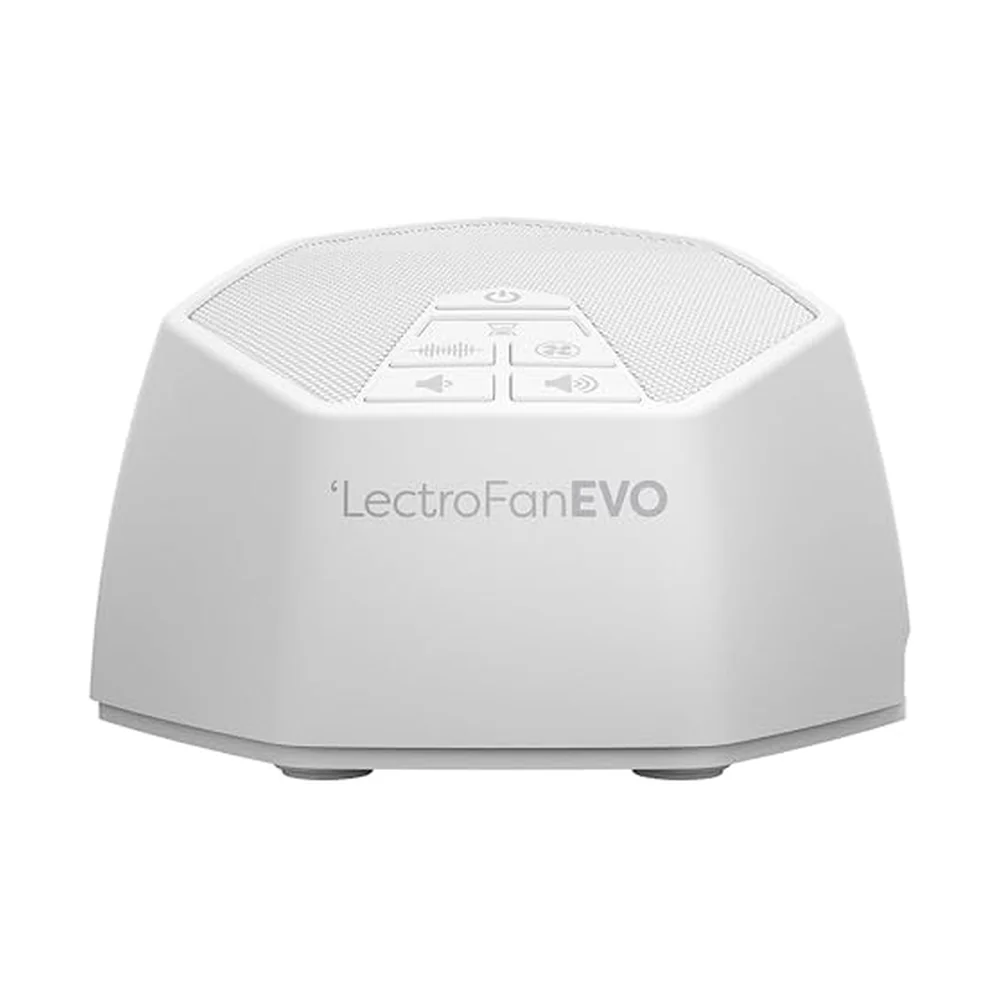
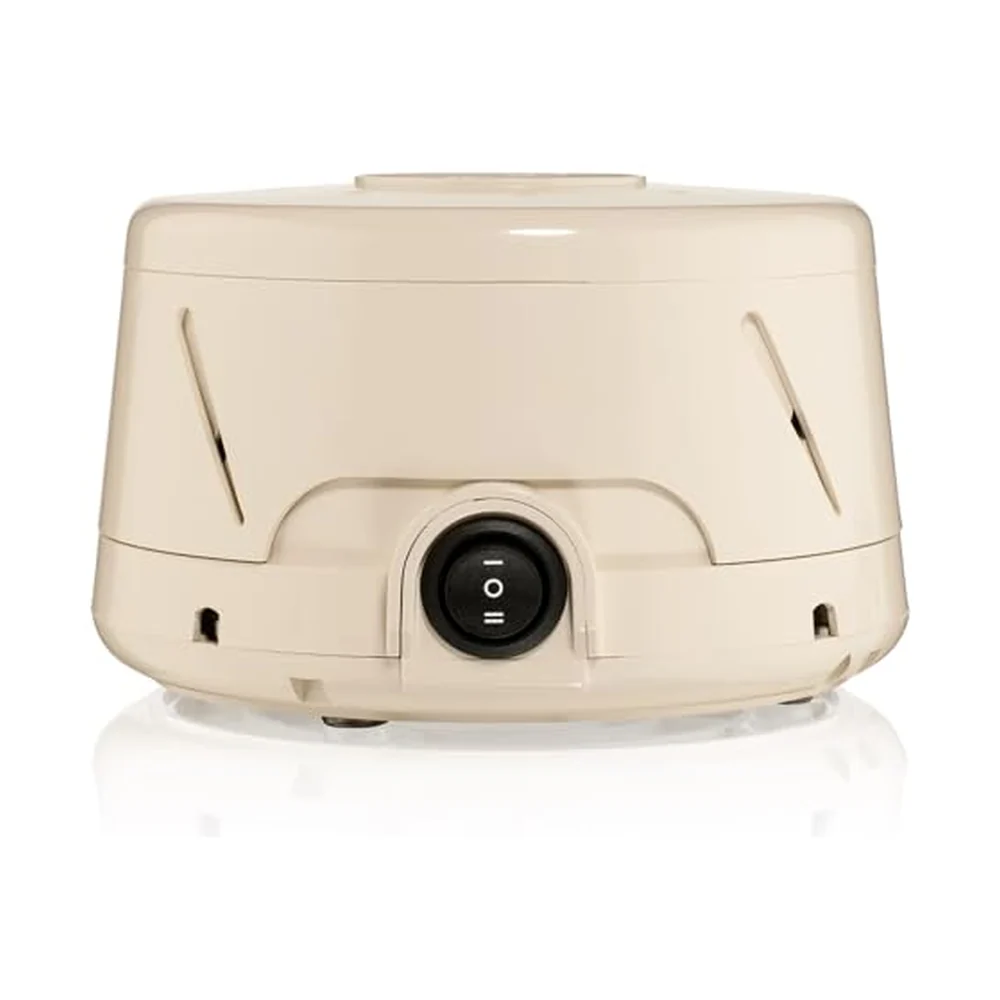
Ready to get unstuck?
The Brain Deck gives you 52 science-backed strategies in your pocket — a physical card deck you keep on your desk, no app required.
See the CardsLaunching soon · 54 cards · Premium matte finish