Brown Noise vs Pink Noise for Focus: What Studies Show
Pink and white noise give people with ADHD symptoms a small focus boost and slightly hurt everyone else. Brown noise, the trendiest colour, is barely studied.
For focus, white and pink noise have the most evidence: a small task benefit for people with ADHD symptoms and a slight cost for people without them. Brown noise is barely studied, so test any colour against quiet for two weeks at a low volume.
Key Takeaways
- The benefit depends on who is listening. White and pink noise gave a small task boost to people with ADHD symptoms and slightly hurt people without them.
- Brown noise is the least studied colour. A 2024 meta-analysis found no brown-noise ADHD studies, and one 22-person lab study is the main focus data.
- Test it on yourself, quietly. Alternate colours against quiet for two weeks, keep the volume well under the hearing-risk line, and keep only what beats quiet.

Short answer: if you have ADHD or strong attention problems, white or pink noise has the best evidence, and the benefit is small. If you don't, controlled studies suggest steady noise may slightly hurt task performance. Brown noise, the colour most people reach for, is the least studied of the three.
Most comparisons of these two colours are about sleep. This one is about work: what has actually been measured when people do attention tasks with noise playing, and how to find out whether either colour helps you.
The evidence, colour by colour
The colours describe how sound power is spread across frequencies. In the standard definition, "white noise is flat (β = 0), while flicker or pink noise has β = 1, and Brownian noise has β = 2." In plain terms, each step tilts more energy toward the low end, so brown sounds deeper and rumblier than pink, and pink is softer than hissy white.
| Colour | What it is | Tested for attention? | Result | Evidence strength |
|---|---|---|---|---|
| White | Equal power at every frequency; sounds like static | Yes, repeatedly, mostly in children and young adults with ADHD | Small gain with ADHD symptoms; small loss without them | Moderate: a 13-study meta-analysis |
| Pink | Power falls 3.01 dB per octave (1/f); softer, like steady rain | Yes, pooled with white in the same meta-analysis, plus one 22-person lab study (below) | Same pattern as white | Moderate, largely shared with white |
| Brown (red) | Power falls about twice as steeply (1/f²); a low rumble | Barely: one 22-person lab study | Some positive results against quiet | Weak: no ADHD trials found |
Two studies anchor that table. Söderlund and colleagues (2007) gave memory tasks to children with and without ADHD, with and without white noise. Their abstract reports that noise "exerted a positive effect on cognitive performance for the ADHD group and deteriorated performance for the control group."
That split held up at scale. A 2024 meta-analysis by Nigg and colleagues in the Journal of the American Academy of Child & Adolescent Psychiatry pooled 13 studies (335 participants) of children and college-age young adults with ADHD or ADHD symptoms. White and pink noise produced "a small but statistically significant benefit" on task performance (g = 0.249). In non-ADHD comparison groups, the effect ran the other way (g = −0.212).
Why pink noise has a reputation (it's sleep)
Pink noise's fame comes mostly from sleep research. In a 2017 Northwestern study, 13 adults aged 60 to 84 slept one night with acoustic stimulation and one with sham. The setup was precise: "Pulses of pink noise were delivered when the upstate of the slow wave was predicted." Overnight word recall improved more on the stimulation night.
Notice what that study did not test. The pulses were timed to brain waves in real time during sleep, and slow-wave activity across the whole night was similar between conditions. It says nothing about a continuous pink-noise track played while you answer email. If sleep is your actual problem, our guide to a mind that won't shut off at night is the better starting point.
Brown noise: the evidence gap
Here is the falsifiable claim at the centre of this post: the most popular colour for focus is the least studied. The 2024 meta-analysis searched for white, pink and brown noise studies in people with ADHD. Its abstract is blunt: "No studies of brown noise were identified."
The closest thing is a 2020 study in Noise & Health that put 22 participants through quiet, red (another name for brown), pink and white noise. Red noise beat quiet on some tests. On the working-memory test, "Red and pink noise showed significantly positive improvement". But on sustained attention, "pink noise gave the only significantly positive result." That is one small study, in a general group, with mixed results by task.
The common explanation, that brown noise is calming while white is arousing, has not held up under measurement either. A 2025 University College London study tracked pupil size, a marker of arousal, in 31 listeners exposed to all three colours. The researchers reported "no significant modulation of pupil size across noise conditions." The exposures lasted 10 seconds each, so this doesn't settle what an hour does, but it removes the easy story.
How loud is too loud?
The meta-analysis authors flag that safe and appropriate volume levels for this use still need study. For hearing safety, use the general ceiling. The National Institute on Deafness and Other Communication Disorders states that sounds at or below 70 dBA "are unlikely to cause hearing loss," while "long or repeated exposure to sounds at or above 85 dBA can cause hearing loss."
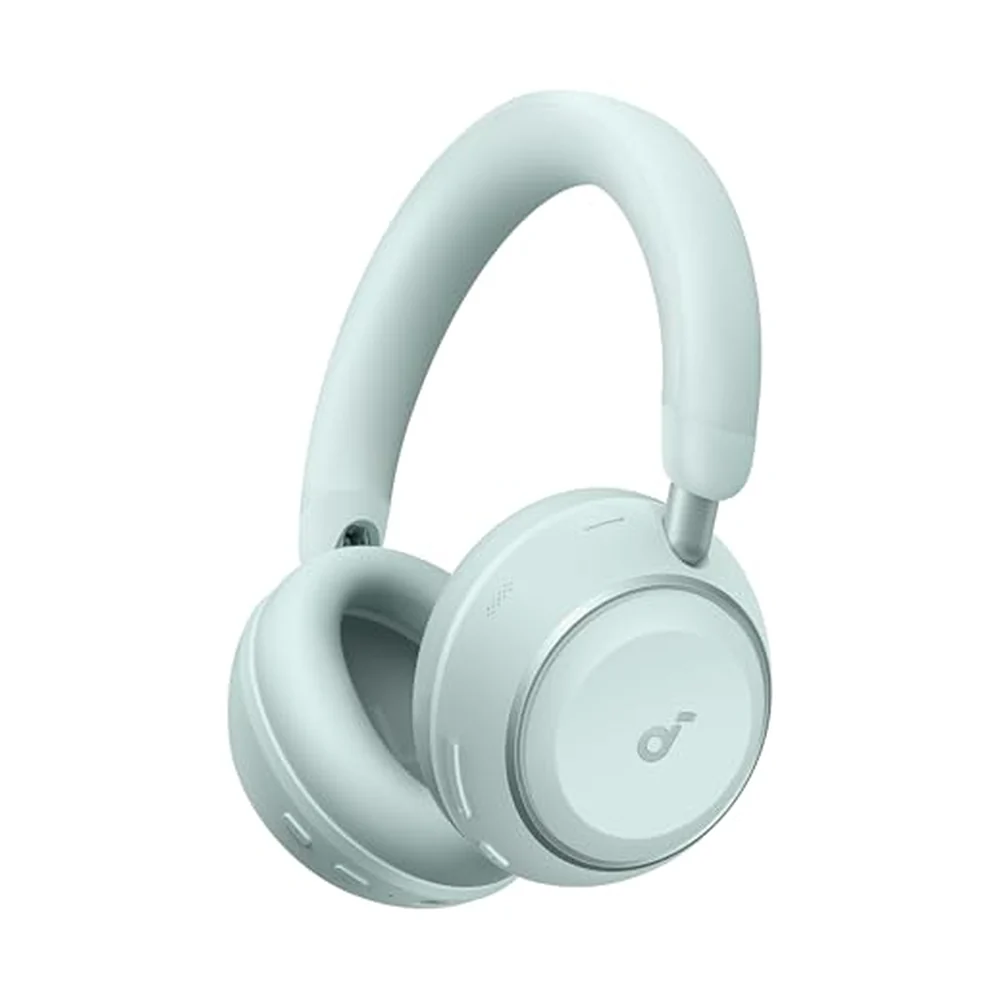
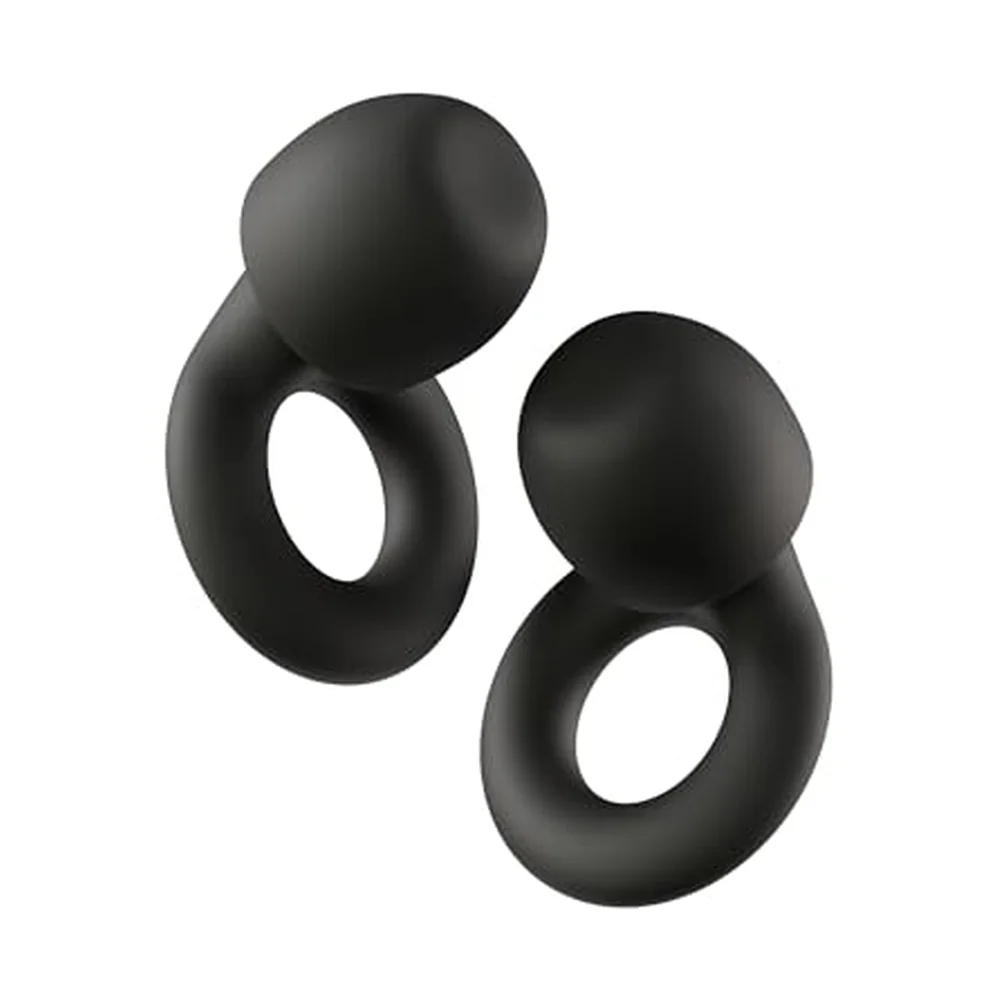
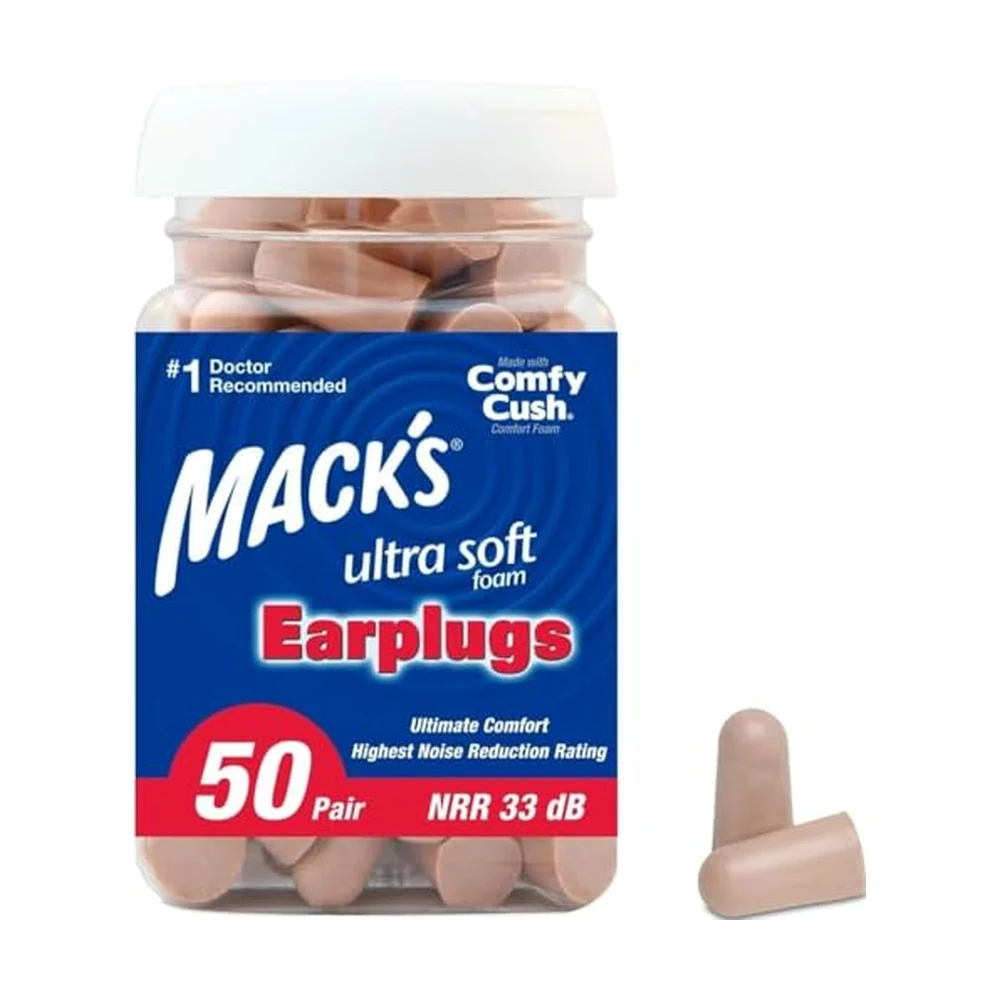
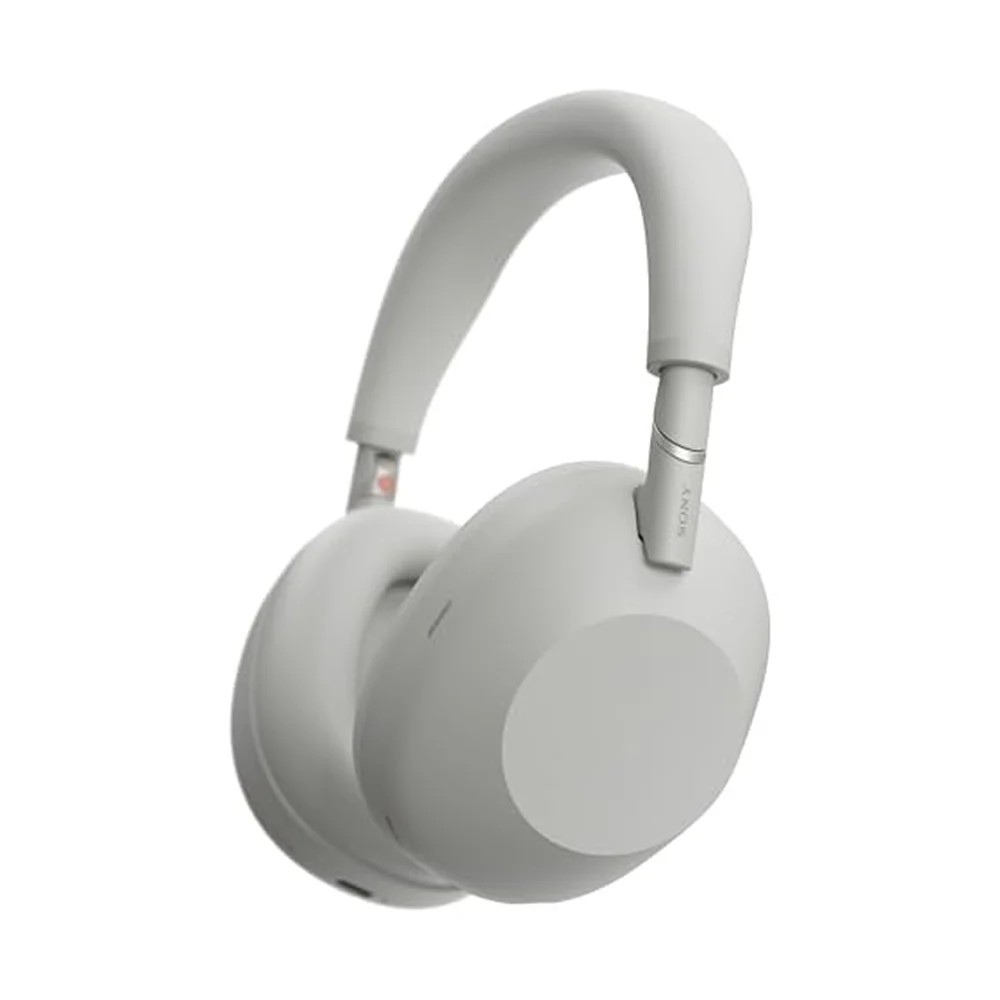
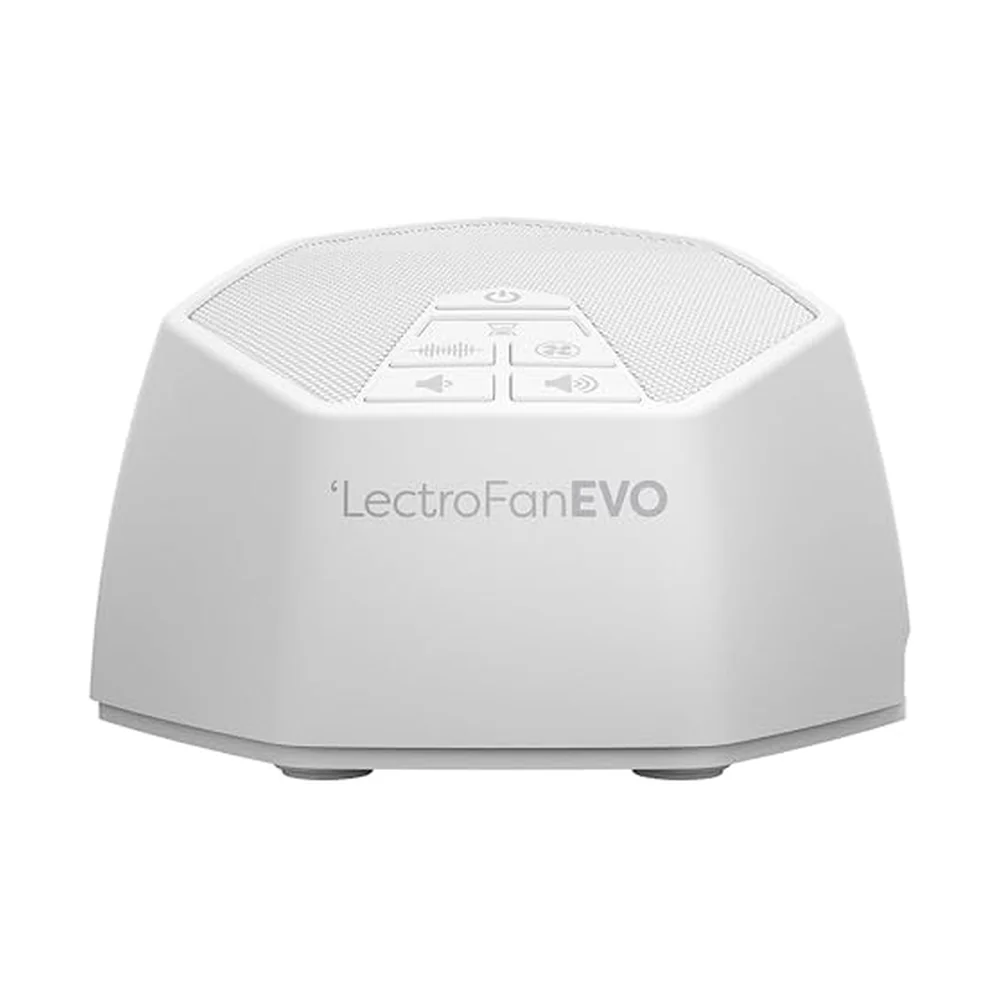
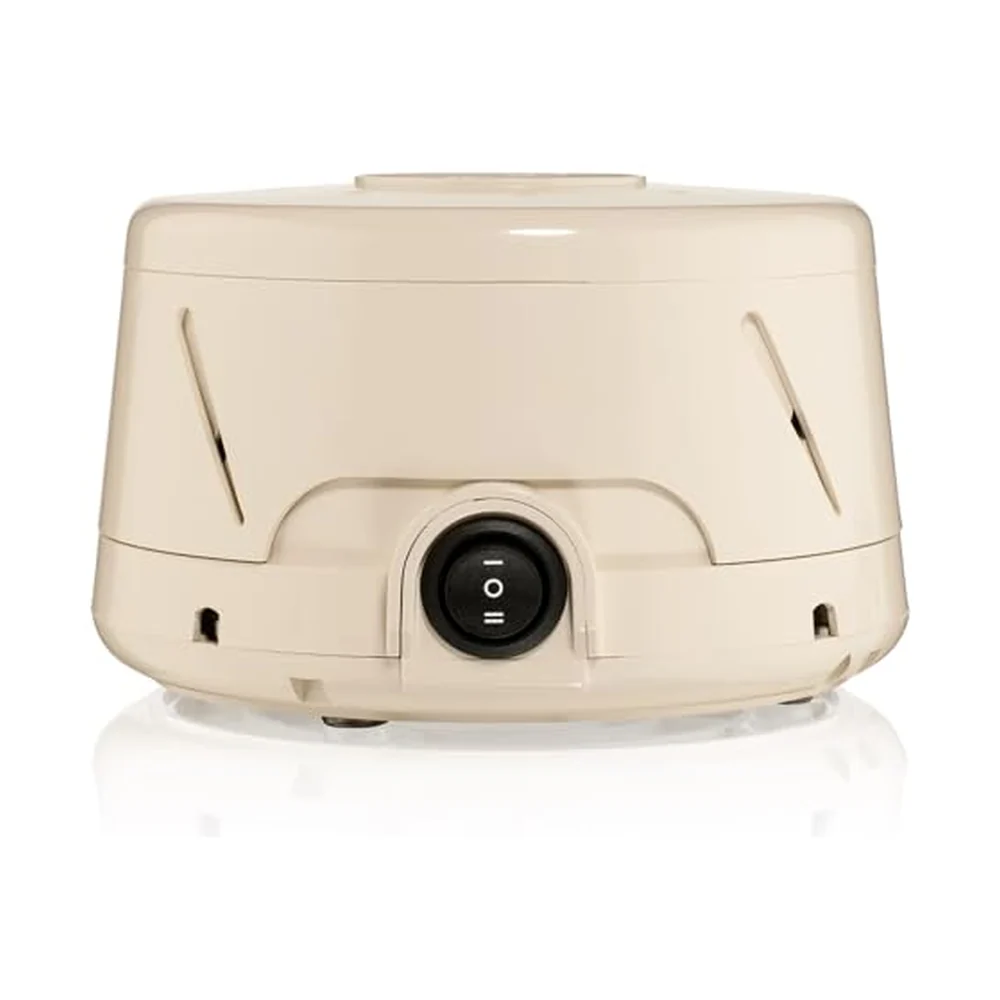
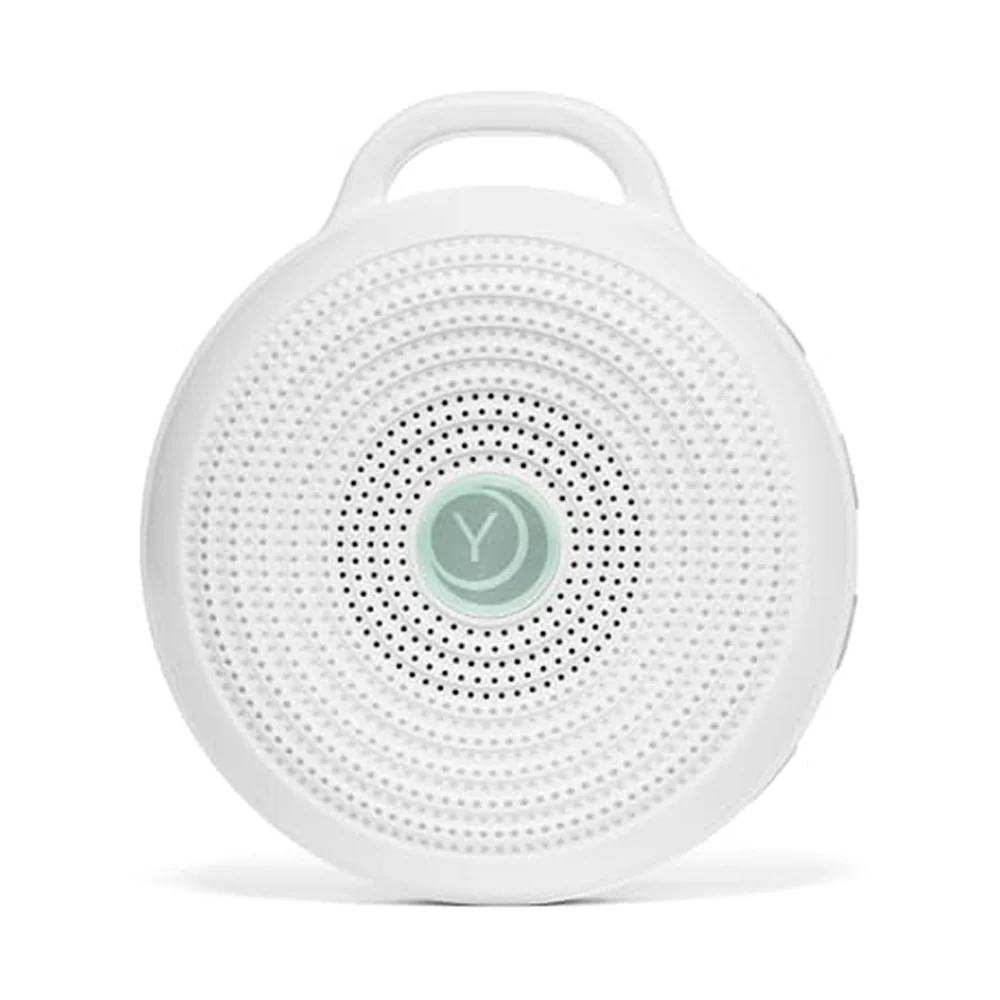
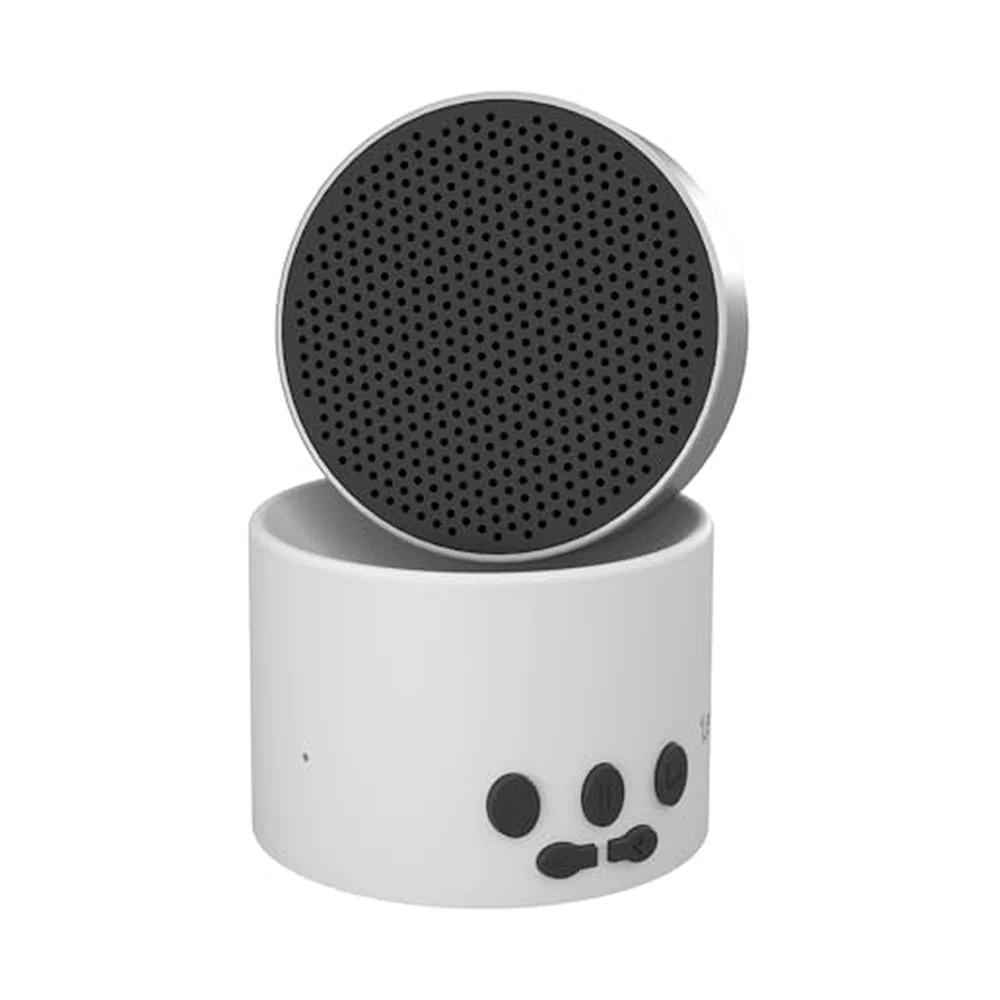
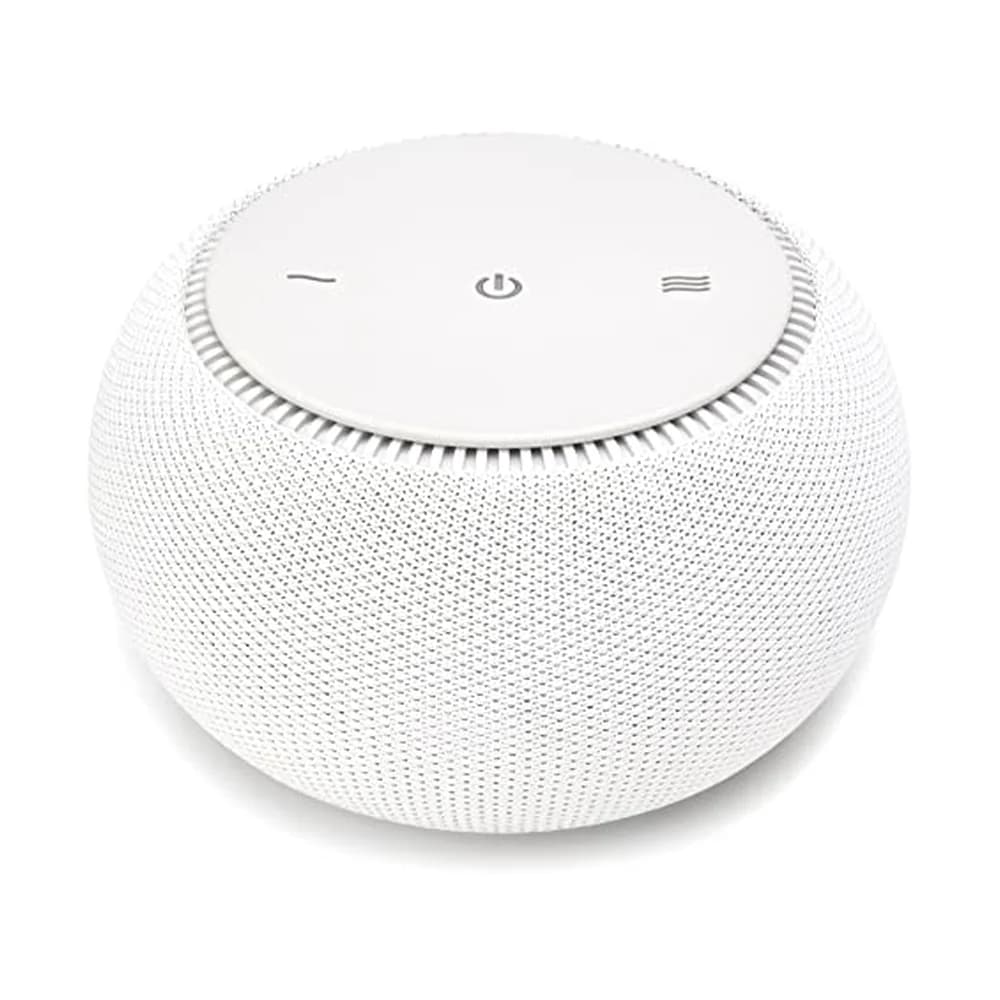
Focus noise runs for hours, so aim well under that line. A practical check is to set it just loud enough to blur nearby speech, then turn it down a notch. Noise played over a sealed pair of headphones adds sound to your ears; if your real problem is a loud office, blocking sound with focus earplugs or noise-cancelling headphones may do more than masking it. A standalone white noise machine keeps the source across the room instead of in your ears.
Run your own two-week test
Because the group averages split by who is listening, the honest move is a small self-experiment. Pick one metric you already track, such as Pomodoros completed (see our Pomodoro guide), and keep everything else the same.
Days 1–4: baseline
Work in your usual quiet or ambient sound. Log the metric at the end of each focus block.
Days 5–10: alternate colours
Switch daily between pink and brown at the same low volume, same time of day, same kind of task. Alternating spreads good and bad days across both.
Days 11–14: repeat your best and quiet
Alternate the colour that looked best against quiet. If it doesn't clearly beat quiet on the same tasks, you don't need it.
Treat the result as a personal preference, not proof. Before blaming the soundtrack, rule out the bigger drags in why you can't focus, and if you prefer music, our music-and-focus guide covers lyrics and tempo.
Brown and pink noise FAQ
Does brown noise help ADHD?
It hasn't been tested in a controlled ADHD study yet. The evidence for an ADHD benefit comes from white and pink noise, and that benefit is small.
Is pink noise better than brown noise for studying?
Pink has more evidence, and it was the only colour to beat quiet on sustained attention in the 2020 study. That is thin ground for a rule, so let a two-week test decide.
Tools that help with this

Ready to get unstuck?
The Brain Deck gives you 52 science-backed strategies in your pocket — a physical card deck you keep on your desk, no app required.
See the CardsLaunching soon · 54 cards · Premium matte finish