Do Earplugs Help You Focus? Not Against Voices Alone
Turning background speech down by 15 decibels left its damage to memory unchanged. What protects focus is making voices hard to understand, so pair a plug with steady sound.
Earplugs help most against faint speech in a quiet room and against steady noise. Against a clear nearby conversation they often fall short, because research shows speech disrupts focus through how intelligible it is, not how loud. Pair a plug or noise-cancelling headphones with low, steady background sound.
Key Takeaways
- Loudness is the wrong dial. Background speech at 60 dB(A) disrupted recall as much as at 75 dB(A); intelligibility is what matters.
- Half-heard speech does full damage. A 2020 model puts the maximum performance drop at an STI of 0.44, speech still rated only poor.
- Block, then mask. A plug or ANC lowers the room; low steady sound then makes nearby voices hard to follow.

In 1998, two researchers played the same background speech to people doing a memory task, once at 75 dB(A) and once at 60 dB(A). Fifteen decibels is a big drop. It made no difference. Wolfgang Ellermeier and Jürgen Hellbrück found the disruption was the same at both levels.
That result explains why earplugs disappoint in open offices. A plug makes voices quieter, but quieter is not what protects focus. Hard to understand is.
- 75 → 60 dBQuieter background speech, with the same damage to recallEllermeier & Hellbrück, 1998
- STI 0.44Speech clarity at which the performance drop reaches its maximumHaapakangas et al., 2020
- +5 dBAll that a second protector adds when you wear plugs under muffsOSHA Technical Manual
Volume is the wrong dial
A second experiment in the same paper points to the fix. Instead of lowering the speech, the researchers added pink noise. Performance improved in a straight line as the speech-to-noise ratio fell. Speech buried in steady sound stops grabbing attention, even at the same loudness.
Acoustics researchers have since built this into a model. Valtteri Hongisto's 2005 paper states it plainly: the sound level of speech does not decide how distracting it is. Its intelligibility does. Intelligibility is measured with the Speech Transmission Index (STI), which runs from 0 (nothing understood) to 1 (perfectly clear).
Half-heard speech does nearly full damage
The 2020 revision of that model pooled 34 tests from 14 laboratory studies. Haapakangas, Hongisto and Liebl found that performance starts to drop above roughly STI 0.21 and hits its maximum decline at STI 0.44. Here is what those numbers mean in conversation terms, using the IEC 60268-16 rating bands as summarized on Wikipedia:
| STI band | IEC rating | Sentences a native listener understands | What the 2020 model predicts |
|---|---|---|---|
| 0 to 0.3 | Bad | Up to 89% | No loss below about 0.21, then the decline begins |
| 0.3 to 0.45 | Poor | 89 to 92% | Decline reaches its maximum by 0.44 |
| 0.45 and up | Fair to excellent | 92% and up | Already at maximum: clearer speech costs no more |
Lining the two up is our synthesis, not a finding from either source, and it is uncomfortable. Speech rated only "poor" still delivers about nine sentences in ten, and that already does the full damage. If you can follow the conversation next to you, trimming its clarity a little won't help.
What an earplug changes, and what it leaves alone
A plug turns everything down together: the voices, the hum and the clatter. A 2024 paper in Trends in Hearing describes the baseline expectation for a device that both speech and noise pass through: the signal-to-noise ratio at the ear is not altered. For focus, that ratio is the number that matters.
What a plug changes
- Overall loudness, by less than the box suggests. OSHA's conservative method turns a rated NRR 33 into about 13 dB.
- Whether soft, distant speech is audible at all in an already quiet room.
- Low hum and machine noise.
What it leaves alone
- The ratio of a nearby voice to the room behind it.
- Whether a conversation two desks away is still easy to follow.
- The sudden changes in sound, such as a laugh, a name or a ringtone, that pull attention.
Our reading, an inference rather than a tested result: in a quiet room, a well-fitted plug can push far-off speech below the point where you can make it out. That is where plugs alone work. In a café or open-plan office the voices stay audible and the ratio doesn't move. Doubling up won't rescue it: OSHA credits plugs under muffs with only 5 dB more than the better of the two.
Match the fix to the room
| Your situation | Main problem | Start with |
|---|---|---|
| Quiet office, one distant talker | Faint speech you can just make out | A deeply inserted foam plug on its own |
| Open-plan office or café | Clear speech over a busy room | A plug or ANC headphones plus steady sound at low volume |
| Ventilation, traffic, engine drone | Steady, low-pitched noise | Noise-cancelling headphones, which handle this best |
| TV or calls in the next room at home | Speech through a wall | A closed door first, then a plug |
| Already quiet, and focus still slips | Probably not sound | Skip the gear and check why you can't focus |
The headphone row follows Soundcore's own explainer: noise cancelling handles low-frequency hum better than voices, which change too fast to counter. ANC softens a coworker. It doesn't erase them.
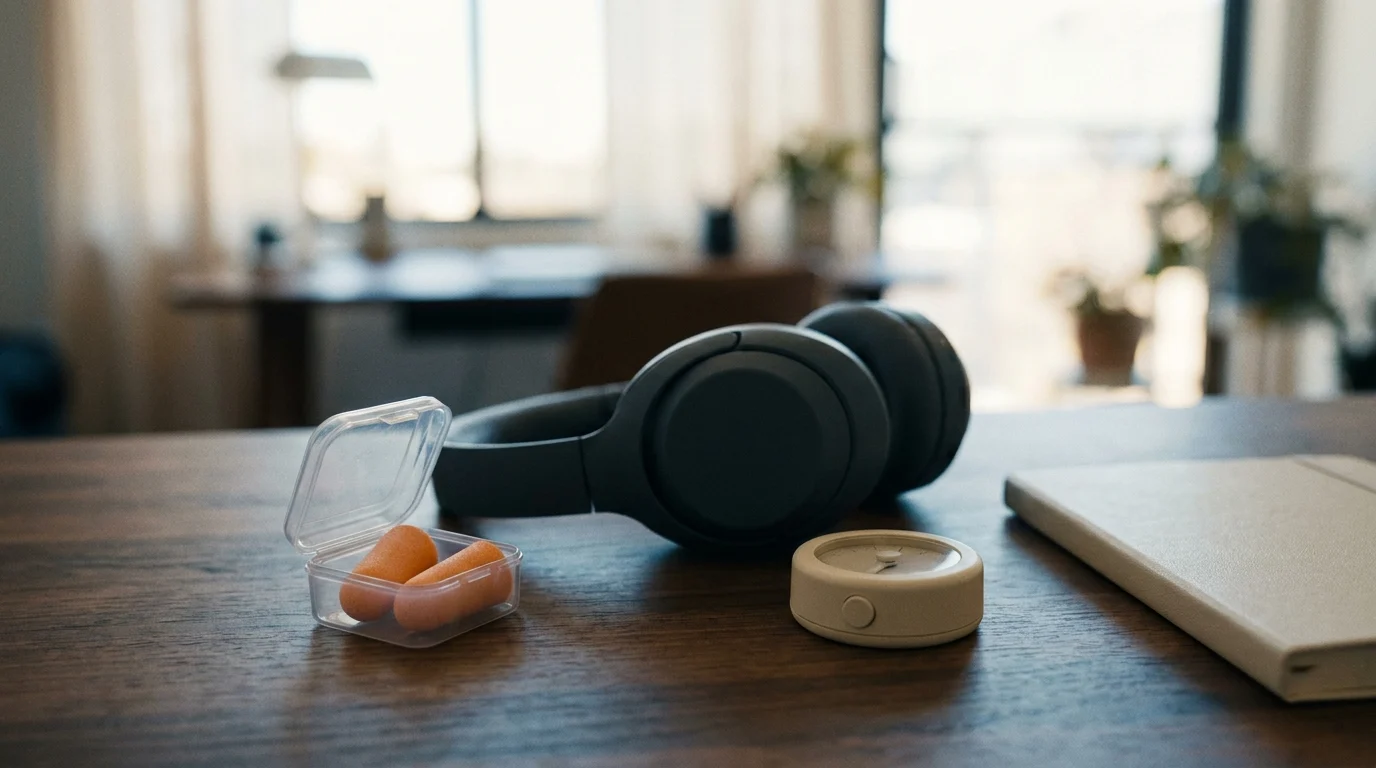
Build the stack in four moves
Step 1: Block first
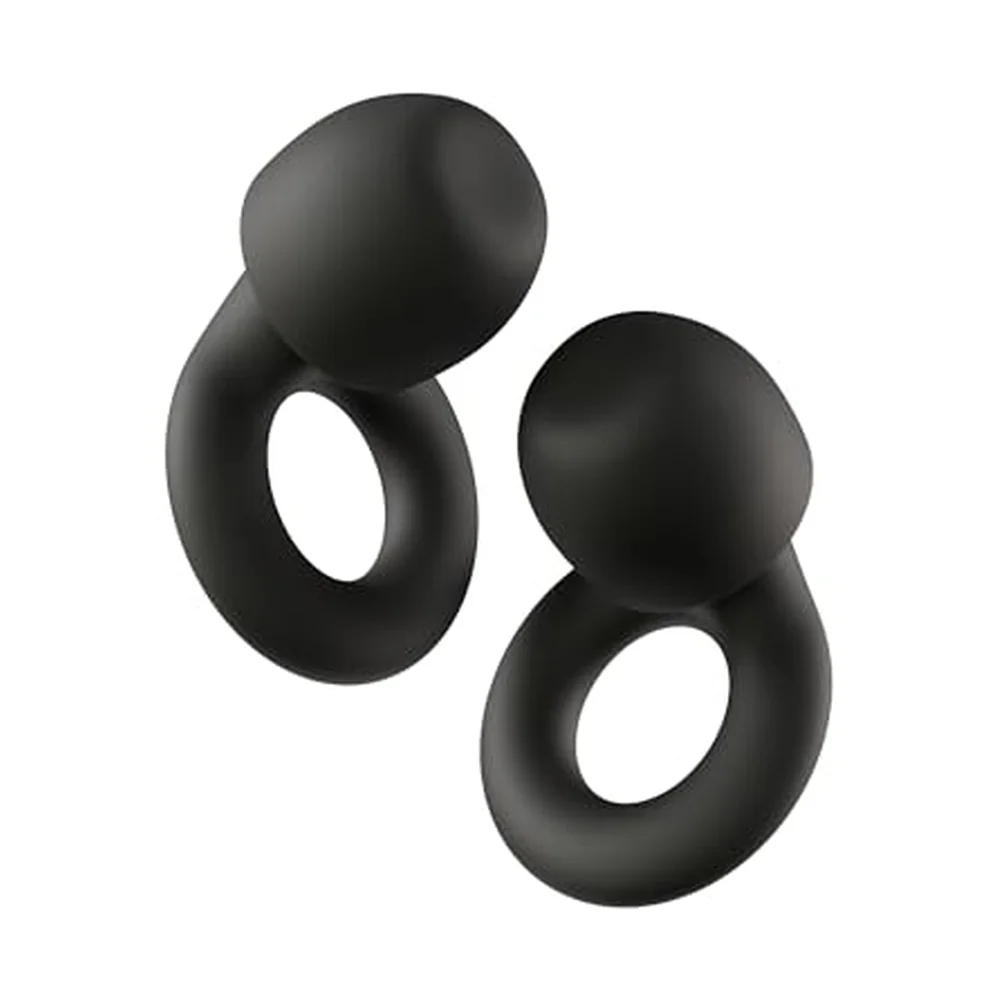
Use a plug or noise-cancelling headphones to take the room down. Foam only reaches its rating if you roll it tight, insert it deep and hold it while it expands. The Mack's Ultra Soft foam plugs are the cheap way to learn whether quiet helps you.
Step 2: Mask second
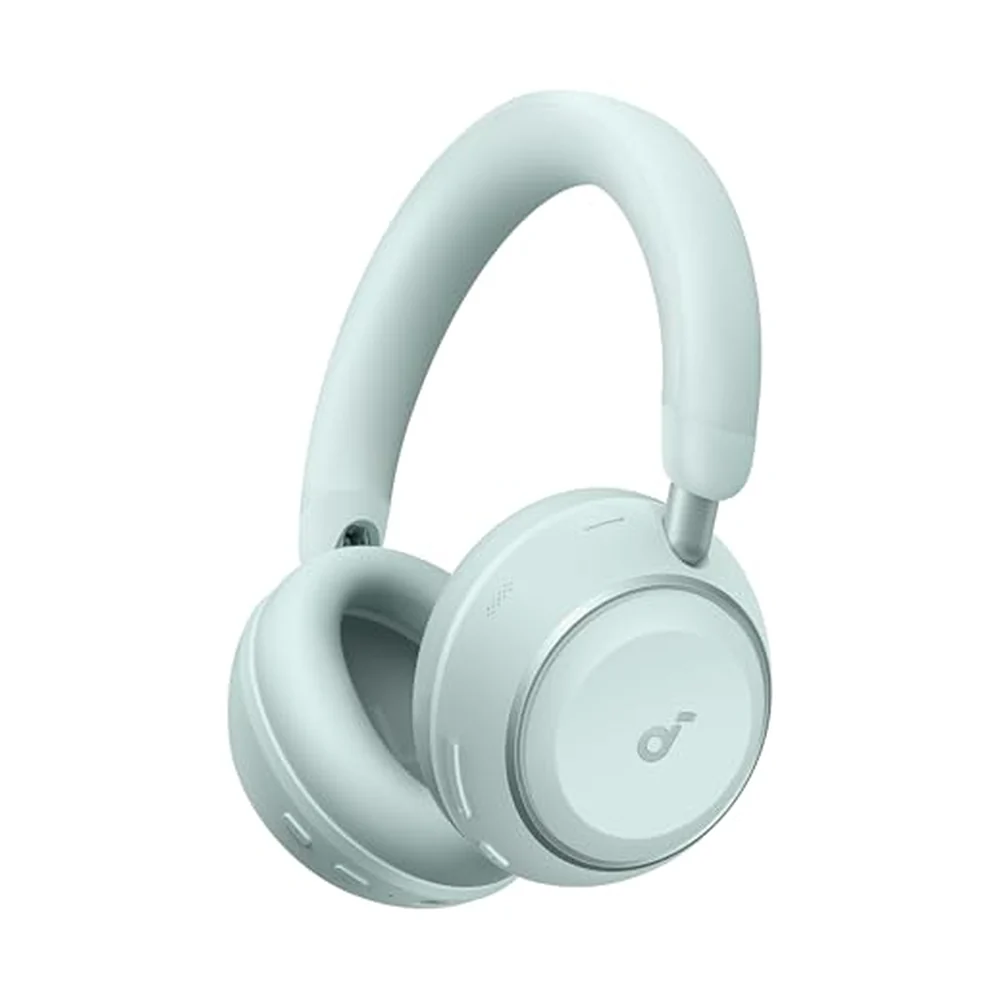
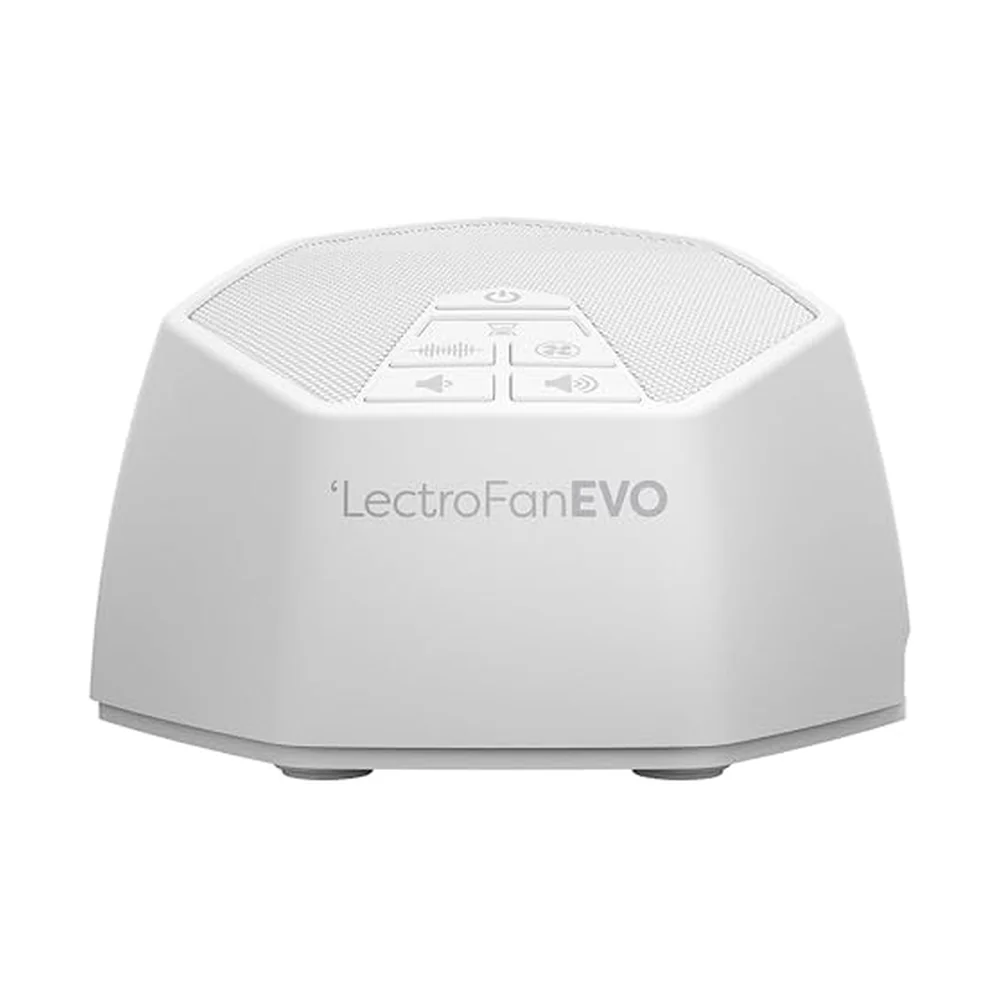
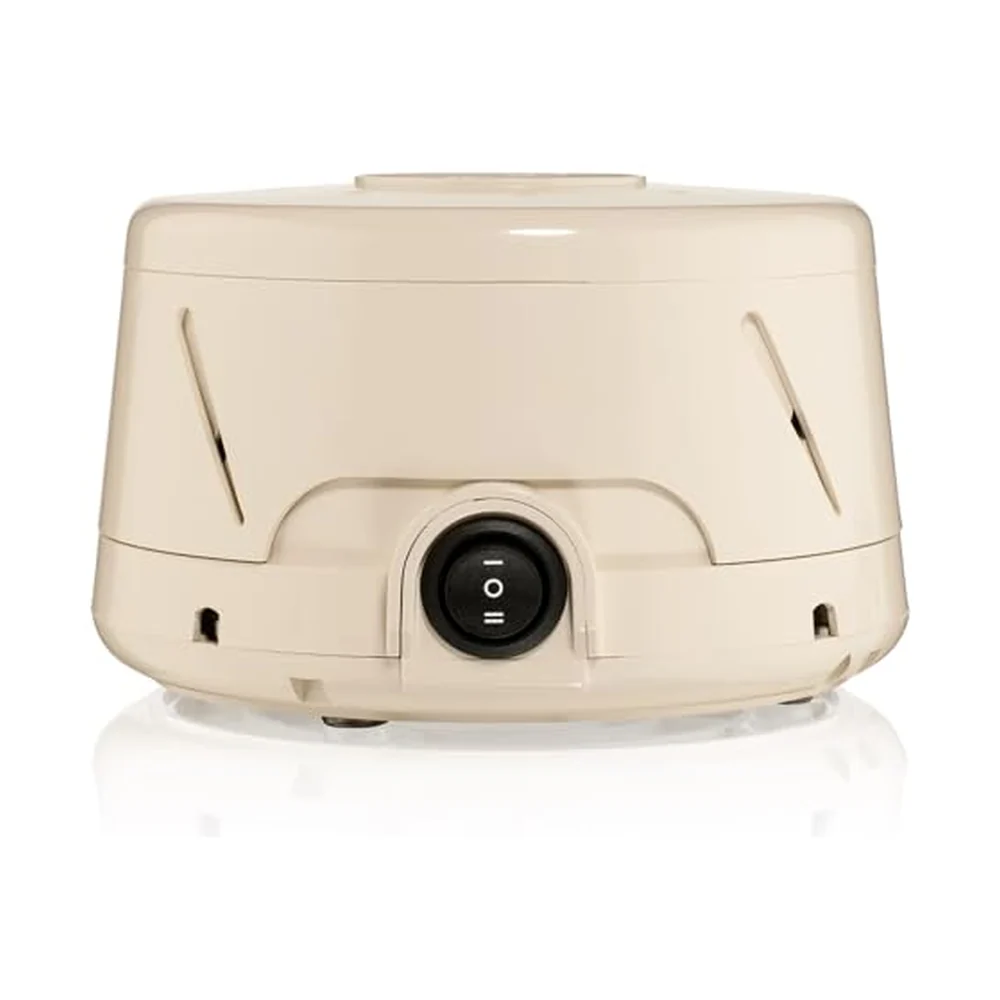
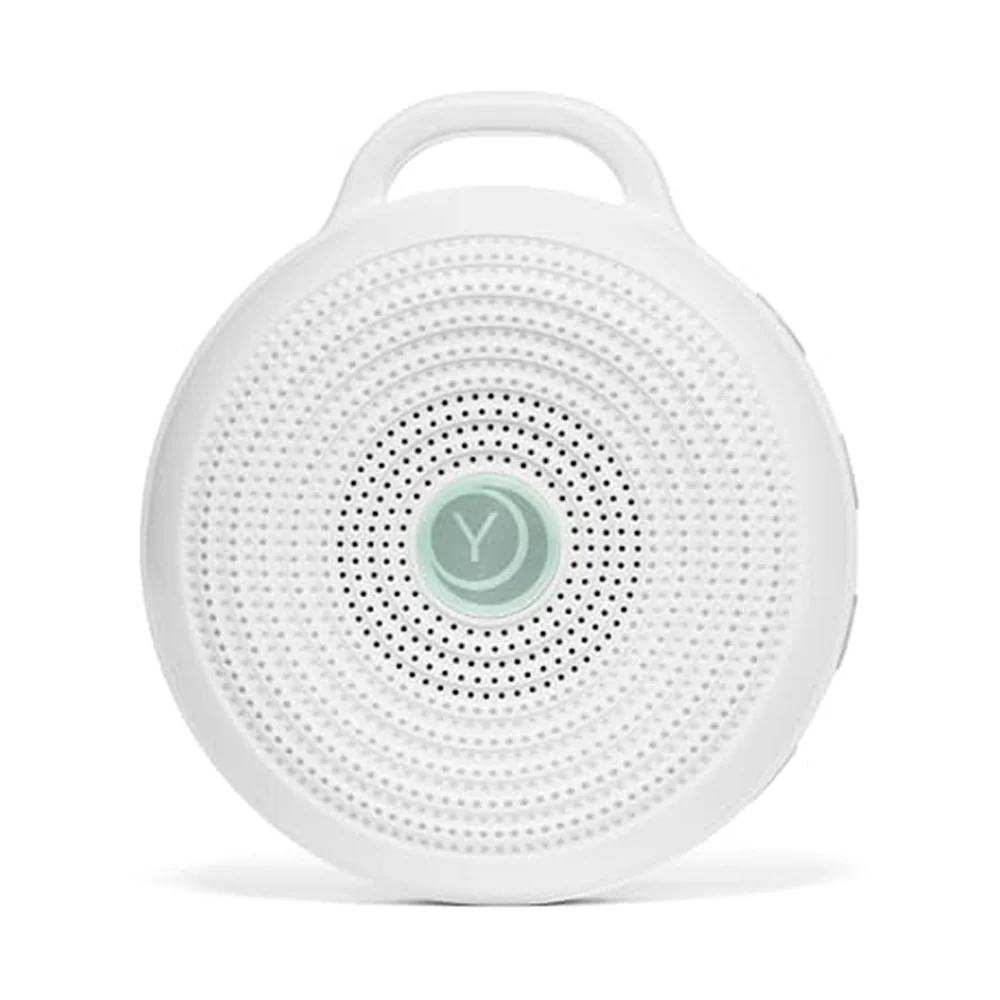
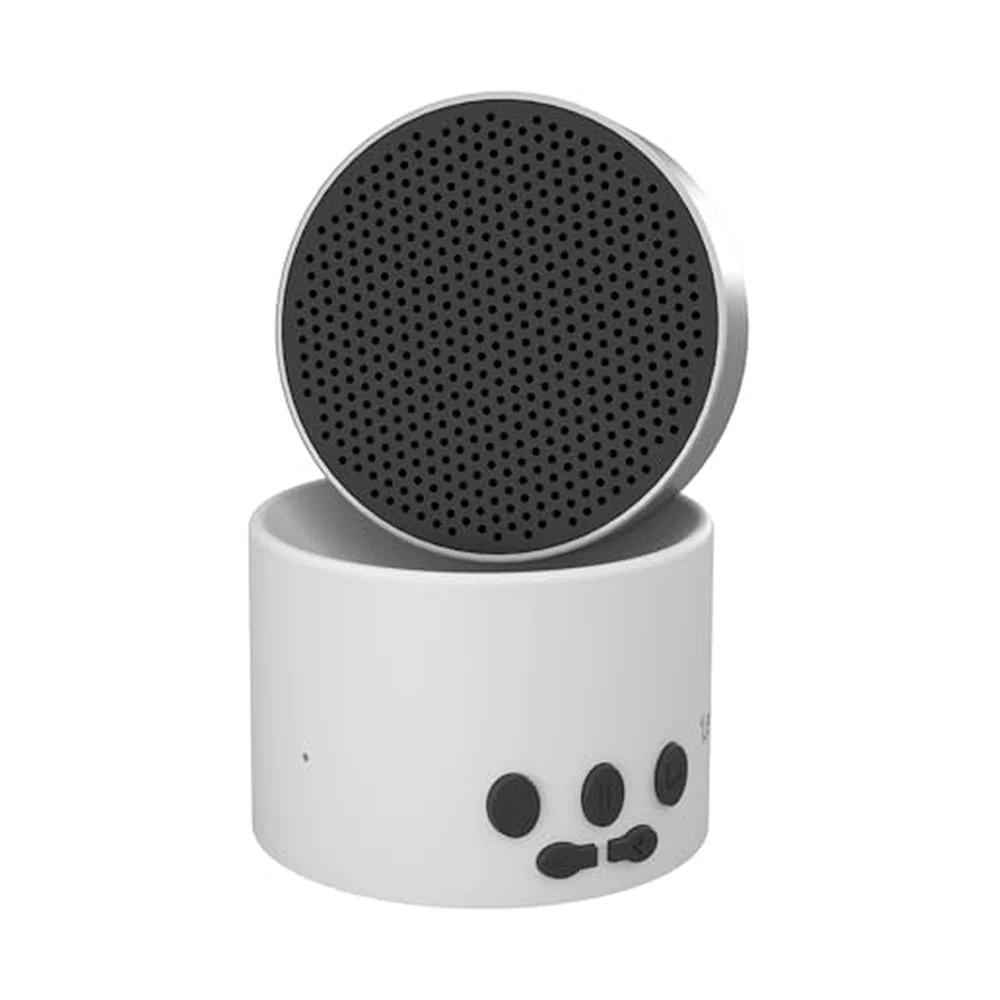
Add steady, wordless sound such as rain, a fan or pink noise. With the voices already lower, the masking can run quieter. Headphones with built-in soundscapes, like the Soundcore Space 2, do both jobs in one device.
Step 3: Run the words test
Listen for ten seconds. If you can still follow what the nearest person is saying, you are in the zone that costs you. Raise the masking a notch or move seats, and keep it below the volume you'd use for music.
Step 4: Give the quiet an end
Set a timer you can see and work until it rings. The Brain Deck pairs this with Card 13, The Visual Timer, so a sealed-off block feels like a sprint, not a sentence. A time box works the same way.
Where this breaks down
- Lab tasks, not workdays. Ellermeier and Hellbrück measured serial recall, which means remembering items in order, in short sessions.
- Noise has a cost in a quiet room. As our brown vs pink noise guide covers, steady noise slightly hurt lab performance in people without ADHD symptoms. Mask speech, not silence.
- Music is not masking. Lyrics are speech too, which our music and focus guide explains.
Earplugs and focus FAQ
Why can I still hear coworkers through noise-cancelling headphones?
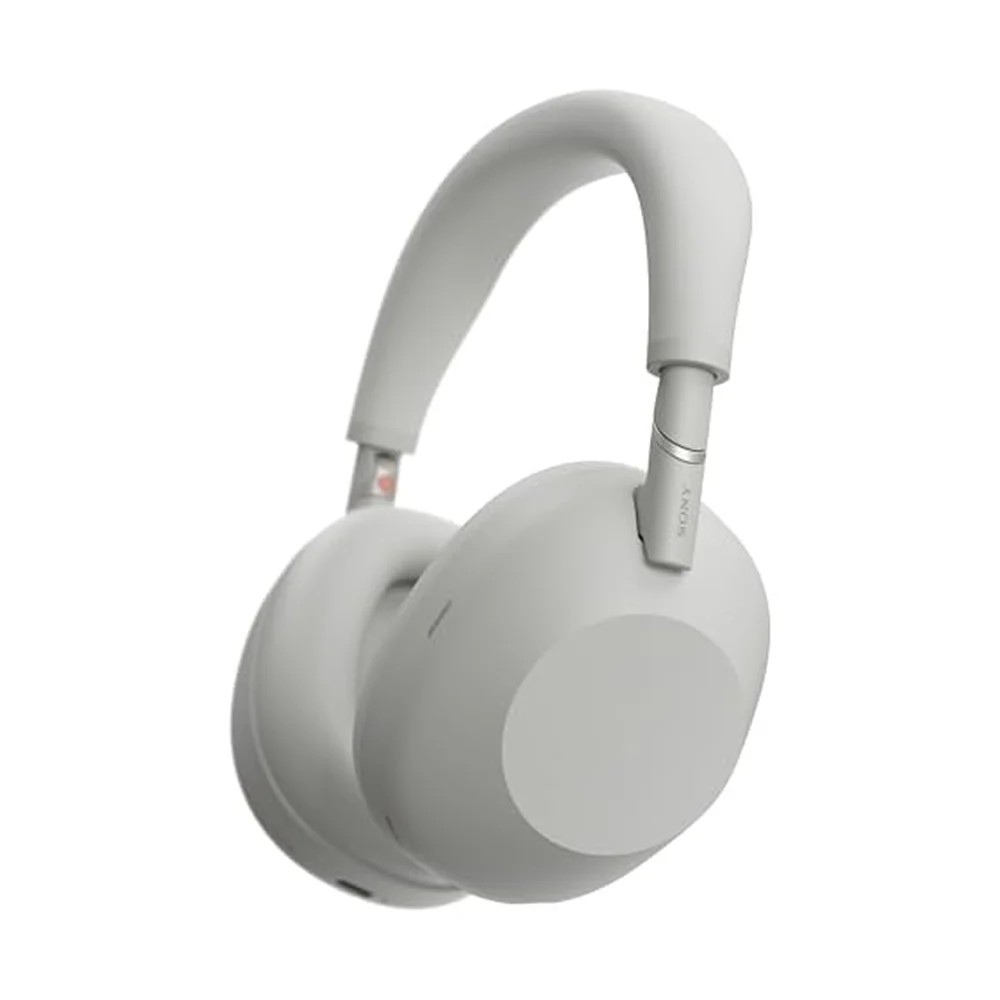
Noise cancelling is built for steady, low-pitched sound. Voices change too quickly for it to counter fully, so it softens them rather than removing them. Low, steady sound played through the headphones covers what the cancelling misses.
Is a higher NRR better for concentration?
Only up to a point. Fit changes real-world blocking more than a few decibels on the label, and loudness isn't the main lever for speech. Our focus earplugs and headphones guide explains the ratings.
Tools that help with this


Ready to get unstuck?
The Brain Deck gives you 52 science-backed strategies in your pocket — a physical card deck you keep on your desk, no app required.
See the CardsLaunching soon · 54 cards · Premium matte finish